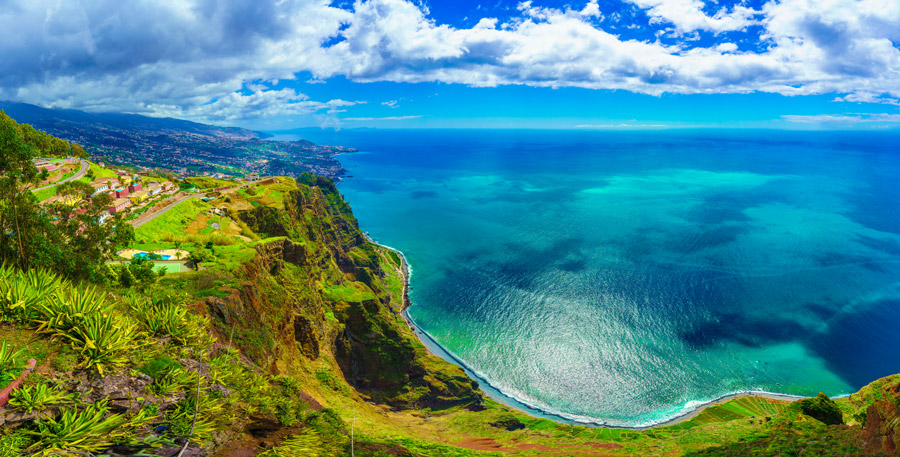
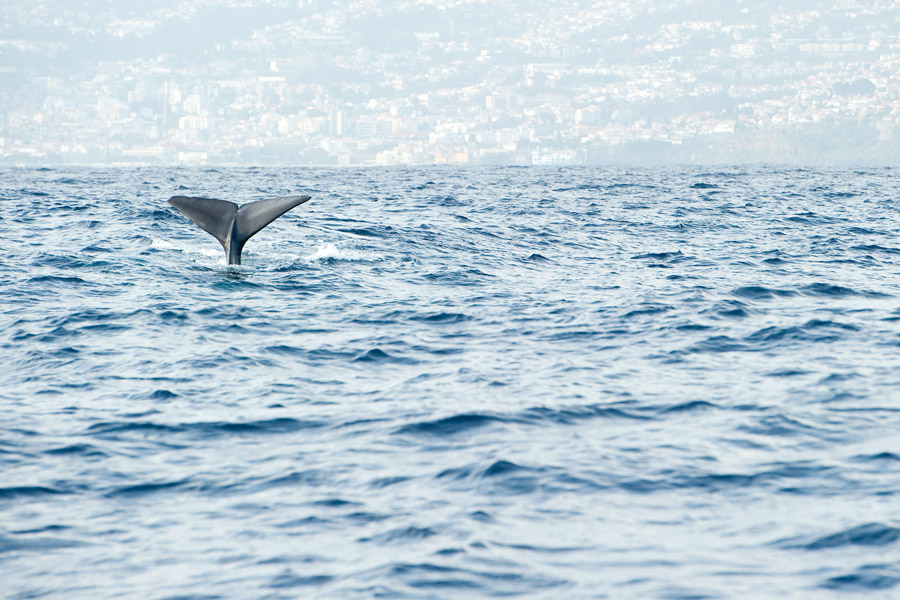
Madeira combines a mild climate, lovely blue seas and panoramic vistas with ancient laurel forests that harbour endemic birds. Its warm deep seas attract an array of resident and transient whales and dolphins.
With its diversity of geological formations, rich seas and unique flora, Madeira is a haven for naturalists. It is remarkable for its variety of seabirds and for its endemic bird species and subspecies. Located on a whale migration route, as well as a feeding and calving ground, it is also ideal for dolphin and whale watching. May is an excellent time to visit as the sea is warming up, bringing both cetaceans and migrating seabirds – photographers get ready as it’s extremely scenic, both on land and at sea! This is also the breeding season of the highly endangered Zino’s petrel.
Although no more than 47 bird species breed in the Madeiran archipelago, approximately half of them are either endemics to Madeira. The island’s seabirds, including Zino’s petrel, are the main attraction for birdwatchers, thanks to several colonies of world importance.
Typical Itinerary
-
Day 1:
Fly to Funchal & transfer to Machico; coastal birding
We fly from London to Funchal and, after checking into our hotel and a lovely lunch, we enjoy some coastal birding at the easternmost tip of Madeira, in a protected area renowned for its endemic flora. This area is home to a large colony of yellow-legged gulls; other species targeted on our walk include Berthelot’s pipit, Madeira rock sparrow, red-legged partridge, kestrel and clouded yellow butterfly. We then visit the local village in our quest for the Spanish sparrow and common tern.
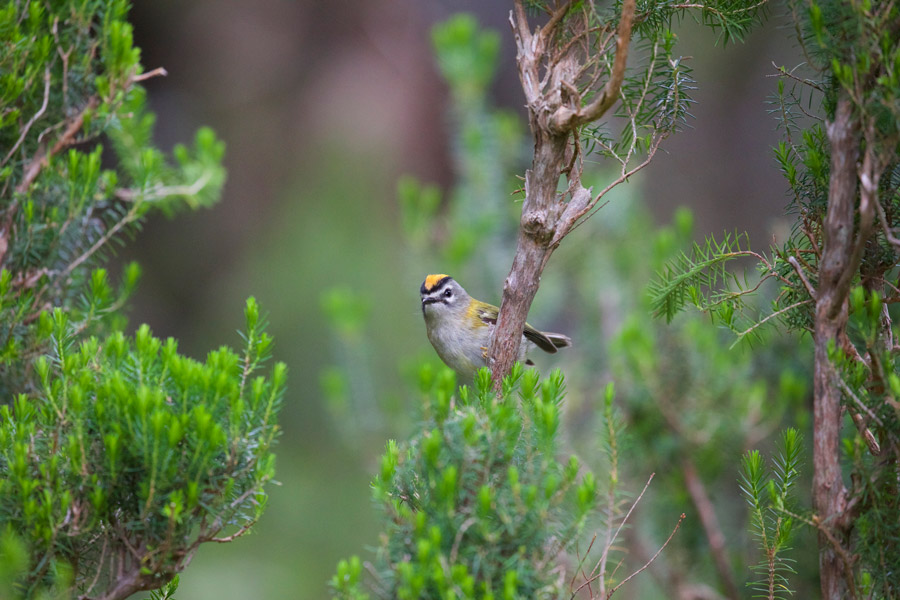
A walk in the mountains should give us the opportunity to spot the endemic Madeira firecrest and Madeira subspecies of robin and greenfinch. In the late afternoon we head back to the hotel in time for dinner.
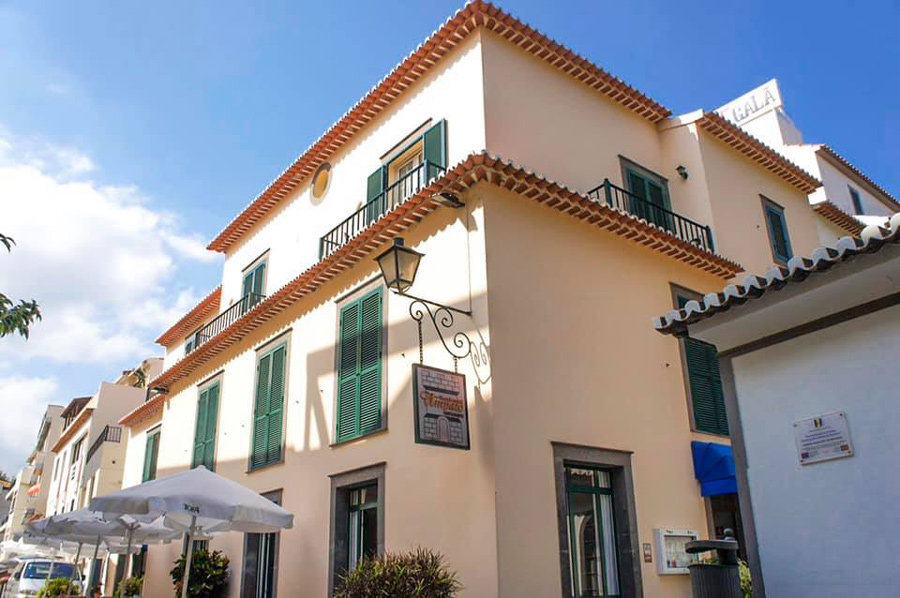
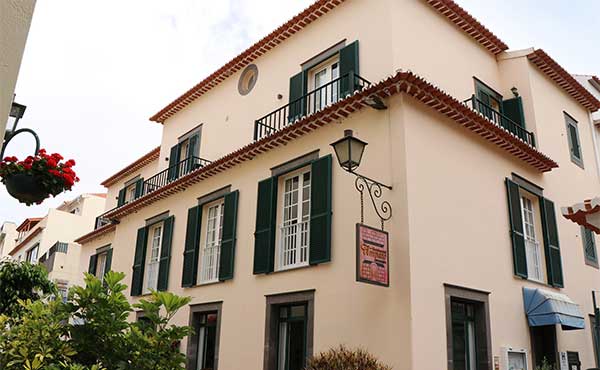
Accommodation: Hotel Amparo, 4-nights
-
Day 2:
Whale & dolphin watching excursion; Madeira Levada walk
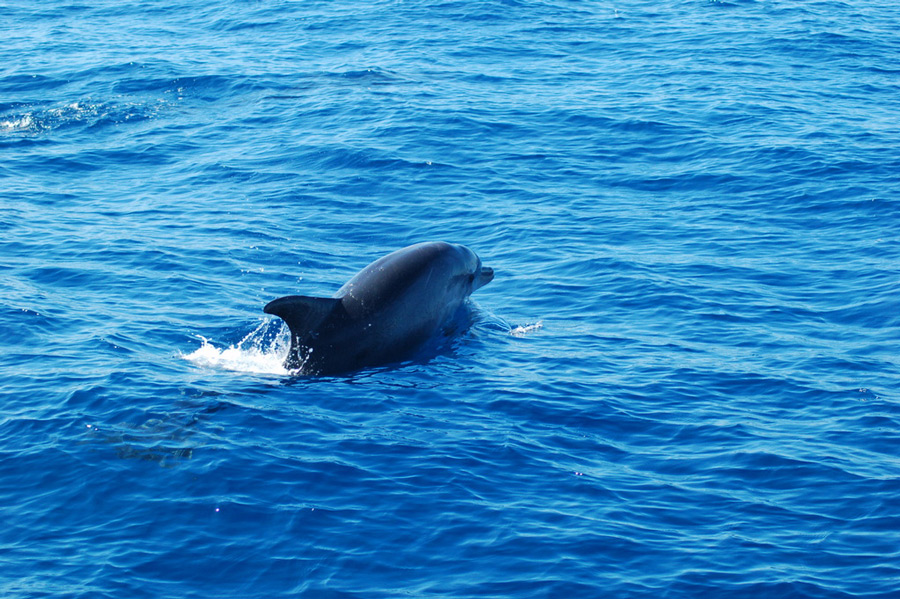
This morning we board our inflatable boat for an ocean ride in search of whales, dolphins and pelagic birds. If we are lucky we should see resident short-finned pilot whales, as well as short-beaked common and common bottlenose dolphins. Depending on water temperatures, we may also see the warm-water loving Atlantic spotted dolphins – a charismatic species that is also very photogenic, if they come close. If we are very lucky we may see a transient Bryde’s whale or sperm whale, while seabirds to look out for include Cory’s and Manx shearwaters, and Bulwer’s petrel.
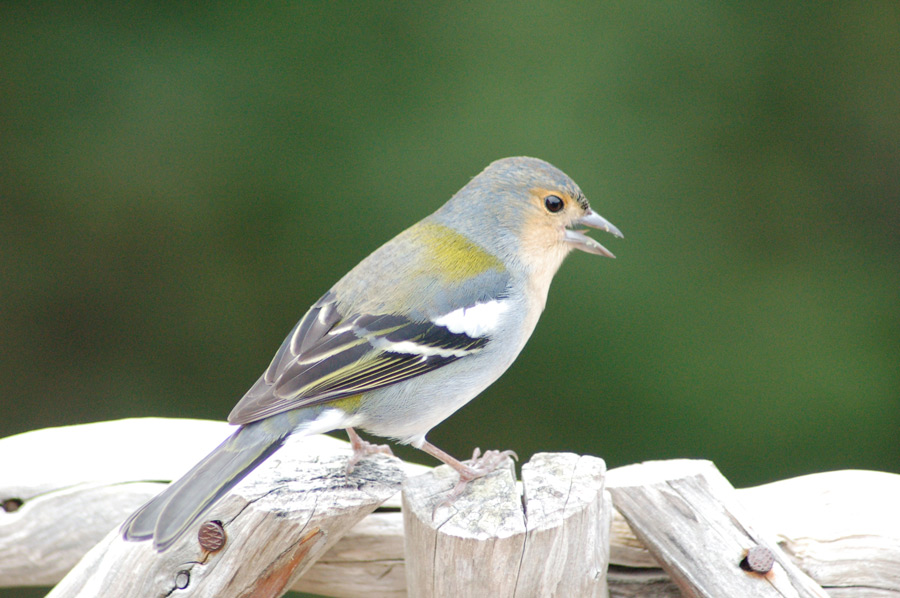
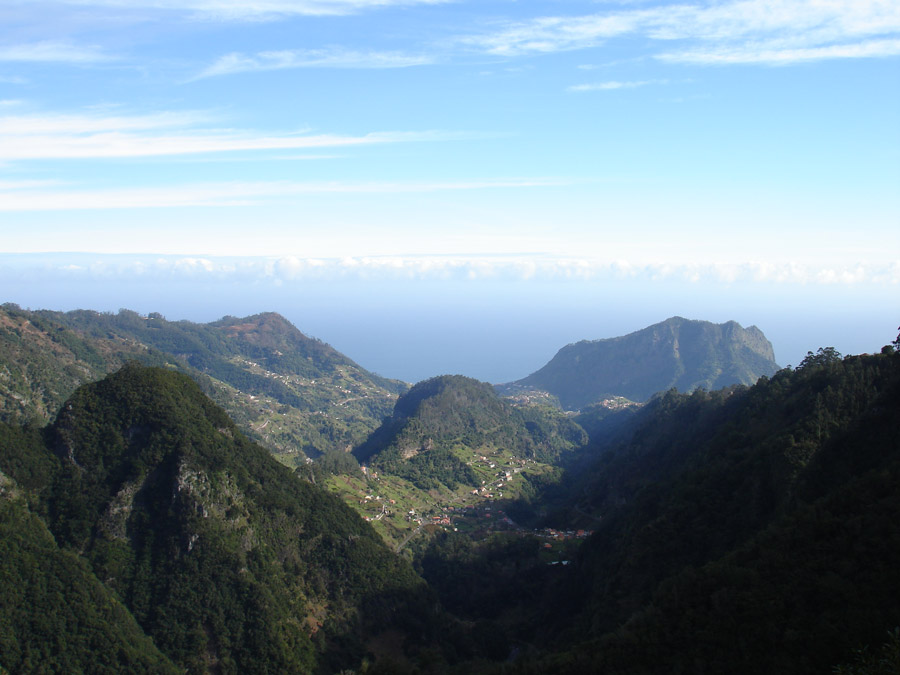
In the afternoon we walk through part of the UNESCO World Heritage Site famed for its unique laurel forest. We walk to an amazing viewpoint over one of the deepest and most beautiful valleys of the island. This is ideal habitat to see Trocaz pigeon, Madeira firecrest and chaffinch, and is also a great environment for butterflies such as speckled wood or small white.
-
Day 3:
Full day birdwatching in west Madeira; Zino’s petrel night tour
Today, as we drive west, we cover a large part of the island and its various habitats, with a chance to tick many specialties off our list. Our first stop is on the coast to look for roseate tern, before reaching the laurel forest where we look again for Trocaz pigeon, Madeira firecrest and chaffinch, whilst observing the superb endemic bay, Madeira and Canary laurel trees. Here we should also spot the Madeira brimstone (Cleopatra) butterfly.
After lunch by the sea, close to the natural lava pools, we travel to the westernmost tip of the island to look for Berthelot’s pipits, spectacled warblers and other native birds such as Atlantic canary and linnet, or butterflies such as long-tailed blue and Macaronesian red admiral. The dramatic scenery won’t fail to impress with its steep cliffs surrounded by turquoise water.
After dinner we head out on our Zino’s petrel night tour at Pico do Arieiro to listen to the call of this highly endangered bird on its breeding ground. Occasionally barn owls or Manx shearwaters can also be heard.
-
Day 4:
Birdwatching in the Funchal Ecological Park; sunset whale watching excursion
This morning we return to the Pico do Arieiro area during the daytime to enjoy the scenic views and to further understand how Zino’s petrel breeds, before ticking off any seabird species we have missed so far, in the Funchal Ecological Park.
In the afternoon we head out on a whale and birdwatching tour. Our first focus is on whales and dolphins, as we aim to see short-beaked common, common bottlenose and Atlantic spotted dolphins, plus short-finned pilot and, possibly, sperm whales – the latter are present in the waters here; they stop to feed in the deep waters around Madeira as they travel north or south, but you would need to be very lucky indeed to spot one on a short trip! Later in the day, as we approach sunset, we should see Madeiran and white-faced storm-petrels, as well as some migrating species including European, Leach’s or Wilson’s storm-petrel.
-
Day 5:
Return UK
We may have time for a little birdwatching locally before driving to Funchal to catch the return flight.