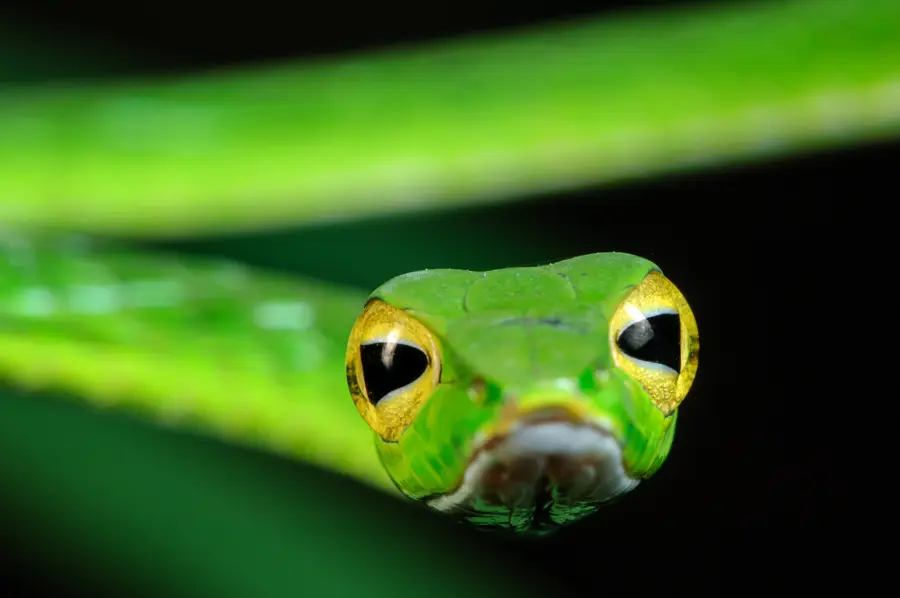
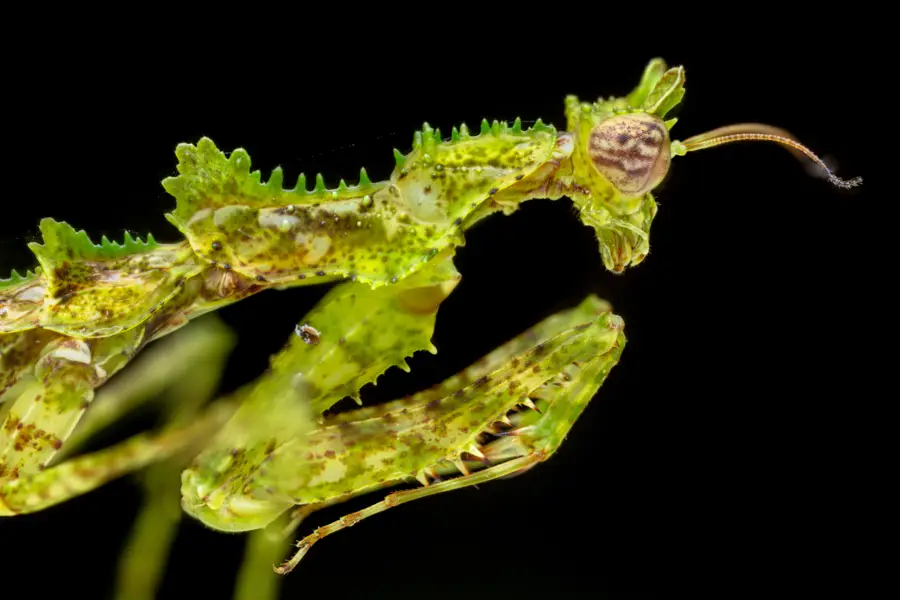
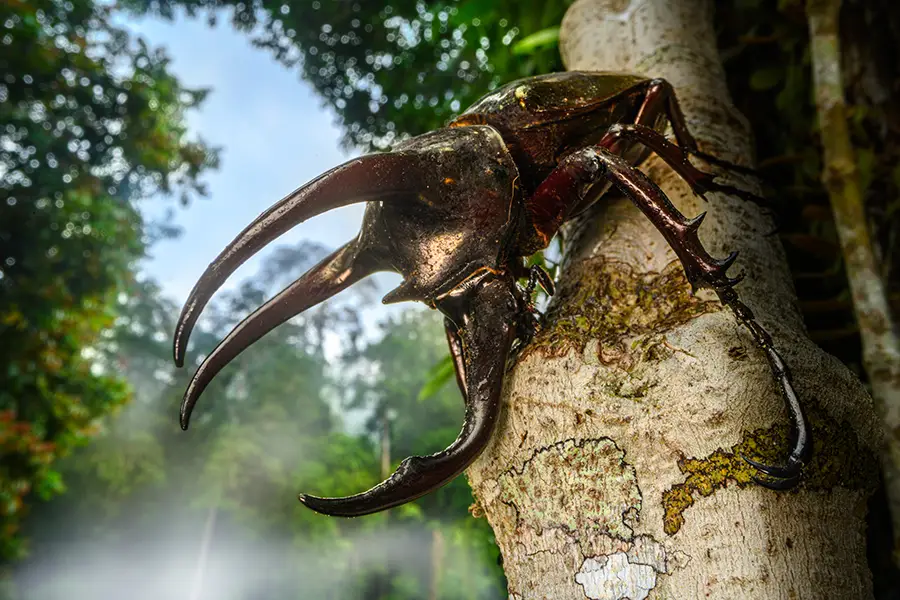
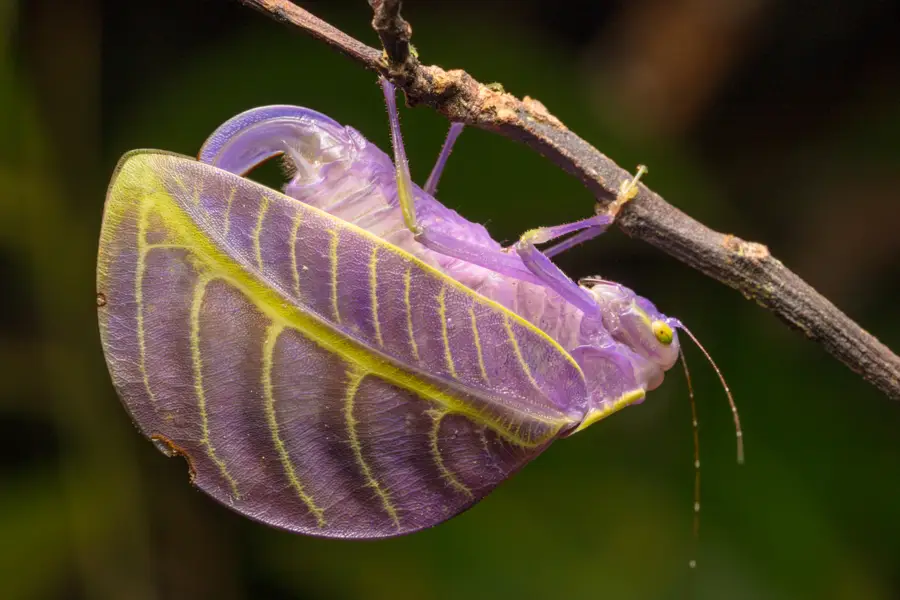
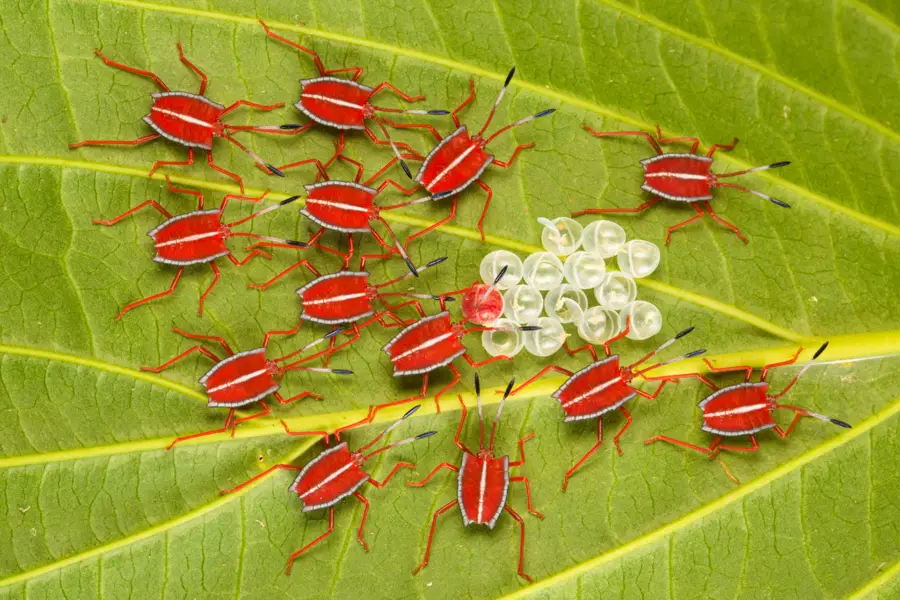
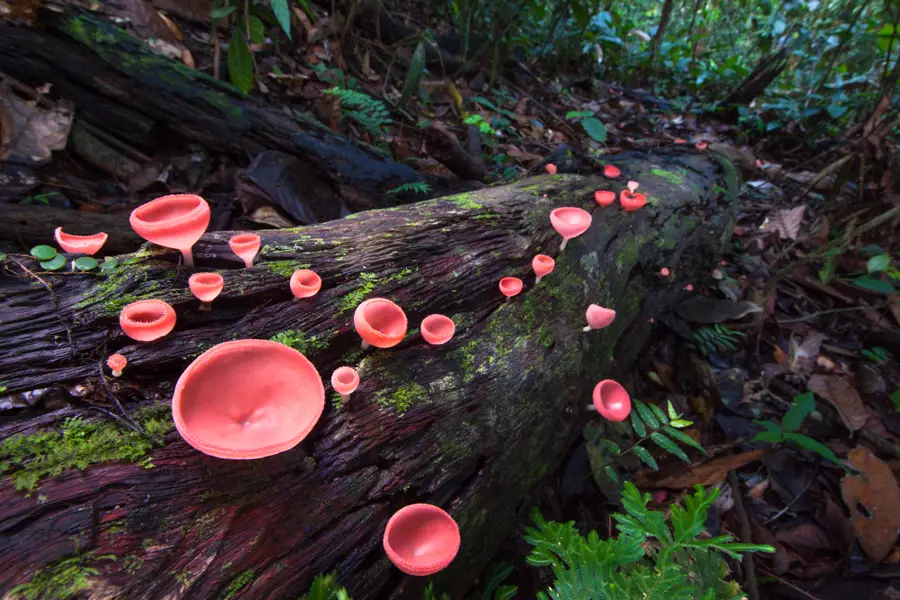
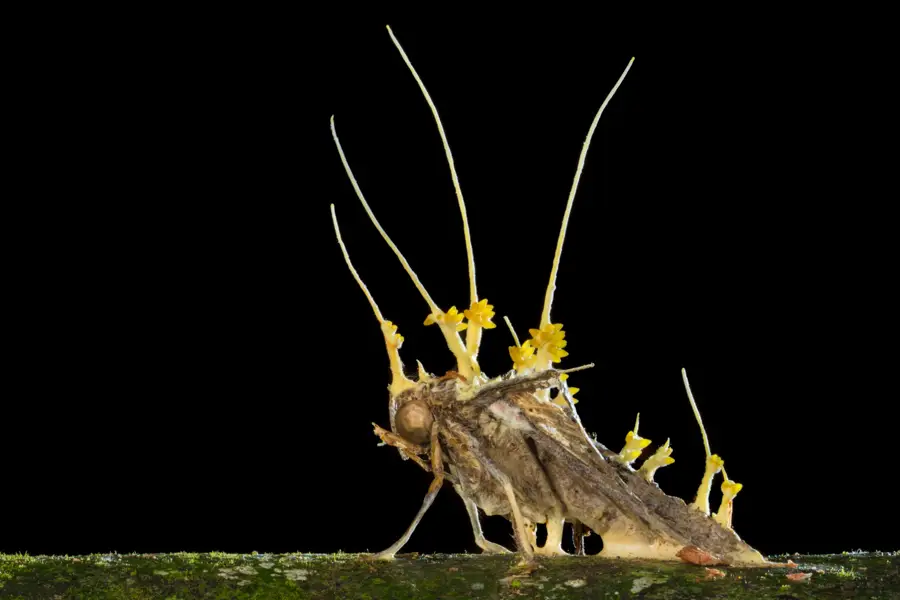
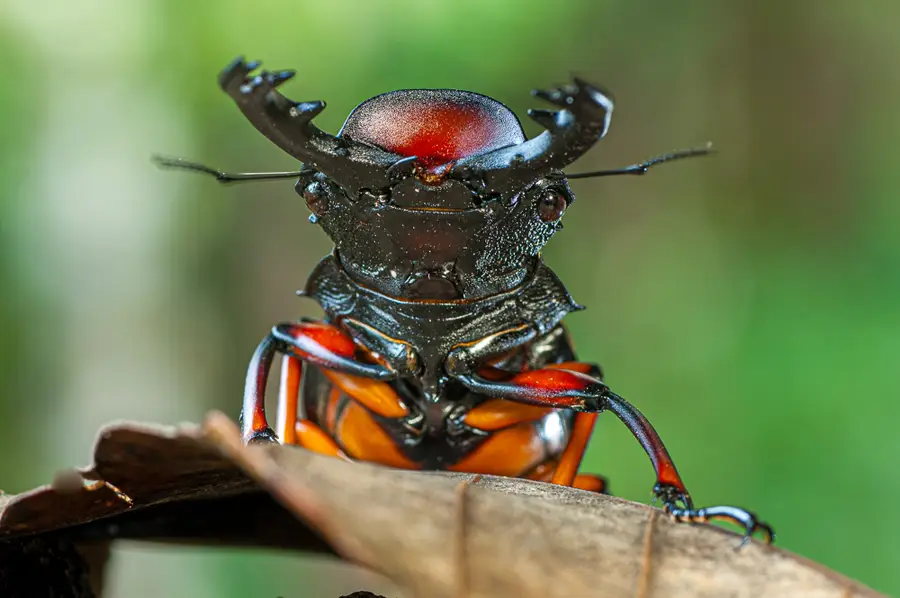
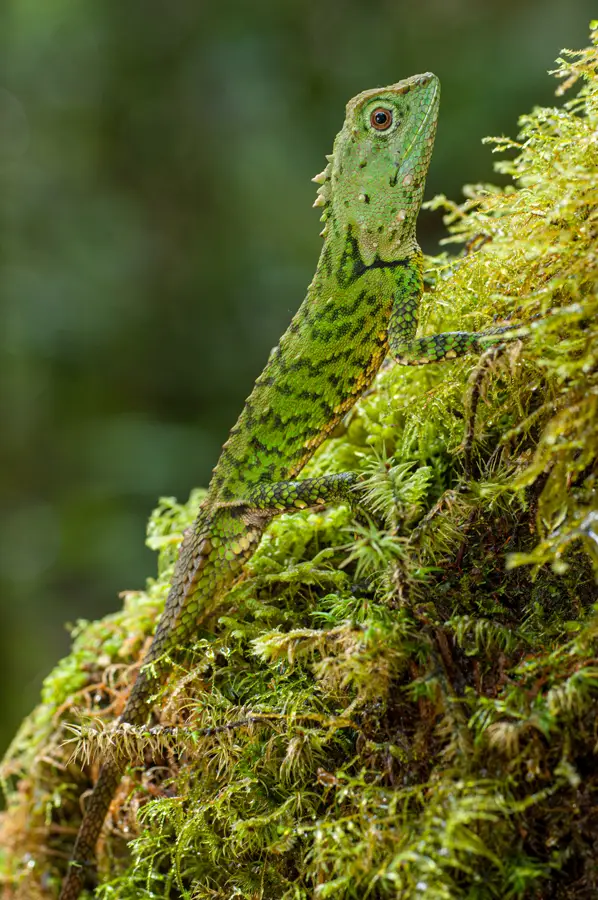
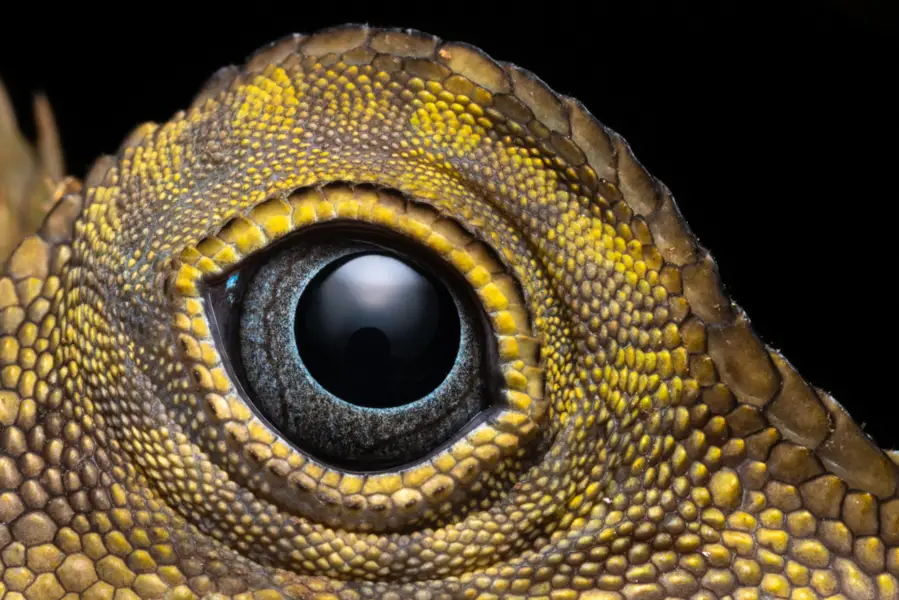
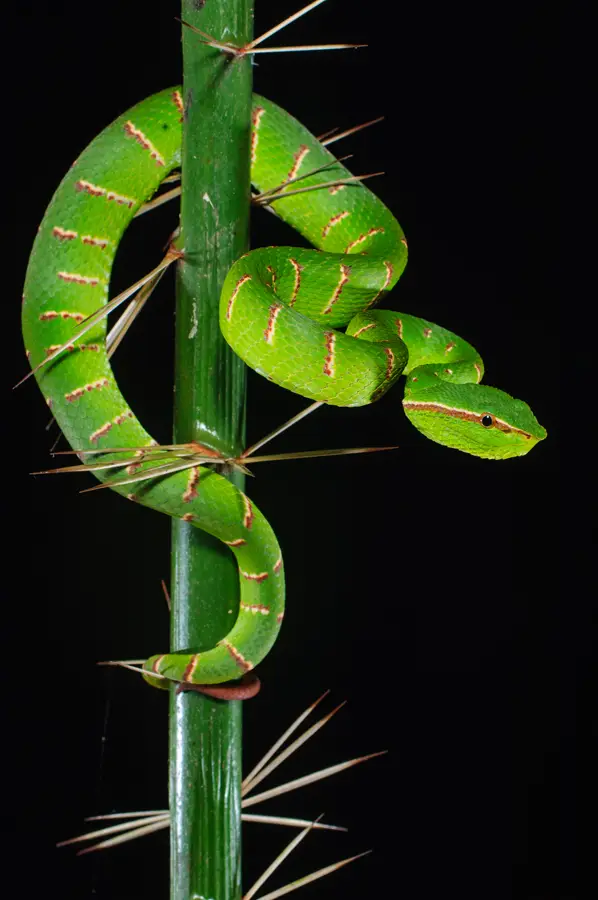
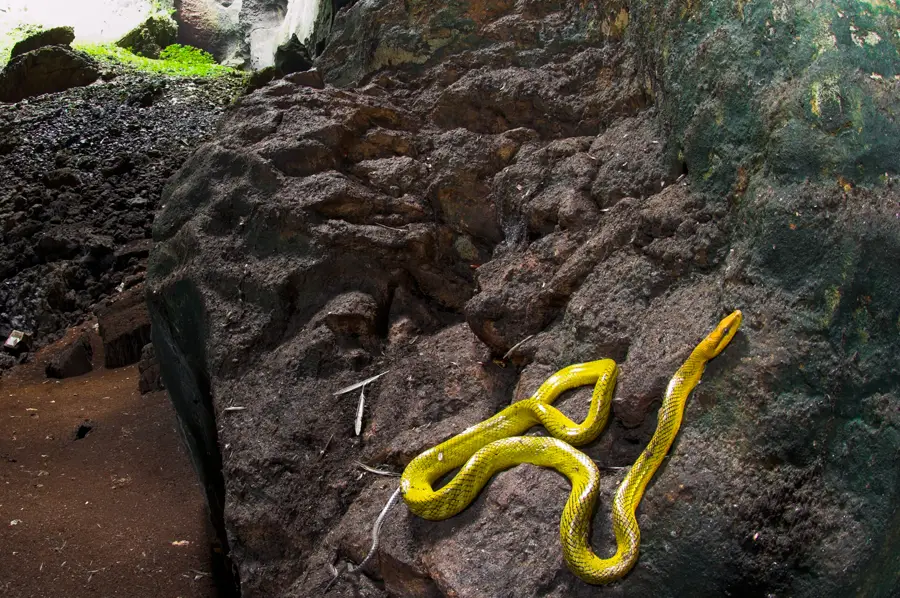
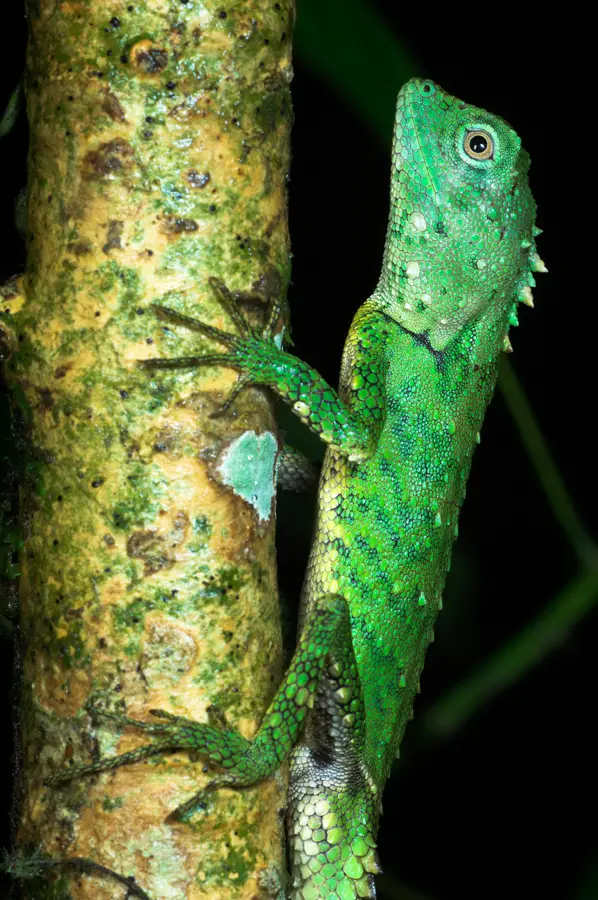
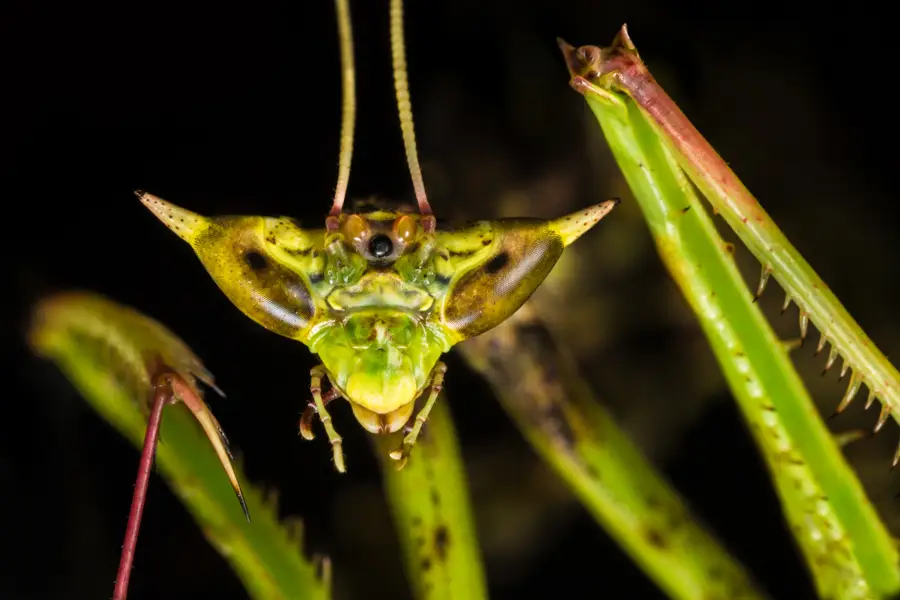
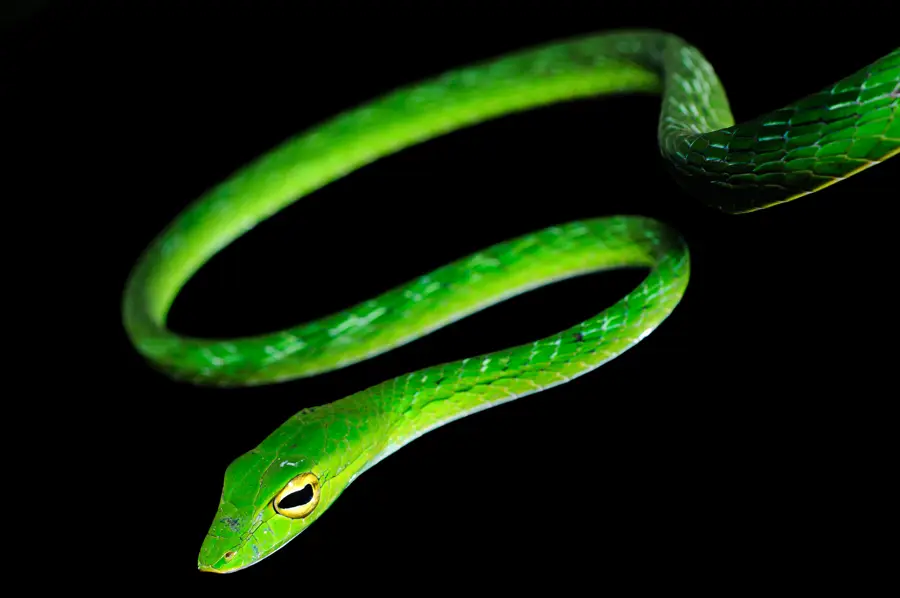
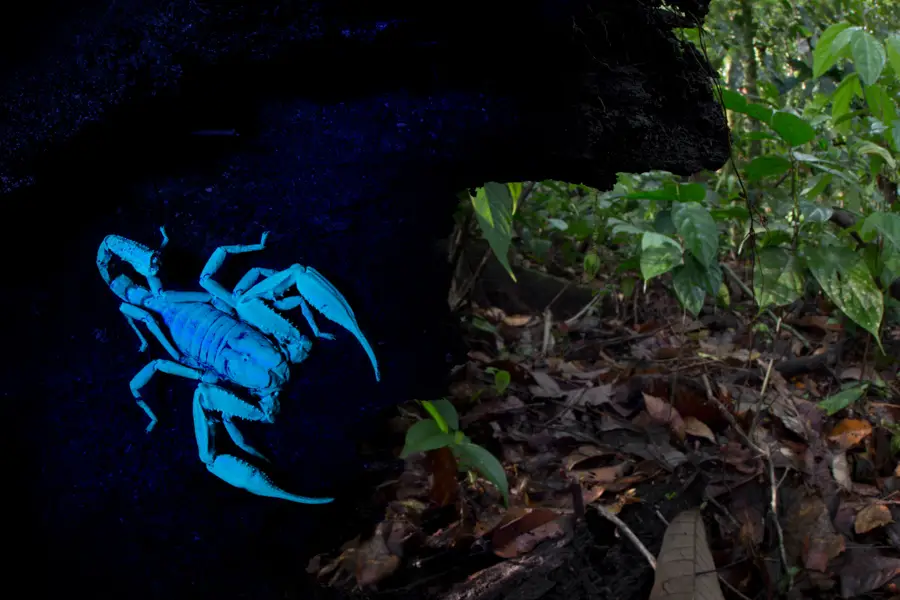
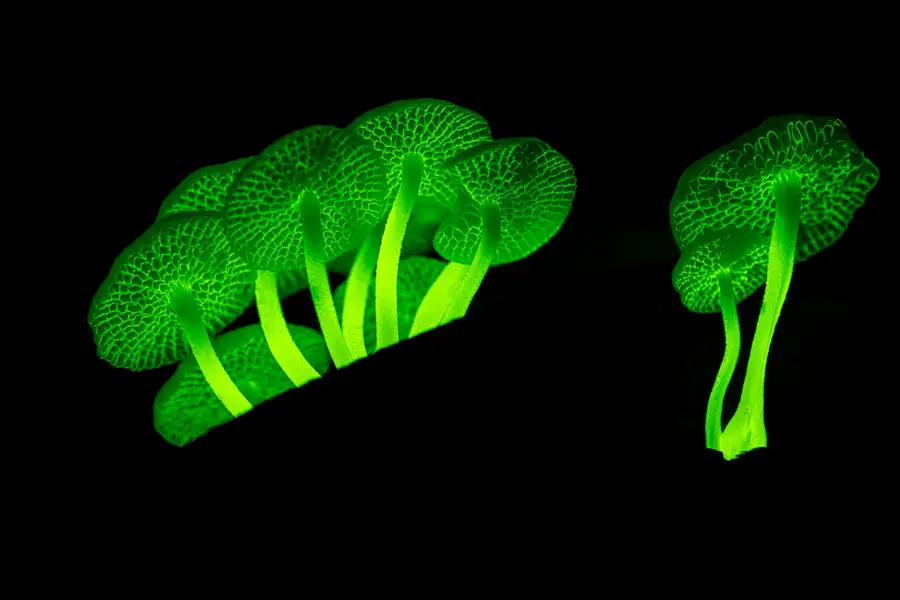
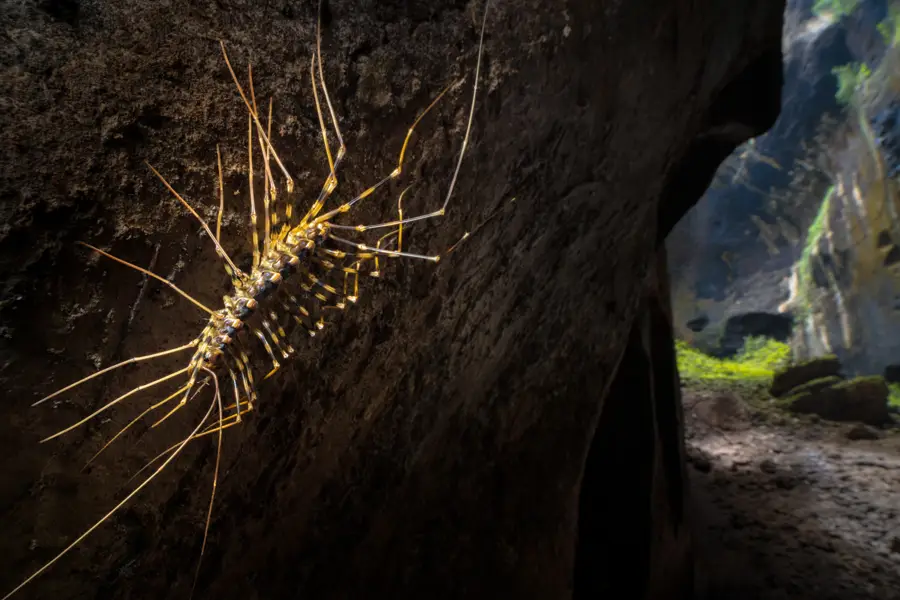
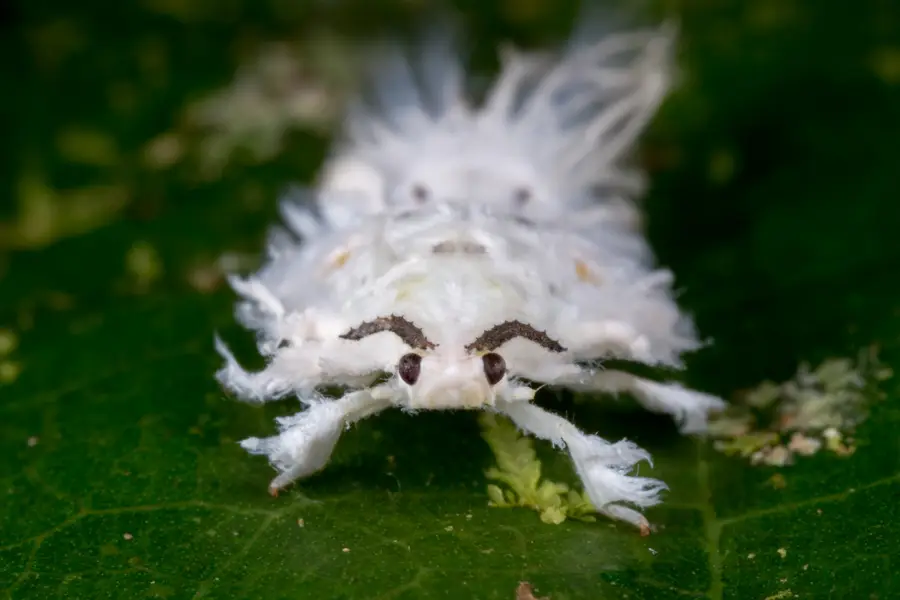
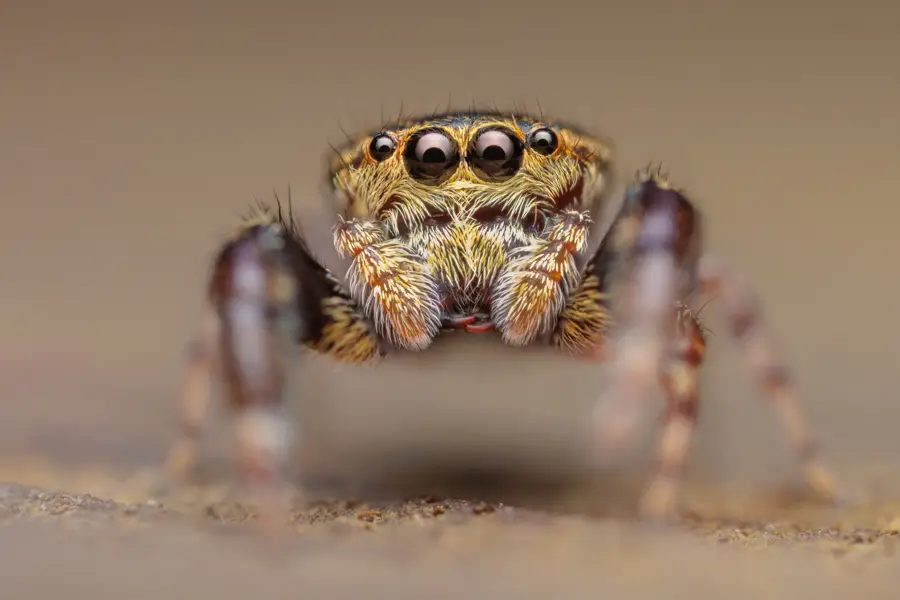
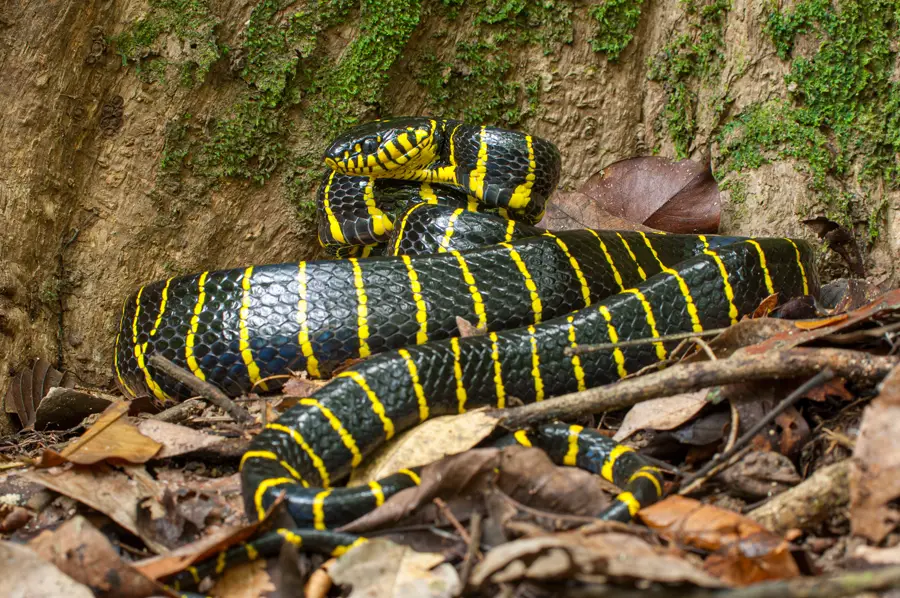
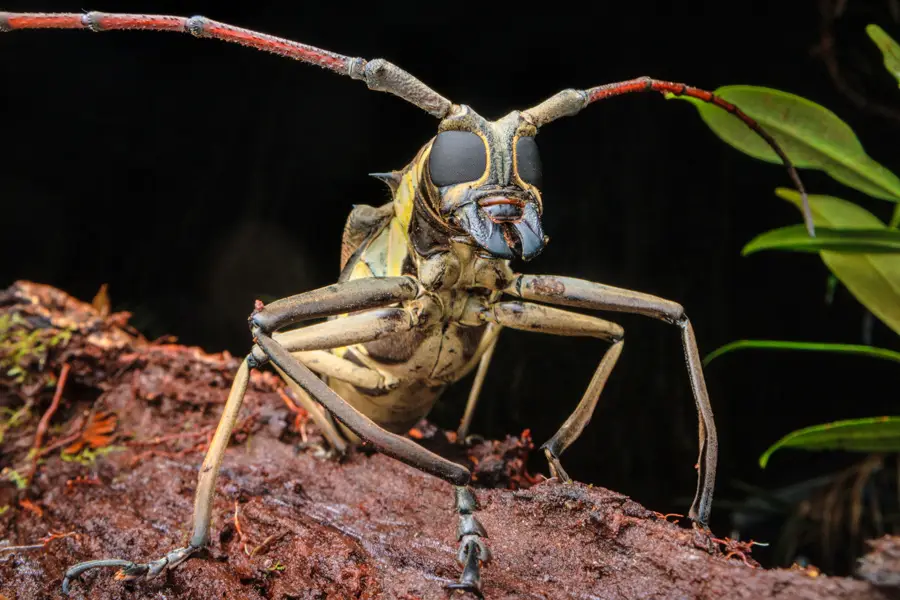
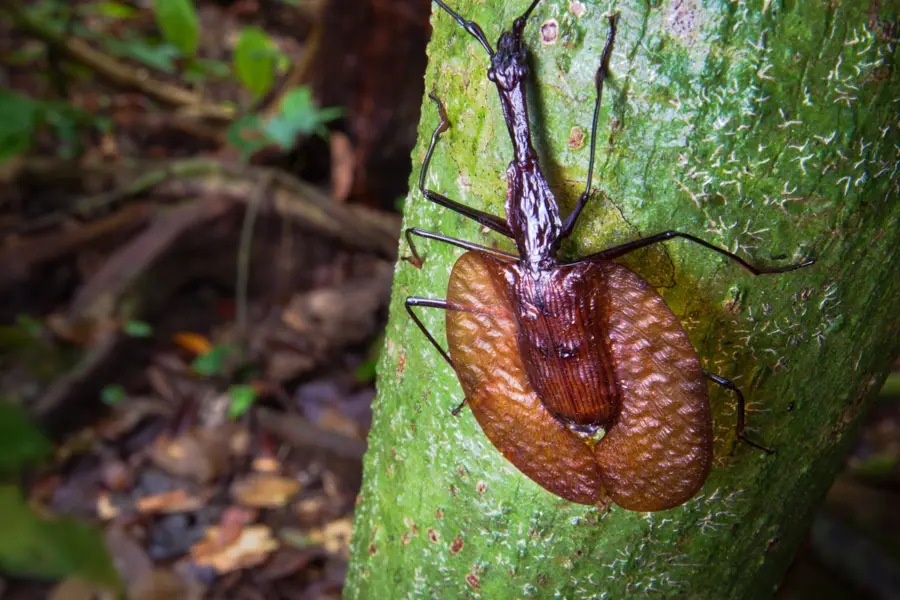
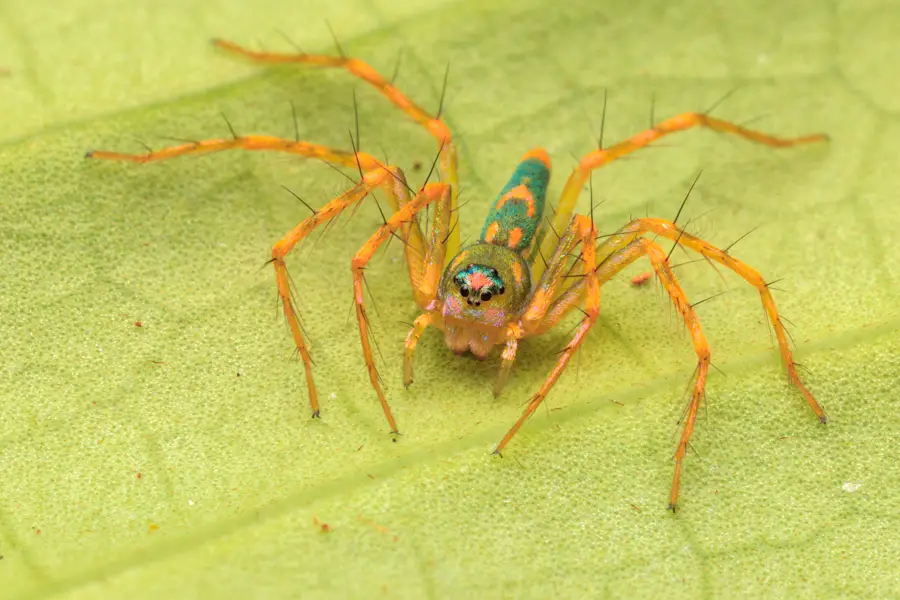
This trip has been specially designed to offer some of Borneo’s most exceptional macro photography. With the help of expert wildlife photographers, it's an excellent chance to hone your skills while photographing the island’s most fascinating small species.
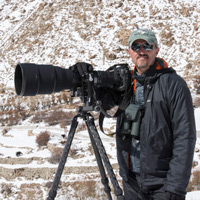
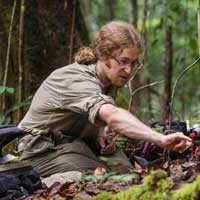
Borneo’s legendary rainforests evoke images of mystery and megafauna, yet an astonishing diversity of smaller life also defines this island. This specialist macro photography tour shifts the focus to that ‘smaller majority’—insects, arachnids, amphibians, reptiles, fungi and plants—revealing a world of intricate detail often overlooked. Guided by professional wildlife photographers and macro experts Nick Garbutt, Alex Hyde and Chien Lee, this carefully planned itinerary takes us to numerous off-the-beaten-track locations chosen for their exceptional macro photography opportunities.
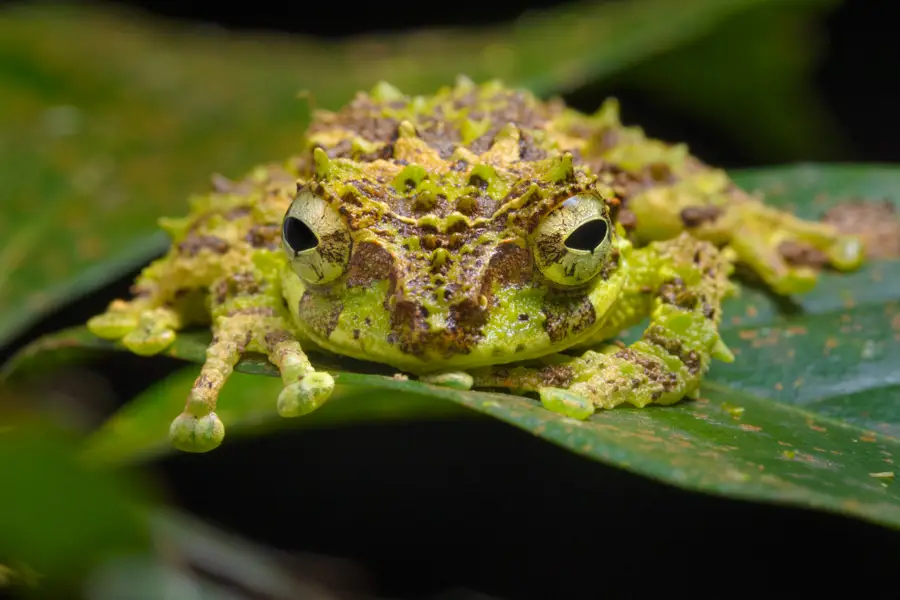
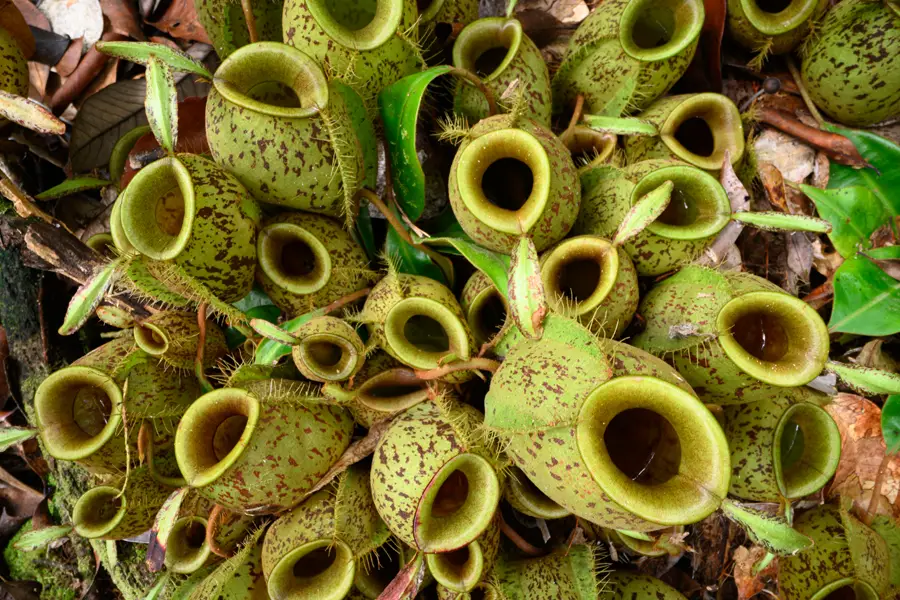
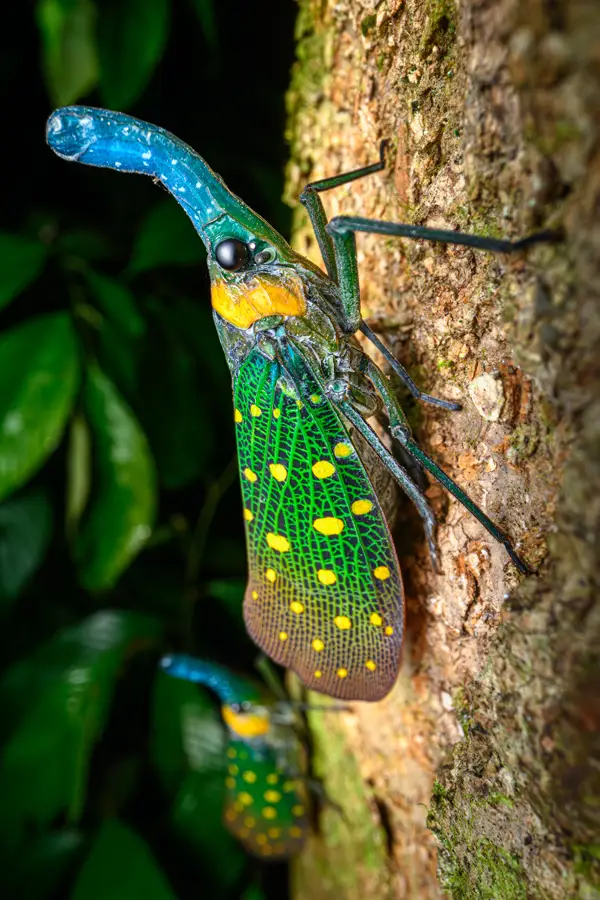
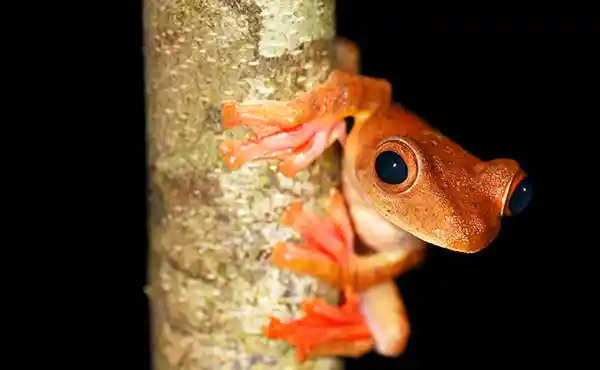
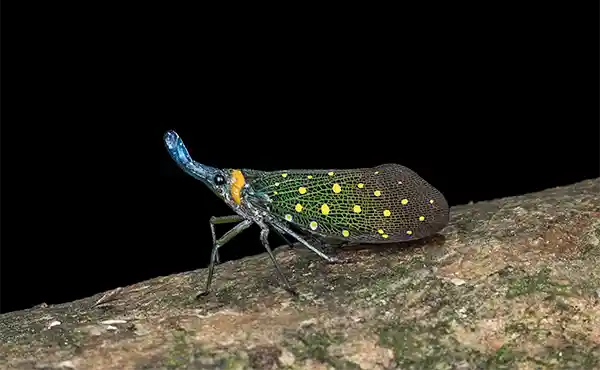
Beginning in Sarawak, we visit a series of national parks offering rich habitats where close-up techniques can be practised both day and night. From vividly coloured frogs and cryptic insects to carnivorous pitcher plants and, with luck, the enormous Rafflesia, we hope to find subjects that are both diverse and beautiful. Our journey continues to the remarkable landscapes of Gunung Mulu National Park, where caves and forests create unique environments for macro photography. Habitats here teem with beetles, mantises, lantern bugs and fungi, while cave ecosystems introduce unusual invertebrates perfect for more creative, technical photography.
We then head to Sabah, where the higher elevations of Kinabalu National Park offer a different dimension. Montane and cloud forests harbour endemic species, moss-covered habitats and an abundance of pitcher plants. Our tour finishes in Trus Madi Forest Reserve, a fitting end to our adventure as we enjoy its constant supply of unusual insects, amphibians and reptiles. Along the way, we head out after dark to find new casts of macro subjects, providing exciting opportunities to experiment with lighting and composition under expert guidance.
Throughout the tour, our leaders provide hands-on guidance, helping you refine techniques, develop your creative eye, and make the most of every encounter. The tour is an immersive photographic experience that showcases Borneo’s extraordinary biodiversity—one small subject at a time.
Typical Itinerary
-
Day 1:
Fly to Kuala Lumpur Airport
Depart the UK on an overnight flight to Kuala Lumpur, where we connect with our flight to Borneo.
-
Day 2:
Arrive in Borneo
After landing at Kuching in Malaysian Borneo, we’re met and transferred to our hotel in the city, where we have a free afternoon to relax after our journey.
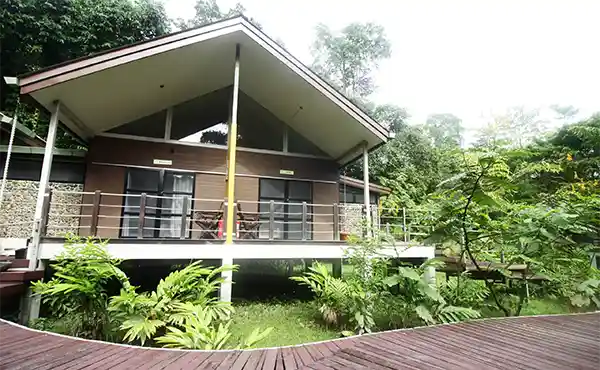
Accommodation: Hilton Hotel Kuching, 4-nights
-
Day 3:
Kubah National Park
Our base in Kuching offers excellent access to several exceptional wildlife sites, and the first that we visit is Kubah National Park. This location offers a fantastic introduction to Borneo, as a network of trails provide access to a range of incredible macro subjects. As we walk through, we hope to find a diverse array of frogs, mantids, jumping spiders, and many others.
Kuching is also near Temple Road, a famous roadside area renowned for its macro opportunities. This evening, we enjoy a night walk here to find and photograph invertebrates, amphibians and reptiles.
-
Day 4:
Gunung Gading National Park
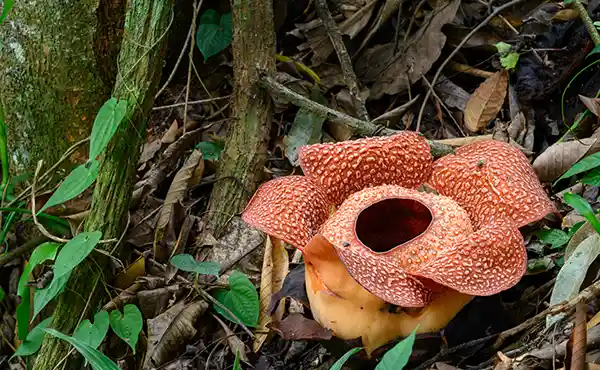
Today, we head to another location within reach of Kuching: Gunung Gading National Park. This park is renowned for being home to the Rafflesia, the world’s largest flower, and it's these magnificent plants that we spend our time searching for. Rafflesia bloom unpredictably, so we aren’t guaranteed to find one; however, there are plenty of other outstanding macro subjects we can focus on in this national park, including fungi, beetles, leafhoppers and forest snails.
We then return to Kuching, and visit Temple Road again in the evening.
-
Day 5:
Bako National Park
We head out on another excursion from Kuching today, taking us to Bako National Park. Located at the tip of a peninsula, it offers us the chance to explore some of Borneo’s forested coastline, and we enjoy a boat trip to discover some more of the region’s landscapes and wildlife.
Back on land, we walk the trails through Bako National Park. This is a great place to find reptiles basking in the sun, and we search for snakes and lizards as we go, along with unique pitcher plants, ant plants and invertebrates. We also visit Telok Assam beach, home to tiger beetles and sand-dwelling arthropods that are excellent for macro photography.
After a full day in Bako National Park, we return to our hotel in Kuching.
-
Day 6:
Fly to Gunung Mulu National Park
-
Day 7:
Explore Clearwater Cave & Wind Cave
Gunung Mulu is known for its incredible cave systems and dramatic karst formations, and our first day here is spent exploring Clearwater Cave and Wind Cave. We travel to these caves by longboat on a scenic river journey, searching for wildlife as we go.
When we arrive, we should find a diverse and entirely different cast of macro subjects living in the limestone habitats, from unique mosses and fungi to cave crickets and centipedes. After time in this area, we then return to our accommodation by boat and spend the afternoon exploring the surrounding trails.
Later, we head out on a night walk around our lodge, searching for nocturnal macro subjects hidden under the cover of darkness. With the help of Nick, Alex and Chien, we can enjoy photographing frogs, snakes, lizards, spiders, and more.
-
Day 8:
Explore Racer Cave
Our excursion today takes us to Racer Cave, where we have an opportunity to photograph unique cave-dwelling wildlife, including cave crickets, spiders and whip scorpions.
We then return to the lodge for lunch and follow a similar plan to yesterday, exploring the nearby trails. However, today we stay out during the transition between day and night, hoping to find new species and practice photography with different lighting setups.
-
Day 9:
Explore Deer Cave
Today, we visit Deer Cave, a fascinating limestone cavern that's home to a wonderful array of cave-adapted invertebrates. Using tripods and flashes, our expert photographers will be on hand to help capture some of the extraordinary wildlife inside Deer Cave, including cave spiders, long-legged centipedes and cockroaches.
We remain at Deer Cave until dusk, when an incredible scene unfolds as millions of wrinkle-lipped bats emerge from the cave in unison.
-
Day 10:
Fly to Kota Kinabalu & transfer to Kinabalu National Park
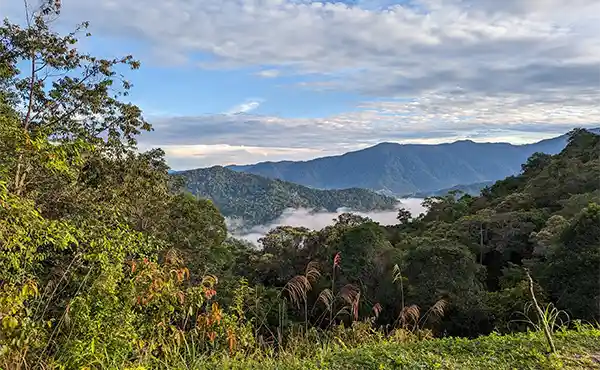
We head to the airport and catch a flight north-east to Kota Kinabalu. From here, we're transferred to our accommodation within the biodiverse Kinabalu National Park that surrounds Mount Kinabalu. Our lodge is situated 1,600 metres above sea level, higher than our previous destinations, which means the area surrounding it offers a different cast of wildlife.
After dinner, we head to the rainforest of Lupa Masa for a night walk guided by a local ranger, during which we search for a wealth of nocturnal invertebrates, reptiles, and amphibians.
Accommodation: Nepenthes Villas, 3-nights
-
Day 11:
Explore Kinabalu National Park & Poring Hot Springs
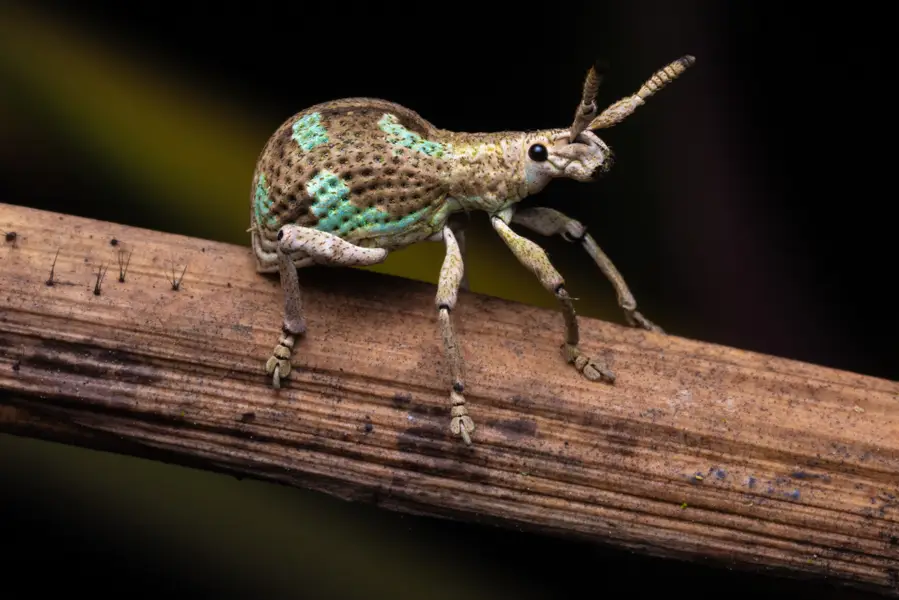
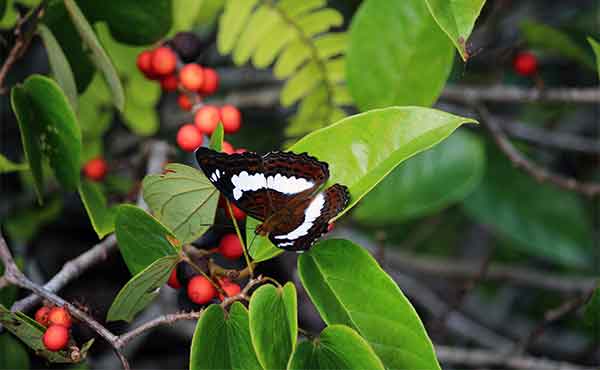
In the early morning, we head out on a walk to explore the trails around our lodge, searching for some of the new species that our higher altitude offers. The area is excellent for weevils, ants and high-altitude beetles, and the cooler temperatures make macro photography easier as subjects are often less active.
After breakfast, we drive to Poring Hot Springs, a unique environment home to plenty of frogs, beetles, butterflies and fungi. We spend time photographing this diverse array of subjects before heading back to the lodge and enjoying another night walk in search of nocturnal species.
-
Day 12:
Kinabalu National Park
Today, we head further up the mountain by vehicle, into a high-altitude cloud forest that supports its own unique species. Here, we spend time finding and photographing a range of wildlife, including moss frogs, specialist fungi, and hopefully mountain treeshrews and Bornean mountain ground squirrels.
We then head back to our accommodation and enjoy a final evening on the nearby trails searching for Kinabalu’s mantids, orb spiders and frogs, among others.
-
Day 13:
Transfer to Trus Madi Forest Reserve
After a leisurely breakfast, we drive to Trus Madi Forest Reserve, a journey of around four hours.
After settling into our accommodation situated within the forest, and an early dinner, we head out on a nighttime macro session in search of subjects such as longhorn beetles, tiger beetles, praying mantises, and much more.
Accommodation: Trus Madi Entomology Camp, 3-nights
-
Days 14-15
:
Trus Madi Forest Reserve Macro Workshops
We have two full days in Trus Madi Forest Reserve to explore the incredible montane forests and spend as much time as possible searching for wildlife, during both daylight and darkness.
Our daytime sessions focus on the accessible walking trails, where we search the undergrowth for its incredible array of beetles, caterpillars, ants, fungi and unique flora.
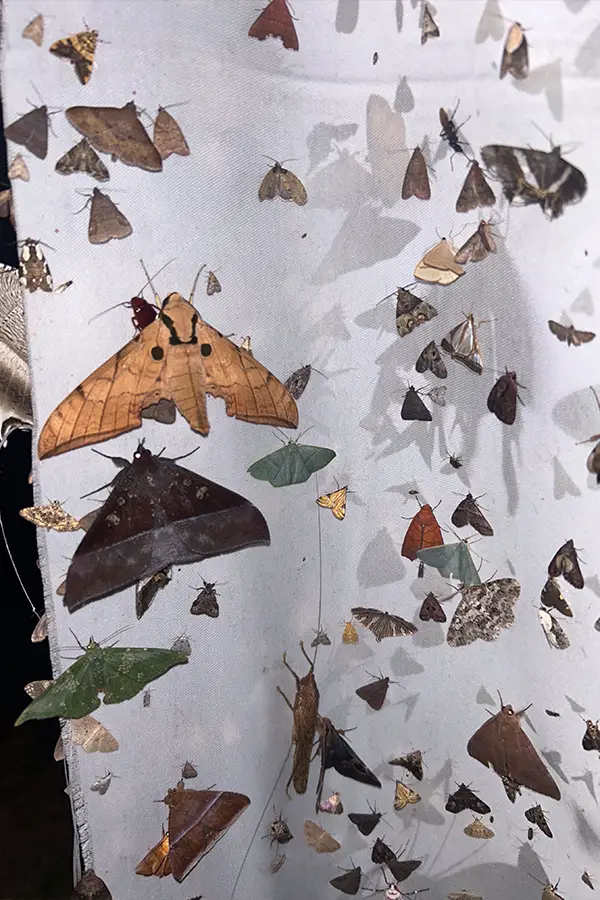
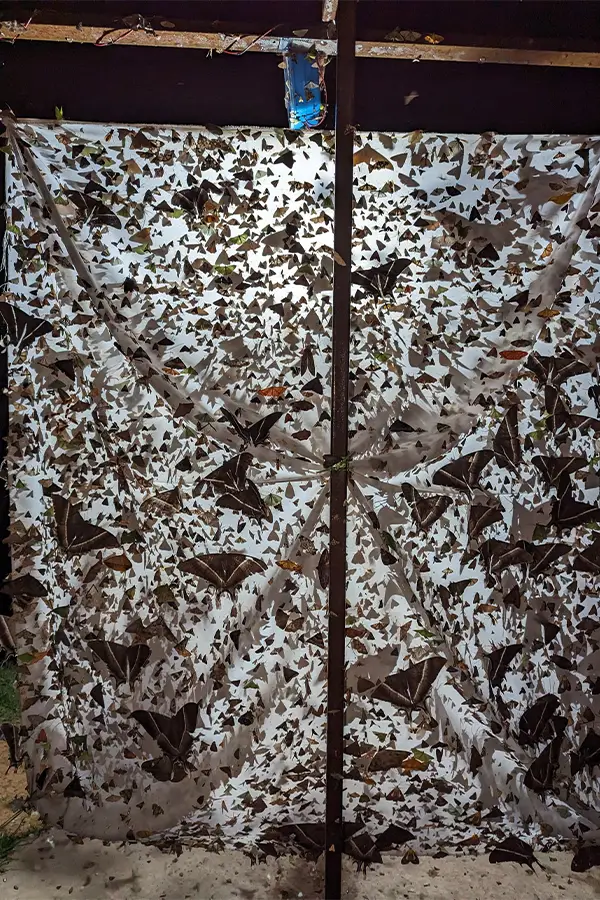
In comparison, our night sessions offer a completely different cast of species, and by using an insect trap, we should have some exceptional opportunities for macro photography with a range of magnificent invertebrates. As ever, with the guidance of Nick, Alex and Chien, we can try new techniques and expand our macro portfolio.
-
Day 16:
Return to Kota Kinabalu
Today, we leave Trus Madi and drive back to Kota Kinabalu, a journey of four to five hours.
Upon arrival, we have the afternoon at leisure to explore the city or make use of the facilities at our hotel, before enjoying a final meal together in the evening.
Accommodation: The Luma Hotel, 1-night
-
Day 17:
Fly to the UK
We transfer the short distance to Kota Kinabalu Airport for our flight back to Kuala Lumpur and on to the UK, arriving the next day.
-
Day 18:
Arrive in the UK