Discover noisy sealion colonies, Galapagos sharks, and a wealth of the archipelago's colourful birdlife on this one week trip in the Galapagos.
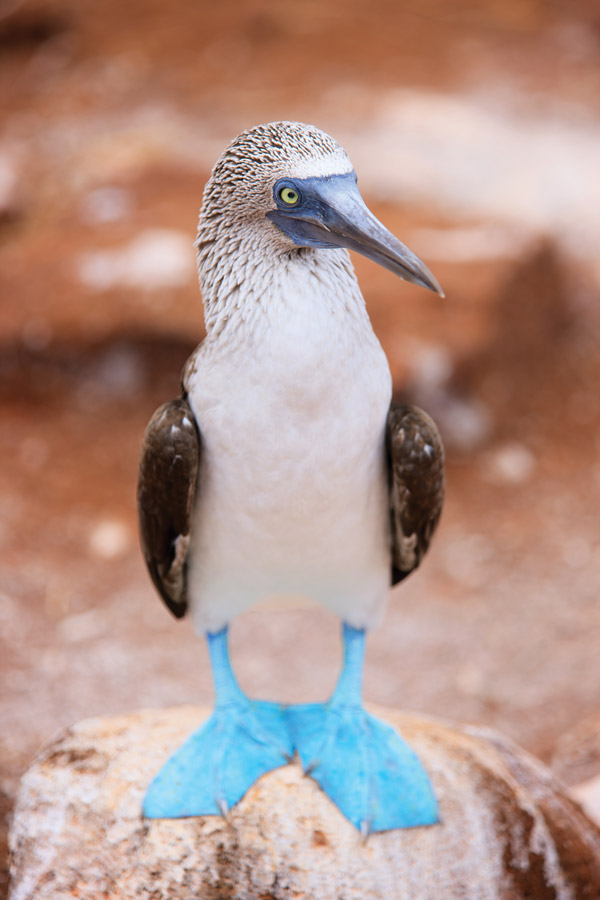
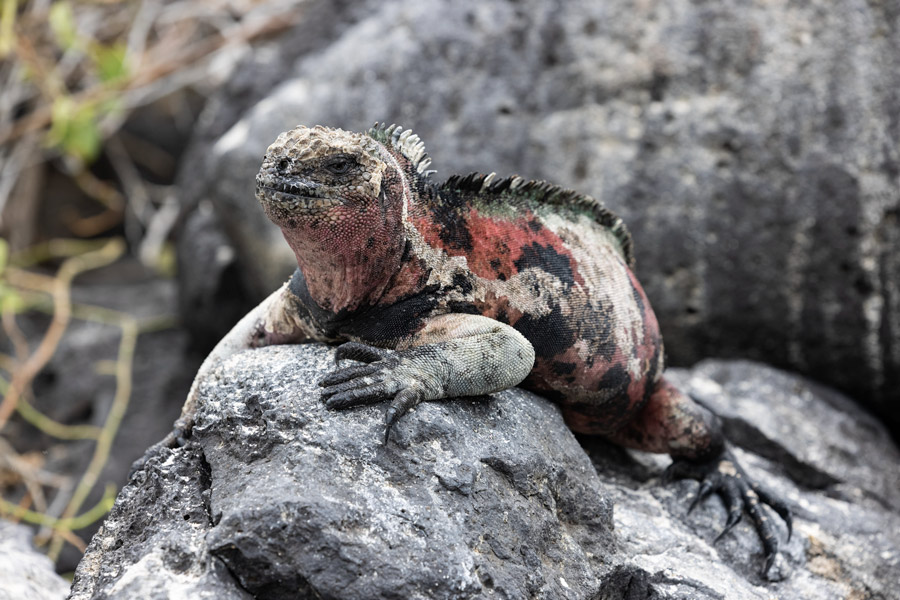
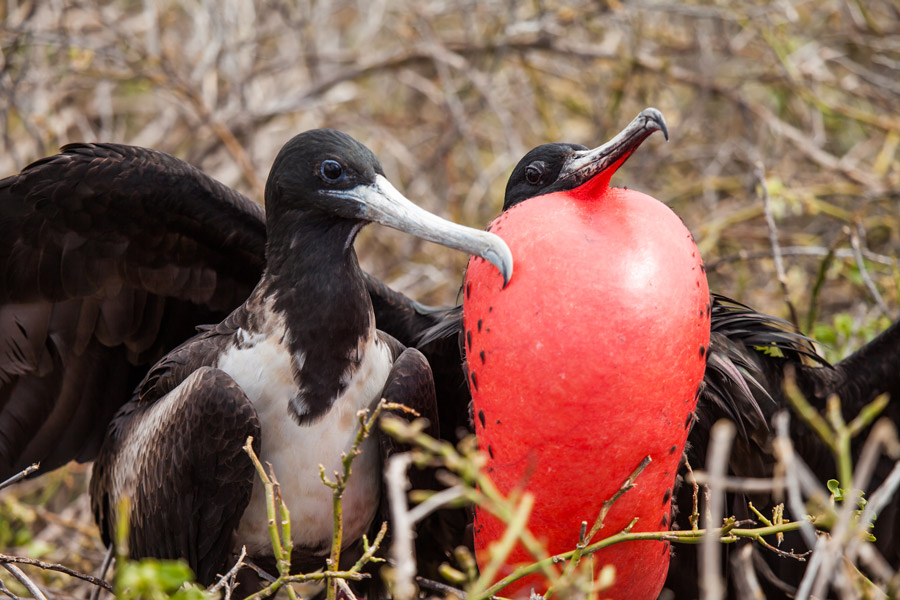
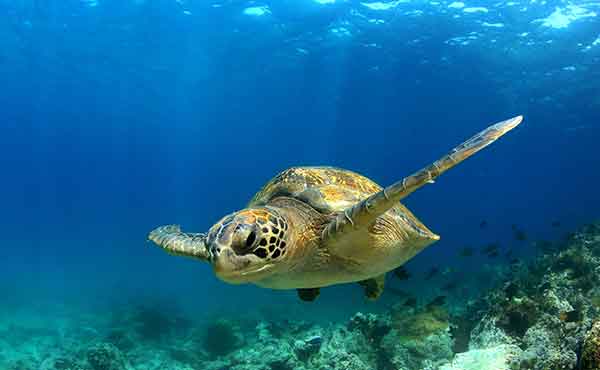
Taking in at least eight islands, this voyage enjoys time in San Cristóbal, known for its frigatebirds and blue-footed boobies, also Española, the oldest island in the Galapagos, where you’ll find fiery coloured iguanas and laidback sea lions, and the southern island of Floreana, home to flamingos and green turtles.
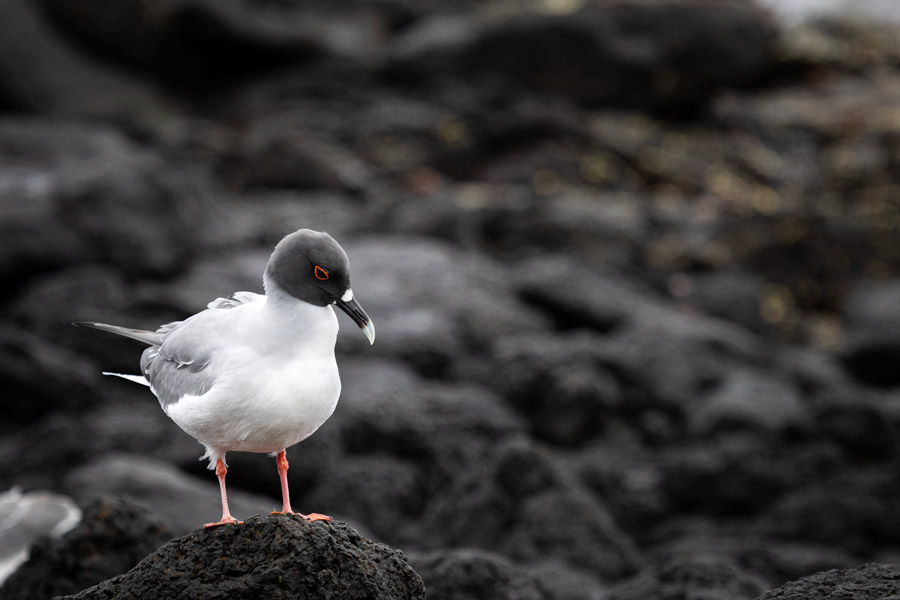
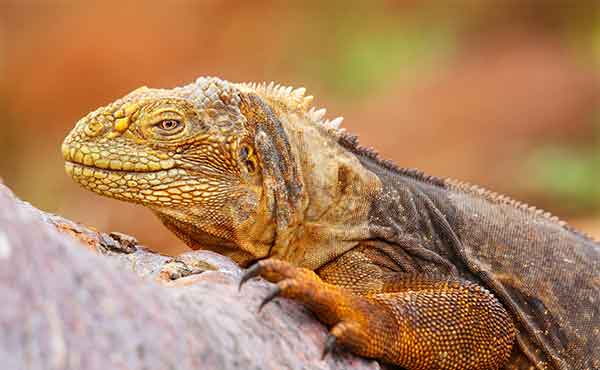
Other highlights include Santa Fe with its picturesque islets, white sand beaches and turquoise waters. Nearby on South Plaza you’ll find land iguanas and swallow-tailed gulls, both indigenous to the Galapagos.
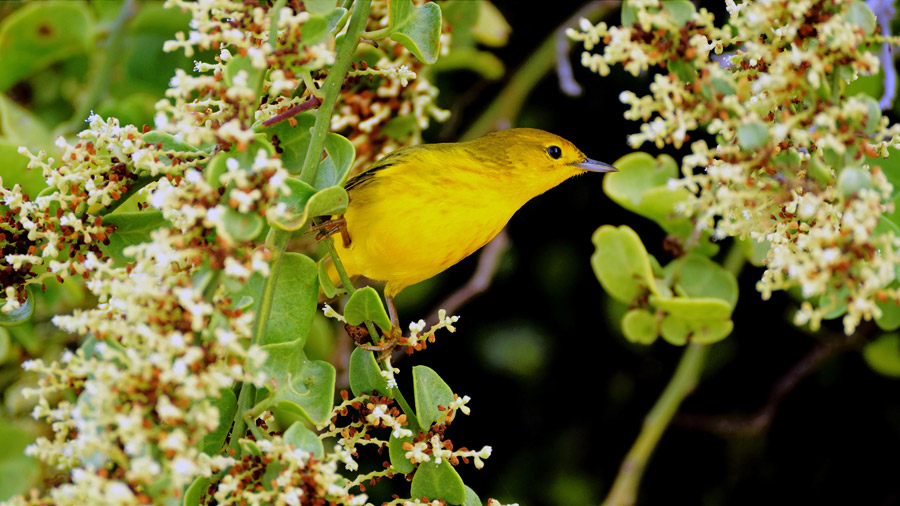
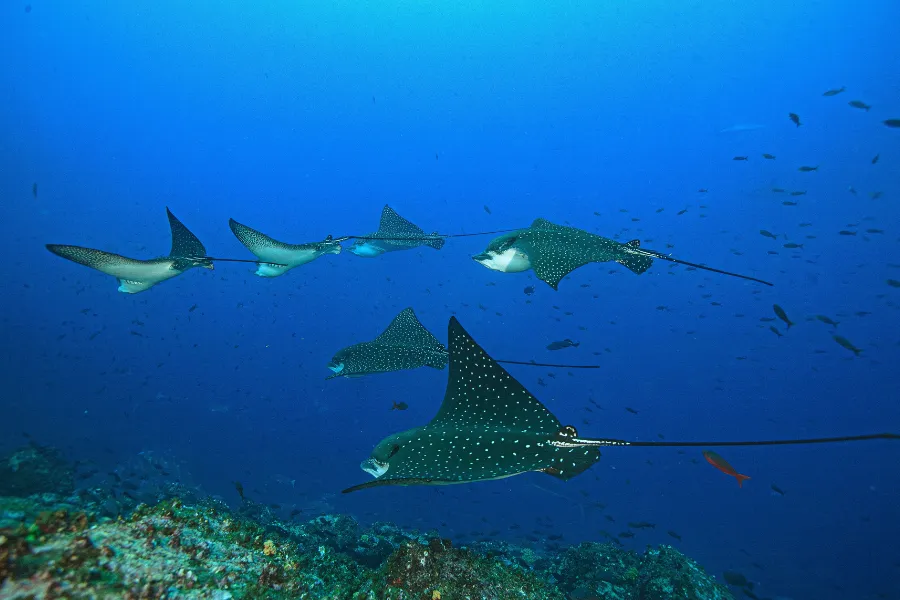
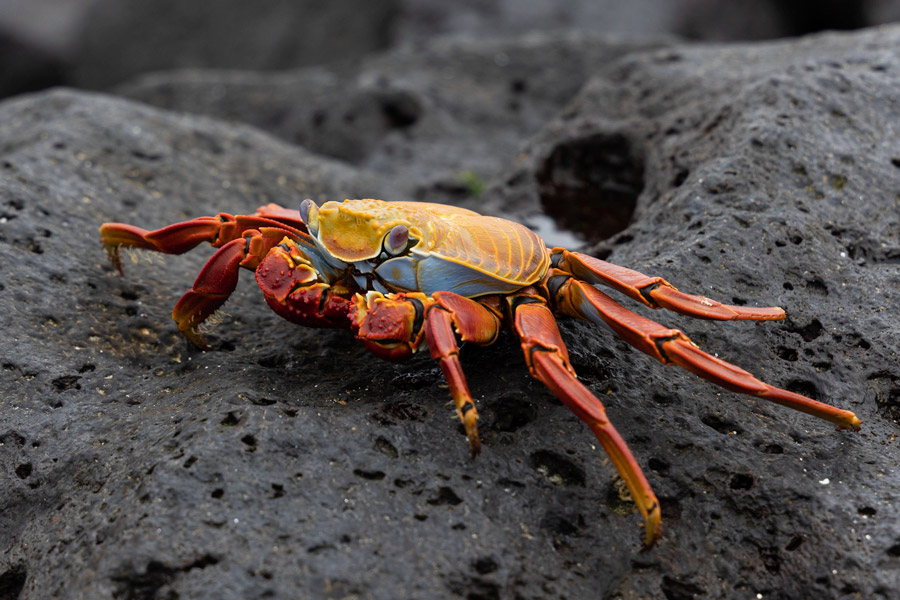
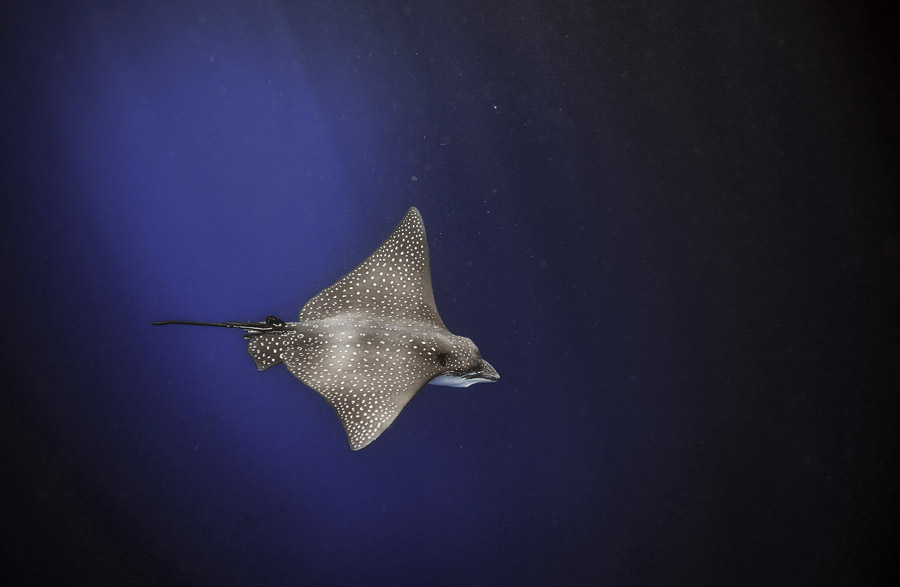
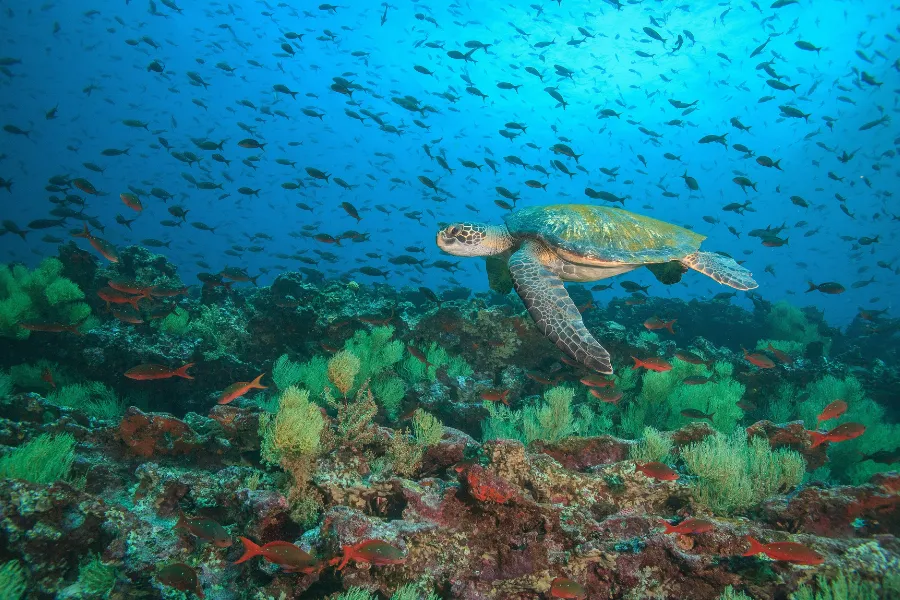
While on shore watch out for Sally Lightfoot crabs coating the rocks and a wealth of colourful birdlife. There’ll be opportunities to swim in the beautiful waters, hopefully seeing green turtles, eagle rays and an array of colourful fish.
A typical 8 day Eastern Islands itinerary is shown below, on board Belgua however, we offer a variety of other voyages, durations and vessels.
Typical Itinerary
-
Day 1:
Arrive at Baltra airport & transfer to vessel
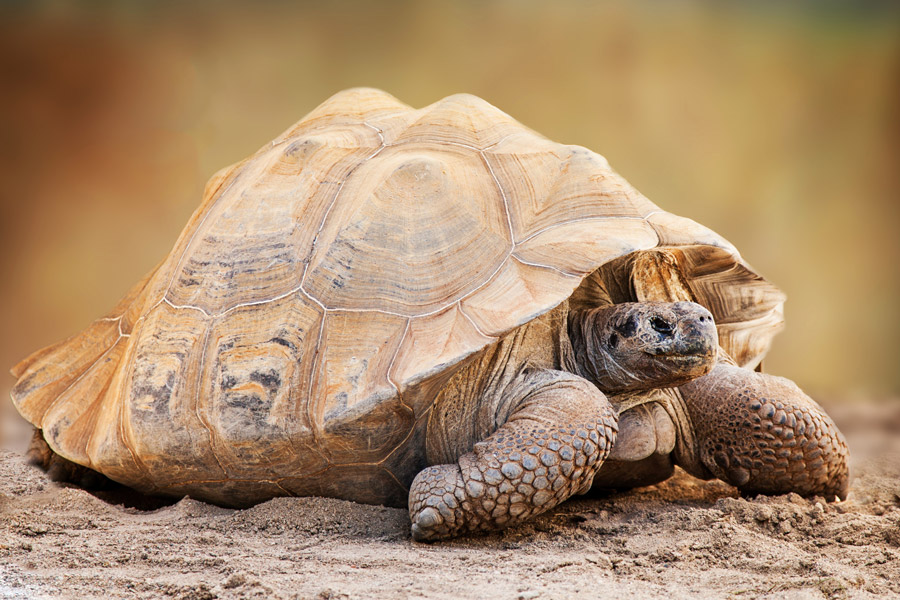
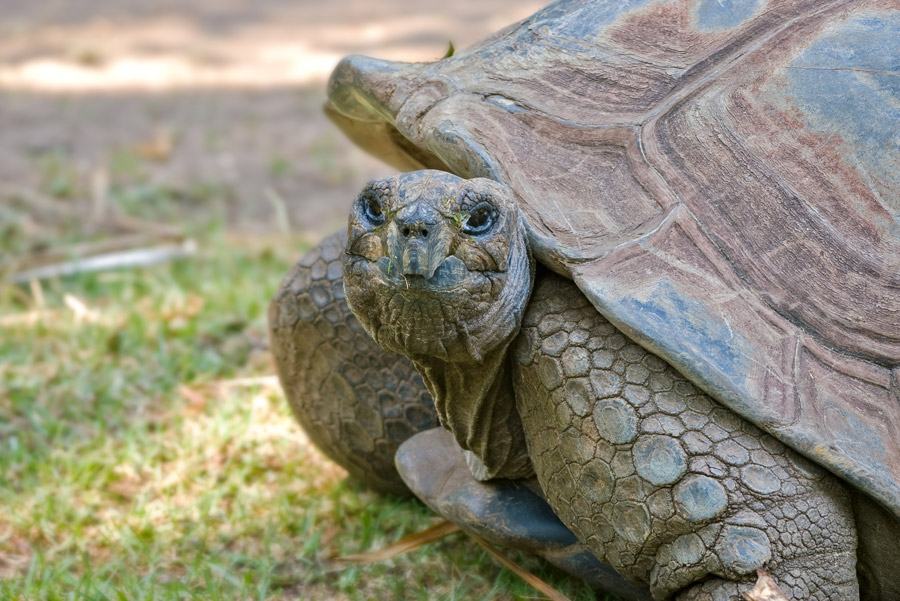
After arriving at Baltra airport, you are transferred to your vessel. Settle into your cabins and later today enjoy a couple of landing sites. At the Charles Darwin Research Station, you learn about their giant tortoise and land iguana breeding programmes. You also head inland to the highlands of Santa Cruz, where giant tortoise can be seen in the wild.
-
Day 2:
South Plaza Island & Santa Fe
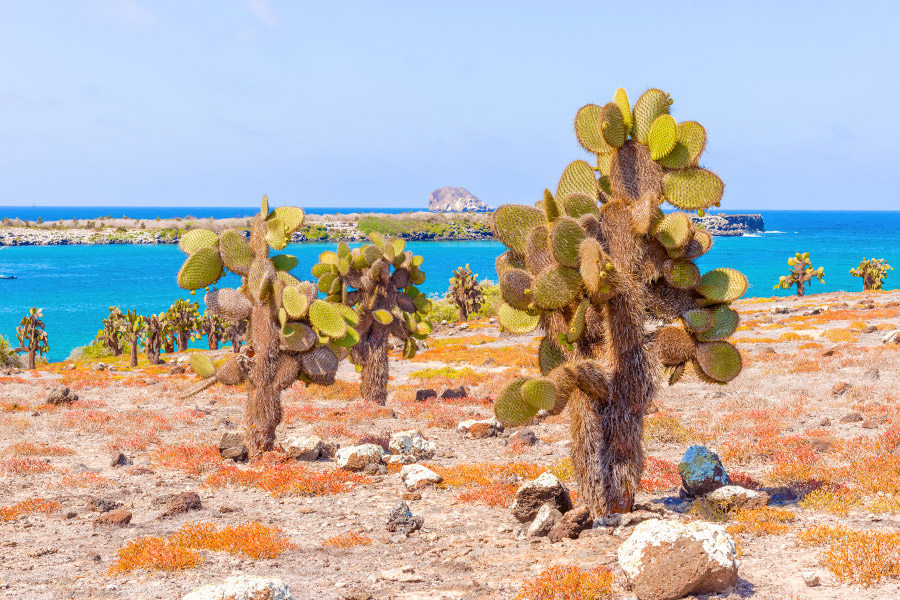
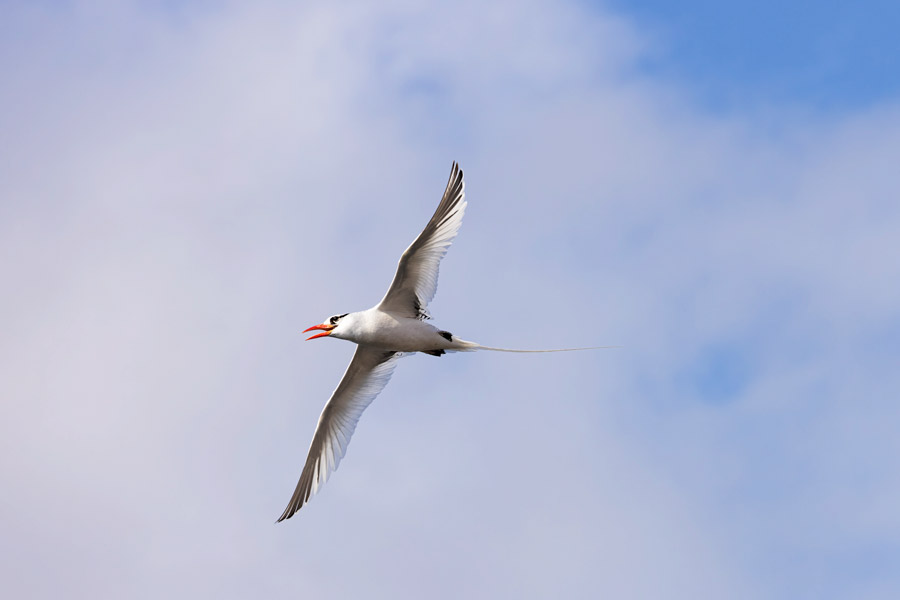
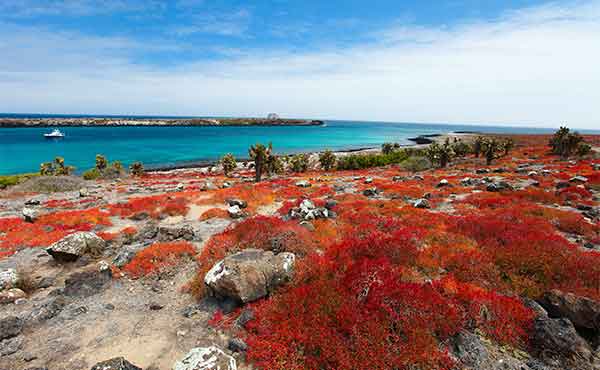
Today you journey to the Plaza Islands, two very small islands situated off the east coast of Santa Cruz. These islands were uplifted by the sea and are now separated by a channel. Only South Plaza is accessible and here you can find land iguanas wandering through bright red carpet weed, feeding on the fruit of the prickly pear cactus. The sheer cliffs of the southern shore are a perfect bird habitat, making it an unparalleled bird observatory for swallow-tailed gulls, Audubon shearwaters, and red-billed tropicbirds.
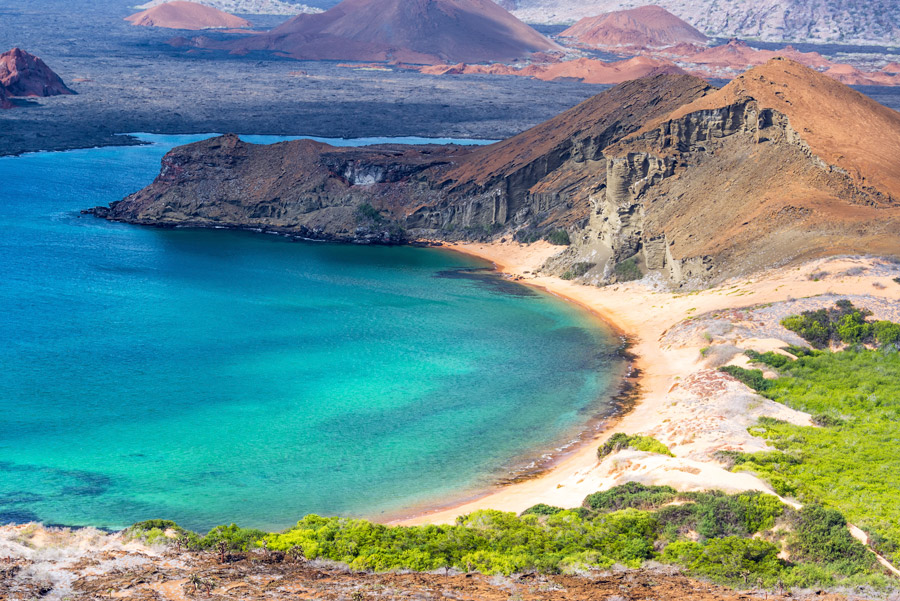
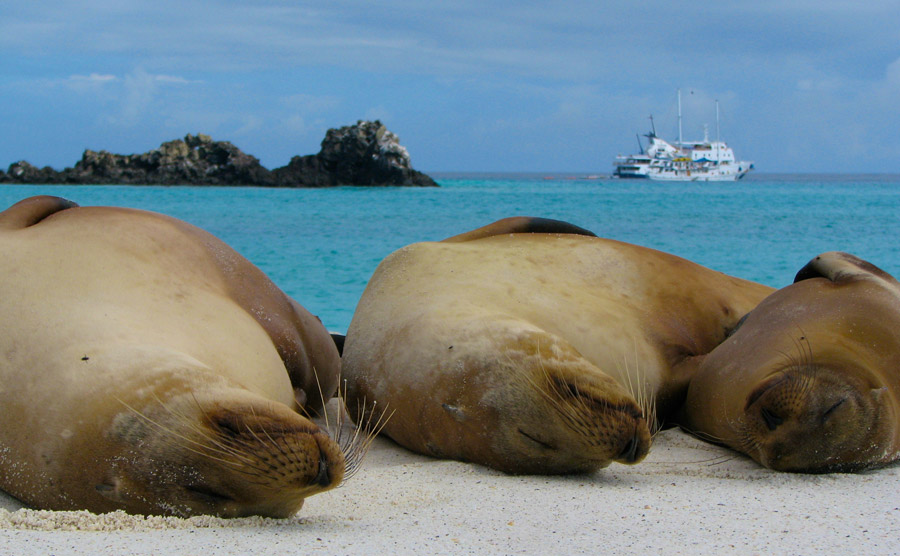
Travelling further south, you stop on Santa Fe Island, an extinct volcano which is so isolated it has its own endemic land dragon. With its white sand and calm turquoise waters, it’s the perfect stop for us to view a large sealion colony, observing these playful pinnipeds. Other wildlife highlights include a pelican nesting site. Galapagos hawks, mockingbirds, finches and Palo Santo trees can also be found here.
-
Day 3:
San Cristóbal
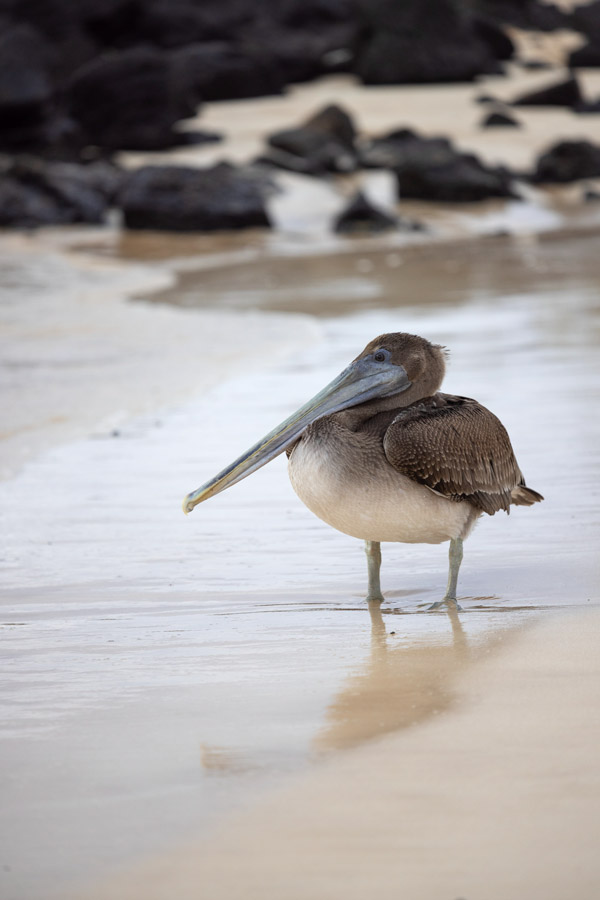
Today you visit San Cristóbal. Take a trip to the beautiful white sand beaches of Cerro Brujo, one of the first sites visited by Charles Darwin, where you may spot blue-footed boobies, brown pelicans, sea lions and marine iguanas.
You also visit Galapaguera, a great spot to see tortoises in their natural environment, and El Junco Lagoon, the only freshwater reservoir in the Galapagos. Here precious rainwater has collected inside the extinct volcanic crater for hundreds of years, which attracts a diversity of birdlife. The panoramic views are well worth the uphill trek, and the lush vegetation and cooler temperatures provide a contrast to the warm coastal beaches below.
-
Day 4:
Española Island
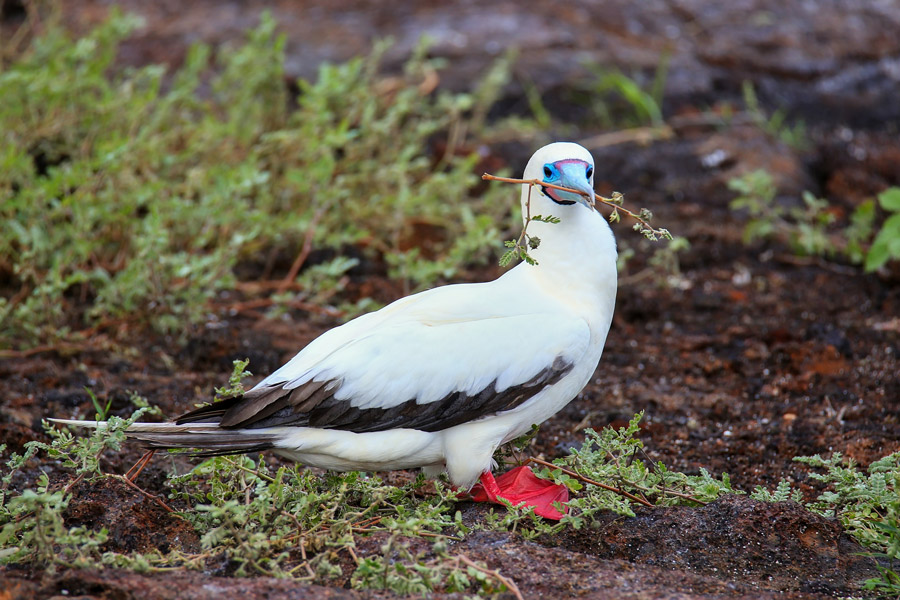
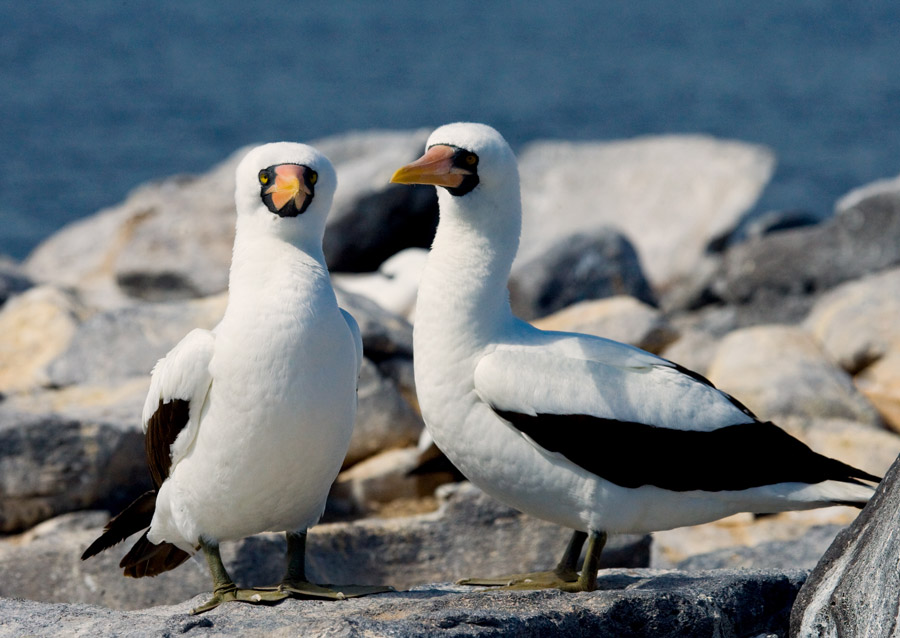
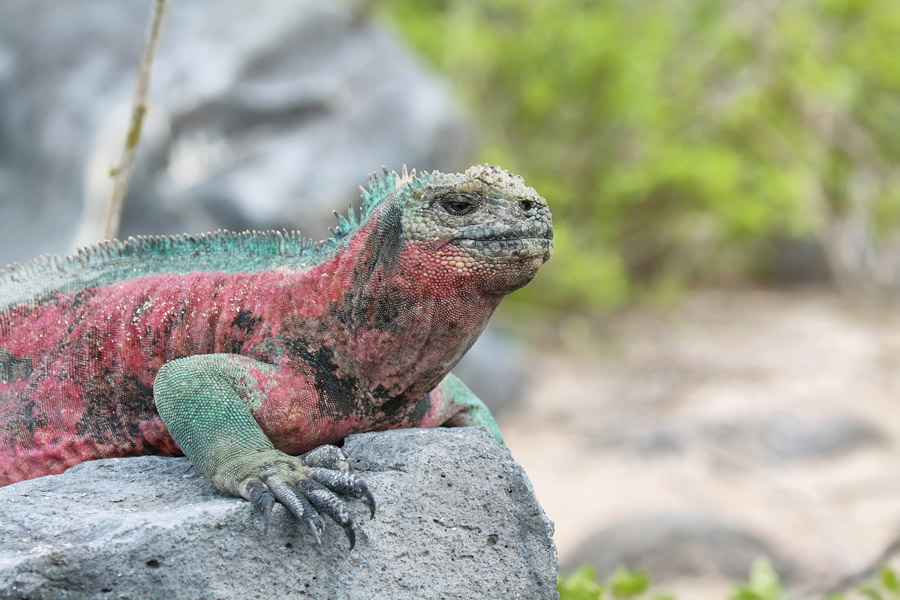
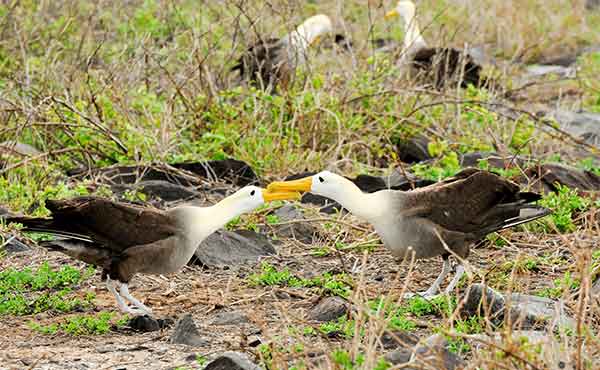
The island of Española is your next stop, a beautiful, remote island, rich in wildlife, with a unique range of endemic species. Sea lions leisurely wander around you, while fiery coloured marine iguanas, blue-footed boobies, masked boobies and Sally lightfoot crabs can be found on the surrounding rocks. Highlights here include waved albatross, the only tropical albatross on Earth, which shares its precipice with other seabirds such as the swallow-tailed gull, Galapagos hawk and the Nazca booby.
Other stops here include Gardner Bay, home to a long white sand beach inhabited by sea lion colonies, mockingbirds and finches. You also explore Islote Gardner and Islote Osborn, perfect snorkelling spots where you're likely to see tropical fish, reef sharks and turtles.
-
Day 5:
Floreana Island
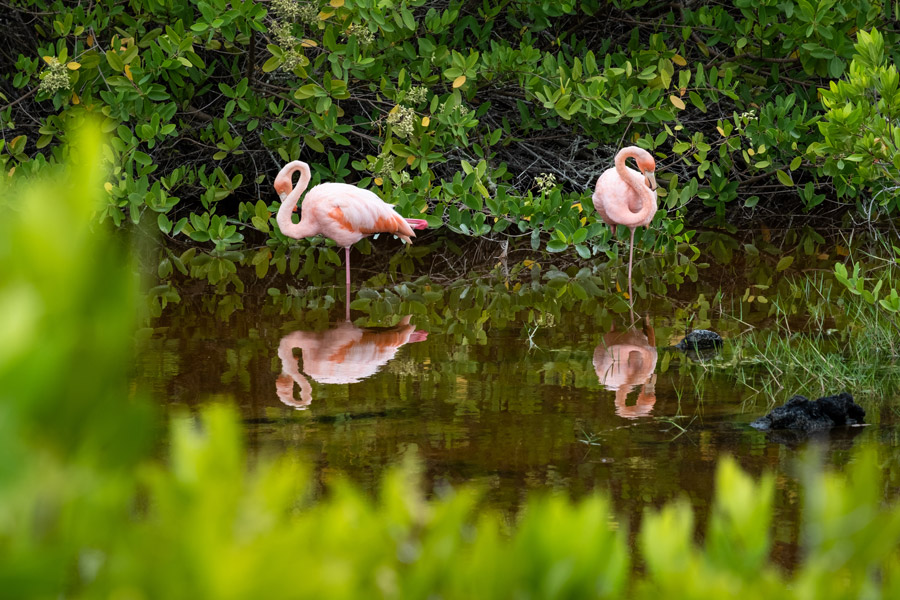
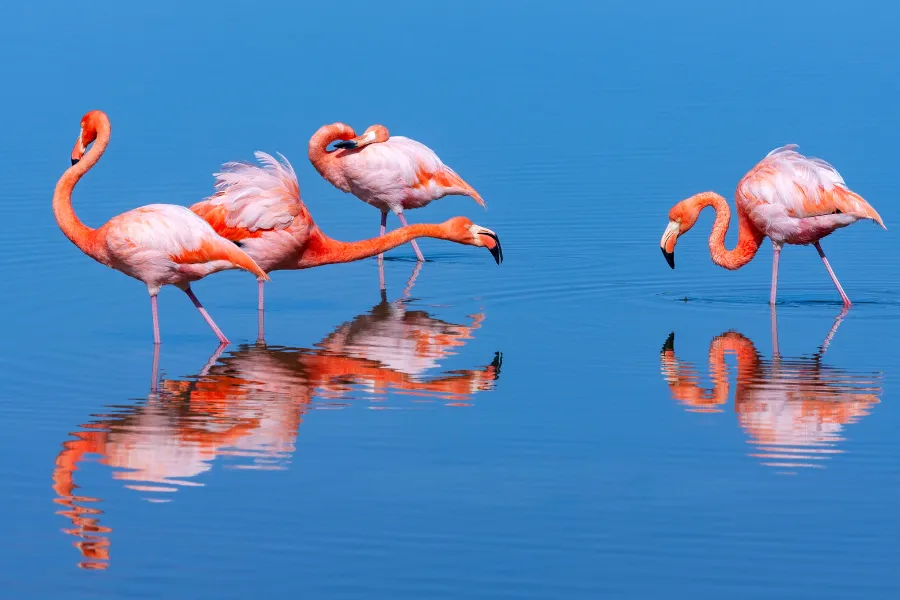
Exploration continues today with a landing on Floreana Island, best known for its colourful history of buccaneers, whalers, convicts, and early colonists. You visit Punta Cormorant where two contrasting beaches and a large inland lagoon where pink flamingos can be seen. You then take a short panga ride to snorkel at Devil's Crown, home to a completely submerged volcano that has eroded to create the appearance of a jagged crown. In the afternoon, visit Post Office Bay, with its wooden mail barrel, and see the remains of a Norwegian fishing village.
-
Day 6:
Santa Cruz & James Island
Continuing to Santa Cruz, you visit Dragon Hill with its hypersaline lagoon, often frequented by flamingos. James Island is located between Isabela and Santa Cruz and offers a wide variety of seabirds, marine iguanas and fur seals. Sullivan Bay is of great geological interest owing to its 100-year-old lava flow field, pahoehoe formations and lava bubbles.
-
Day 7:
Genovesa
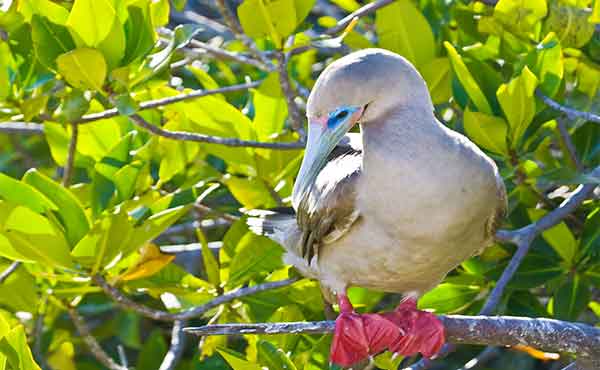
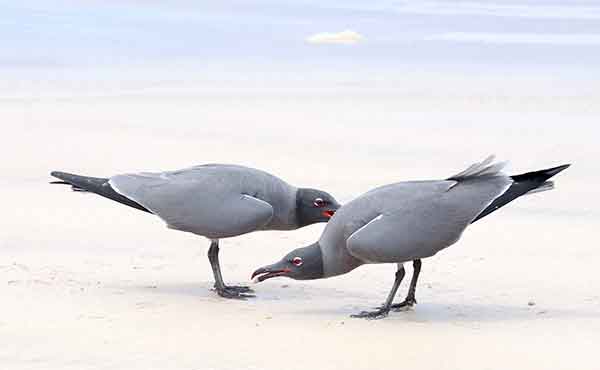
Genovesa, or Tower Island, is an eroded flat volcanic island with a natural harbour, formed due to a submerged crater. The steep cliffs of Darwin Bay dominate the island, home to thousands of frigatebirds, red-footed boobies, Noddy terns, lava gulls, tropicbirds, doves, storm petrels and Darwin’s finches. At El Barranco, there's a good possibility of seeing the unique Galapagos short-eared owl, endemic to the Galapagos Islands.
-
Day 8:
Santa Cruz & disembark at Baltra
This morning, you travel to Caleta Tortuga, also known as Black Turtle Cove, by panga (dinghy). Located on the north side of Santa Cruz, there's a mangrove swamp where you can see nesting marine turtles during certain months, as well as rays, sharks and pelicans. You return to the vessel following the morning excursion, before disembarking at Baltra shortly afterwards.
Please note: Exact itinerary and duration will depend on your chosen vessel, departure date and local conditions.
OPTIONAL EXTENSIONS
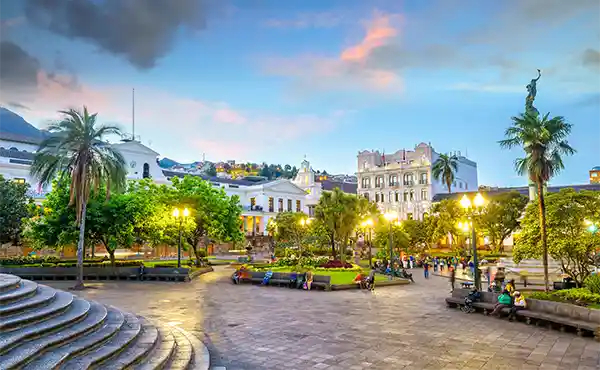
To make the most of your time in Ecuador, why not add an extension to your Galápagos adventure? Wander through the colonial streets and lively markets of
Quito, journey deep into the
Ecuadorian Amazon for a rainforest experience rich in wildlife or unwind in the
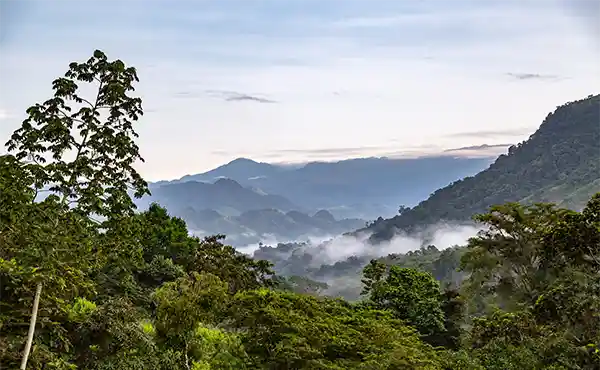
Andean cloud forests. These are just a few suggestions, and you can
ask us for ideas or more information on how to tailor your trip beyond the islands.



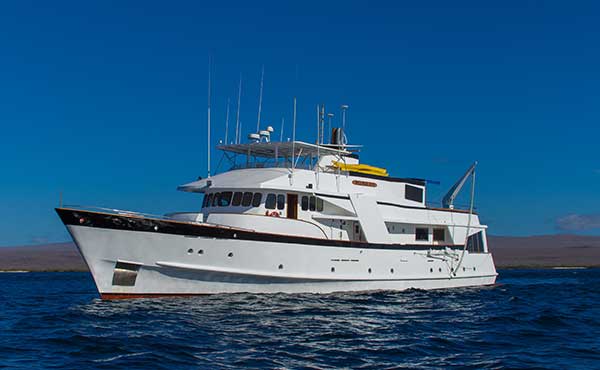 EXPEDITION VESSEL
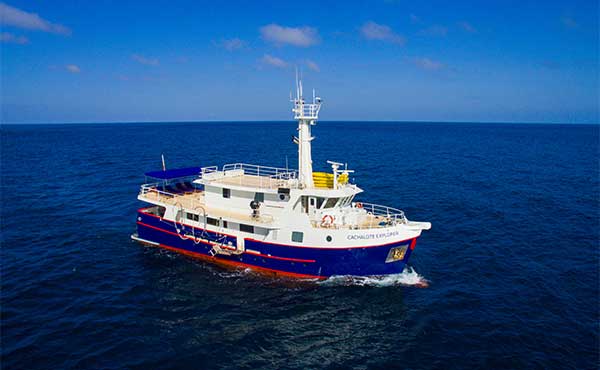 EXPEDITION VESSEL
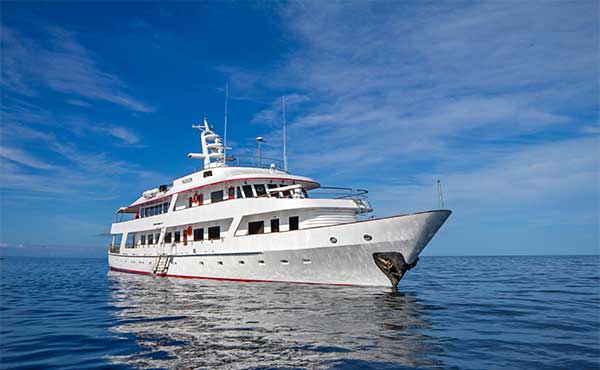 LUXURY VESSEL