Experience Estonia’s golden summer wildlife, from brown bears and beavers to rare breeding warblers and lesser spotted eagles, offering superb encounters with special species across the country’s rich mosaic of habitats.
For wildlife enthusiasts, Estonia offers an outstanding range of species within a small and welcoming corner of Europe. This new tour highlights many of the country’s finest wildlife experiences, with opportunities to encounter iconic and unusual species, both large and small.
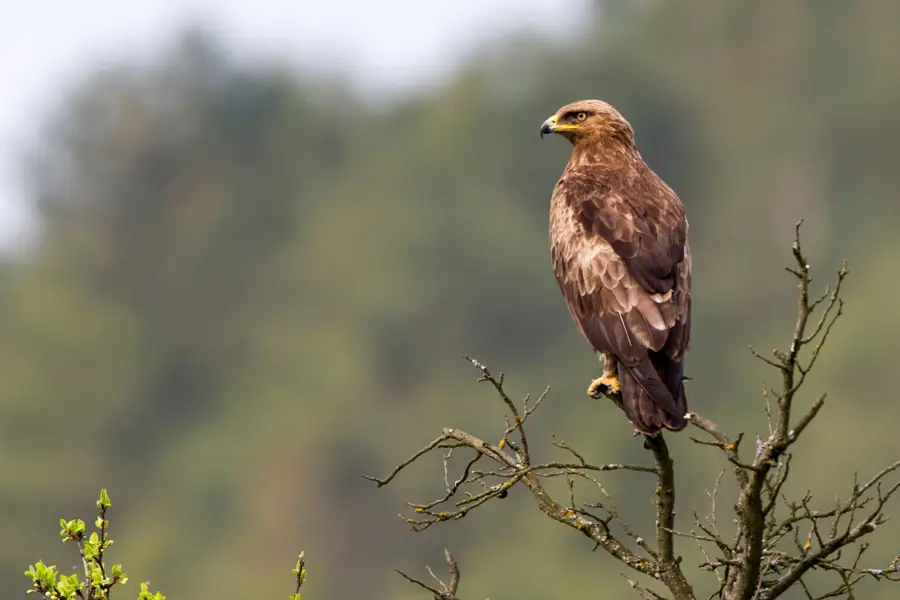
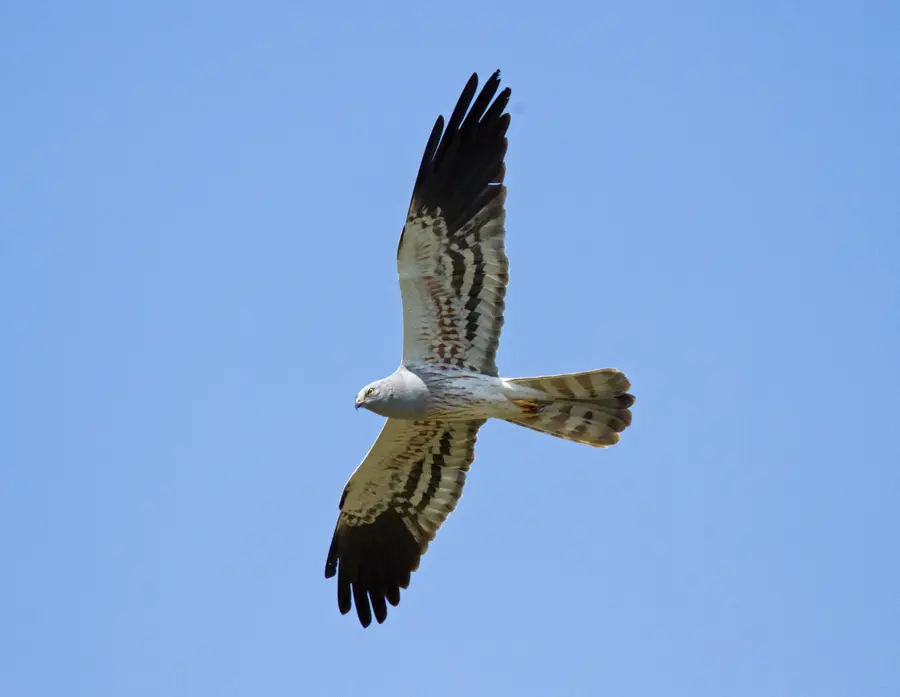
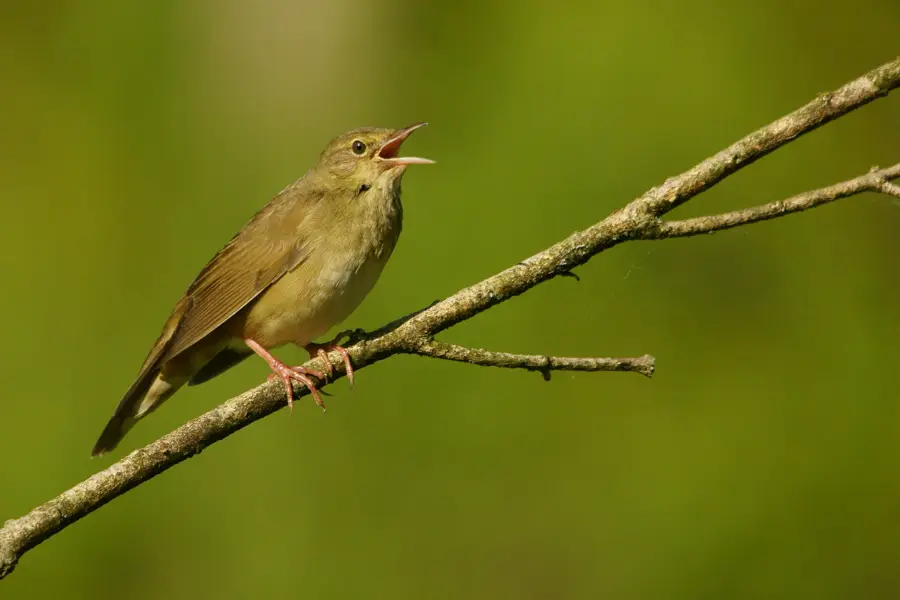
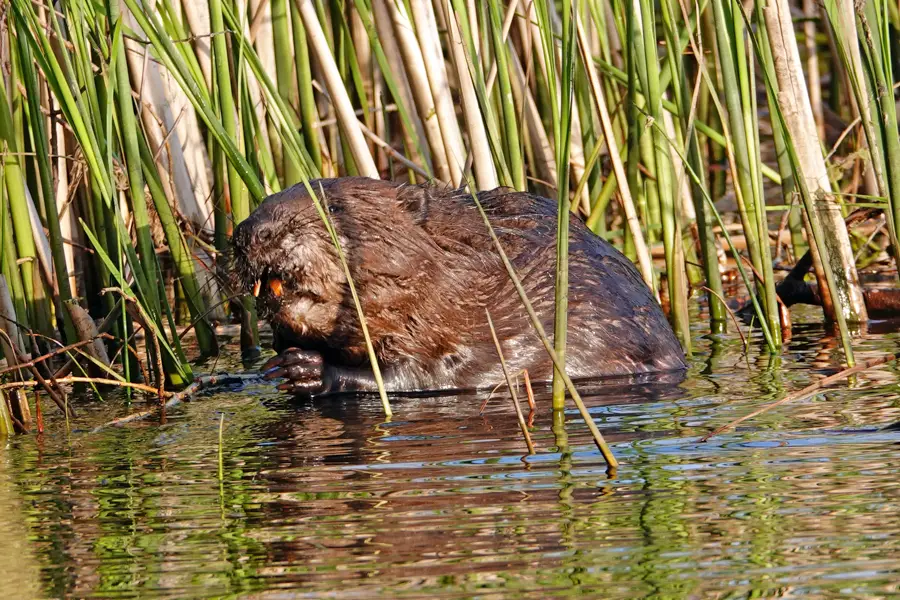
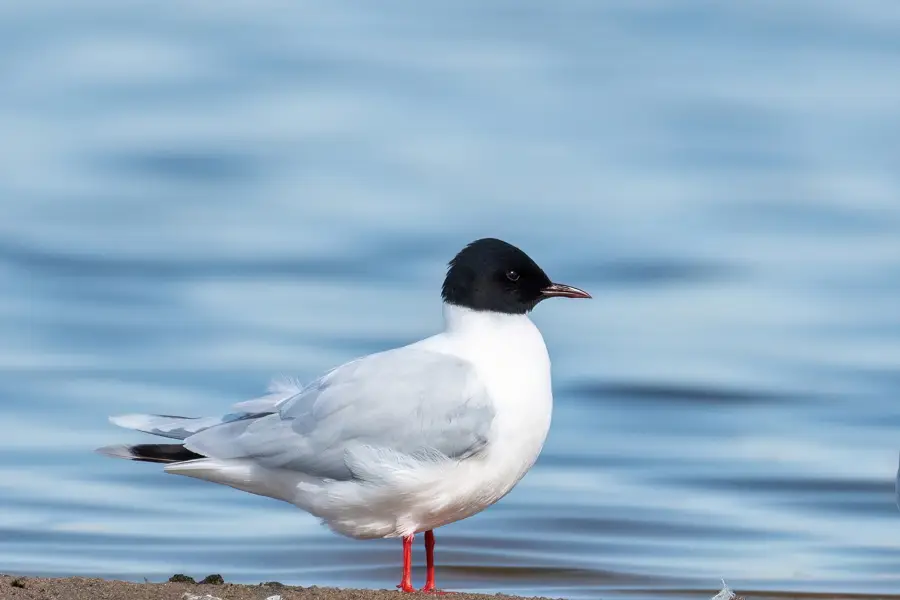
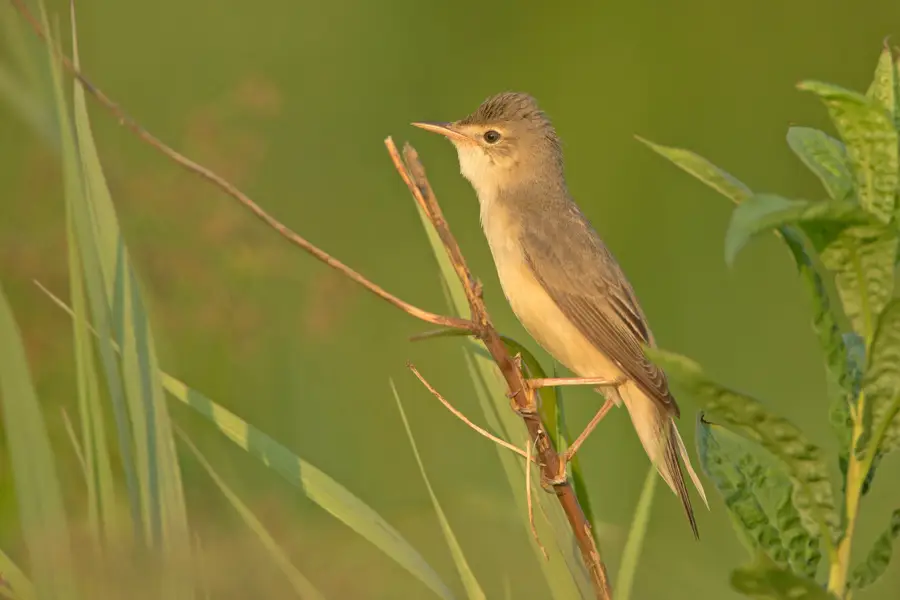
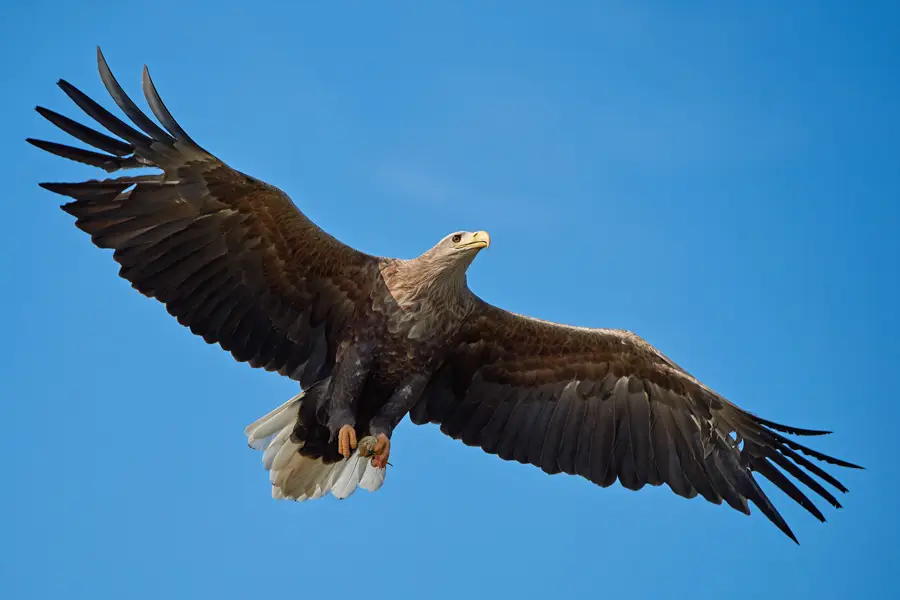
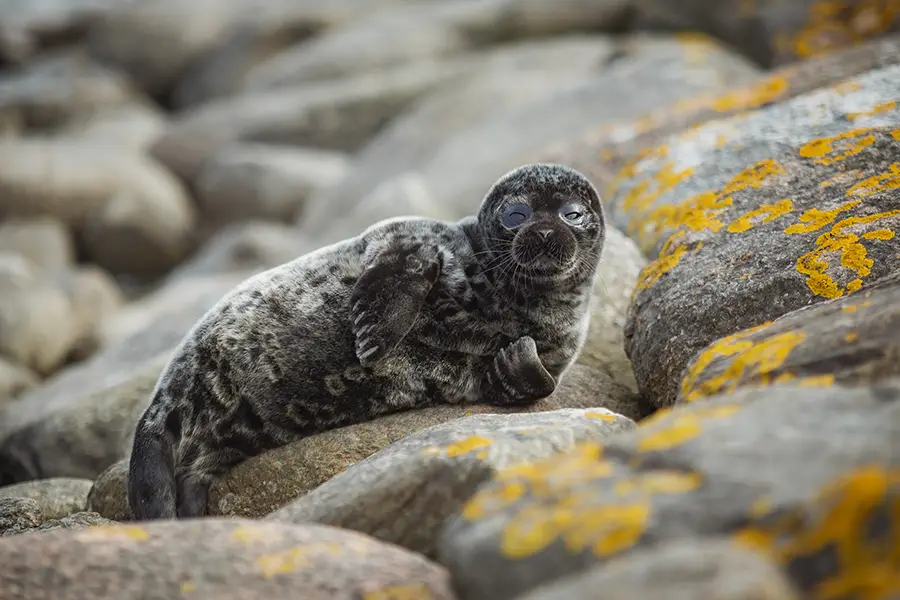
Beginning with a night in the capital city of Tallinn, we then travel west to explore the internationally renowned Matsalu National Park, characterised by vast floodplains, reedbeds and traditional farmland that support exceptional biodiversity. Great numbers of breeding warblers, including Savi’s, great reed, Blyth’s reed, marsh and river warblers, hold territories in the reedbeds, while the meadows provide habitat for waders, common cranes and hunting grounds for lesser spotted eagles, marsh harriers and Montagu’s harriers. We also explore key areas favoured by elk and beavers, and take a boat trip from Hiiumaa Island to smaller offshore islands used by grey and Baltic ringed seals and regularly patrolled by white‑tailed eagles.
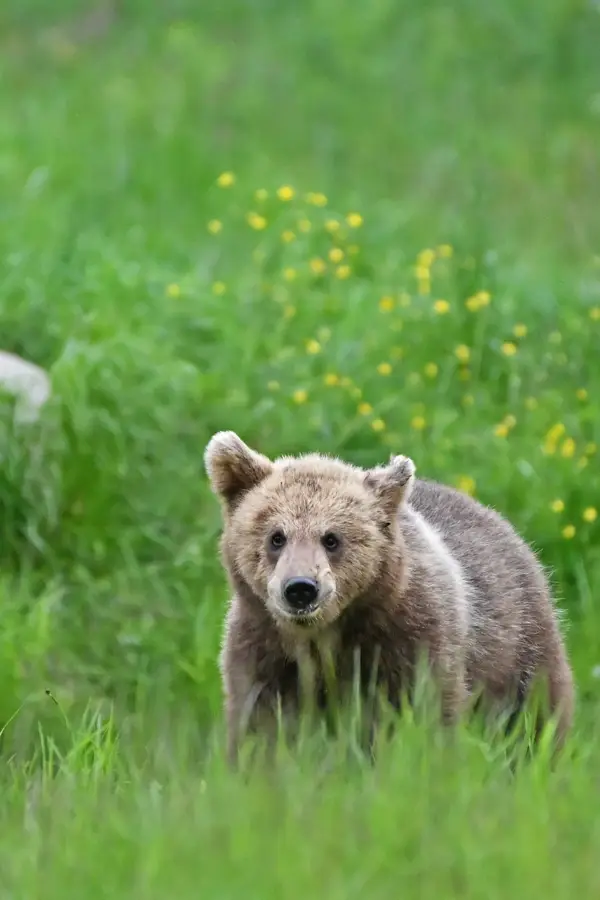
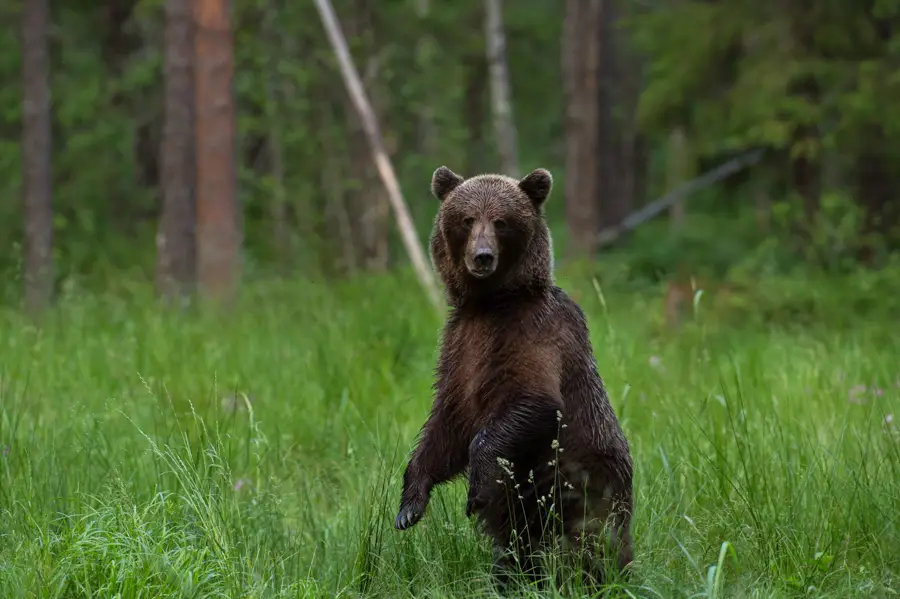
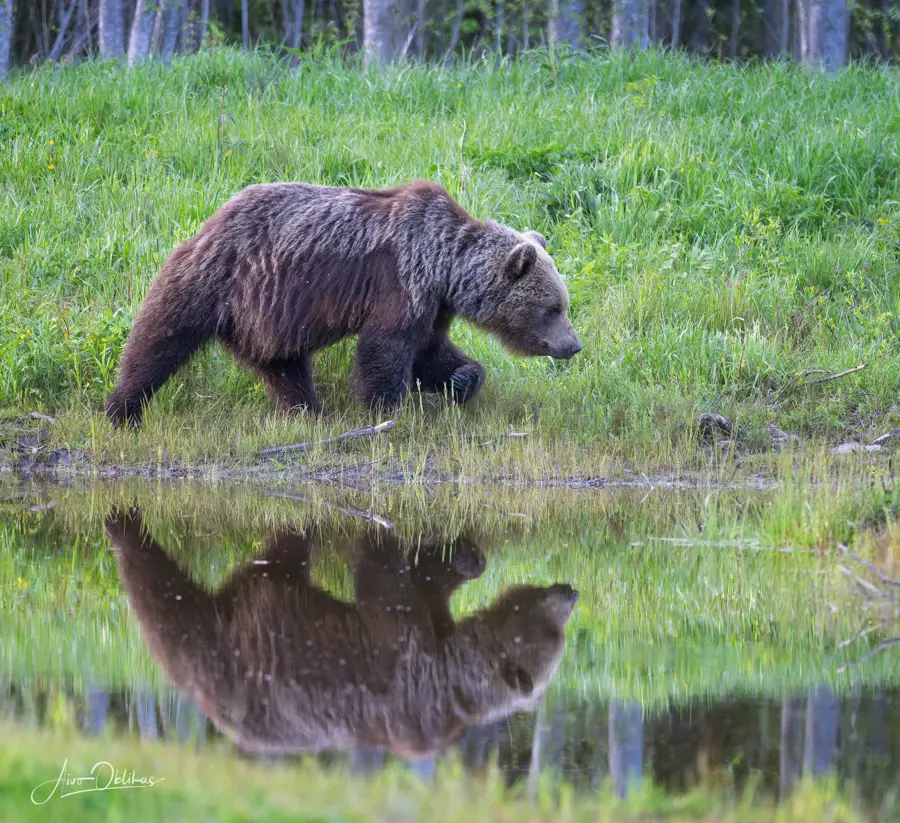
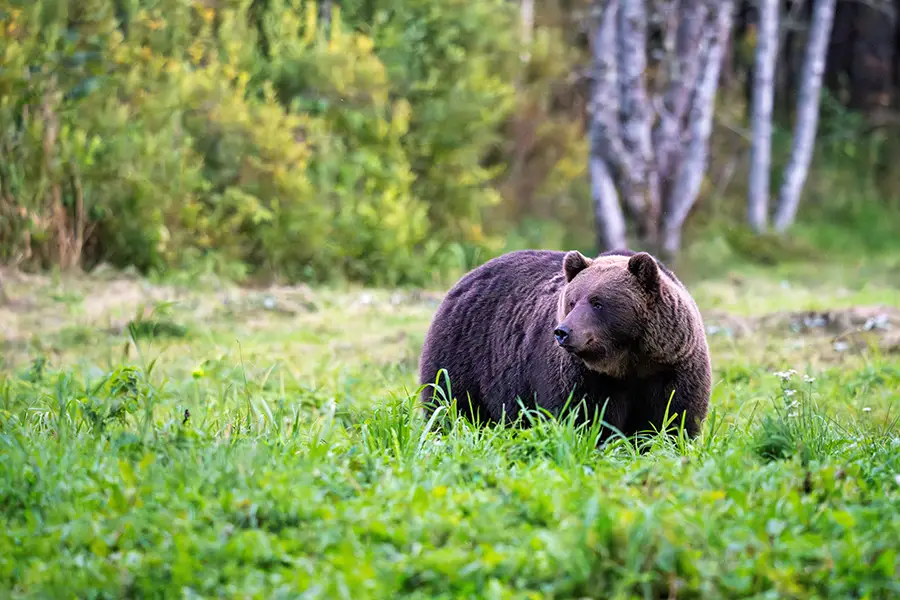
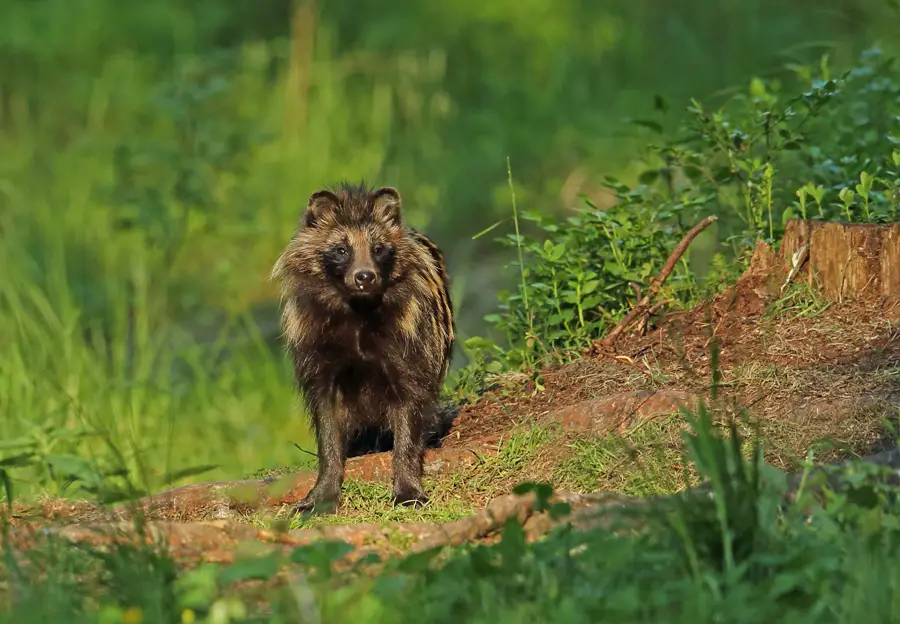
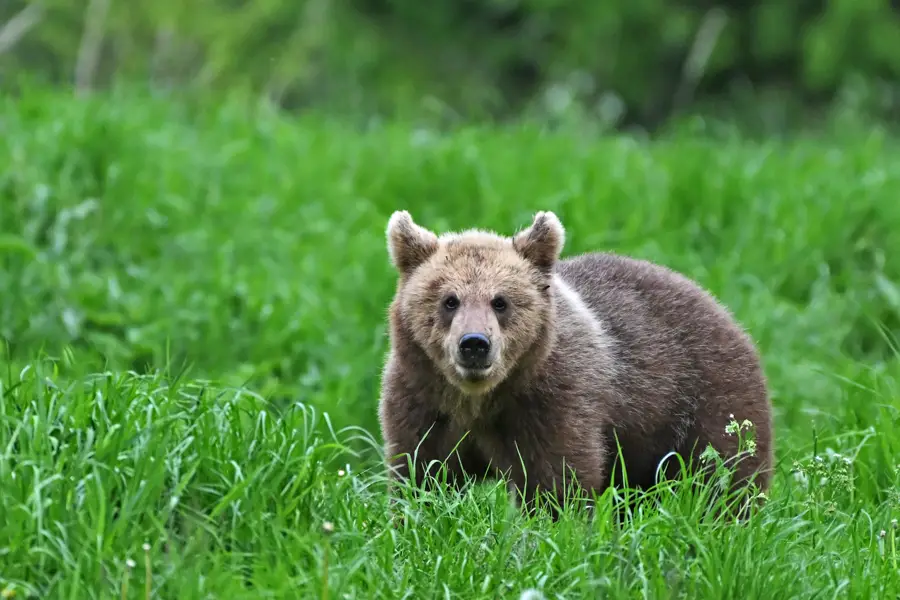
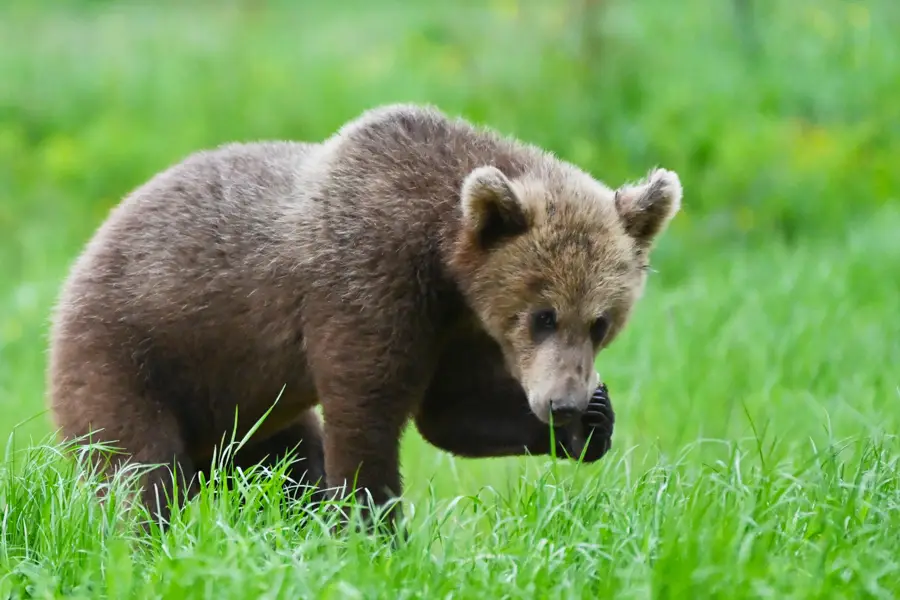
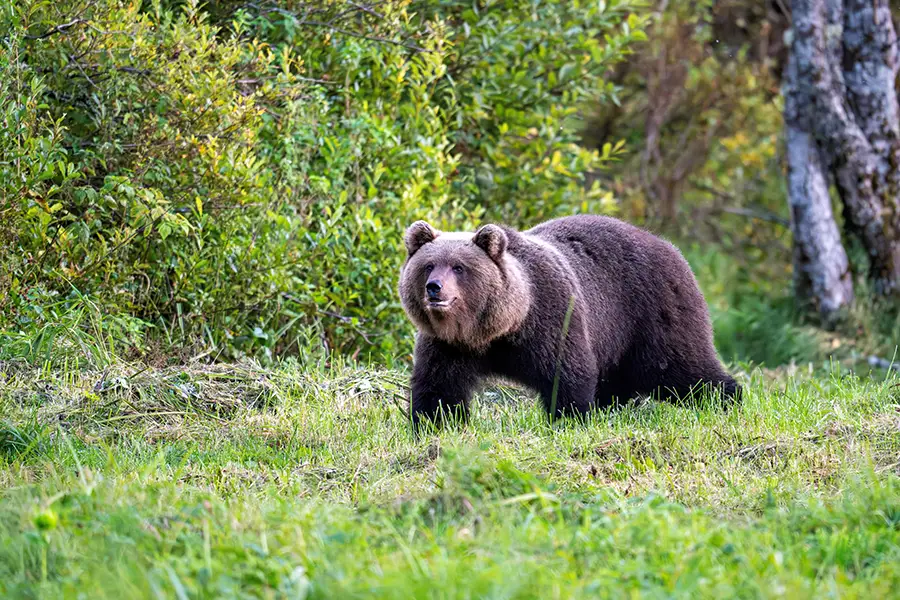
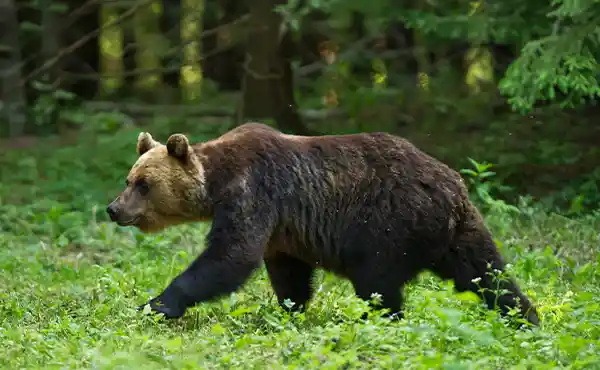
Moving north and east, we then explore the old‑growth forests of Alutaguse and Lahemaa, the latter, being Estonia’s largest and oldest national park, protecting pristine forest and bog landscapes. Here we spend a thrilling night in a dedicated brown bear hide, offering exceptional views of bears during the long golden evenings of midsummer. Red foxes, raccoon dogs and elk may also be seen from the hide.
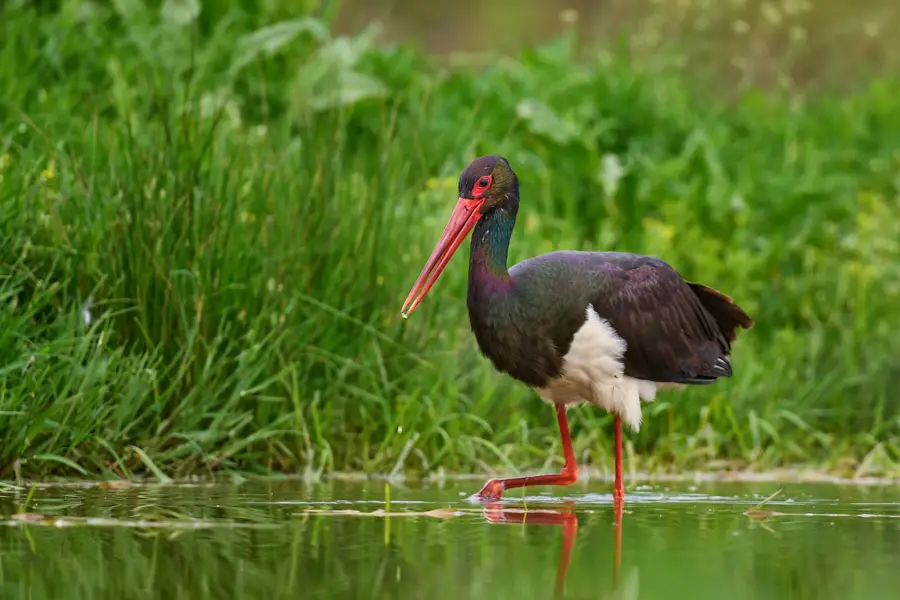
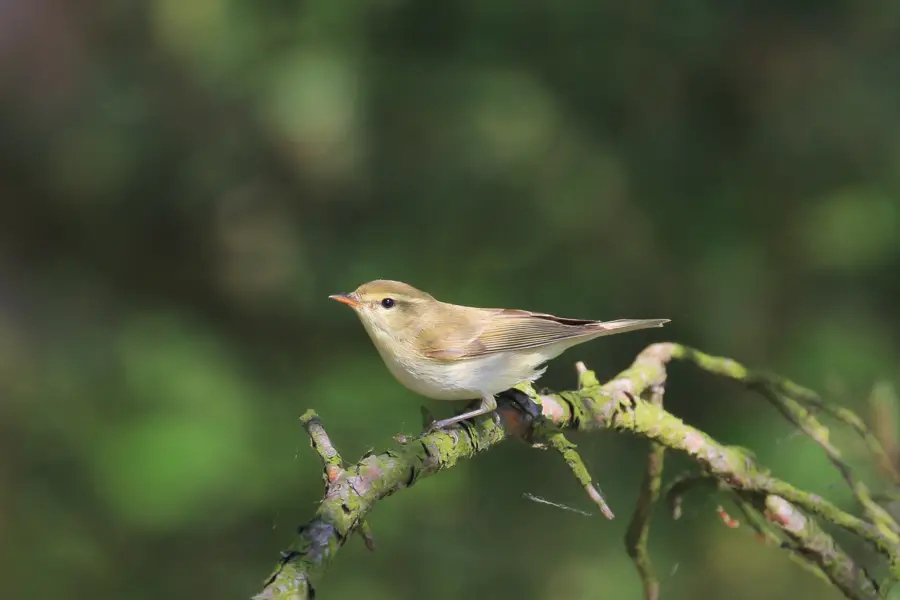
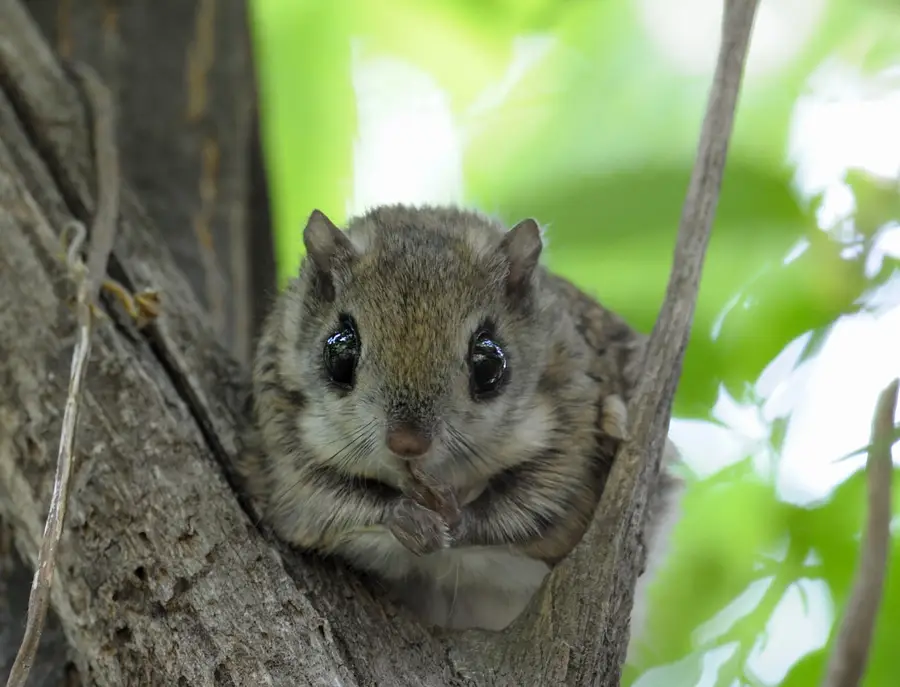
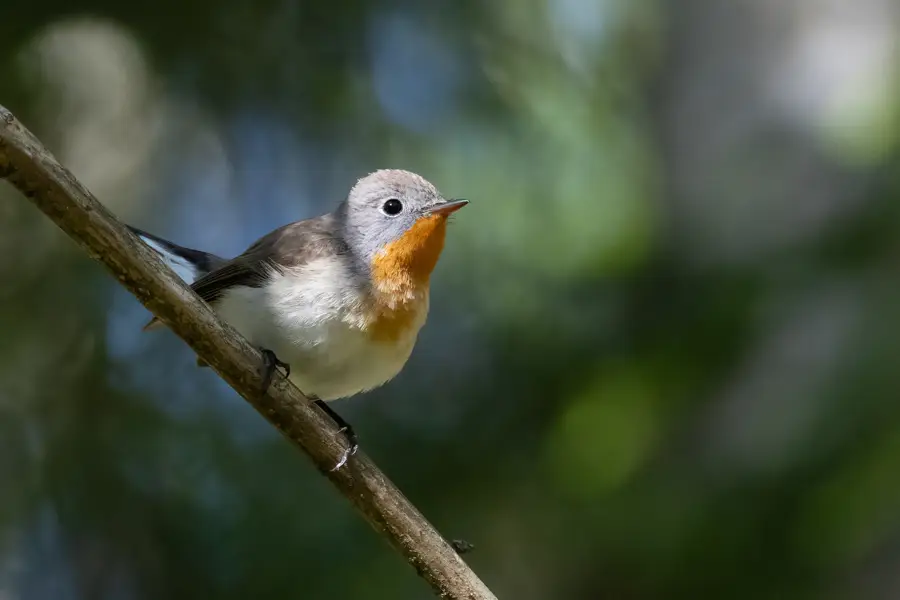
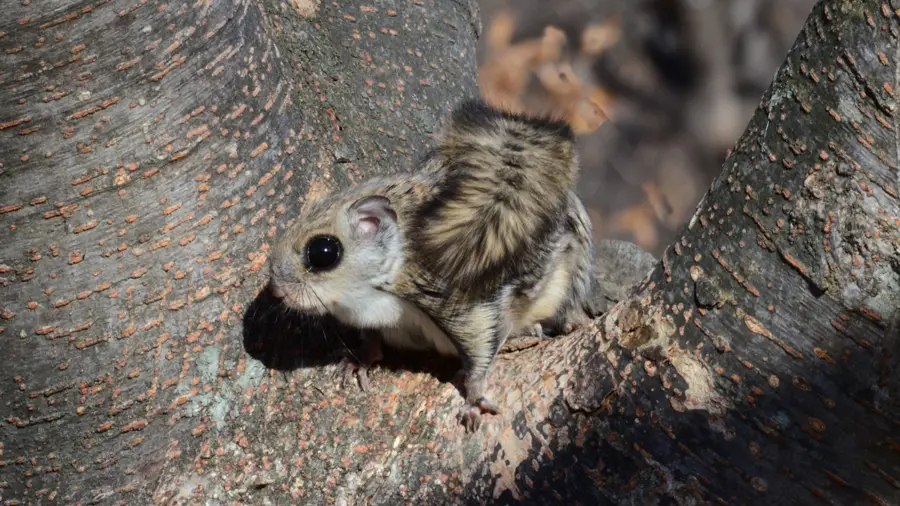
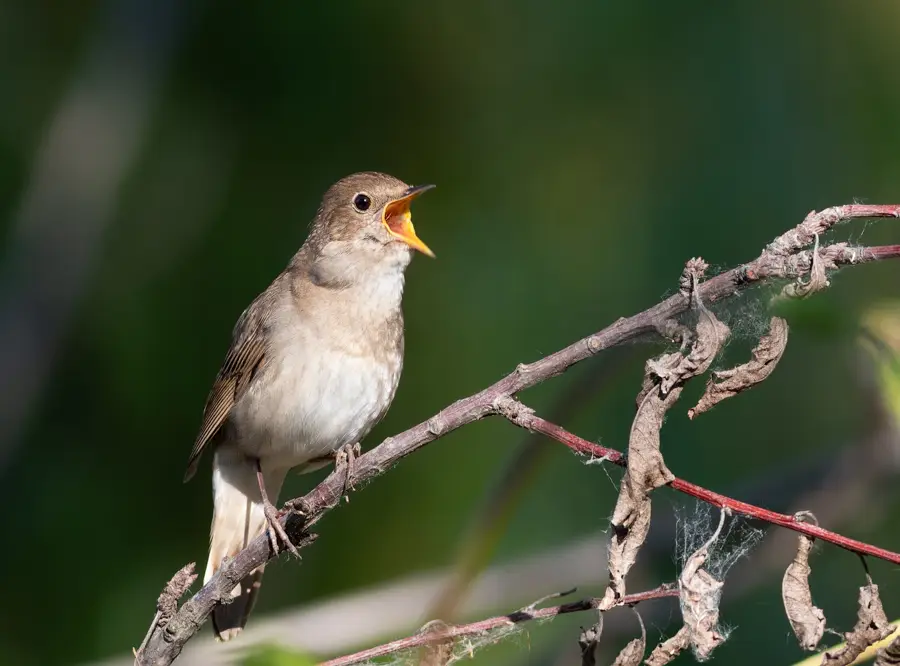
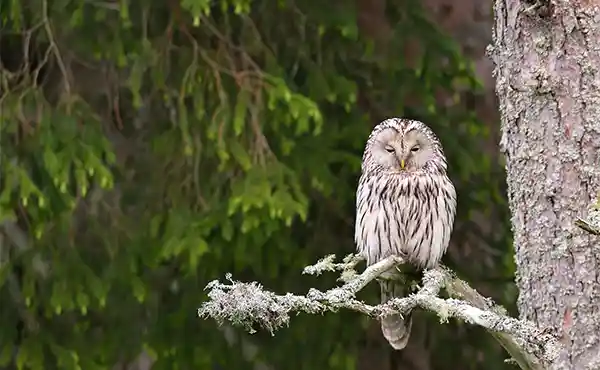
During the day, we visit a range of sites that offer superb opportunities to observe specialist breeding birds such as three‑toed woodpecker, black stork, greenish warbler, red‑breasted flycatcher, thrush nightingale and possibly pygmy owl. We also have the chance to join researchers monitoring the rare Siberian flying squirrel in these remote forests, a wonderful finale to an excellent wildlife adventure.
Typical Itinerary
-
Day 1:
Fly to Tallinn
Depart the UK on an evening flight to Tallinn. After landing, we’re met and transferred to our hotel in the city.
Accommodation: Ibis Styles Tallinn, 1-night
-
Day 2:
Birdwatching in Matsalu National Park
This morning we see a little of Tallinn as we depart the city and drive towards Matsalu National Park on Estonia’s west coast. Matsalu is regarded as one of the most important bird conservation areas in Europe. After settling into our accommodation, we begin exploring the region, including a visit to the famous Haeska Birdwatching Tower along with several other excellent birding locations.
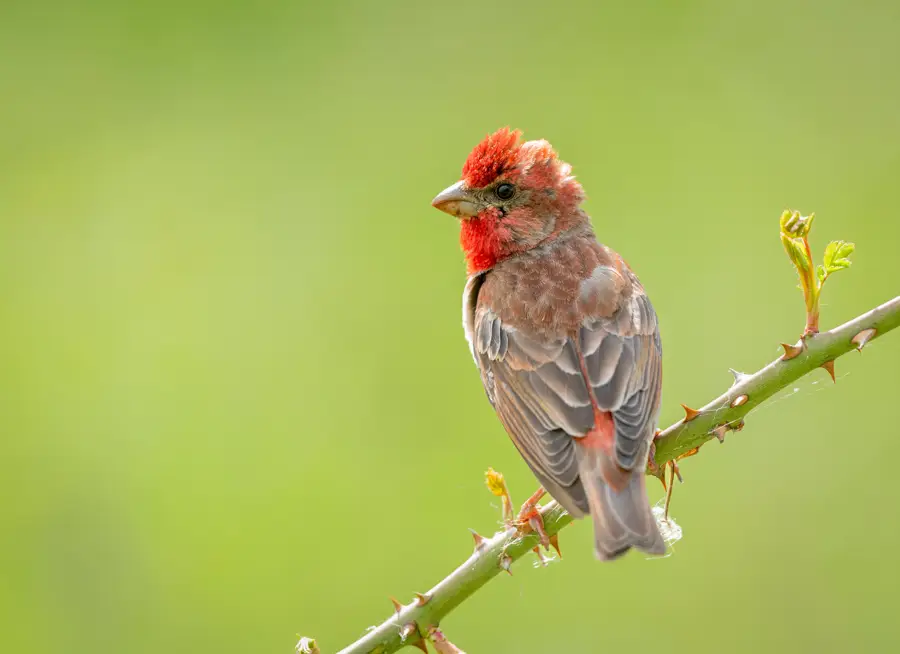
The rich floodplain habitats here support an exciting range of Eastern breeding species such as thrush nightingale, common rosefinch, Blyth’s reed warbler, great reed warbler, river warbler, Savi’s warbler, and marsh warbler. Waders and cranes nest in the wet grasslands, while lesser spotted eagles hunt widely across the area.
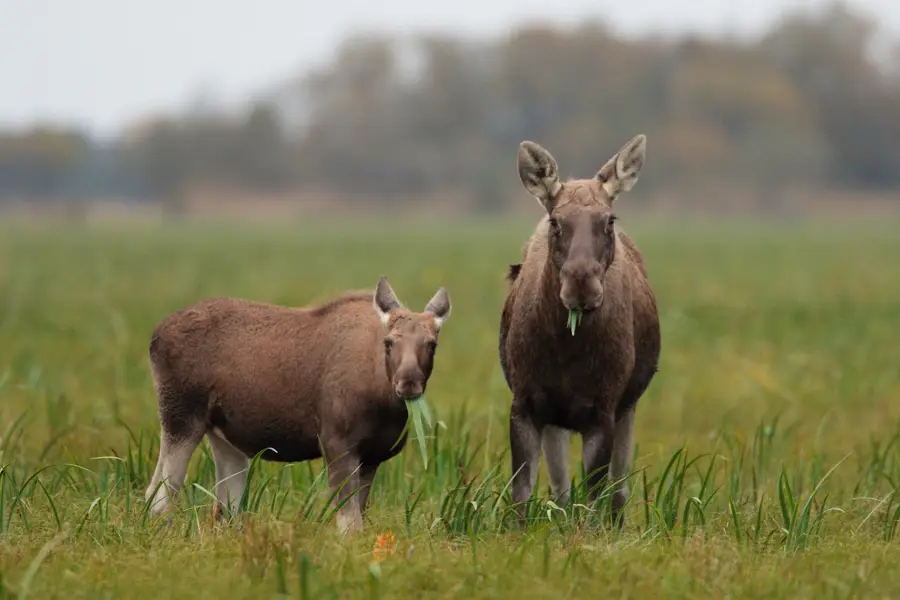
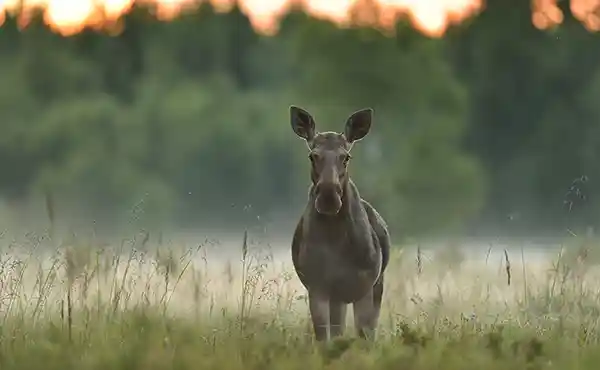
The national park encompasses the Kasari River delta, Matsalu Bay, coastal meadows, reed beds, islands, and deciduous forests. In addition to its birdlife, Matsalu is also an excellent region for mammals, and in the evening we take a drive in search of elk feeding in the open habitats.
Accommodation: Altmõisa Guesthouse, 2-nights
-
Day 3:
Hiiumaa Island Boat Trip
Today we can enjoy some pre‑breakfast birdwatching close to our guesthouse, where we may encounter wryneck, golden oriole, and a variety of warblers. Afterwards, we set off for the ferry terminal and cross to Hiiumaa, Estonia’s second‑largest island.
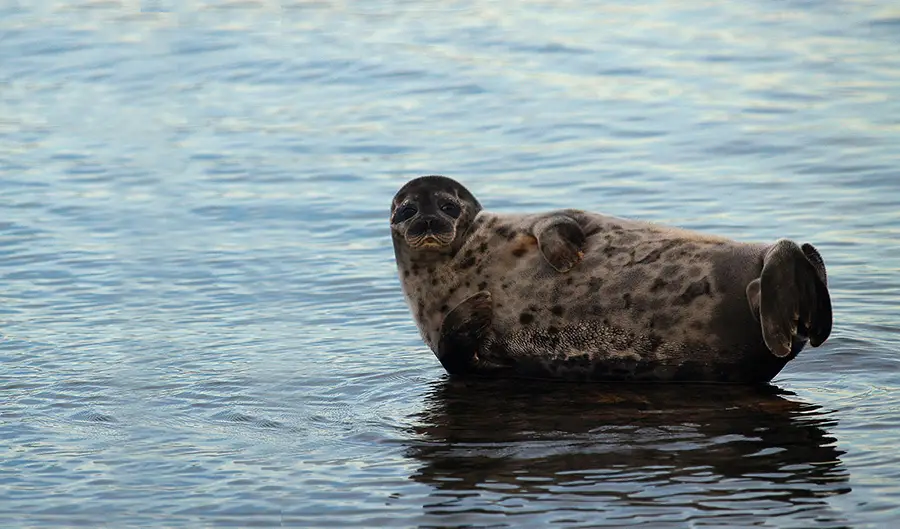
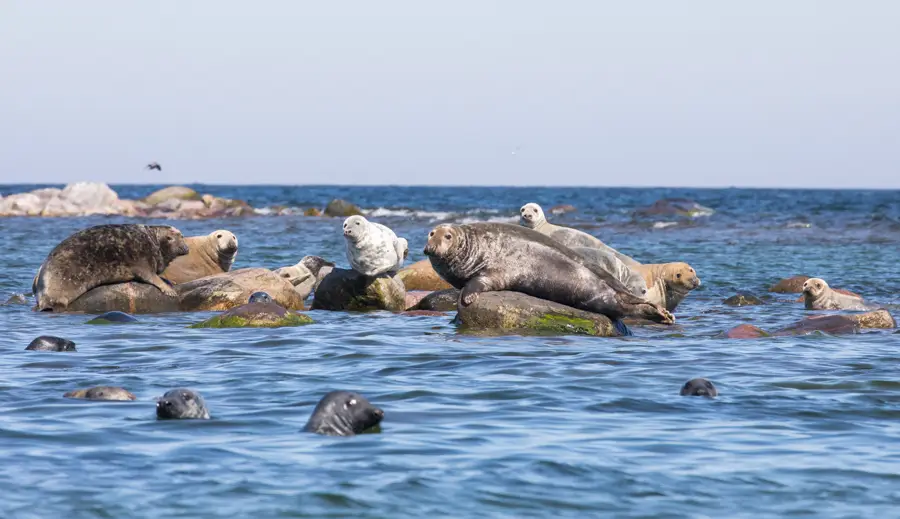
On Hiiumaa, we continue by boat through a small‑island archipelago inhabited by Baltic ringed seals. This area is one of the few remaining strongholds for the rare Baltic population, and we hope to observe them hauled out on rocky islets between foraging sessions. There may also be opportunities to see grey seals and white‑tailed eagles, which nest in good densities along this coastline. In addition to seal watching, we visit one of the small islands where orchids grow in abundance and various seabirds can be found. In the evening, we return to the guesthouse.
-
Day 4:
Matsalu National Park & Bear Watching in Alutaguse
Today we begin with an early morning search for elk before heading to the Puise Peninsula, an excellent area for waders and the strikingly marked barred warbler. We then continue our journey east towards Alutaguse National Park. After settling into our accommodation, we transfer 30 minutes deep into the forest for an unforgettable night in the bear hides.
Overlooking a forest clearing, the hides provide superb opportunities to watch the region’s thriving brown bear population from the comfort of purpose‑built shelters. Each hide is equipped with bunk beds, sleeping bags, a dry toilet, and lens holes for photography. It's common for several brown bears to visit the clearing each evening, often in beautiful summer light, along with raccoon dogs and foxes.
Accommodation: Bear hide, 1-night
-
Days 5-6
:
Explore Lahemaa National Park
After our overnight in the hide, we return to our hotel to freshen up.
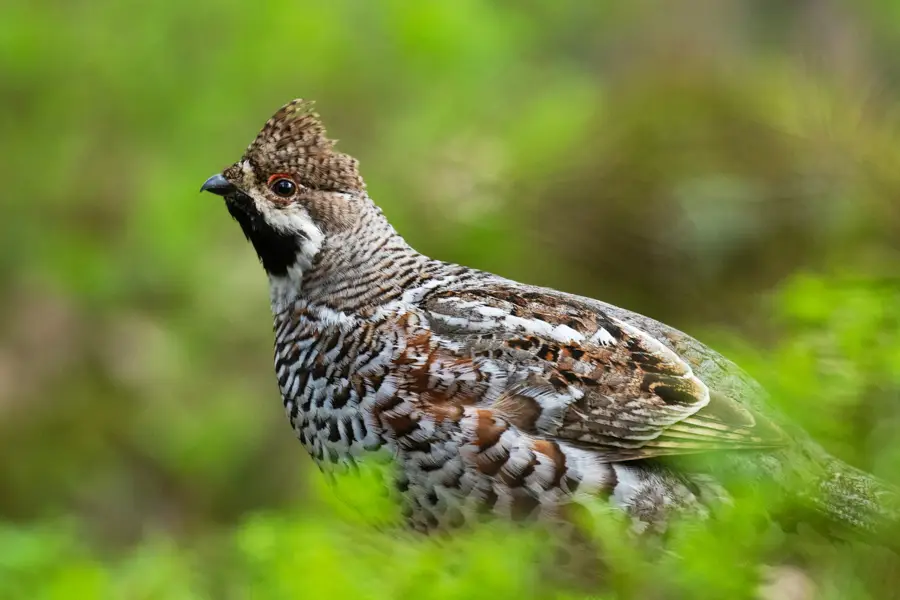
Later in the day, we visit Lahemaa National Park, located just a 30‑minute drive away. Lahemaa protects extensive forests, stretches of northern coastline, and vast bog landscapes. During our visit, we focus on the old‑growth taiga forest, where we hope to encounter red‑breasted flycatcher, willow tit, hazel grouse, and, if we're fortunate, three‑toed woodpecker. The forests of Lahemaa also support capercaillie, as well as black, white‑backed, and grey‑headed woodpeckers.
After dinner and some time to rest at the hotel, we return to a quiet part of the forest to meet a researcher studying one of the region’s most secretive mammals, the Siberian flying squirrel. This species has very specific habitat requirements and, within Europe, survives only in eastern Estonia and parts of Finland. Although normally nocturnal, they become active during the long daylight hours of June. With the guidance of the researcher, we visit the best locations where the squirrels roost during the day, and we hope to observe them as they emerge, offering a special chance to see this endearing species.
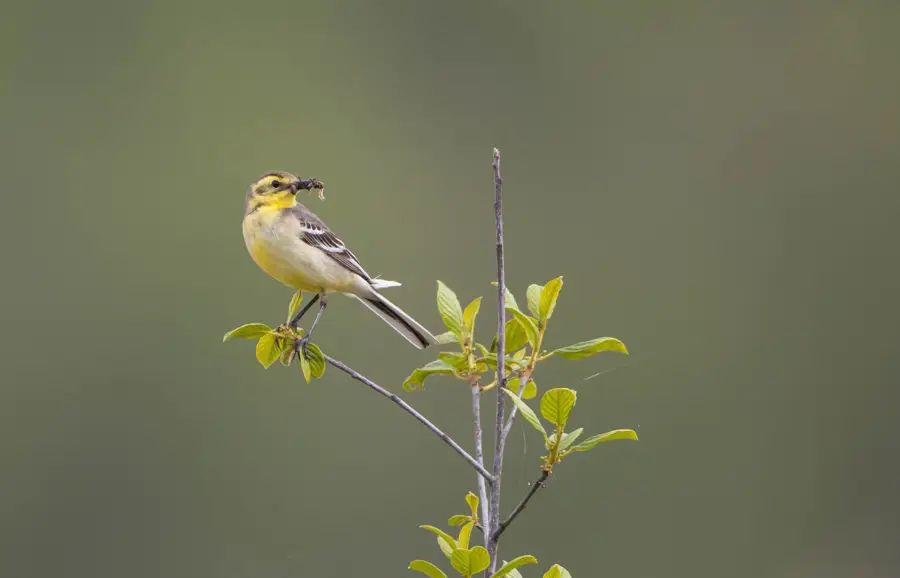
On our second day in Laheema, we explore more of its old‑growth forests and visit nearby ponds where species such as citrine wagtail, goldeneye, common crane, and wood sandpiper may be found. We also search for some of the forest’s more elusive residents, with hopes of encountering woodpeckers, black stork, and greenish warbler. Birds of prey are also possible here, with both goshawk and honey buzzard likely in the area. This evening, there's the option to return to the bear hides for a second night.
Accommodation: Villa Theresa, 3-nights
-
Day 7:
Visit Alutaguse National Park
Today we explore more of the Alutaguse region, the wildest corner of Estonia and home to many of the country’s most iconic species. In the early morning, we search for elk along forest tracks, clearings, and raised bogs where capercaillie and hazel grouse may also be encountered. In stands of old‑growth spruce, several woodpecker species are possible, including black, three‑toed, and white‑backed, while overhead both white‑tailed and golden eagles may be seen. In mature deciduous forest, we may also come across a small number of greenish warblers.
After a restful afternoon enjoying the hotel’s facilities, there's the option to head out again in search of flying squirrels. If we've already been successful, we may instead take an evening drive along quiet forest tracks in search of other mammals, including elk, raccoon dog, and, if we're exceptionally lucky, a Eurasian lynx.
-
Day 8:
Lahemaa National Park & Depart Estonia
Today there's the option to take an early morning excursion to explore a river system that supports a population of Eurasian beavers. Afterwards, we have time to visit a few final forest or wetland habitats before returning to Tallinn in time for our flight back to the UK.
Depart on an evening flight back to the UK.