This dedicated wildlife photography tour takes you into the heart of captivating mountain scenery in search of intimate photography with Ethiopian wolves. There will also be a fascinating supporting cast of other wildlife highlights.
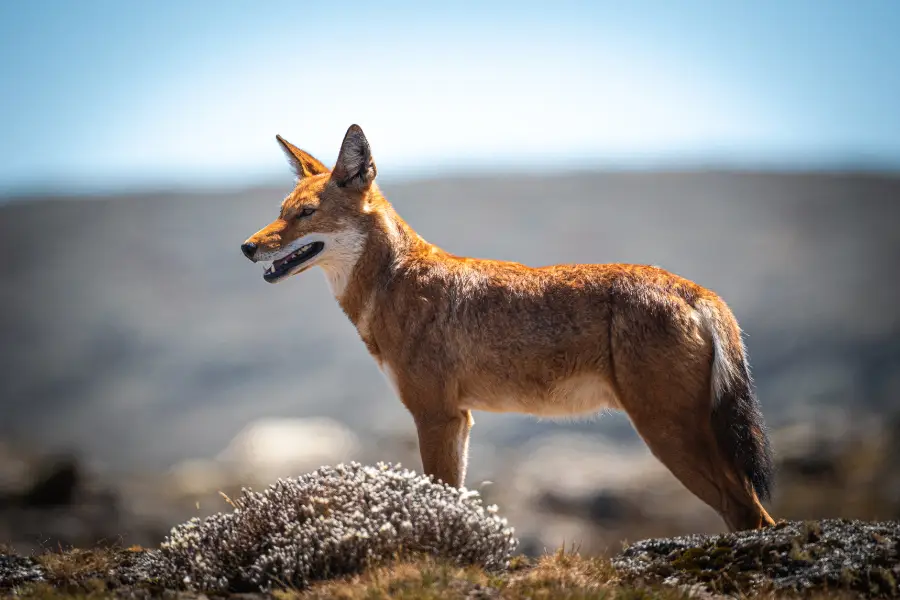
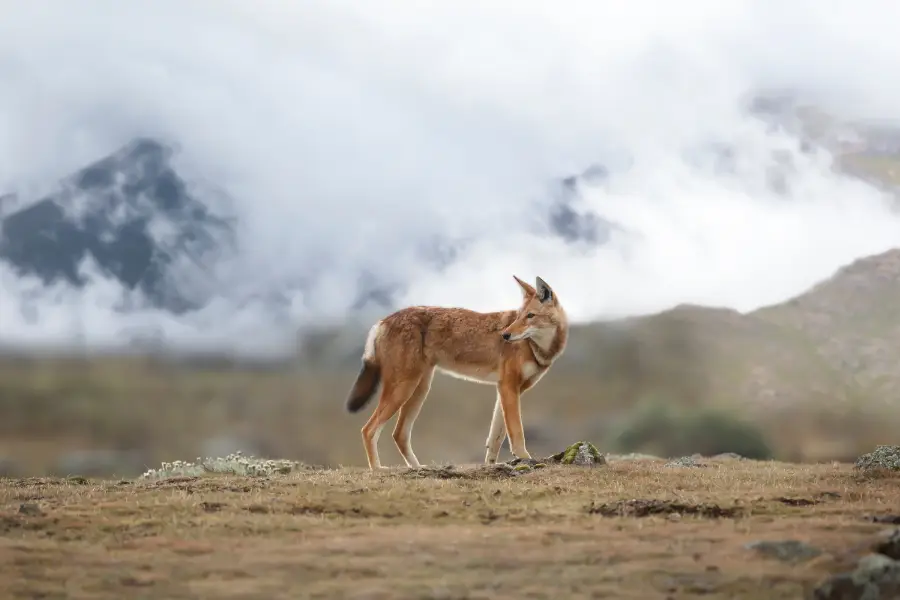
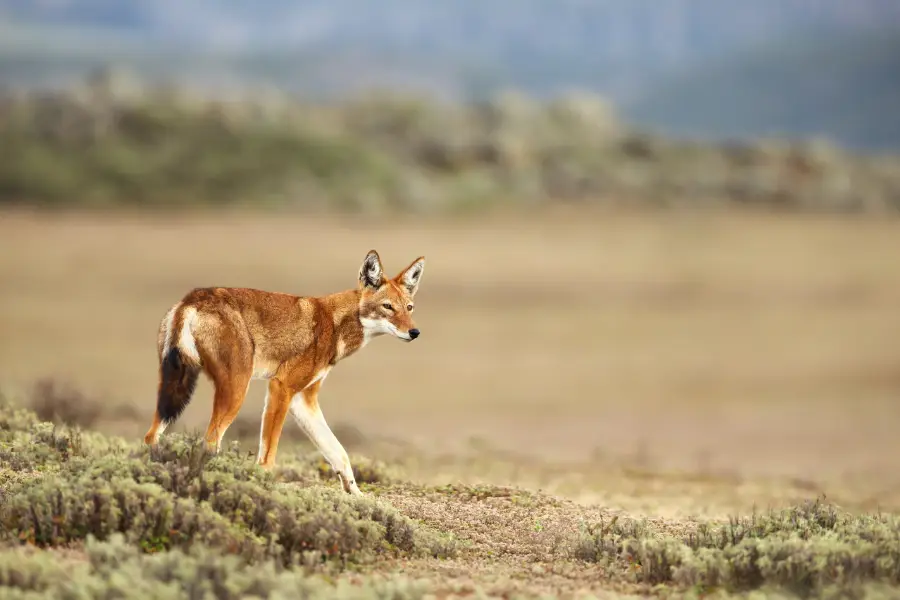
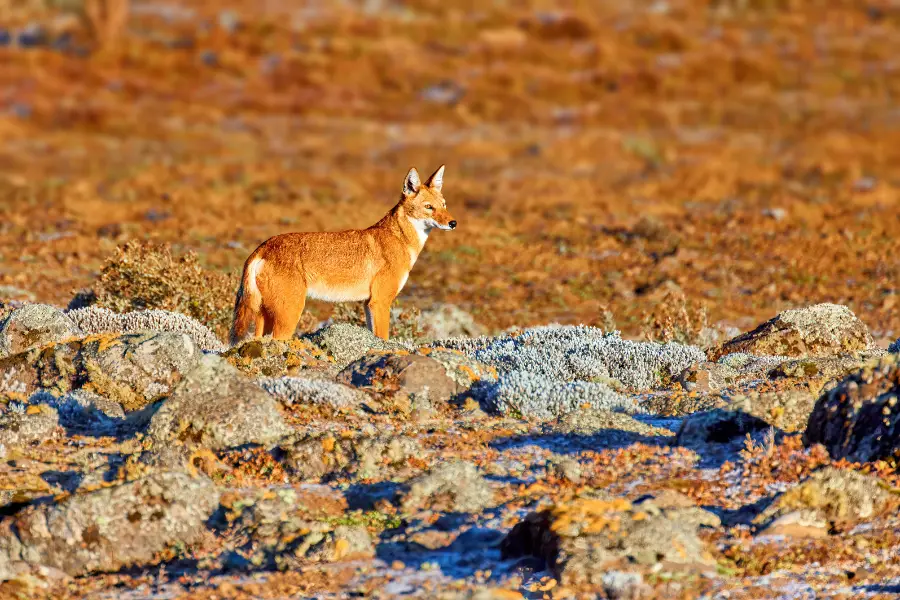
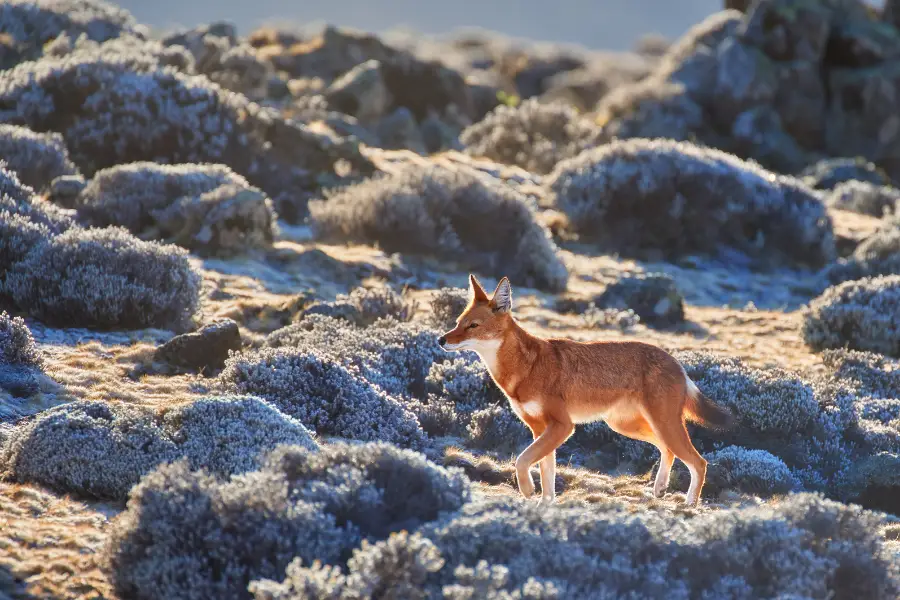
Join wildlife photographer Bret Charman on a photographic journey into one of the African continent’s lesser visited wildlife hotspots. In quiet corners of the Bale Mountains which rise to over 4,000 metres above sea level, there are excellent opportunities to photograph the world’s most endangered canid, the stunning Ethiopian wolf.
Ethiopia supports the largest area of mountainous land in Africa, appropriately referred to as the roof of Africa, and this is where the Ethiopian wolf is now restricted to. A descendant of the European grey wolf, these elegant wolves have become isolated and evolved uniquely on these wild windswept highlands, with their stronghold being the landscapes of the Bale Mountains.
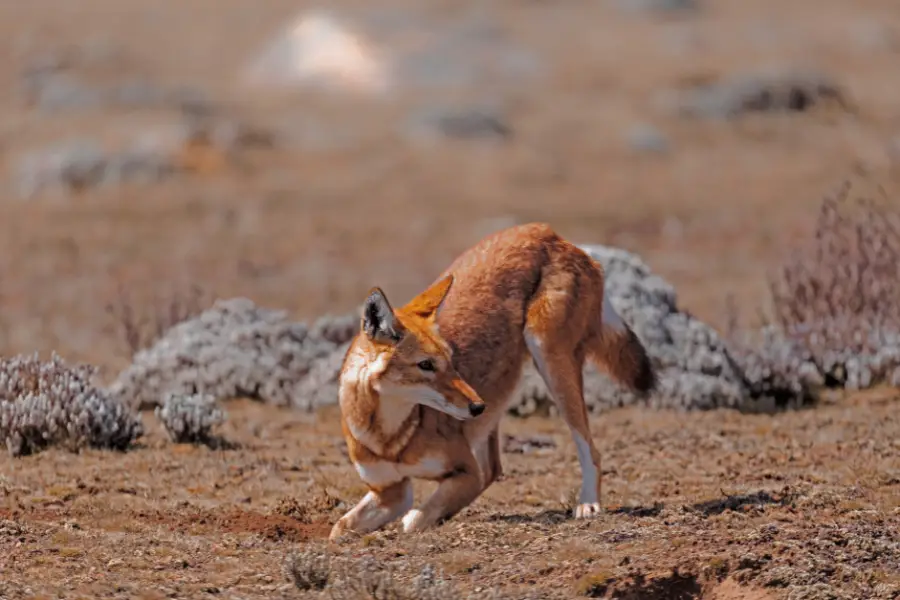
For this special tour, we divide most of our time between two excellent bases in the mountains, where we can admire the wolves both as a pack at first and last light and also hunting their favoured prey of giant mole rats amongst ancient boulders and giant lobelias.
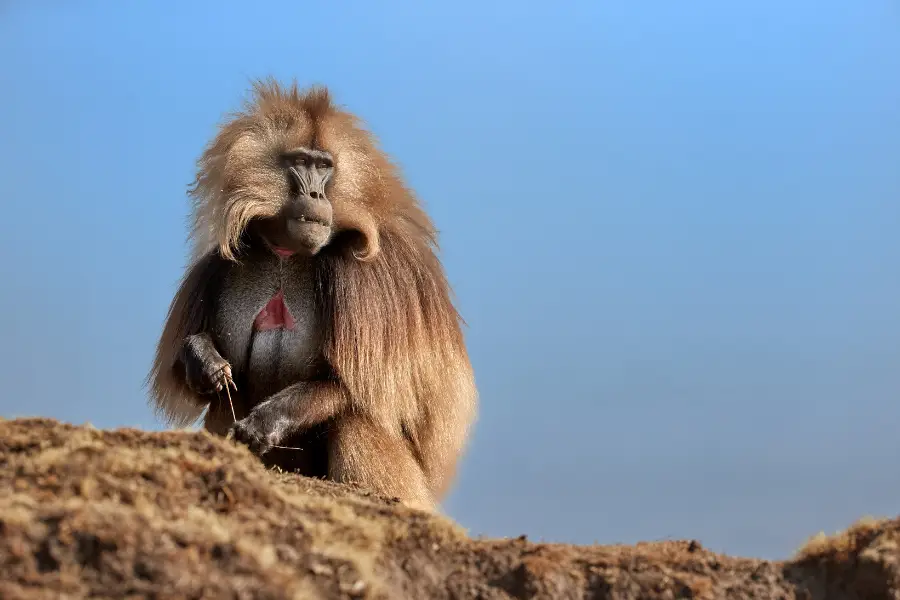
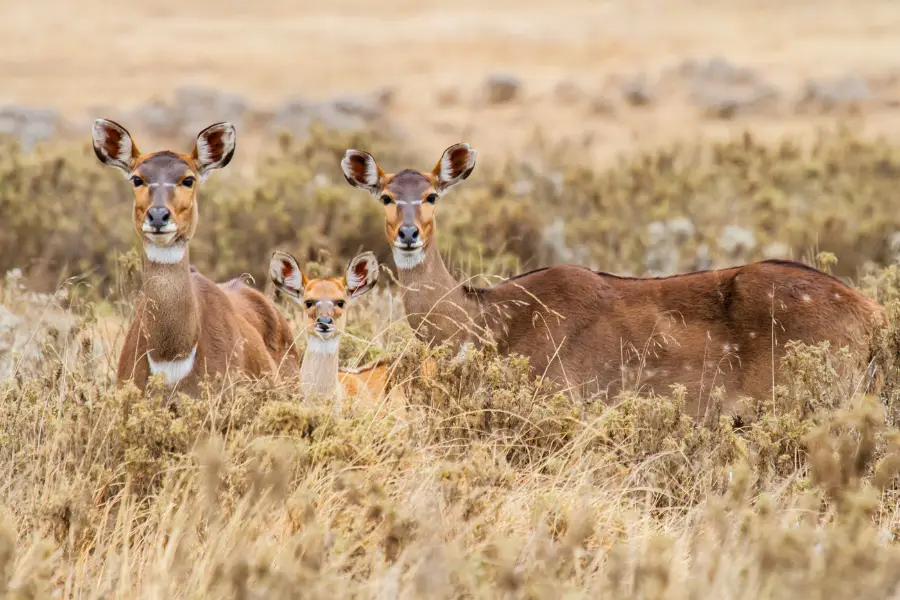
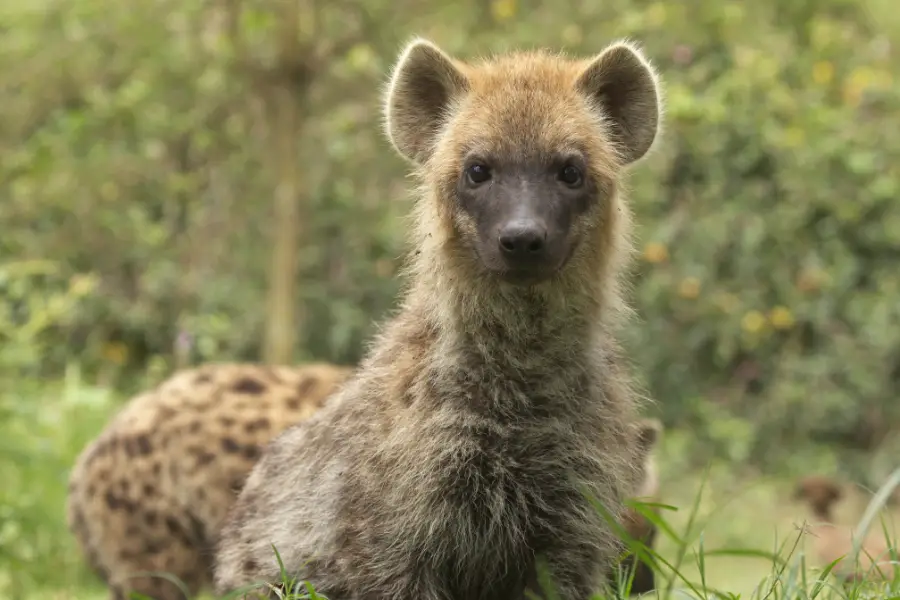
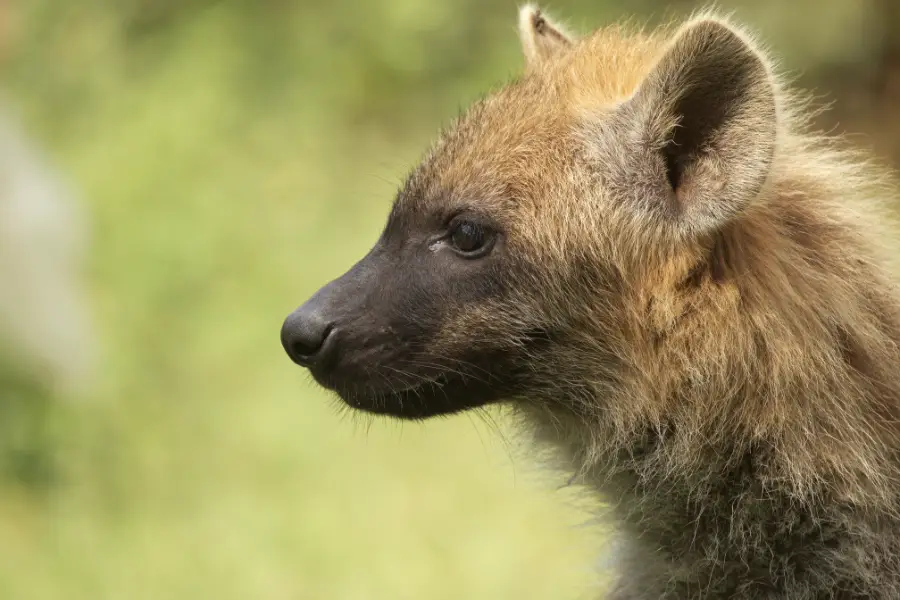
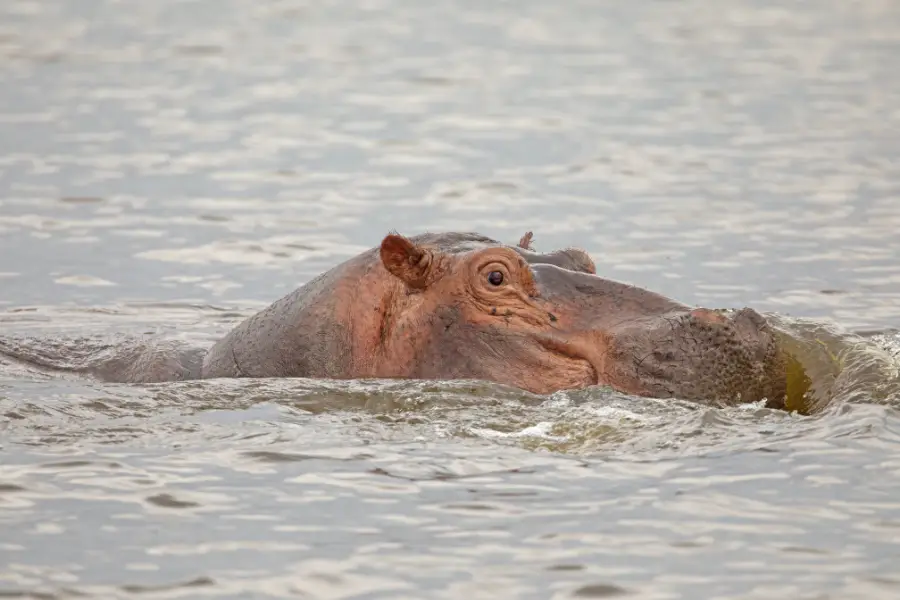
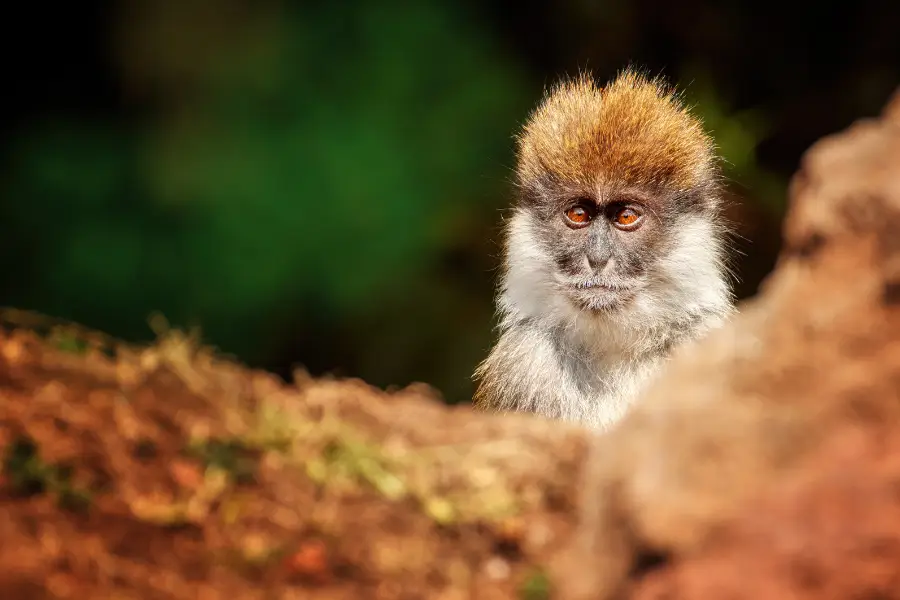
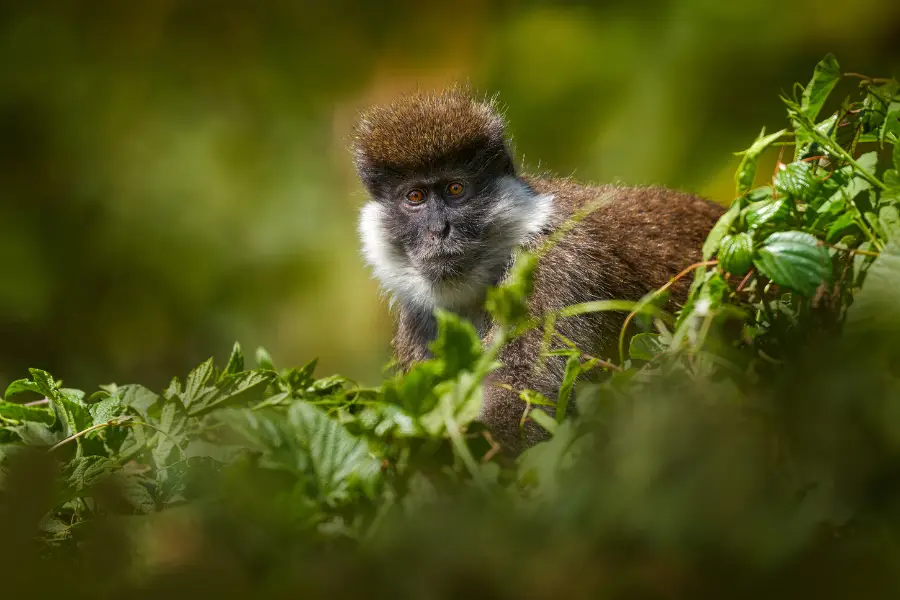
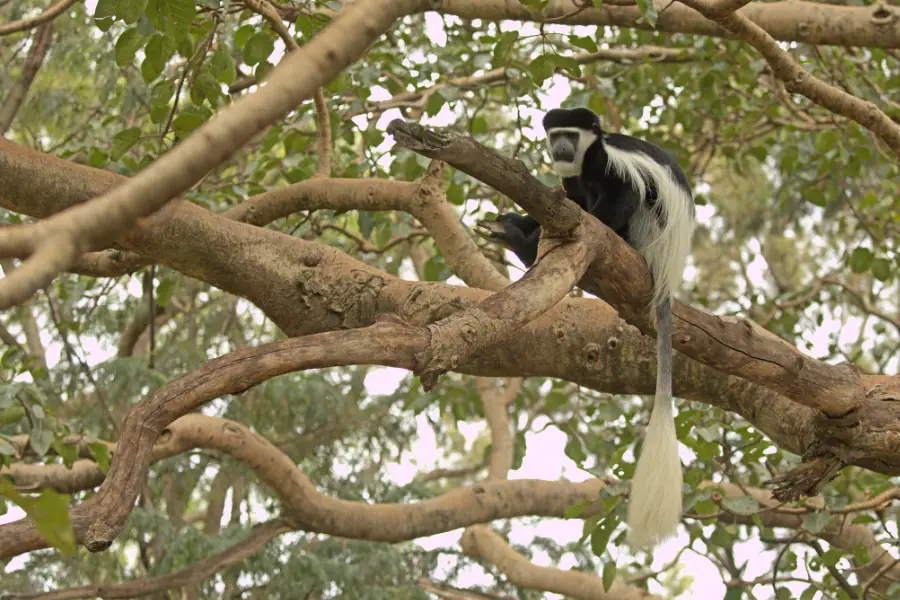
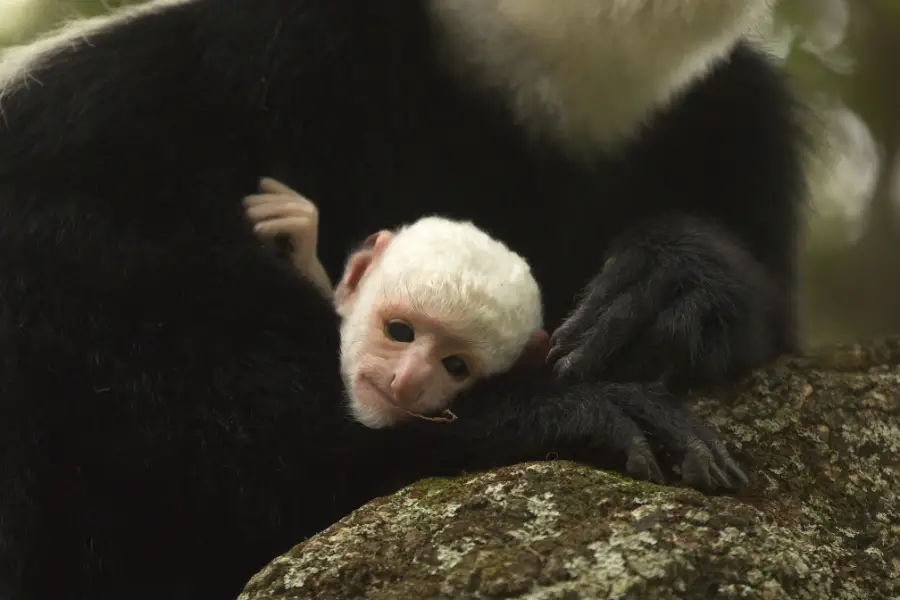
New to our portfolio of wolf watching holidays, this wildlife photography tour to Ethiopia also provides us with opportunities to photograph vast amounts of other Ethiopian wildlife. On a visit to the Debre Libanos gorge we can capture the expressive faces of the gelada baboons, while at Lake Awassa there are hippos, spotted hyenas, colobus monkeys and confiding birdlife. Within the Bale Mountains there are also hidden gems to find such as the localised Bale monkey, endemic mountain nyala and cryptic chameleons and owls.
Ethiopia’s dramatic landscapes and unique wildlife lends itself to a dedicated photography tour, and this trip will help you capture and admire one of its most iconic species in a breathtaking setting.
Typical Itinerary
-
Day 1:
Depart UK
Depart the UK on an overnight flight from London to Addis Ababa.
-
Day 2:
Arrive in Addis Ababa and city tour
On arrival in Ethiopia, we are met at the airport and transferred to our nearby hotel. Here we have the morning to recover from our journey, before gathering together for our first lunch and a city tour, taking in the highlights of Addis Ababa. We visit the National Museum, Emperor Haile Selassie’s former palace and also have our first taste of Ethiopian birdlife.
Accommodation: Swiss Inn Nexus Hotel, 2-nights
-
Day 3:
Excursion to Debre Libanos
This morning we depart the city and drive north to the dramatic Debre Libanos gorge. Our journey takes us through the Sululta Plains, where we may find our first taste of Ethiopian birdlife. The highlight at Debre Libanos will be spending time with the troop of gelada baboons as they graze, groom and interact on the highland plateau.
We may find the troop grazing the meadows or along the cliffs of the Jemma Valley, and they are a wonderful species to photograph and capture their personalities. The cliffs around the gorge are also excellent for raptors, and we may have some photographic opportunities with various vulture and eagle species today.
-
Day 4:
Transfer to Lake Awassa and boat safari
This morning, we have an early transfer to the domestic airport, where we take a short flight to the city of Awassa.
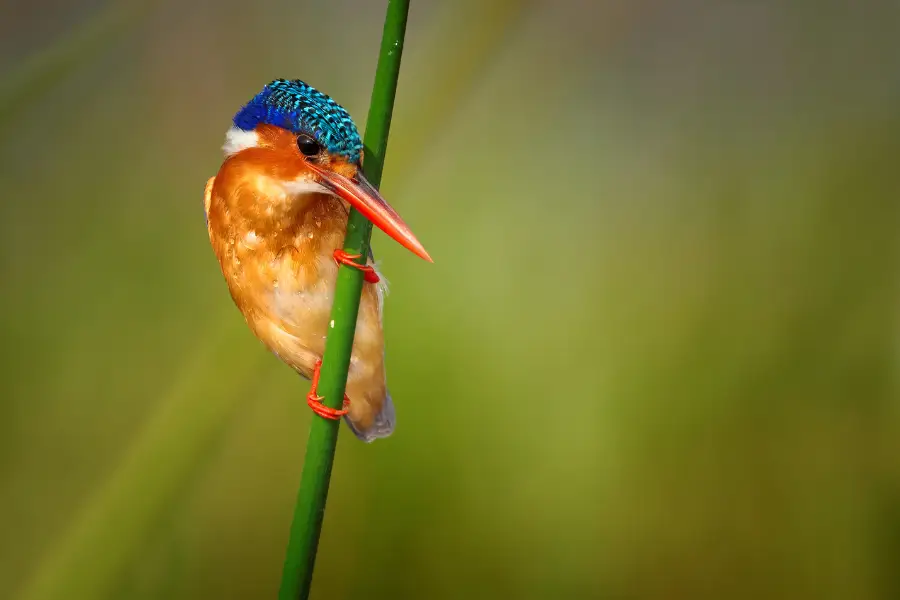
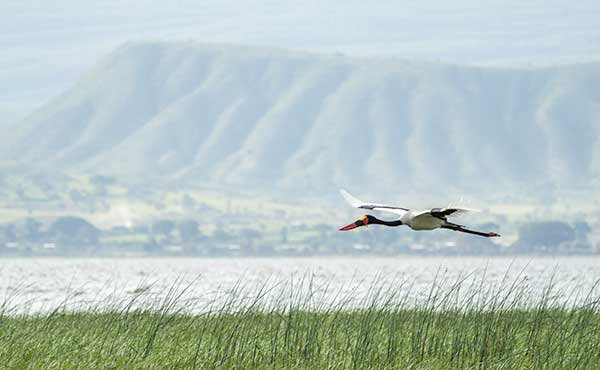
On arrival we transfer to our hotel to settle in and enjoy the birdlife in the gardens. After lunch we take a boat tour around the marshy edges of Lake Awassa with one of the highlights being a family of hippos that are resident in the lake. We can also enjoy photographing the plethora of birdlife found around the lake shores which includes African darters, African pygmy goose, white-winged tern, African fish eagle and several species of kingfisher.
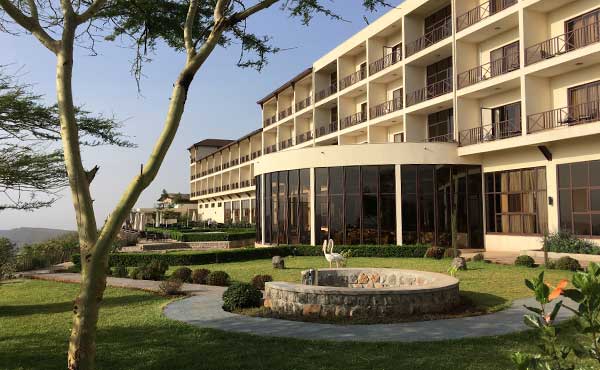
Accommodation: Haile Resort Awassa, 1-night
-
Day 5:
Wildlife photography at Lake Awassa and travel to Bale Mountains
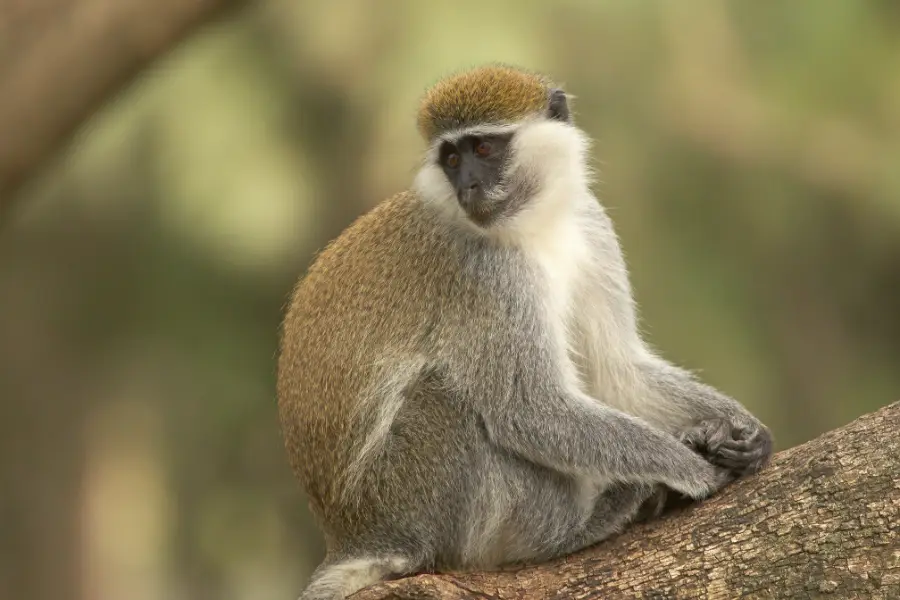
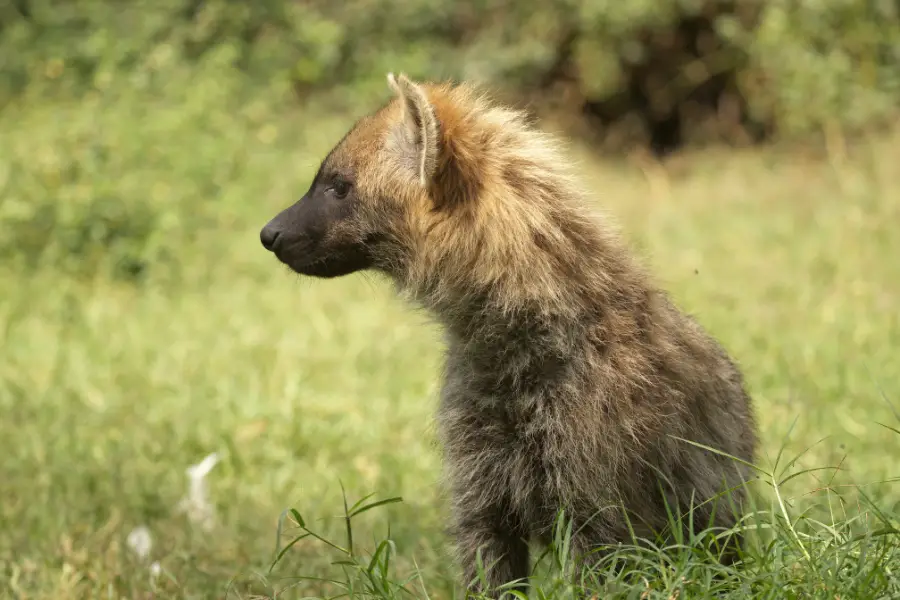
Early this morning, we start with a visit to the nearby fish market, where there are an abundance of photographic opportunities with a great selection of waterbirds. Malachite kingfishers, African jacanas, hamerkops and even normally shy black crakes can all be very confiding. After this, we visit an urban park on the shores of the lake, where we can be treated to remarkably close views of vervet and guereza colobus monkeys, and even a clan of spotted hyenas.
We then return to the hotel and depart for our journey to the Bale Mountains. After settling in to our new hotel, we visit the nearby Gaysay grasslands and juniper forests.
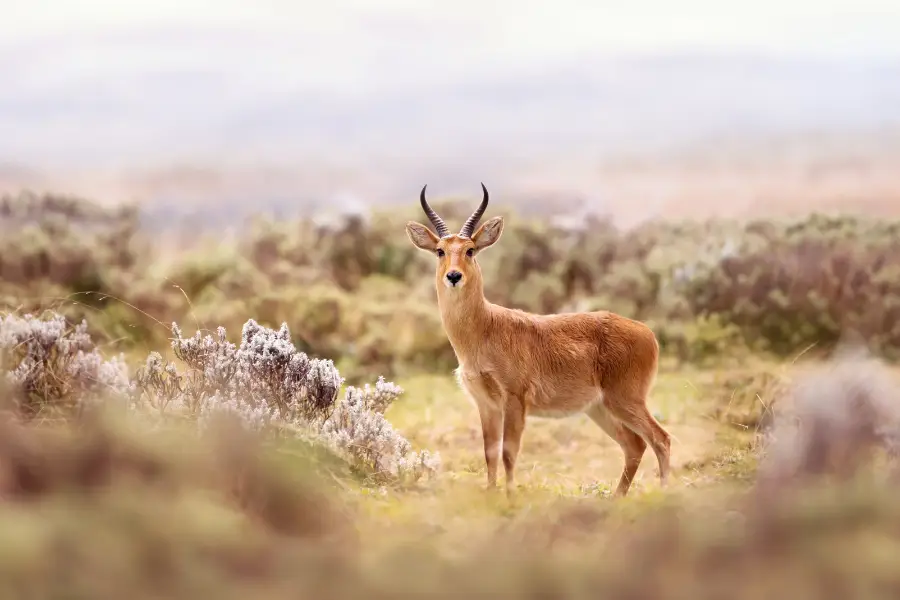
This is the perfect introduction to the wildlife of the Bale Mountains, and provides us with excellent photography opportunities with mountain nyalas, bohor reedbuck, warthogs, olive baboons, duikers and plenty of rare birdlife. Towards dusk, we may even be fortunate to find a serval hunting between the long grasses, which are drawn to the area due to the high numbers of rodents.
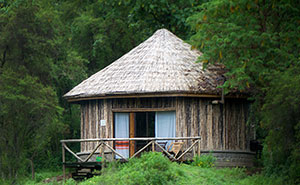
Accommodation: Nurobe Hotel, 3-nights
-
Days 6-7
:
Wolf watching & photography in the Bale Mountains
We have the next two full days to explore the Webb Valley, an area of remote moorland, with a high density of wolves around 2 hours’ drive from our hotel. This is the last stronghold of the wonderful Ethiopian wolf, an iconic endemic mammal and sadly among the world's most endangered canid species.
With the help of our local guide, we hope to head straight to known wolf dens and photograph the wolves as the first golden rays of sun light up their beautiful russet and white coats.
As the pack disperses for the day, we will aim to follow them a little way and hopefully capture some images of the wolves in their spectacular mountain habitat. We may spend the whole day out in the field with a packed breakfast and lunch to make the most of the opportunities and light early and late in the day, only returning to our hotel for dinner and a rest.
-
Day 8:
Wolf watching & photography in the Webb Valley
This morning we return to the Webb Valley for a final morning of photography with the wolves, before transferring across the highest road in Africa to our second base in the park, nestled within the Harenna Forest.
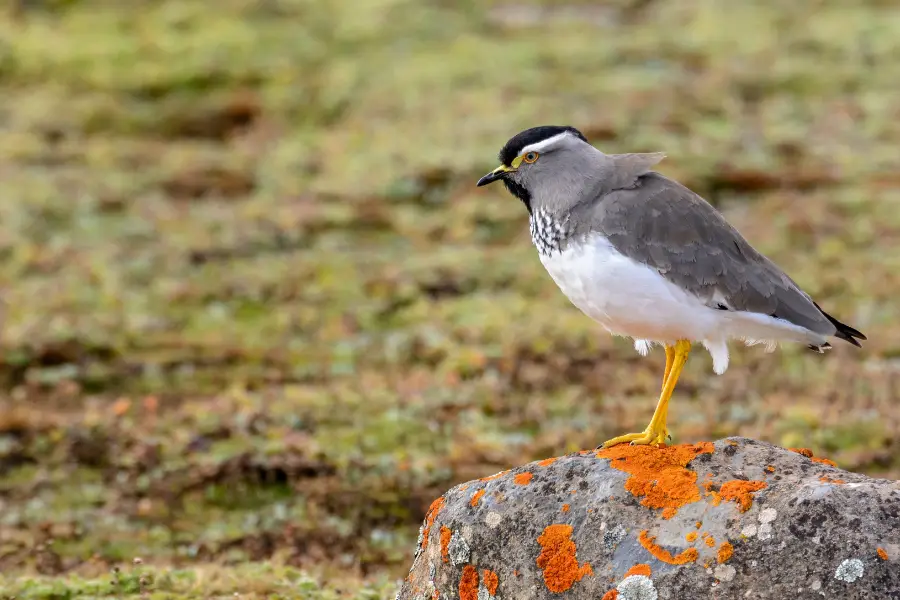
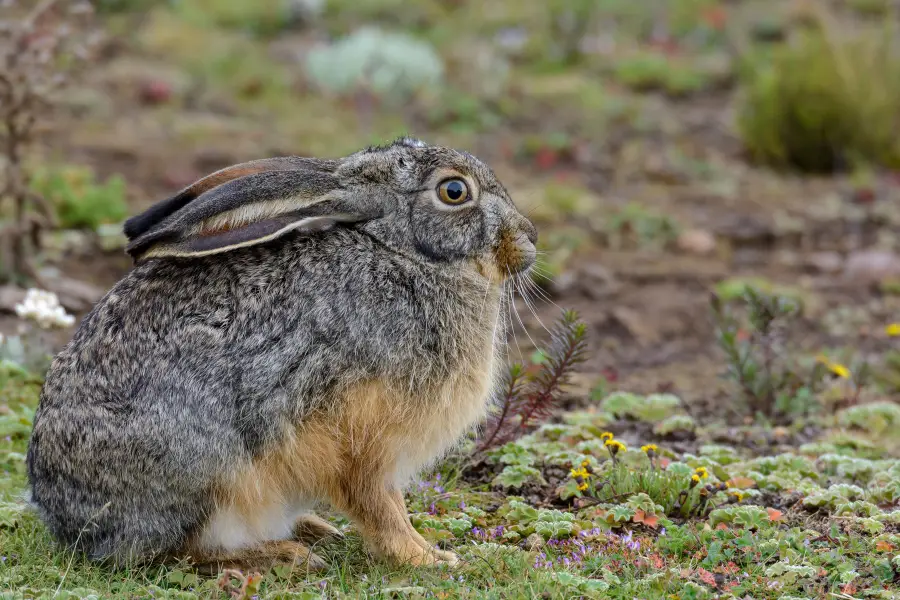
During the journey we hope to photograph many of the other typical mammals and birds of the high plateau, including klipspringer, Ethiopian highland (Stark's) hare, the bizarre looking giant mole rat, and striking birds such as Augur buzzard, wattled crane and spot-breasted lapwing.
Accommodation: Bale Mountain Lodge, 3-nights
-
Days 9-10
:
Wolf watching & photography on the Sanetti Plateau
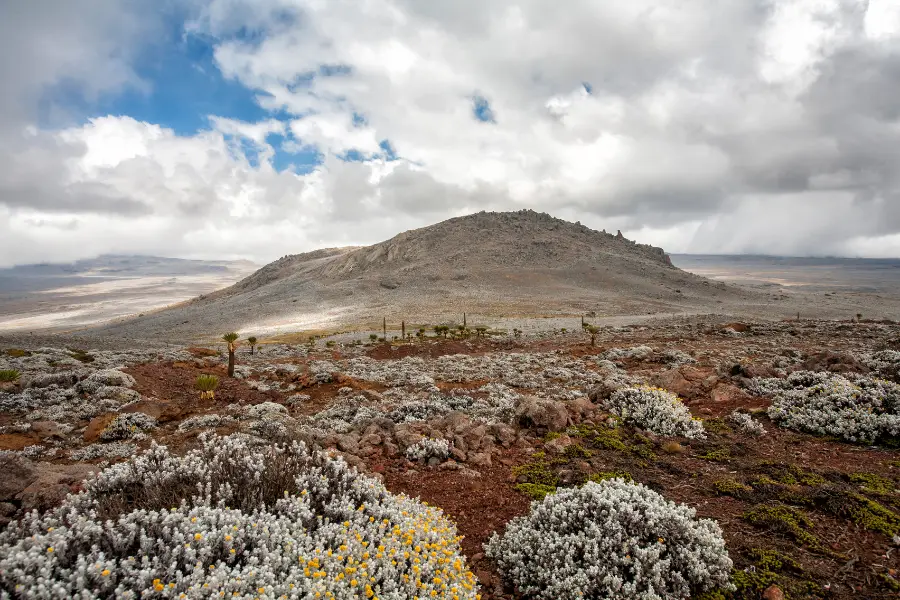
We spend the next two full days exploring the Sanetti Plateau, a vast alpine landscape studded with ancient boulders and giant lobeilas, as well as numerous moorland pools. Here we will mostly be observing the wolves hunting during the late morning, and we hope to capture images of their fascinating stalking behaviour as they hunt giant mole rats.
When not on the plateau, we will spend time within the dense Harenna Forest that surrounds our lodge. Here a whole host of local specialities can be photographed, including the endemic Bale monkey, two species of horned chameleon and numerous colourful birds. On evening drives through the forest we also hope to encounter Menelik’s bushbucks, hyraxes and one of the sounders of giant forest hog that forage in this area.
-
Day 11:
Bale Mountains and Addis Ababa
Today we have one final early morning to explore the Harenna Forest in search of its secretive wild inhabitants. Later, we transfer back across the Sanetti Pleatau passing Mount Tullu Dimtu, one of the highest peaks in Ethiopia, and again hope for some final encounters with the Ethiopian wolves.
We then reach Goba airport, where we check in for our flight back to Addis. On arrival back in Addis Ababa, we transfer to the hotel where we have day use of the rooms and facilities to relax before a special farewell dinner together as a group, and our overnight flight back to the UK.
-
Day 12:
Arrive UK