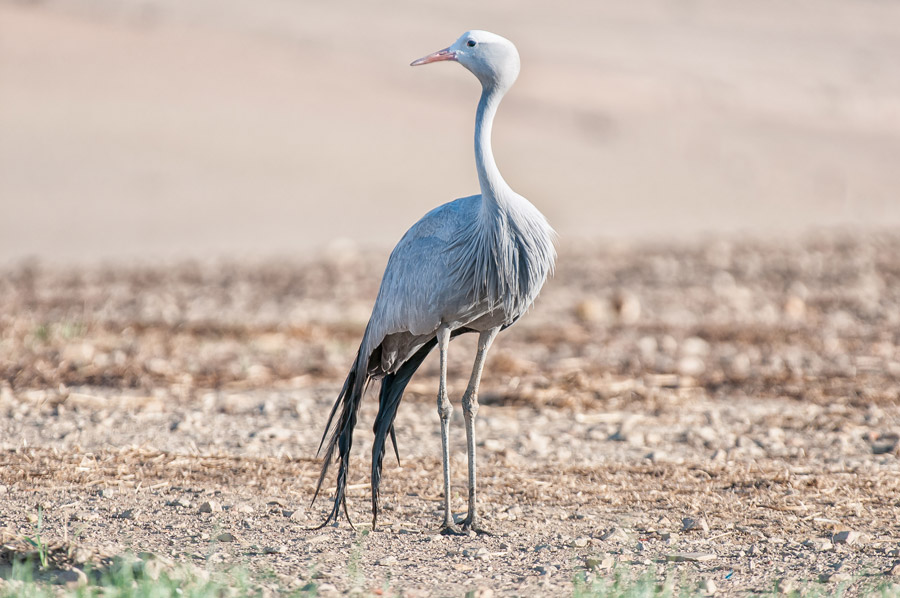
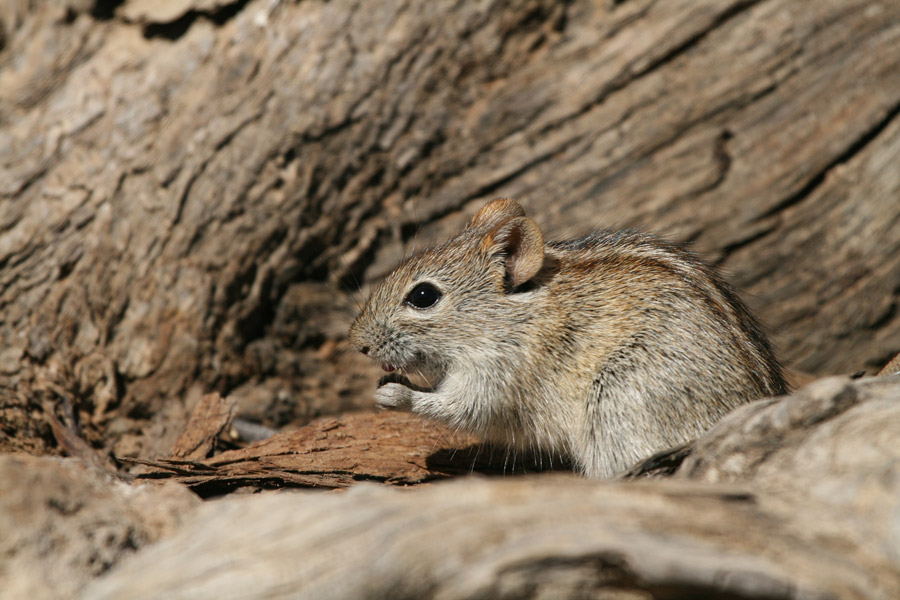
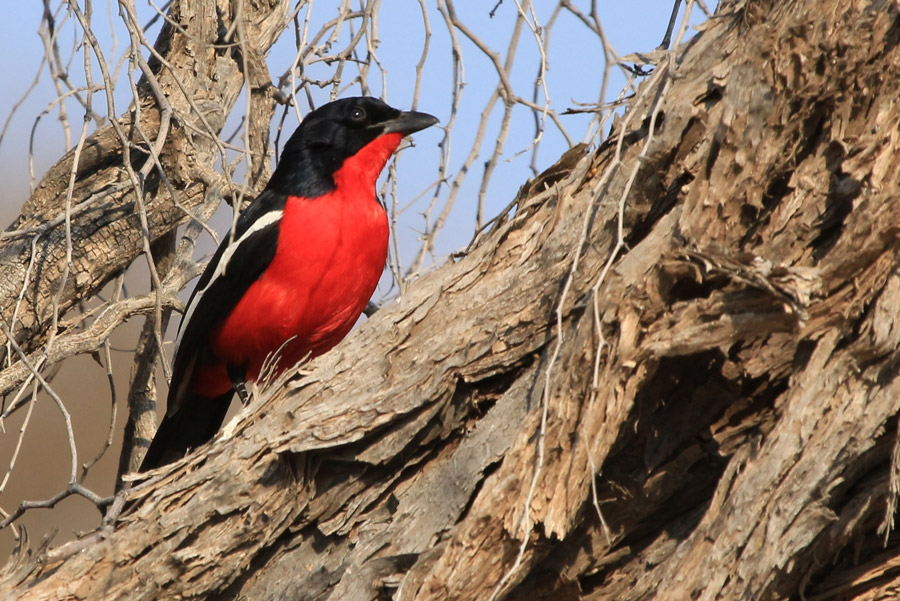
On this safari we travel through many different vegetation habitats which in turn pay host to a multitude of birds, mammals, flowers, reptiles & insects.
Starting our adventure in the spectacular Cape, we journey to the spring flowers of Namaqualand before driving north to Augrabies Falls National Park and culminating our adventure in Kgalagadi Transfrontier Park.
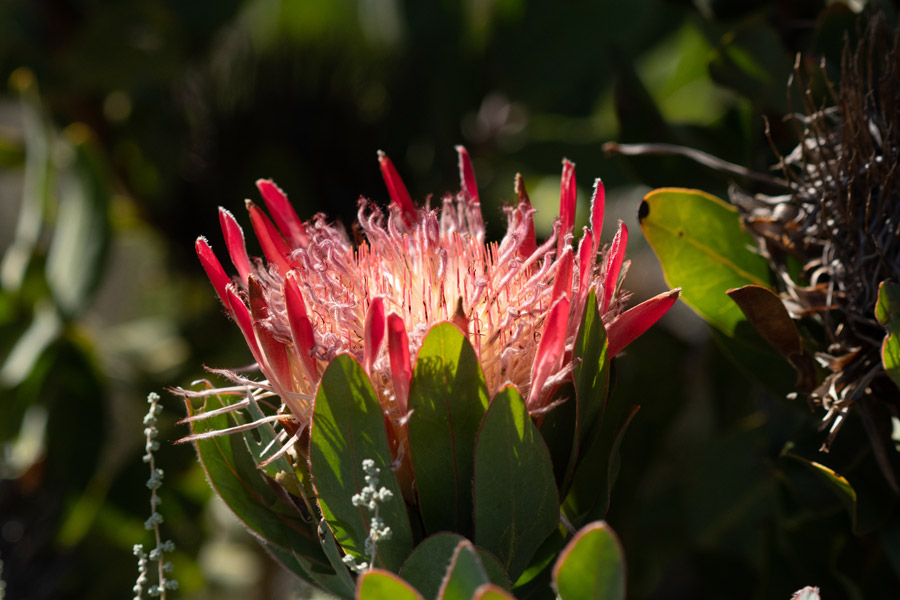
Dramatic mountain scenery, lunar landscapes, fynbos, waterfalls, quiver tree forests, botanical gardens and the rugged coastline of the Cape peninsula all play host to an equally diverse array of wildlife and flora. With fabulous mammal sightings, Namaqualand in full bloom, magnificent birdlife, spectacular views of southern-right whales, penguins, and ancient San rock paintings, this has to be one of the most diverse African tours on offer.
Typical Itinerary
-
Day 1:
Depart UK
Depart the UK on an overnight flight via Cape Town.
-
Day 2:
Arrive Cape Town, transfer to Cape Peninsula
On arrival in Cape Town, we meet our guide at the airport and transfer to our hotel.
After lunch we make our way to Kirstenbosch National Botanical gardens, surely one of the finest botanical gardens in the world. Situated on the lower slopes of Table Mountain, the gardens cover 560 hectares of land, with several walks offering birdwatchers a variety of habitats.
Accommodation: Cape Peninsula, 3-nights
-
Day 3:
Cape of Good Hope Nature Reserve
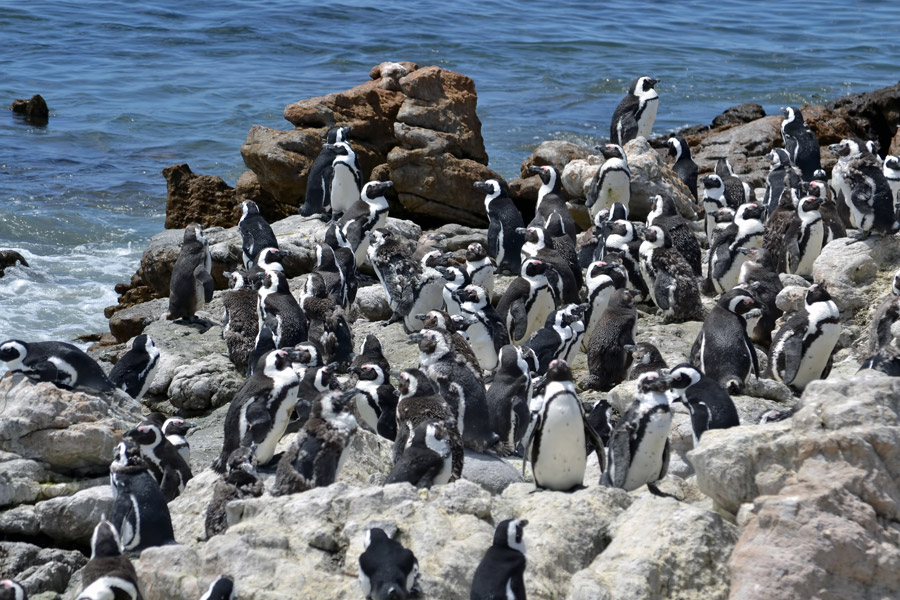
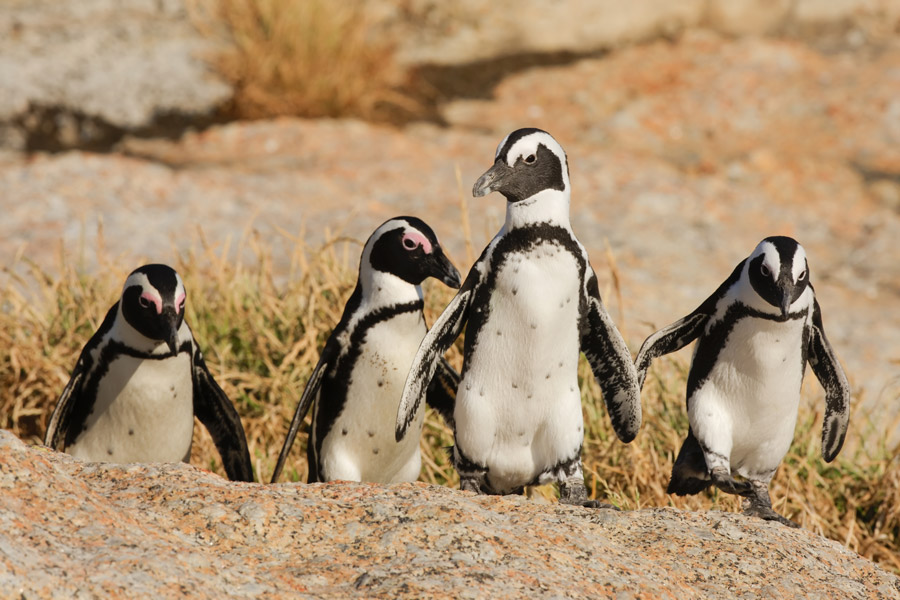
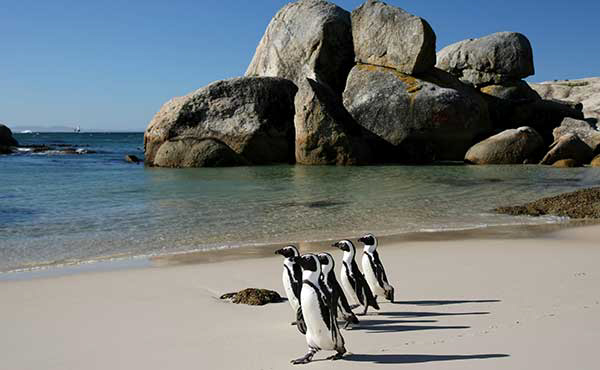
Today we spend a full day in the Cape of Good Hope Nature Reserve. Our day here will be spent observing the rich diversity of flora and fauna in the Cape Floral Kingdom and exploring the birding and botanical walks on offer within the reserve. We will also have the opportunity to visit the penguin colony at Boulder Beach.
-
Day 4:
Harold Porter National Botanical Gardens & Hermanus
This morning we follow the spectacular coastline from the Cape Peninsula via False Bay and on to Betty’s Bay to visit the Harold Porter National Botanical Gardens. Here we take a short walk through the gardens looking out for some of the 96 recorded bird species.
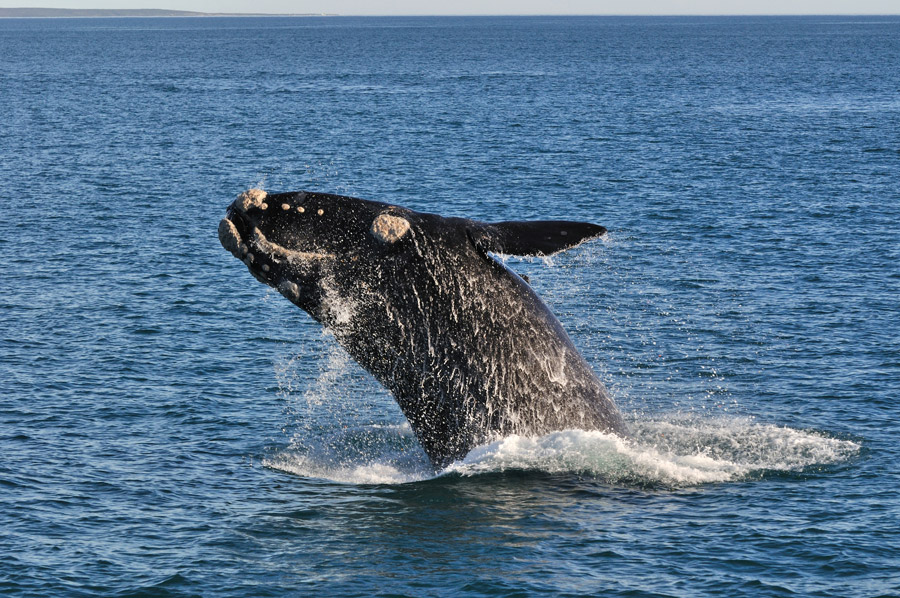
Once in Hermanus, we have lunch and then walk along the coast watching the whales and sea birds from the cliff tops. (Whale watching is the most rewarding during the months of August & September).
After visiting the Fernkloof Nature Reserve with its wealth of indigenous flora, we then return to Cape Town via Sir Lowry’s Pass and the scenic Hottentots Holland Mountains where we look out for Cape rockjumpers and Verraux’s eagles.
-
Day 5:
Rondevlei Bird Reserve & drive to West Coast National Park
After breakfast, we visit Rondevlei Bird Reserve, one of Cape Town’s premier birding sites. This rich natural wetland has five hides, two observation towers and a series of paths. Among the many species found here we may see black crake, African rail, African snipe, Cape longclaw, Cape weaver and Levaillant’s cisticola. African marsh harriers quarter the reedbeds, while African fish eagles swoop down on unsuspecting fish.
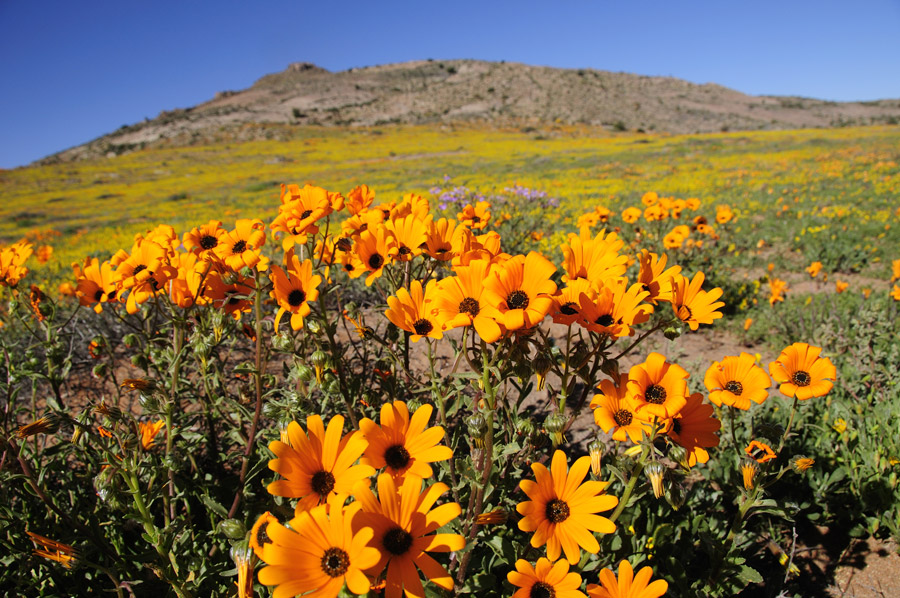
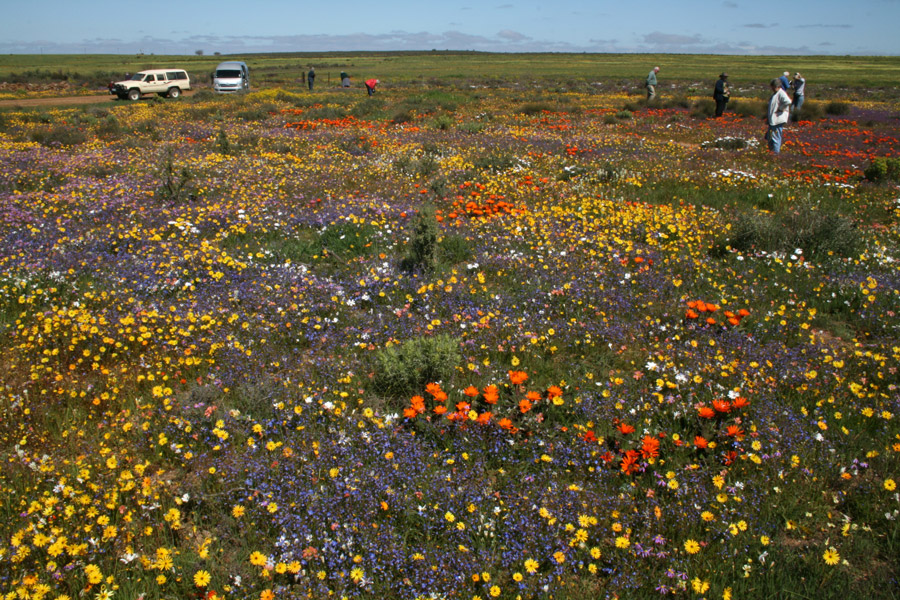
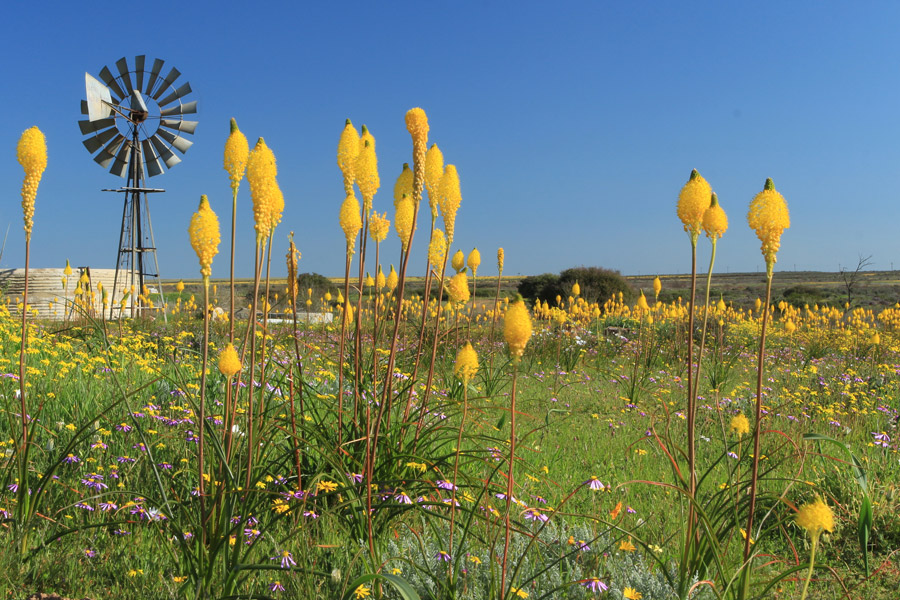
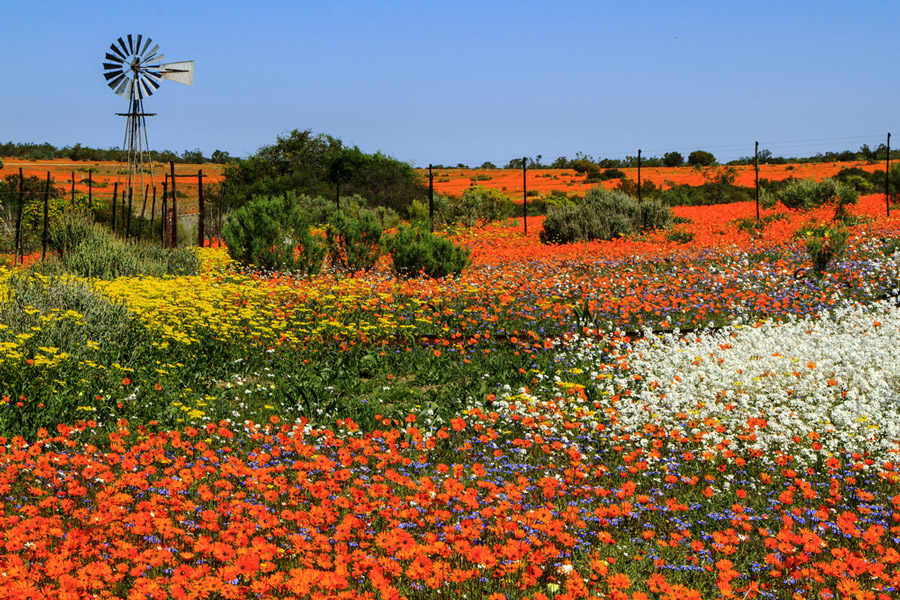
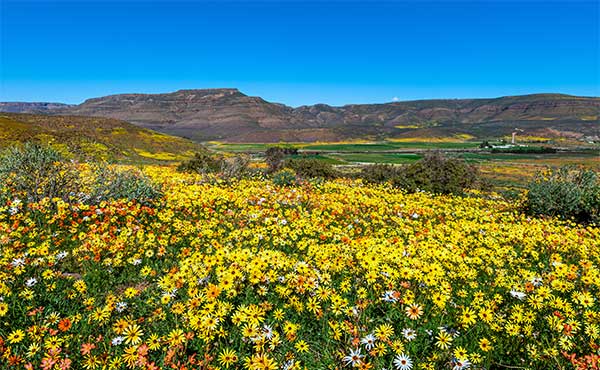
After a picnic lunch, we drive to the West Coast National Park and the stunning Postberg Flower Reserve, which is only open to the public at the height of the flowering season. The spring flowers of the Western Cape have a justified reputation worldwide. The area receives little rain throughout the year, but for a short time following the winter rains the landscape is swathed in flowers.
Accommodation: Hotel in Langebaan, 1-night
-
Days 6-7
:
Cederberg Mountains
We drive up the West Coast to Lambert’s Bay, a small town with an attractive harbour, via the wetlands of Velddrift and Eland’s Bay. Once at Lambert’s Bay, we can see a Cape gannet colony, as well as observing terns, cormorants and African penguins from very close quarters. We then continue to Clanwilliam and the Cederberg Mountains, stopping for a visit to Ramskop Nature Reserve.
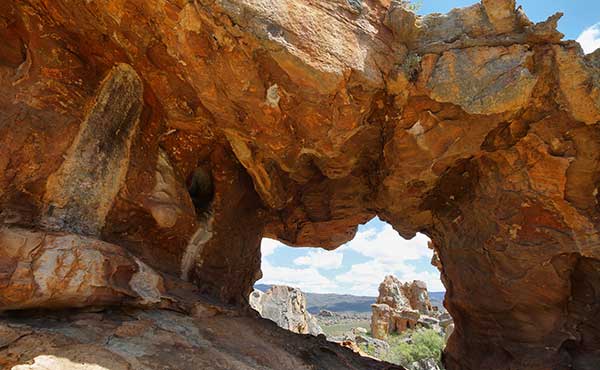
On our full day in Clanwilliam we explore the Cederberg Mountains, which were once the hunting ground of the San people (Bushmen). Although the San no longer live here, they recorded their exploits in the form of remarkable rock paintings, which we can see on a walk through the dramatic red sandstone formations that characterise the Cederberg Mountains.
Accommodation: Guesthouse in Clanwilliam, 2-nights
-
Day 8:
Namaqua National Park
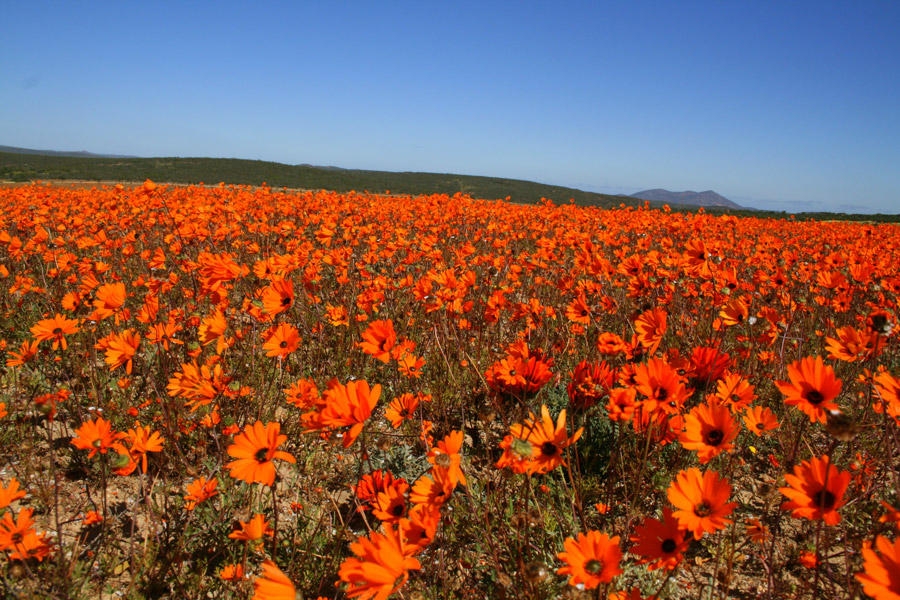
This morning we leave Clanwilliam and continue our journey to Namaqua National Park. The route that we take is very much dictated by where the best Namaqualand flowers are to be found this season, as the spring flowers here are very dependent on the vagaries of the weather.
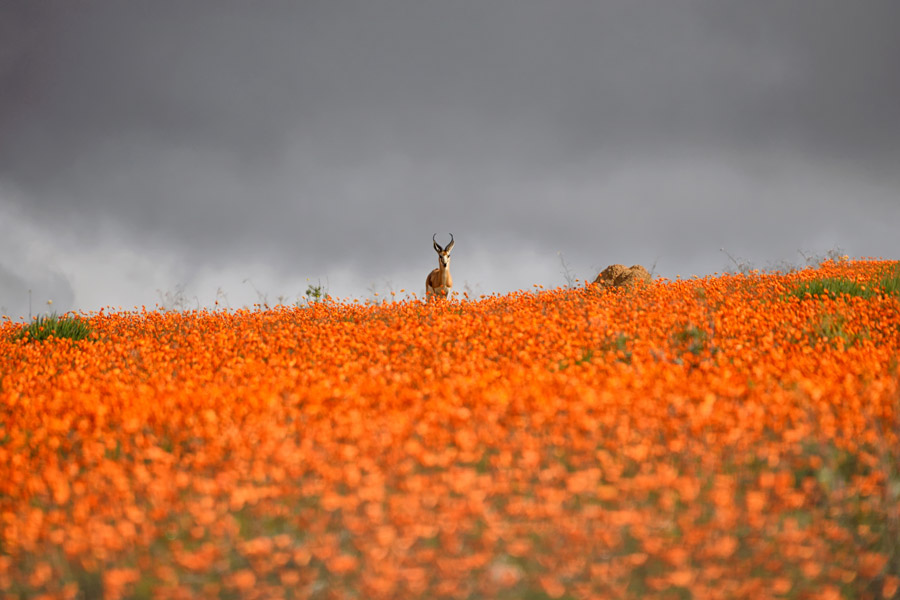
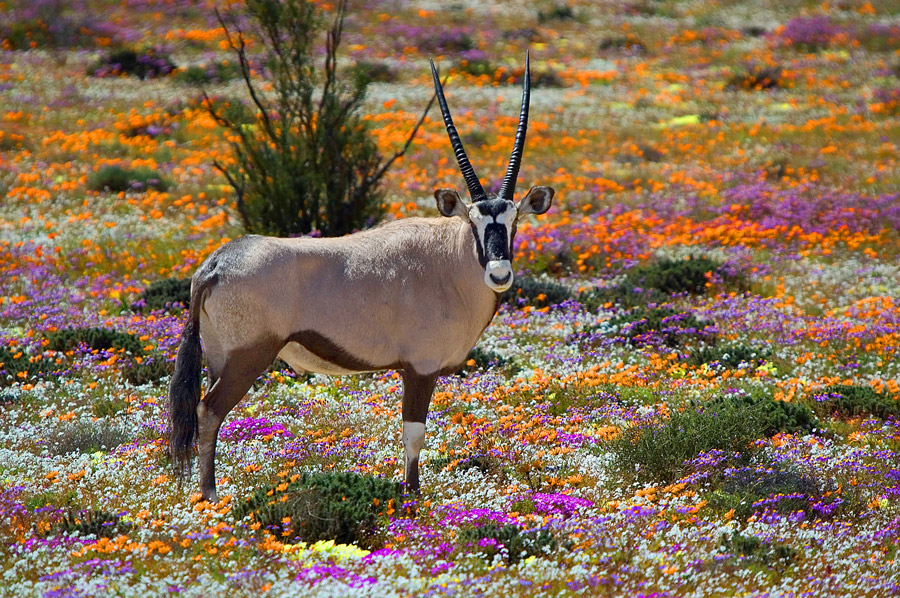
In between flower stops, we keep our eyes open for the region’s birds including cinnamon-breasted warbler, Cape long-billed lark, Karoo lark and Cape bulbul. Mammals we may see among the dazzling spring flowers of Namaqua National Park include bat-eared fox, klipspringer, gemsbok, red hartebeest and steenbok.
Accommodation: Guesthouse in Springbok, 1-night
-
Day 9:
Goegap Nature Reserve & Augrabies Falls National Park
After breakfast, we visit Goegap Nature Reserve, covering 15,000 hectares of granitic hills and sandy flats that support close to 600 indigenous plant species and 45 mammals including springbok, gemsbok and Hartmann’s mountain zebra. 94 bird species have been recorded in the reserve; among them black-headed canary, red lark and sickle-winged chat.
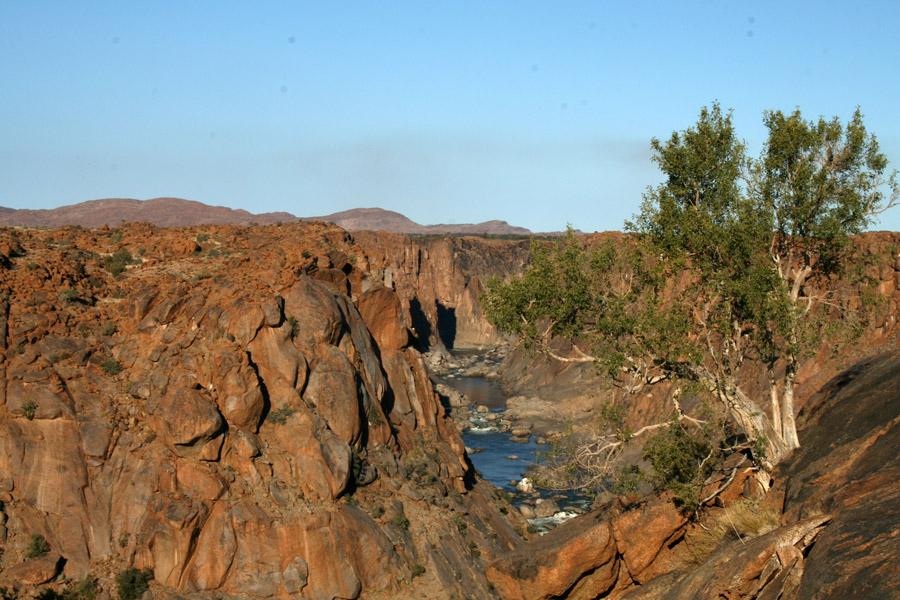
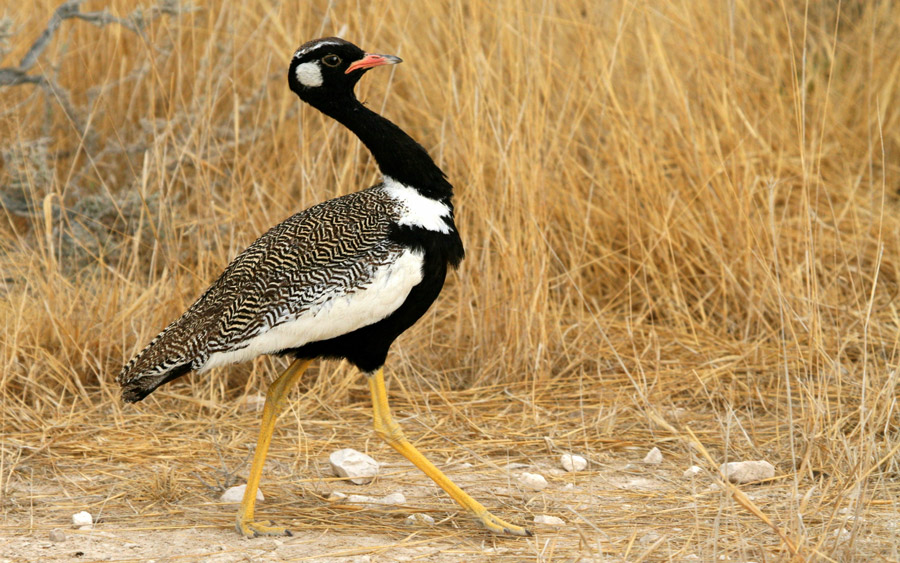
After a picnic lunch, we drive through arid vegetation to Augrabies Falls National Park. This park is home to many birds characteristic of Southern African grassland and light woodland including Ludwig’s bustard, rosy-faced lovebird, mountain wheatear, tractrac chat, cinnamon-breasted warbler, Layard’s warbler, sabota, fawn-coloured and spike-heeled larks. Preying on them, and on the park’s many small mammals and reptiles, are birds of prey ranging from pygmy falcons and greater kestrels to magnificent martial and Verreaux’s eagles.
Accommodation: Augrabies Falls chalet, 1-night
-
Days 10-13
:
Kgalagadi Transfrontier Park
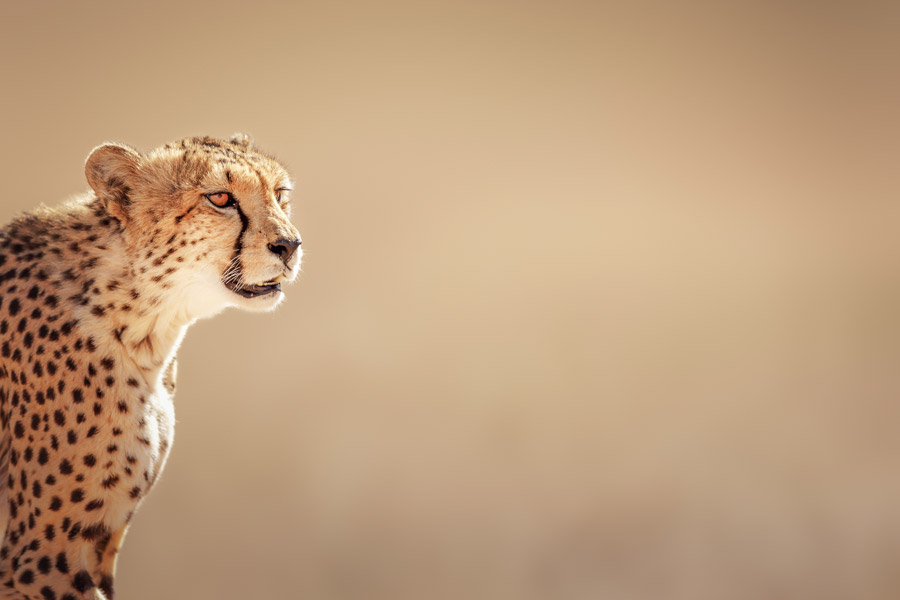
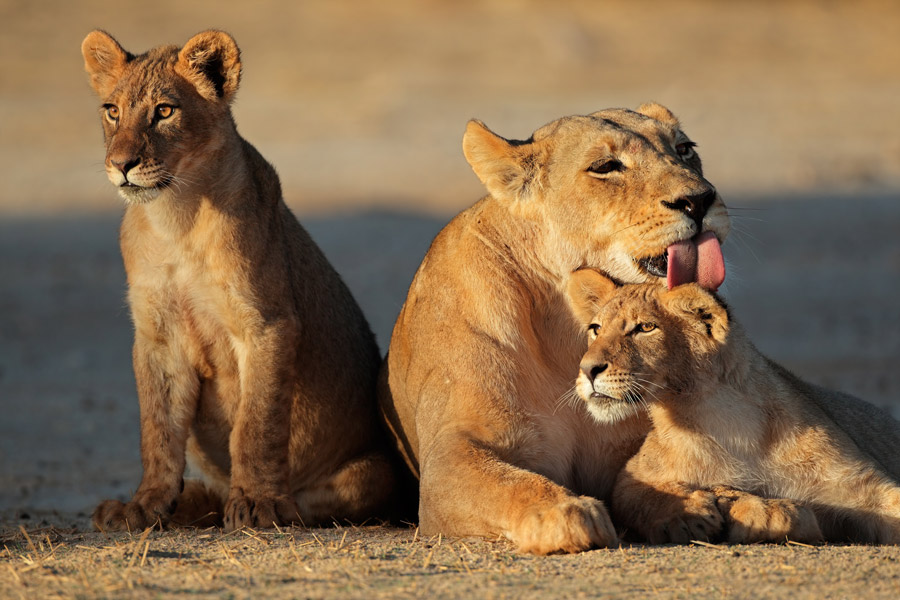
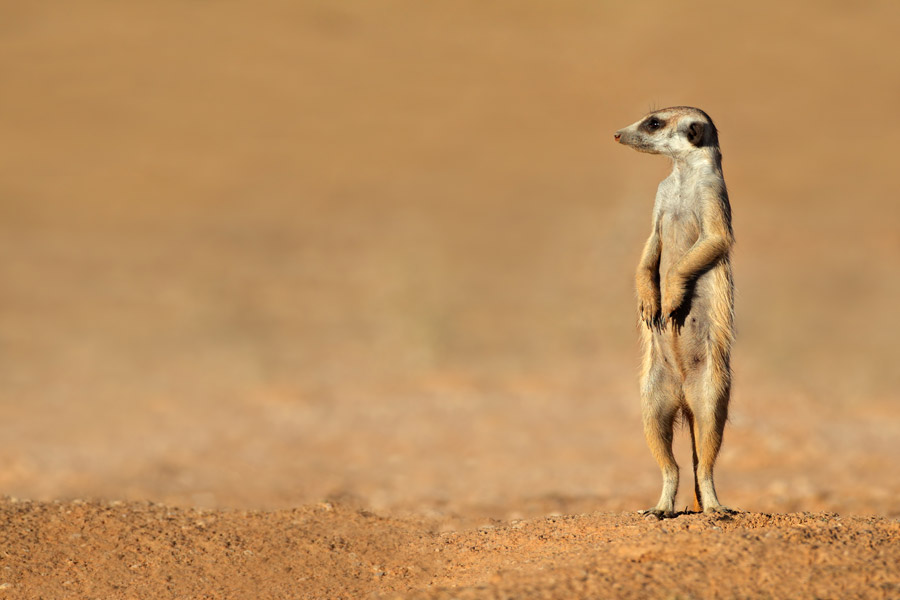
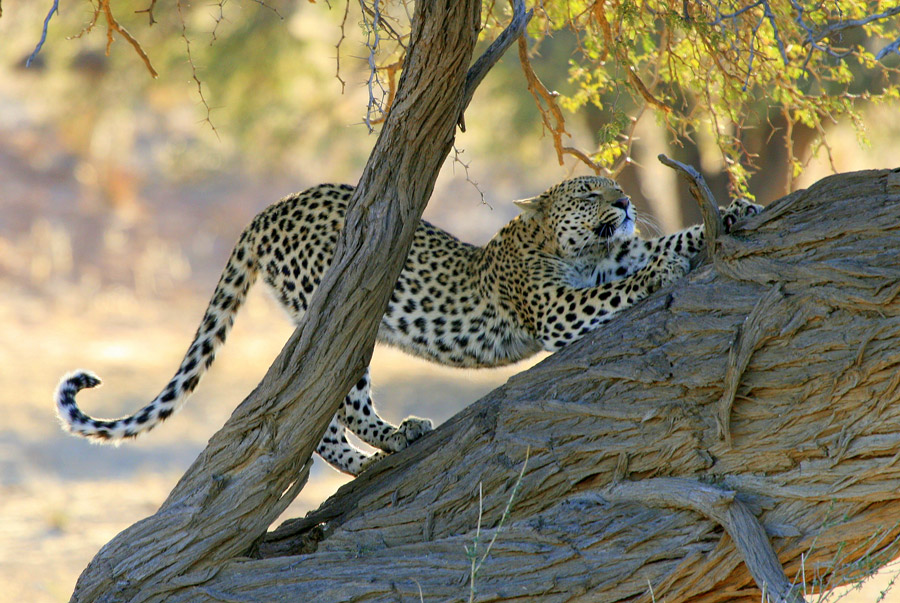
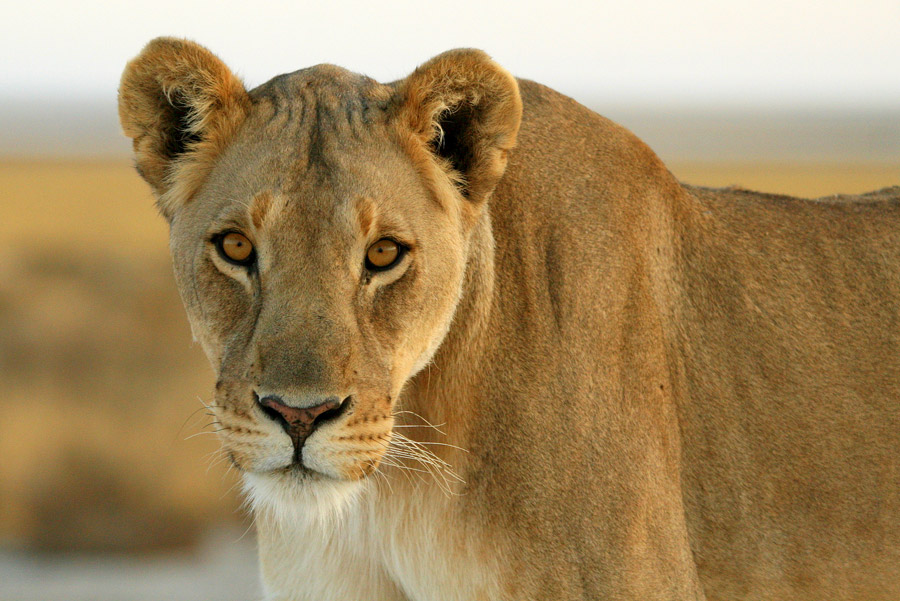
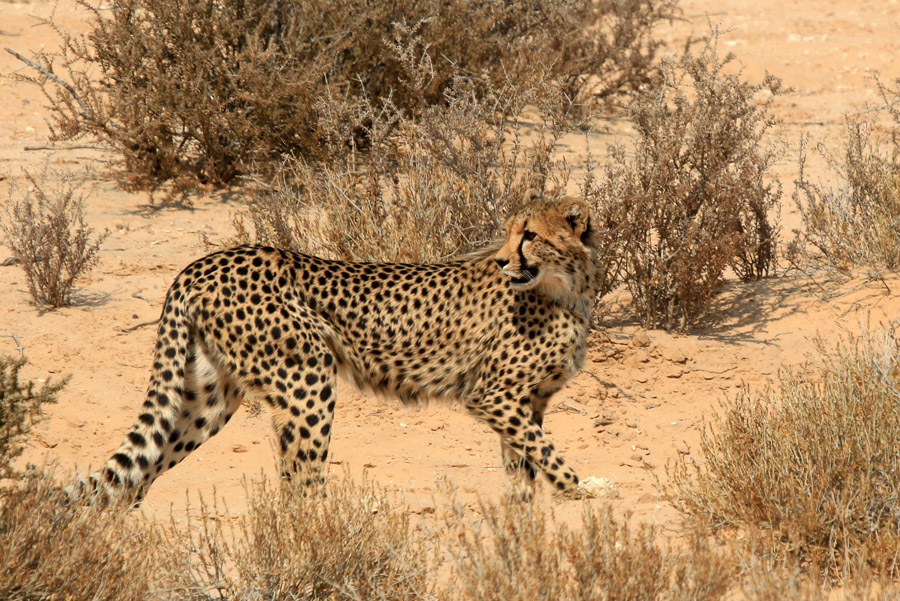
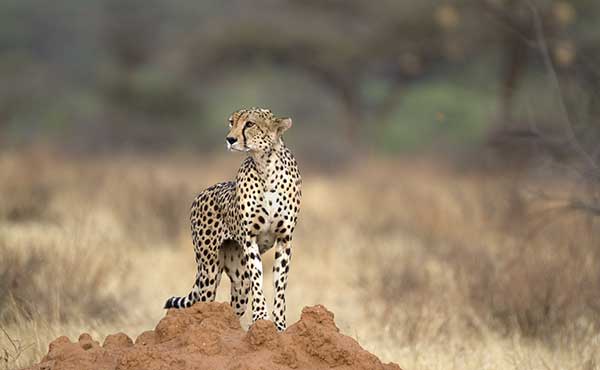
Today we head to our final area on our safari from the Cape to the Kalahari by driving north to Kgalagadi Transfrontier Park. The park is one of the last true wilderness reserves in the world and many mammal species can be seen in the park: Kalahari lion, African wild cat, leopard, cheetah, caracal, meerkat, jackal, hyena and many antelope species. The first birds to be noticed will most probably be the sociable weavers and their huge nests.
During our days spent in the park we visit various areas with our itinerary left open depending on what sightings may have been seen. Mornings will typically be early starts with a two to three-hour local drive followed by a picnic breakfast before a longer drive afterwards. We also venture out in the later afternoon for another drive and also spend some time walking in the dunes to identify the flora which grows here.
On longer drives, we venture further north to explore the Nossob River. This area has a reputation for excellent lion, leopard and cheetah sightings. We also aim to spend a full day to explore the Auob River, stopping at various waterholes en route in search of any species we may have not yet seen on previous drives.
Accommodation: Camps in Kgalagadi Transfrontier Park, 4-nights
-
Day 14:
Transfer to Upington & departure
After breakfast, we drive to Upington to start our journey back home, taking a domestic flight to Johannesburg before connecting to an overnight flight back to London.
-
Day 15:
Arrive UK