This conservation safari travels to the Kalahari Desert in green season, staying at a private reserve and participating in a fulfilling eco-tourism initiative whilst enjoying game drives in search of wildlife.
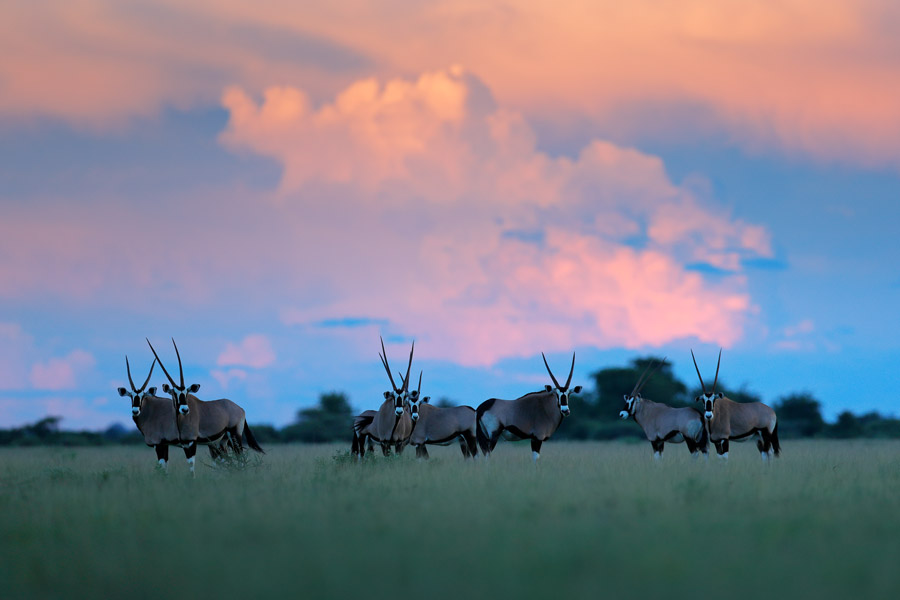
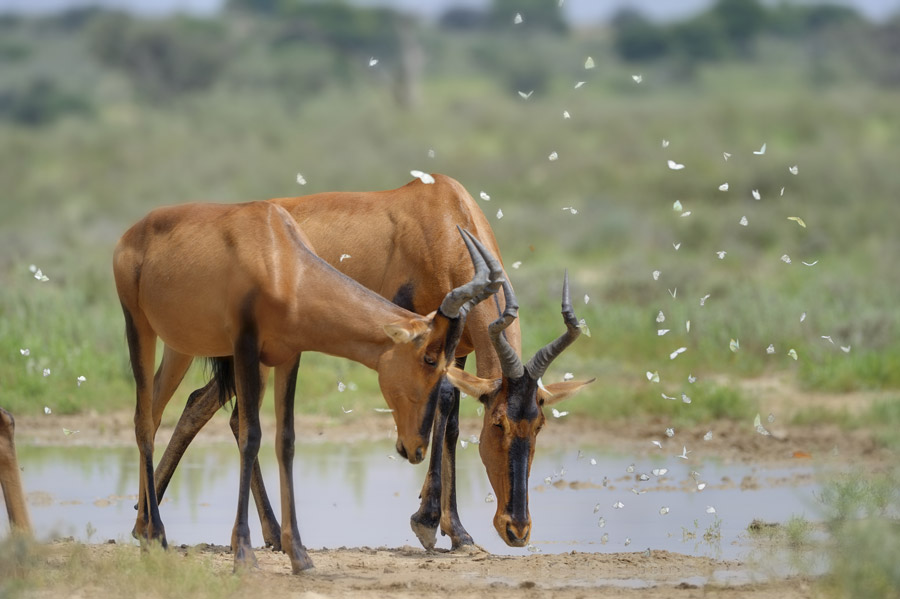
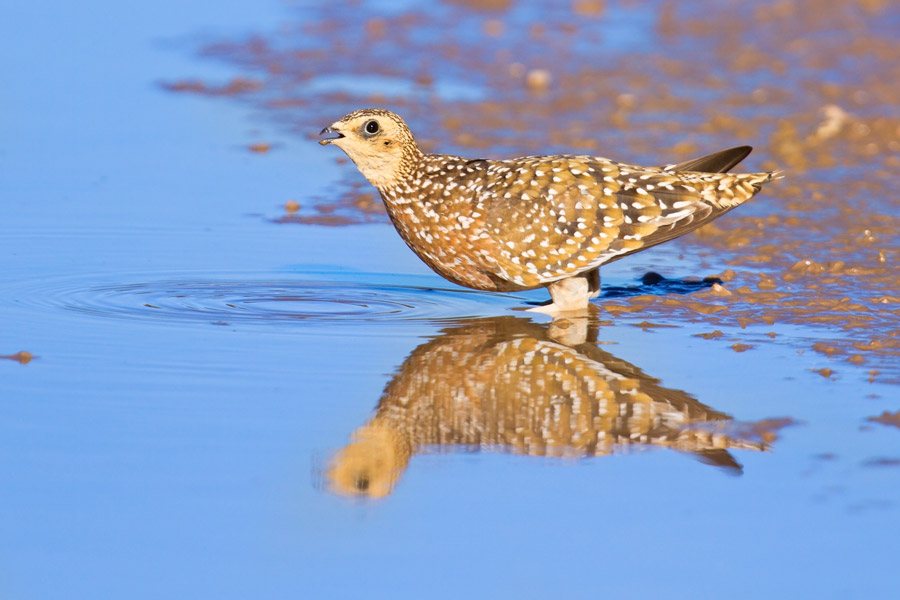
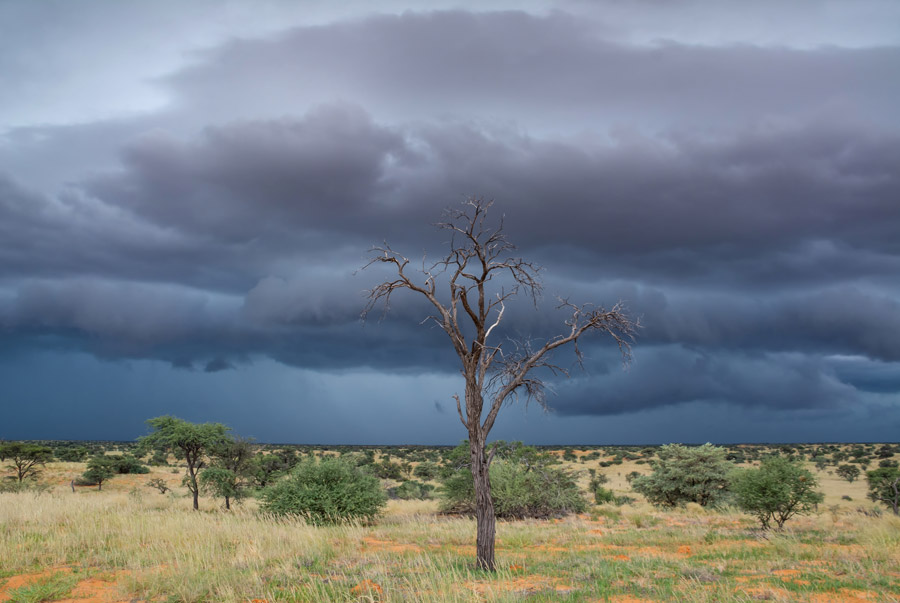
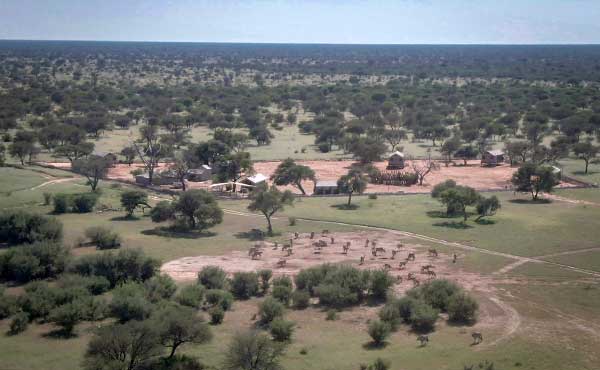
This sister trip to our Kalahari Conservation Experience that operates in September, travels to the same remote 96,400 hectare Big Five reserve, but in the Southern Hemisphere's summer, when the usually arid land is quenched by life-giving rains. Calcrete pans are transformed into shimmering lakes, providing sustenance to all creatures that reside here, and to avian migrants returning from afar during this time of plenty. Imagine dramatic skyscapes as cumulonimbus clouds build, until reaching saturation, they release their content and enable life to flourish. Flora blooms and verdant greens provide a wonderful backdrop as wildebeest give birth to their young and gather in their hundreds, whilst predators wait for the prey to come.
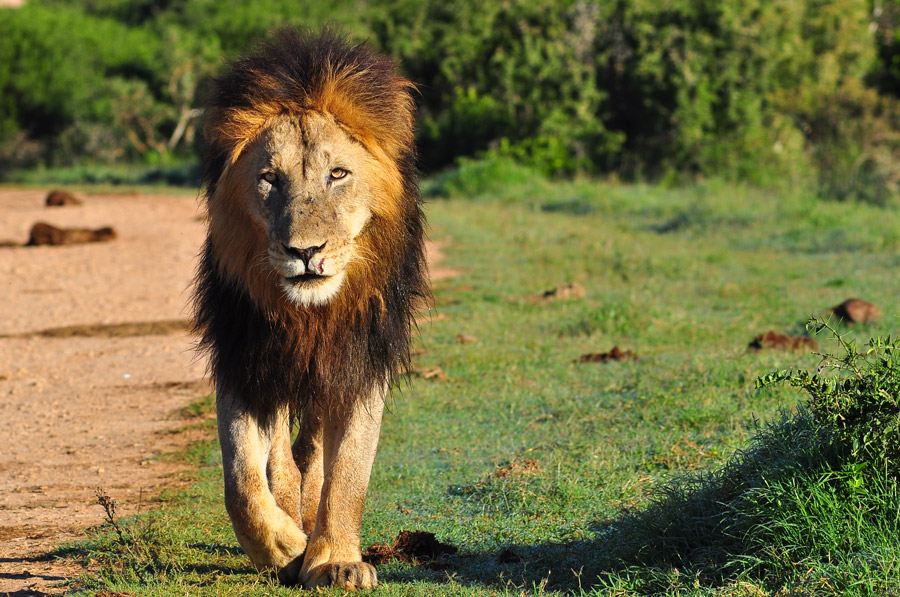
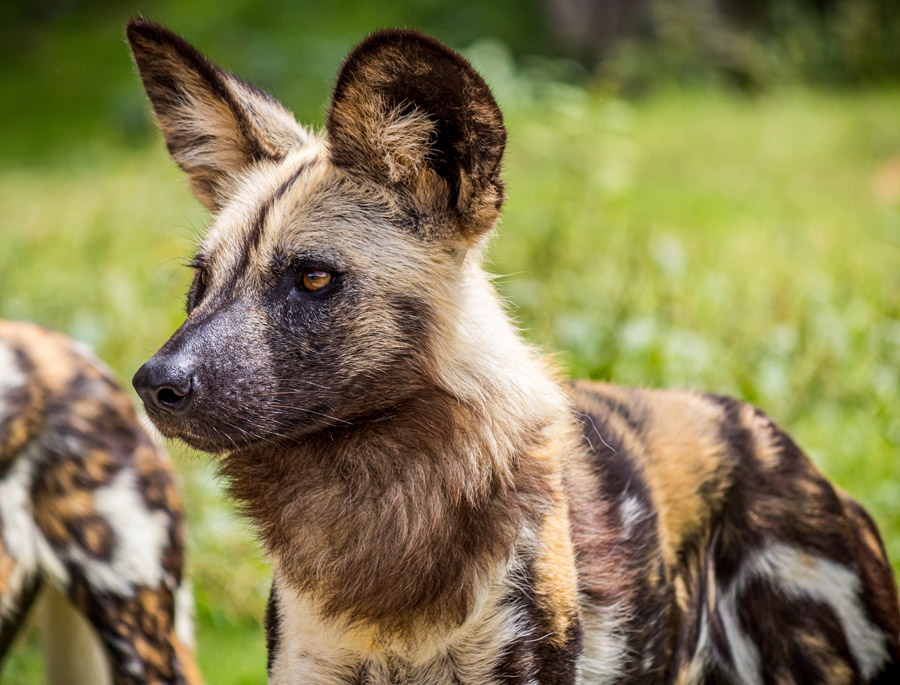
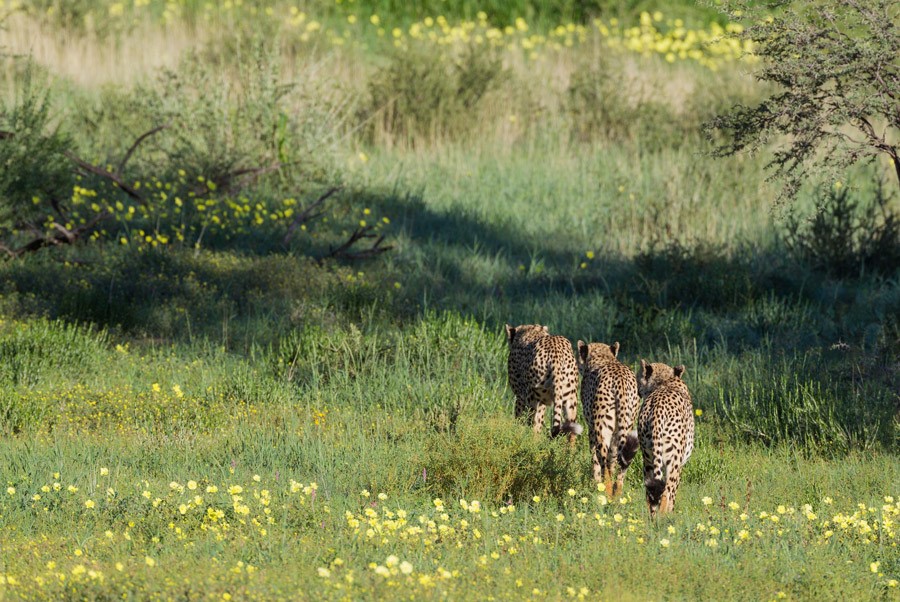
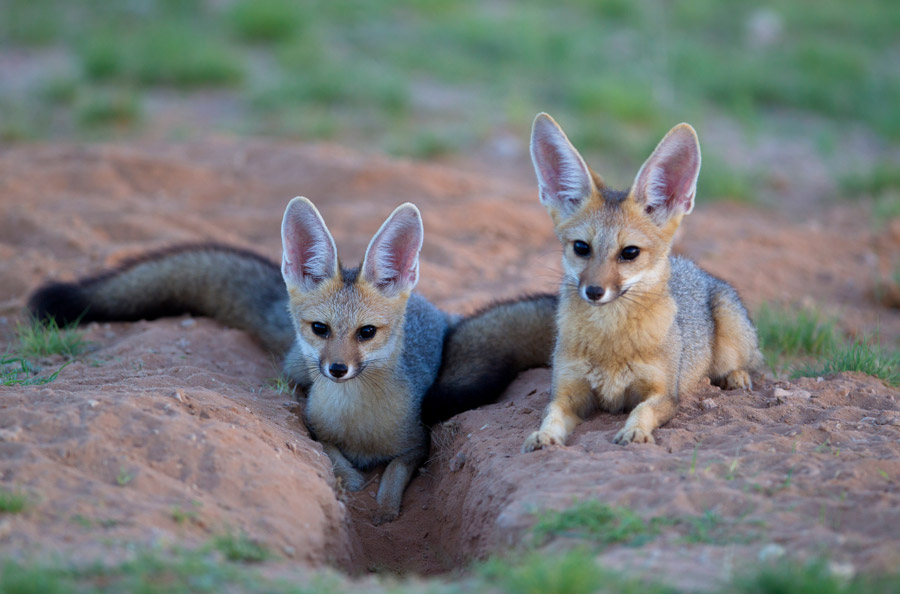
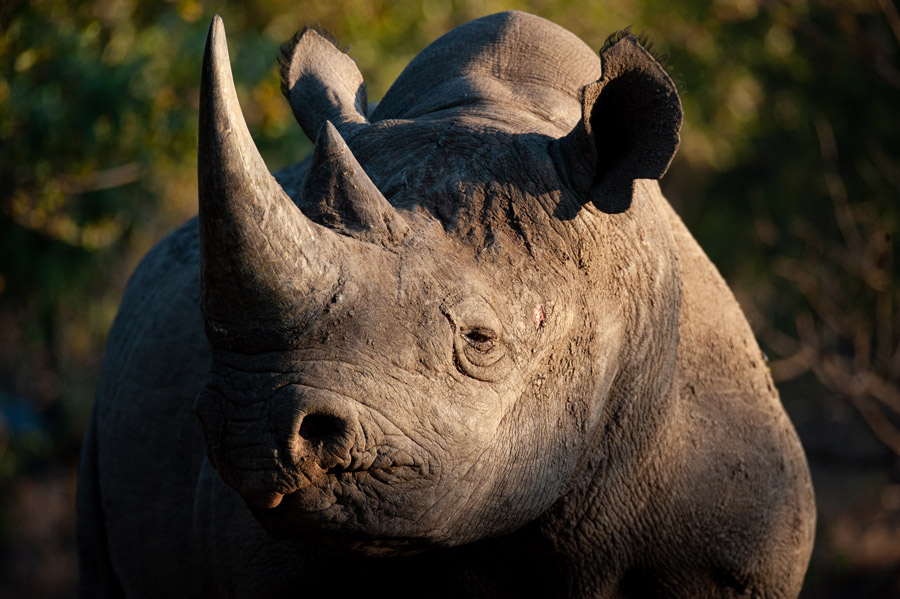
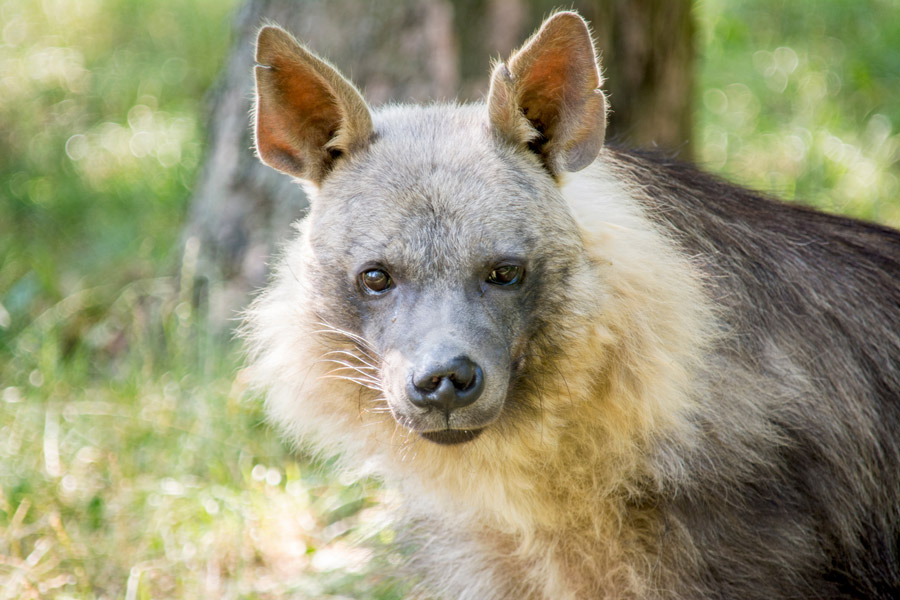
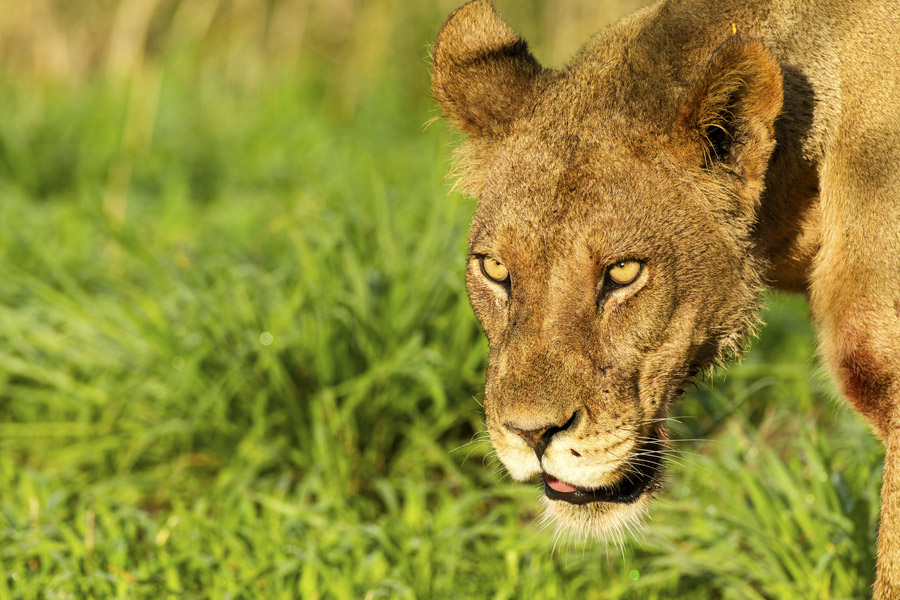
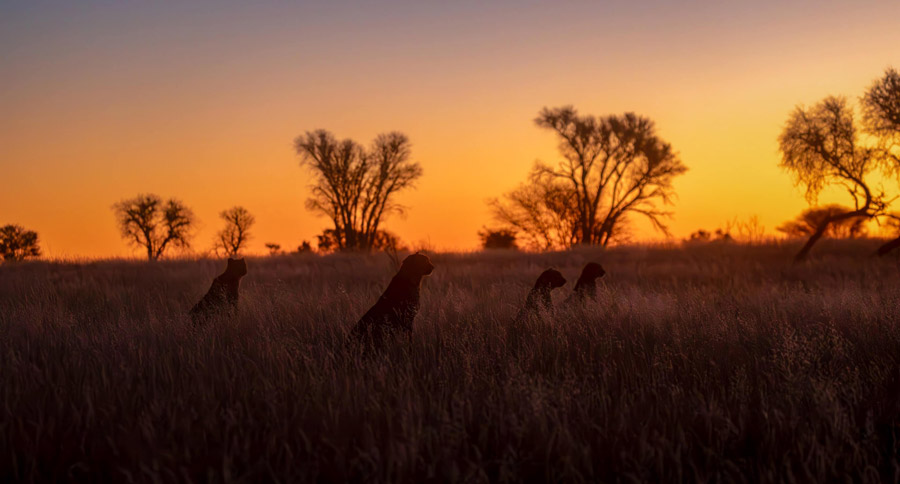
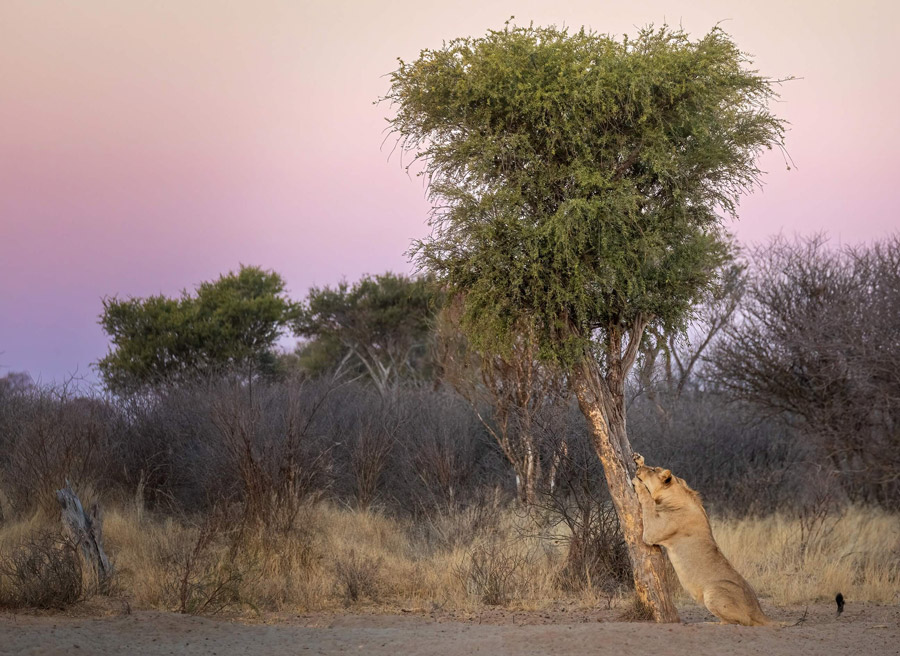
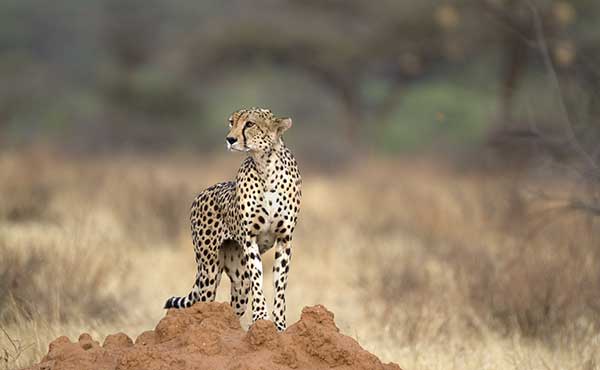
With our comfortable safari camp being the only accommodation option offered on the reserve, we have the unique ability to explore and view wildlife with no distractions. From its significant wild dog population to the Kalahari lion, cheetah, black and white rhino and rarer species such as brown hyena, caracal, aardvark and aardwolf, there’s so much that we could encounter.
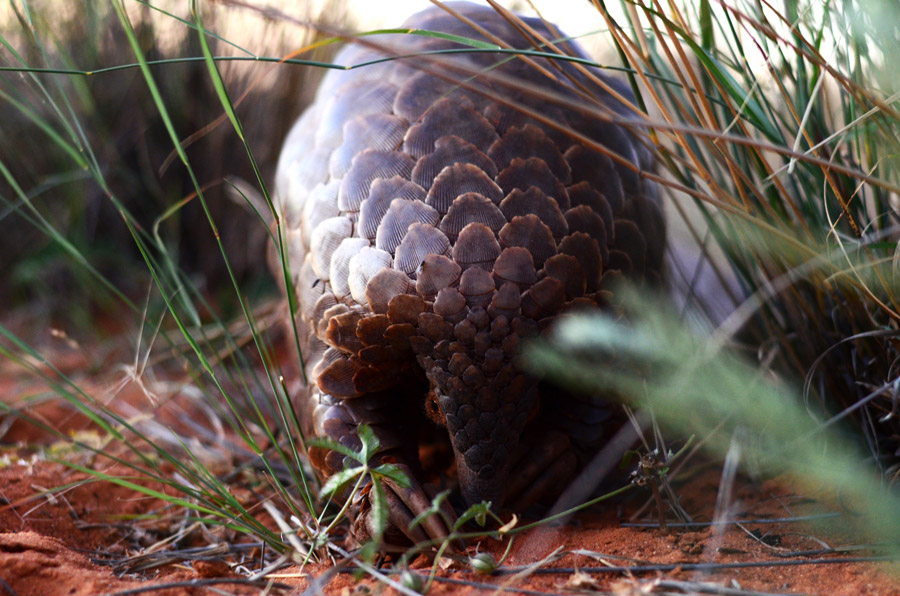
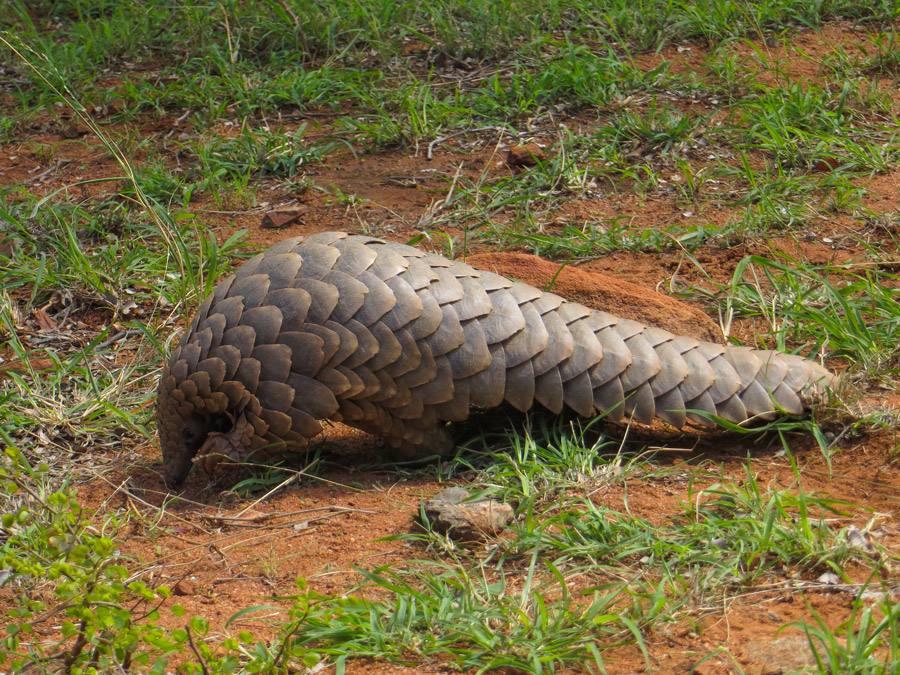
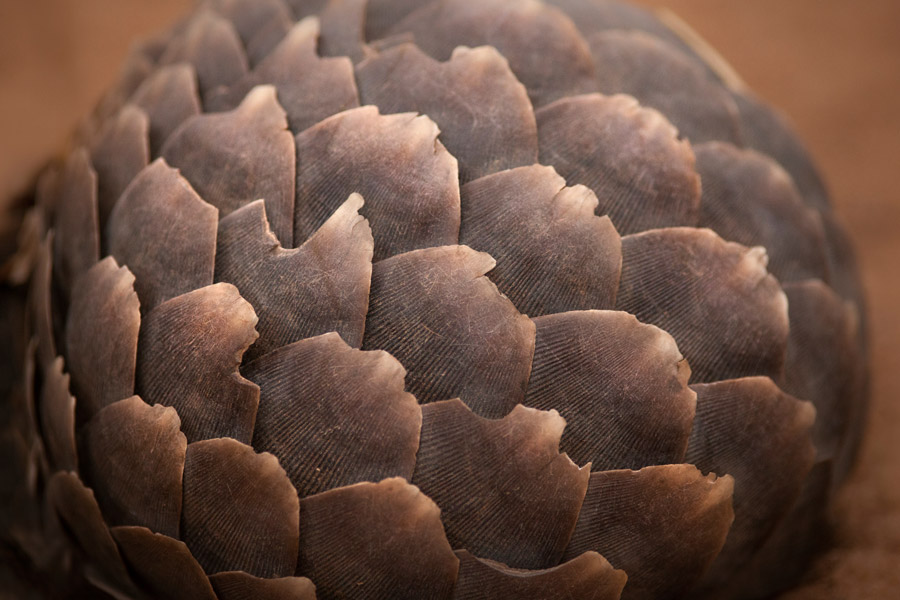
With the reserve’s recent designation as a pangolin release site too, individuals rescued from poaching will require daily monitoring for many months after their arrival, thus providing us with the opportunity to search for and walk with these ancient and endangered mammals. A true privilege indeed.
As part of the area’s ongoing rewilding, we undertake daily activities determined by the needs of the reserve ecologist, which may range from predator monitoring to vegetation surveys, all the while gaining a better understanding of the challenges facing nature conservation today. This is about giving something back, actively playing a part in preserving this fragile environment and enjoying the South African Kalahari at its very best.
Typical Itinerary
-
Day 1:
Depart UK
-
Day 2:
Transfer to Kalahari Private Reserve
Much of today is spent transferring to Kalahari Private Reserve, arriving during the evening. We settle into our accommodation and get some rest following our travels before beginning our excursions the next morning.
Accommodation: Kalahari Tented Camp, 7-nights
-
Days 3-8
:
Conservation activities
During the course of our safari, we follow a similar daily routine which includes an early morning start, with breakfast provided before heading out on our morning activity. For lunches, we may return to the lodge, or depending on the schedule, packed lunches may be provided.
Afternoon activities are usually followed by a sunset drive/sundowner at the watering hole before returning to camp to freshen up before dinner.
Activities are likely to include the following:
Camera Traps: Placing and monitoring camera traps to conduct scientific research, nocturnal monitoring, and animal identification (e.g. a wild dog’s unique coat).
Predator Monitoring: Based on the ecological needs of the reserve, we participate in continuous monitoring of the population dynamics and predator/prey relations of wild dog and lion.
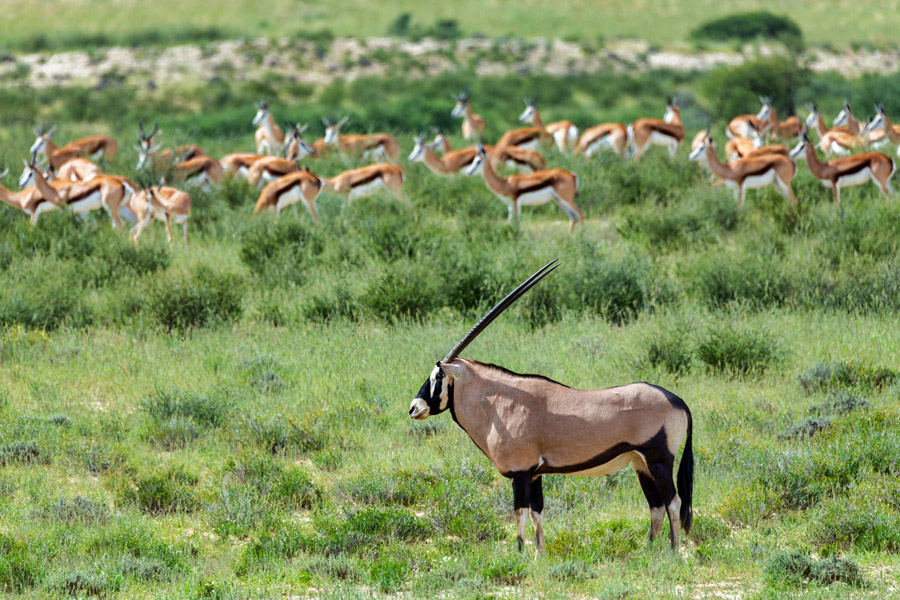
Game Counts: Conduct regular game surveys to monitor the distribution and sex and age ratios in all the reserve’s wildlife populations.
Vegetation Surveys: The reserve’s ecologist has set up a programme in motion to monitor changes in fauna and flora. These surveys are used to identify gradual and/or sudden changes in vegetation across the reserve, recognise changes in species composition, health of the grass layer, bush encroachment and whether the reserve is overstocked.
Reserve Work: Reserve work may include managing bush encroachment, removing invasive plant species, and removal of old fencing wires left over from earlier farming days that may entangle animals.
Anti-Poaching: We will assist experienced rangers with their daily efforts to identify signs of poaching and collect valuable data. Keeping eyes on a vulnerable animal offers it the best form of protection. Record activities of animals at water points and other key areas such as data is used to identify poaching “hotspots” and potential vulnerabilities.
Pangolin monitoring: In the event of rescued pangolins having being released, they must be located daily and their behaviour and feeding habits recorded and monitored.
-
Day 9:
Departure
This morning we leave the Kalahari for our overnight flight to the UK.
-
Day 10:
Arrive UK
Please note: This schedule offers a rough indication of programme activities and is subject to change at the discretion of the reserve ecologist. Activities will only be undertaken where required as part of the reserve's management plan.