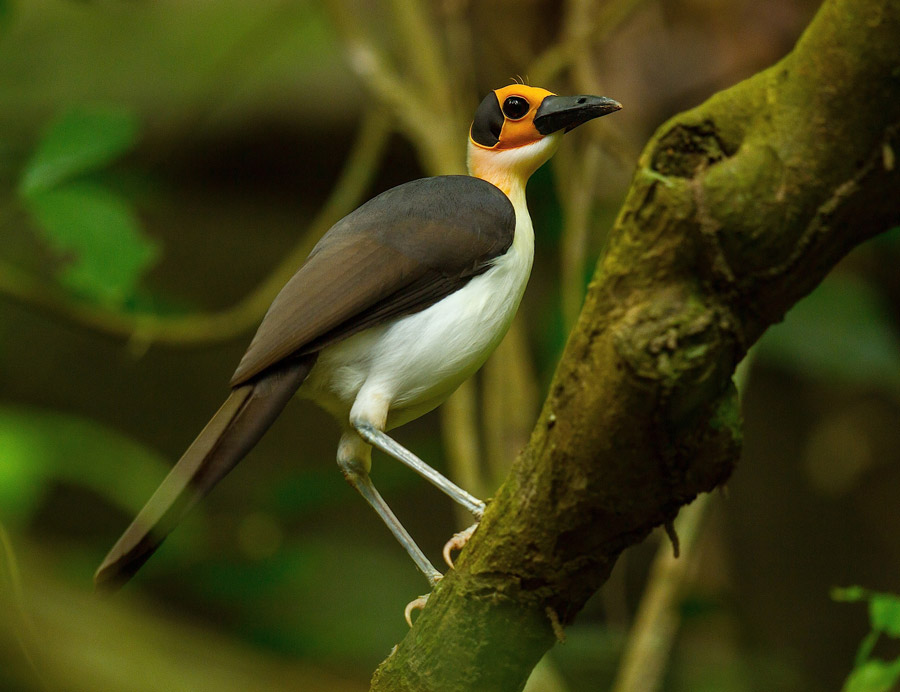
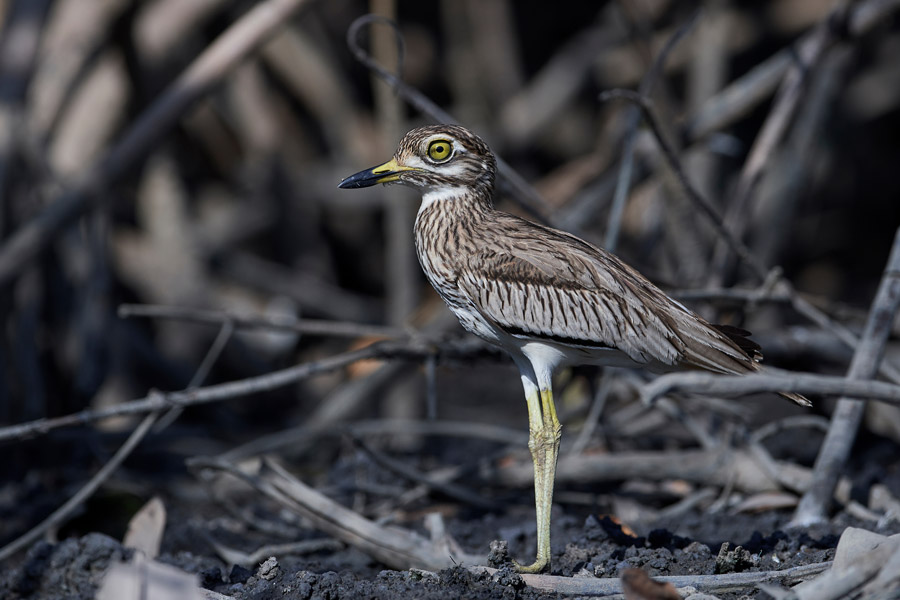
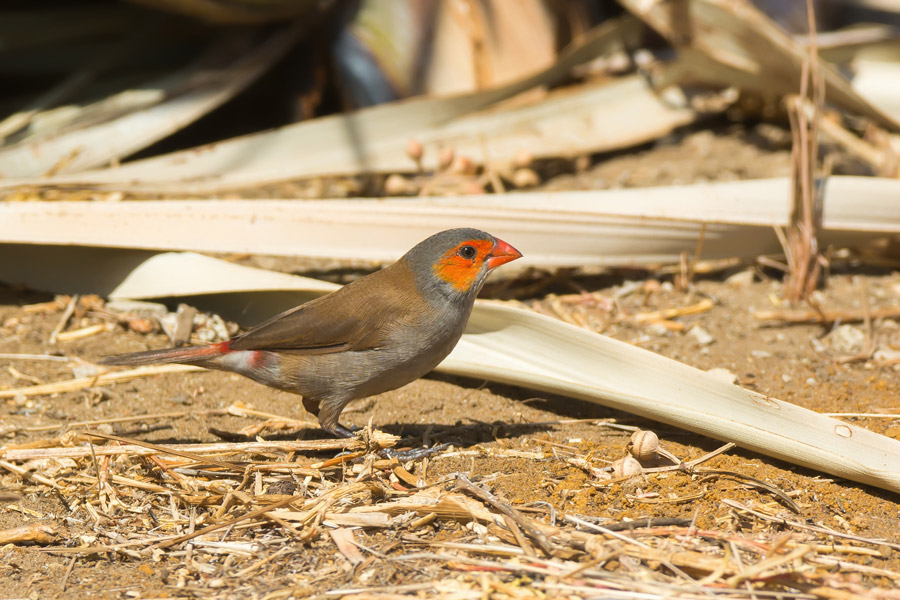
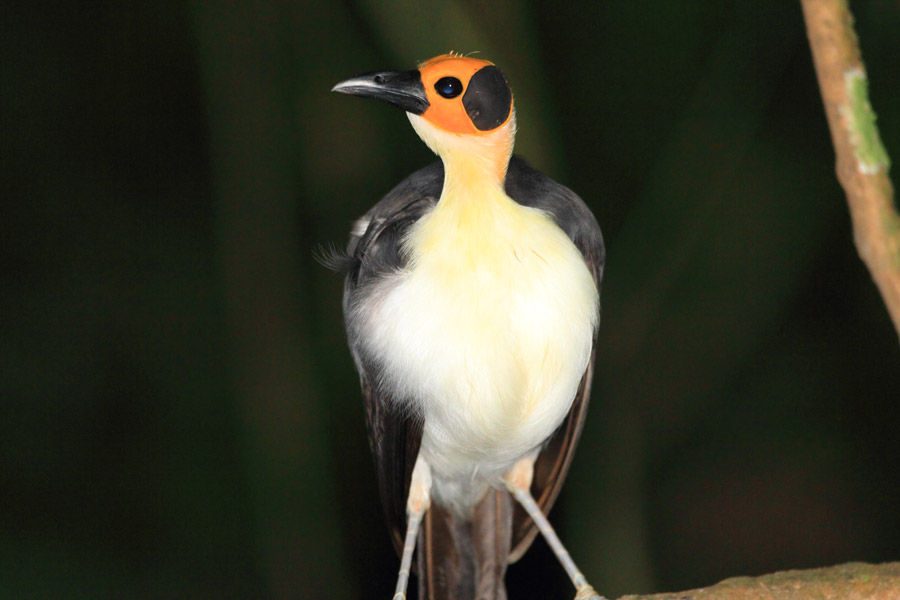
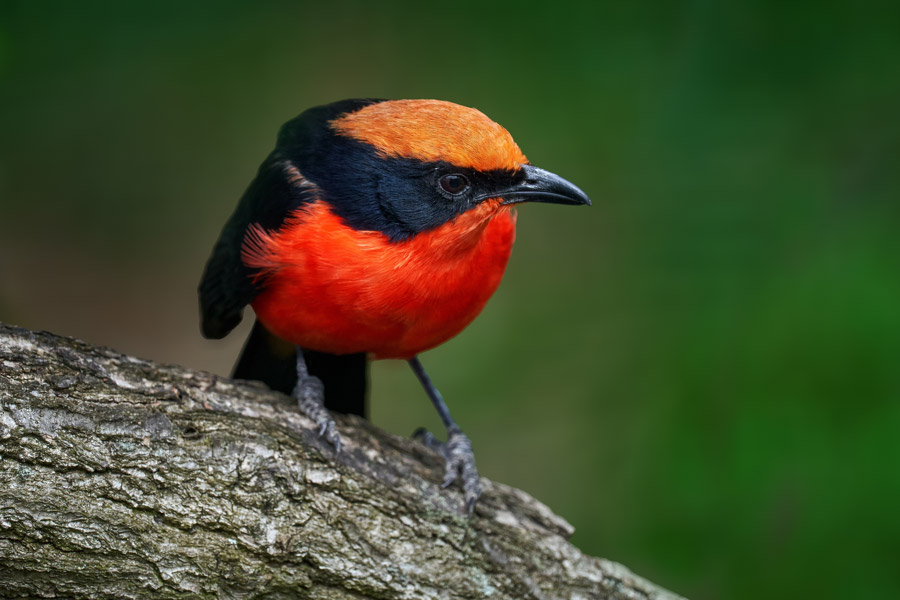
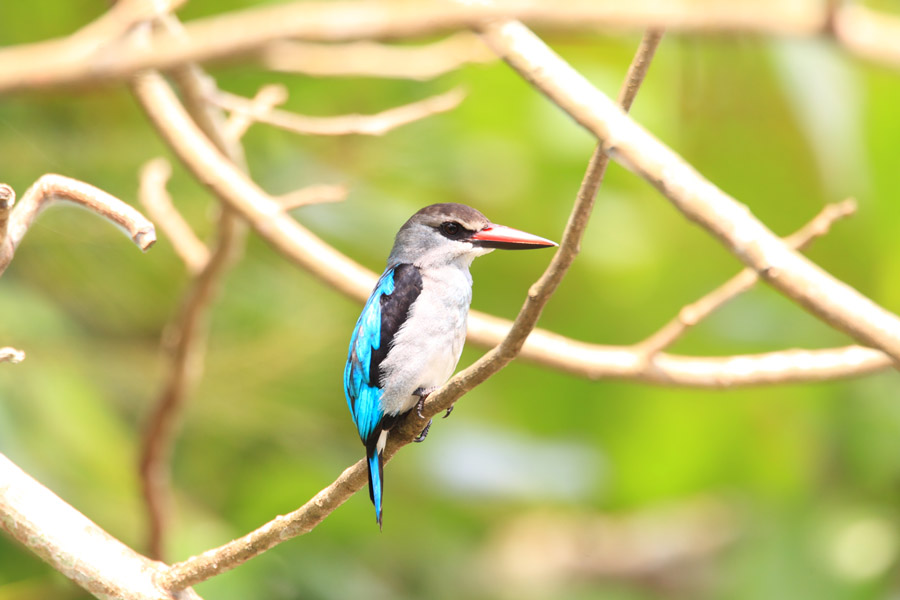
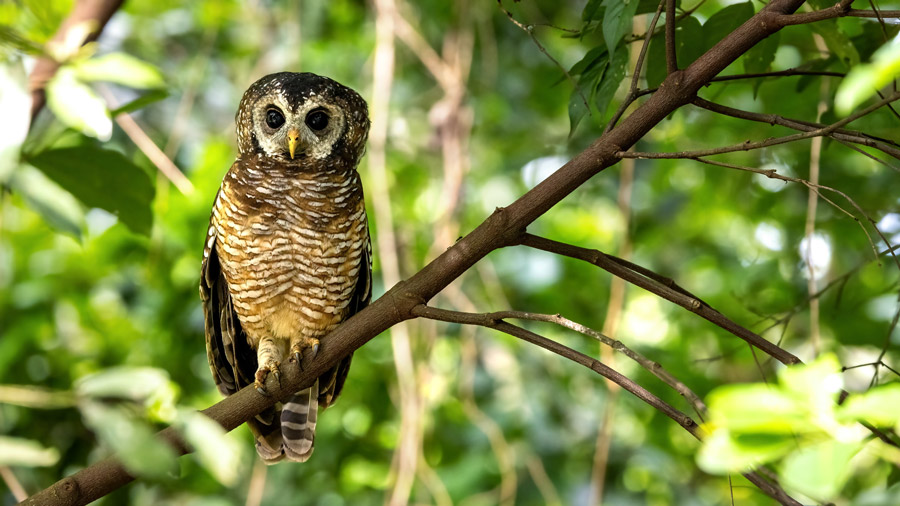
The highlight of this itinerary is the opportunity to see the white-necked picathartes, but we will also enjoy a number of Ghana’s other wildlife locations.
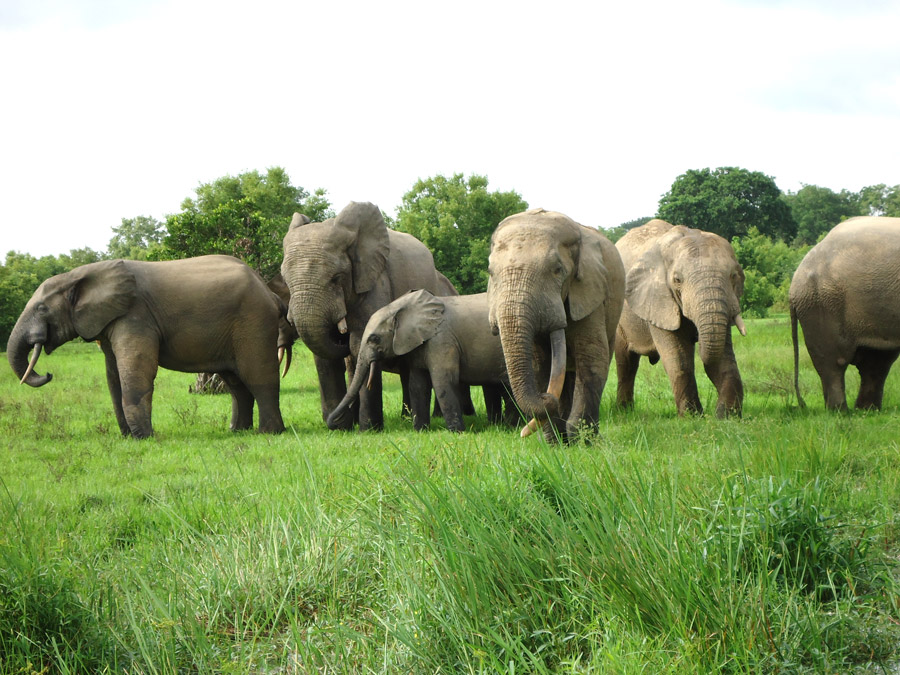
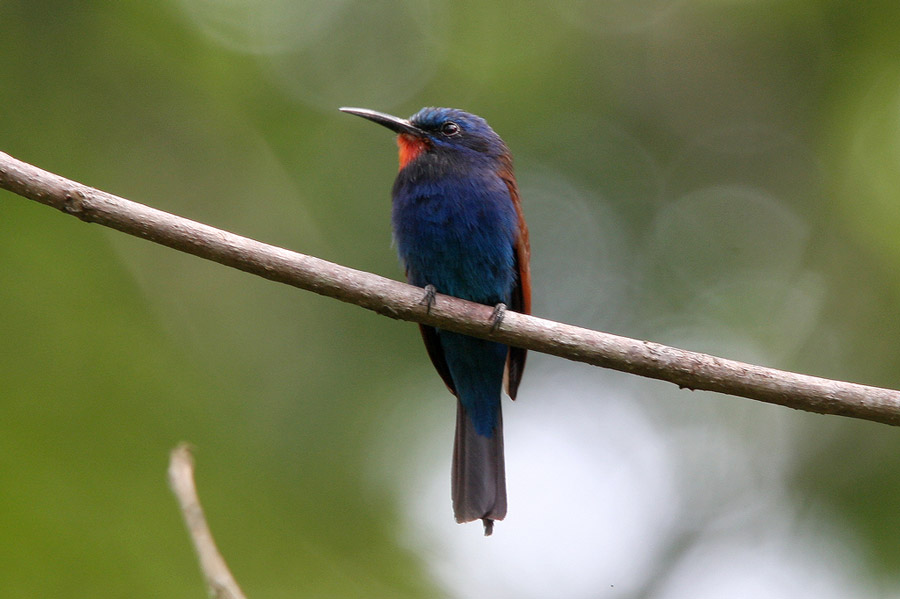
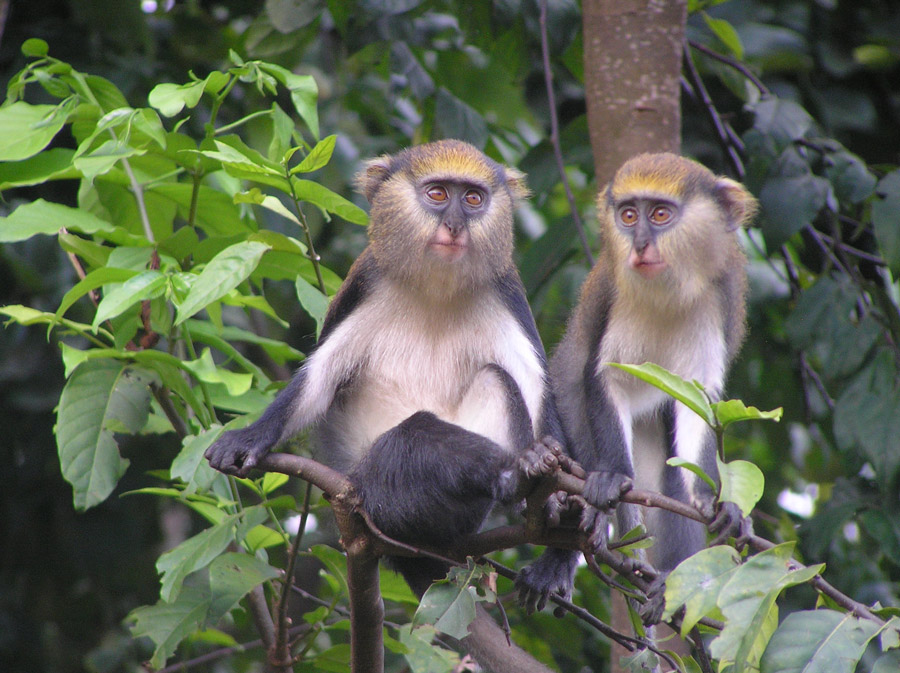
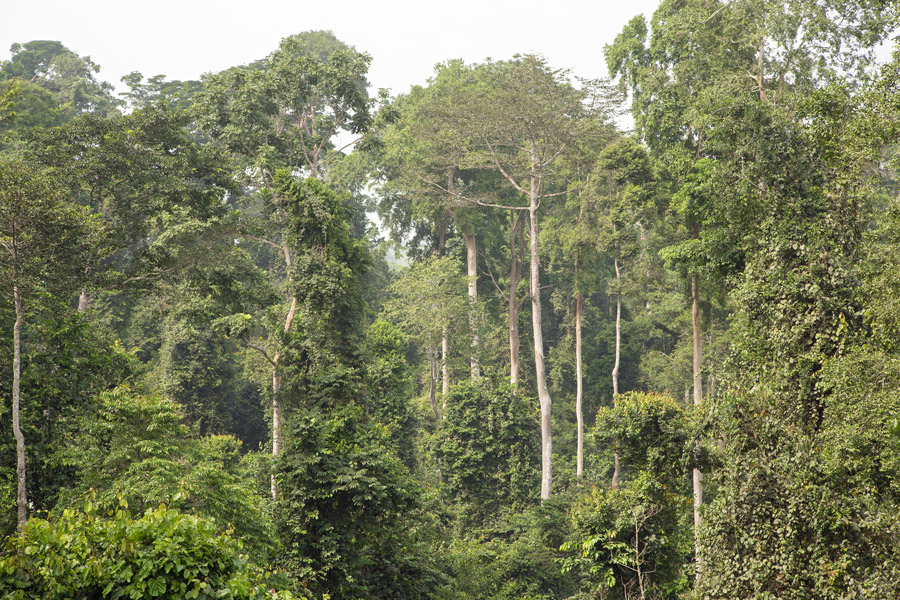
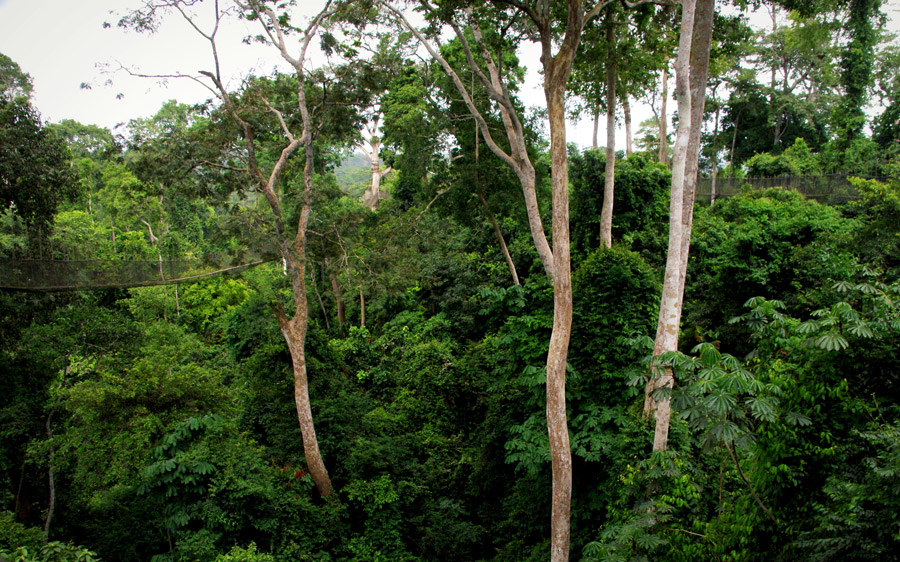
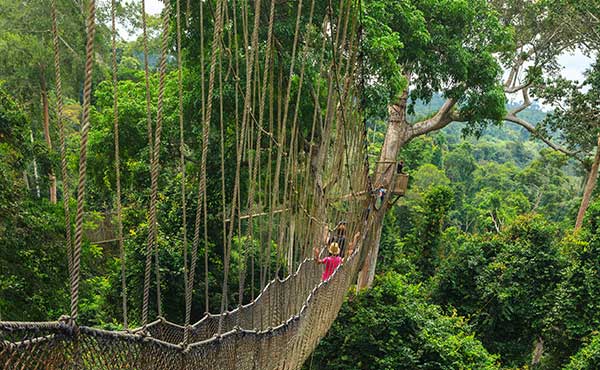
With 12 of the 15 West African Upper Guinea endemic species, Ghana is a fantastic destination for birding and nature enthusiasts. The itinerary includes a visit to Kakum National Park, where we spend time on the famous canopy walkway situated 40 metres above the forest floor. With seven platforms, we will be spoilt by the spectacular bird viewing in this Upper Guinea tropical rainforest.
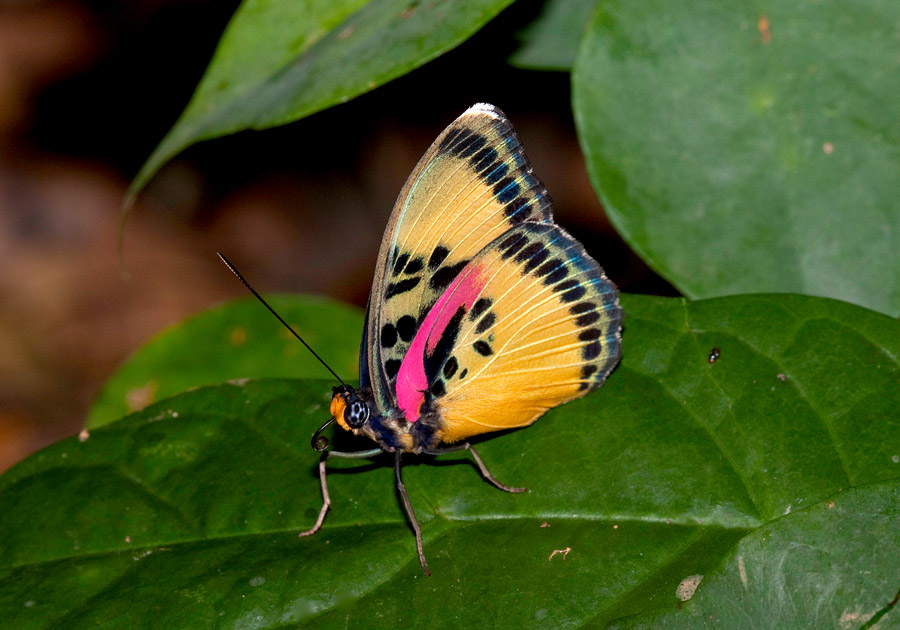
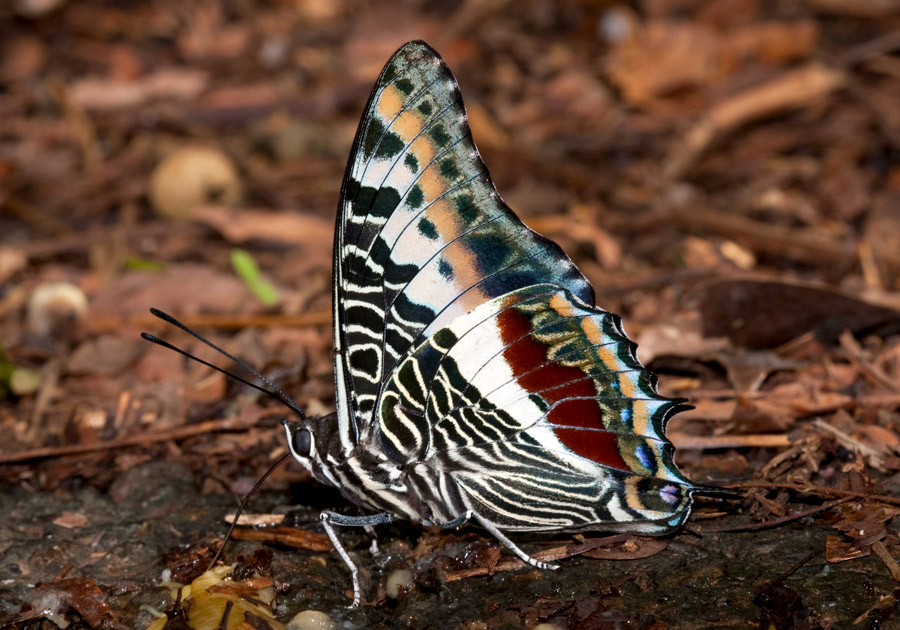
Our next stop is the beautiful Ankasa Reserve – Ghana’s only evergreen rainforest that is in near pristine condition, which protects many rare and sought-after bird and mammal species. Ankasa will be a highlight of the tour and by staying on the edge of the reserve we will be immersed in the sights and sounds of the forest. We then venture to a picarthartes nest site, where we go in search of these pre-historic birds. We stay in a local guesthouse within the local community, in order for us to have two opportunities to see this stunning species. During the last couple of days of the tour, we visit well-known wildlife hotspots including Bobiri Butterfly Sanctuary and Atewa Forest, where we hope to see many more of Ghana’s fascinating bird, butterfly and mammal species.
Typical Itinerary
-
Day 1:
Fly to Accra, transfer to hotel
We take a scheduled flight from London to Accra. On arrival, we're met by our tour leader, and transferred to our hotel in Accra.
Accommodation: Erata Hotel, 1-night
-
Day 2:
Birding Shai Hills Reserve & Sakumono Lagoon, transfer to Kakum National Park
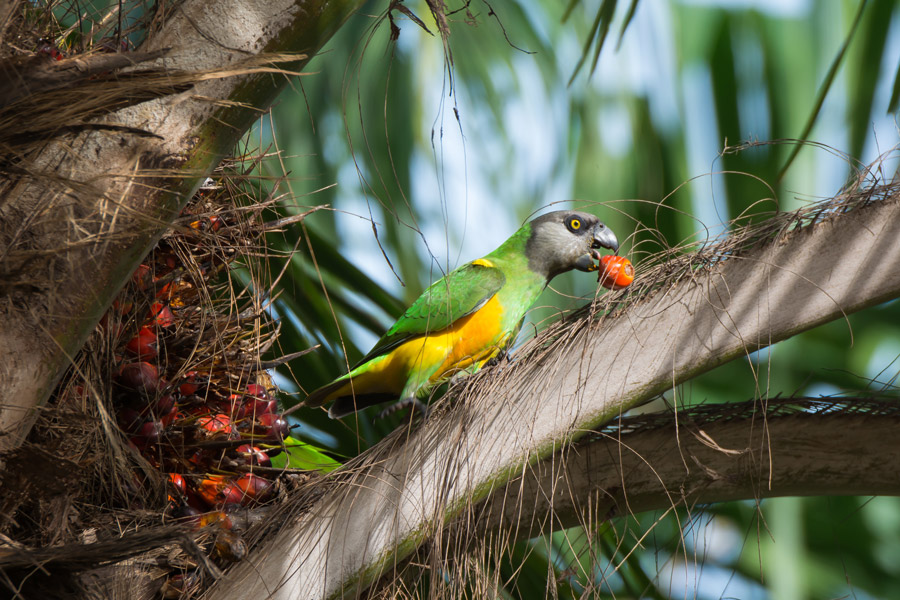
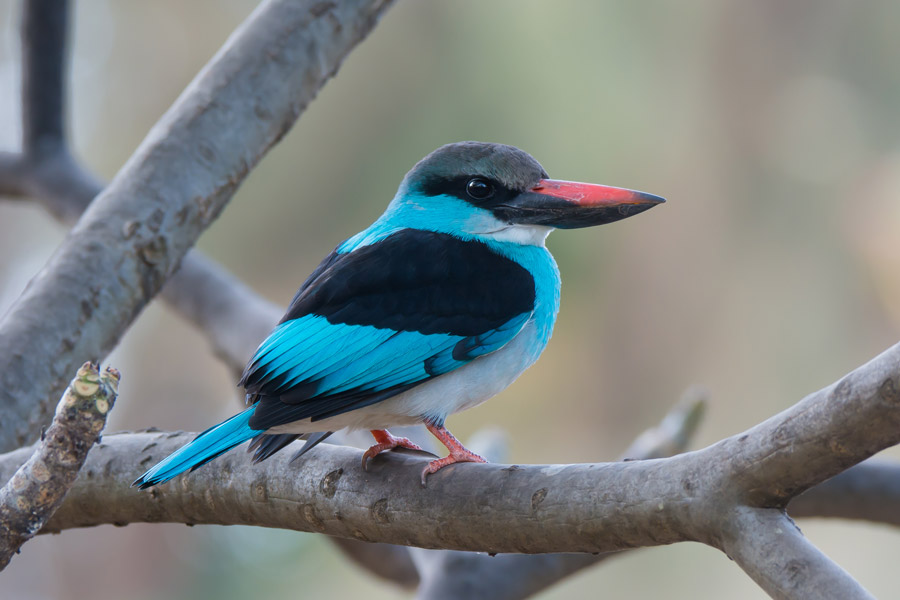
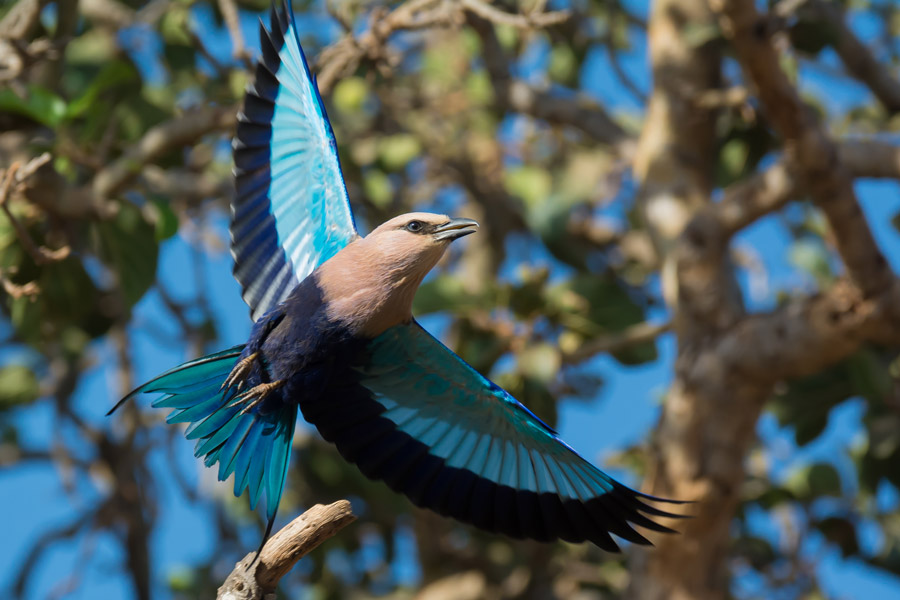
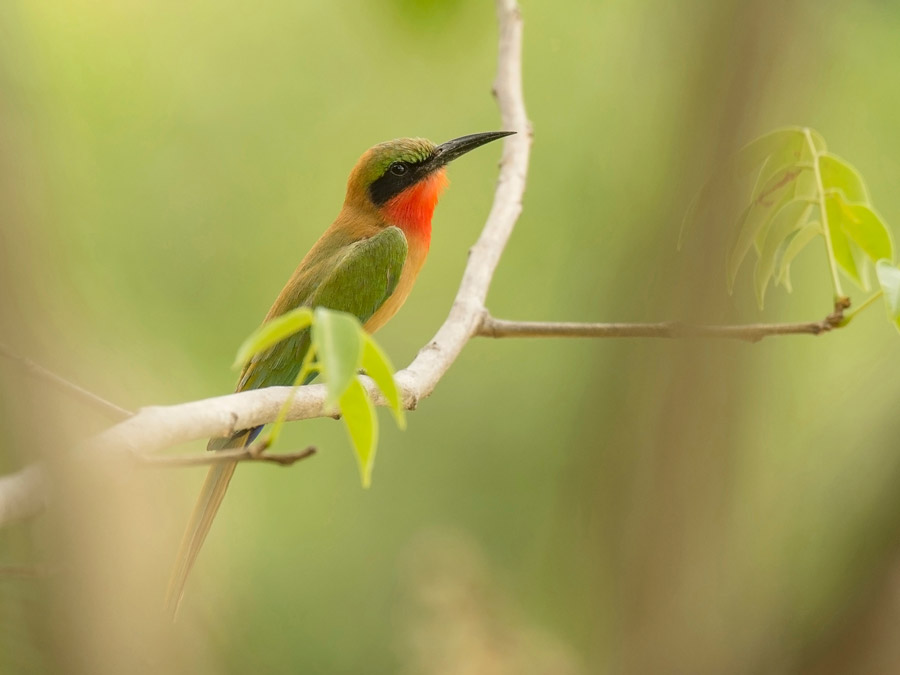
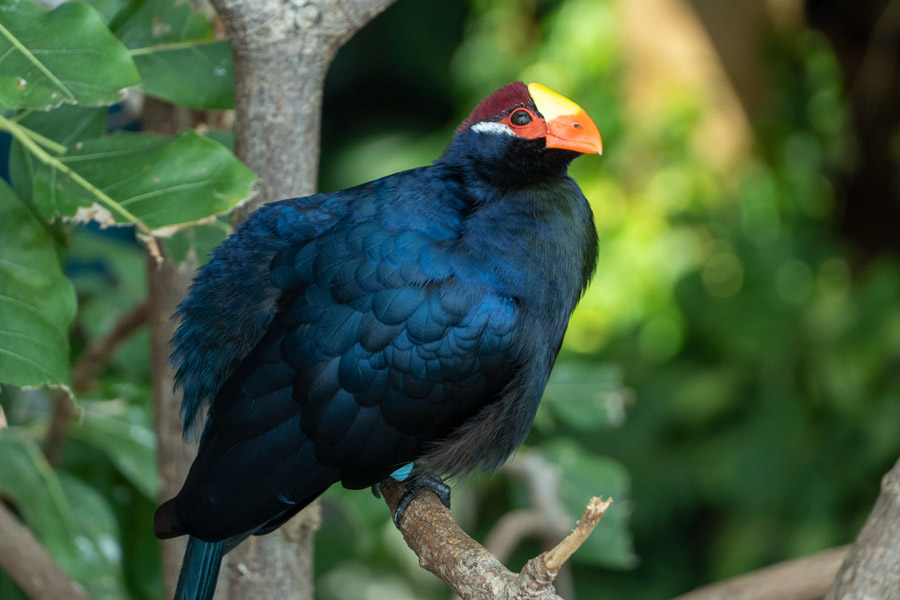
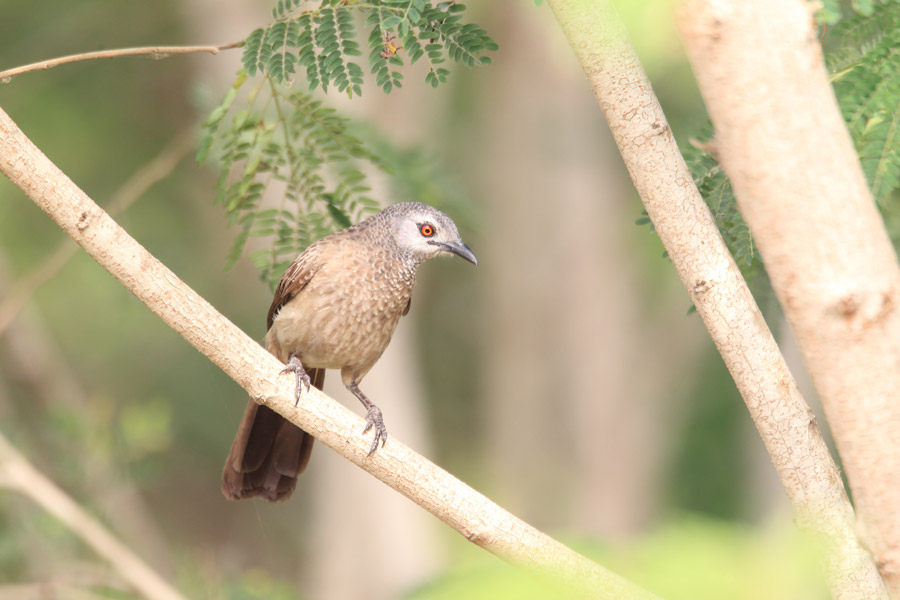
On our first day in Ghana, after an early breakfast, we head for the open grassland savannah of Shai Hills where we hope to see northern crombec, yellow-fronted tinkerbird, snowy-crowned robin-chat, African pygmy kingfisher, Cardinal woodpecker, vielliots and double-toothed barbets, white-crowned cliff-chat, rock martin, red-shouldered cuckoo-shrike, violet turaco, Senegal parrot, Senegal batis, blue-bellied roller, swallow-tailed bee-eater, oriole warbler, blackcap and brown babblers.
After an enjoyable morning, we stop for lunch at our hotel before heading for some more birding at the Sakumono Lagoon. Afterwards, we continue to our next hotel close to Kakum National Park where we arrive in time to freshen up before our evening meal.
Accommodation: Rainforest Hotel, 3-nights
-
Days 3-4
:
Kakum National Park
Over the course of the next two days, we explore Kakum National Park. Early one morning, we head to the well-known canopy walkway at Kakum, a short drive from the hotel. The canopy is located 40 metres above the forest floor, and has seven platforms for placing telescopes. We aim to arrive at the walkway at first light, enabling us to spend the optimal birdwatching hours above the forest canopy.
The park itself protects secondary Upper Guinea semi-deciduous tropical rainforest, which attracts an abundance of wildlife. During our visit we hope to see violet-backed hyliota, chestnut-capped flycatcher, and the Upper Guinea endemics: Sharpe’s apalis, brown-cheeked hornbill, copper-tailed glossy starling, Bioko Batis, blue cuckoo-shrike, little green woodpecker and white-crested hornbill.
We also visit the Antwikwaa region of Kakum National Park, hoping to add to our growing birdlists; here we may see an array of colourful species. Afterwards, we venture to a river site to see a different set of bird species, including the white-bibbed (white-throated) swallow and, if we're lucky, African finfoot. We continue birdwatching until dark in order to try for owls and nightjars, or any nocturnal mammals.
-
Day 5:
Morning in Kakum National Park & transfer to Ankasa Reserve
In the morning, we visit another section of forest habitat close to Kakum National Park, where we hope to see pale flycatcher, black and white mannikin, brown-crowned Tchagra, sooty boubou, Puvel’s illadopsis, olive-green camaroptera, as well as the more difficult species including long-tailed hawk, red-billed helmetshrike, rufous-sided broadbill, chocolate-backed kingfisher, olive long-tailed cuckoo, Congo serpent-eagle, red-billed and black dwarf hornbills.
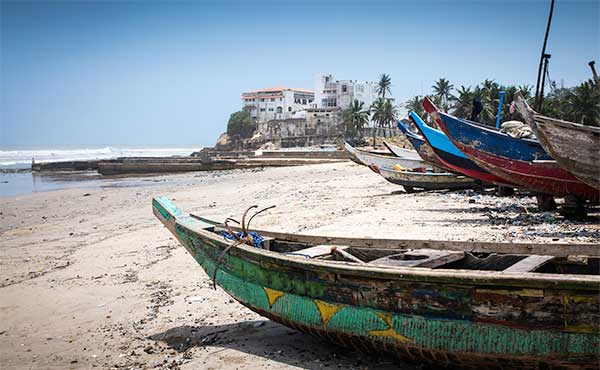
Late morning, we check out of the hotel and set off for Cape Castle, a UNESCO World Heritage Site. A tour of the castle is an emotional journey through the region’s history, where more enslaved Africans were held captive than anywhere else in West Africa. Lunch will then be taken at a beachfront restaurant overlooking the castle.
After lunch, we head west to Ankasa Reserve, for what should prove to be a major highlight of our trip to Ghana. Ankasa is Ghana’s only evergreen, pristine rainforest, which protects many rare and sought after bird and mammal species. Due to its remote location, and a near two-hour travelling distance from hotels, we stay in a comfortable lodge on the edge of the forest.
As we arrive in the late afternoon, we take time to settle into our lodge before heading out for early evening, where we hope to see Fraser’s and Akun eagle owls. Our guide will also look for the legendary Nkulengu rail, which we hope to spot in the forest. Our evening will be spent at the camp, enjoying the atmospheric sounds of the rainforest.
Accommodation: Ankasa Reserve Lodge, 2-nights
-
Day 6:
Ankasa Reserve
Our guide will be up before first light listening for the unmistakeable call of the Nkulengu rail. If he locates them, he will alert the rest of the group before breakfast.
After breakfast we set off, venturing deeper in the forest, where we hope to encounter numerous bird species. As we walk, we will also keep an eye on the skies, looking for birds of prey and a variety of hornbills.
There are some very rare species here which we may encounter, including white-breasted guineafowl, white-crested tiger heron, grey-throated rail, dusky long-tailed cuckoo, forest scrub-robin, red-chested owlet and Akun eagle owl.
We spend the evening at the camp discussing the day’s birding, and relaxing with a refreshing cold drink.
-
Day 7:
Ankasa Reserve & return to Kakum National Park
We head out into the forest for a final morning of birding in Ankasa Reserve, targeting species which we may have previously missed. After a full morning of enjoyable birding in the rainforest, we return to the camp to gather our bags and enjoy our lunch, before heading back towards Kakum National Park.
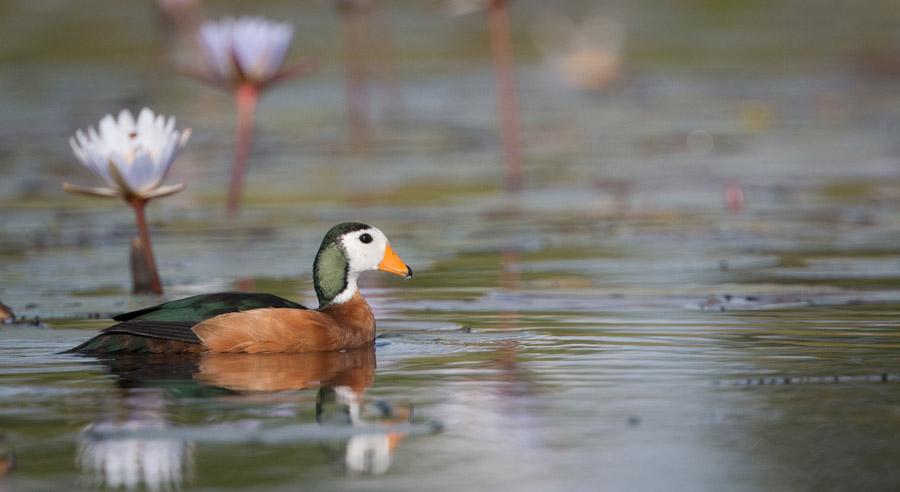
During our journey we will be targeting several species not seen in other parts of Ghana, including Reichenbach’s and brown sunbird, orange weaver, African pygmy goose and little grebe to mention a few. At dusk, we visit Brenu Akyenim to look for greyish eagle owl, and long-tailed and plain nightjars before arriving back at the Rainforest Hotel.
Accommodation: Rainforest Hotel, 1-night
-
Day 8:
Abrafo Forest (Bonkro) & Picathartes nesting site
Today, we visit the renowned yellow-headed picathartes (white-necked rockfowl) nesting site; however, we will have a full morning of birding in Abrafo Forest to enjoy beforehand, targeting any species we may have previously missed.
After a productive morning, we travel northwards before stopping at a remote village close to a small area of Upper Guinea rainforest in the Ashanti region of Ghana. The location we visit has more yellow-headed picathartes nesting sites than any other in Ghana – with around 20 nesting sites in this small area, we visit one of the largest colonies which is thought to have around 30 nests.
Once we have enjoyed good views, we leave the birds in peace as we set off back through the forest to the village and our accommodation for the night.
Accommodation: Picathartes Guesthouse, 1-night
-
Day 9:
Birding Picathartes Forest & Bobiri Butterfly Sanctuary
After an early breakfast, we venture back into the Picathartes Forest to look for the western-wattled cuckoo-shrike, a species previously considered extinct in Ghana but now seen on a few tours here since 2010.
This afternoon we are transferred to Kumasi and we have some time to settle into our hotel for tonight before heading to Bobiri Butterfly Sanctuary for early evening birding.
Accommodation: Local hotel, 1-night
-
Day 10:
Birding Bobiri Butterfly Sanctuary & Atewa Forest
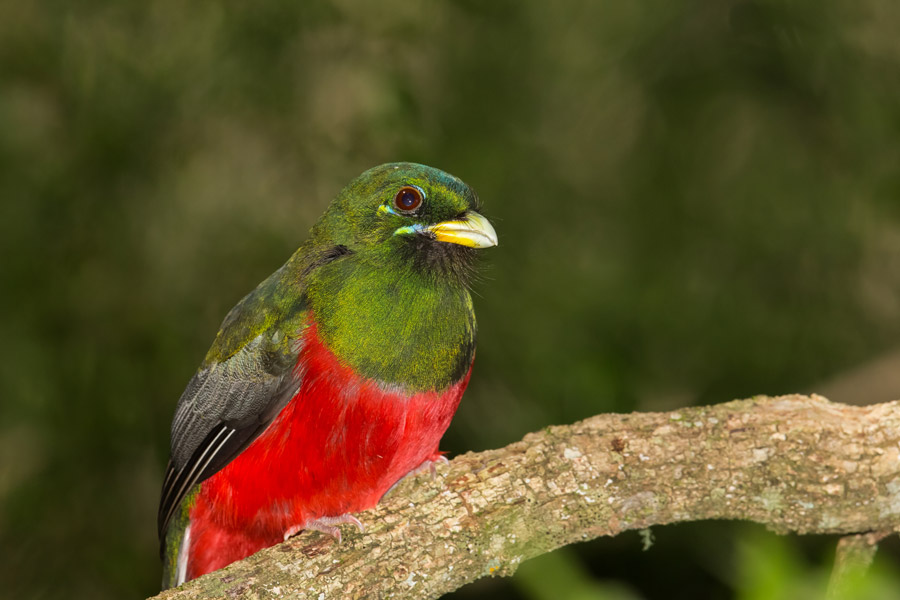
Today, we have an early start as we head back into Upper Guinea rainforest habitat, where so many of Ghana’s sought-after species are found. This morning, we hope to see tit and green hylias, magpie mannakin, Narina trogon, red-billed dwarf and black dwarf hornbills, African grey and brown-necked parrots, grey-headed and red-tailed bristlebills and the sought-after yellow-footed honeyguide amongst other species.
After a productive morning, we travel to Atewa Forest, stopping for lunch en route. On arrival, we check-in to our hotel for our final night in Ghana before exploring some of the surrounding area.
Accommodation: Nelsban Palace Hotel, 1-night
-
Day 11:
Atewa Forest & departure
This morning we explore the forests of the Atewa Range which are one of the key hotspots for biodiversity in Western Africa, especially for birds, insects and amphibians. We walk along some of the forest trails in company of our local guide for our last excursion in Ghana.
We then head back to the hotel to sort our bags out and freshen up before enjoying an evening meal and transferring to the airport for an overnight flight back to the UK.
-
Day 12:
Arrive UK
Please note: If you would like to explore Ghana further, tailor-made extensions can be arranged. Mole National Park or additional sighting-seeing around Accra and the country’s coastline are just examples of possible extensions. Please contact your travel consultant if you would like to discuss options and your requirements.