This enchanting expedition into Fiordland’s largely untouched wilderness combines the drama of deep, glacially carved fiords and rich wildlife encounters with a rare exploratory venture into one of the South Pacific’s most intriguing oceanic regions.
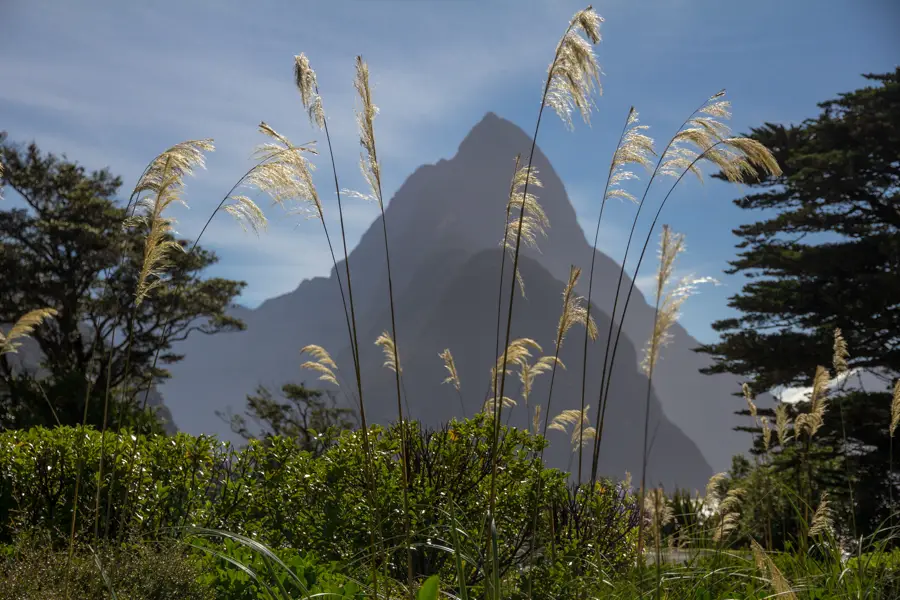
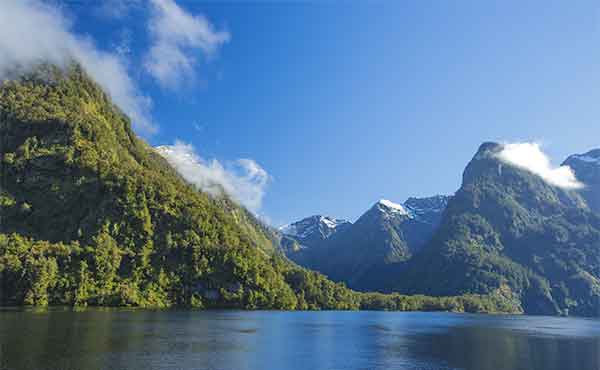
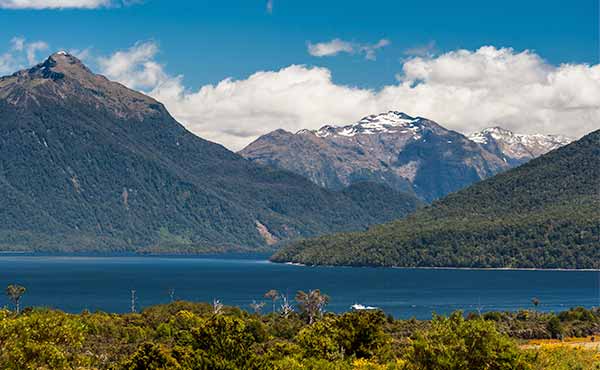
Fiordland is one of New Zealand’s last true wilderness regions, where sheer granite cliffs rise from sheltered fiords, and dense temperate rainforest spills down to the shoreline. Exploring this remote corner by sea allows us to appreciate both its vast scale and surprising intimacy, navigating quiet waterways, hidden coves and dramatic coastlines rarely seen by others.
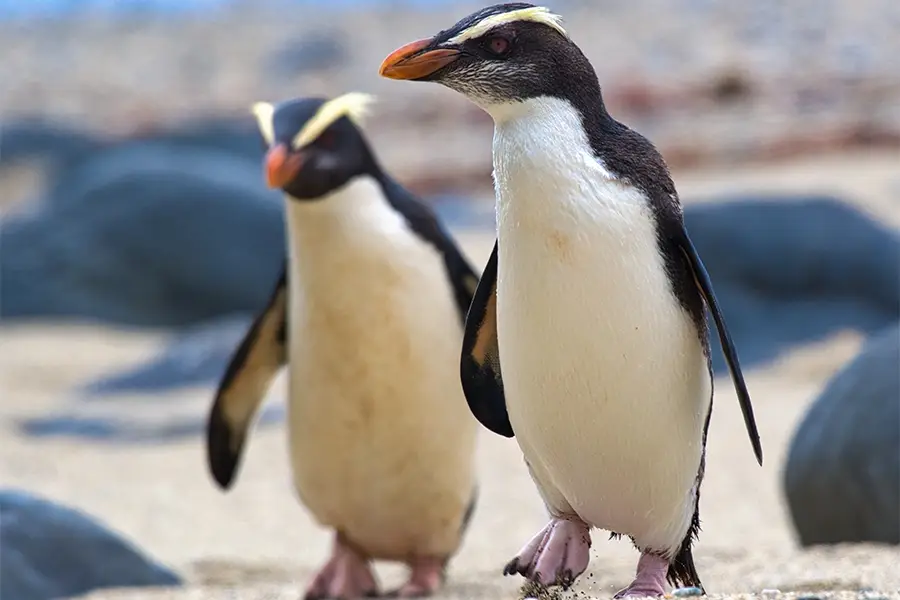
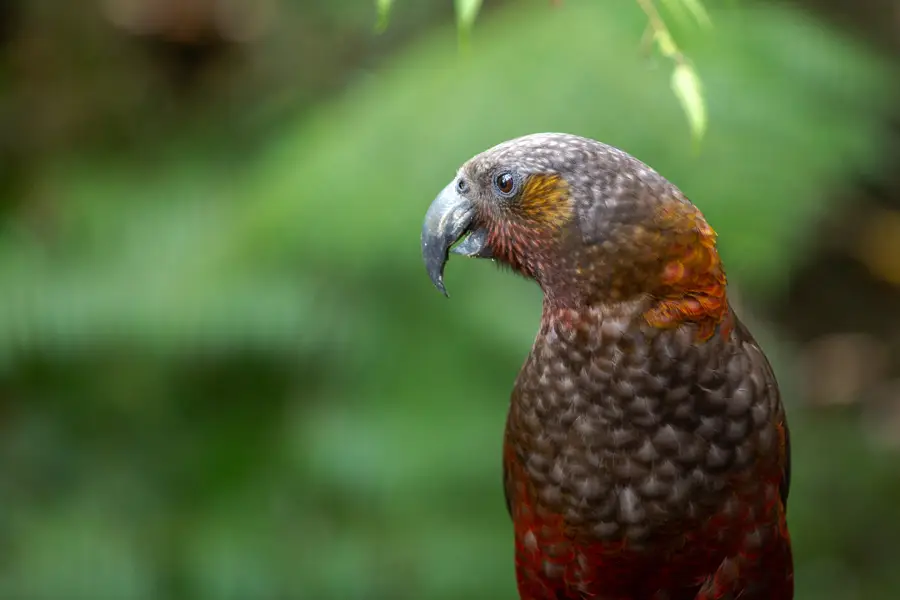
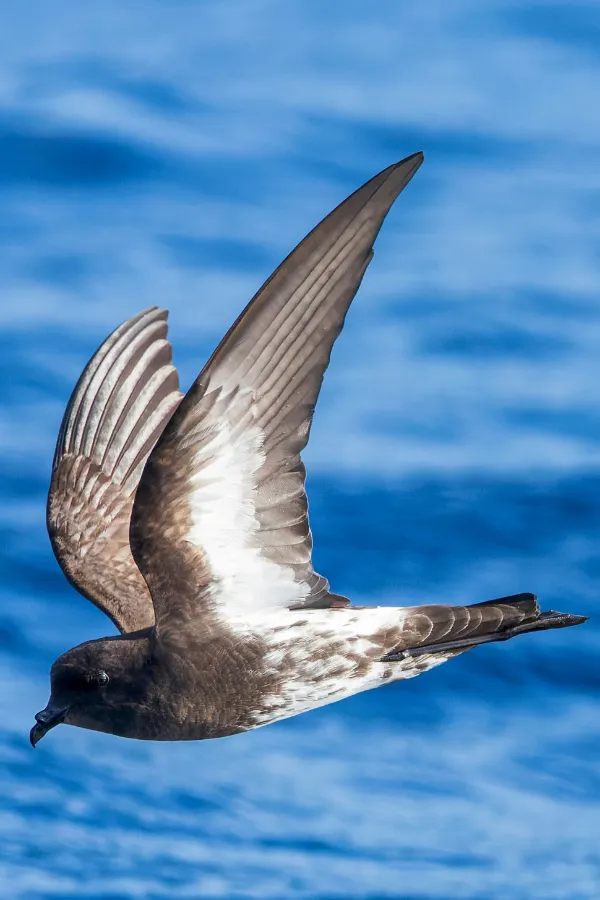
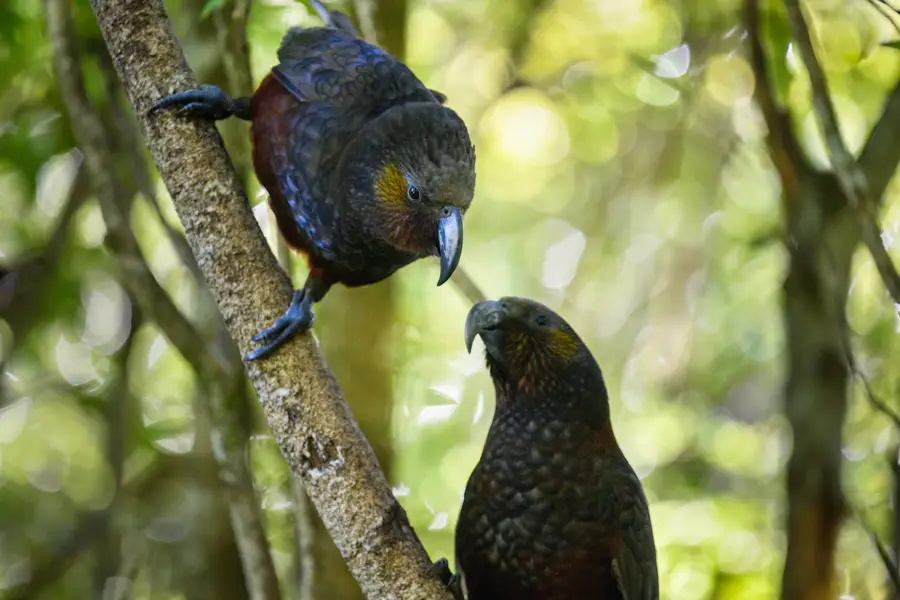
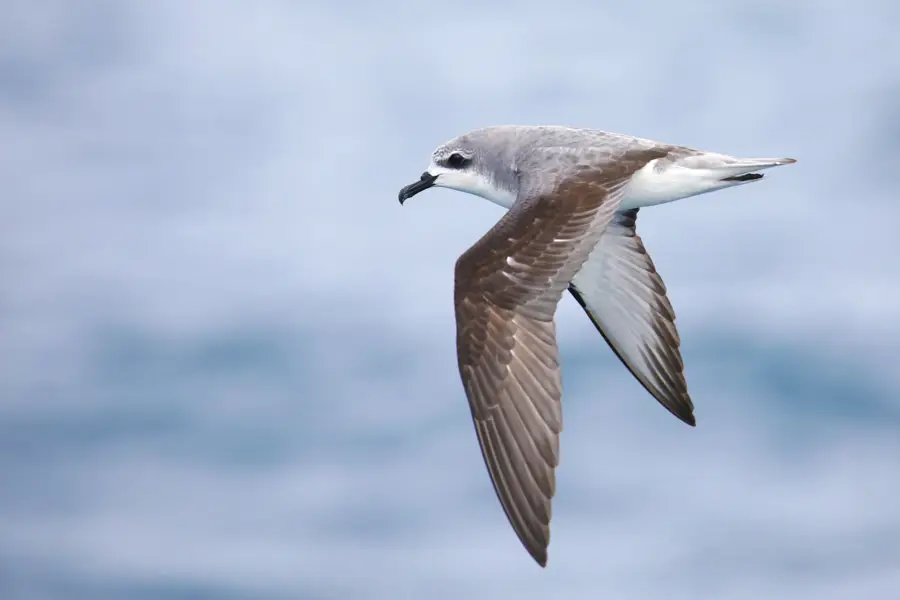
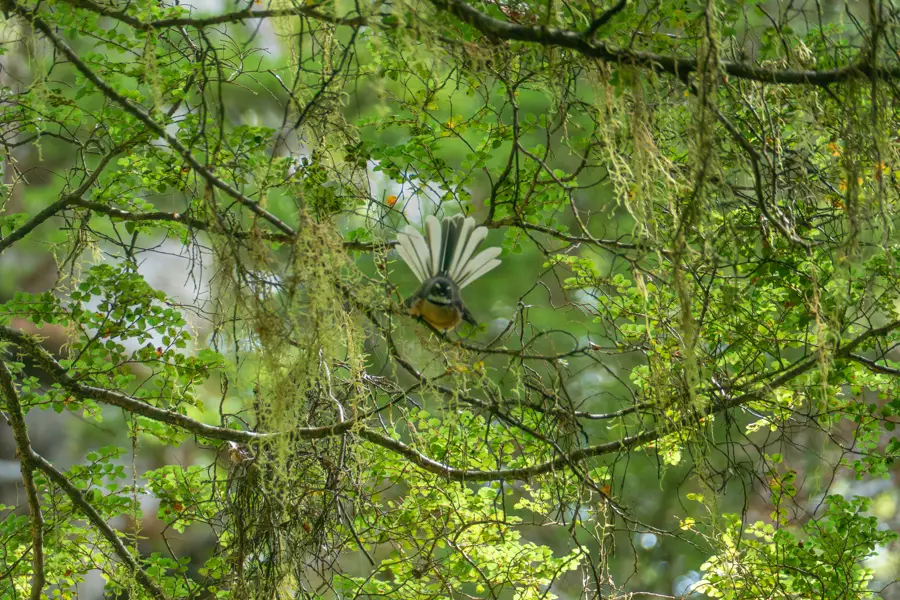
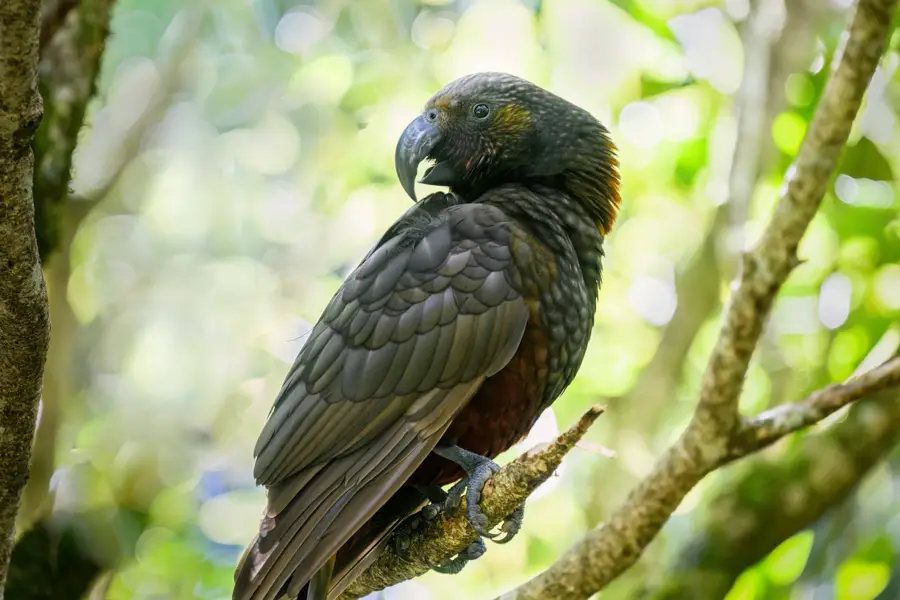
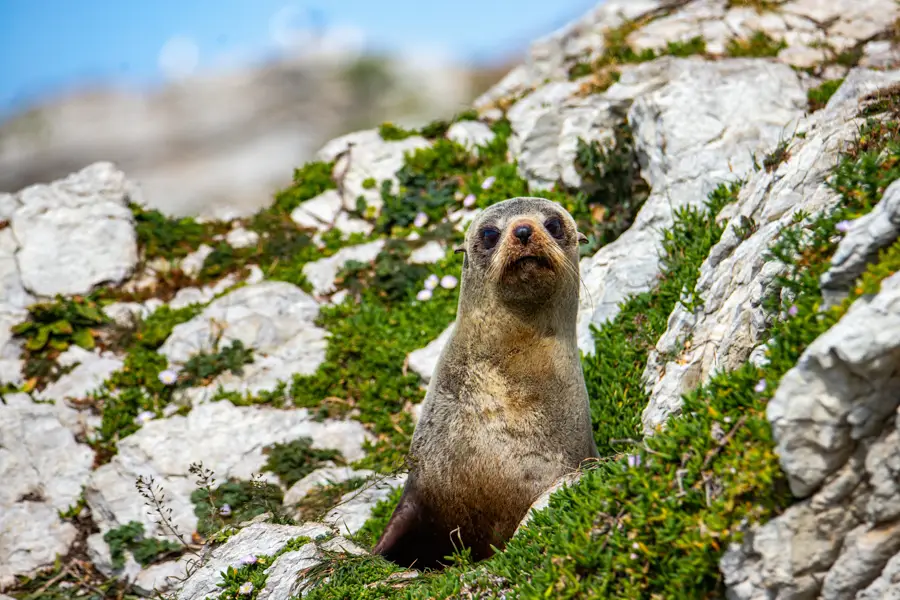
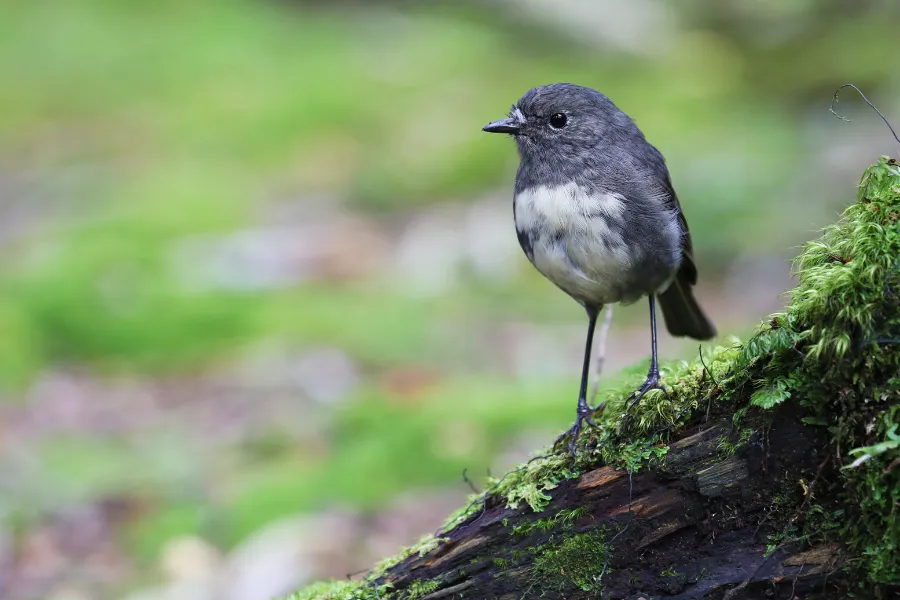
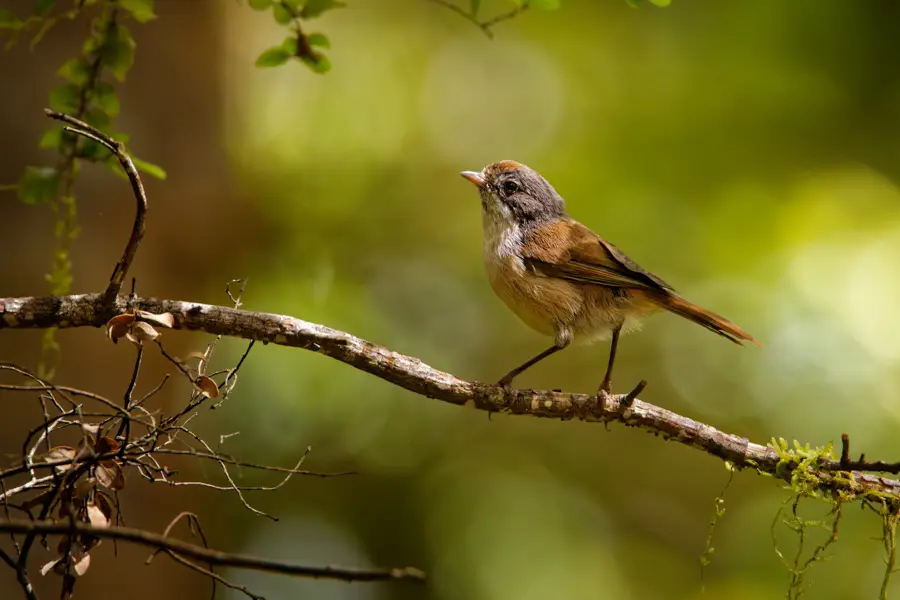
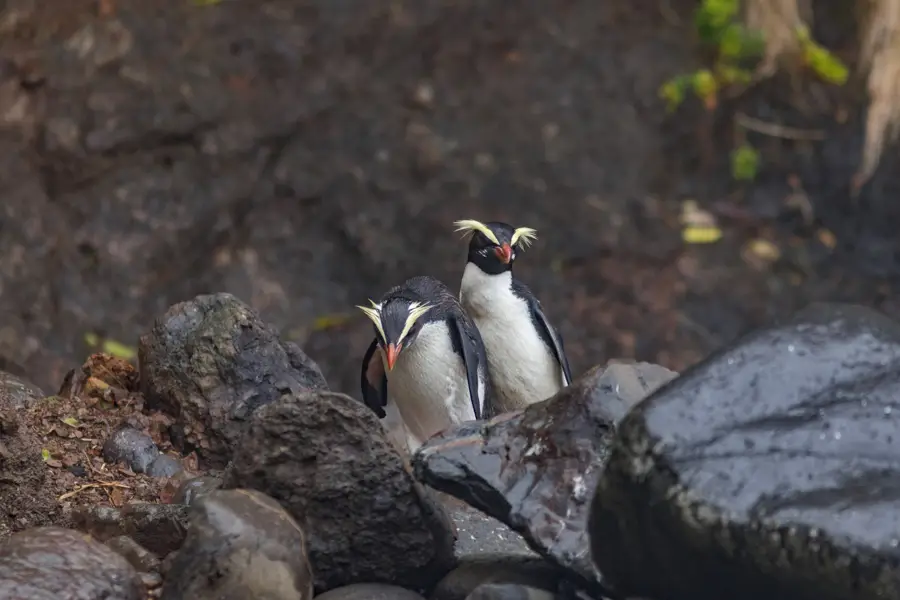
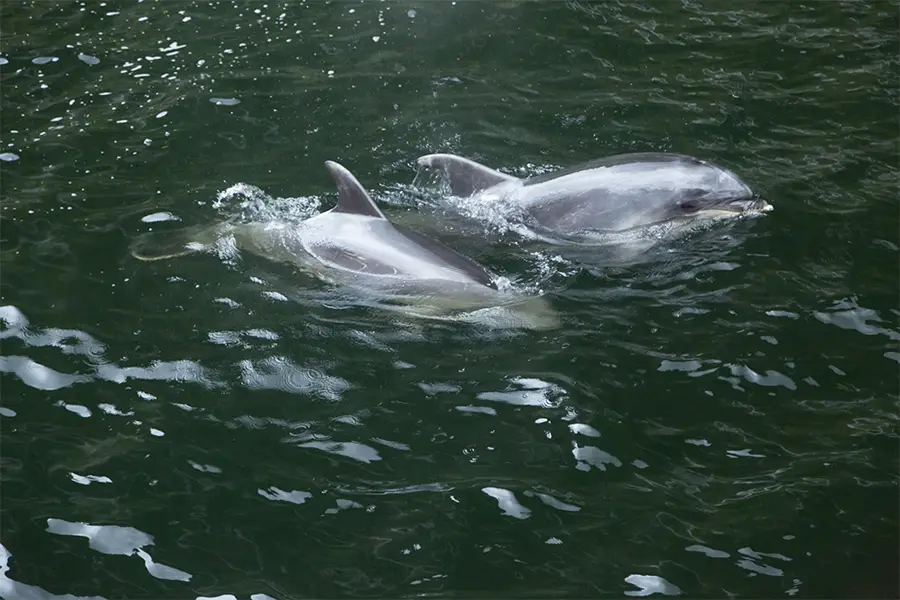
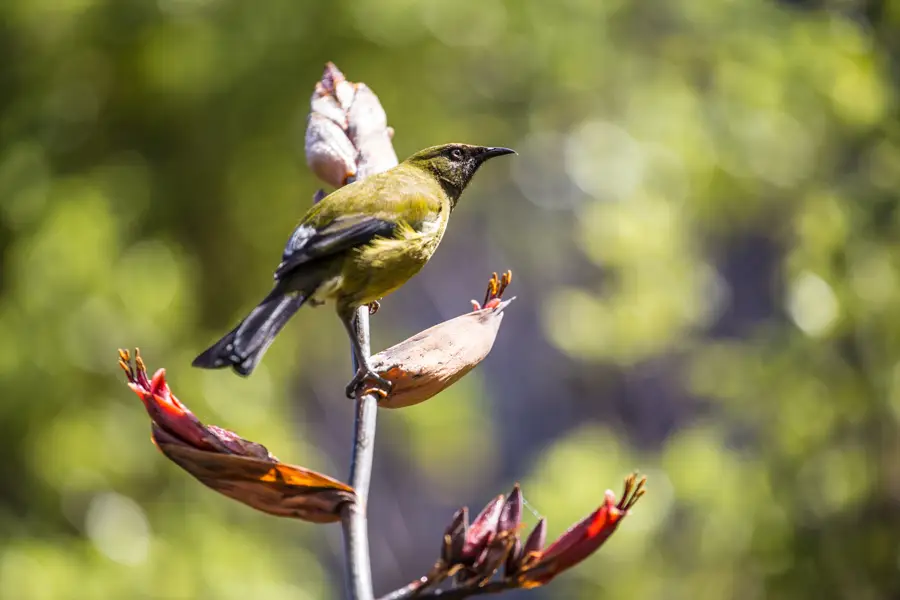
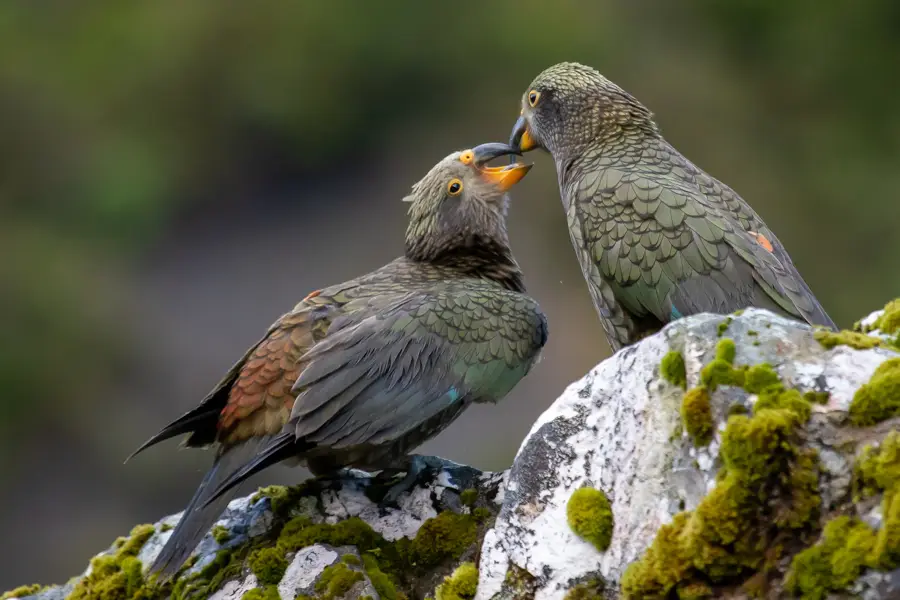
Wildlife encounters are a defining feature of this expedition. New Zealand fur seals are frequently found resting along rocky shores, while resident bottlenose dolphins move through the calm waters of the fiords. Along isolated coastlines, we may encounter the rare Fiordland crested penguin, and the surrounding forests support a remarkable array of endemic birdlife, including kākā, tūī, bellbird and South Island robin. Offshore, seabirds are ever-present, from wandering albatross and Westland petrel to short-tailed shearwater, reflecting the productivity of these southern waters.
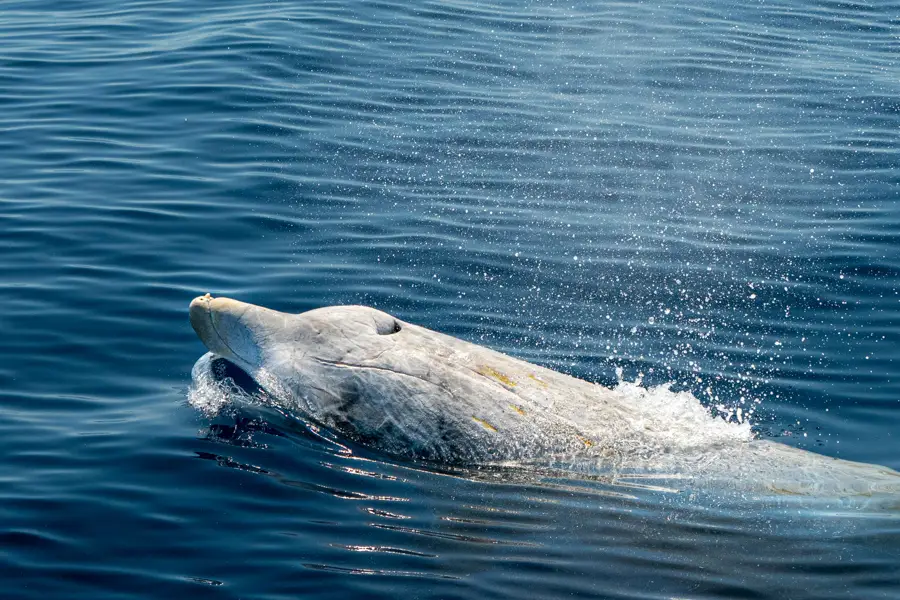
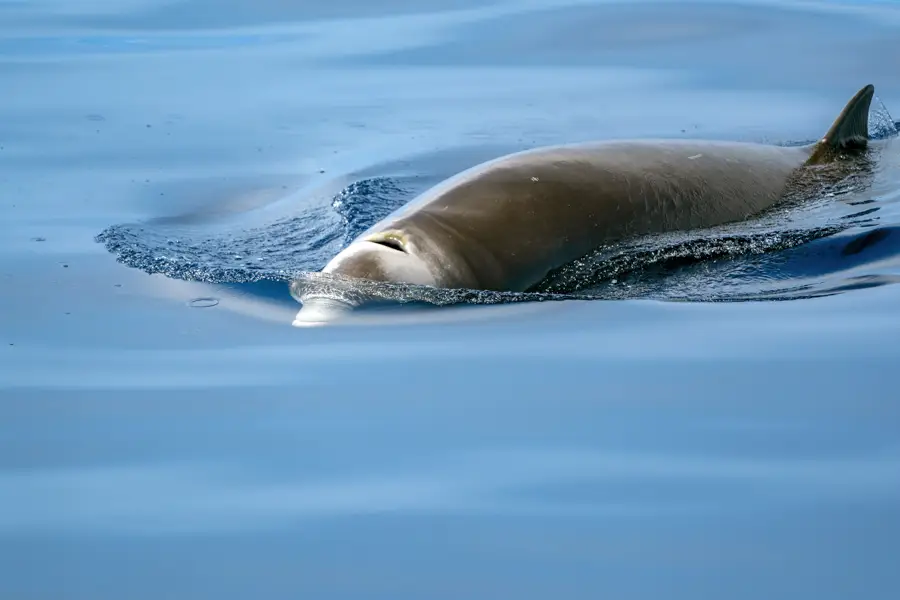
Beyond the shelter of the fiords, we aim to venture into the deep-ocean environment of the Puysegur Trench, a vast undersea feature lying just beyond Fiordland’s coast. This pioneering element adds an exciting exploratory dimension to the voyage, offering opportunities to search for cetaceans and pelagic species. Of particular interest are elusive deep-diving species such as beaked whales, which are believed to frequent these nutrient-rich waters but remain poorly understood due to the isolation and depth of their habitat. While never guaranteed, there is always the exciting possibility of encountering the world’s largest animal. Blue whales have been recorded in these waters and sightings are most likely along the continental shelf and deep offshore waters.
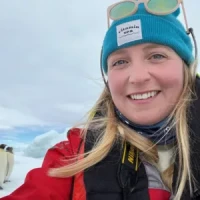
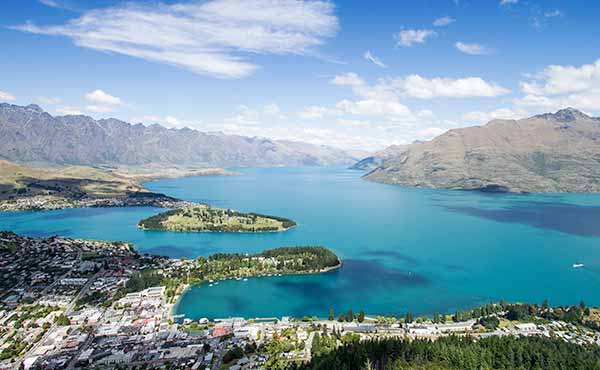
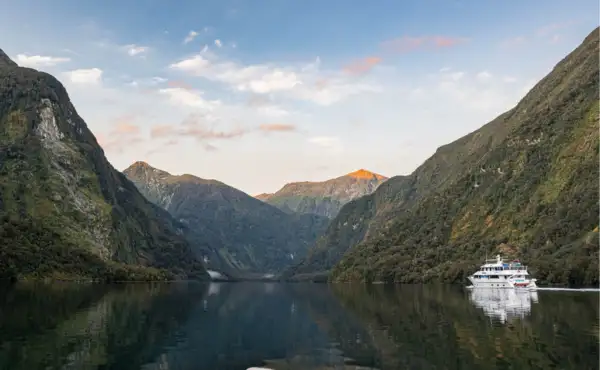
With our expedition beginning and ending in Queenstown, we enjoy a relaxed start and finish to our journey. At sea, we travel aboard Heritage Explorer, a 30-metre, 18-guest expedition yacht ideally suited to Fiordland’s sheltered waters and remote offshore regions. Led by much-loved tour leader Helen Bryon and experienced wildlife guide Hazel Pittwood, this unique and carefully designed itinerary offers an intimate expedition combining sheltered fiords, rich wildlife encounters and pioneering offshore exploration.
Typical Itinerary
-
Day 1:
Depart UK
-
Day 2:
En route to New Zealand
-
Day 3:
Arrive in Queenstown
We arrive in Queenstown and transfer to our accommodation. The remainder of today is free to relax and explore.
Accommodation: Rendezvous Heritage Hotel, 1-night
-
Day 4:
Embarkation
Today we transfer to Te Anau and fly via helicopter to Preservation Inlet for embarkation. We set sail along Long Sound, admiring the raw beauty of this remarkable wilderness.
Accommodation: Heritage Explorer, 10-nights
-
Day 5:
Preservation Inlet
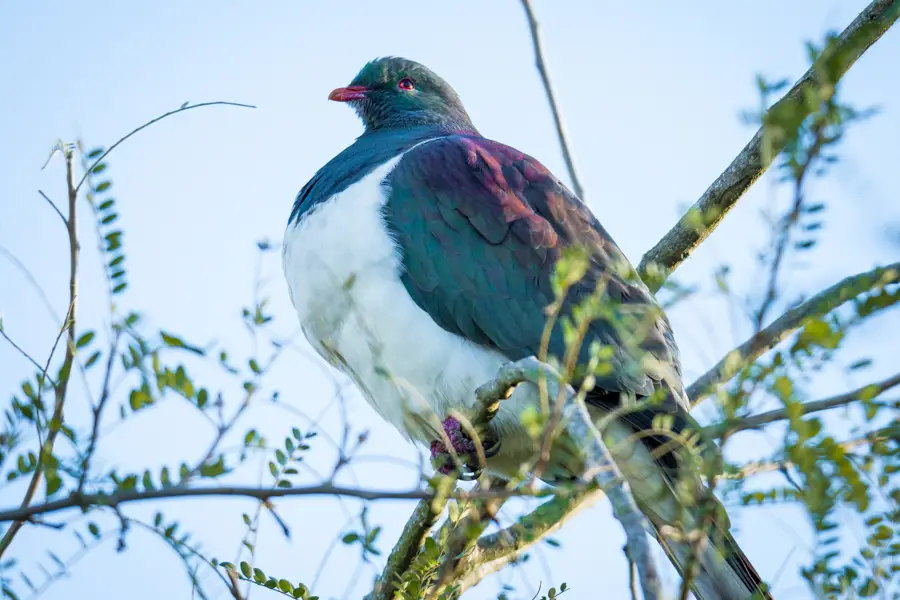
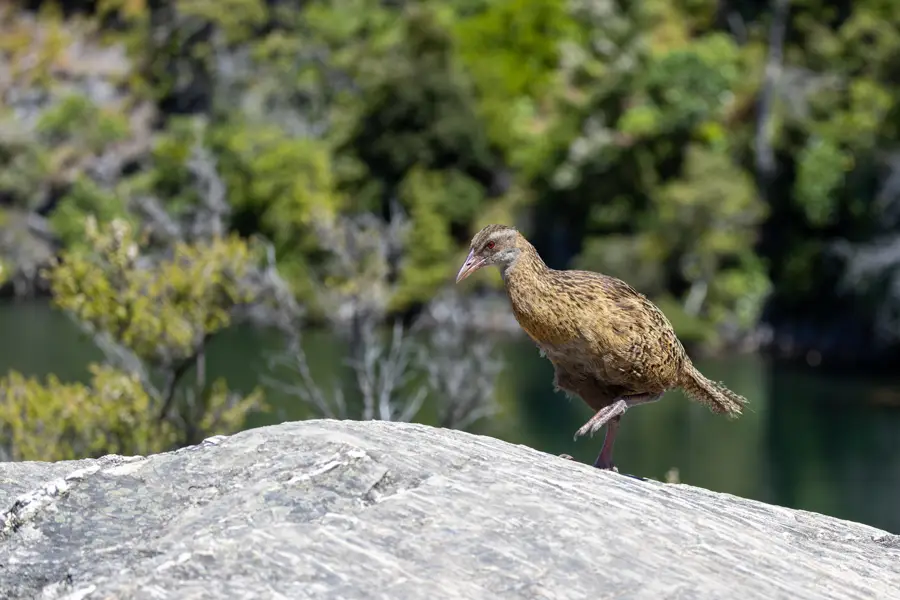
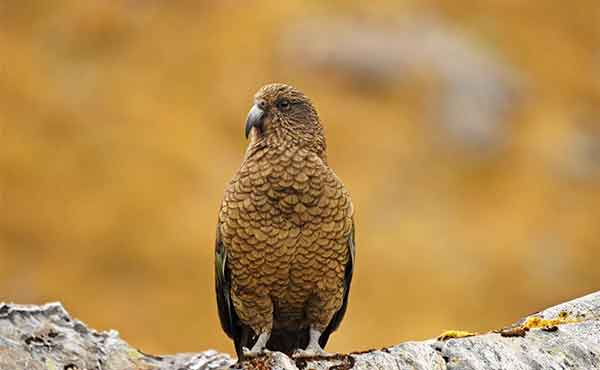
Preservation Inlet offers superb wildlife encounters, with kererū, kākā, weka and kea all possible along the forested shores.
In the sheltered waters, look out for dolphins and, if we’re fortunate, passing whales moving through the inlet.
-
Day 6:
Chalky Inlet
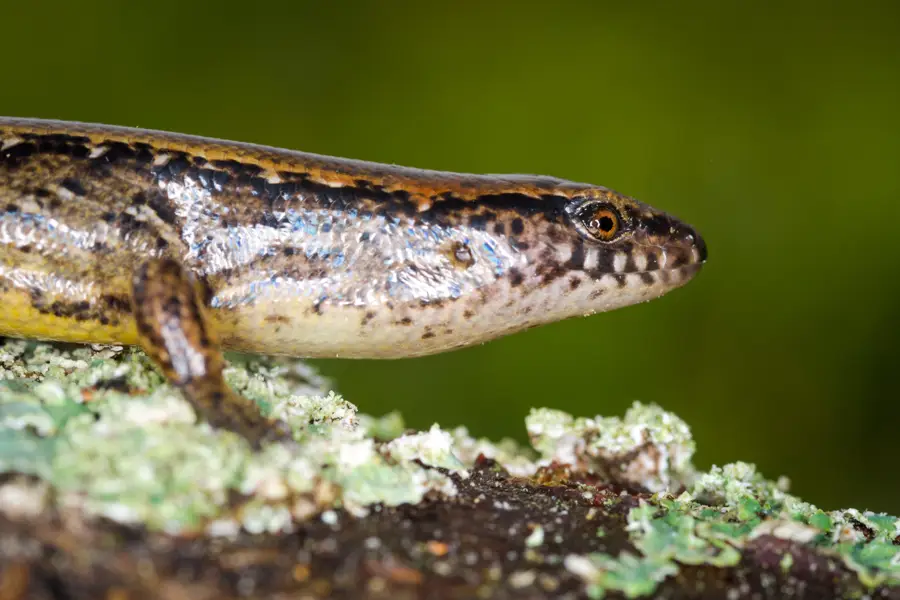
Chalky Inlet offers rare wildlife encounters, from predator-free islands home to little spotted kiwi and kākāpō to endemic skinks basking on rocky shores.
Above, petrels circle the fiord, highlighting the richness of this protected environment.
-
Days 7-8
:
Dusky Sound, Anchor Island & Pigeon Island
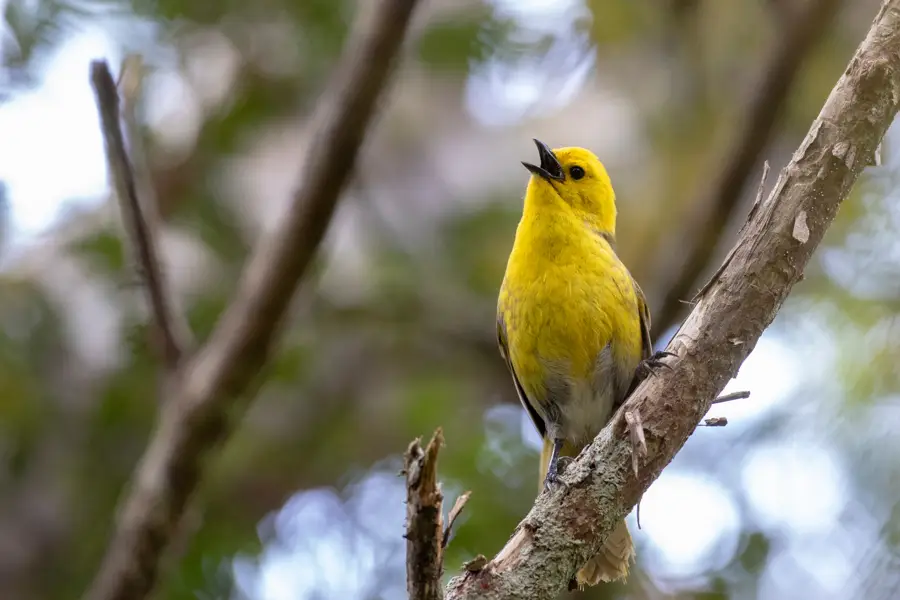
With two days in Dusky Sound, we explore a network of islands and sheltered waterways rich in native wildlife. Along forested shores, weka and South Island robin are common, while kākā, mōhua, tīeke and New Zealand pigeon dance in the canopy. In the calm waters of the fiord, resident bottlenose dolphins are often seen.
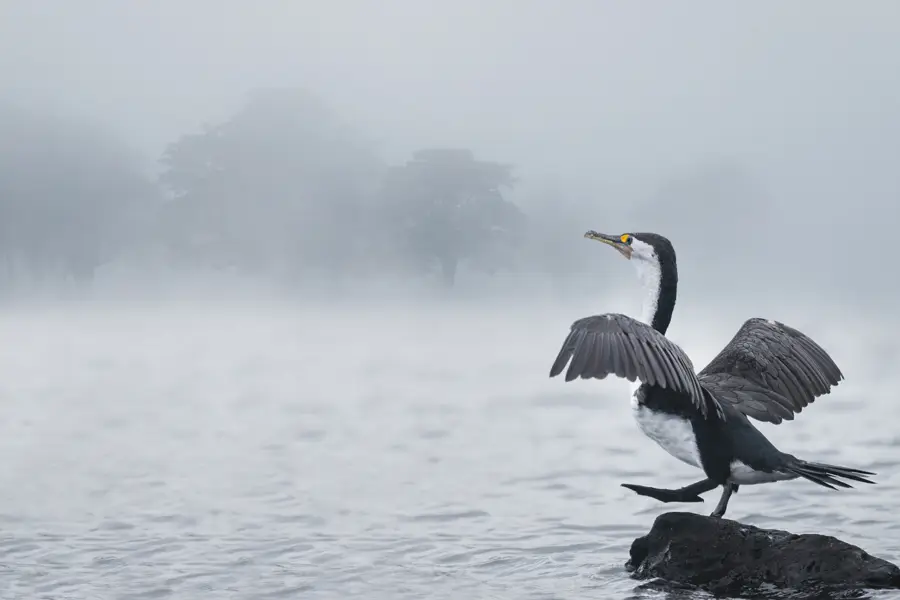
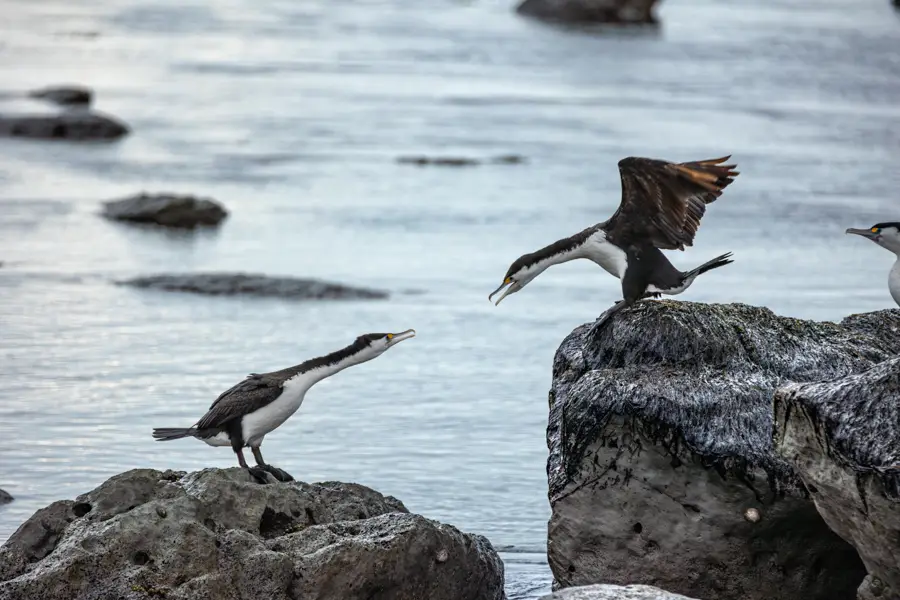
Predator-free Anchor Island and nearby Pigeon Island highlight Fiordland’s global conservation importance. Anchor Island protects half the world’s population of kākāpō and supports little spotted kiwi, while surrounding rocks host New Zealand fur seals and colonies of shags.
-
Day 9:
Breaksea Sound & Breaksea Island
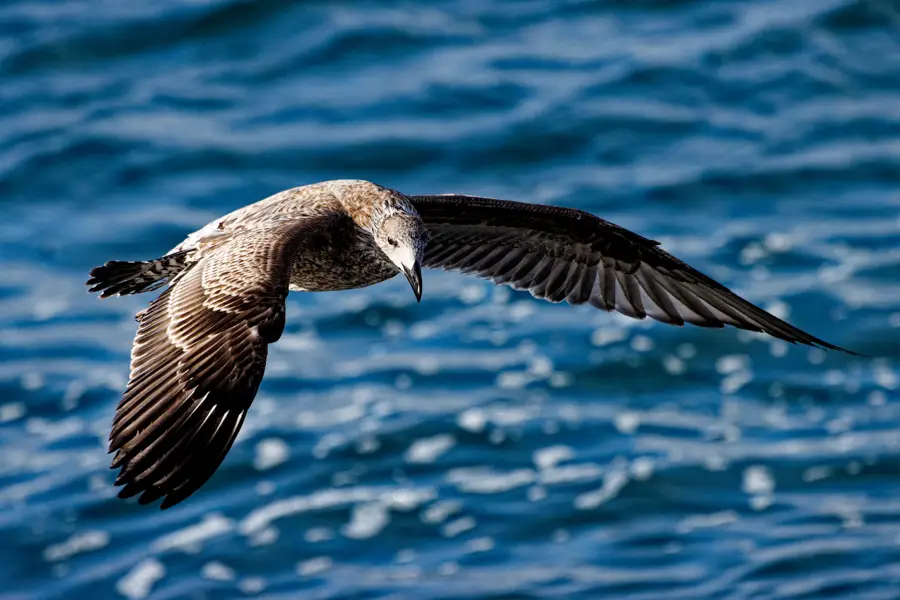
As we enter the sheltered waters of Breaksea Sound, we scan the skies for seabirds drawn to this productive coastline, with wandering and Buller’s albatross often gliding past.
Now a strictly protected nature reserve, Breaksea Island is a landmark in New Zealand’s conservation history as the site of the country’s first successful island rat eradication, offering insight into the vital links between Fiordland’s marine and terrestrial ecosystems.
-
Days 10-12
:
Venturing Offshore: The Puysegur Trench
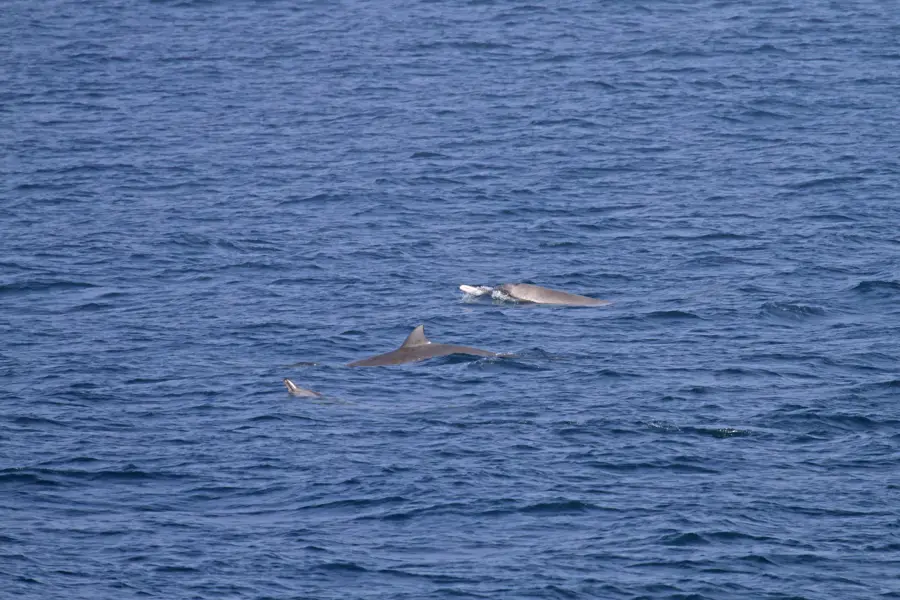
During these days we have the rare opportunity to venture offshore into the little-studied waters of the Puysegur Trench, a deep-sea feature that begins almost immediately beyond the continental shelf and creates a highly productive marine environment. Weather permitting, we aim to spend time observing and identifying cetaceans and seabirds, with a particular focus on elusive deep-diving species such as beaked whales.
Above the waves, wandering, royal and black-browed albatross, petrels, shearwaters, skuas and shags may accompany the ship, offering insight into the richness of these offshore waters.
-
Day 13:
Explore Doubtful Sound
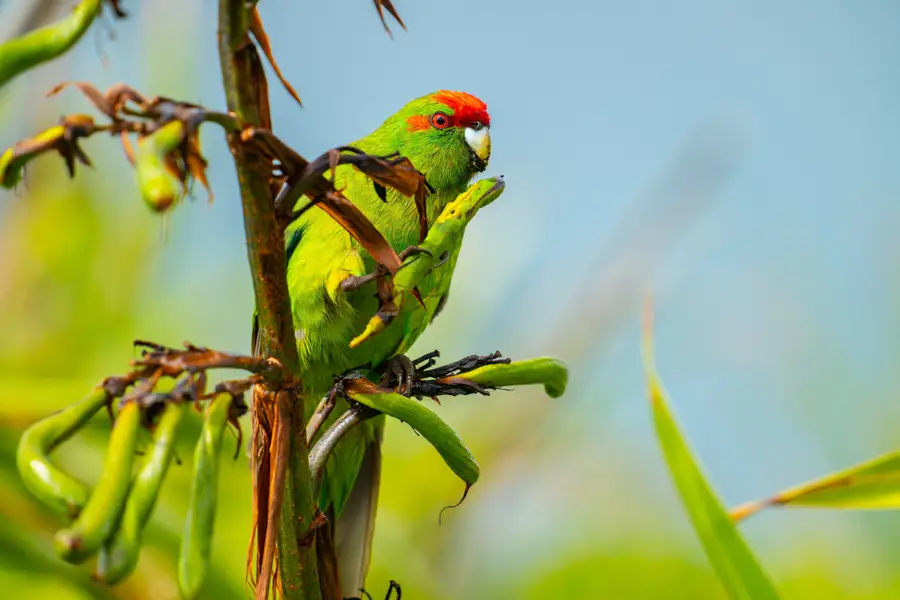
Returning to the sheltered waters of Fiordland, we sail into Doubtful Sound, New Zealand’s deepest fiord and one of its most remote wilderness landscapes. These calm, little-disturbed waters are a haven for wildlife, with resident bottlenose dolphins frequently encountered, New Zealand fur seals resting on rocky shores, and the possibility of Fiordland crested penguin, along with passing humpback or minke whales. Along the forested shoreline, birdsong reveals brown creepers, kākā, kākāriki, piwakawaka, bellbirds and tūī.
-
Day 14:
Disembark & travel back to Queenstown
This morning we navigate to the head of Doubtful Sound. After a final breakfast on board, we disembark and travel to Queenstown.
Accommodation: Rendezvous Heritage Hotel, 1-night
-
Day 15:
Fly back to UK, arriving the next day

.webp)
 MICRO VESSEL