Travel, experience, conserve with
Phone:
Jump to main menu

Join Mark Carwardine for a bird photography extravaganza in one of Hungary’s rural biodiversity hotspots using a range of hides developed by one of the world’s leading photographers, Bence Máté.

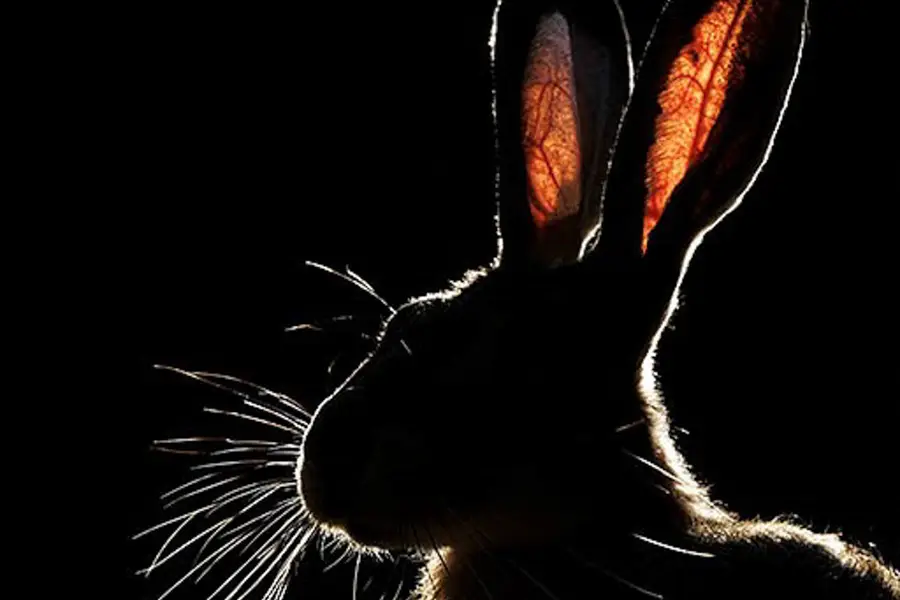
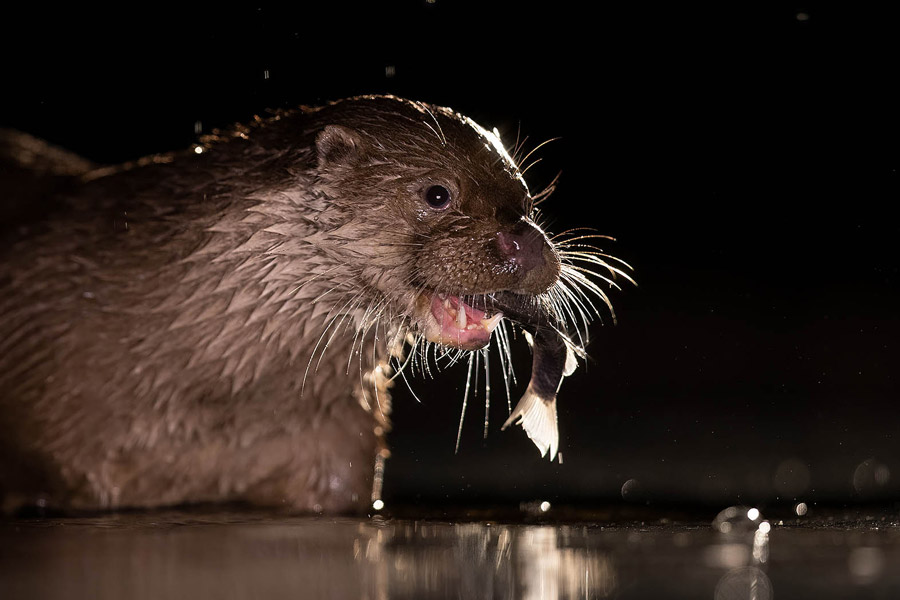
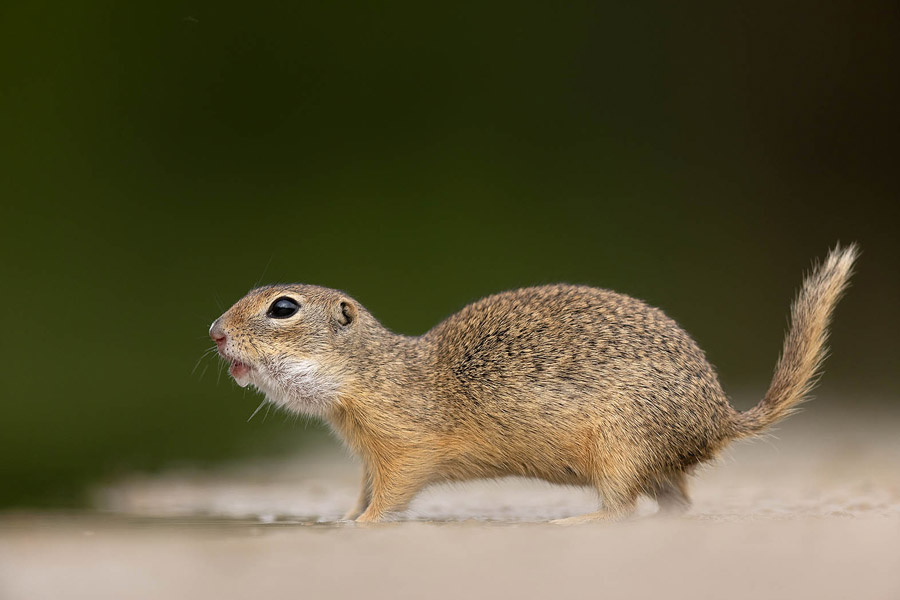
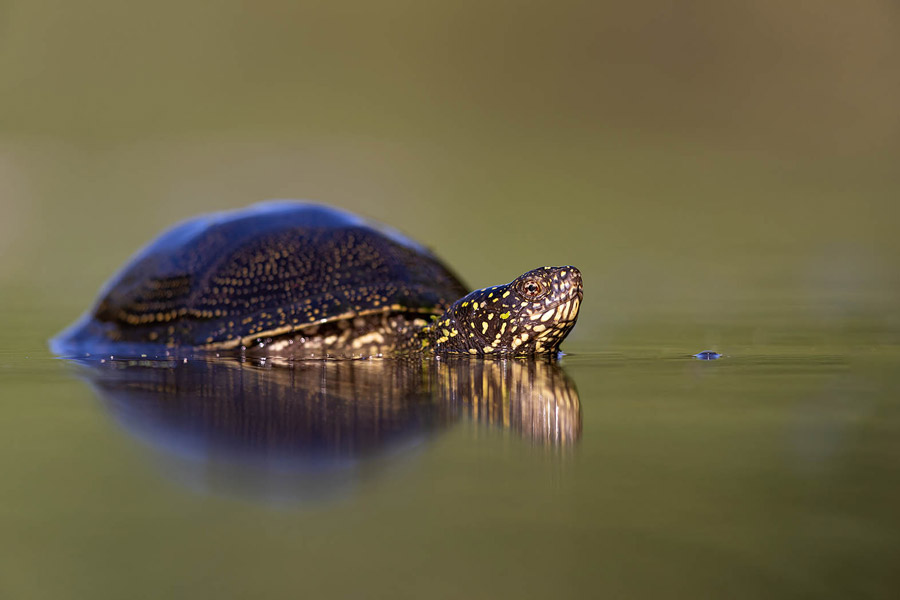
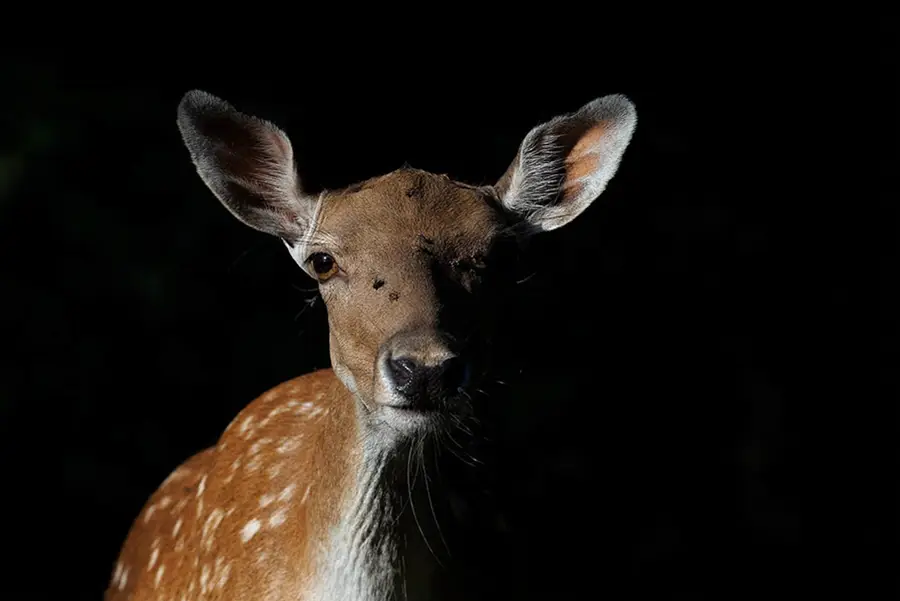
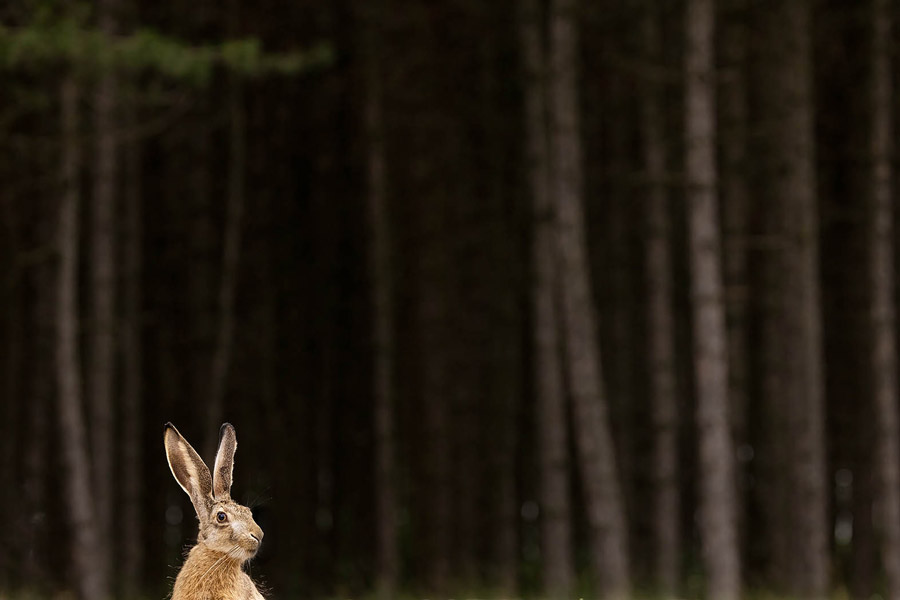
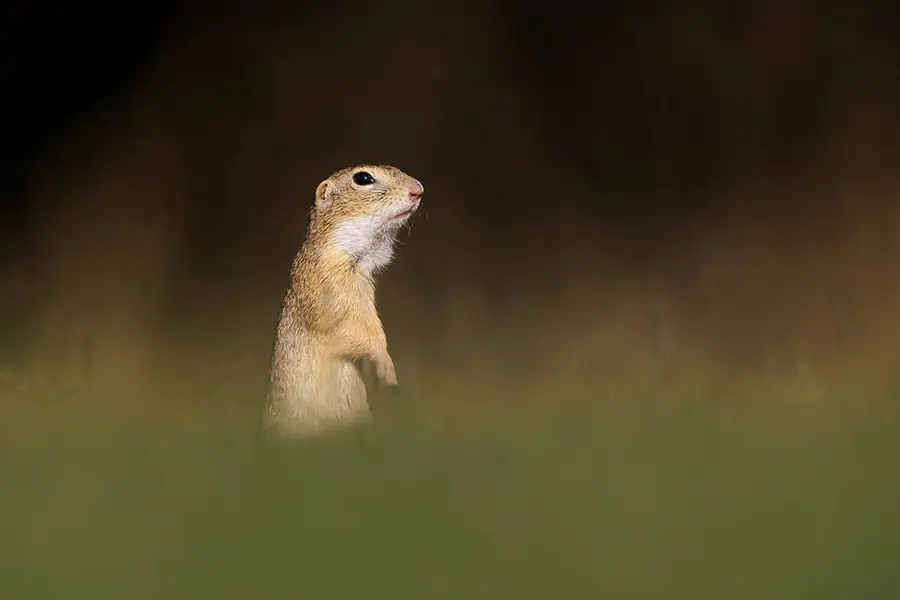
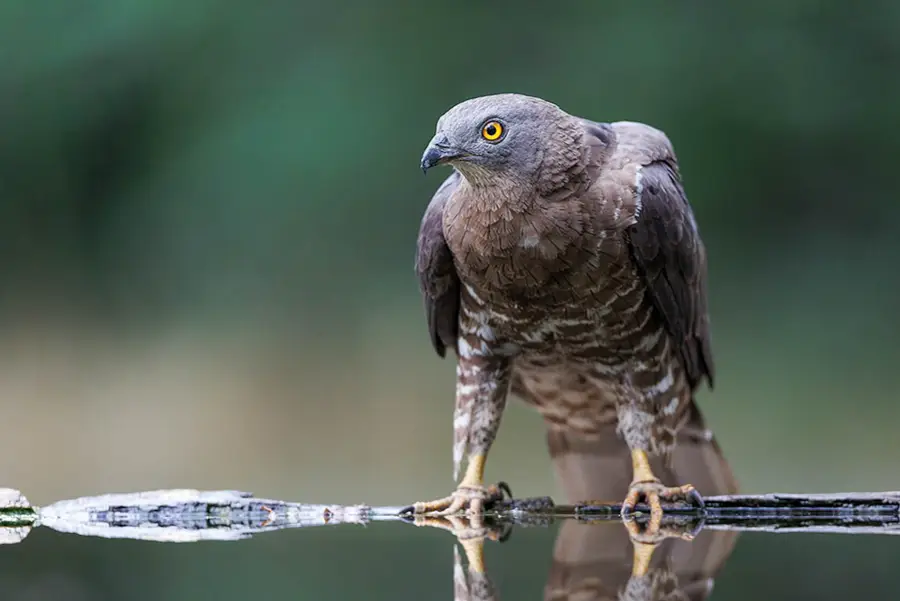
Hungary’s rich landscapes support a staggering diversity of wildlife, particularly in the wetlands and farmland in the country’s south. It's here that we base ourselves for a week on our wildlife photography tour, utilising the incredible hides constructed by the renowned wildlife photographer Bence Máté. Bence’s farm is 12 hectares and a bird photography paradise, with up to 24 hides available and a possible 178 species photographed (depending on the time of year). There are also a number of mammals which can be seen and occasionally photographed such as roe deer, otters, ground squirrels and brown hare.

All the hides have been designed and built by Bence to a detailed specification, with a specialist focus on photography. The hides available will determine what species can be photographed, but you can be assured that you can build up a world-class portfolio of imagery throughout the week. 

Here's what has been said about the trip before:

“A wildlife photographer’s dream, whatever your experience. A whole week immersed in your camera, in fabulously ingenious hides, providing unrivalled proximity to brilliant wildlife photo opportunities. I can’t recommend this trip more highly and definitely want to return!”

And you can find out more about Hungary's wildlife photography in Mark's blog.

Typical Itinerary

  1. Day 1: Arrive Hungary

    We are met on arrival at Budapest and transferred to Pusztaszer. The drive to our accommodation will only take around two hours.

    Accommodation: Bence Máté's Wildlife Hides, 7-nights

  2. Days 2-7 : Hide Photography & Workshops

    We spend the next six days utilising the property’s hides to build an impressive portfolio of imagery. You can choose your hides (depending on seasonal availability) each evening before heading into them the following day. 

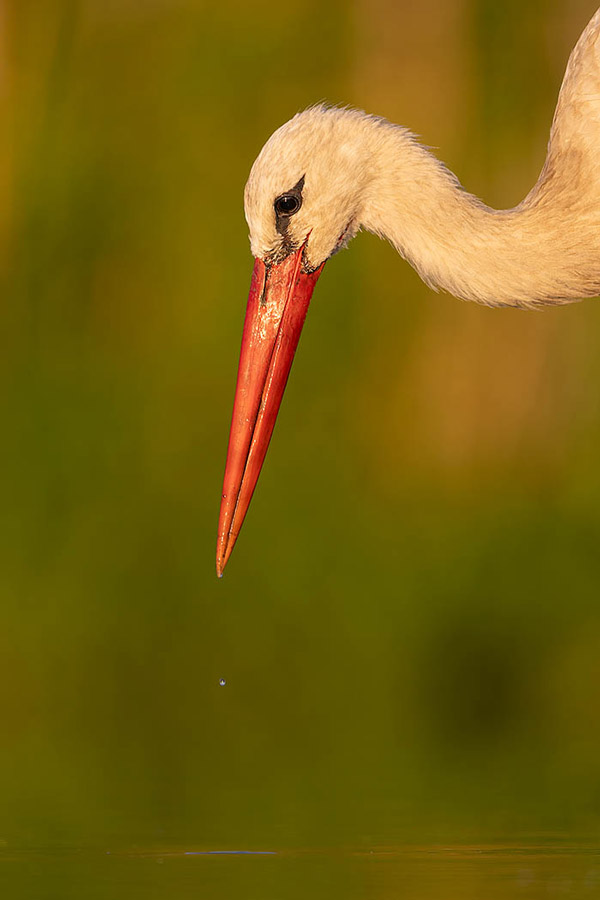
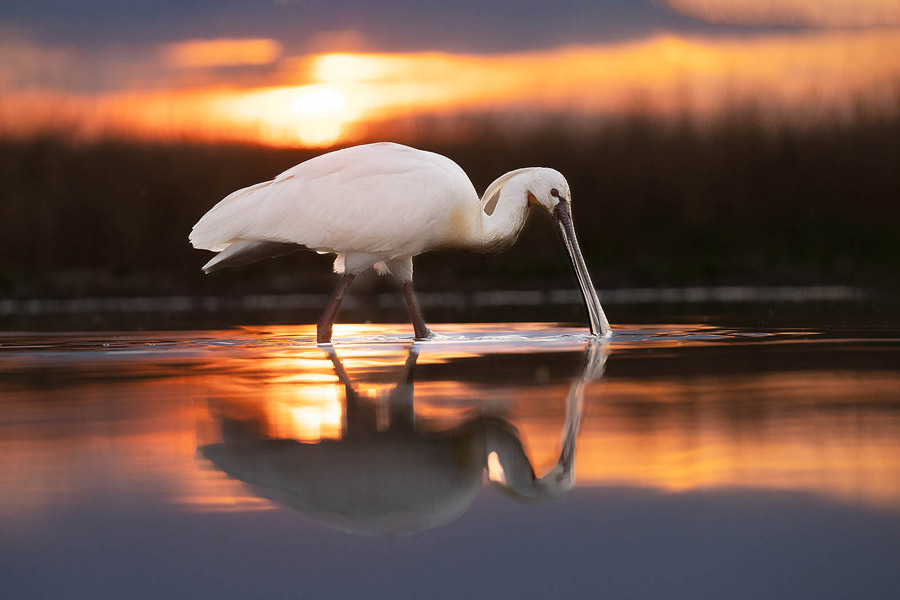
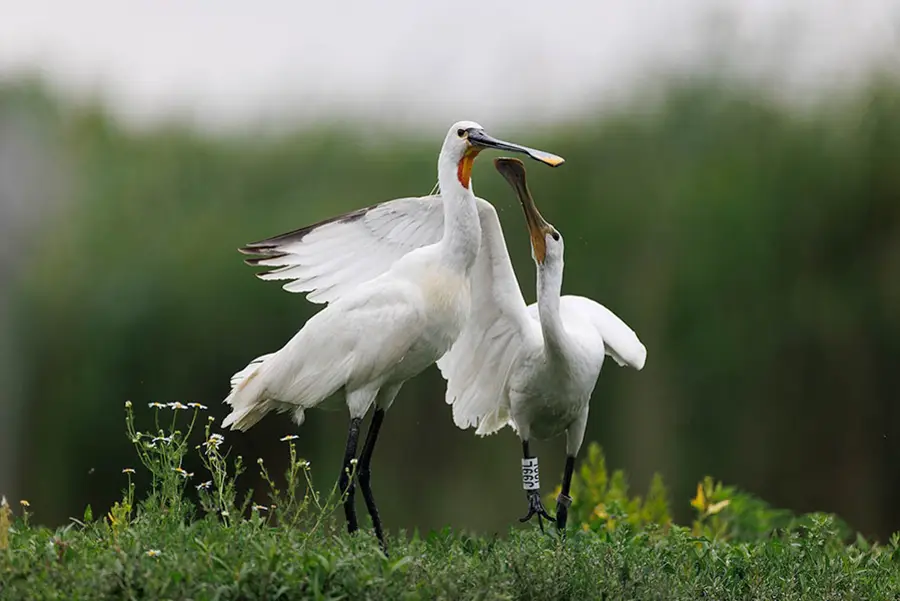
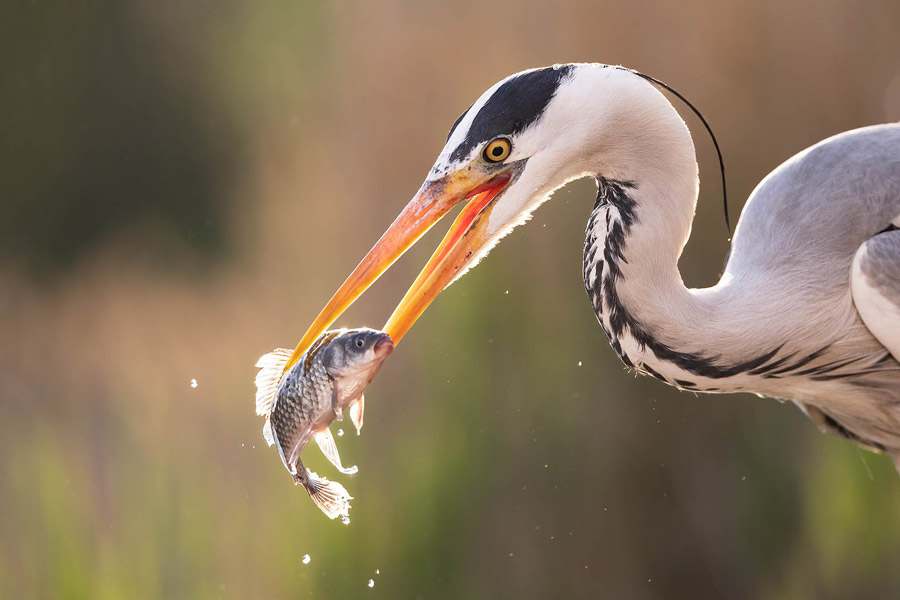
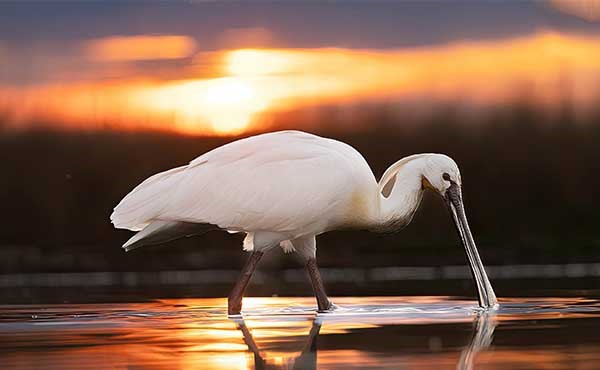
    For example, if you fancy shooting herons, egrets, storks and spoonbills from a few metres away, you might choose the Theatre Hide (which is partly underwater – you stay perfectly dry but shoot at water level with fantastic perspectives of the birds).

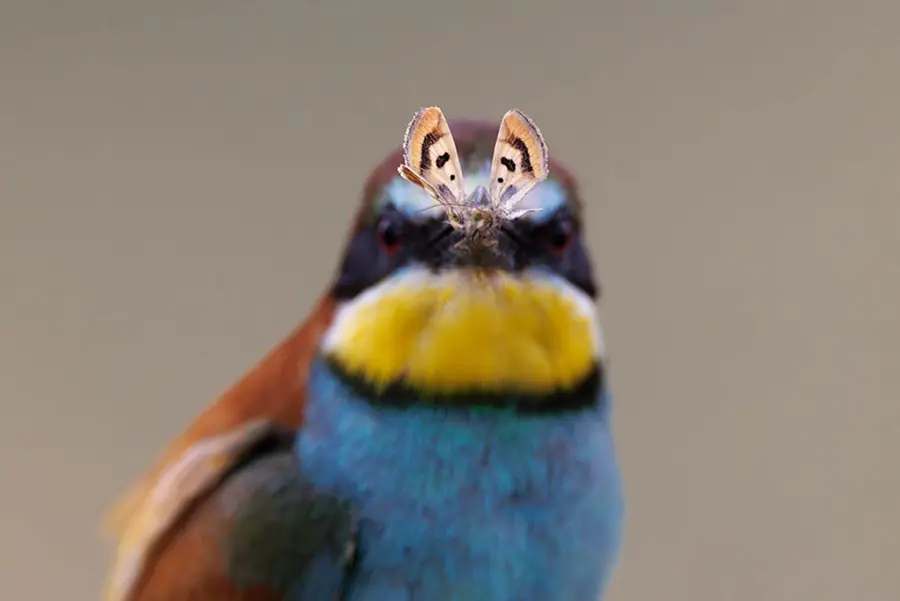
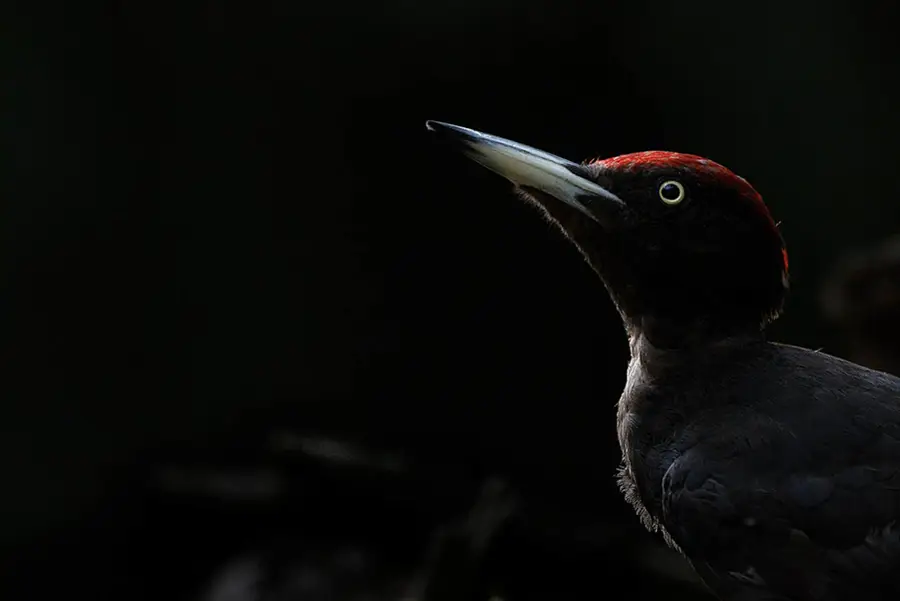
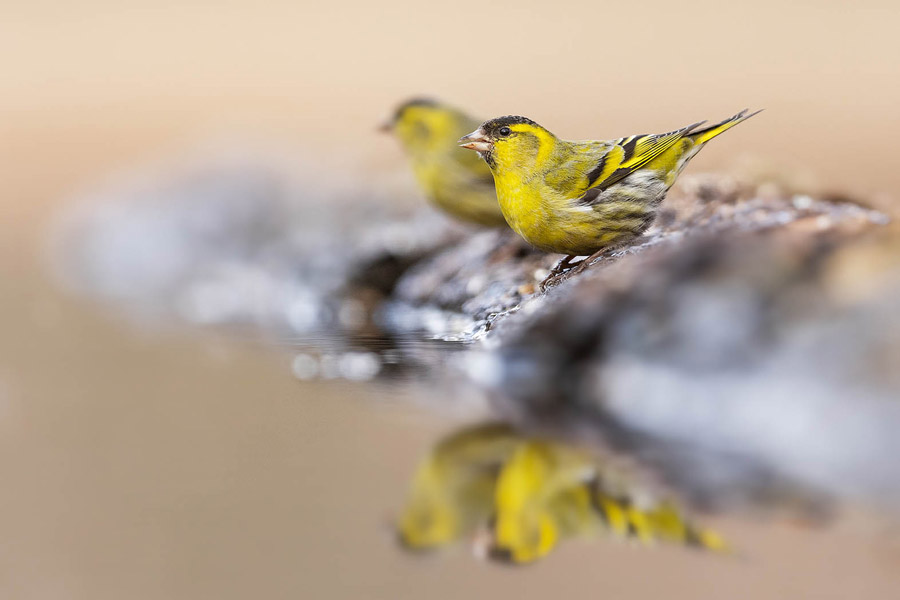
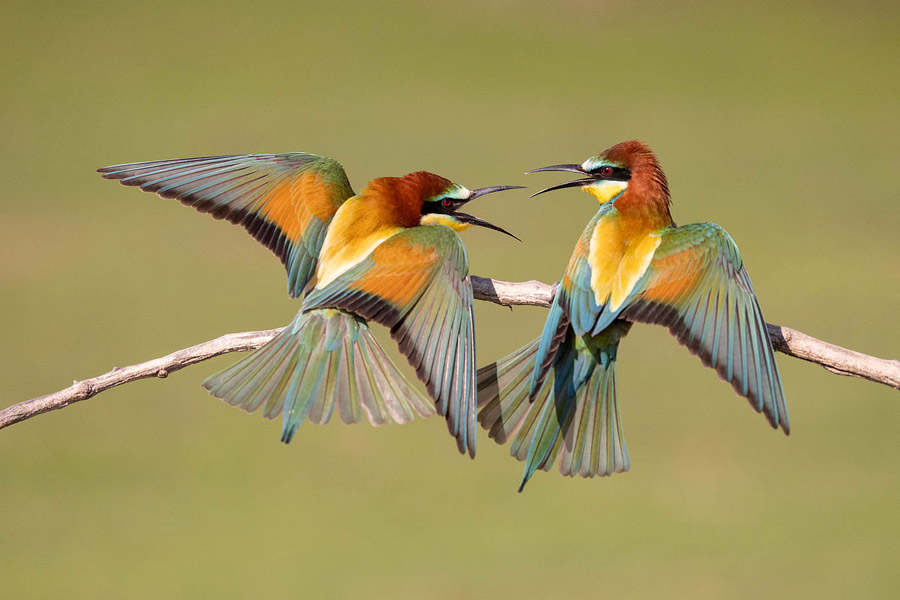
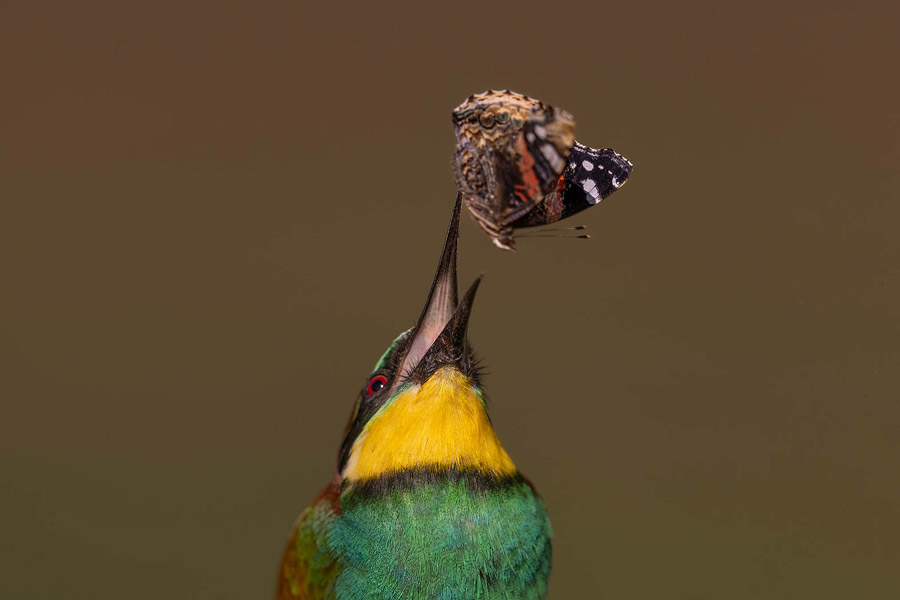
    On other days you might like to focus on elusive woodland species such as black woodpecker and hawfinch, visiting perfectly designed perches and reflection pools, or eagles and bee-eaters against beautiful backdrops.

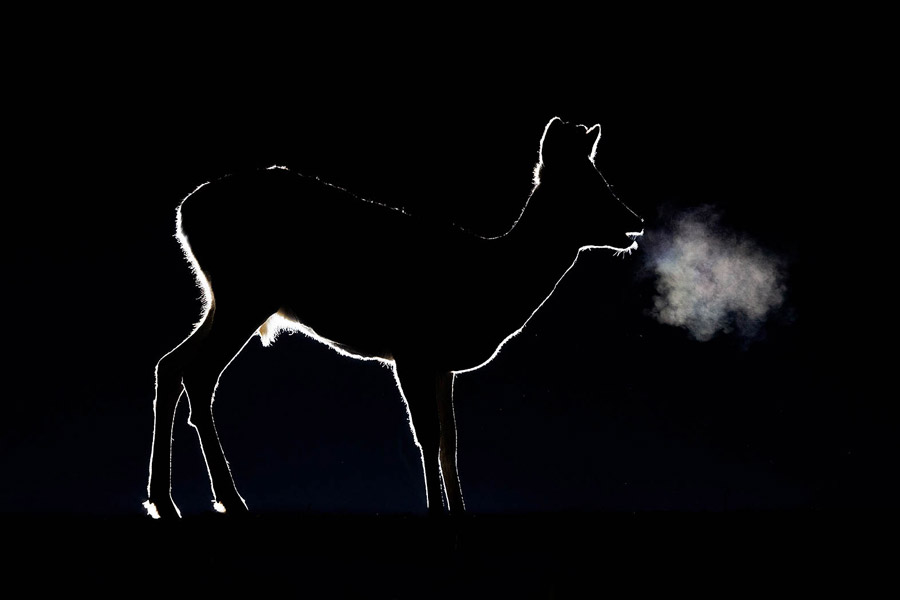
    Mark will rotate between hides to spend as much time with everyone as possible. You can start shooting at 04:00, if you like, or have a lie-in and start much later. It’s entirely up to you. Depending on the season, there will even be opportunities to shoot overnight, with natural and artificial lighting. One hide – popular for overnight shoots – has a toilet and even bedrooms.

    By the end of the week you should have built up a remarkable portfolio and hopefully learnt a few new things too. 

    The species you're likely to photograph varies depending on the season you travel:

    Winter species

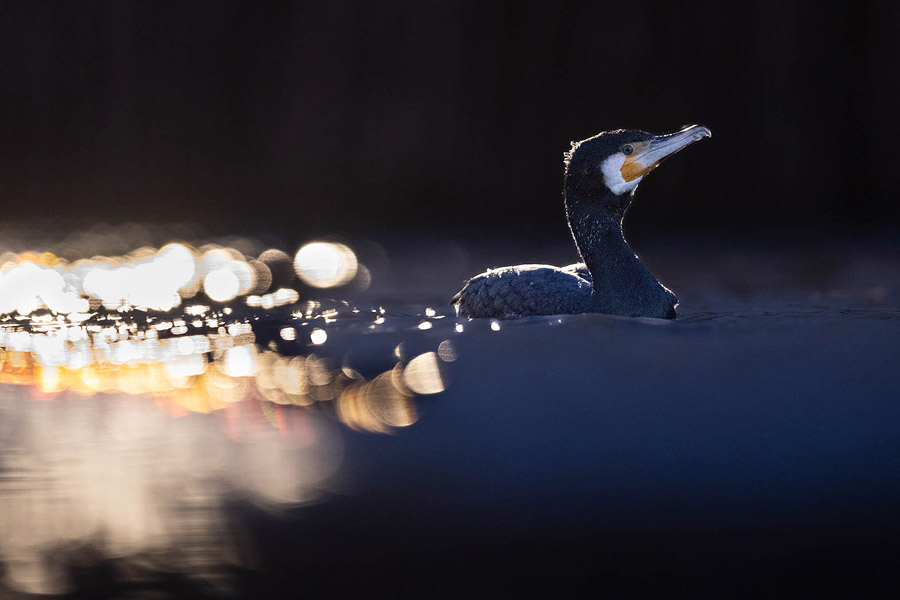
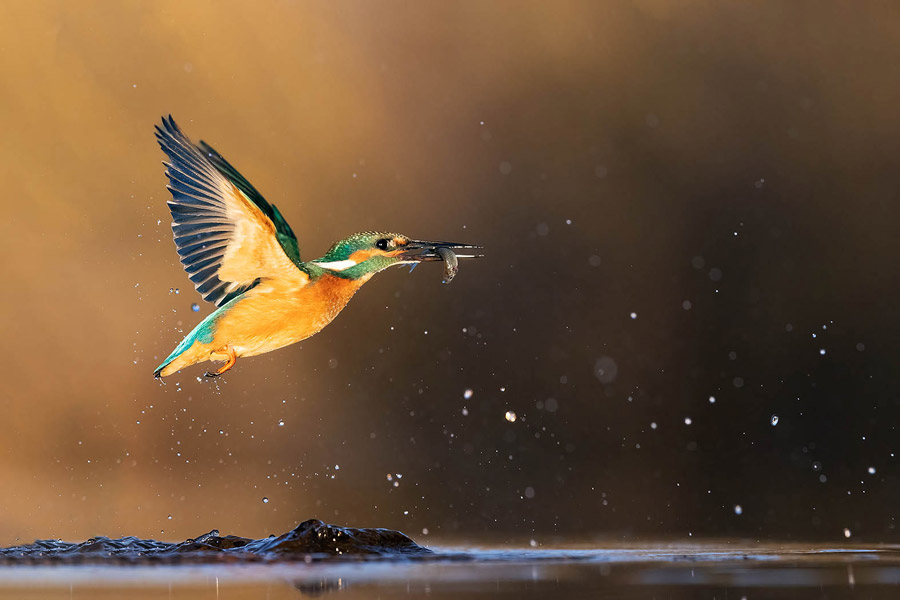
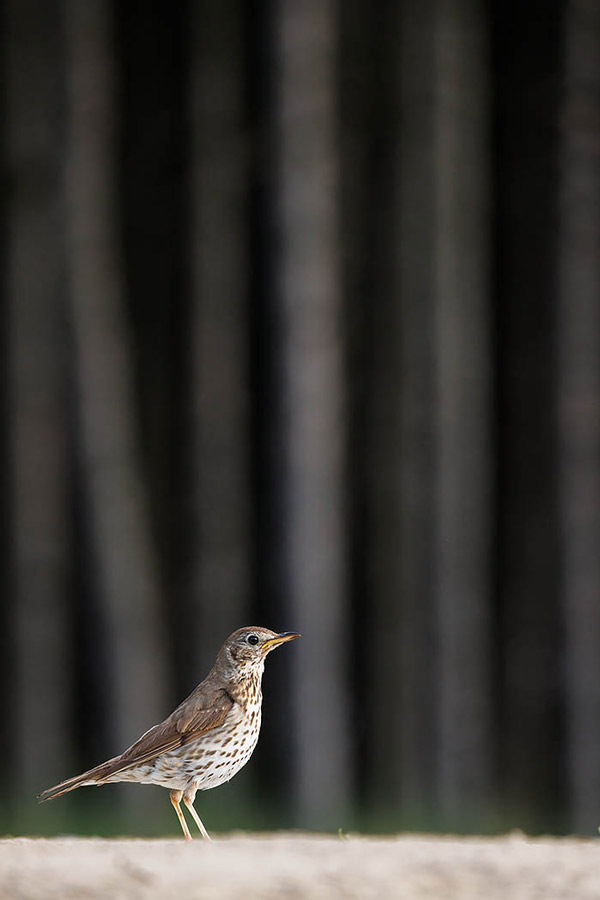
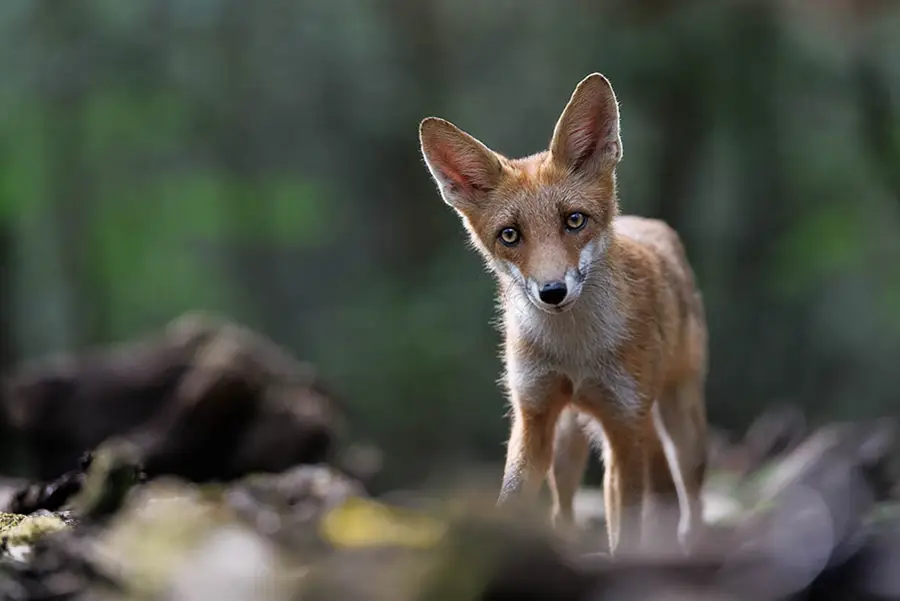
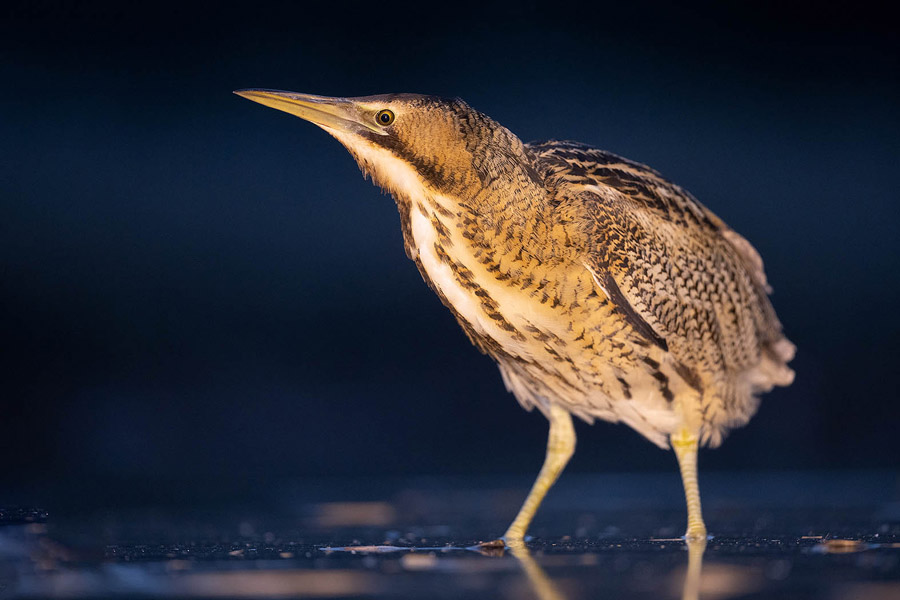
    White-tailed eagle, common buzzard, spoonbill, bittern, water rail, great white egret, grey heron, great cormorant, pygmy cormorant, Caspian gull, black-headed gull, hooded crow, kingfisher, brambling, hawfinch, siskin, song thrush, jay, otter, red fox, roe deer, hare, and many others.

    Spring/summer species

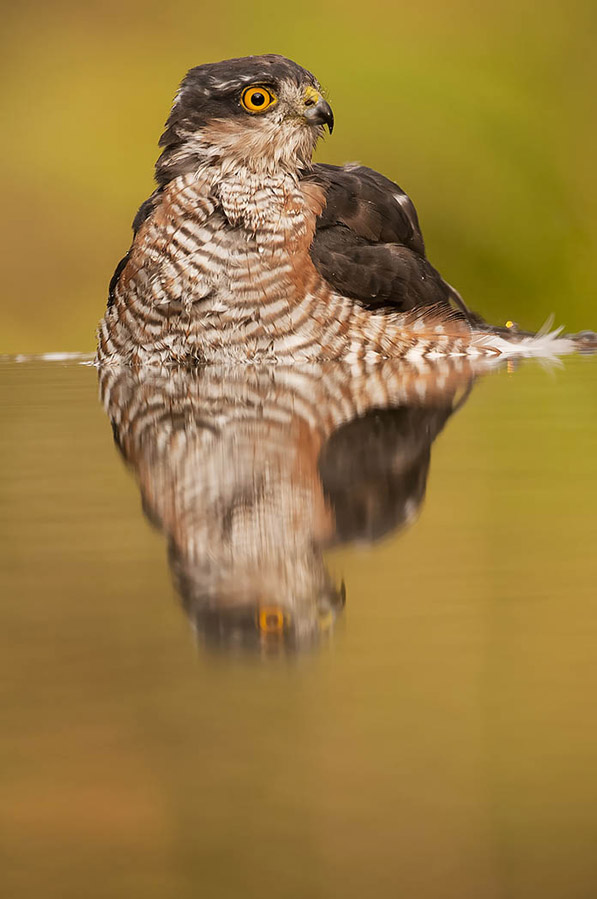
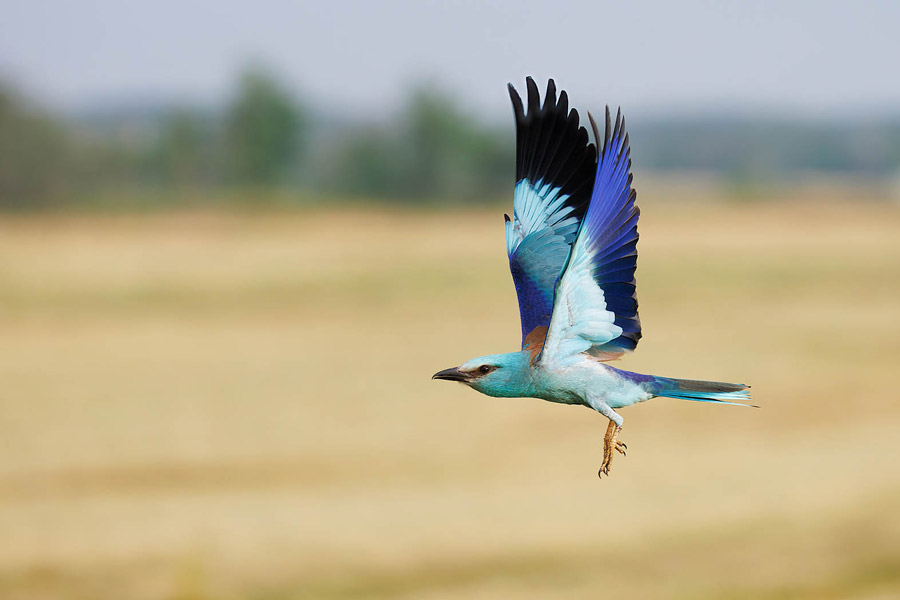
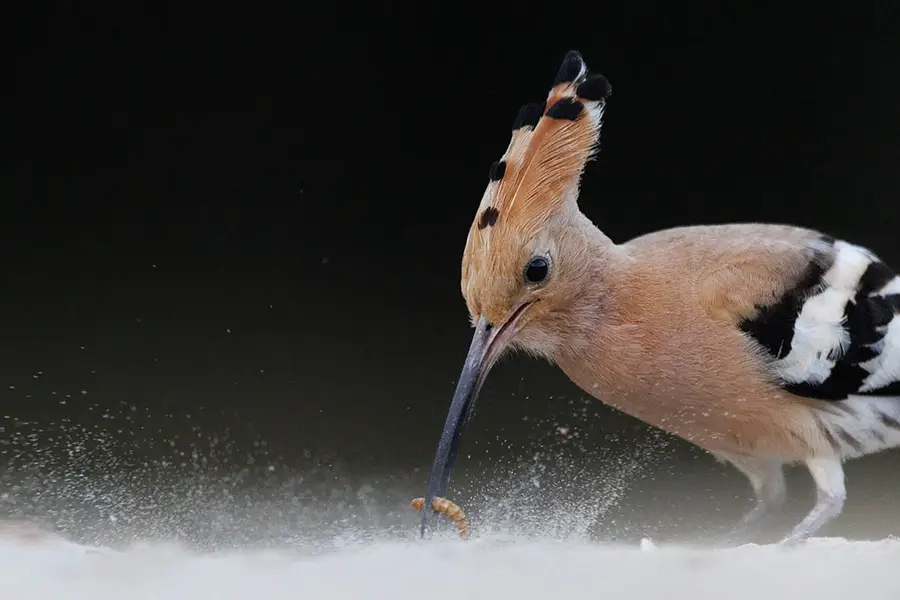
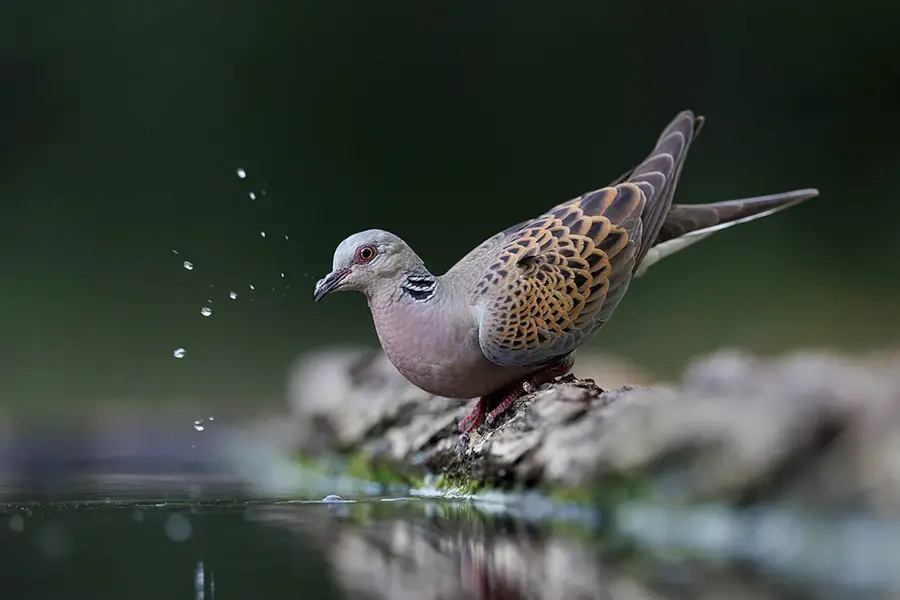
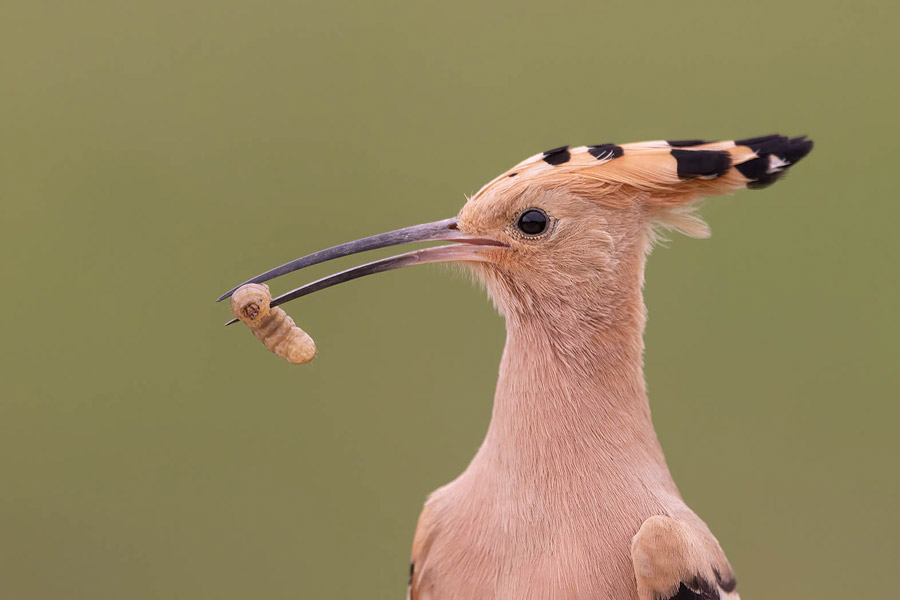
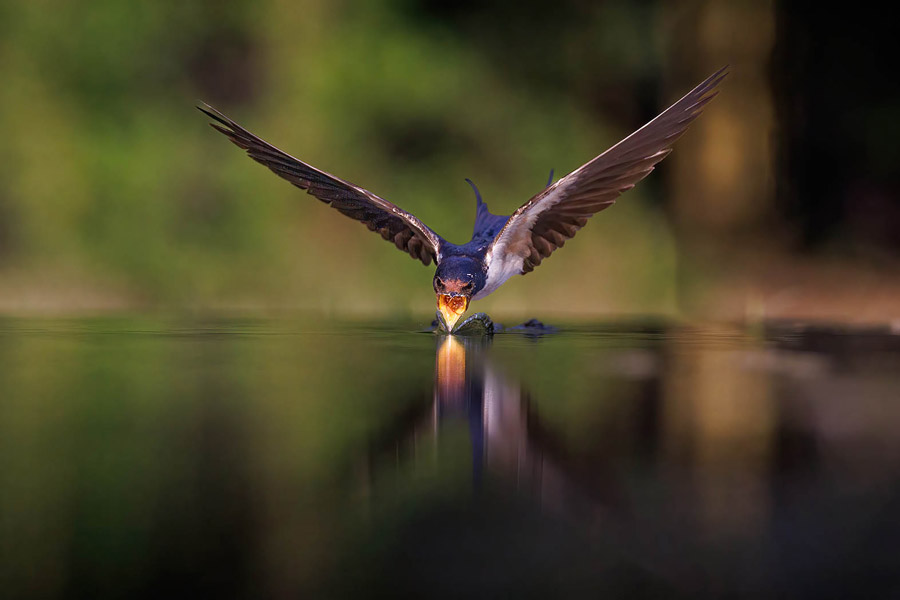
    Marsh harrier, sparrowhawk, goshawk, little owl, red-footed falcon, black stork, European white stork, great white egret, spoonbill, black-winged stilt, avocet, black-tailed godwit, squacco heron, black-crowned night heron, Mediterranean gull, whiskered tern, hawfinch, hoopoe, European bee-eater, roller, cuckoo, kingfisher, black woodpecker, green woodpecker, great spotted woodpecker, collared dove, turtle dove, golden oriole, blackcap, chiffchaff, willow warbler, whitethroat, whinchat, spotted flycatcher, common redstart, tree sparrow, swallow, tree pipit, jay, red-backed shrike, roe deer, hare, red squirrel, ground squirrel, otter (less frequent), and many others.

  3. Day 8: Depart Hungary

Key info

  • Duration and price excluding international flights: 8 days from £4,395 pp
  • Single supplement: No additional cost
  • Trip type:
    Group Tour
  • Group Size: 6–14
  • Group Departures:
    Make a booking request or enquire:
    1. Enquire Book
    2. Enquire Book
  • Included in the price/package:
    • 7 nights at Bence Máté's Wildlife Hides
    • All hide sessions
    • Most meals
    • Transfers
    • Photographic tuition from Mark Carwardine
    • Conservation fund contribution
  • Activities available:
    • Birdwatching
    • Photography

Expert leader

Mark Carwardine

Photo of Mark Carwardine

Mark Carwardine is a zoologist, an outspoken conservationist, an award-winning and bestselling author, a TV and radio presenter, a widely published photographer, a wildlife tour operator and leader, a lecturer, and a BBC Wildlife magazine columnist. 

He co-presented the BBC-TV series Last Chance to See, with the comedian and actor Stephen Fry, and the BBC-TV series Museum of Life. He also presented the weekly half-hour radio programme Nature on BBC Radio 4 for many years. 
He has written more than 60 books, including the Field Guide to Whales, Dolphins and Porpoises, The Shark Watcher’s Handbook and The Guinness Book of Animal Records. His latest is How to Photograph Garden Birds. 

He was Chairman of the Judging Panel of the prestigious Wildlife Photographer of the Year competition for seven years (2005-2011) and was selected as one of the world’s 40 most influential nature photographers in Outdoor Photography magazine. 

View all tours led by Mark

Featured location:

Pusztaszer Landscape Protection Area

Pusztaszer Landscape Protection Area

Hungary’s Pusztaszer Landscape Protection Area is known as one of Europe’s finest wetland areas, supporting a staggering array of species. In particular, the area is known for its varied birdlife. It's arguably one of Hungary’s most biodiverse areas and a draw for those with a passion for bird photography. Find Out More about {acc:title}

  • Where: Southern Hungary
  • Ideal for viewing: white-tailed eagle, pygmy cormorant, Eurasian otter, European roller, European bee-eater
  • Excellent for: Wildlife photography, Birdwatching