The jaguar – a species that immediately evokes thoughts of unwavering power and ferocity – is undoubtedly at the top of any safari-goer’s list when travelling to South America. The Pantanal has become the go-to place to see jaguars in the wild, with almost guaranteed sightings of the world’s third-largest cat along the Cuiabá, Piquiri and Three Brothers rivers.
 The surrounding Cerrado – Brazil’s tropical savannah and second largest biome – is more often associated with giant anteaters and maned wolves than with jaguars. However, on a private reserve close to the Grande Sertão Veredas National Park, amid the abundant grasslands and woodlands of the Cerrado, a prevalent melanistic gene is present, with over 50% of jaguars in this area believed to be black.
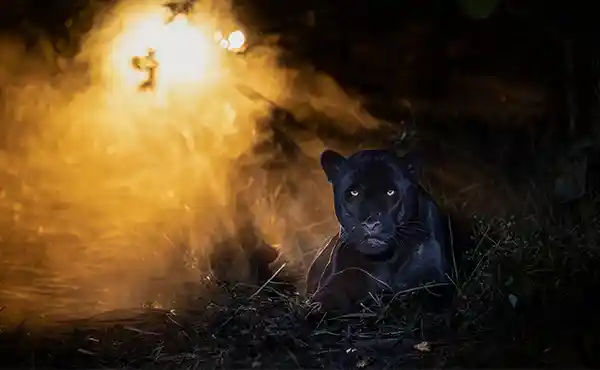
 In collaboration with the Onçafari Association, who pioneered jaguar habituation in the South Pantanal, we’re thrilled to offer the opportunity to join their researchers in the habituation process of a very special individual: a melanistic male jaguar fitted with a radio collar, on the 33,000-hectare Trijunção Private Reserve. Each day is spent heading deep within the property, in the hope of locating this awe-inspiring big cat as he becomes accustomed to the presence of vehicles.
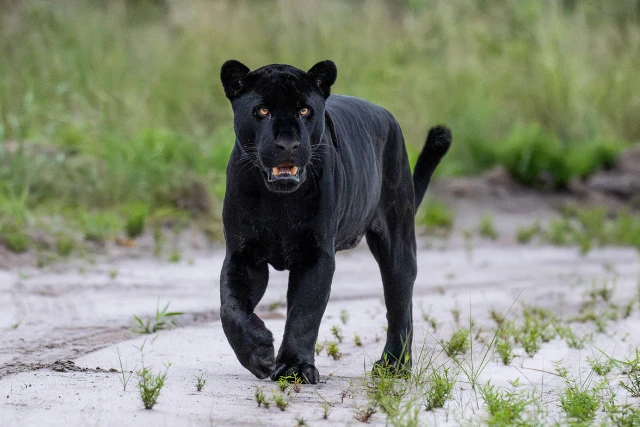 The jaguars in this area occupy far more expansive territories than those in the Pantanal due to the lower concentration of their prey species, and they're able to cover huge distances in a short space of time. Therefore, each day you will board a closed-sided vehicle to conduct your search, allowing the ground to be covered quickly.
As the radio picks up the signal from the enigmatic melanistic jaguar’s collar, you’ll continue your search by quad bike or on foot, as you delve deeper into the bush. Following the research team’s expert guidance, and maintaining a safe distance, the intention is to spend time in the company of this magnificent feline.
This is an incredibly unique opportunity, with nowhere else on earth delivering chances as great as this for locating a melanistic jaguar. Not to mention, in the evenings – after a day of radio tracking the shadowy male – you have a high chance of observing another rare South American predator: the maned wolf. This activity takes place with the Onçafari team in an opensided vehicle, once again making use of collars to track and view habituated individuals and their offspring.
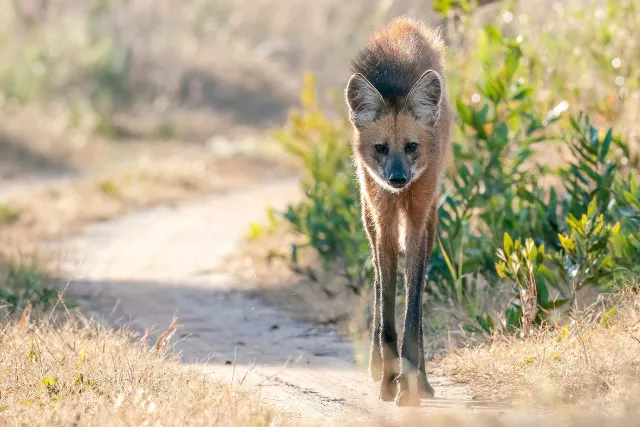 Throughout your time exploring this pristine Cerrado landscape, there are chances to encounter a variety of other species too. There are regular sightings of giant and lesser (tamandua) anteaters, several species of armadillo, striped hog-nosed skunks, brocket deer, white-lipped and collared peccaries, along with the occasional tapir, puma, ocelot and jaguarundi.
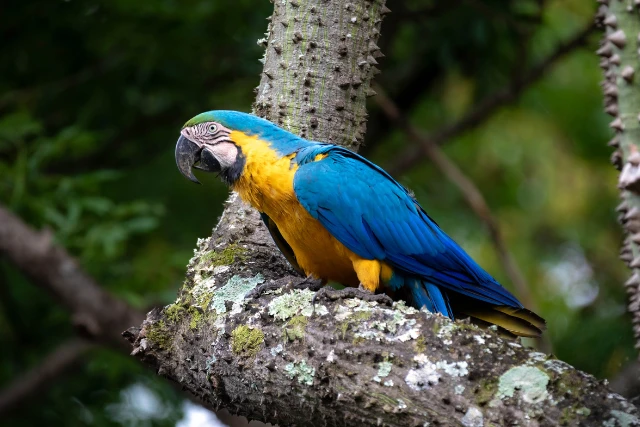
Birdlife is equally astonishing, with over 250 species recorded on the reserve. Highlights include blue-and-yellow and red-and-green macaws, red-legged seriemas, and greater rheas, while various raptors soar above, hunting the abundant rodent population.
 This trip combines perfectly with Caiman Lodge in the South Pantanal, where the Onçafari Association carried out their first habituation programme. Due to this, the jaguars here are well accustomed to the presence of vehicles, resulting in relaxed and intimate encounters. Along with regular jaguar sightings, the inclusion of the Pantanal provides the opportunity to witness species specially adapted to their wetland environment, such as capybara, yacare caiman, and a wide variety of aquatic birds.
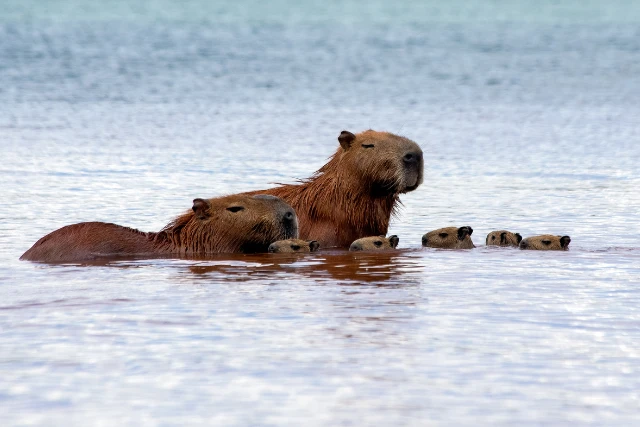
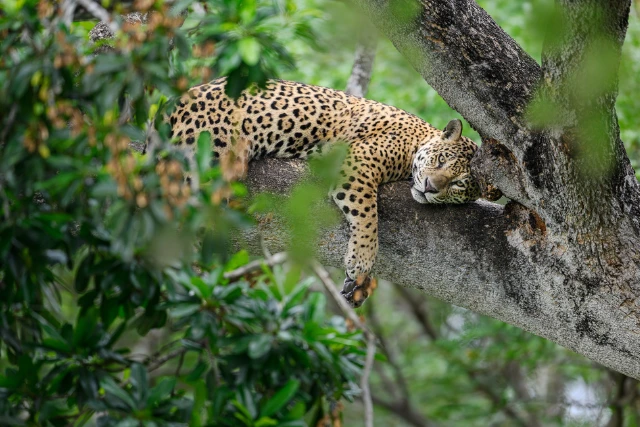
Image credit: Jaguar (non-melanistic) by Nick Garbutt
If you're inspired to visit the stunning Savannah landscape of the Cerrado and observe a wealth of Brazilian wildlife, including the melanistic jaguar, check out our tailor-made holiday, A Quest for Brazil's Black Panther. For more information, contact our expert team for more information.