Conservation Wildlife Holiday to South Africa
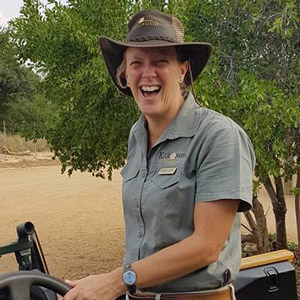
On our South Africa conservation holiday you can participate in a variety of fieldwork activities ranging from setting camera traps to anti-poaching efforts, helping preserve the ecosystem and wildlife of South Africa's largest Big 5 game reserve in the Kalahari Desert.
Your eight days in the Kalahari Private Reserve are spent working alongside the reserve's ecologists gathering important research in the field to help inform the management of the land and its wild inhabitants. Days will be spent undertaking a range of ecological-based activities, but there will also be plenty of time for more traditional games drives and the occasional sundowner!
Activities will only be undertaken when required and in accordance with the reserve ecological management plan but are likely to include the following:
Camera Traps: There is such a great sense of anticipation when checking a camera trap set up by you previously. What species may have crossed in front and what behaviour was captured? You may have some idea as you approach the site, with a sneak preview of tracks and signs left behind. Once you have scrolled through many spindly legs of passing antelope your next image may be the inquisitive muzzle of an aardwolf or a passing pangolin.
The placing and monitoring of camera traps helps conduct scientific research, nocturnal monitoring, and species identification. Due to the sheer size of this magnificent reserve, placing and/or collecting these camera traps from different parts of the reserve, before even analysing the data, is no small task! These camera trap sites have been carefully selected and can be located hours apart.
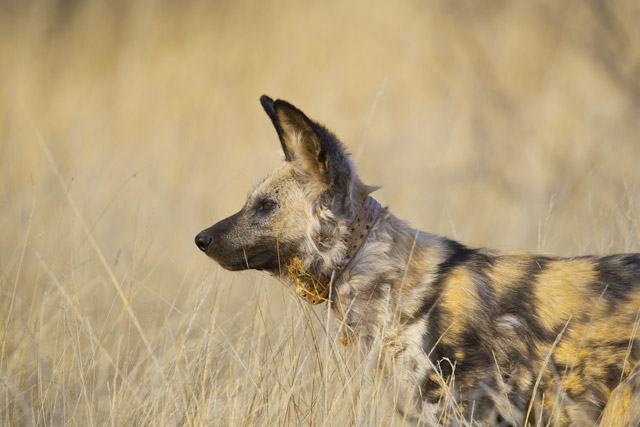
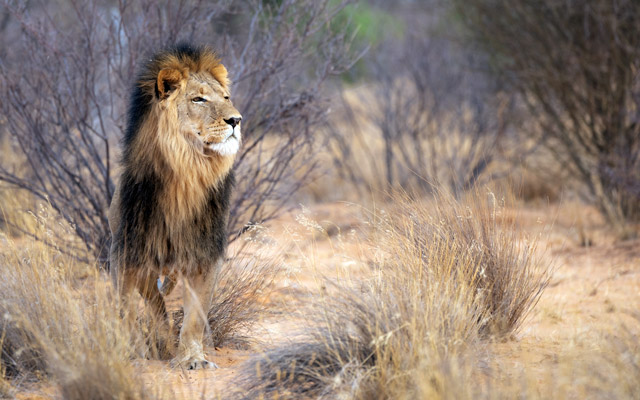
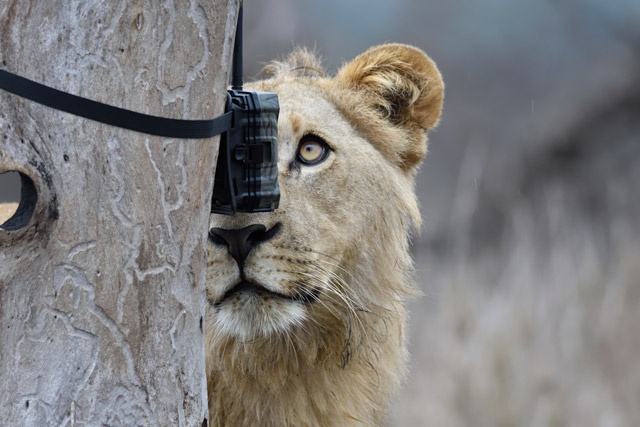 Predator Monitoring: On predator research activities we will search for the emblematic black mane of the Kalahari lion moving through the arid savannah or seeking shade under the spindly branches of a camelthorn. Such observations will help inform population dynamics and interactive behaviours with other predators too including wild dog. Learn how to track animals with radio antenna and GPS as well as conventional methods like spoor, signs of movements, and even the birds that can indicate the presence of a specific animal.
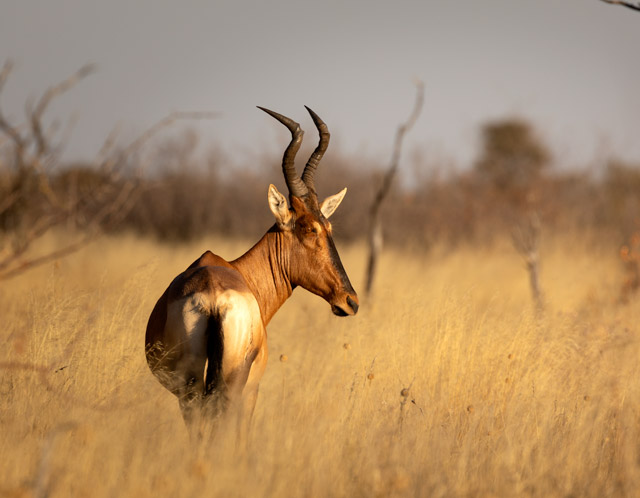
 Game Counts: Accurate game surveys are one of the most important tools for reserve management as changes in wildlife populations, age or sex ratios can be an early indication of specific ecological problems (e.g. too many/few predators). Management can isolate different variables and use these surveys to correctly identify the habitat that different species choose, and keep up to speed with changes happening in wildlife populations as these changes occur.
 Vegetation Surveys: Over 60 randomly selected sites have been identified, and vegetation surveys are used to monitor changes in fauna and flora and the speed in which this occurs. We will also be looking for changes in species composition, health of the grass layer, bush encroachment and whether the reserve is overstocked. This data is captured and analysed and used to determine the impact that environmental factors, including herbivores, are having on the vegetation of the reserve.
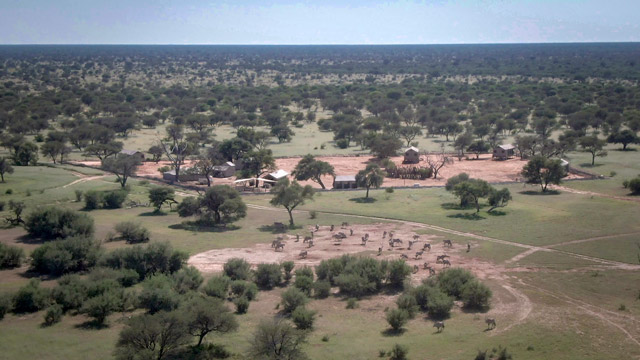
 Reserve Work: Bush encroachment is a problem throughout African savannas. Not only does it impact on the habitats available to animals, it also impacts the infrastructure that we need to use in conservation areas. As this is a large reserve that is not open to the general public, many of the roads are hardly used. In fact, we’re unlikely to encounter another vehicle during our entire stay at the reserve! This also means that many of these roads get overgrown with encroaching bush, and trimming of bushes on the road verges provides access to the road across the reserve.
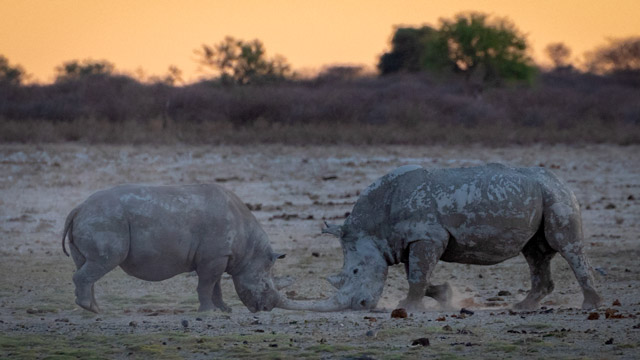
 Anti-Poaching: We all know and appreciate the endeavours of anti-poaching units (APU), but the opportunity to participate in anti-poaching efforts is an incredible experience. Searching for vulnerable animals during game drives offers a valuable form of protection. This data is used to identify poaching “hotspots” and potential vulnerabilities and ensures that rangers are deployed in the right areas both day and night. Activity will be dependent on the poaching levels at the time and you may have the opportunity to spend an evening on a watch tower looking for rhino.
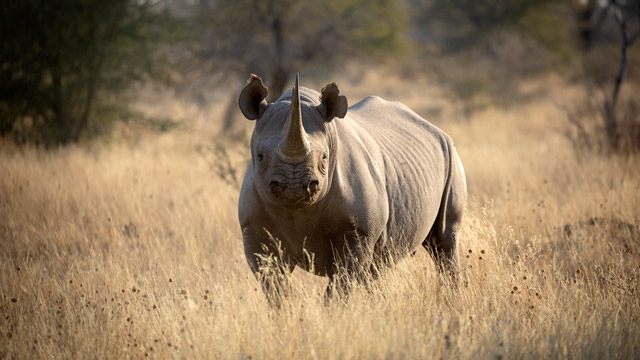 Photography: Although this is not a photography trip, there will be some outstanding photographic opportunities throughout, largely due to the spectacular subject species, but helped by the fact that there are no other vehicles to share sightings with and no time restrictions with wildlife seen. Having the flexibility to follow wildlife off-road also extends our sightings and possible photographic opportunities! In addition, the night skies will be exceptional due to the distances from towns and therefore lack of light pollution.
Book your place on our Kalahari Conservation Holiday, or to find out more get in touch.