
The Butterfly Year in Sussex

In Sussex we are fortunate to have some fine examples of ancient woodland, lowland heaths and Downland grasslands. These habitats host a suite of nationally scarce species of butterflies, with the southerly, maritime climate allowing species at the northern edges of their range to thrive.
I guess not everyone is aware that butterflies can be seen in every month of the year. Of course in the winter months this is limited to the butterflies such as peacock, red admiral and small tortoiseshell, which overwinter as adults and emerge on sunny winter days. However, it's not long before we see brimstones, perhaps giving the name to butterflies, on the wing as the winter starts to ebb away.
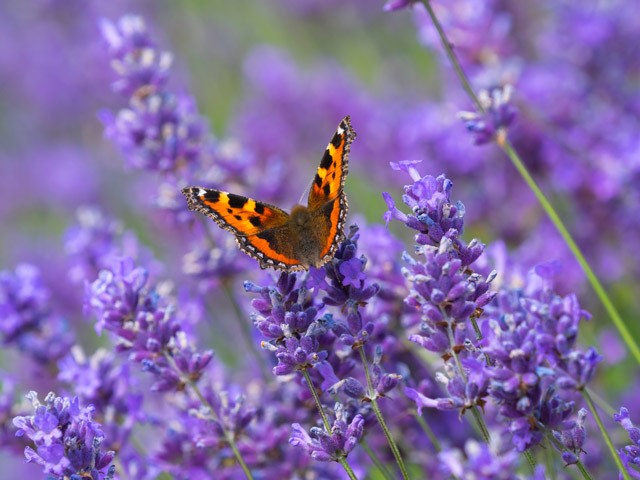 As spring brings warmth and sunshine so more species emerge, with orange tip one of the earliest. This beautiful butterfly takes to the wing in early April and as we move through April others start to fly with the subtle beauty of grizzled and dingy skipper seen on downland slopes. Elsewhere small, large and green-veined white, small copper are more widespread augmenting the early species. As we move into May we start to see the first of some of the more specialist butterflies as the Duke of Burgundy feeds on cowslips on sheltered corners of the chalk downland. Meanwhile in managed woodlands the rare pearl-bordered fritillary are just about hanging on in sunny coppiced rides, feeding on such delights as dog violets. A little later the even rare small pearl-bordered fritillary will hopefully emerge in the east of the county. These attractive butterflies are hanging by the barest of threads and indeed have disappeared completely before being reintroduced into woodlands managed to help them thrive.
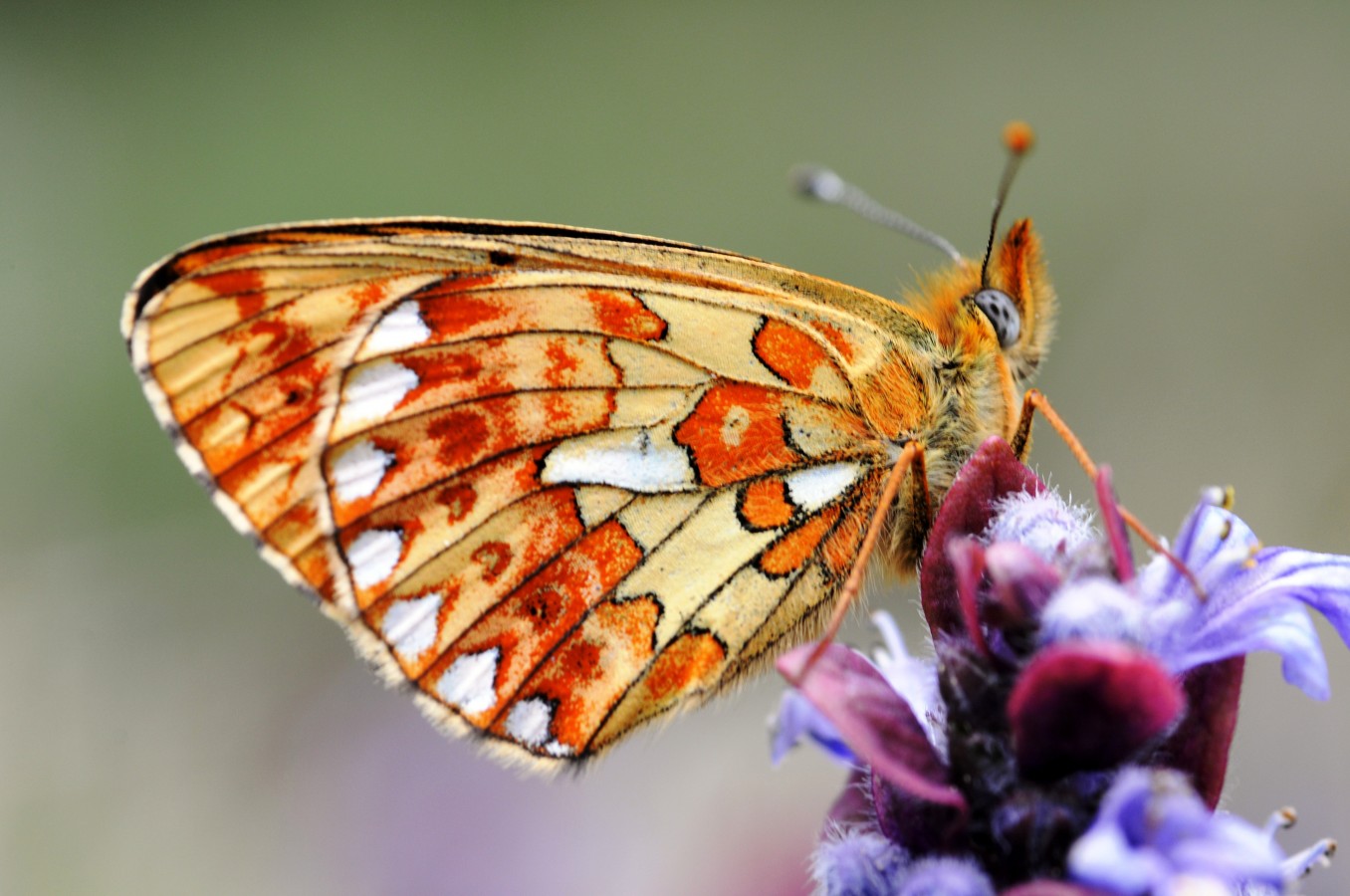 Spring then begins to roll into summer, the male silver studded blues in recent years take to the wing in the last days of May and will still be active in early June when the females will be joining them. We look for these species on the lowland heaths and in warm sheltered habitats on the South Downs.
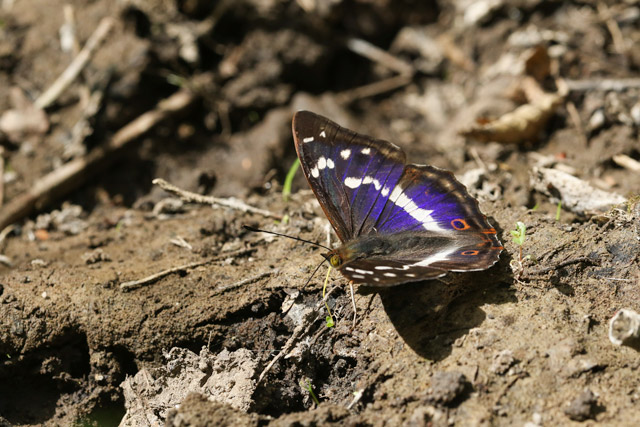
When these gorgeous little butterflies begin to disappear a much wider variety emerges and towards the end of June we can expect to see the magnificent purple emperor, white admiral and silver washed fritillary as our ancient woodlands begin to take centre stage. On the fringes of some rare elm woodlands and blackthorn scrub we can seek out black and white-letter hairstreaks that are very difficult to find outside Sussex and their Oxfordshire footholds.
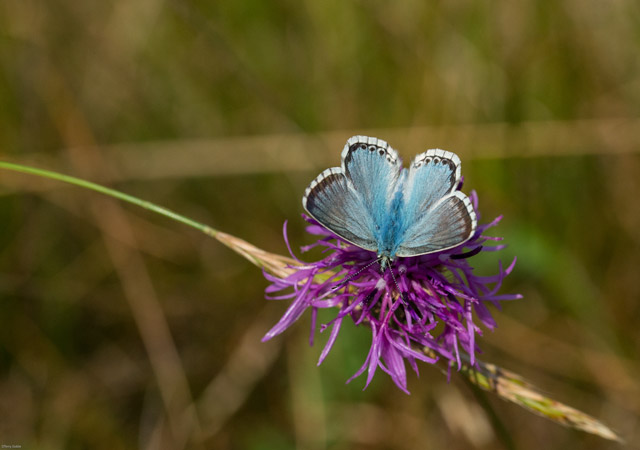
 As summer peaks so does the variety and amount of butterflies on the wing and our focus turns to the rolling downland and areas of species rich grasslands. Here we can find species that are at the northern edge of their range and require the aspect of the warm south facing slopes to provide the micro-climate of the stunning adonis blue and rare chalkhill blue. Late in July the diminutive but attractive silver-spotted skipper emerges to swell the ranks. At this time in the east of the county our only colony of grayling is still holding on. In the woodland we are still hopeful of finding some of the woodland species including the purple hairstreak, which are active in mid-summer evenings.
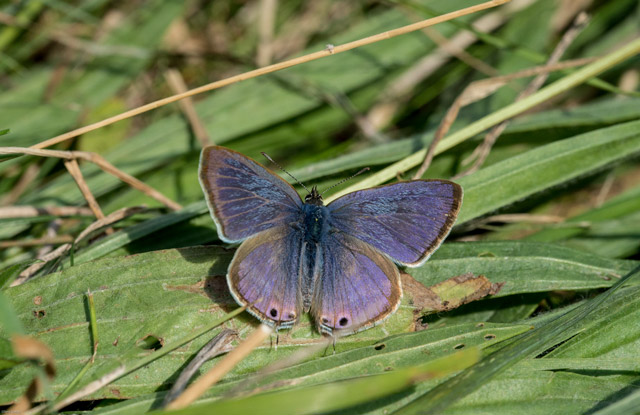
 Moving into the late summer and early autumn many of our species are finished or beginning to fade. Although in good years we may still see second and third broods so fresh downland species are still possible. However, the focus at this time will be on our late emerging butterflies. This honor belonged to the lovely brown hairstreak, a great swansong to our butterfly year. However, very recently the limelight is now shared with a new kid on the block. The long-tailed blue has been breeding in Sussex for a few years now and is regularly replaced each year by an influx from the continent. Even more recently it has been suspected that these butterflies have been able to over winter and the butterflies we encounter may well be the second brood of UK born butterflies. These are the last to emerge, however other migrants are sure to be around and clouded yellows and painted ladies can in some years become abundant at this time of year as the butterfly season comes to an end.
Find out more about Sussex or contact us to book your space.