In addition to my British-based tours with Wildlife Worldwide, a trio of foreign trips in 2025 reconfirmed to me that I have (inspired by the words of the iconic Carlsberg slogan) ‘probably the best job in the world’. 2025 was nothing short of epic.
My international year began in April with my annual visit to Ecuador. Unashamedly my favourite country outside of the UK, this small but mega-diverse South American nation was home for two years, until television and tour leading came knocking.
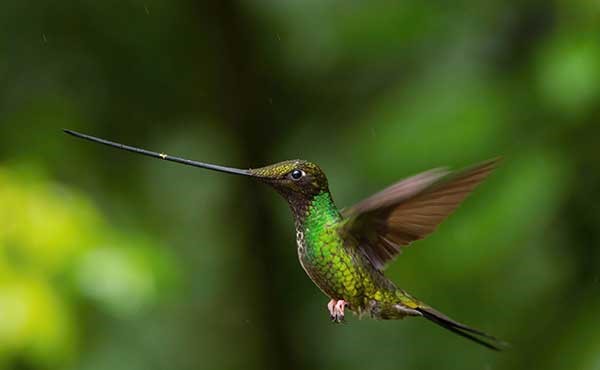
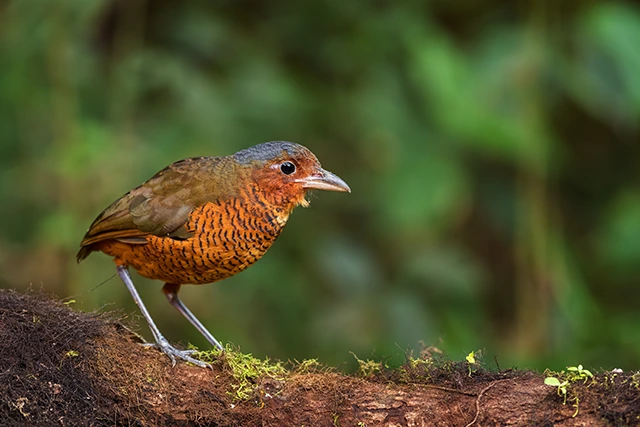
Our visit commenced in the cloud forests along the Andes’ western slopes – a region considered to be the world epicentre for hummingbirds and colourful tanagers. But, without question, the highlight of our stay here was a private viewing with one of the continent’s most sought-after birds. I can now officially confirm that after wanting to see giant antpitta for over 30 years, it was most definitely worth the wait!
 While ‘all animals are equal, some are undoubtedly more equal than others’, and on top of everyone’s trip wish-list was the ‘real Paddington’. Normally our best opportunity to catch up with Andean bear is in the country’s high-altitude grasslands, but our guide Santiago had a tip-off that a mother and two cubs had been spotted at a nearby forest reserve. Dashing over, we thought we’d drawn a blank as the bears seemingly vanished … that's until we suddenly spotted them coming down the path straight towards us! What then occurred can only be described as not just one of the highlights of my guiding career, but of my entire life, as the three bears spent 20 minutes feeding just a few metres away from an astonished and slightly startled group. It was, in essence, an experience I’ll happily talk about for the rest of my life.
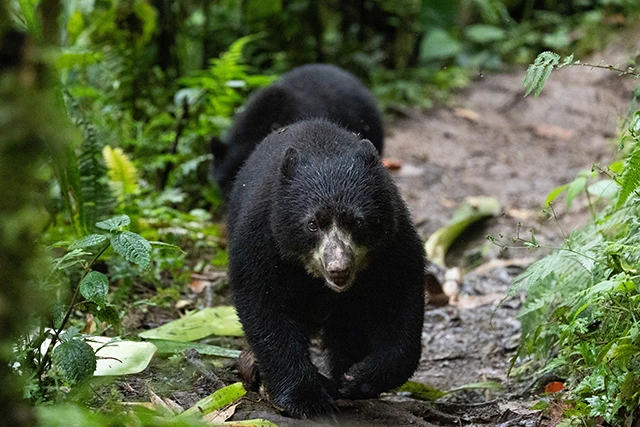 Image by Christina Gu (client)
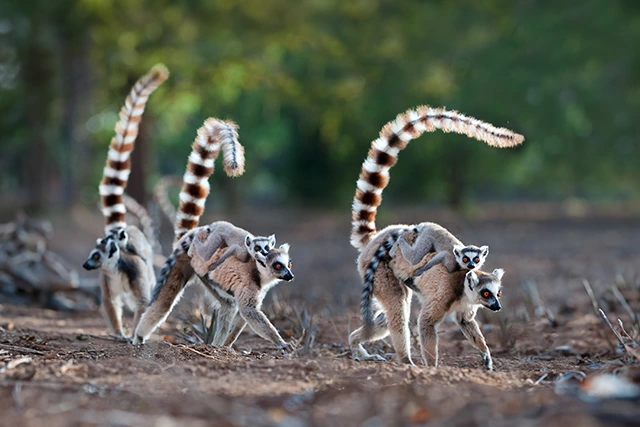
Fast-forward to September, and I was back for my fourth visit to the incomparable island of Madagascar. Home to more endemic species than you can shake a baobab stick at, the lemurs on this trip were (once again) nothing short of outstanding, with diademed sifaka, aye-aye and indri all providing the guests with memorable encounters.
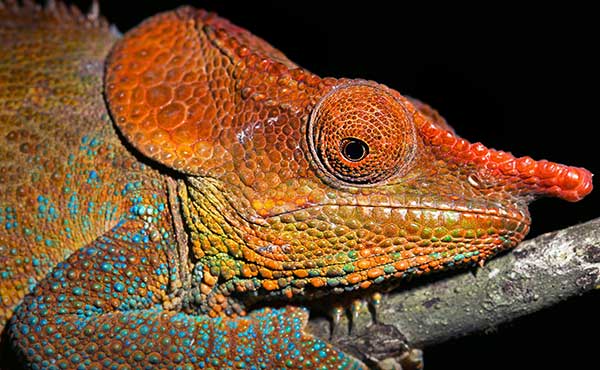
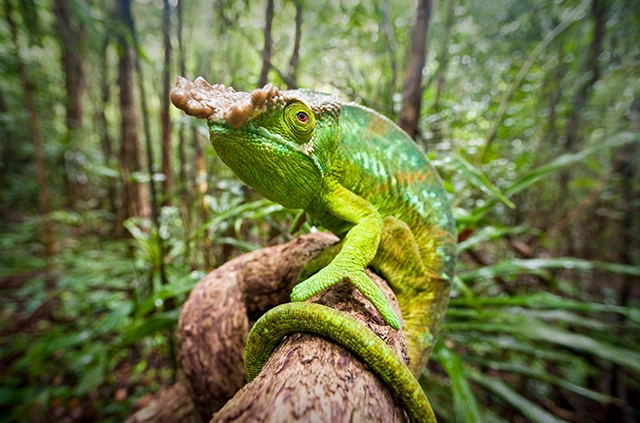
 It’s also widely acknowledged that out of the 120 endemic birds in Madagascar, some of the toughest to see are the wonderfully mercurial ground rollers. Consisting of a total of five fabulous and fabulously shy species, our intrepid group nevertheless managed to catch up with four – in what can only be described as some top quality twitching! And let’s not forget the chameleons, as we tracked down everything from the newly described species of Brookesia – reaching no longer than an inch, to the Parson’s – spanning the length of your arm.
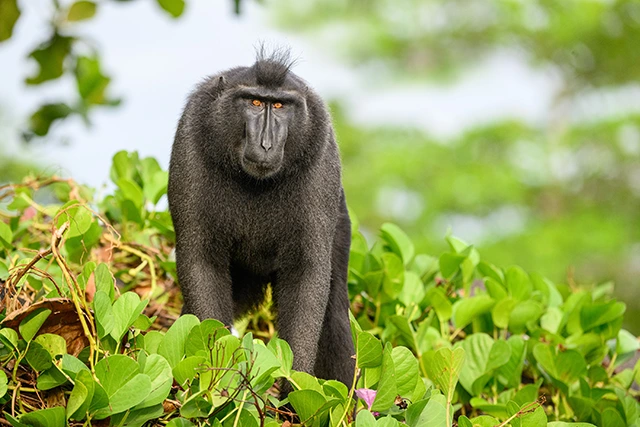
 With barely time to launder my clothes, I was away for my final foreign trip of the year, this time to Indonesia. A new tour for both myself and Wildlife Worldwide, in the space of two heady weeks we’d visited three of the country’s most celebrated islands. Beginning in northern Sulawesi, the undoubted stars were the island’s crested macaques. Hitting the headlines as the famed ‘selfie monkey’ that managed to take its own photo, this is truly the primate with a thousand faces, and it was a humbling experience to spend time amongst them.
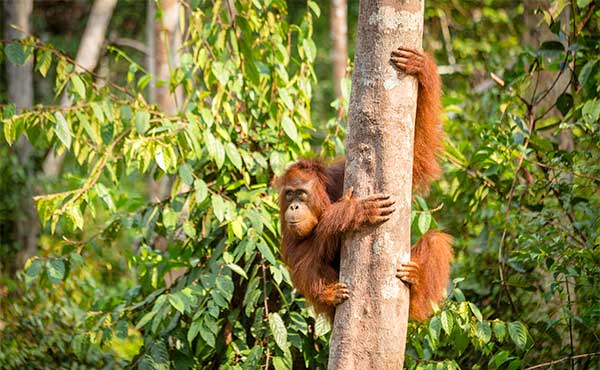
 Moving across to Gunung Leuser National Park in northern Sumatra, our main target here was the ‘old man of the woods’, and boy did it deliver. On our first full day spent in this pristine rainforest, we weren’t just treated to the sight of a huge, mature male, but were also delighted with the bonus of a touching mother and baby encounter. Thinking sightings couldn’t get any better, they rapidly did on day two, as the trip’s second great ape then swung into view. Hearing gibbons calling and seeing them swinging through the trees is something you’ll never forget. But for our group this was only a precursor to the main event – watching gibbons firmly focused on the process of making baby gibbons!
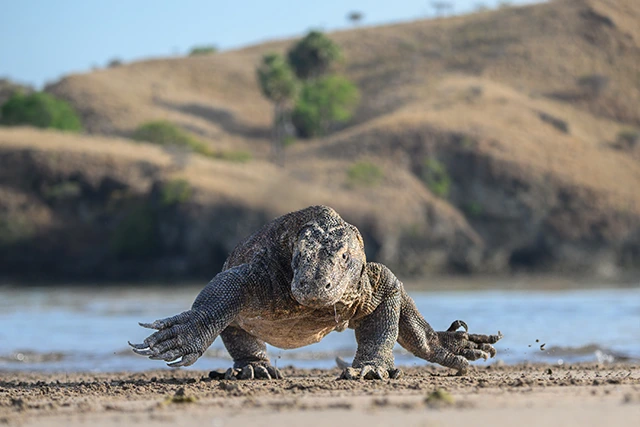
And with the hard yards in the forests behind us, what better way to unwind than on a liveaboard? Here, while splitting our time between sailing around the dramatic islands of the Lesser Sundas and dropping in for a spot of idyllic snorkelling, we managed to catch up with not only the world’s largest lizard – the Komodo dragon, but also the biggest ray – the oceanic manta.
 Bring on 2026 …!
View all our wildlife holidays with Mike Dilger, read his blog on the highlights from his 2025 British tours or to find out more about our trips contact our friendly team.