Join naturalist and broadcaster Mike Dilger on this extensive wildlife holiday to Ecuador, where the astonishing array of habitats and landscapes is home to a simply staggering 10% of the world’s biodiversity.
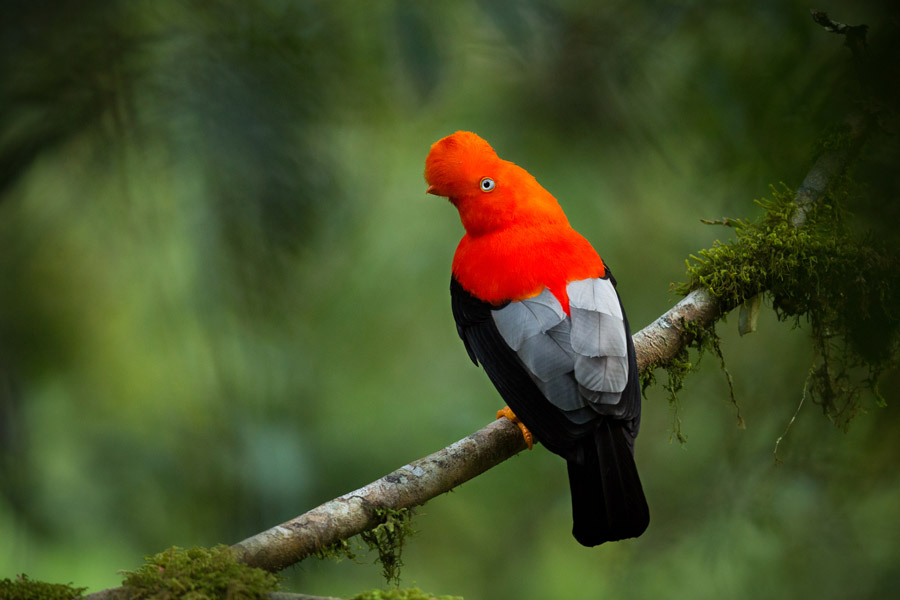
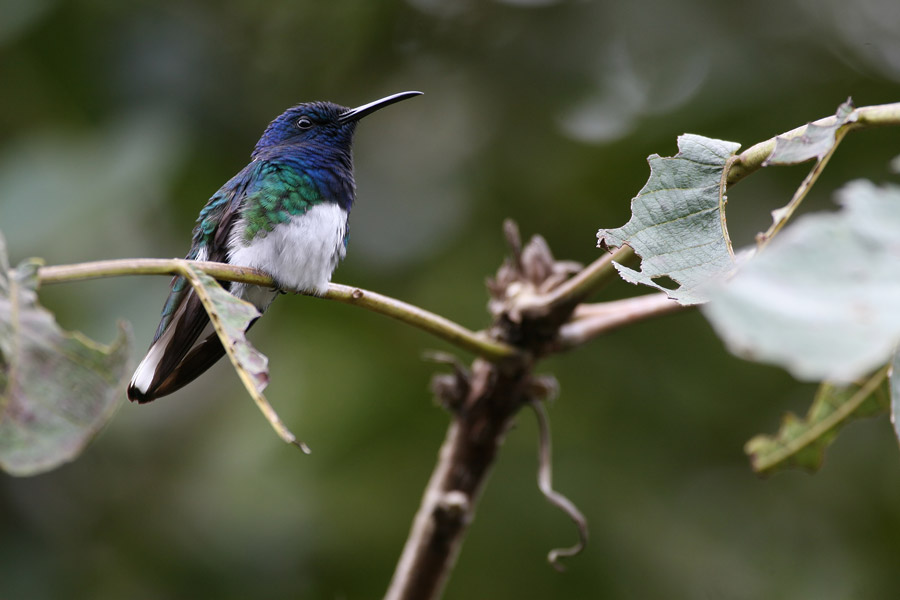
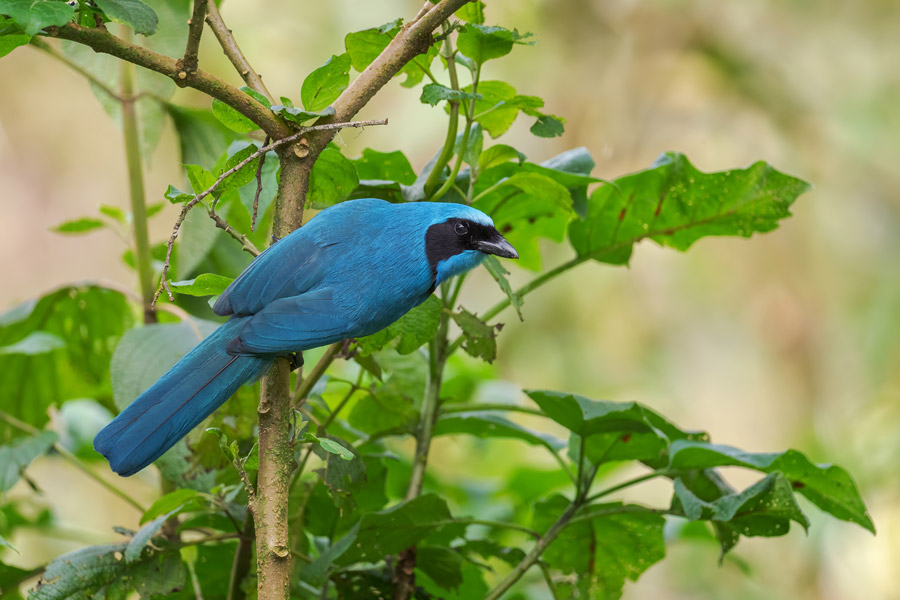
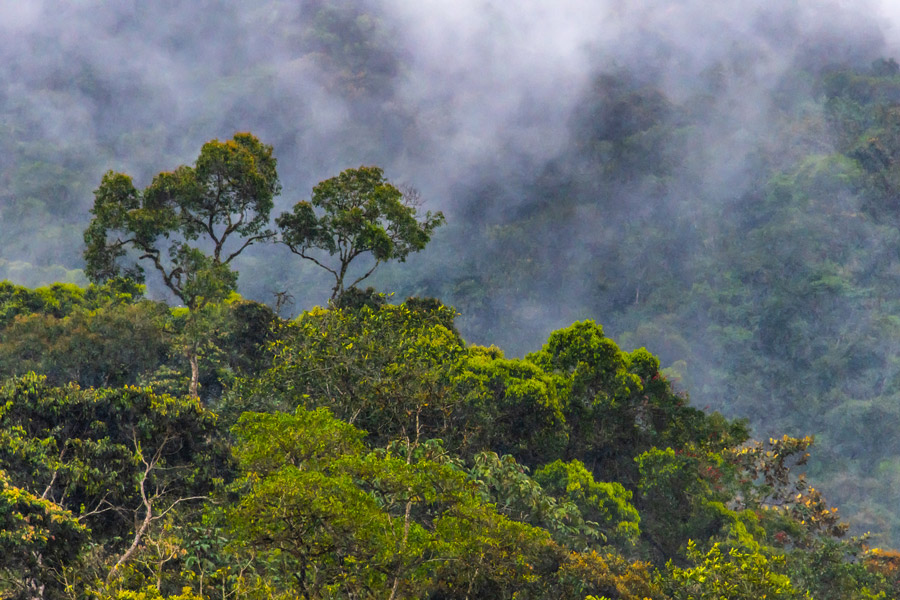
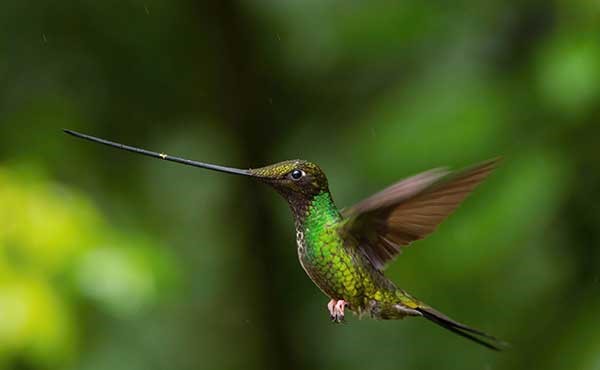
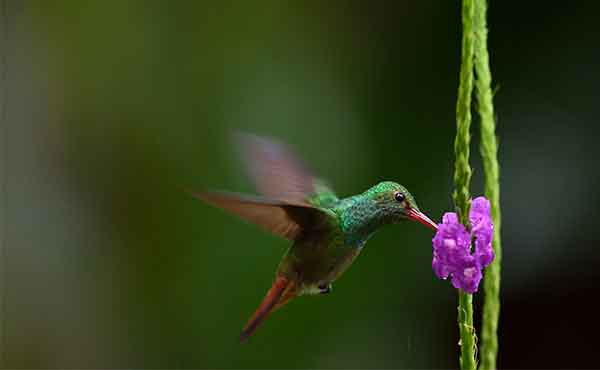
Sandwiched between the larger South American countries of Colombia and Peru, Ecuador has to be the ultimate example of ‘all good things coming in small packages’. Framed by an extensive Pacific coastline to the west, the Andes further inland run like a backbone down the entire length of the country. Here, the western slopes of this immense mountain range are cloaked in cloudforest, which are home to birds like the cock-of-the-rock and toucan barbet as well as a colour assemblage of hummingbirds and tanagers.
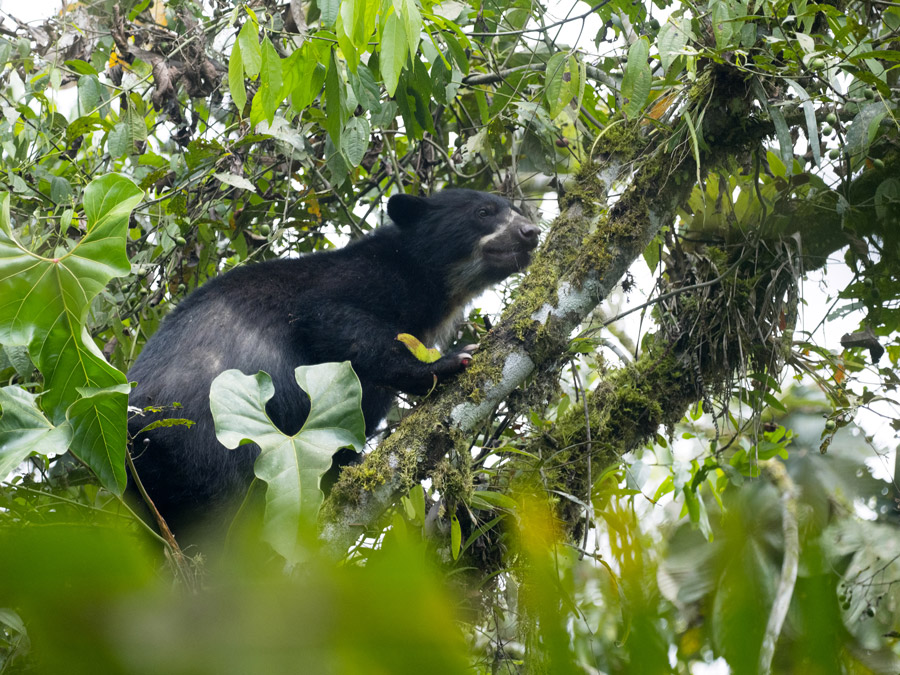
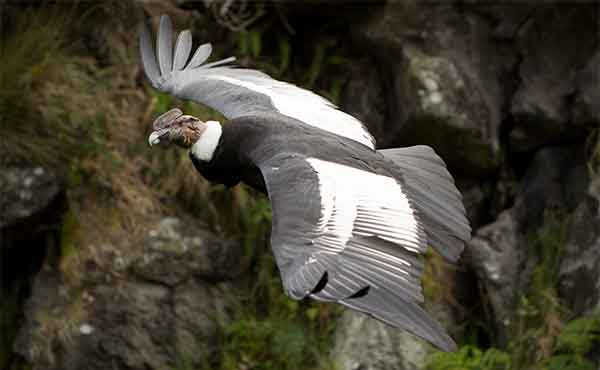
At still higher altitudes, the cloudforests on both the western and eastern slopes eventually give way to páramo grassland, snow-capped mountains and volcanoes. This land above the treeline, where the vegetation is reminiscent of alpine tundra, also happens to be the domain of two of Ecuador’s most famous residents - that of the spectacled bear and Andean condor.
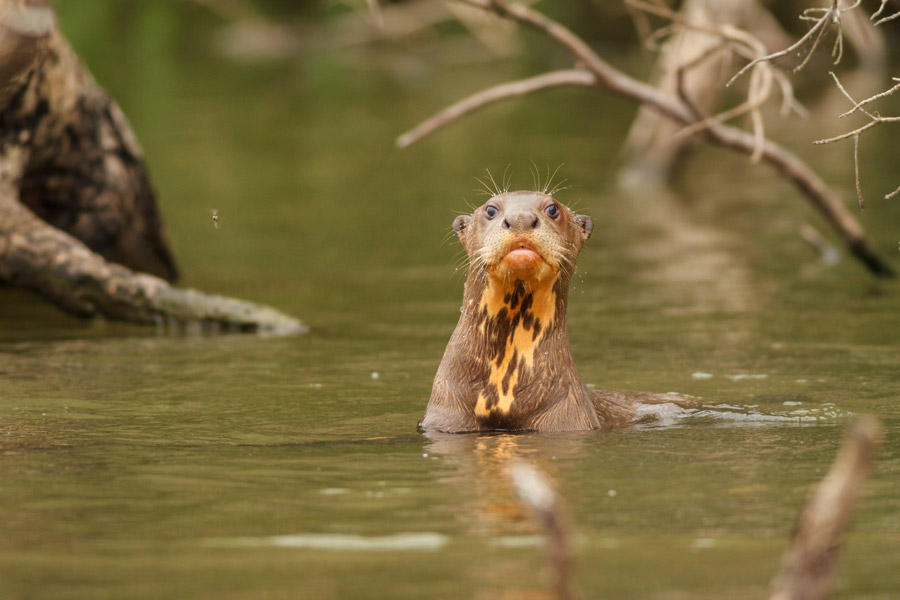
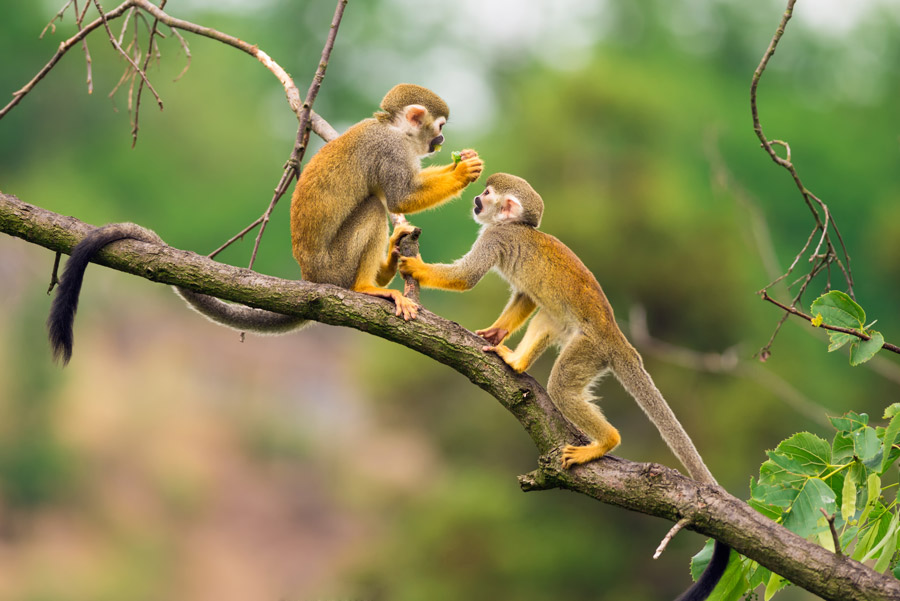
Continuing steadily east, the mountains fall away once more to form the western reaches of the world’s greatest tropical forest - that of the Amazon. Here, Ecuador’s extensive primary rainforest is simply the most species-rich biome on the planet, with everything from monkey to macaws in the forests, while the reserve’s rivers and lagoons hold giant river otters, caimans and freshwater dolphins.
Our tour leader Mike Dilger used to live in Ecuador while working as a researcher in the Ecuadorian Amazon and as the resident biologist in Maquipucuna’s cloudforest. A fluent Spanish speaker, Mike simply describes the Ecuadorian cloudforest as his ‘favourite destination on earth’ and cannot wait to show you the place he considers his ‘spiritual home’.
Typical Itinerary
-
Day 1:
Depart UK & transfer to Mindo Cloud Forest
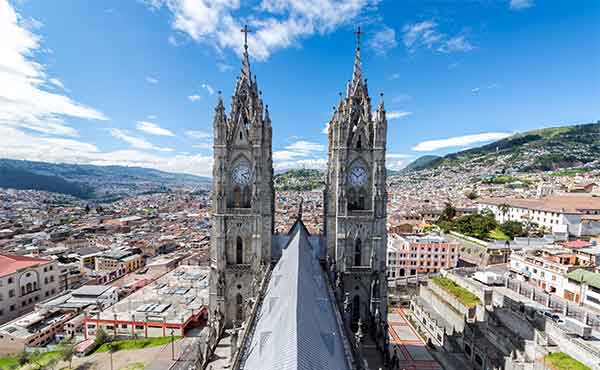
Today, we depart the UK early to board our international flights to Ecuador. On arrival in Quito, we're met and transferred to our accommodation in the Mindo cloud forest. The journey takes around an hour and a half, and it also allows us to enjoy Ecuador's beautiful habitats from our very first night in the country, with our accommodation being surrounded by lush cloud forest.
Accommodation: Sachatamia Lodge, 2-nights
-
Day 2:
Explore Mindo Cloud Forest
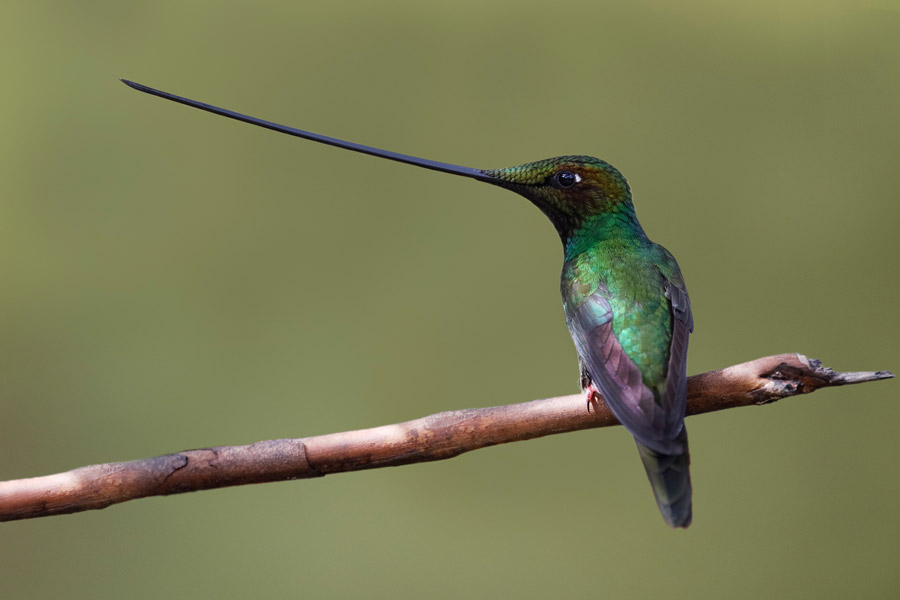
We have the whole day to explore our lodge's private reserve and the surrounding cloud forest to enjoy the diversity of species that we come across. Our exploration is done at a relaxed pace following our travels the previous day and some of the species we could encounter include velvet purple coronet, green thorntail hummingbird, violet-tailed sylph, Ecuadorian thrush, broad-billed motmot and masked trogon.
-
Day 3:
Transfer to Maquipucuna
This morning, after breakfast, we leave Sachatamia and transfer to Maquipucuna, which is approximately a 90-minute drive away. Once we reach the reserve, we check in at the ecolodge and, later, we head out on our first excursion on foot to enjoy the flora and fauna of Maquipucuna.
Accommodation: Maquipucuna Ecolodge, 2-nights
-
Day 4:
Explore Maquipucuna
We explore the Maquipucuna Reserve on foot to enjoy its variety and abundance of wildlife. With Mike and the local guides, we hope to encounter a wonderful array of bird species with toucan barbet, golden-headed quetzal, plate-billed mountain toucan being some possible highlights along with agouti, kinkajou and armadillo to give us our sightings. We return to the lodge for meals and can relax at the open-air restaurant in the evenings and recount the day's sightings.
-
Day 5:
Transfer to Antisana & visit Chakana Reserve
This morning, we're transferred to Antisana which takes between three and four hours. We check in to our accommodation and enjoy lunch before visiting the Chakana Reserve.
The habitat of this reserve means it will provide us with opportunities to potentially observe spectacled bears, though some patience and luck will be needed. This paramo environment is rich in important food sources for spectacled bears and particularly a species of ground bromeliad known as the puya which is abundant in this ecosystem. We explore the reserve by vehicle and on foot.
Accommodation: Tambo Condor, 1-night
-
Day 6:
Explore Chakana & Cayambe Coca Reserves
This morning we return to Chakana Reserve for another opportunity to encounter spectacled bears and the other intriguing species that reside here.
Following lunch, we continue to Cayambe Coca Reserve, which is a protected area that covers habitats from cloudforest to paramo. Cayambe Coca is another excellent location for encountering spectacled bears. We spend time exploring the wild grasslands of this reserve, which are frequented by spectacled bears (and sometimes mountain tapir) who come to feed. We also focus on the forested areas on the edge of the grasslands, which could provide further sightings of these elusive mammals.
Whilst scanning the paramo for these elusive mammals, we should also see a number of enthralling bird species such as the Andean condor, carunculated caracara, Andean gull, black-tailed trainbearer and southern yellow grosbeak.
After spending the afternoon at Cayambe Coca, we're transferred to our next accommodation, where we have dinner and stay for the night.
Accommodation: Guango Lodge, 1-night
-
Day 7:
Continue to Cosanga
This afternoon, we depart Guango Lodge and continue our descent down the eastern slope of the Andes. Following a journey of around an hour and a half, we reach our next accommodation, San Isidro, where we spend the next two nights.
Accommodation: San Isidro Lodge, 2-nights
-
Day 8:
Full day exploring the trails from San Isidro
Over the course of the day, we explore the trails around San Isidro Lodge to observe the species found at these altitudes of the eastern slope of the Andes. Taking our time, there's a fascinating array of species that we could view as we walk through the forest, such as giant antpitta, greater scythebill, white-capped parrot, rufous-crowned tody-flycatcher, saffron-crowned tanager and many more.
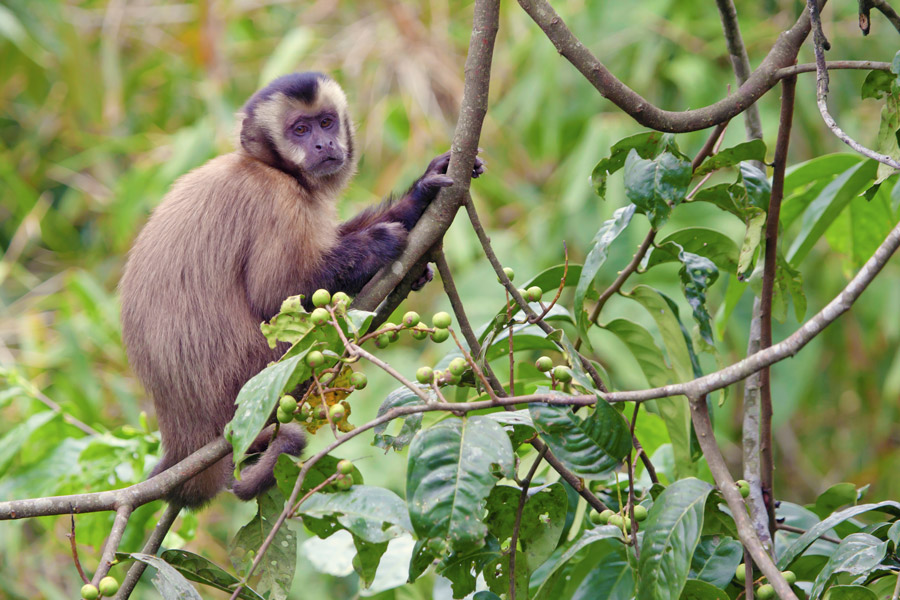
There are also numerous mammals that can be observed whilst exploring the surroundings around San Isidro. Whilst they may require more patience than the birds, it's possible to encounter white-fronted capuchin, pudu, night monkey and even spectacled bear or mountain tapir if we're very lucky.
-
Day 9:
Transfer to Coca & the Napo River
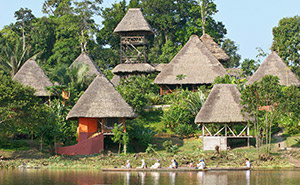
Early in the morning, we depart Cosanga and transfer to the town of Coca in the Amazon Basin. After reaching Coca on the banks of the Napo River in the Upper Amazon Basin, we continue by covered motorboat down river for around two hours to the fringes of the Yasuní National Park and then a further two hours by canoe to our accommodation at the Napo Wildlife Centre.
Accommodation: Napo Wildlife Centre, 4-nights
-
Days 10-12
:
Excursions from Napo Wildlife Centre
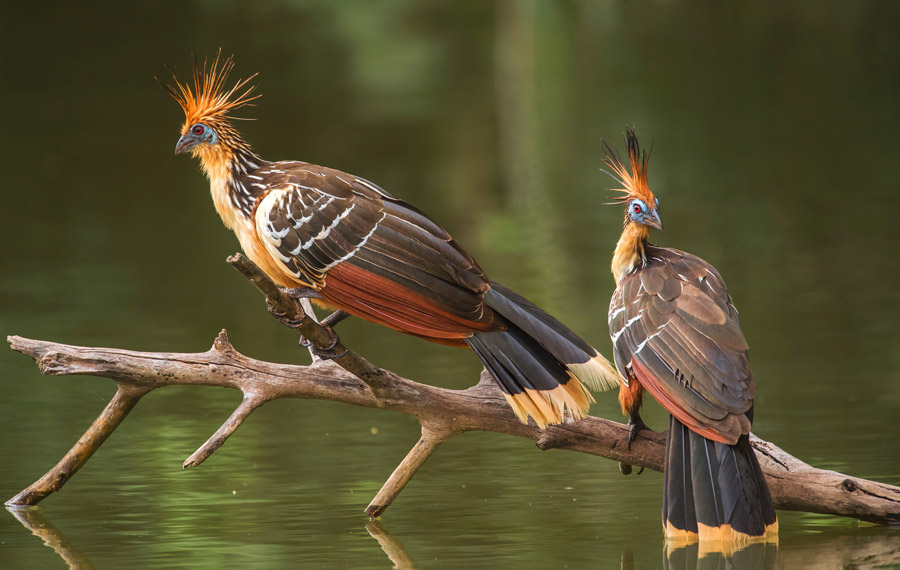
With three full days in the Amazon Basin, we have plenty of time for an immersive rainforest experience. There's so much wildlife to see within the immediate vicinity of the lodge, and a number of species are habituated and relatively easy to see, including birds like the hoatzin and monkeys like marmosets.
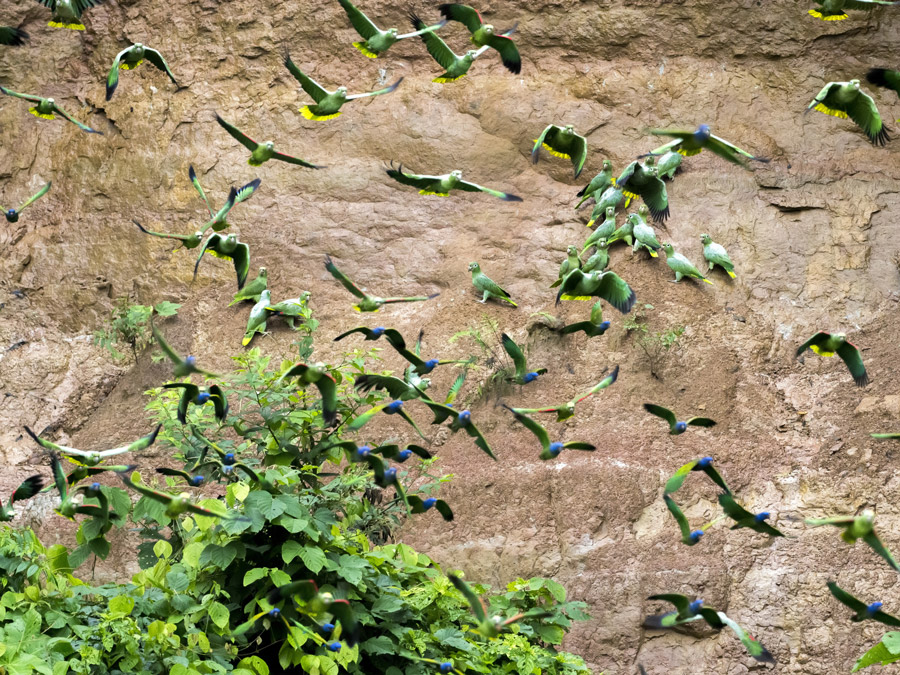
Highlights could include visiting two clay licks where several species of parrots and macaws may visit. Canopy towers also offer a bird's-eye view of the rainforest tree tops. Early morning visits can serve up furious and bewildering bird and primate watching activity, with species impossible to see from ground level suddenly in plain view and easy to observe. There's potential to see parrots and macaws, numerous different tanagers, toucans, araçaris, spider monkeys, and capuchins. We also spend time looking for poison-dart frogs, other rainforest frogs, reptiles, butterflies and other insects.
-
Day 13:
Return to Coca & fly to Quito
In the morning, we return to Coca to catch our flight back to Quito. On arrival in Ecuador’s capital city, we're transferred to our accommodation nearby.
Accommodation: Garden Hotel San Jose, 1-night
-
Day 14:
Departure
Today, we're transferred to the airport in Quito to catch with our return flights to the UK arriving the following day.
-
Day 15:
Arrive UK
Please note: This itinerary may change due to weather or wildlife sightings.