Galápagos Wildlife Guide – 15 Iconic Species

Tucked away in the vast expanse of the Pacific Ocean, the Galápagos Islands are a haven for nature enthusiasts. Here, amidst dramatic volcanic landscapes, you can encounter an array of captivating creatures, from staggering sea lions to colourful land iguanas. But with such a wealth of wildlife to behold, deciding where to go and what to see can be a daunting task. So, we’ve created the following wildlife guide to help with your planning.
Below is a handpicked selection of 15 iconic species that define the essence of this extraordinary archipelago. While not exhaustive, we hope this list provides an excellent foundation for your holiday planning. Contact us to chat about your favourite species and we can help craft your dream holiday to the Galápagos Islands.
1. Galápagos sea lion
The largest animal found on land in the islands, the Galápagos sea lion is known for its inquisitive nature and captivating underwater acrobatics.
Where: Widespread on the coast throughout the archipelago.
When: Year-round.
 2. Giant tortoise
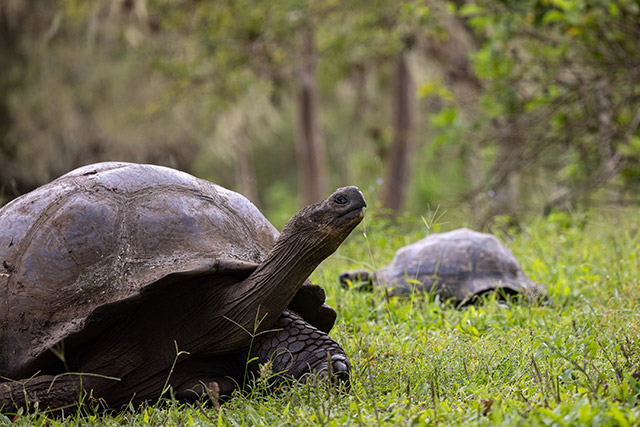
'Galápago' is the Spanish word for tortoise. Giant tortoises were once so abundant on the Galápagos Islands that Spanish sailors who explored the region in 1535 named the islands after these magnificent creatures.
Where: Santa Cruz; San Cristobal.
When: Year-round.
 3. Blue-footed booby
Easily recognised due to their distinctive blue feet, the blue-footed booby is remarkably nimble. The females are slightly larger than the males and tend to have brighter blue feet.
Where: Coastal waters throughout the islands. Espanola; San Cristobal; North Seymour; Baltra.
When: Boobies tend to spend most of their time at sea outside the mating season, so the best time to see them close up on land is when they are breeding, which tends to be between June and August.
 4. Galápagos flightless cormorant
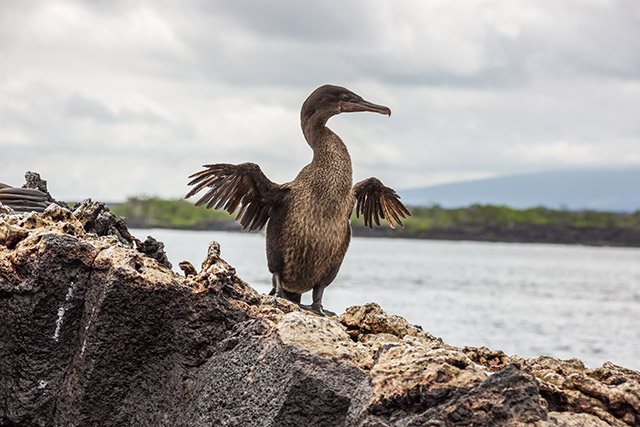
The Galapagos flightless cormorant is endemic to the Galápagos Islands. It is not only the heaviest cormorant species, but also the only one out of 29 species which cannot fly.
Where: Fernandina; Isabela.
When: Year-round. Nesting occurs between May and October.
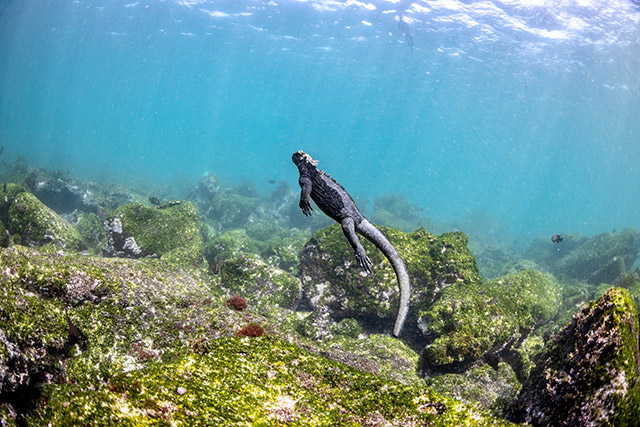
 5. Marine iguana
Another species endemic to the Galápagos, is the marine iguana. This is the only marine lizard species in the world and can remain submerged for ten minutes or more.
Where: Common throughout the islands on rocky coasts and cliffs.
When: Year-round. Mating season occurs between January and March.
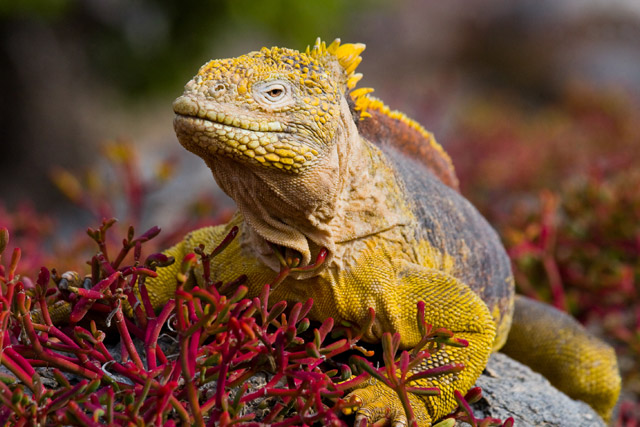
 6. Galápagos land iguana
One of three species of land iguana endemic to the Galápagos Islands (the others being the Santa Fe land iguana and the Galápagos pink land iguana), the Galápagos land iguana is a large yellow lizard that inhabits the arid zone of a number of the islands.
Where: South Plaza; Santa Cruz; North Seymour; Fernandina; Isabela.
When: Year-round.
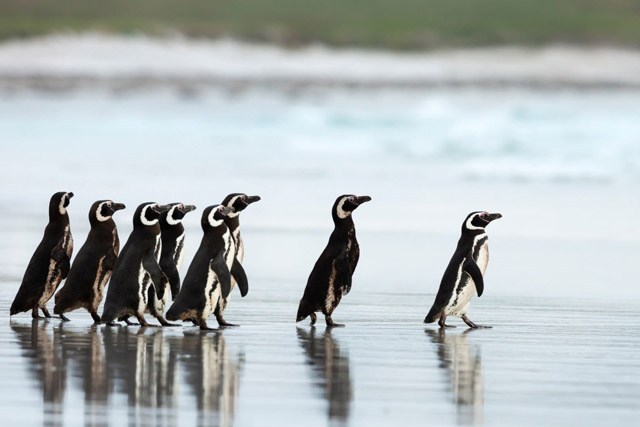
 7. Galápagos penguin
A favourite with many visitors to the islands, the Galápagos penguin is the only penguin found north of the equator. It is also one of the smallest penguins in the world and is endemic to the Galápagos Islands.
Where: Fernandina; Isabela; Bartolome; Floreana; Santiago.
When: Year-round.
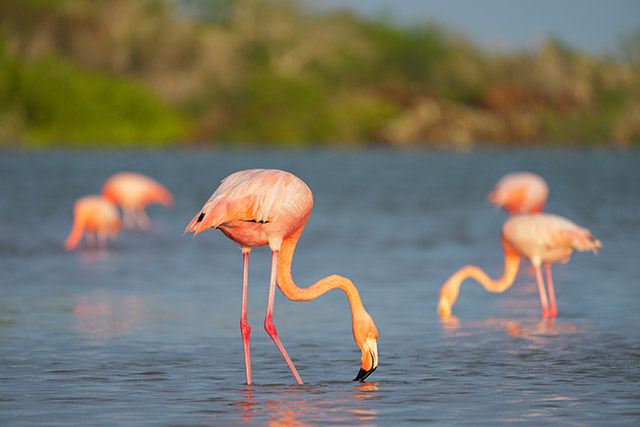
 8. Galápagos flamingo
Also known as the American flamingo, these unmistakable birds are known for their immensely long legs, flexible neck, and striking pink plumage. Like all flamingo species, their pink colouration is from eating algae that contains carotenoid pigments.
Where: Isabela; Santa Cruz; Florena; Santiago.
When: Can be seen in lagoons around the nesting period from March to July.
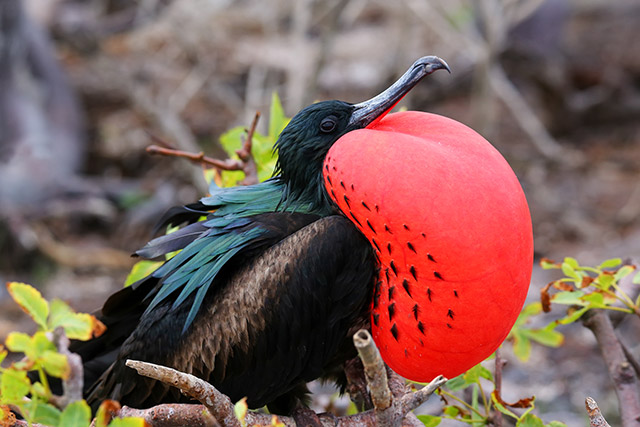
 9. Great and magnificent frigatebirds
The magnificent frigatebird is the larger of the two frigatebirds found in the Galápagos Islands, with a wingspan of up to 245cm, compared to the slightly smaller wingspan of the great frigatebird which is up to 230cm. The iconic bright red throat pouch is only visible on males during breeding season.
Where: At sea and throughout the islands. North Seymour; San Cristobal; Genovesa.
When: Year-round.
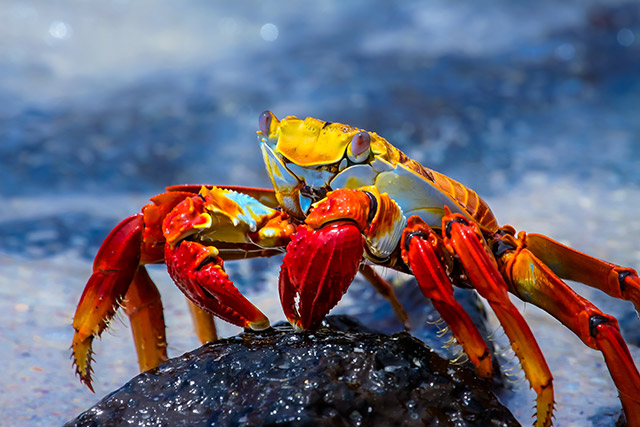
 10. Sally Lightfoot crab
The brightly-coloured Sally Lightfoot crab is a common sight along the shores and beaches of most islands in the Galápagos Islands. The females carry their eggs until they hatch into the water. The larvae then swim out to deeper waters and eventually undergo metamorphosis to become juvenile crabs and swim to shore, where they start to scavenge, becoming bigger and more colourful with each moult.
Where: Widespread throughout the archipelago.
When: Year-round.
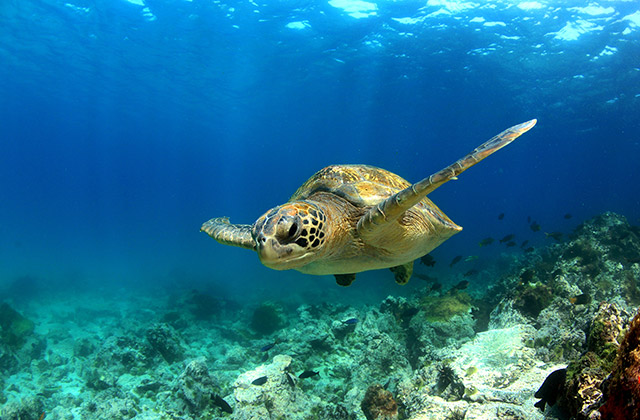
 11. Galápagos green turtle
The only turtle species to breed and nest in the Galápagos Islands, the Galápagos green turtle weighs a between 65-136 kilogrammes and has an average lifespan of 80 years.
Where: In coastal waters throughout the archipelago.
When: Year-round. December to March is when pregnant females may be seen around the shores getting ready to lay their eggs.
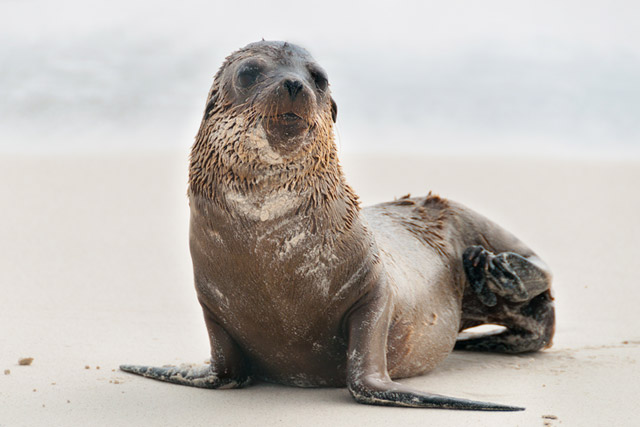
 12. Galápagos fur seal
The Galápagos fur seal, like the Galápagos sea lion, is not a true seal, it is technically a ‘fur sea lion’. The fur seal is easily distinguished from the sea lion by its smaller size, large prominent eyes and much shorter snout.
Where: Seymour; Santiago; Genovesa.
When: Year-round. The best time to see pups is during October.
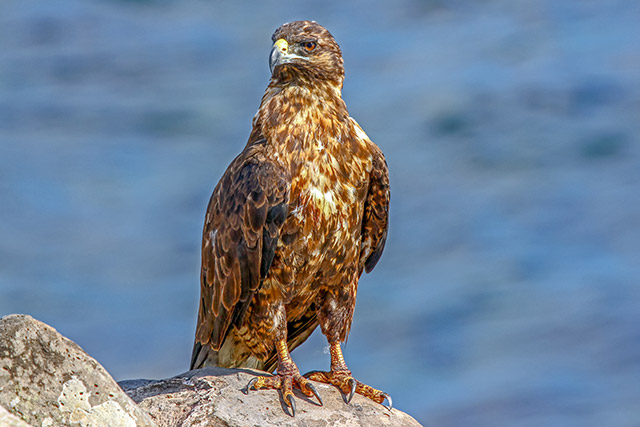
 13. Galápagos hawk
The Galapagos hawk is an apex predator and an excellent hunter, feeding on virtually anything, especially young iguana, lizards and birds. Endemic to the Galápagos Islands, it is one of the world’s rarest raptor’s, with an estimated population of just 150 breeding pairs.
Where: Isabela; Fernandina; South Plaza; Espanola; Santa Fe.
When: Year-round.
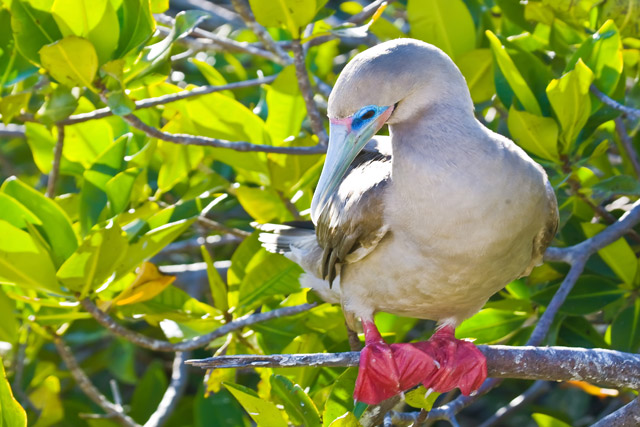
 14. Red-footed booby
With their distinctive red legs and feet, and a pale blue bill, the red-footed booby is the smallest of the three Galápagos boobies (the largest being the Nazca booby, followed by the blue-footed booby).
Where: Genovesa; San Cristobal; at sea.
When: They are easiest to see when nesting between late January and September.
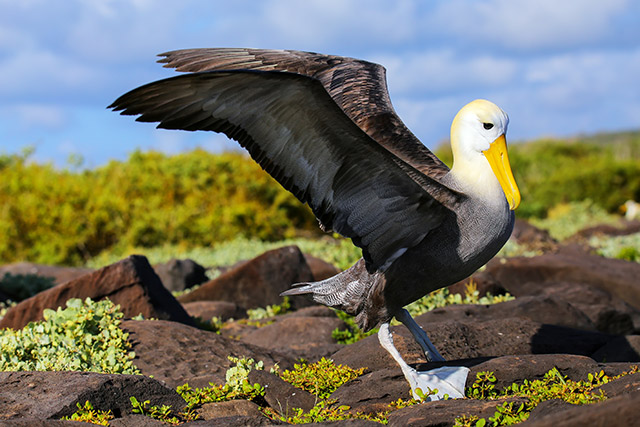
 15. Waved albatross
The waved albatross is the largest bird that breeds in the Galápagos, with a wingspan of up to 2.5 metres. These magnificent birds weigh between 3-4 kilogrammes.
Where: Espanola; also at sea in the southern half of the archipelago.
When: Year-round. The only time they are not on land is January to March. Eggs are laid from April to June. The offspring leave the colony by January the following year and spend the next six years at sea before returning to find a mate.
Discover more about the Galapagos Islands and the trips availavble, or contact our friendly team today.