Great Impressions of the Great Bear Rainforest

In September, Wildlife Travel Consultant, Helen Cox travelled to the Great Bear Rainforest of British Columbia on board the 12-passenger sailing yacht Island Roamer.
When I visited Canada’s ‘Great Bear Rainforest’, I hoped to see salmon-fishing bears, cetaceans and sea otters in their spectacular and remote environment. The holiday certainly ticked those boxes, but I came away with an experience so much more enriching than that – an insight into this ecosystem as an intricate, complex, dynamic, interconnected whole.
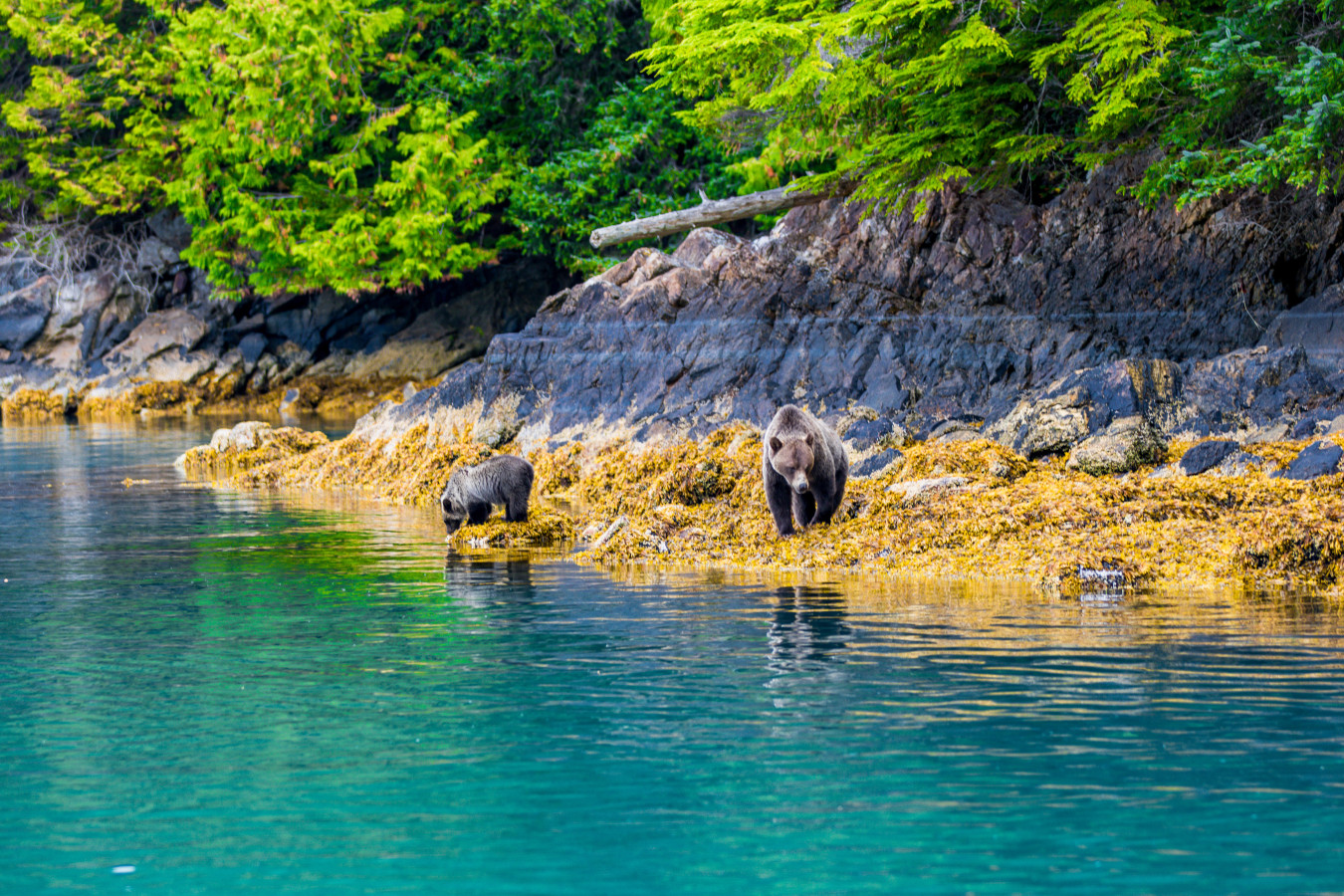
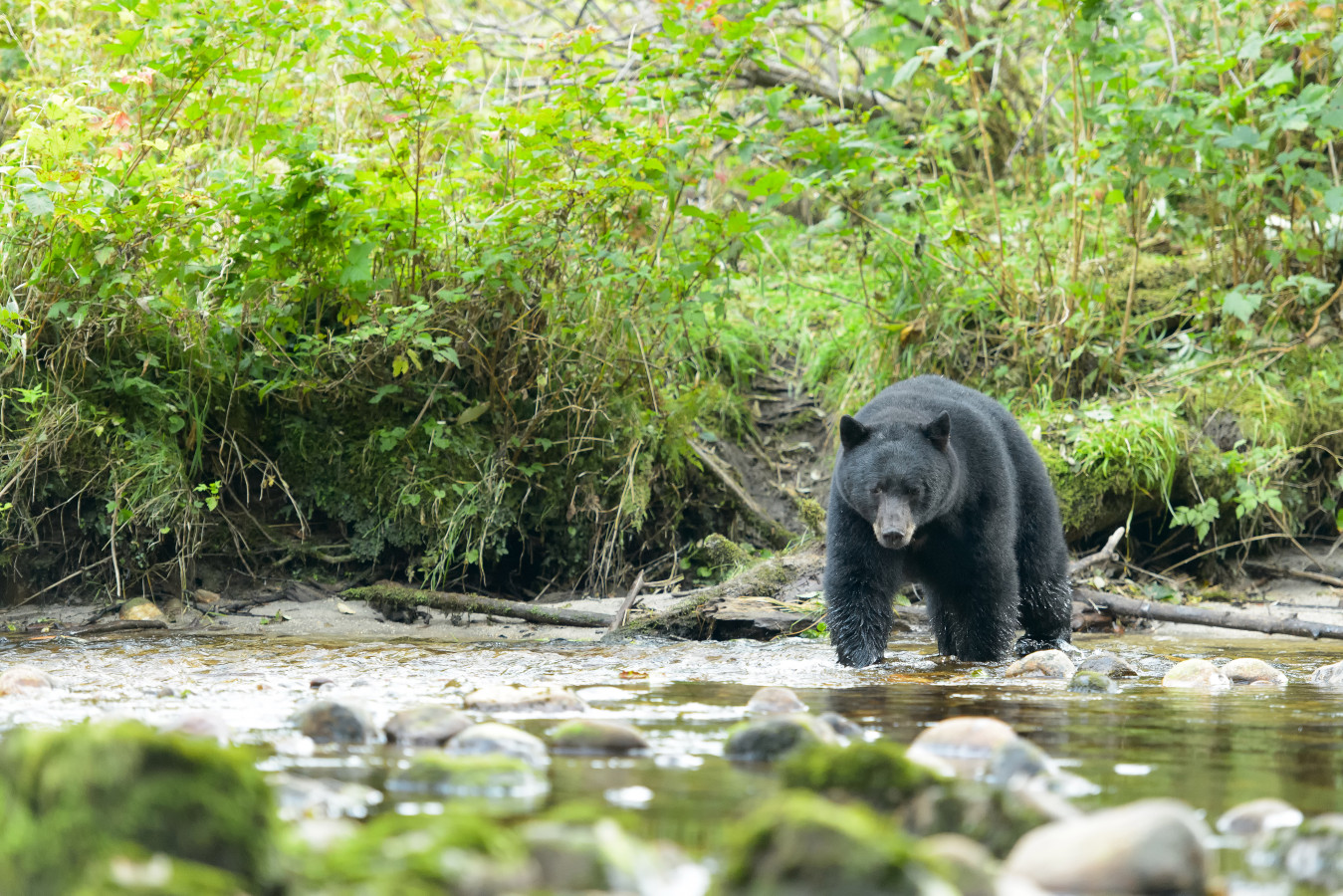
The Great Bear Rainforest is an area of Pacific temperate rainforest, protecting 1,000-year-old western red cedar, yellow cedar, towering Sitka spruce, western and mountain hemlock, Sitka and red alder trees. Mosses and lichens adorn the tree branches, and the understory is a rich and beautiful carpet of bryophytes, ferns and shrubs. Wildlife highlights on land include black, grizzly and the rare white-furred spirit (aka. Kermode) bears, sea wolves, blue herons and bald eagles, whilst the waters hold five salmon species, together with herring, Pacific halibut, harbour seals, California and Steller sea lions, colourful sea stars, sea urchins, jellyfish, Dungeness crabs, abalone and sea otters.
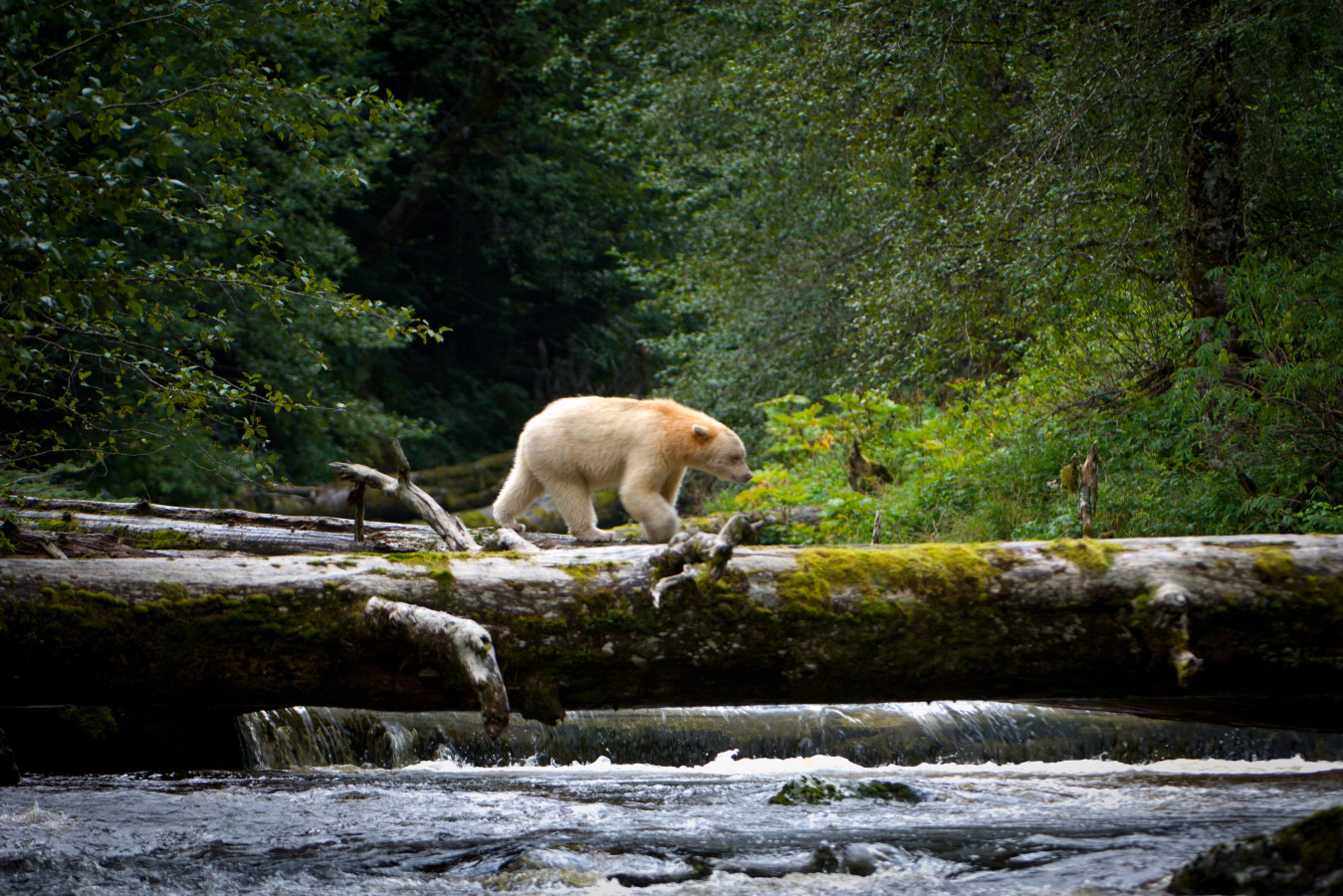
Image by Nick Garbutt
Ocean currents provide an upwelling of phytoplankton and zooplankton here, which feeds a chain of marine life. Due to this abundance, the waters are used during the migration of a myriad species of megafauna including blue sharks, humpback and fin whales, orca and other cetaceans which feed in impressive numbers at the coast and in the fjords. Humpbacks in this area have learned to hunt crustaceans and small fish using an exciting bubble-net technique, as well as lunge-feeding which is often witnessed here.

Image by Nick Garbutt
The dramatic landscape is formed over four tectonic plates, featuring perilously steep-sided mountains, their higher zones exposing dark grey granite, some snow-capped, and otherwise covered in coniferous forest, anchored to the precipitous slopes. The land is separated into islands of various sizes, surrounded by a lattice of narrow, surprisingly deep fjords. Fresh water tumbles from the cliffs in tall cascades, carrying nutrients to inlets and the marine environment beyond.
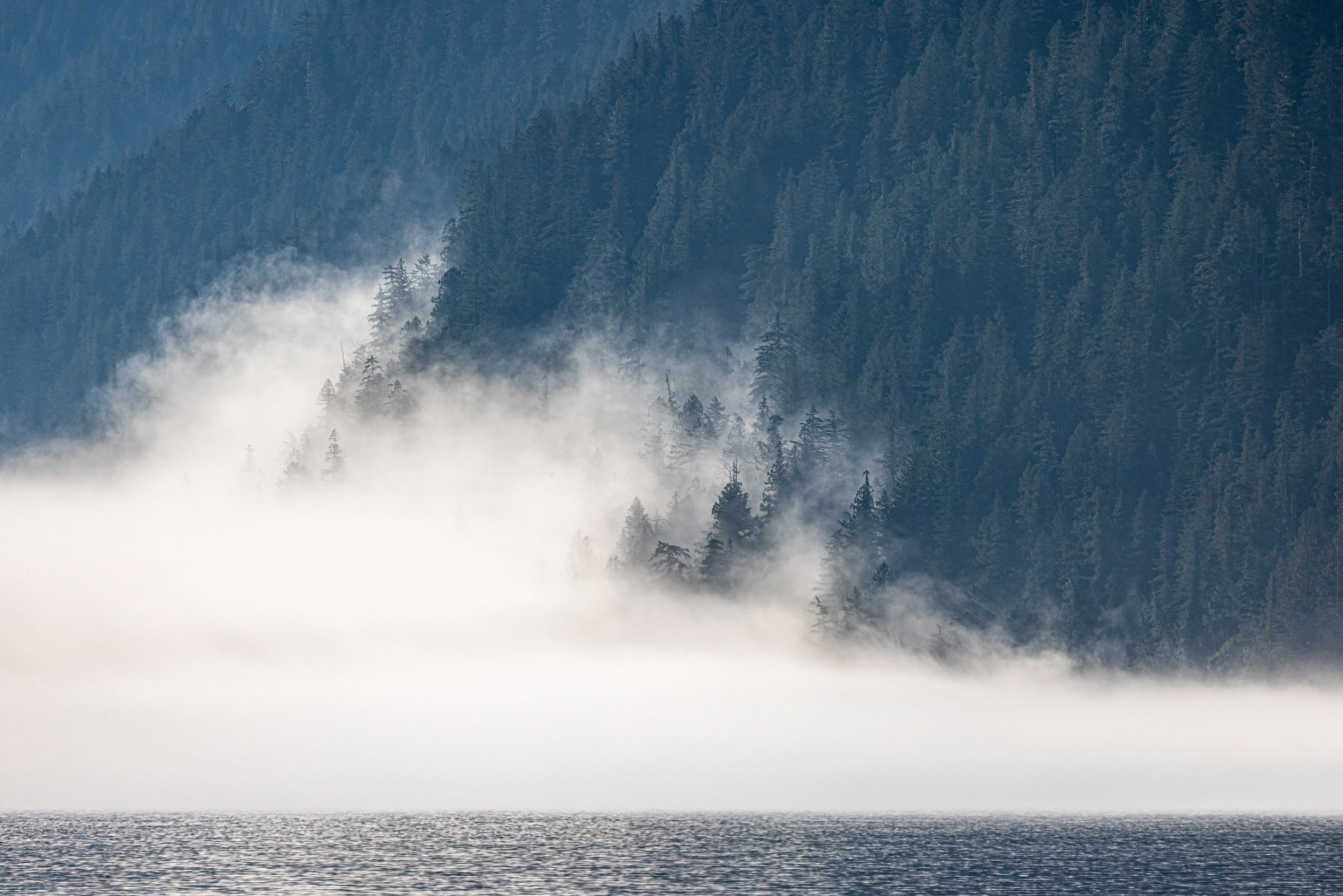
Image by Helen Cox
Forests of bull kelp seaweed, one of the fastest-growing plants in the world (increasing by almost a metre a day), thrive in the nutrient-rich waters and act to dampen sea swells, and provide food and shelter for various invertebrates, fish, sea otters as well as playing an important role in sequestering greenhouse gases.
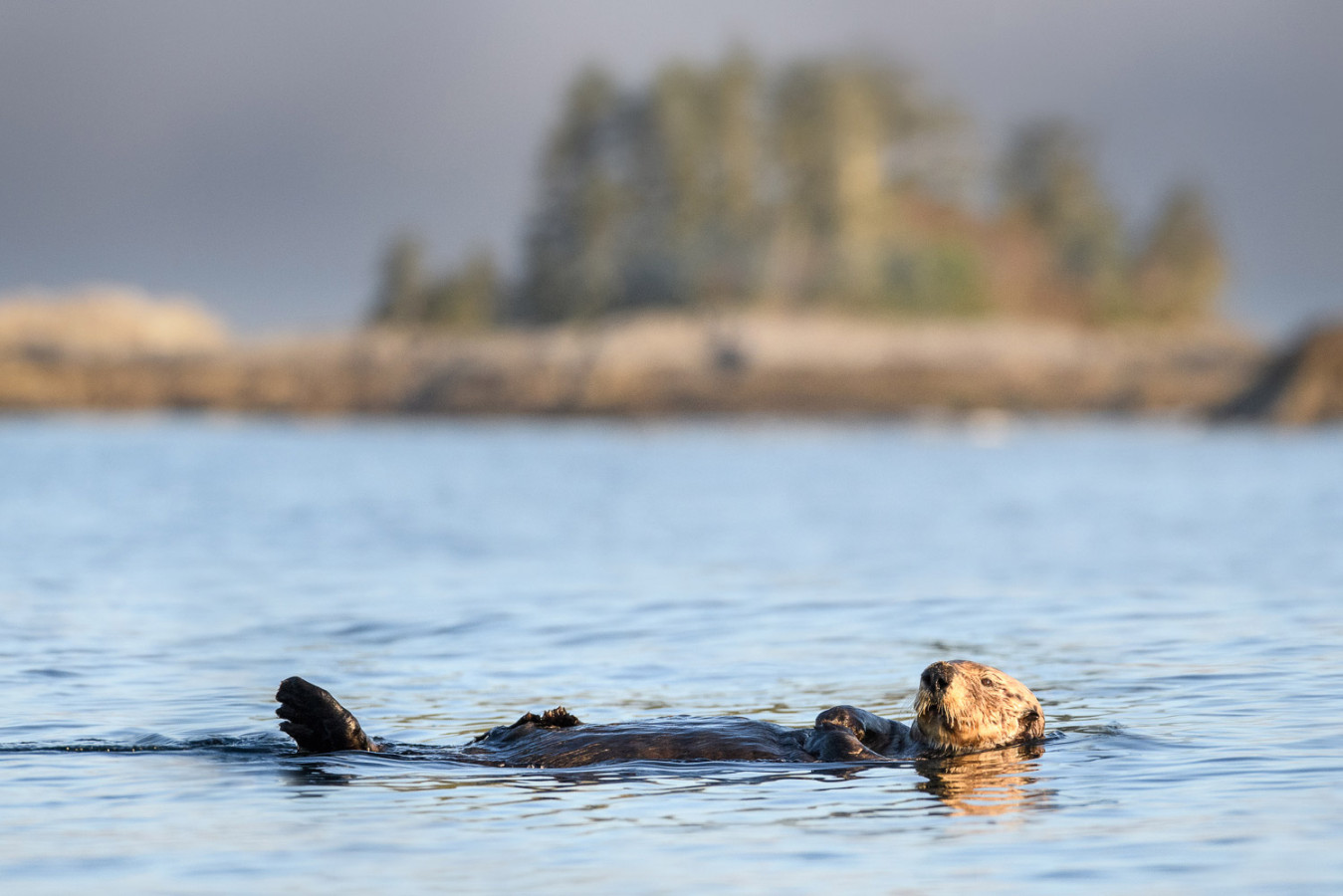
Image by Nick Garbutt
Salmon make their way from the marine environment to fresh water, returning to their natal streams to spawn at the end of their migration. Their great efforts to progress upstream, leap up waterfalls, and then face their demise shortly after spawning (if a bear or wolf hasn’t caught them sooner) is profoundly moving to witness. However, the marine-derived minerals in their bodies are carried on to land as far up as the tree line by predators such as bears, bald eagles and wolves, and often the fish are only partially eaten. The remainder of the salmon carcasses and excrement of the predators decompose to provide fertiliser for plant life, which in turn feeds insects, birds and small mammals. Salmon provide up to 80% of the annual nitrogen in the ancient forests of the Great Bear Rainforest.
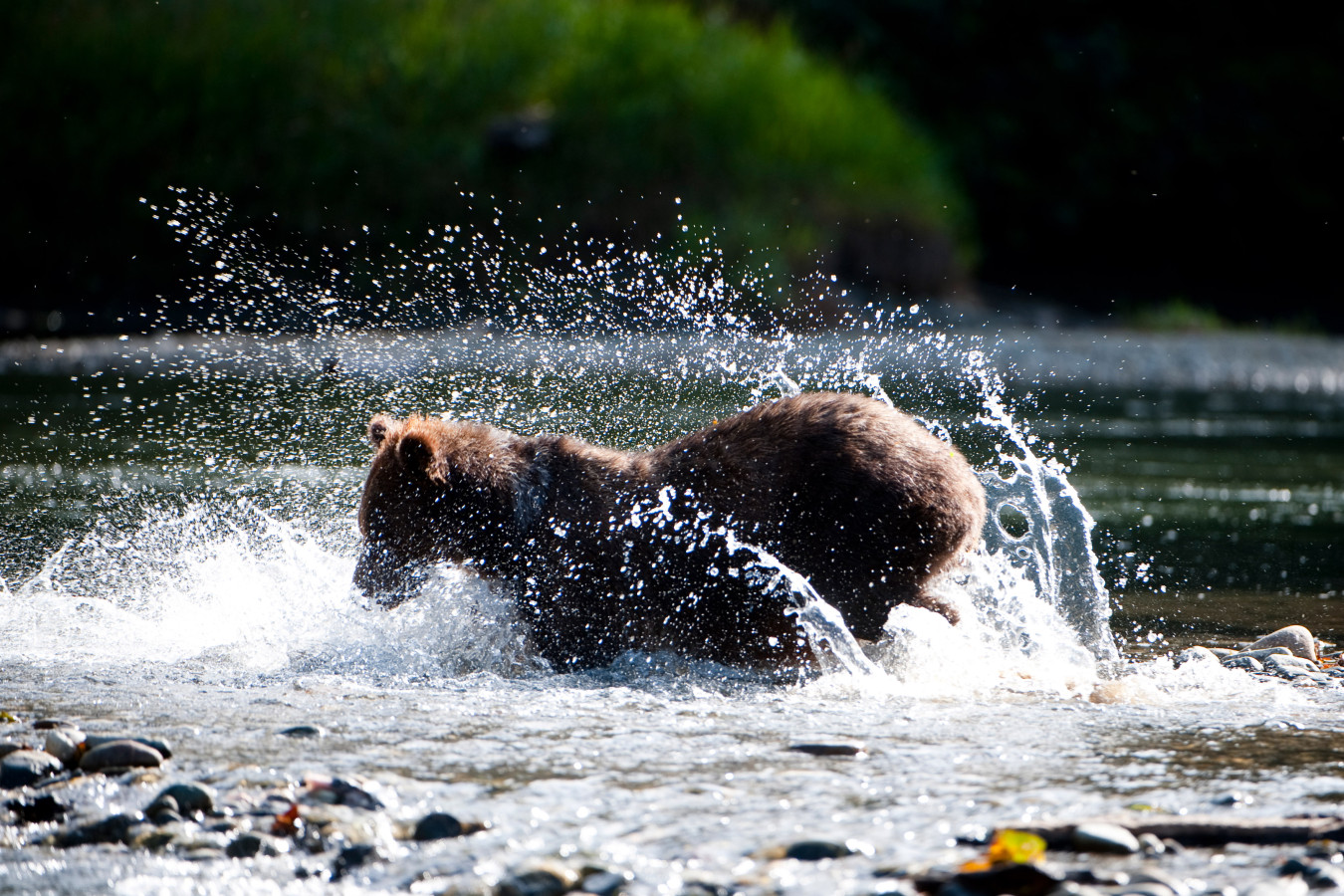
Image by Nick Garbutt
The salmon that die in the river may sink and feed benthic animals, that in turn feed fish, seals, sea lions, sea otters, whales and dolphins. Those that float are food for blue and salmon sharks which are preyed upon by orca and northern elephant seals. Altogether, it is thought that over 190 species of fauna and flora benefit from the salmon.

Image by Nick Garbutt
The threat of human economic and industrial activities on this vitally important and intricate ecosystem is immense, with logging, liquid natural gas mining and transport, overfishing, hunting and shipping acting as pressing dangers to the rich mosaic of habitats, the diversity of flora and fauna, and the balance they maintain. Climate change is adding to the pressure, with heatwaves and drought altering the predictability of water levels, temperature, fruiting season and other seasonal patterns that this web of life relies upon.
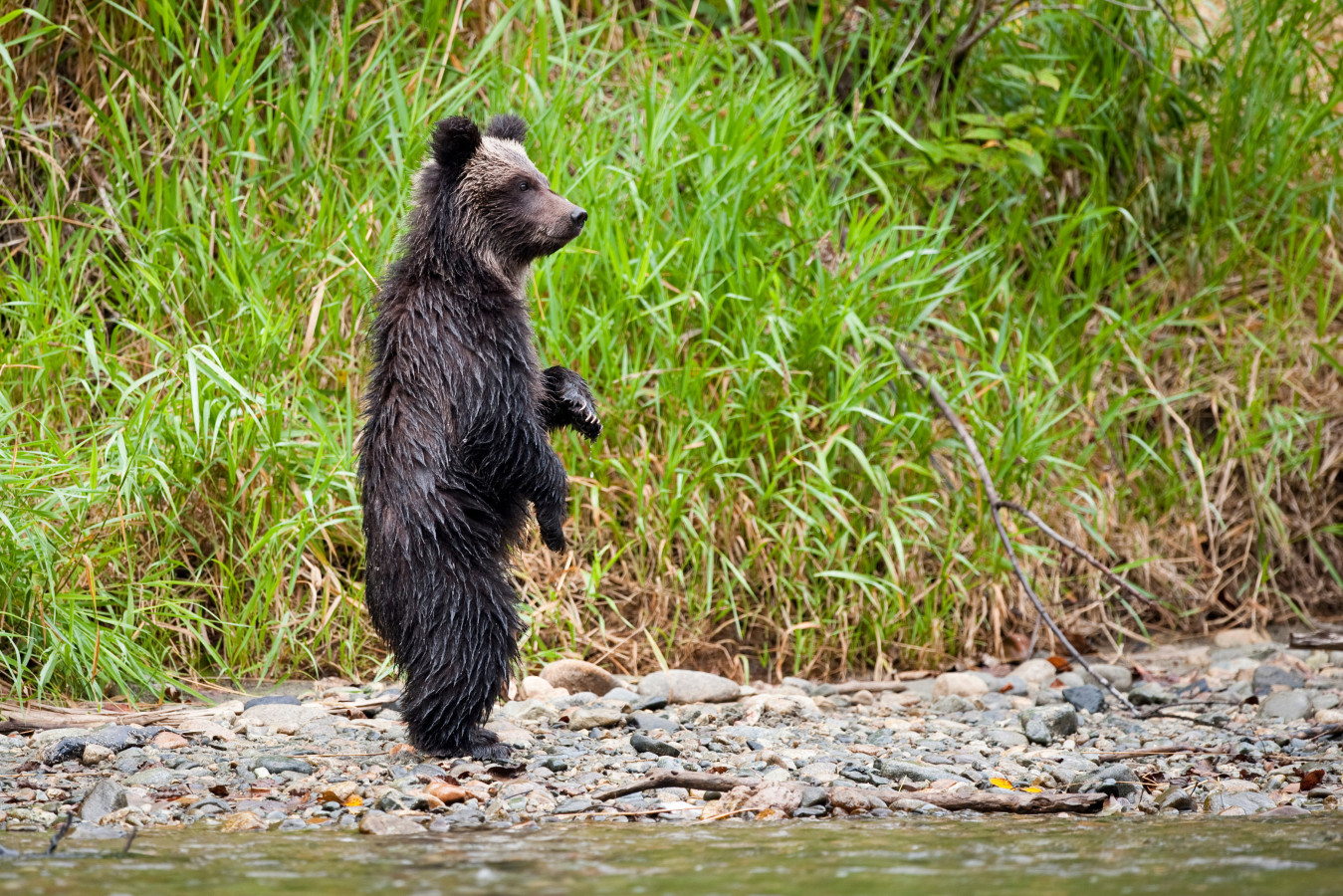
Image by Nick Garbutt
The land and waters of the Great Bear Rainforest are of significant cultural importance to First Nations people who have lived in sympathy with their environment as stewards for over 10,000 years, and are strong advocates for conservation measures to defend their home. Sustainable ecotourism, and the revenue it generates, is widely believed to help promote conservation, showing that there is value in keeping the wildlife alive, benefitting local communities, the local economy and maintaining a healthy, balanced ecosystem for the future and welfare of all.
Many thanks to the communities whose tranquil and picturesque territories I travelled through (Haisla, Gitga’at, Heiltsuk and Kitasoo/Xai’xais), the superb crew of the Island Roamer for their dedication, expertise and great food! This is a holiday that will stay in my heart for a very long time.

Image by Nick Garbutt
If you're interested in traveling to The Great Bear Rainforest, our friendly team are available to help - contact them today.