In Search of the Bearded One - Iberian Lynx Watching in Spain

Tour Leader John Muddeman has been leading our trips in search of the elusive Iberian lynx for over ten years and here provides a unique insight into our Iberian Lynx Quest tour.
Not without reason, this week-long tour to search for the enigmatic, beautiful, and endangered Iberian lynx has been a favourite with Wildlife Worldwide clients since its inception. Encompassing visits to the Andújar mountains and the world-famous Doñana National Park in Spain – the two core areas where the species tenuously held on for survival just a whisper in time away – it also enables us to sample the rather peculiar similarities between two areas that outwardly look so different.
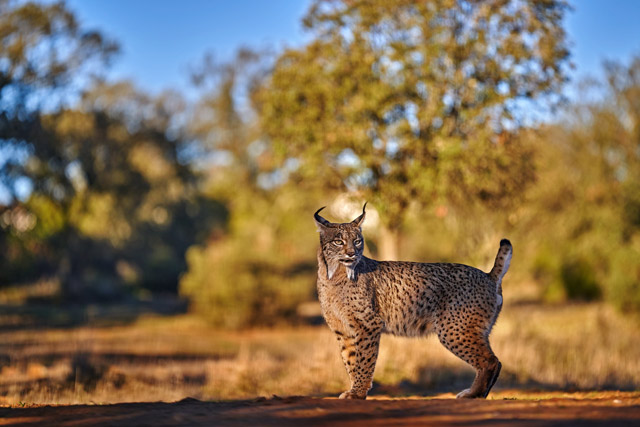
 Searching for ‘the bearded one’ – as it’s colloquially sometimes referred to – provides us with a magnificent opportunity to enjoy the faunal and floral riches of these areas and during our patient waits and searches for its sometimes ghost-like appearance, we have plenty of time to look for many of the other residents that share its habitat.
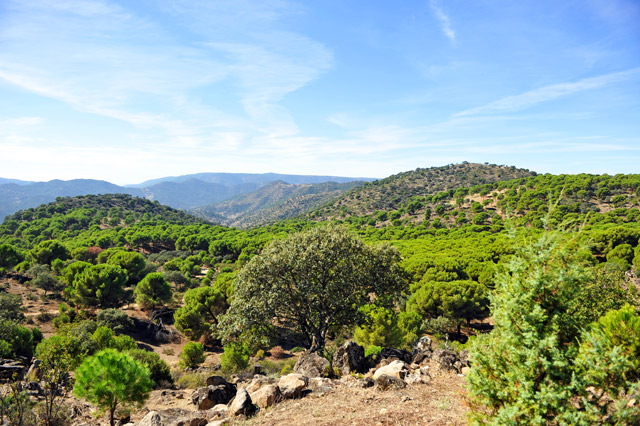
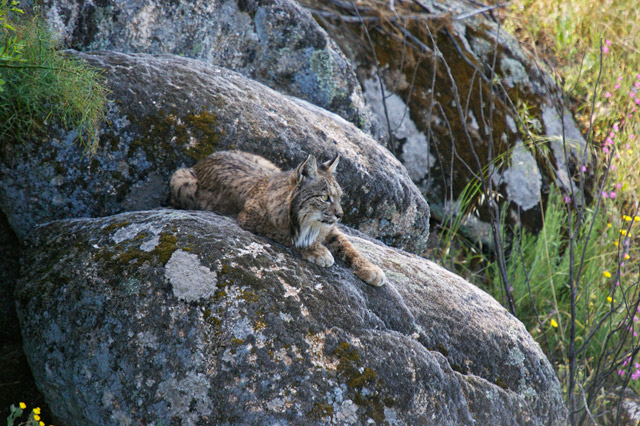
 The pleated landscape of holm and cork oak dehesas in Andújar is reminiscent of closed parkland, liberally peppered with rounded granitic boulder outcrops which also appear to tumble down to the very bottom of the deep valley of the river Jándula through huge expanses of wild olives, terebinth and mastic trees and a dense cover of gum cistus, tempts the watcher to imagine a lynx at every turn! More often than not though, any movement is more likely to be one of the abundant red or fallow deer, or with greater luck, a colourful mouflon or perhaps even one of the impressive local Iberian ibex, while in the dusk half-light, shadowy wild boar start to roam. Down at the river itself, Eurasian otters play out their secretive lives, sometimes allowing us excellent views from right above them, further illustrating the mammal diversity present. While the humble European rabbit may not seem of much interest, it’s the critical cornerstone for the survival of the Iberian lynx and indeed the whole suite of predators in the western Mediterranean.
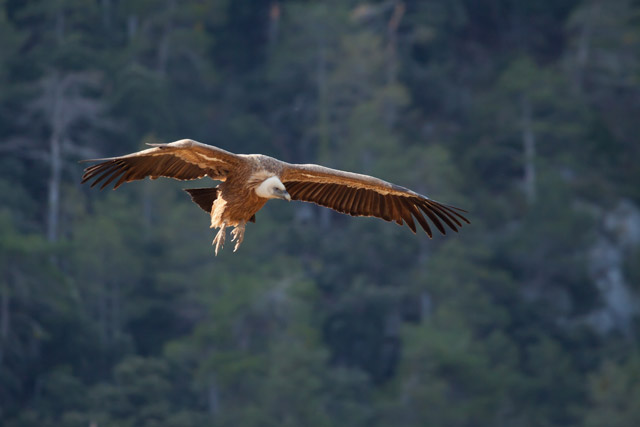
 Not surprisingly, the birdlife in this seemingly remote area is remarkable too, with a wealth of species likely. The mighty cinereous and Eurasian griffon vultures, Spanish imperial and golden eagles, feisty Iberian magpies, yaffling Iberian green woodpeckers, colourful Eurasian hoopoes, delightful little owls, scarce blue rock thrush, black wheatear and grumbling Dartford warblers are just some of the species that can be seen here.
 The almost dead-flat terrain in and surrounding Doñana on the other side of Seville, especially when based in the unique little town of El Rocío, couldn’t appear to be more different! Not only are the extensive umbrella pine stands enriched by the same variety of trees and larger bushes, however, but there are social and cultural similarities too - you’ll need to come to find out about these!
 Lynx watching here is aided by local guides as we take a long morning out through the restricted part of the National Park in 4-wheel drive vehicles, in addition to carrying out a couple of early morning and/or evening watches at other key sites.
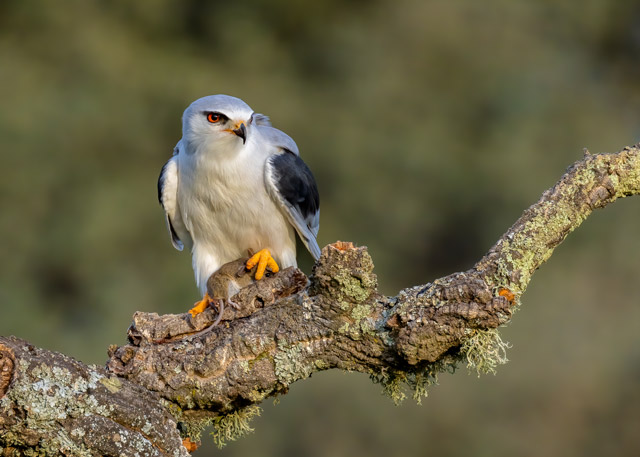
 We also mix in some of the variety afforded by being near the coast by visiting several wetland habitats for their abundant birdlife. The rice fields are full of avian life including storks, egrets, spoonbills, ibis and the exquisite black-winged kite. The rich coastal area is a wintering ground for abundant terns, waders, gulls and greater flamingos in the salt pans. And, with luck on a sunny day, there’s a very reasonable chance of spotting a Mediterranean chameleon hunting in the bushes.
Join us on our Iberian lynx watching holiday, or to find out more contact our team.