Watching Wild Dogs in Botswana
Wildlife Worldwide Client David Cohen shares the incredible encounters he experienced on our Wild Dogs in Botswana group tour earlier this year.
In recent years, my wife and I have spent more time focusing on our bucket list of things we want to see and places we would like to visit, whilst we are still fit enough to travel. Fortunately, we've been making steady progress, finding polar bears, Arctic foxes and walruses in Svalbard and tigers, sloth bear and dhole (Indian wild dogs) in Central India.
One mammal that had constantly eluded us was the African wild dog, so when the opportunity presented to join Wildlife Worldwide’s Botswana's Wild Dogs tour, we jumped at the chance and set off for Maun, the gateway to the Okavango Delta.
We were soon on our way out of town, heading towards our first campsite in the Khwai Concession and made good progress along some dusty and bumpy roads. As the light faded, we were amazed when our leader Disho made us aware that two wild dogs were running up the road in front of us. We had excellent views of these two individuals and managed some photos in the fading light. Disho told us that they were a male and female, which had individually left their existing packs to branch out and form a pack of their own. We could not believe that after all this time we had been successful, within a matter of hours of leaving the airport.
 The following day, we saw another four dogs, again in the fading light at the end of a full day of watching wildlife. However, our third day in Botswana turned out to be one of the best wildlife experiences we have ever experienced. It started as usual with two bowls of warm water provided at our tent at 6:00 am, followed by tea or coffee and a breakfast of porridge, cereal, and toast. At 7:00 we set off in our open-sided safari vehicle, and Disho soon found the pride of lions that had been calling throughout the night, close to our campsite. There were two adult females and four well-grown adolescents, almost as big as their mothers. They had obviously fed well and were very relaxed, allowing us plenty of time to photograph them in the early morning light.
After an hour or so, they moved into some thicker woodland, and we decided to move on to look for the pack of wild dogs which also called this area home. After half an hour or so, we found a pack of 17, including a heavily pregnant alpha female, who looked likely to give birth at any time.
The dogs had spotted some impala, one of their preferred prey animals, in a patch of woodland and started to move briskly towards them. We soon realised that this was the same woodland which the lions had entered earlier, and the dogs soon realised this too and turned tail, leaving the woodland very quickly, pursued by the six lions. The dogs were very excited and barked continuously as some of the adolescent lions pursued them. The adult lions knew that the dogs were too quick for them and didn’t waste their energy, although the less-experienced youngsters made some half-hearted attempts to catch them. A passing hyena made itself scarce in the light of all this excitement.
 Eventually, the dogs moved away and Disho was able to manoeuvre the vehicle through the grassland, to keep in touch with them. Eventually, they entered some thicker vegetation that we couldn’t cross but Disho seemed to know where they were headed and positioned us on the edge of the floodplain by the river. After 20 minutes or so, the dogs turned up close to us and entered the floodplain to hunt. There was a small group of lechwe, quite stout antelopes, along the edge of the river and with crocodiles preventing them from exiting across the river, the lechwe’s options were limited.
The whole pack took off at a great speed and managed to bring down a female in the shallows. At this point, pandemonium followed as the pack ripped the unfortunate animal apart and proceeded to devour the carcass within minutes. Wild dogs are one of the smaller predators on the plains and their prey can often be stolen by lions or hyenas. Whilst leopards will often carry a carcass into a tree to protect it, the dogs adopt the simple approach of putting the carcass into their stomachs as quickly as possible. Within minutes, the unfortunate lechwe was history, although the pack spent the next hour or so crunching on the bones and picking up any scraps that may have been discarded in the mayhem. This provided us with some excellent photographic opportunities as the dogs relaxed and cleaned the blood from their faces, as white-backed vultures and tawny eagles started to appear overhead.
 In the afternoon we returned to a hyena den that we had visited briefly on our first evening and found the ten pups still in residence. They were all different sizes, indicating that several females within the clan had given birth, and ranged in age from little black ones of about a month old, though slightly spotty ones at two months old to individuals of three months plus which looked very similar to the adults. The pups were very inquisitive and playful, and we spent a fascinating hour watching them play fight, chew sticks and each other’s ears, all the time with the sound of camera shutters in the background. Eventually, we moved away and continued to look for other wildlife until dusk, rounding the day off nicely with views of a hunting serval, a common genet, a couple of bat-eared foxes and a Southern lesser galago, or bushbaby.
 We returned to camp and enjoyed gin and tonics around the campfire, whilst our cook prepared another sumptuous meal. We all agreed that this had been an unforgettable day, one we would remember in our 'rocking chair moments'.
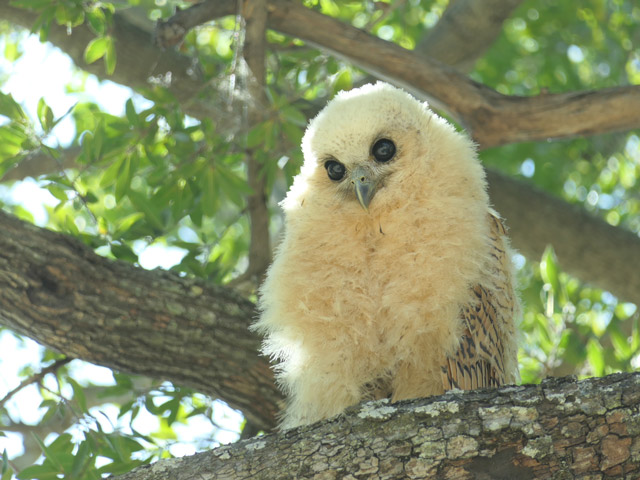
The remainder of our time flew by and although we had no further encounters with wild dogs, we saw prides of lions almost every day. One of these had taken down a giraffe, which would probably last them a few days. The three females had a selection of young cubs of different ages, and it was a real privilege to share and photograph their intimate family moments. Whilst this was not a birding trip as such, we did bump into some excellent species, including a couple of slaty egrets, a Pel’s fishing owl with a well-grown youngster and five species of owls on our night drives in the Lake Ngami area.
 We're delighted that we can now take African wild dog off our bucket list and enjoy the memories of our third day on safari in Botswana for the rest of our lives.
Images by Susanne Cohen
Contact a member of our team if you also want to watch wild dogs in Botswana.