This year we enjoyed our inaugural departures in July and September, exploring two contrasting landscapes: Baía das Pedras, in the heart of the Castelo floodplain, and Barranco Alto, on the banks of the Rio Negro.
At Baía das Pedras, the expansive floodplain is characterised by open grasslands, seasonal wetlands, savannas and woodland patches. These varied habitats support an impressive diversity of mammals and birds, offering excellent opportunities to encounter giant anteaters, pampas deer, lowland tapirs and colourful macaws.
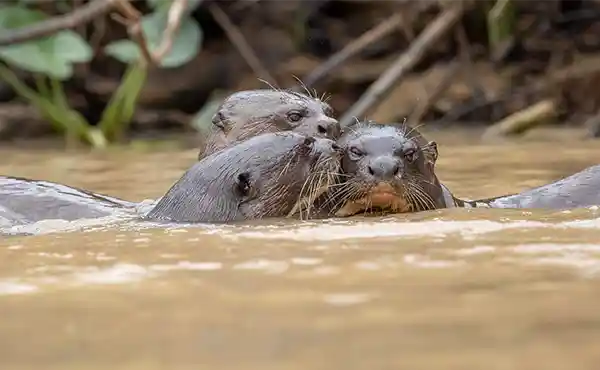
 Further south, Barranco Alto provides a different perspective on the Pantanal. Its river channels, gallery forests, sandy banks and saline lakes are home to giant otters, caimans, jaguars and an extraordinary variety of waterbirds. Here, boat excursions along the Rio Negro complement land-based safaris, offering opportunities to discover wildlife from a different perspective.
Throughout the journey, a combination of vehicle safaris and boat trips allows us to explore these contrasting environments at a relaxed pace, making the most of every wildlife opportunity. With our inaugural departures now behind us, we're looking back at the highlights of both journeys, celebrating the remarkable sightings and unexpected moments that made each trip so special.
Departure 1 – July: Exceptional Mammal Encounters and Remarkable Jaguar Sightings
Our July departure got off to a fantastic start, with wildlife encounters beginning almost as soon as we arrived at Baía das Pedras. Greater rheas, pampas deer, capybaras and numerous waterbirds were among the first species spotted, while giant anteaters quickly became one of the highlights.
One particularly memorable afternoon brought encounters with three different giant anteaters, including an individual that approached remarkably close. The following day, we were treated to another special sighting — a female carrying her young on her back. These extraordinary mammals provided some of the most rewarding moments of the first part of the journey.
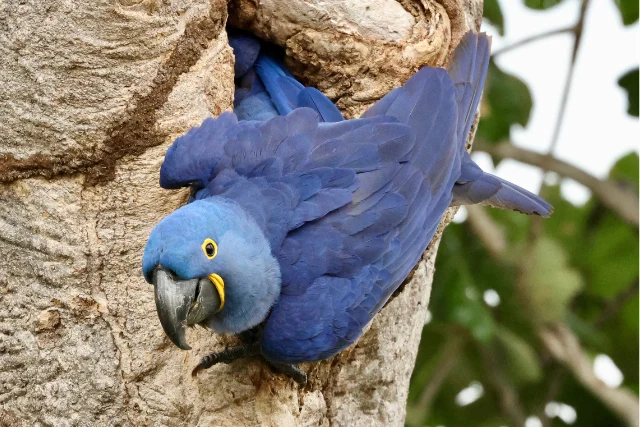 Birdwatching was equally impressive. More than 150 species were recorded during the departure, including hyacinth macaws, red-and-green macaws, jabirus, toco toucans and roseate spoonbills. We also found a cream-backed woodpecker nesting, observing this fascinating behaviour from a respectful distance.
At Barranco Alto, the focus shifted towards the waterways and their wildlife. A family of giant otters emerged from the river onto the bank, where we watched them marking their territory before slipping back into the water.
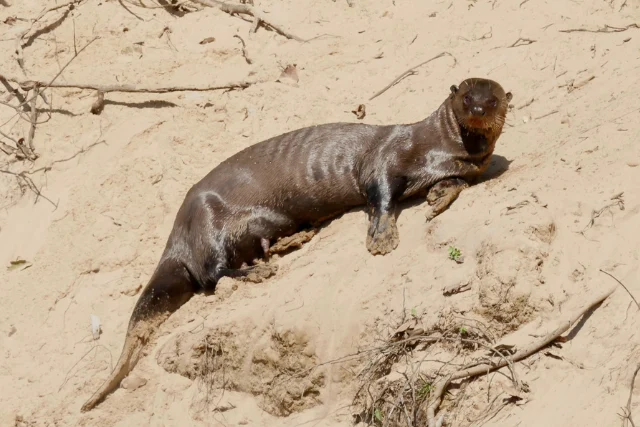 The jaguar sightings, however, were among the most unforgettable experiences. One afternoon, we spent a couple of hours observing a jaguar resting beside a saline lake, grooming itself and stretching out in the grass. Another appeared near a lake during an evening drive, while our final morning brought an extraordinary encounter with an adult male resting on a sandy riverbank in the Brazilian sunshine.
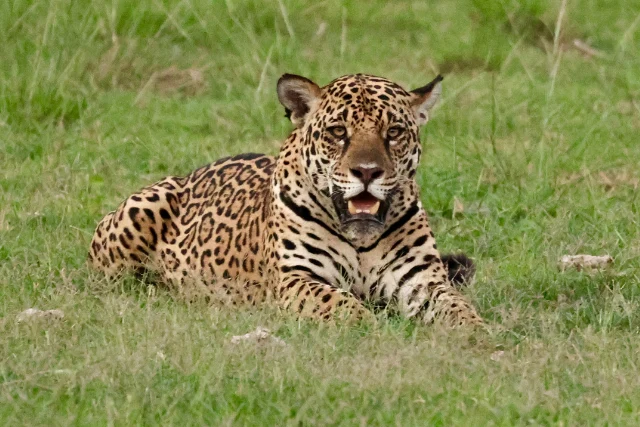 With ocelots also making appearances, July offered a fantastic introduction to the diversity of the southern Pantanal. From close encounters with giant anteaters to extended observations of jaguars, the departure delivered an exceptional variety of mammal sightings.
Departure 2 – September: Unexpected Encounters and Extraordinary Wildlife Diversity
September proved just as rewarding, with some remarkable encounters that made this second departure particularly memorable.
At Baía das Pedras, the wildlife was abundant from the beginning. Capybaras, greater rheas, pampas deer and giant anteaters were among the regular sightings, but one encounter stood out — three lowland tapirs. One approached along the road, while a mother and her calf were spotted swimming in a pond. We watched as they climbed out of the water and crossed directly in front of our vehicle, providing an unforgettable opportunity to observe these impressive animals at close range.
The birdlife was another major highlight. More than 170 species were recorded, including hyacinth macaws, red-and-green macaws, sunbitterns and three cream-backed woodpeckers spotted during a particularly productive morning. Giant anteaters also delivered another memorable afternoon, when three individuals were seen together.
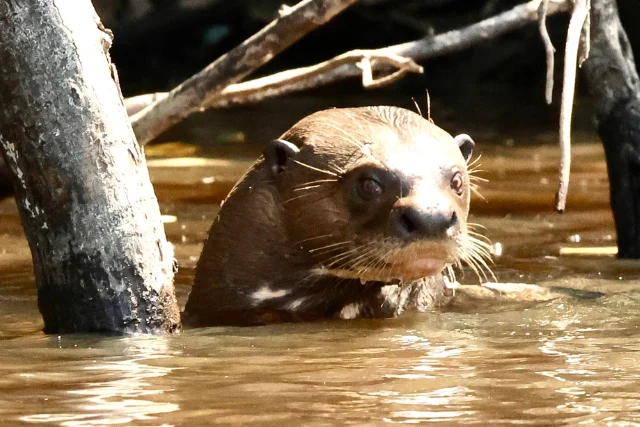 At Barranco Alto, September brought further exciting encounters. We followed a group of giant otters for around half an hour as they moved along the river, eventually disappearing into their den. We encountered them again later during the return journey.
The jaguars were once again a major attraction. After exploring a lake filled with waterbirds, we spotted a female resting on the ground just around the next bend. An evening drive brought another encounter with one of these magnificent predators. Ocelots also made appearances, adding to the impressive diversity of wild cats observed.
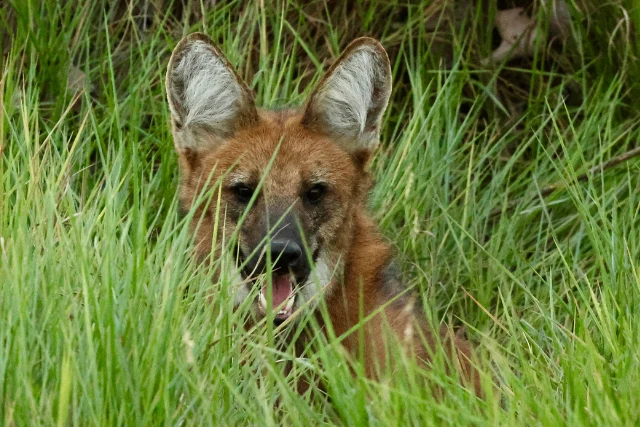 Perhaps the most unexpected highlight came when we were searching for marsh deer. An unusual smell nearby prompted us to turn around, revealing a maned wolf lying just a few metres away. As we watched quietly, it yawned, stood up and began grooming itself. Then, to our amazement, a second maned wolf emerged. We spent the rest of the afternoon observing the pair, making this one of the most extraordinary encounters of the entire journey.
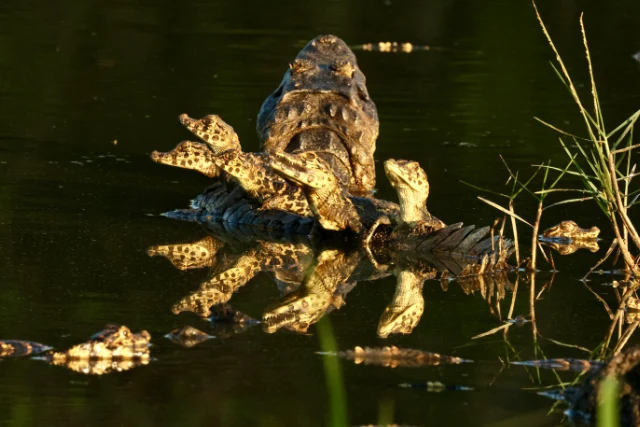
September also brought some fascinating smaller moments, including a female caiman surrounded by dozens of tiny young at a saline lake.
 While both departures shared outstanding sightings of jaguars, giant anteaters, giant otters and ocelots, September brought its own distinctive surprises, particularly the tapir family and the exceptional encounter with two maned wolves.
Two Departures, Countless Memories
Our inaugural Best of the South Pantanal departures demonstrated just how rewarding this region can be for wildlife enthusiasts. With more than 150 bird species recorded in July and over 170 in September, alongside an impressive variety of mammals, both journeys offered exceptional opportunities to experience Brazil's wildlife. From jaguars and giant otters to giant anteaters, tapirs and the elusive maned wolf, every departure had its own unforgettable moments.
If you'd like to join us on a future trip to discover extraordinary landscapes and remarkable wildlife of Brazil's South Pantanal, discover our Best of the South Pantanal tour today or contact our expert team for more information.