This twin-base wildlife tour combines two of the most remote and best wildlife lodges in Brazil. With huge tracts of habitat and a flexible day-to-day itinerary, it provides our most immersive Pantanal experience.
Prepare to be astonished by the wealth of wildlife in this much less visited corner of Brazil’s famous wetland wonder, the Pantanal. While parts of the Northern Pantanal offer remarkable reliability with jaguar sightings, some of these areas have also become busy in recent years. This is however not the case in the Southern Pantanal, where on this exciting tour we combine two intimate, family owned, traditional lodges as the bases for a gentle paced and excellent all-round wildlife experience.
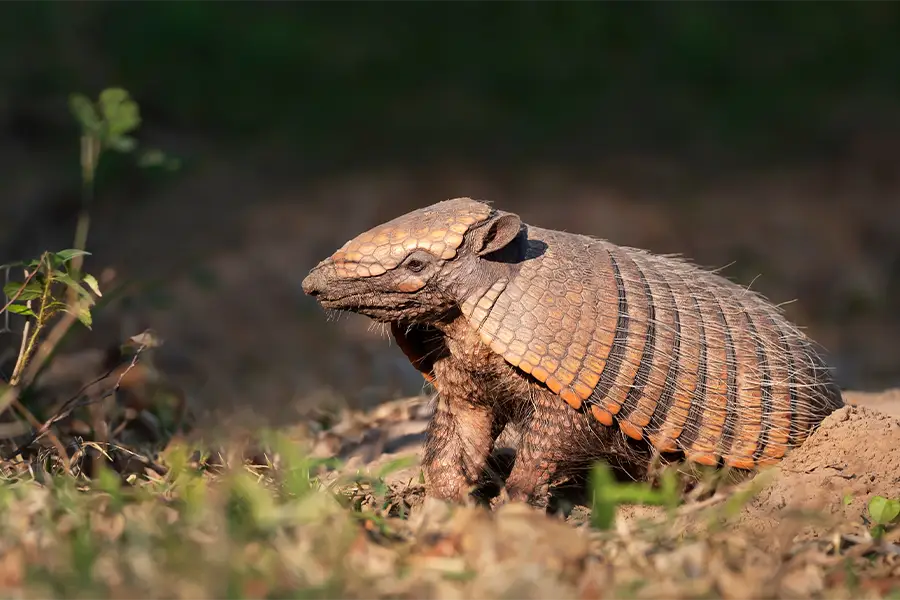
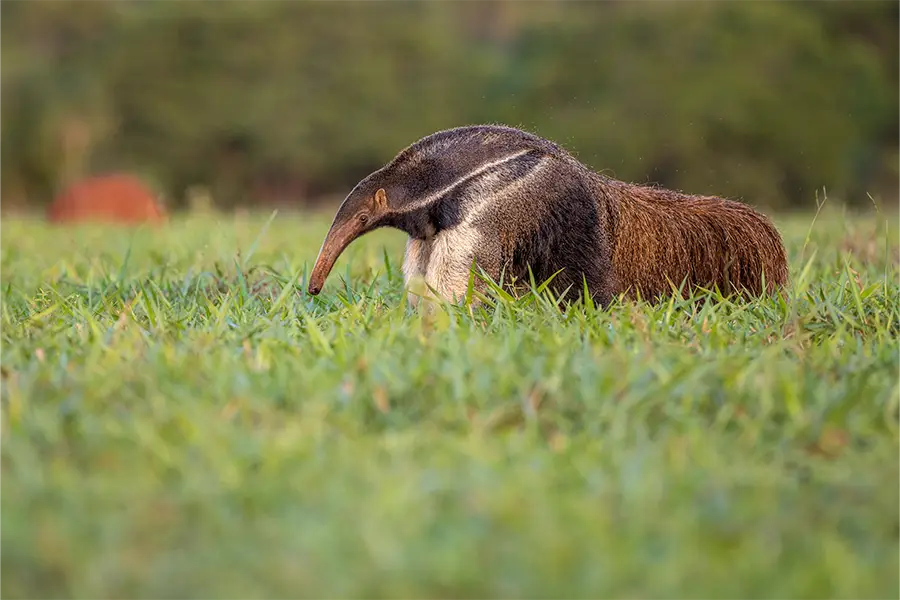
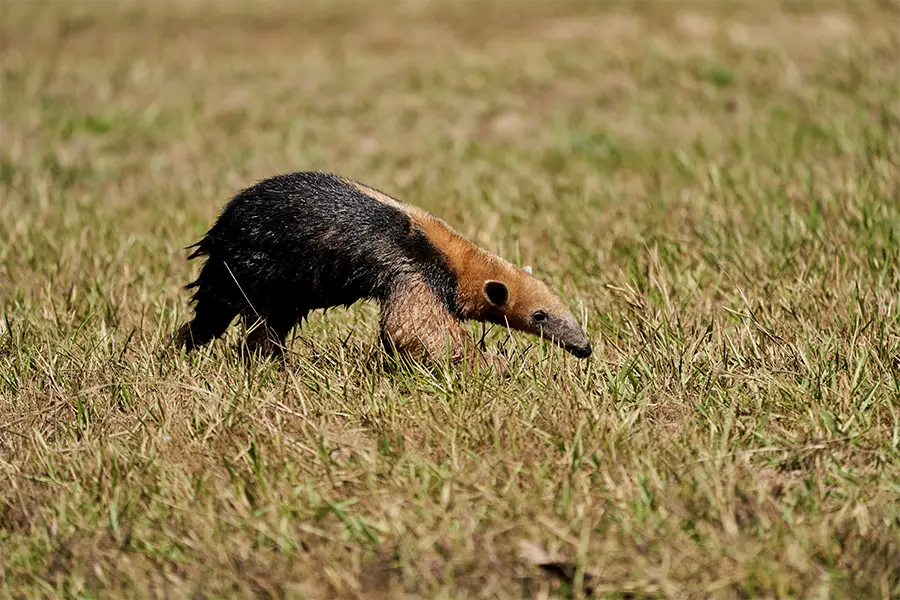
We begin with the grasslands and gallery forests of the wonderful Baia das Pedras Lodge. One of the highlights here is the density of wonderful giant anteaters and their smaller cousins, the southern tamandua, both of which we can often approach closely. The dry savannah here also makes it a great area for armadillos, and we hope to find six-banded, nine-banded and maybe even southern naked-tailed armadillos here.
If we're very fortunate, we may also be joined by researchers from the Giant Armadillo Research Project that are based at the lodge, and potentially we may have the opportunity to help with their data collection on the rarely seen giant armadillos that burrow close to the lodge.
Our second location is the wonderful Fazenda Barranco Alto Lodge, one of the Pantanal’s oldest and most rewarding wildlife lodges. With 13,000 hectares of seasonal wetlands, gallery forest and grassy plains on our doorstep, we're sure to enjoy a wide range of different wildlife on our game drives, walks and boat trips.
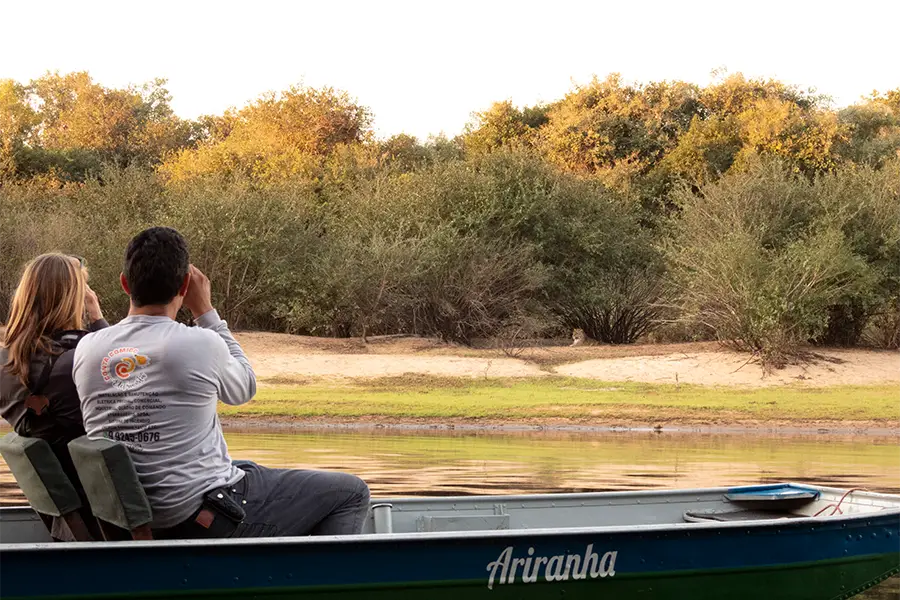
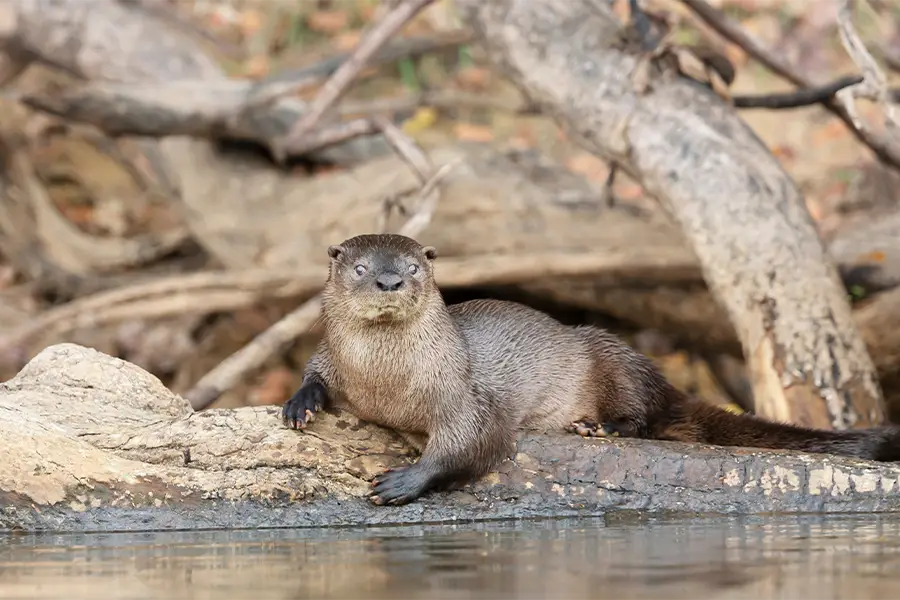
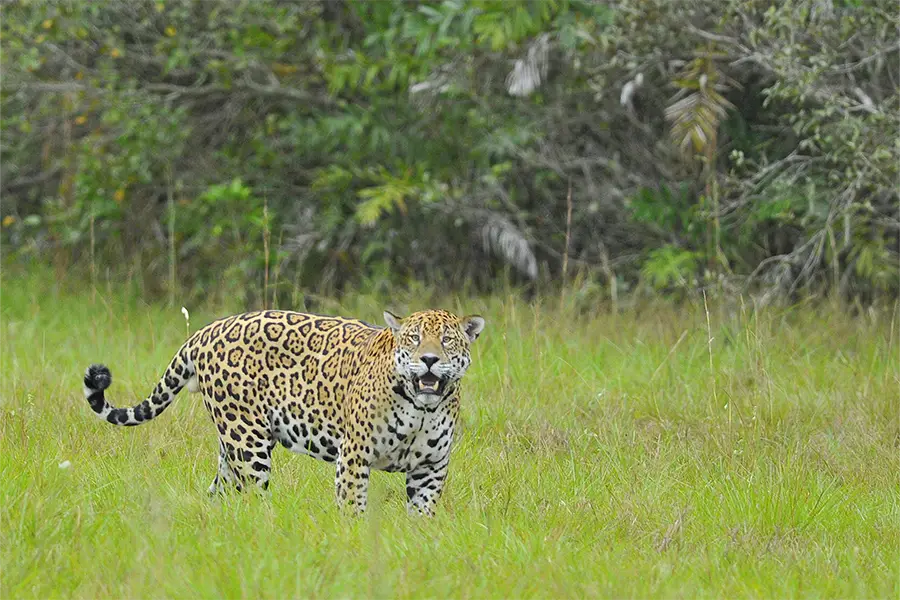
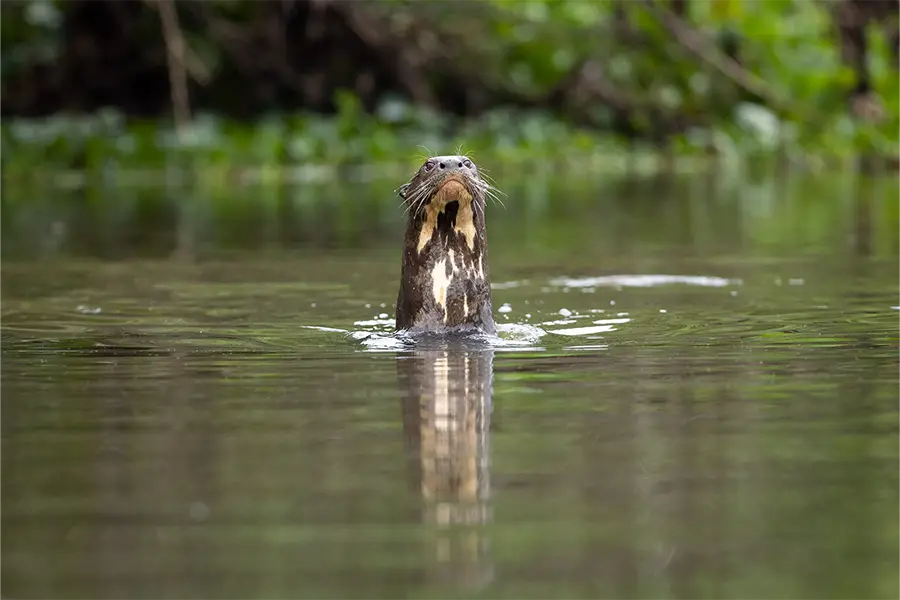
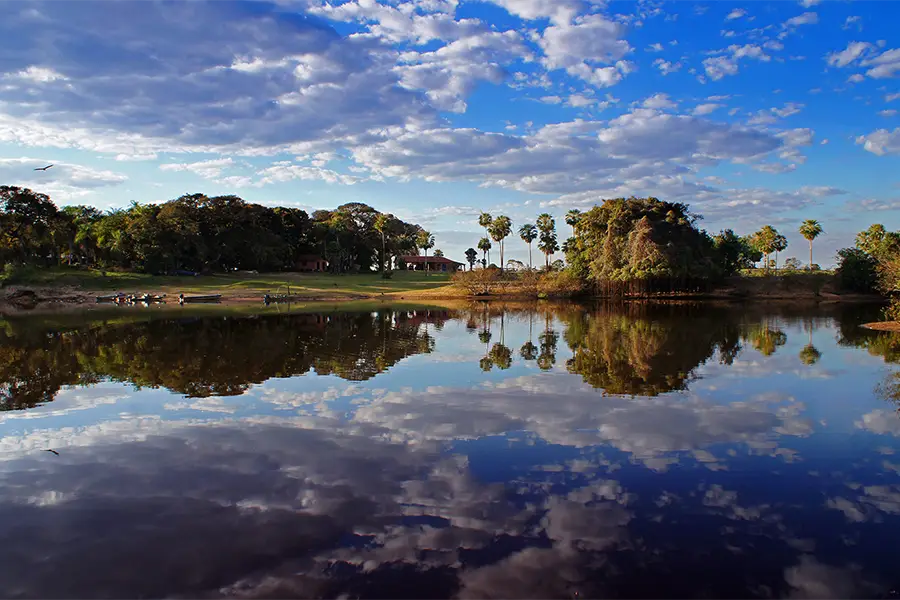
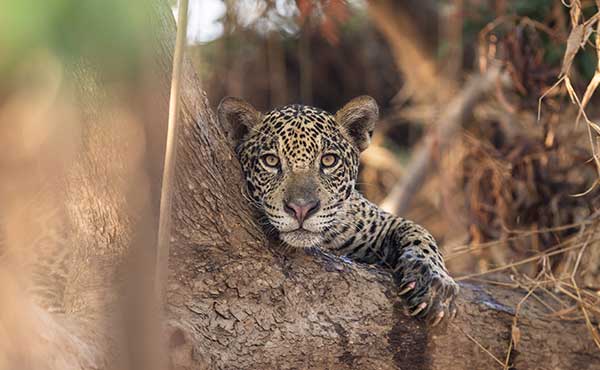
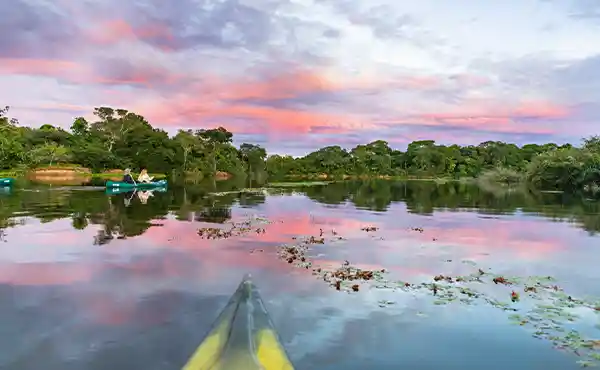
The picturesque Rio Negro flows near the lodge and is an excellent place to delight in close sightings with both giant and neotropical river otters. We also have an outside chance of finding jaguar here and although sightings do not come with the frequency of the North Pantanal, any jaguars and the other species we do see here are likely to be just us and the wildlife.
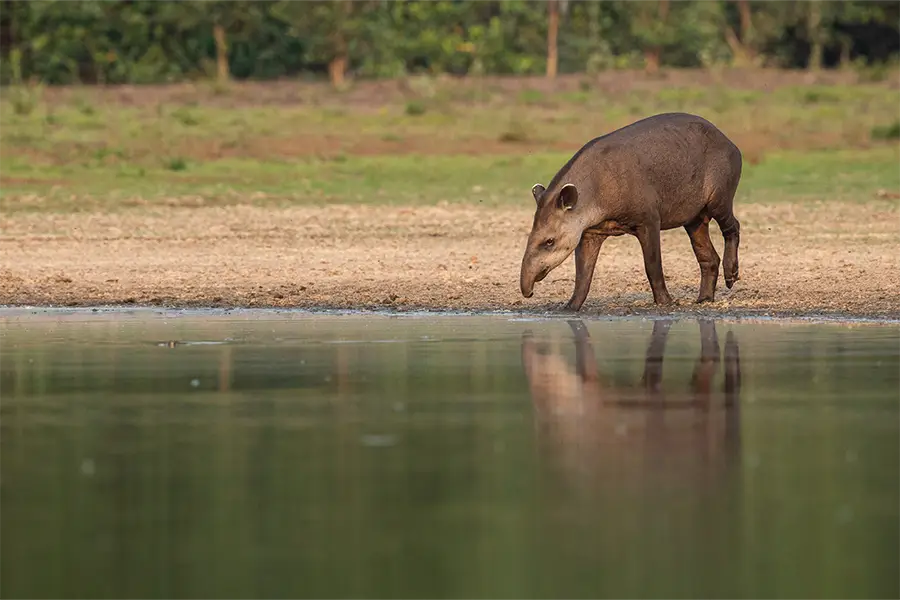
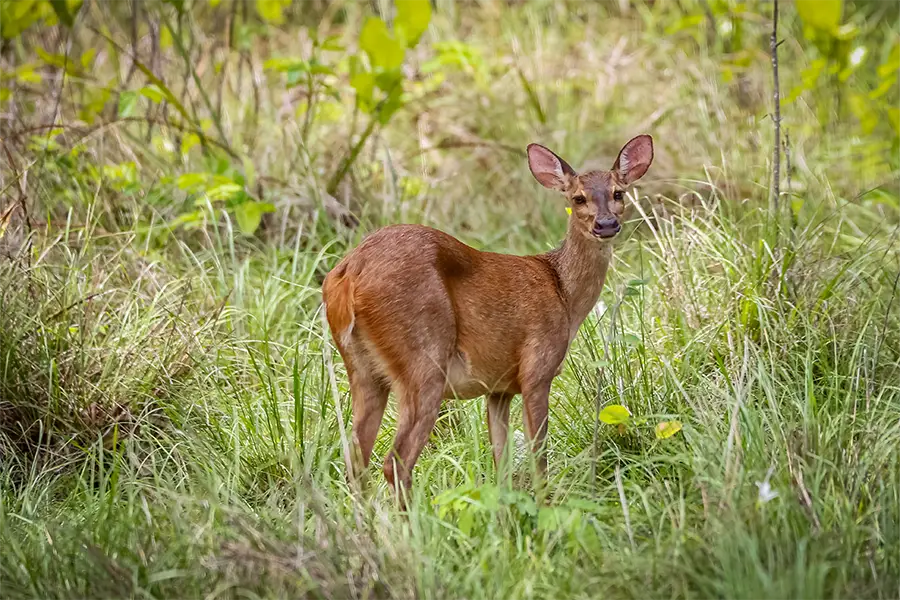
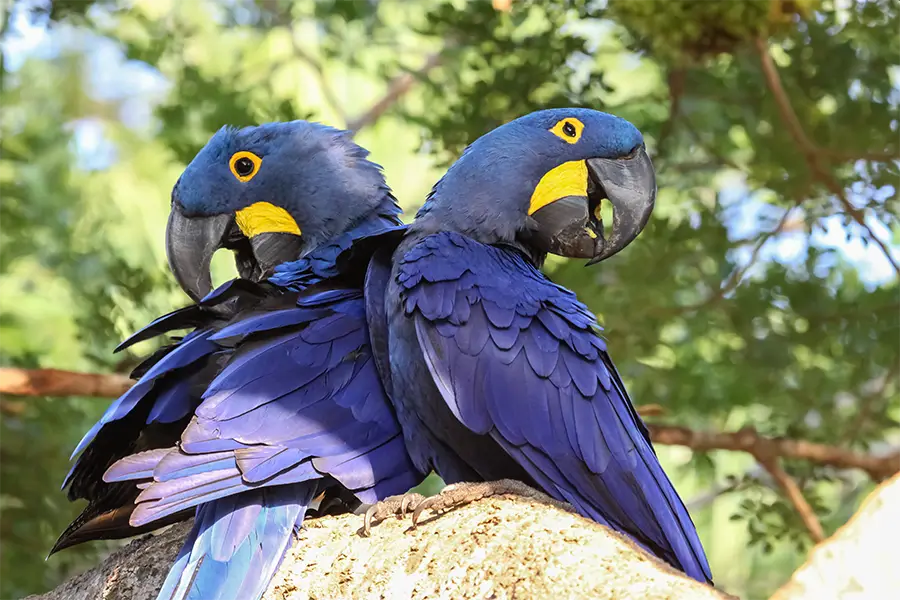
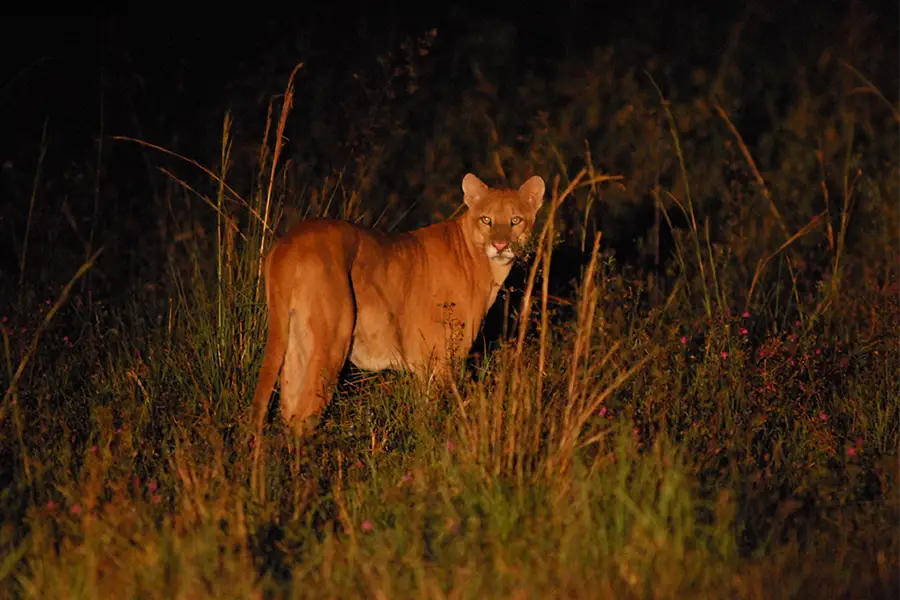
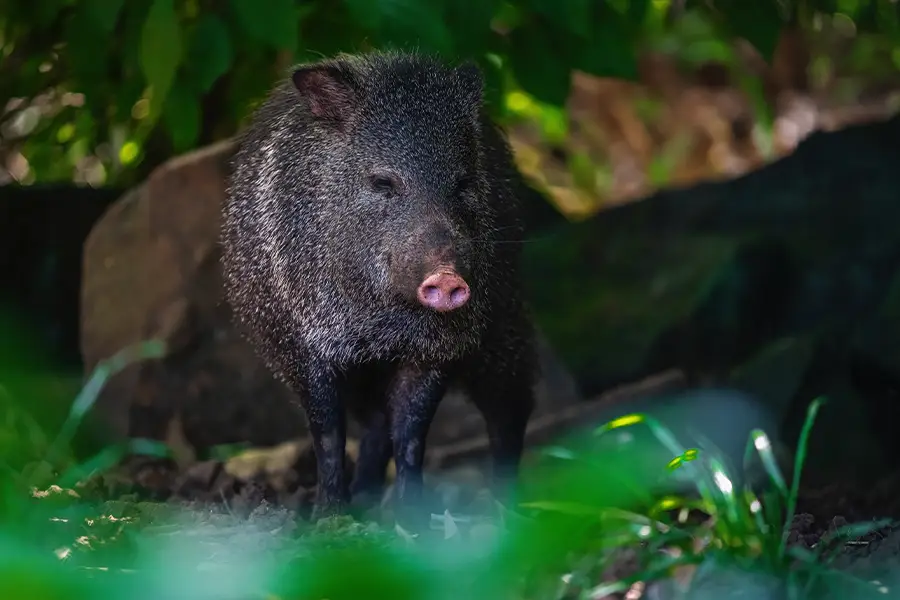
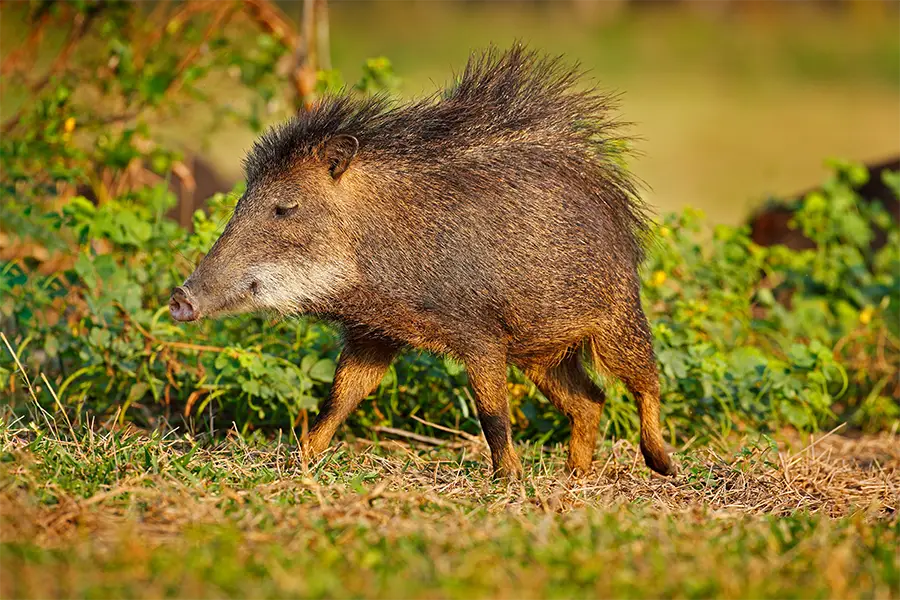
There's a fantastic plethora of wildlife awaiting us at Barranco Alto with tapirs, peccaries, marsh, pampas and brocket deer, howler monkeys and five species of macaws all common. Although still rare, this is also one of the better locations in the Pantanal to come across both puma and tayra, and the charismatic birdlife, insects and reptiles are sure to captivate.
This is the ideal tour if you're looking to discover another side to the Pantanal, where you can feel a sense of exploration in vast landscapes and relish in the thrill of not knowing what may be around the next corner.
Typical Itinerary
-
Day 1:
Depart UK
Depart the UK on an overnight flight from London to São Paulo.
-
Day 2:
Arrive in Campo Grande and transfer to Baia Das Pedras
Following an early morning arrival in São Paulo, we board a domestic flight to Campo Grande, the capital of the Mato Grosso do Sul State and gateway to the South Pantanal.
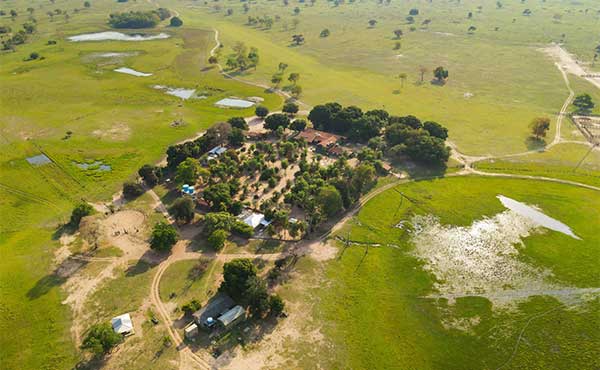
After a stop for lunch, we continue our journey (which may total up to six hours) to Fazenda Baia Das Pedras. The family-run lodge and farm sits within a 17,000 hectare plot of wildlife-rich habitats, in the remote northern part of the Southern Pantanal. We arrive in time to settle in to our accommodation before enjoying our first typical Brazilian dinner in the Pantanal.
Accommodation: Fazenda Baia das Pedras, 4-nights
-
Days 3-5
:
Wildlife watching at Baia Das Pedras
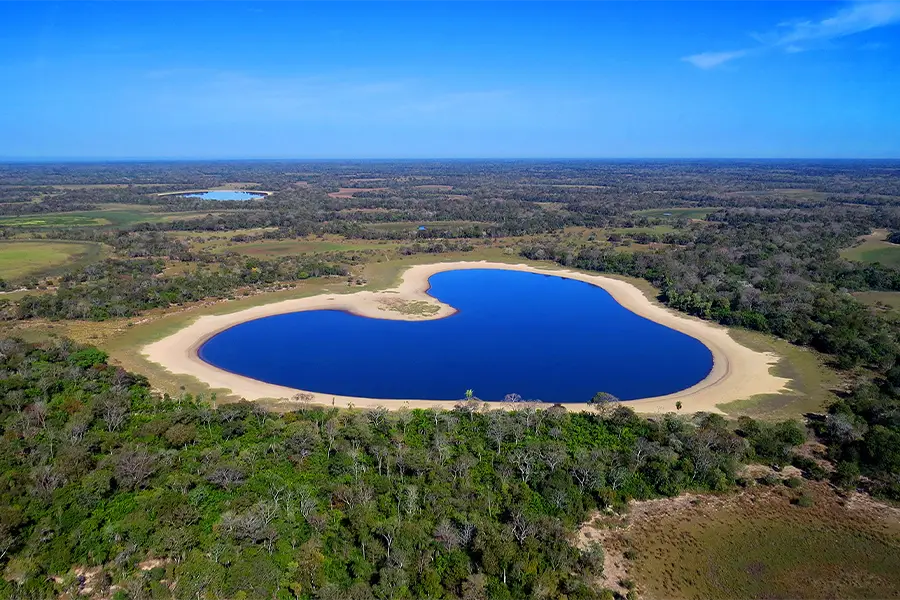
With three full days to explore this biodiverse area, we have plenty of thrilling wildlife encounters ahead. The landscapes here consist of dry savannah, gallery forest and isolated seasonal lakes, perfect habitat for anteaters and armadillos which both occur here in high densities.
We hope to find many giant anteaters and their more elusive cousins, the southern tamandua, feasting on termites on the open plains. Later into the evenings, we hope to locate both six and nine-banded armadillos snuffling the ground for insect larvae. If we're very fortunate, some of the team studying giant armadillos here may also be on site during our stay, which potentially may present an opportunity to join their fieldwork and monitoring these near mythical mammals.
Birdlife is exceptional too, with a great range of typical grassland species such as rhea, burrowing owl, southern screamer and red-legged seriema all common sightings.
With the opportunity to explore Baia das Pedras on foot too, we can also admire some of the smaller creatures, from dazzling butterflies to tiny frogs. Other mammals we're likely to encounter include tapir, both white-lipped and collared peccary, pampas, marsh, gray and red brocket deer, and with more luck possibly a tayra, ocelot or puma.
-
Day 6:
Transfer to Fazenda Barranco Alto
This morning, we have time for one final activity before we set off on our next journey of approximately four hours by open-sided vehicle to our next base. The drive takes us through a mosaic of typical Pantanal landscapes and open farmland, and plenty of wildlife is likely to be seen at the roadsides.
On arrival, we have lunch, followed by some time to settle into our new surroundings where hyacinth macaws, coatis and capybara may greet us. In the late afternoon, we can enjoy our first excursion, perhaps a walking safari in the nearby grasslands and wetlands.
Fazenda Barranco Alto is one of the top wildlife lodges in the whole of the Pantanal, and is located in a very remote, unspoilt and wildlife rich region. It's still a working farm, but we have 13,000 hectares of wildlife-rich wetlands, grasslands and forest to explore and enjoy, almost exclusively.
Accommodation: Fazenda Barranco Alto, 4-nights
-
Days 7-9
:
Wildlife activities from Fazenda Barranco Alto
Over the next three full days we explore this vast wildlife hotspot through a combination of boat trips (or kayaks) along the tranquil Rio Negro, game drives, wildlife walks and optional horseback rides.
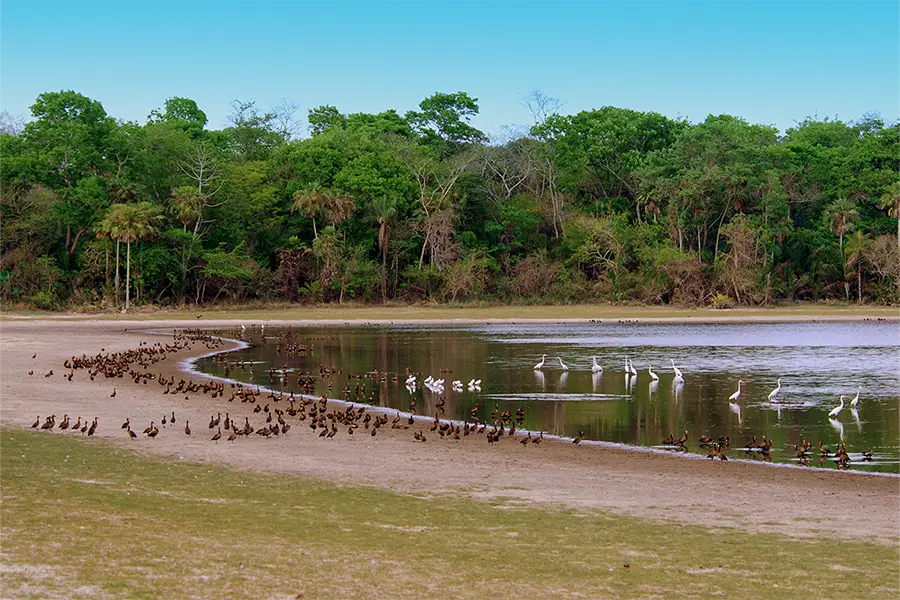
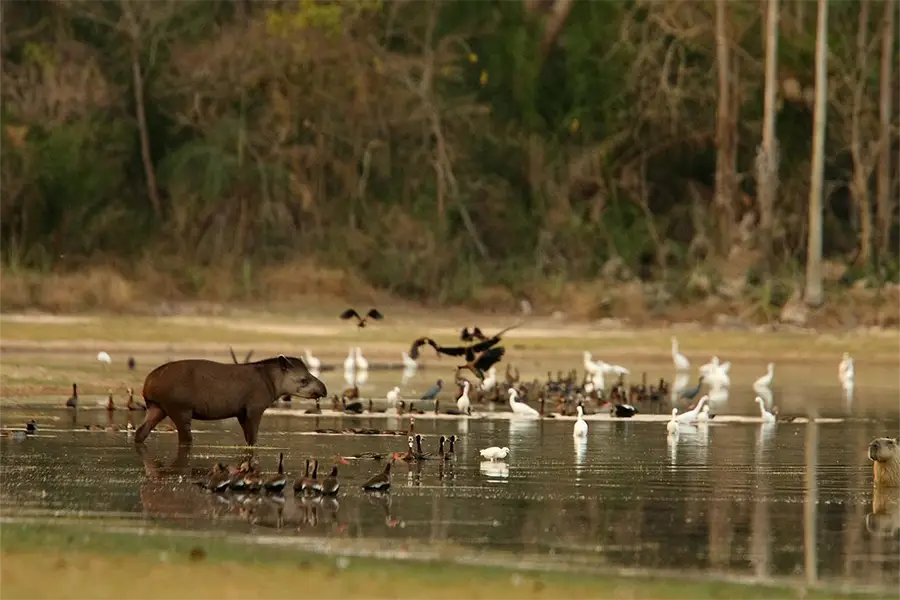
Home to almost all the key mammals, birds, reptiles and amphibians found in the Pantanal, we have a fantastic potential for our wildlife experiences here. After our time at Baia Das Pedras we may focus more on the gallery forests and waterways where tapirs are often located in the open, sometimes to a backdrop of grazing marsh deer and flocks of waders, egrets and herons probing the water’s edge.
Within the forests we can find black-and-gold howler monkeys and exquisite birds such as great potoo, great-horned owl, scaly-headed parrot, red-and-green, blue-and-yellow, golden-collared macaws, crimson-crested woodpecker and blue-crowned trogon.
Barranco Alto is another centre for wildlife research, and the local population of giant otters along the beautiful Rio Negro have been studied here for more than a decade. The more solitary neotropical river otter is also frequently found here. The abundant capybara and caiman attract both jaguars and pumas, which are seen from time to time. Night drives can also be rewarding, with crab-eating foxes, racoons and tapirs often encountered, and with more luck, even puma.
-
Day 10:
Barranco Alto and transfer to Campo Grande
This morning, we have time to enjoy a final wildlife activity and perhaps a last amble around the bird rich grounds, before we set off on the six hour drive back to Campo Grande. Much of our drive is through farmland, but we can stop regularly to enjoy any wildlife we come across.
We arrive in Campo Grande in the late afternoon, in time for dinner at our hotel.
Accommodation: Hotel Deville Prime, 1-night
-
Day 11:
Fly to Sao Paulo and UK
Today we take a domestic flight to São Paulo, where we connect with our onward overnight flight back to the UK.
-
Day 12:
Arrive UK