Renowned naturalist Nick Acheson was born in Norfolk and still lives there today. He’ll reveal why, thanks to the huge range of habitats, Norfolk is among the UK’s finest counties for wildlife. From the steppe grassland of the Brecks, through the wetlands of the Broads and Fens, to the habitats of the coast.
Norfolk has long been known as a paradise for the naturalist, and with good reason. Norfolk isn't just one of the largest counties, it’s also one of the most biologically diverse, with a tremendous range of habitats to explore and species to photograph. The county is surrounded by water - in the extreme west, the ancient wetlands of the Fens feed into the Rivers Ouse and Nene and from here into the Wash.
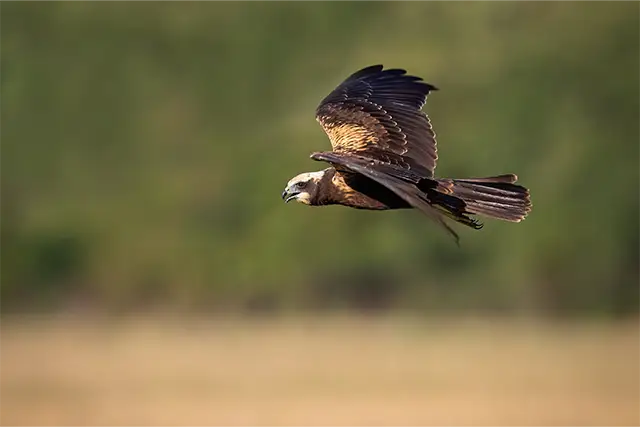
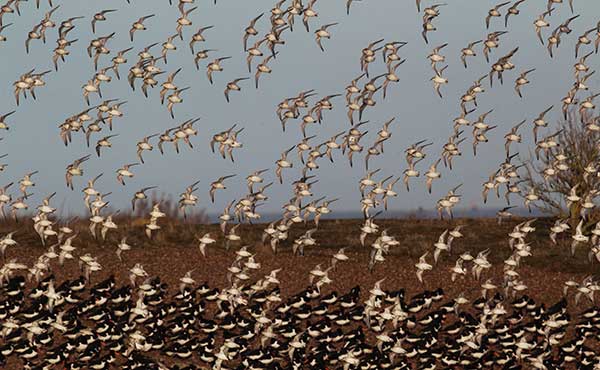
This is a landscape and waterscape haunted by bitterns, cranes, marsh harriers, and by winter herds of whooper swans. The Wash supports hundreds of thousands of waterfowl and waders, which can be seen on the highest tides as they swirl in unimaginable hordes above land.
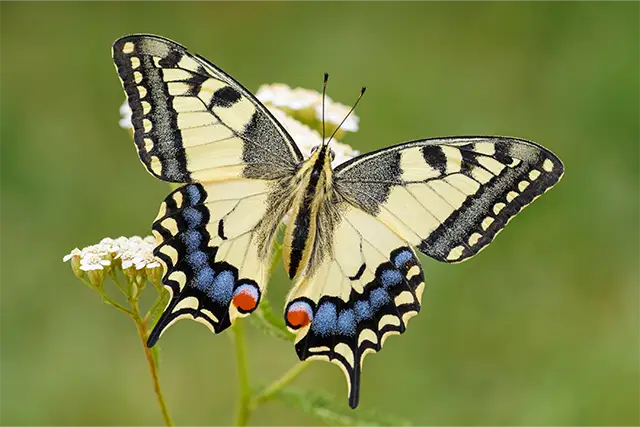
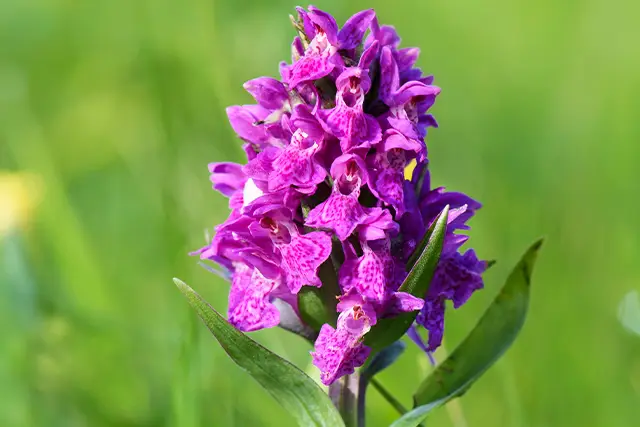
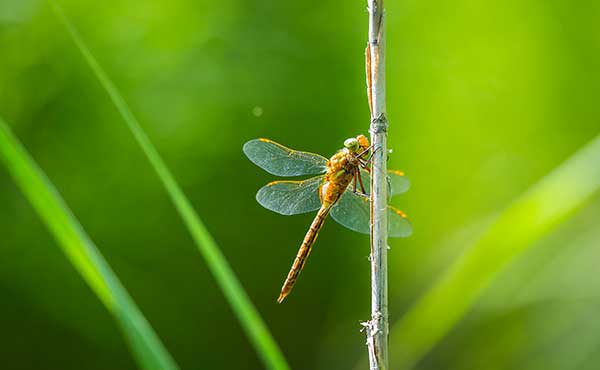
Similarly, the east of Norfolk is low-lying and flooded. This is Broadland, where historic peat diggings and surrounding reed bed and fen are home to swallowtail butterflies, Norfolk hawker and scarce chaser dragonflies, bearded tits, rare fen orchids and charming Chinese water deer.
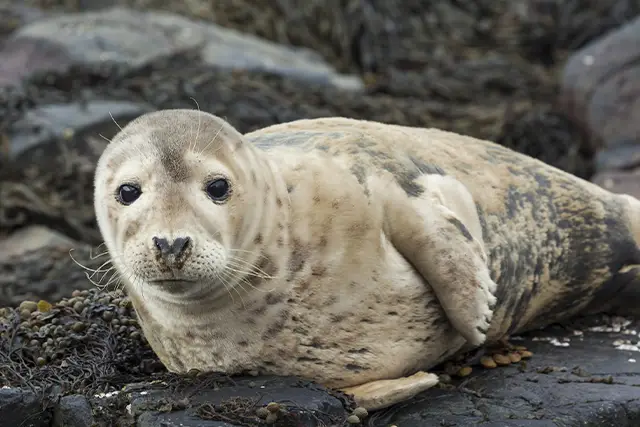
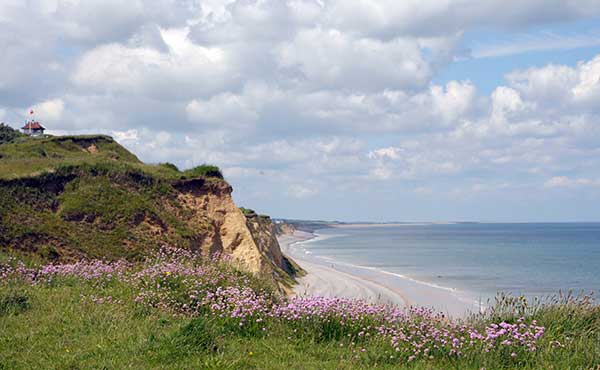
Stretching around the coast, from the mouth of the Broads at Breydon Water to the mouth of the Fens in the Wash, is an extraordinary mosaic of salt marsh, sand dune, grazing marsh and vegetated shingle spits. These are home to grey and harbour seals, to shrieking colonies of Sandwich, common and little terns, black-headed and Mediterranean gulls, and in winter to thrilling flocks of both pink-footed geese from Iceland and dark bellied brent geese from Siberia.
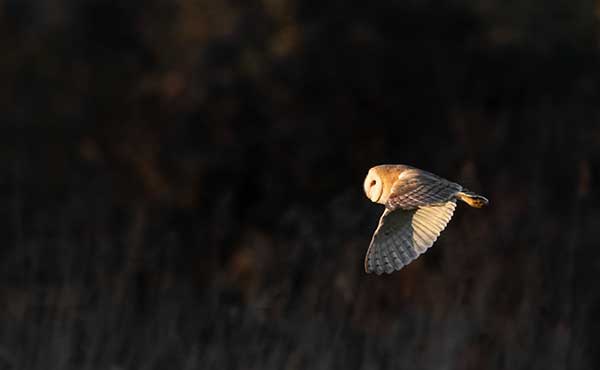
The coast is the haunt of peregrines, merlins, hen harriers, short-eared owls, white-tailed eagles and vagrant waifs which arrive year-round on the wind. In recent years they've been joined by breeding spoonbills - which have now spread to several colonies, fledging around a hundred chicks in 2023 - plus all three European egrets.
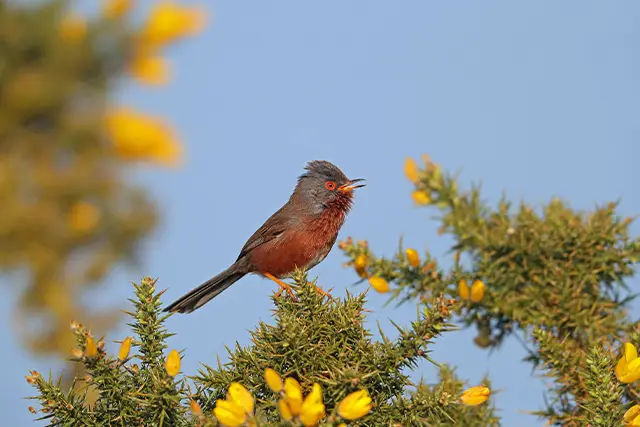
Just inland of the coast are ancient heaths, where stonechats, nightjars, woodlarks and Dartford warblers all breed. Green tiger beetles scurry after prey, and minotaur beetles plod slowly in search of dung. The heaths of the west hold some of Norfolk’s only acid wetlands, which are home to black darter and keeled skimmer dragonflies, raft spiders and a host of specialist plants, including carnivorous great and round-leaved sundews.
In the south-west, Norfolk boasts the grassland of the Brecks, a remnant of East Anglia’s great sandy steppe. Here stone curlews, common curlews and lapwings breed, while goshawks and hobbies nest in historic belts of pines. The rare plants of this exceptional landscape, such as spiked and fingered speedwells, proliferous and maiden pinks, and Spanish catchfly are lovingly protected on grassland and arable reserves.
Add ancient woods, historic commons and pioneering rewilding and regenerative farming projects, and you have a county without equal for the UK naturalist. At every time of year, there's a spectacle here. In addition, many of Norfolk’s best loved habitats and species can barely be seen elsewhere in the British Isles.
From man orchids and early marsh orchids in the dunes to ice-cold winter roosts of harriers and cranes, from trilling natterjack toads to reintroduced northern pool frogs in Ice Age pingos, Norfolk has something for every naturalist, year-round and almost everywhere you look.
Norfolk has so much to offer the naturalist that we've distilled its wild bounty into three itineraries, all based at a charming west Norfolk hotel and each at a different time of year.
You can find out more about our Norfolk trips from Nick himself - check out the below video to watch our Discover Norfolk talk.
If you'd like to discover all Norfolk has to offer, discover our range of trips to Norfolk today, or contact our team for further information.
Related inspiration
If you're inspired by this article, you may be interested in the following:
Our 3-night Norfolk in Late Winter tour goes in search of many of the county’s most iconic birds, both along the glorious North Norfolk Coast and in the beautiful Brecks. Goshawk, hen harrier, merlin, shorelark, snow bunting, twite, hawfinch and firecrest are all among the possibilities.
Find Out More about Norfolk in Late Winter
Our 4-night Norfolk in Early Summer tour goes in search of Norfolk’s most special birds, mammals, plants and insects at one of the finest times for wildlife in this diverse and beautiful county. Targets include bittern, little tern, Norfolk hawker, swallowtail and fen orchid.
Find Out More about Norfolk in Early Summer
Explore the North Norfolk Coast at the peak of wader migration and witness the astounding gathering of red knot and other birds at high tide at RSPB Snettisham. All along the coast at this excellent time of year there may be waders, seabirds and waterfowl. Join us as we go in search of them.
Find Out More about Norfolk in Late Summer
With its huge range of landscapes, ranging from the Brecks to the Broads, Norfolk has long been known as one of England’s finest counties for wildlife. Norfolk’s coastline is also long and wonderfully varied, stretching from the mudflats of The Wash to the tidal estuary of Breydon Water.
Find Out More about Norfolk