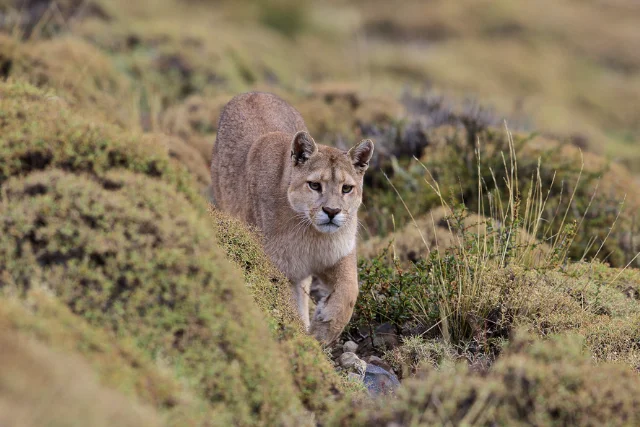
I first visited Torres del Paine in 2015 to lead a trip in search of pumas, when puma tourism was still very much in its infancy. I’d been led to believe that we had a good chance of finding our quarry, but never expected the sightings we enjoyed … quite simply, it was one of the best wildlife experiences I’ve ever had.
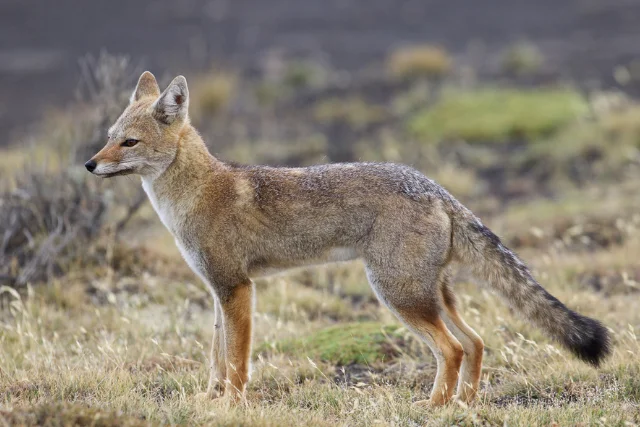
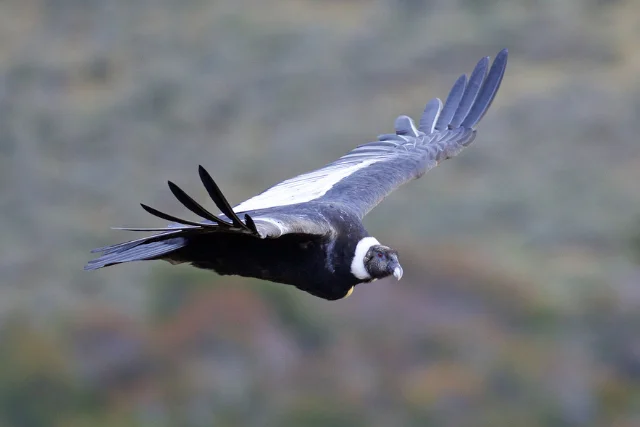
 We were able to observe pumas in one of the most spectacular national parks in South America, both at range and close quarters, all on foot, and alongside a supporting cast that included great herds of guanacos, soaring Andean condors, Patagonian hog-nosed skunks, South American grey and Culpeo foxes, and fabulous hairy armadillos.
 As the trip was conducted entirely in the national park and in the company of the Head Ranger and lead puma tracker, it was possible to explore the park at will, responding to sightings and going off-piste for closer views. Fast-forward nearly ten years and today, the park is more tightly regulated, with visitors restricted to specific trails, and puma sightings largely conducted through optics from the roadside.
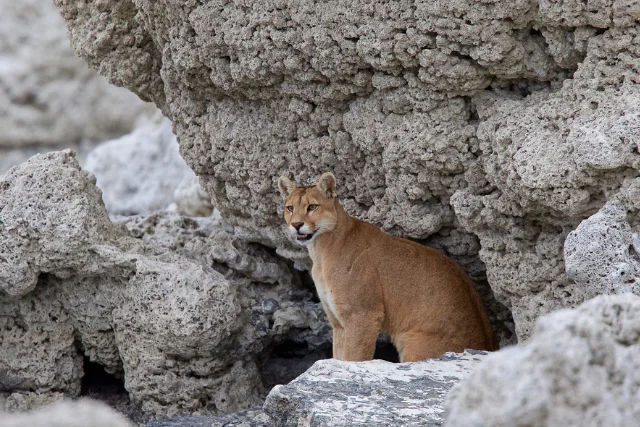 It’s still a very worthwhile and enjoyable experience, and the setting is second-to-none, but if you’re really looking to obtain closer views and potentially to photograph these majestic cats, it’s necessary to visit a neighbouring ranch, where an enterprising family have shifted their business focus from raising sheep and persecuting pumas, to puma tourism.
Free from the red tape of the park, visitors are afforded more flexibility, driving closer to sightings and then approaching at a safe distance on foot. The ranch charges a premium for such an experience and limits the number of visitors, but offers what Nick Garbutt describes as the ‘best big cat experience on the planet’. It’s a good example of how ecotourism can shift the management of the land for the better, and neighbouring ranches are already adopting a similar model.
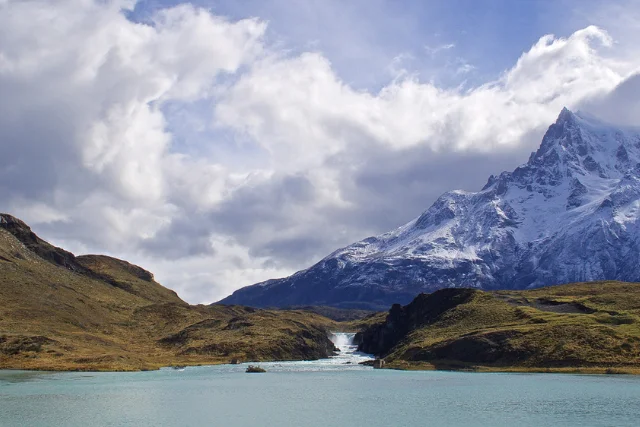
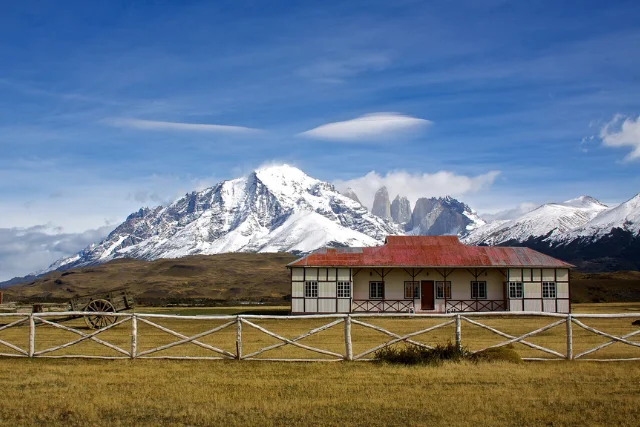 However, it would be wrong to write off the wildlife experience in the park. This is a place of astounding natural beauty, with soaring granite towers, turquoise blue mountain lakes and Chile’s largest glacier, all alongside some highly sought-after mammals and birds. Torrent ducks can be found navigating the turbulent waters of the River Paine, and in the stands of southern beech it’s possible to encounter South America’s largest woodpecker, the Magellan woodpecker, and its smallest deer, the huemul.
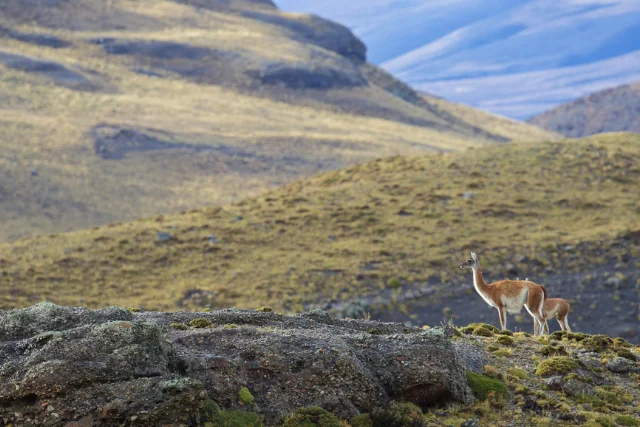
 On the slopes guanaco are on constant alert for puma, their main predator, scanning the landscape and letting out a bellowing alarm call if a threat is sighted. It all makes for incredible drama and means that if you really want to do this part of the world justice, you need to spend time both in the park and visiting the ranch.
 Our Wildlife of Torres del Paine small group tour does exactly this, with two full days on the ranch before we venture into the park for a 5-night stay. We’ve broken from tradition by having arguably the best wildlife experience up first, but again, there’s good reason for this. Simply put, the allure of seeing your first puma is too great, and if you haven’t had your fix of pumas up front, it will be difficult to enjoy all the other wonderful sights and fauna of Torres del Paine. We think it’s a winning formula, and we hope you do too!
If you feel inspired to discover the breathtaking Torres del Paine National Park and its wildlife, find out more about our Wildlife of Torres del Paine group tour today. For more information on all our trips to Chile, contact our expert team or head to our Chile destination page.