Labelled ‘The Most Biologically Intense Place on Earth’ by National Geographic, Corcovado National Park is widely considered to be the jewel in Costa Rica’s ornate natural crown. Hauntingly beautiful, it provides refuge to an astonishing diversity of flora and fauna.
Its position between North and South America, and the fact that it’s the largest remaining tract of primary rainforest on the American Pacific Coastline, both contribute to making it a biodiversity hotspot, believed to be home to 3% of the world’s total biodiversity.
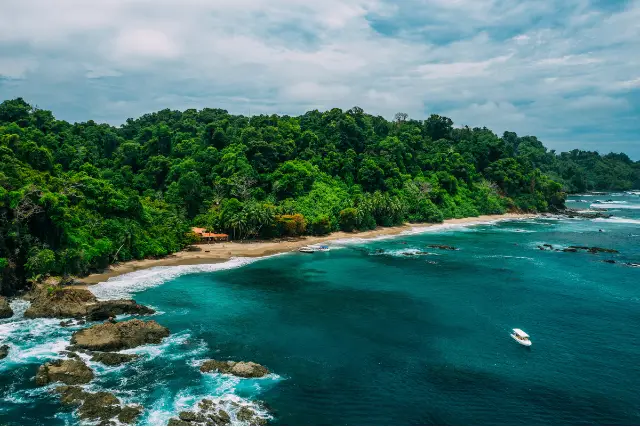
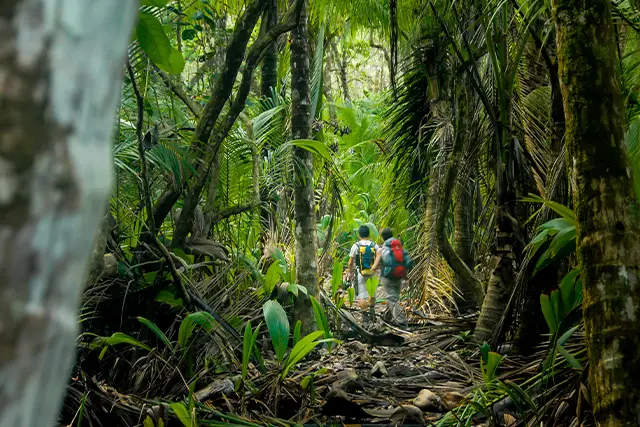 Here, we find a richness of tree and plant life not seen outside the Amazon, colliding with the raw power of the Pacific Ocean. Towering ancient purpleheart, ceiba and mahogany trees dominate the rainforest canopy, only conceding ground to the smaller palms on the very edge of the sandy shoreline.
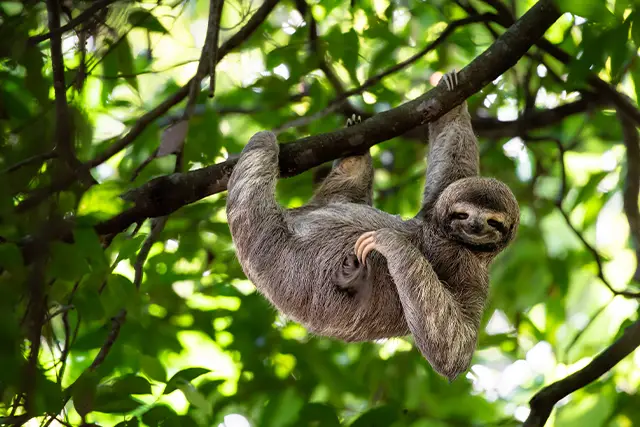
From lofty positions, mantled howler monkeys, one of four primate species found in the park, announce the breaking of day, their guttural, almost prehistoric calls reverberating through the forest. Sloths, of two varieties, awaken from their slumber, while families of white-nosed coatis descend from their nighttime roosts to forage amongst the leaf litter in search of fallen fruits and invertebrates.
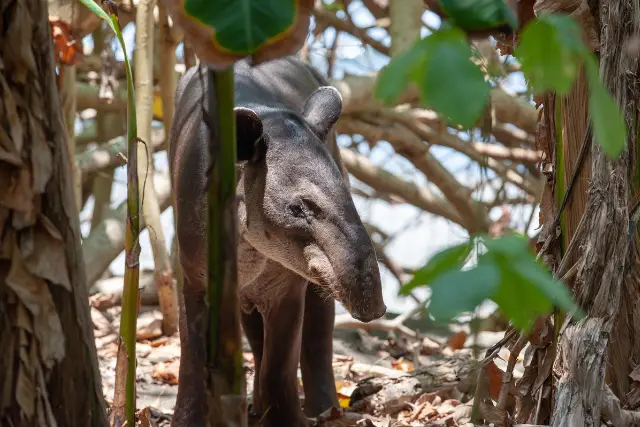
 Herds of white-lipped peccary, sometimes hundreds strong, rummage in the undergrowth, while endangered Baird’s tapir return from nocturnal forays to wallow in the cooling waters of a shallow lagoon. The scraping of bark and cascade of dried mud betrays the presence of a northern tamandua excavating a termite mound overhead. Although difficult to see, both jaguar and puma reside here, as do their smaller cousins' ocelot, margay and jaguarundi.
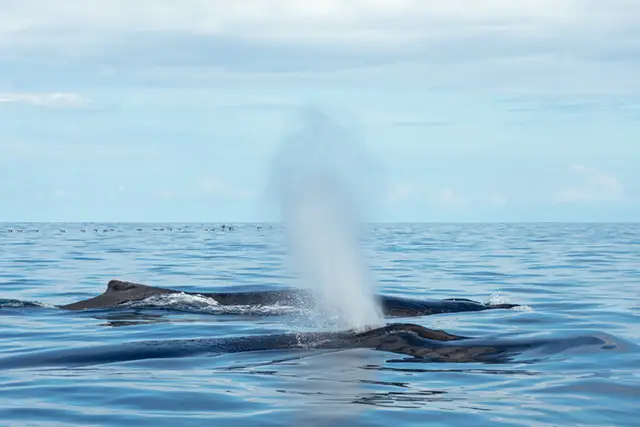
 The rich coastal waters are important breeding grounds for visiting humpback whales, while bottlenose, spotted, common and spinner dolphins are resident and can be encountered in their thousands. In the park’s rivers and tributaries, we find American crocodile and spectacled caiman, with the added excitement of patrolling bull sharks.
 Nearly 400 species of birds have been recorded in Corcovado National Park, varying in shape, form and colour from diminutive coquets and hummingbirds to toucans, cotingas, tanagers and raptors including harpy and crested eagle, and great black hawk.
A variety of egrets, herons and waders can be found stalking the tideline, while magnificent frigatebirds, brown pelicans and red-footed booby ply their trade at sea.
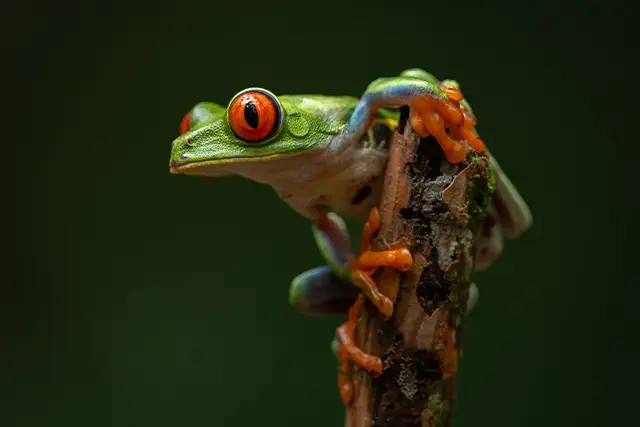
Red-eyed tree frogs, synonymous with the rainforests of Costa Rica, are just one of 40 species of frog found in the park, including a full complement of Costa Rica’s poison dart frogs, in addition to rain, glass and dink frogs. Alongside a fabulous array of reptiles and over 100 species of butterfly, it makes for some fascinating macro life.
 With such impressive natural credentials, Corcovado National Park is a ‘must-visit’ destination for wildlife enthusiasts, and we’re delighted that it’s the setting of our 2027 Festival of Wildlife. In true Festival fashion, we’re accompanied by an expert team of naturalists, photographers and artists, and we have exclusive use of a fabulous eco-lodge with breathtaking views of the Pacific.
Over the course of our week-long stay, we enjoy expert-led slow-paced excursions into the forest in search of its wildlife inhabitants, plus small boat trips to Caño Island Biological Reserve in search of cetaceans and mind-blowing snorkelling or even scuba diving.
 Pre- and post-tour extensions offer scope for yet further natural delights, including resplendent quetzals in the cloud forests of Los Quetzales National Park, and the opportunity to witness the incredible spectacle of nesting green turtles in Tortuguero.
It promises to be an incredible trip, and we very much hope you’ll join us.
If you'd like to join our fantastic Festival Team in this incredible country in July 2027, find out more about our Costa Rica Festival of Wildlife today, or contact our team if you have any questions.