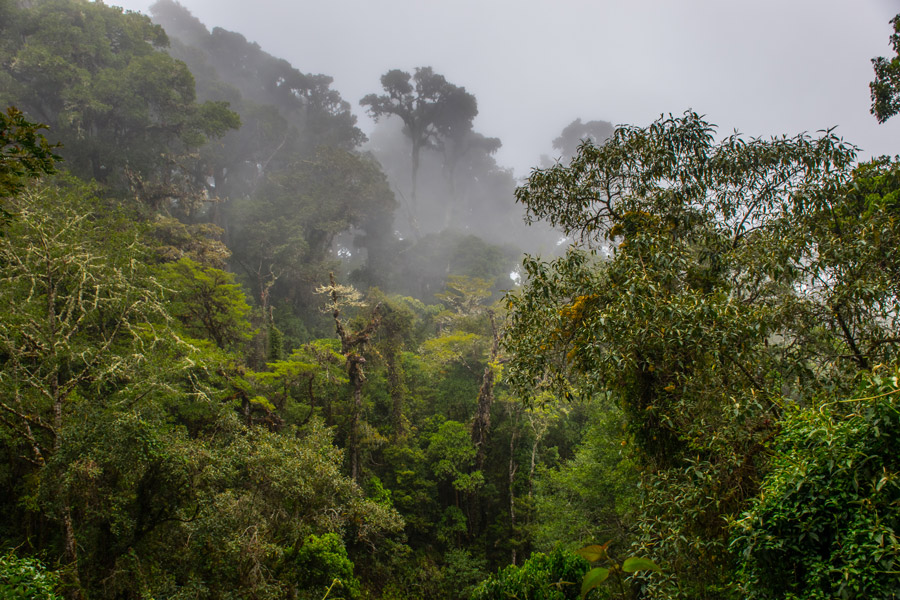
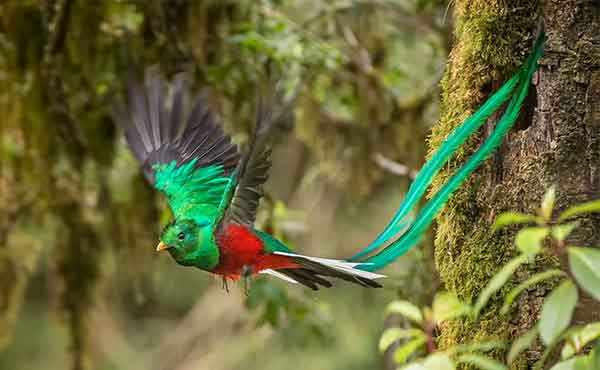
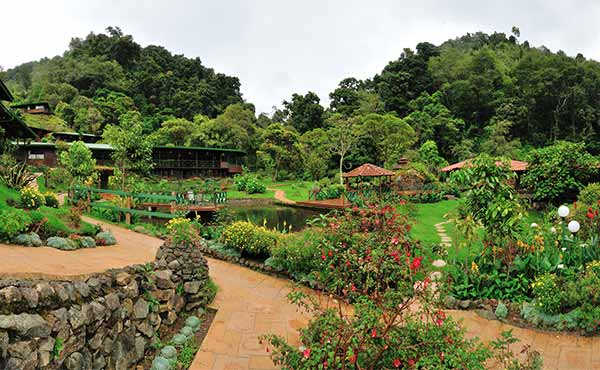
Famed as a refuge for the elusive resplendent quetzal - after which it was named - Los Quetzales National Park consists of various rainforest and cloud forest habitats between 2,000 and 3,000 metres altitude.
Gazetted as a national park in 2005, Los Quetzales is the most recent addition to Costa Rica’s widespread park system. The protected area takes in what was formerly the 5,000-hectare Los Santos Forest Reserve, and stretches across three types of rainforest, including 14 separate ecosystems. Lying at high altitude along the Talamanca mountain range, much of the area is covered by pre-montane forests, a crucial habitat for a number of plant and animal species, the most notable of which is the resplendent quetzal.
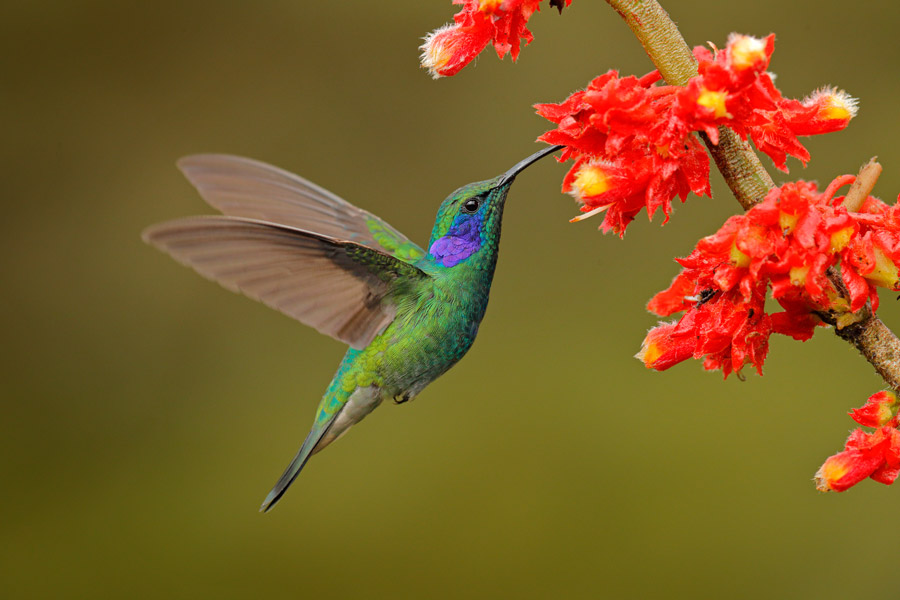
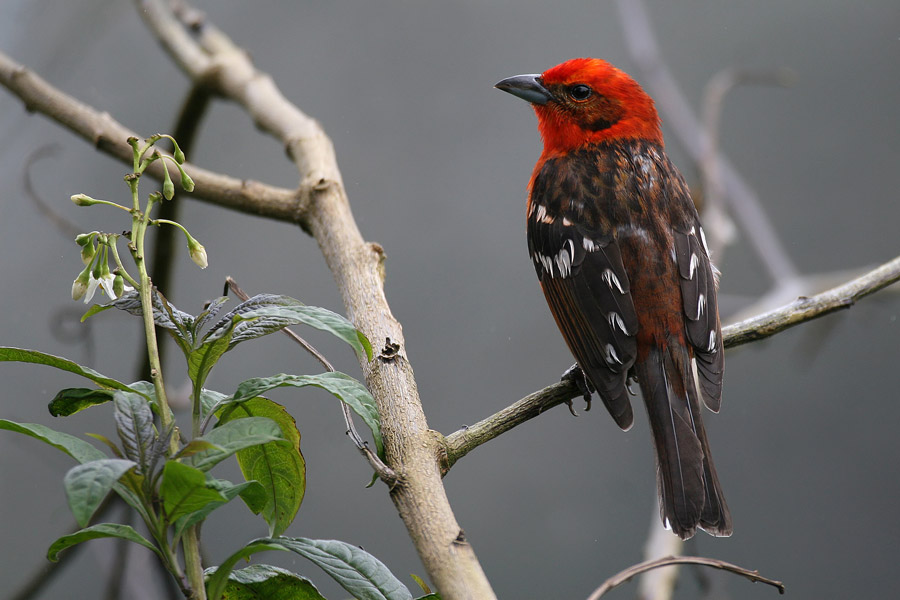
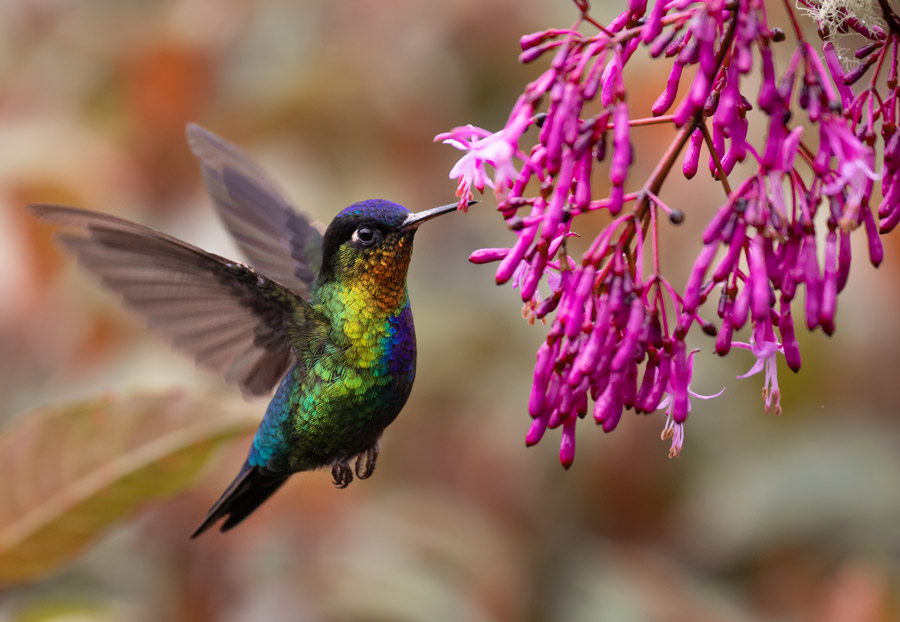
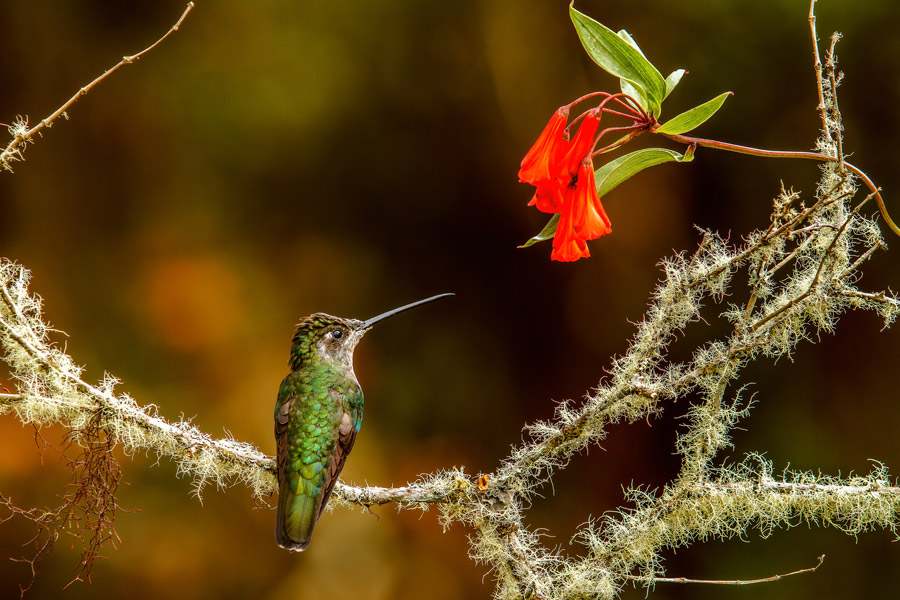
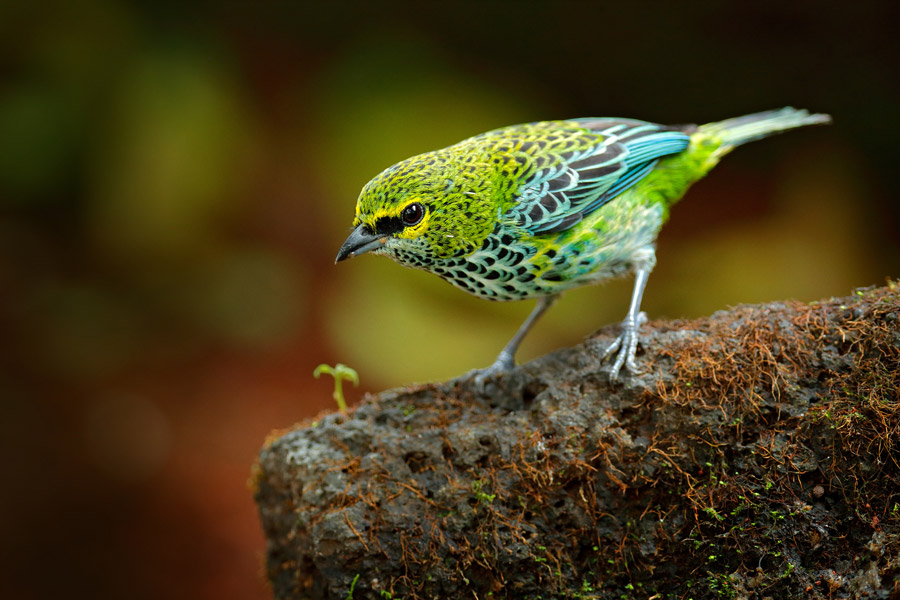
Although the quetzal is renowned as being shy and elusive, the park authorities claim it is much easier to spot here than in the cloud forests of Monteverde and Santa Elena, which lie further north. Other bird species present include trogons, tanagers, and hummingbirds, while sloths, coyotes and pumas number among the mammals. Although relatively small, this region is remarkably diverse – the Savegre watershed contains roughly 20% of all the bird species recorded in Costa Rica.
Due to its topographical and altitudinal variation and high annual rainfall, the terrain varies widely – with mountains, glacial lakes and streams, and is rich in flora and fauna. Most of the park lies along the banks of the Río Savegre, which rises in the Cerro de la Muerte (3,491 metres), eventually entering the Pacific near Manuel Antonio. Its upper slopes have large numbers of oak and cypress trees, while at lower altitudes there are many aguacatillos, a relative of the avocado that is a favourite food of the quetzal. Exotic flowers create bursts of colour in the otherwise green forest.
The park entrance lies just under 50 kilometres southeast of San José, and within easy to reach of Manuel Antonio National Park on the Pacific coast.
View suggested itineraries