Wildlife Photography in Australia
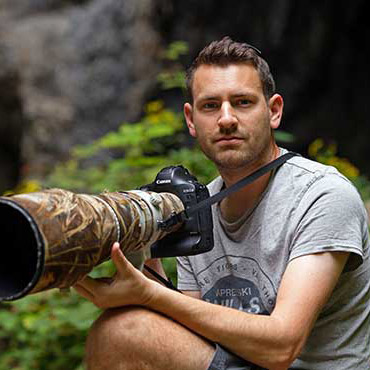
Having spent a year living in Australia, I was mesmerised by the remarkable wildlife that calls this country home. I travelled far and wide in search of the most iconic species, falling in love with all that I found. At the end of 2022, I was delighted to lead our first Australian Wildlife Photo Safari to Victoria and Tasmania. We were treated to all four seasons and some incredible close encounters.
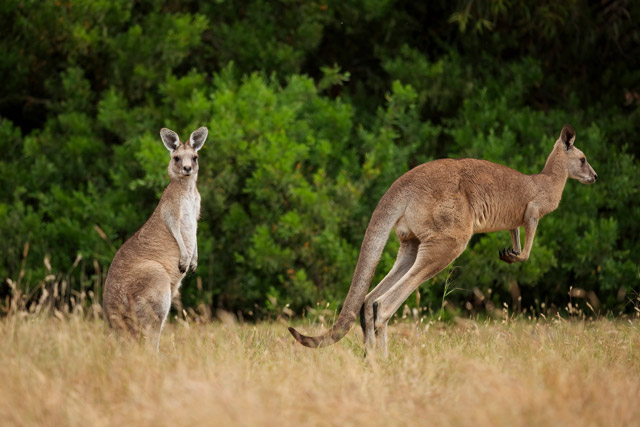
Around the city of Melbourne are few reserves which play host to some of Australia’s most recognisable marsupials. Our primary focus here was the koala and eastern grey kangaroo – we weren’t disappointed as we enjoyed close views of a couple of koalas in the trees of the You Yangs Regional Park while we spent a great deal of time with a mob of kangaroos at Serendip Sanctuary.
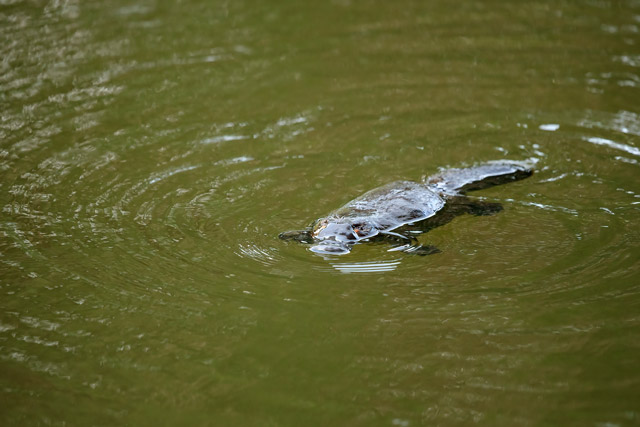
 With a couple of days on the mainland, it was time to hop across the Bass Strait to the city of Launceston, in the north of Tasmania. Here we set out in search of even more unusual, and typically Australian species. Without a doubt, one of the most sought-after species is the platypus. A monotreme (an egg-laying mammal), the platypus is also one of the few venomous mammals and famed for its unique appearance. They can be notoriously hard to see, and even harder to photograph, but we were treated to some excellent views and some spectacular images were captured.
 What makes Australia so special is that much of the wildlife can be approached with relative ease, particularly when compared to Europe. We spent a couple of days discovering the wild delights of Mountain Valley – a wild spot home to both spotted-tail quolls and Tasmanian devils, with several of the clients managing to see and photograph both species in the cool of the Tasmanian night.
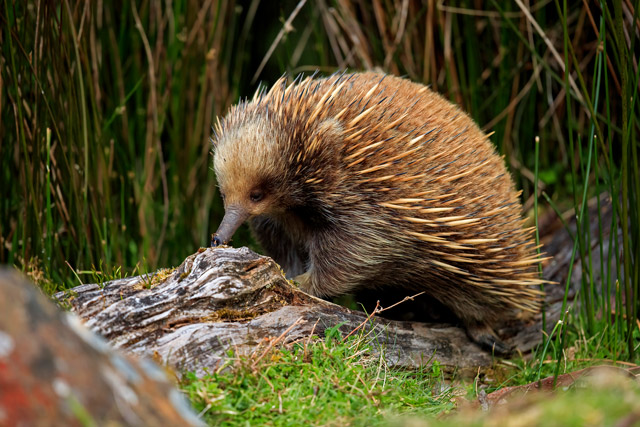
 Climbing higher, and with the temperature dropping, we made our way to up to Cradle Mountain. This wild and rugged landscape is a refuge for numerous mammals, including common wombat, Bennett’s wallaby and of course the Tasmanian pademelon. We were treated to some fantastic views of these charming marsupials and the photography was particularly rewarding. The weather, for Cradle Mountain, was absolutely fantastic and we were able to explore the area, taking our time to photograph the obliging wombats and also a couple of short-beaked echidna. It really is a magical part of the world and the perfect place for photography.
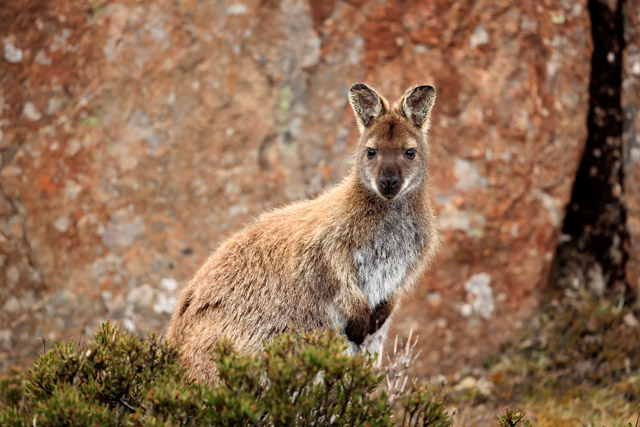 Heading east, towards Ben Lomond National Park, we were wowed as a huge wedge-tailed eagle flew in front of the famed organ pipe rock formations, before climbing higher to the ski fields where wallabies abounded, providing some wonderful photo opportunities in this tough alpine habitat.
 For our final few days, we headed south towards the city of Hobart, before hopping cross the water to Bruny Island. This large island is among the best places to see and photograph the rare white morph grey goshawk, as well as the endangered forty-spotted pardalote. We were able to photograph a number of stunning species here before we started the long journey home.
 The wildlife of Australia is utterly captivating and I implore you to visit. Whether you join our Australian Wildlife Photo Safari, or discover the country on a tailor-made adventure, I can’t recommend it enough.
Contact our wildlife experts to book your place, or find out more about our Australia Wildlife Photo Safari.