The Atherton Tablelands are classified by BirdLife International as one of Australia's Important Bird Areas, supporting over 1% of the world population of sarus crane plus a significant population of bush stone-curlew.
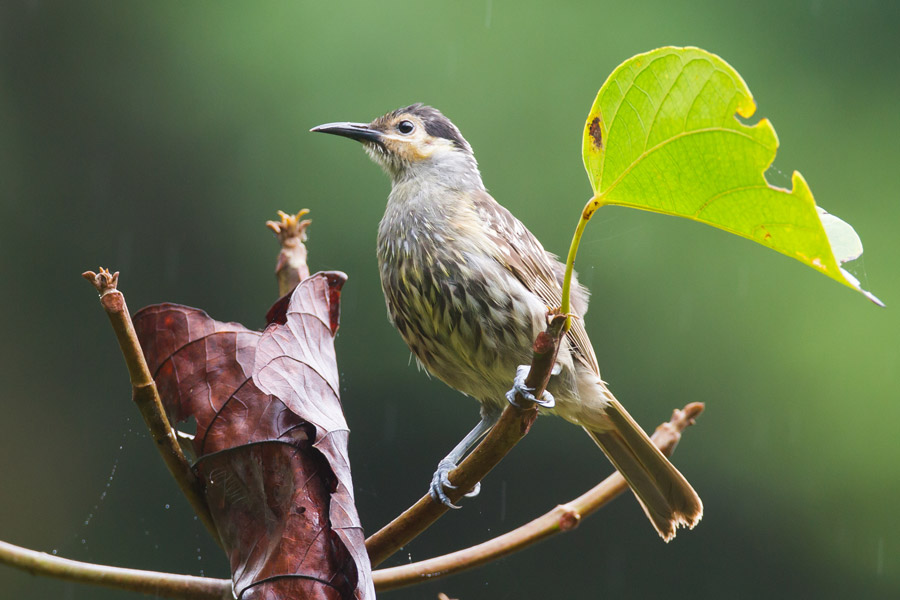
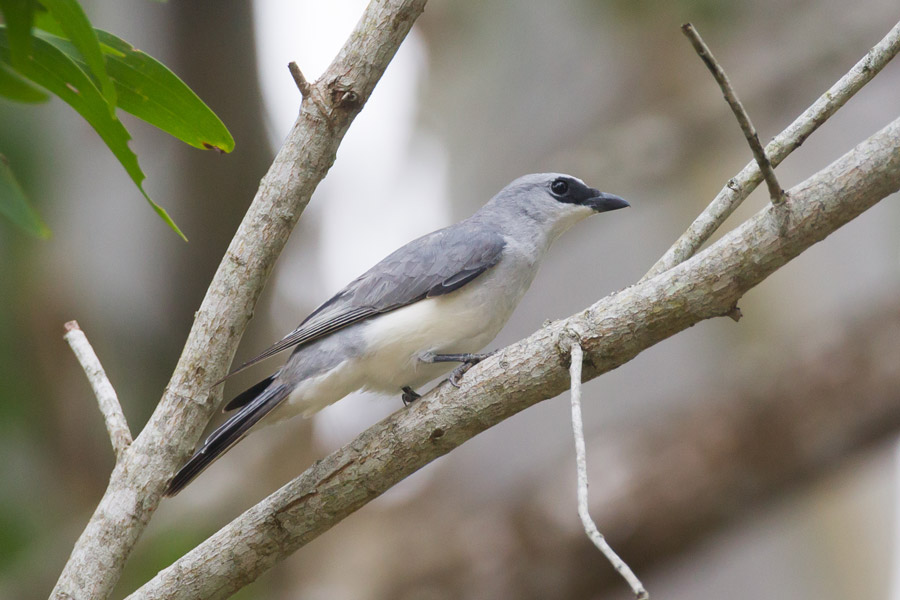
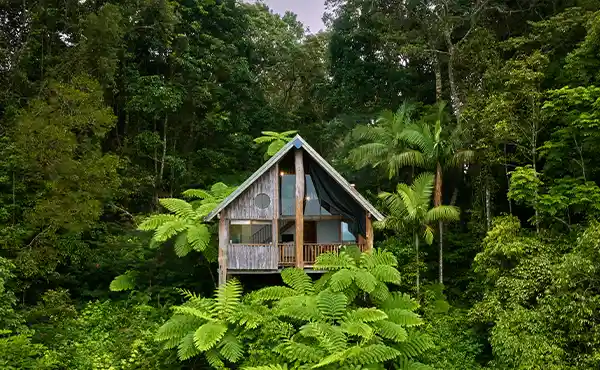
Twelve species of bird are endemic to the area and the mountain ranges immediately to the south: Atherton scrubwren, Bower's shrikethrush, bridled honeyeater, chowchilla, fernwren, golden bowerbird, grey-headed robin, Macleay's honeyeater, mountain thornbill, pied monarch, tooth-billed bowerbird and Victoria's riflebird. The tableland still contains several small remnants of the rainforest that once covered it, several of which are now protected as national parks or conservation areas.
The principal river of the plateau – the Barron – was dammed to form a reservoir named Lake Tinaroo, which is used for irrigation and also has a small hydroelectric power station. The many crops grown here include banana, sugarcane, maize, avocado, strawberries, macadamia nuts, mangoes and citrus fruits. Tobacco was also grown until 2006, but ended by a government buyout. There is also some dairy farming, fat stock grazing and poultry farming.
Places of interest include Cathedral Fig Tree and nearby Lake Barrine, Lake Eacham, Curtain Fig Tree near Yungaburra, Undara Volcanic National Park, Hann Tableland National Park, Mount Hypipamee Crater and Dinner Falls.
View suggested itineraries