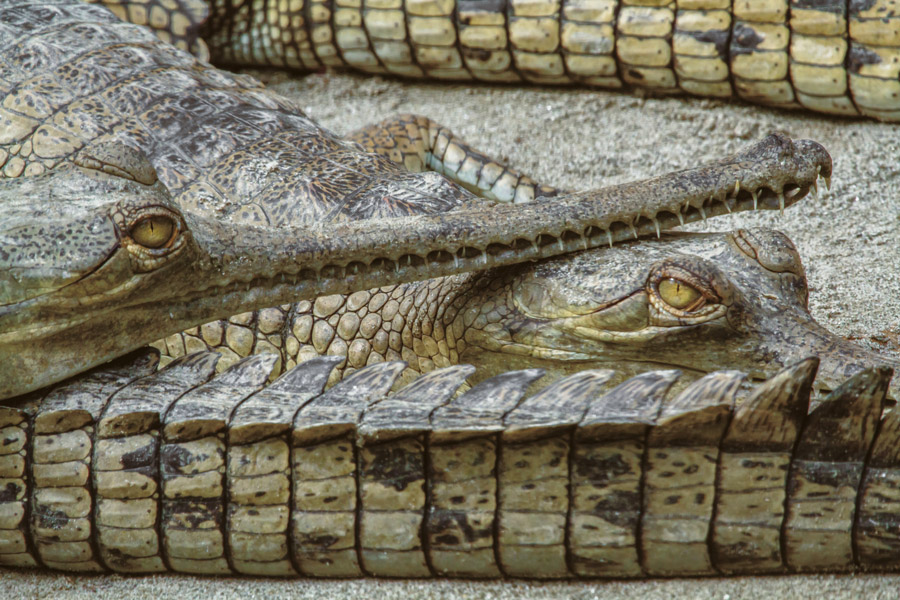
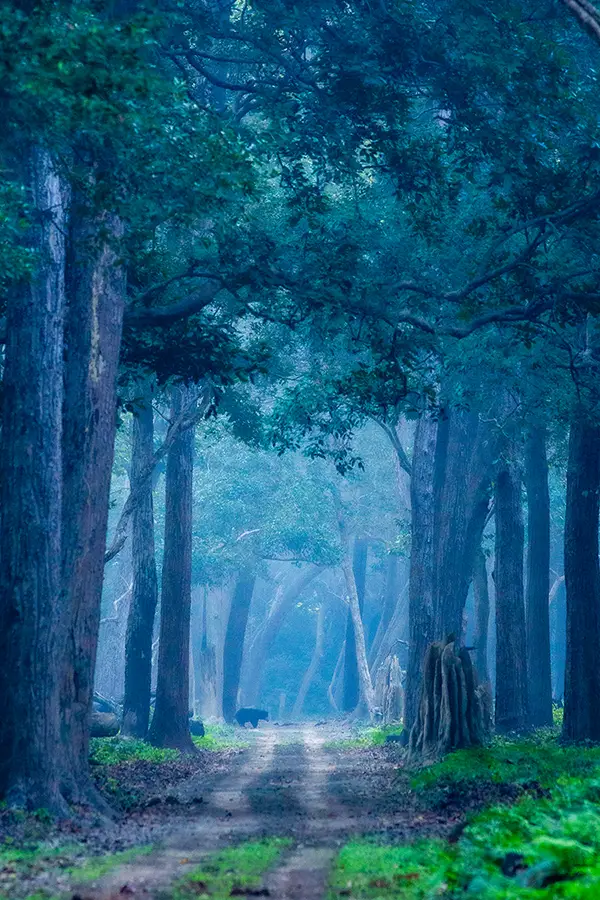
Dudhwa is a relatively unknown tiger reserve blessed with enchanting Terai forests and houses a vast array of bird and wildlife whilst offering much lower vehicle density compared to India’s more well-known parks.
Lying on the India – Nepal border, this broad tiger reserve incorporates Dudhwa National Park, Kishanpur and Katarniaghat Wildlife Sanctuaries. These then also connect onto Pilibhit Tiger Reserve and together they constitute one of the most important conservation areas protecting Terai habitat and the incredible biodiversity this area supports.
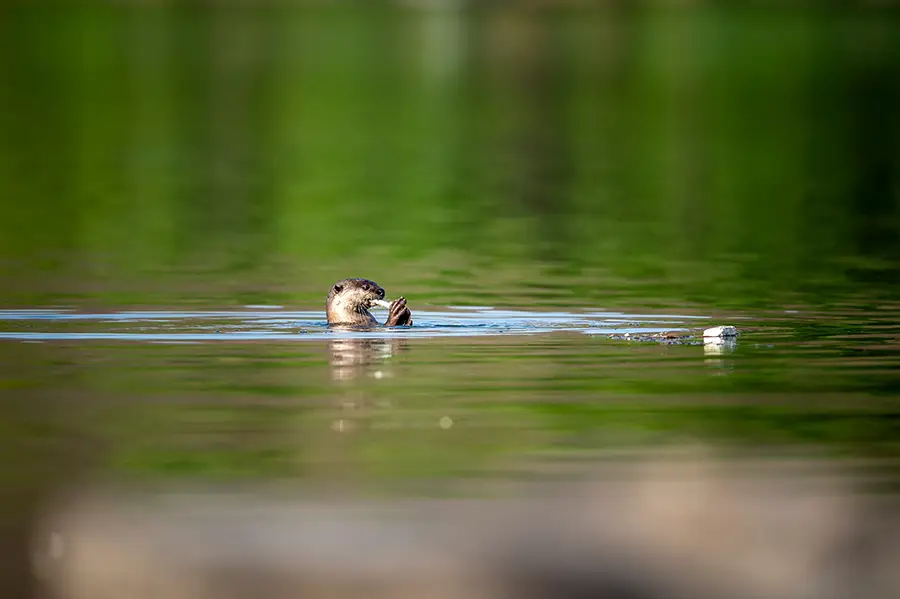
Asian elephant, Barasingha deer, one-horned rhino, Indian narrow-headed soft-shell turtle and a vast array of birdlife can be seen in the national park, which is a delightful oasis for nature enthusiasts.
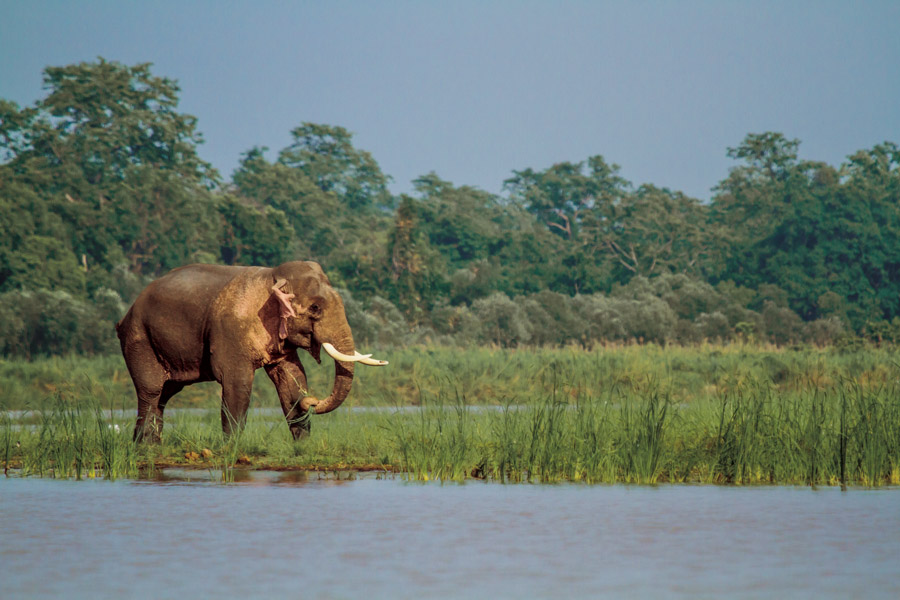
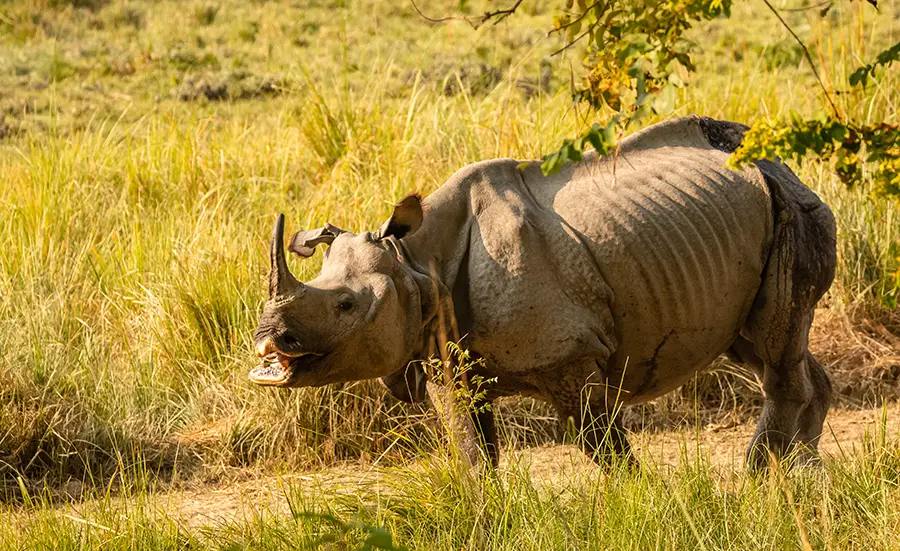
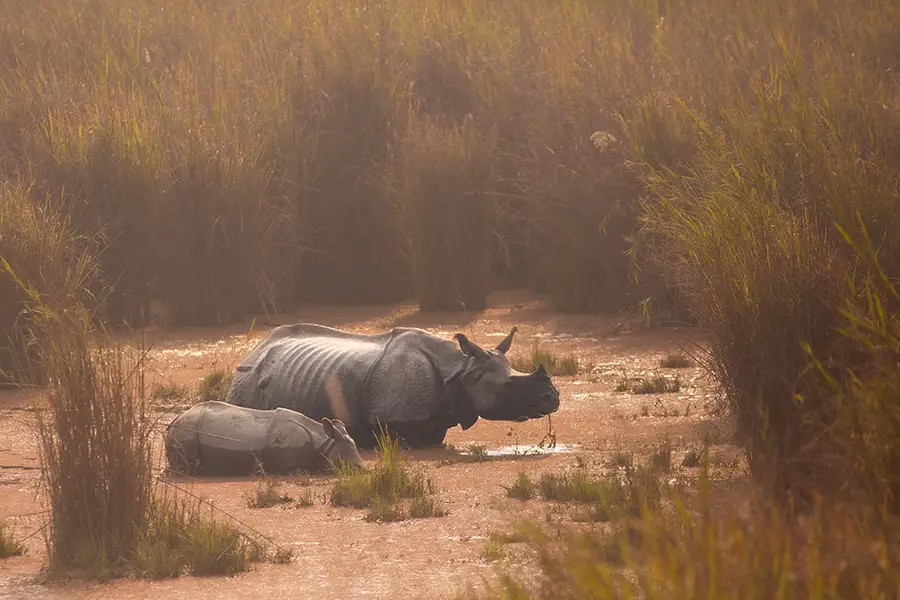
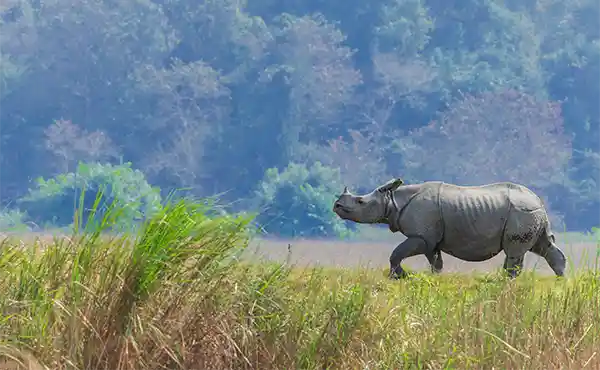
Dudhwa is a major stronghold for the endangered swamp deer or barasingha (barasingha meaning ‘twelve points’ in Hindi and referring to their characteristic antlers). Other deer species typical of the region are spotted deer (chital), sambar, hog deer and barking deer (muntjac). This park is an important habitat for migrating Asian elephants that frequently move back and forth across the Nepal border into nearby Bardia National Park. In 1984 Dudhwa became a reintroduction site for the then critically endangered Indian one-horned rhino. These animals have recovered to a world population over 4,000, with around 42 of these in Dudhwa (the vast majority, some 2,600, are in Kaziranga National Park in Assam).
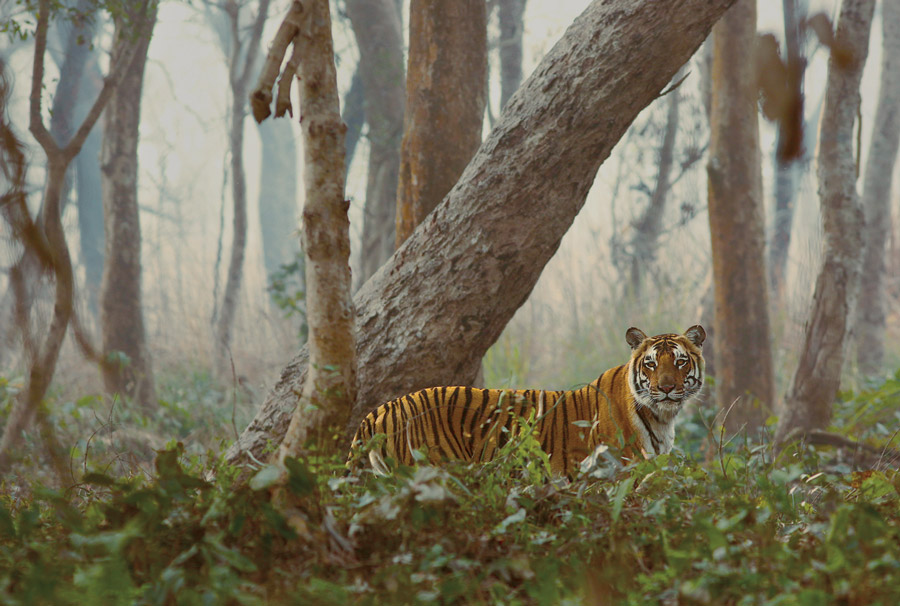
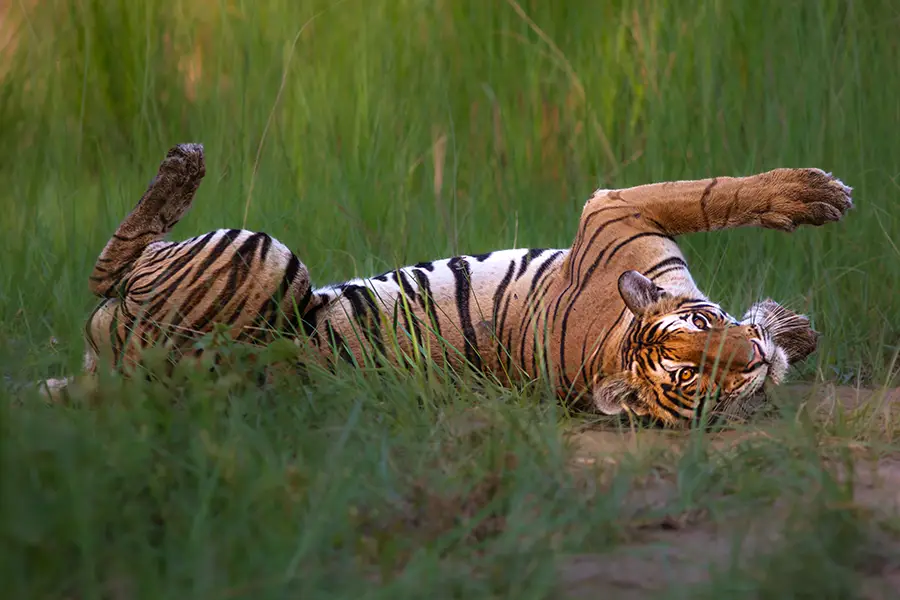
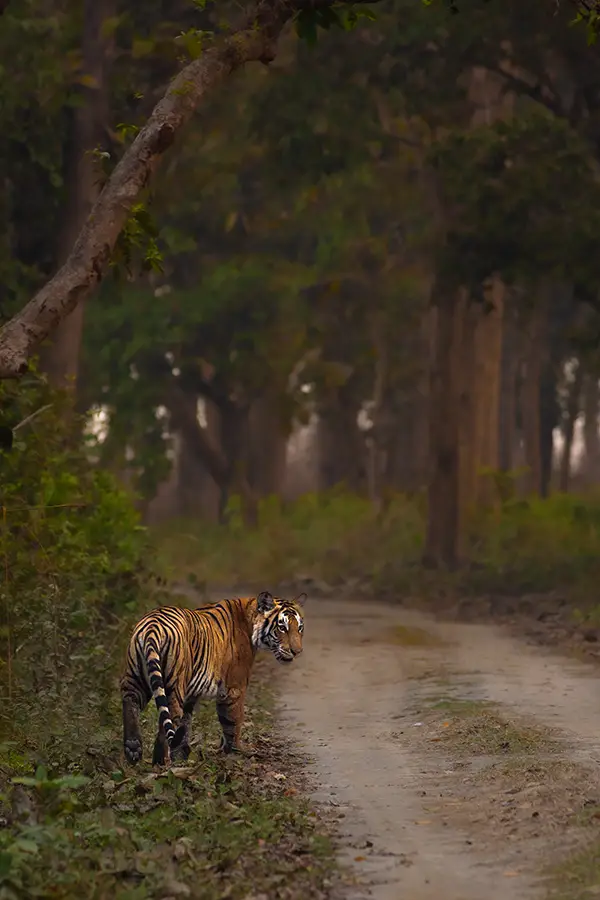
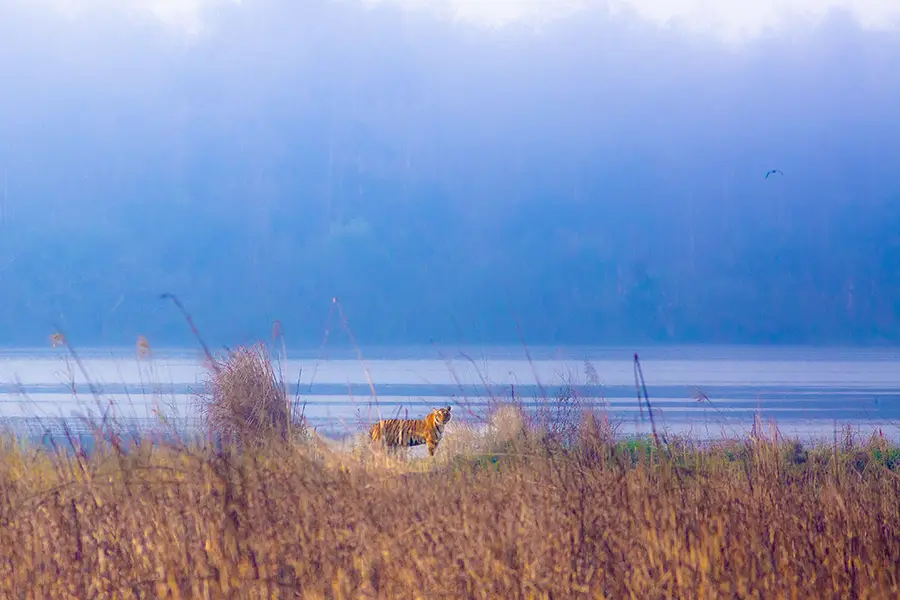
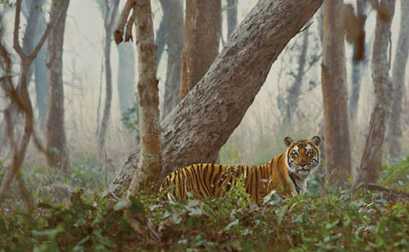
Dudhwa supports a healthy population of tigers: current estimates suggest numbers in excess of 130 animals. There are also good numbers of leopards, especially on the higher ground, alongside sloth bear, Asian golden jackal, fishing cat and leopard cat.
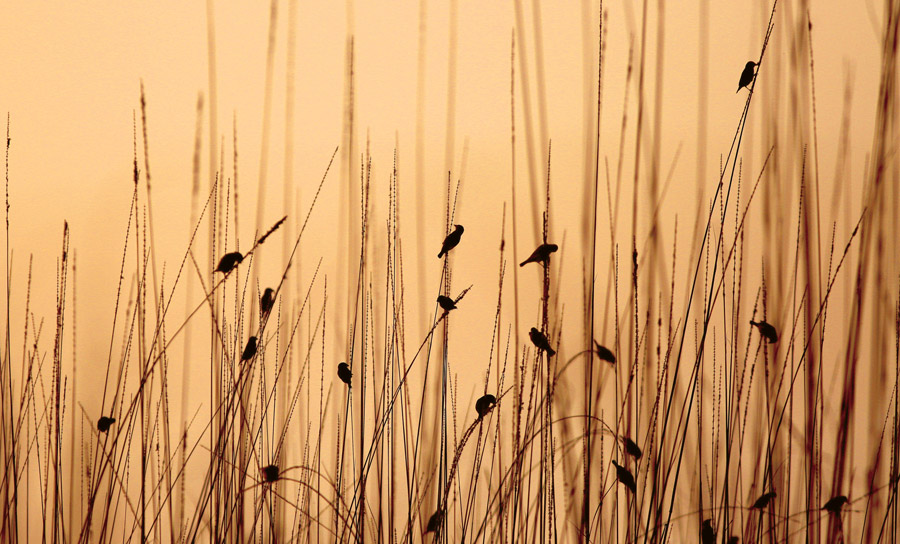
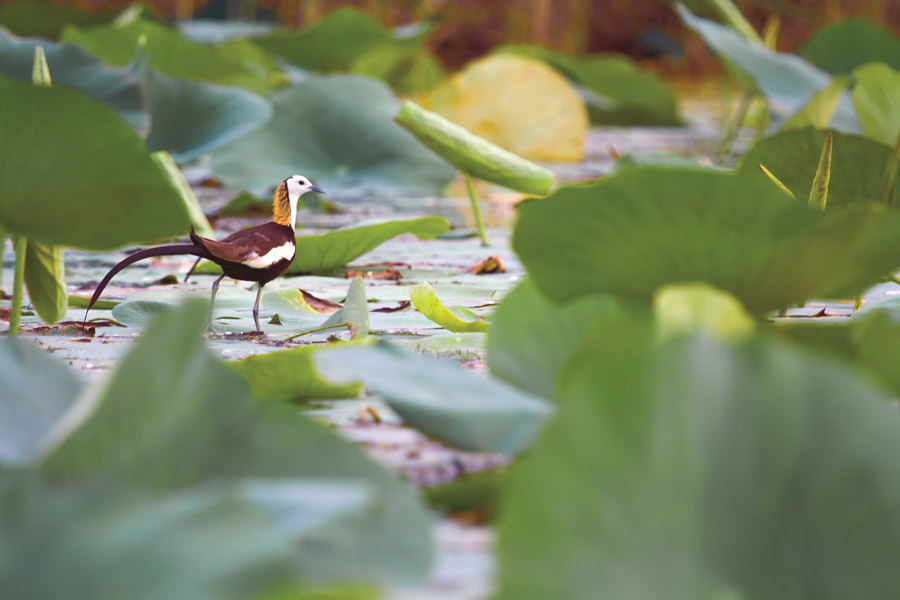
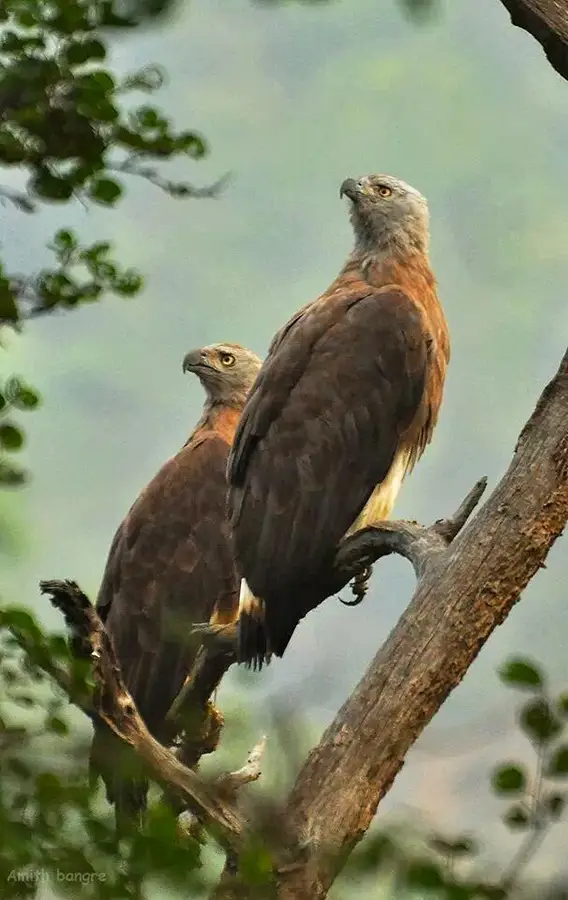
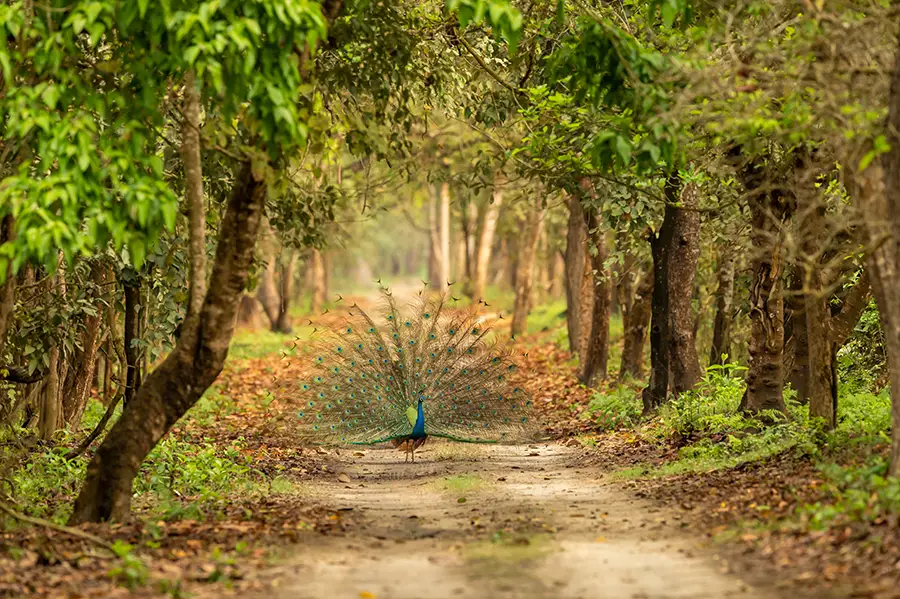
Home to over 450 species of birds, both resident and migratory, the park is a renowned birding location. Endangered Bengal florican, swamp francolin, sarus crane and great slaty woodpecker are amongst the highlights, alongside a vast array of grassland, forest and aquatic species.
View suggested itineraries