Alaska's Inside Passage spans its south-eastern coast with coastal islands, fjords, and waterways, acting as a crucial marine corridor. It shelters diverse marine life and offers visitors superb opportunities to view nature's wonders.
The rugged wilderness of Alaska's Inside Passage boasts towering fjords, ancient glaciers, and pristine forests, which converge to create a breathtaking tableau of natural wonders. Offering untamed beauty and abundant wildlife, the Inside Passage stretches along the Pacific Coast from Olympia in Washington to Skagway at the head of the Lynn Canal. Alaska's portion of the Inside Passage extends 800 kilometres from north to south and 160 kilometres from east to west and the region comprises 1,000 islands and thousands of waterways and inlets.
Wildlife of the Inside Passage
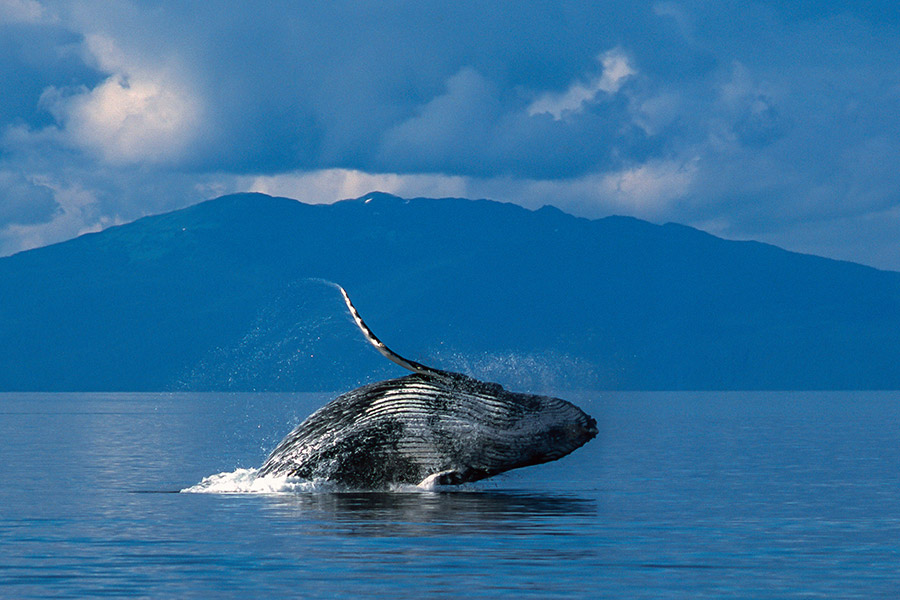
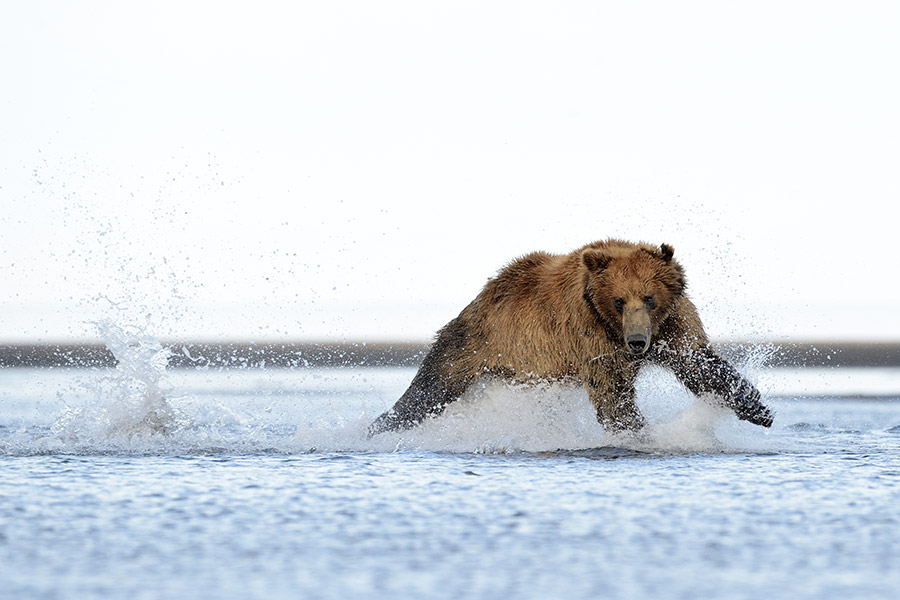
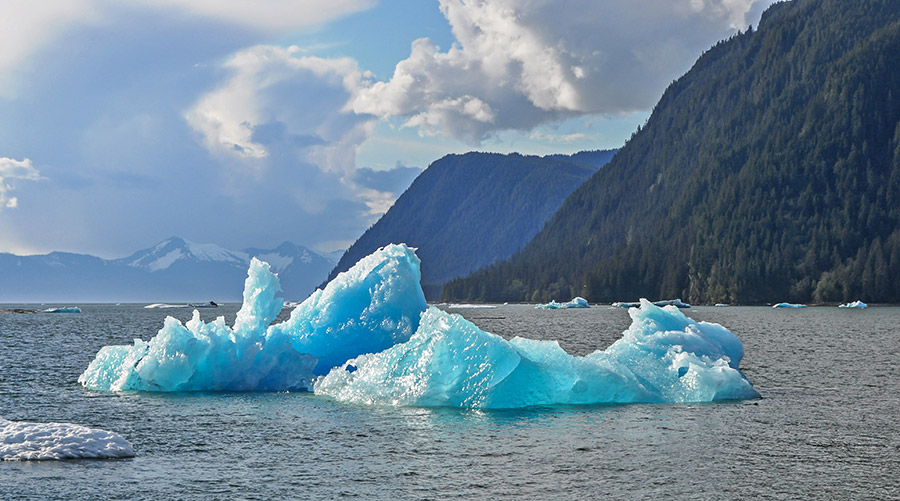
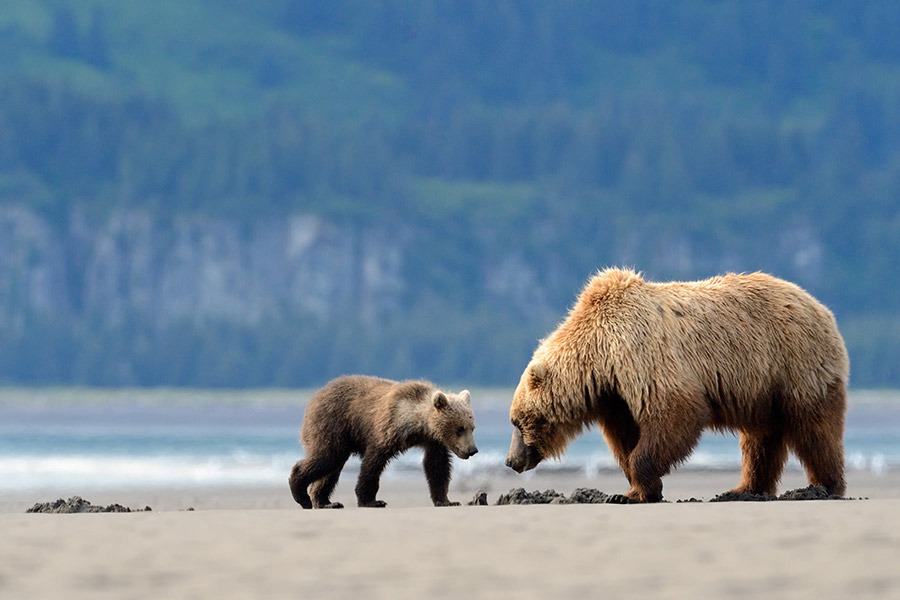
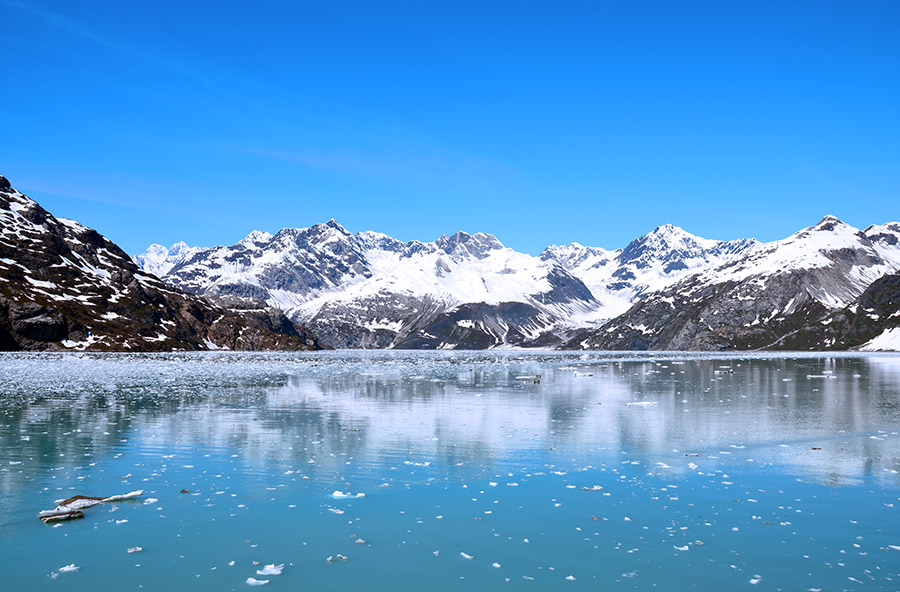
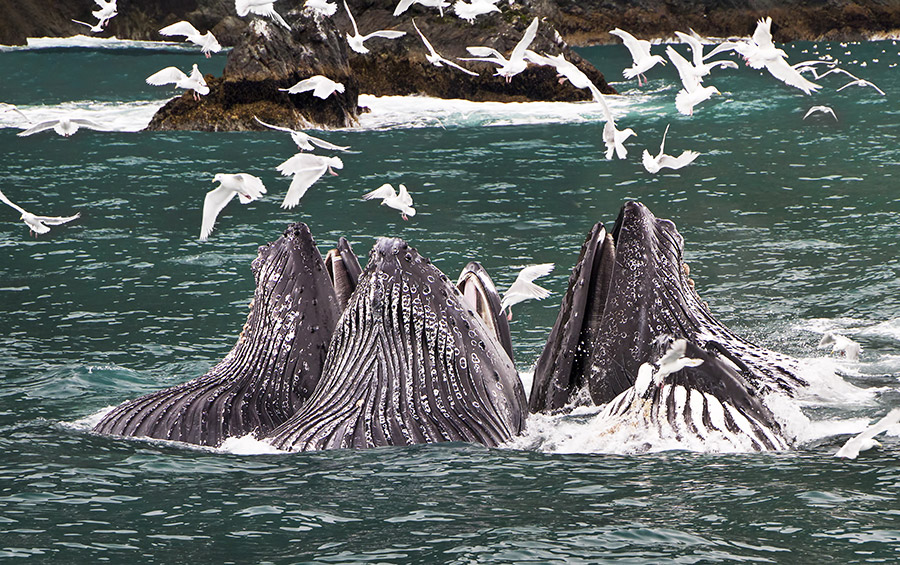
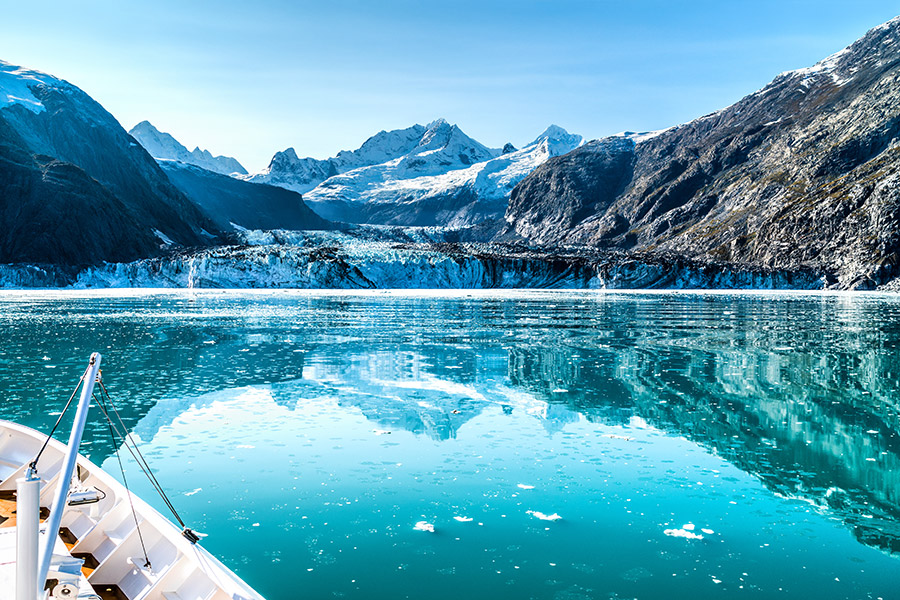
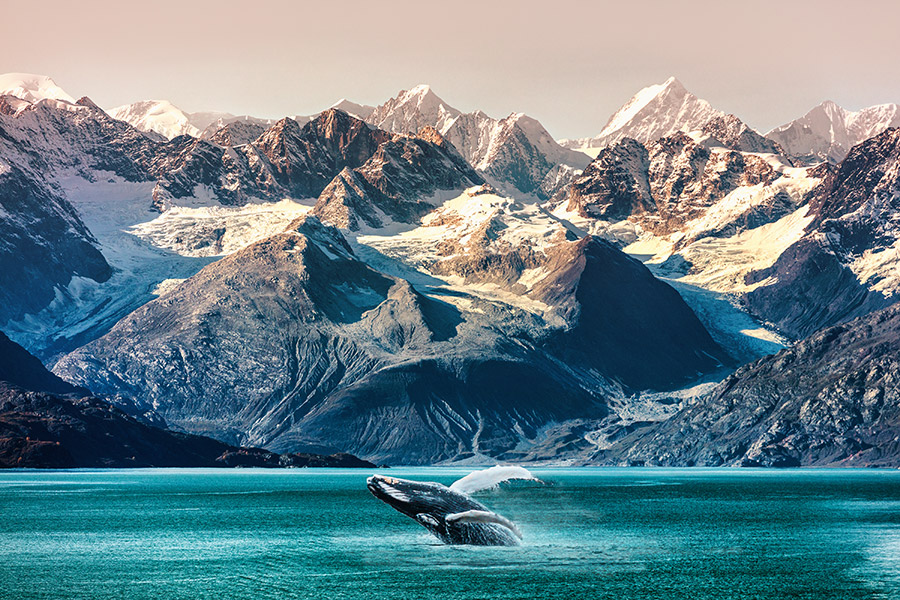
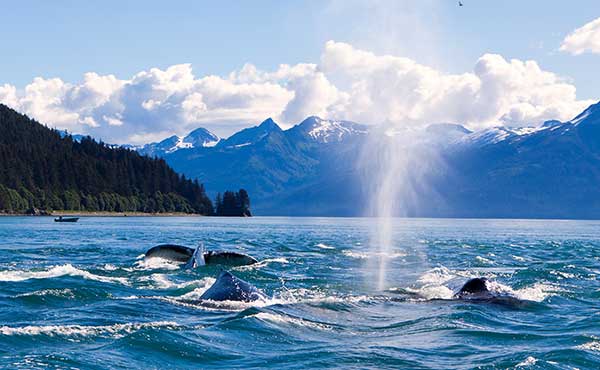
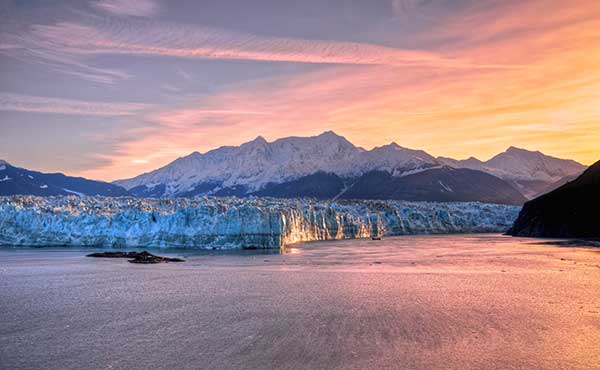
16 spectacular glaciers flow from surrounding mountains into the waters of Glacier Bay National Park and Preserve. These deep fjords attract orca, humpback and minke whale and you can also see brown (grizzly) bear and black bear foraging for food along the shoreline. This entire area offers unrivalled scenery and plenty of wonderful wildlife, from Dall’s porpoise, colonies of sea lions, harbour seals, moose, wolves, and thousands of seabirds.
The Northern Region
The northern region, home to Juneau and Tongass National Forest is known for its Tlingit and Haida culture, superb whale watching, and wildlife viewing. Alaska’s state capital, Juneau is a vibrant city with a bustling waterfront filled with ships, fishing boats and floatplanes zipping in and out. The expansive Tongass National Forest spans over 800 km and is the largest intact temperate rainforest in the world. Sitka blacktail deer and its two main predators, wolves and brown bears, inhabit this area. Black bears are also common as well as mountain goats and impressive bald eagles. The waters teem with marine wildlife from cetaceans to pinnipeds.
The Southern Region
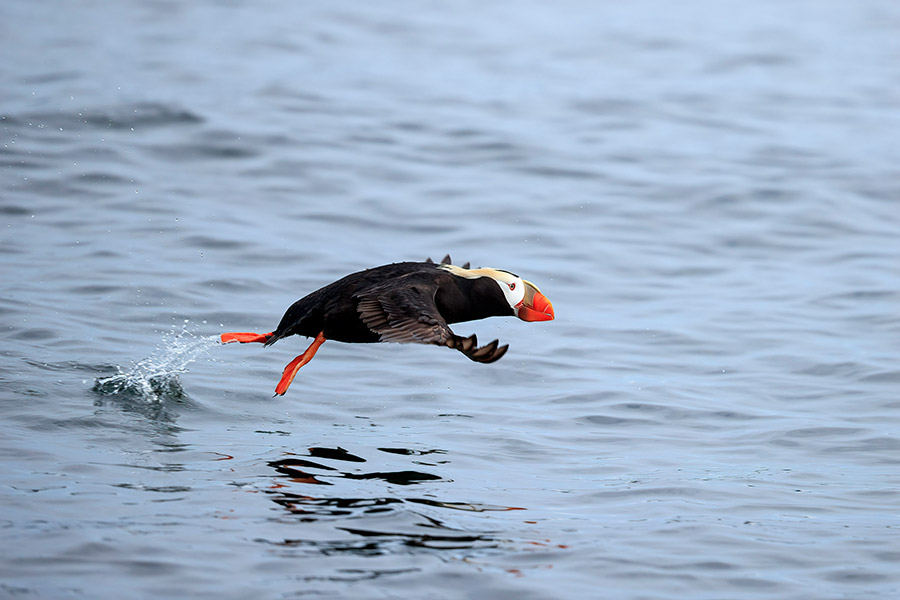
The southern region boasts glacial lakes, soaring waterfalls and snowcapped peaks. Misty Fjords National Monument, so named for the shroud of mist that often covers its deep fjords and lush forests, lies just east of Ketchikan. Wildlife continues to be varied in this region, with bears, wolves, mountain goats, a variety of seals, and superb birdlife. Bird species here include hummingbird, trumpeter swan, heron, bald eagle, puffin, back-legged kittiwake, and common murres.
Visiting the Inside Passage
The best way to explore this splendid and remote wilderness is on a small-ship which provides access to remote corners and untouched coves. Each itinerary we feature here focuses on wildlife, adventure and exploration, with expert onboard naturalists and daily excursions to observe nature’s wonders.
View suggested itineraries




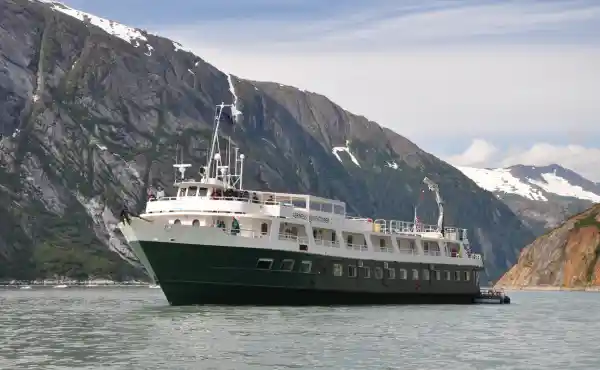 EXPEDITION VESSEL