Travel, experience, conserve with
Phone:
Jump to main menu

Even though Costa Rica is relatively small, it is impossible to cover all of it in a fortnight. We visit some of its most biologically rich areas on this two-week-long tour.

The national park system covers around 12 percent of the total land surface and, together with private reserves, over a quarter of Costa Rica is protected. A chain of volcanic peaks rising to over 3,500 metres in altitude divides the country into separate ecological zones, each with its own characteristic fauna and flora. As a consequence, Costa Rica is remarkably biodiverse for a country of its size, with more bird species per square kilometre than any other.

Typical Itinerary

  1. Day 1: Fly to San José

    Fly from London to San José, arriving this evening, and transfer to our overnight hotel just outside the capital.

    Accommodation: Hotel near San José, 1-night

  2. Days 2-3 : Drive to Sarapiquí via La Paz Waterfall Gardens

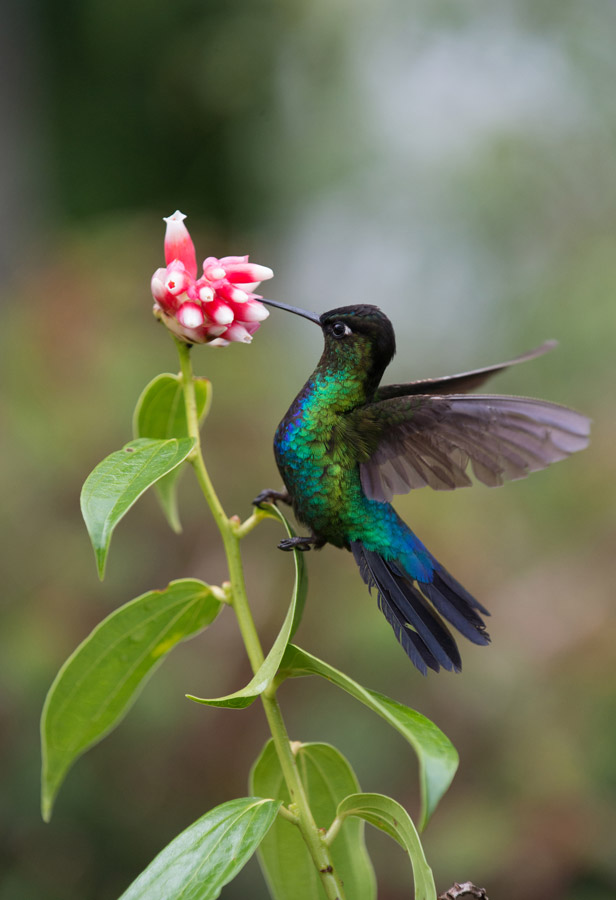
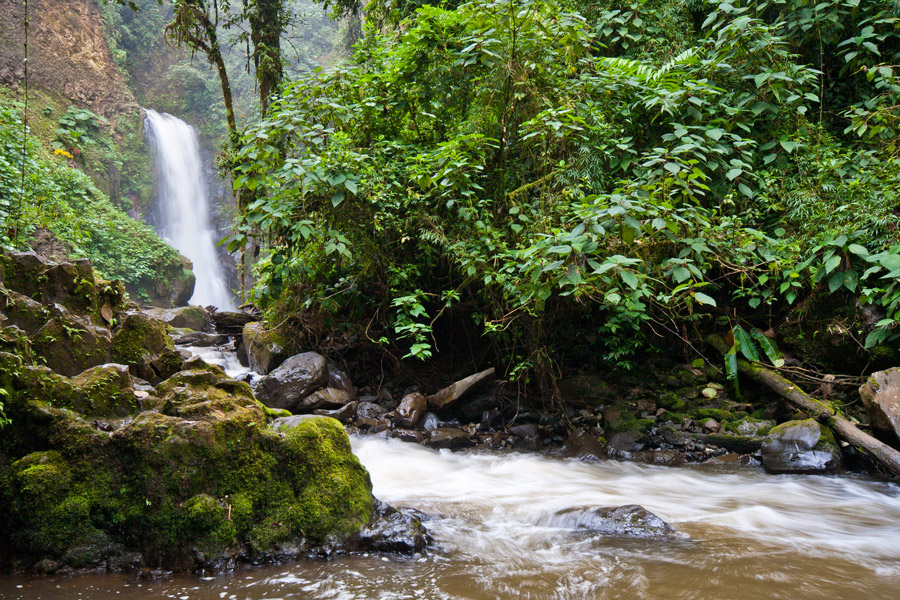
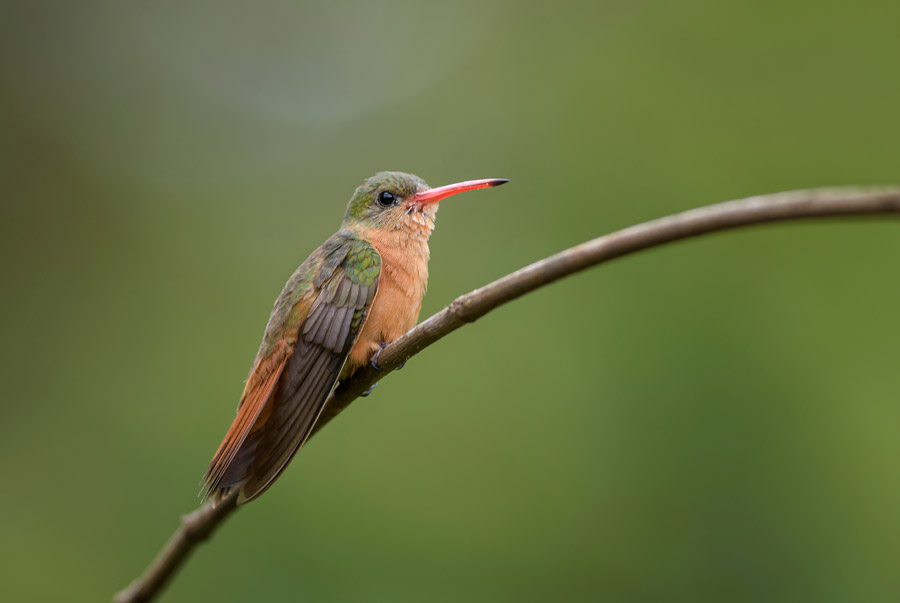
    We have a short drive north to La Paz Waterfall Gardens in the scenic La Virgen del Socorro area, home to some endemic species not seen elsewhere. This privately owned wildlife sanctuary has five waterfalls, a mix of cloud forest and rainforest, a butterfly observatory and garden, all of which are host to a great variety of middle-elevation bird species. A haven for hummingbirds, it attracts some 26 of the 47 species reported in Costa Rica.

    We drive east from the central valley across the active volcanic zone, and down into the forests of the Caribbean lowlands where we spend the afternoon birdwatching in the mountains and lowlands before heading to our lodge.

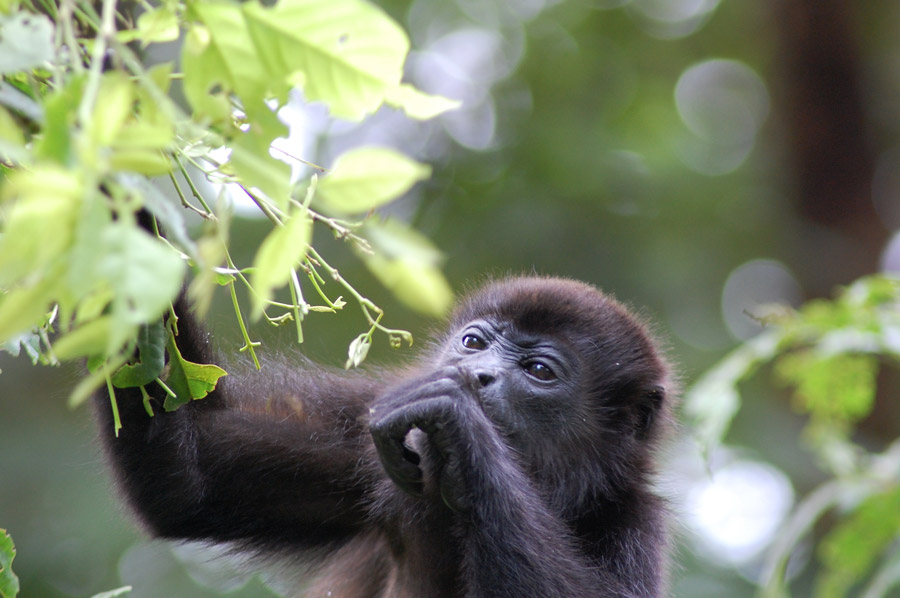
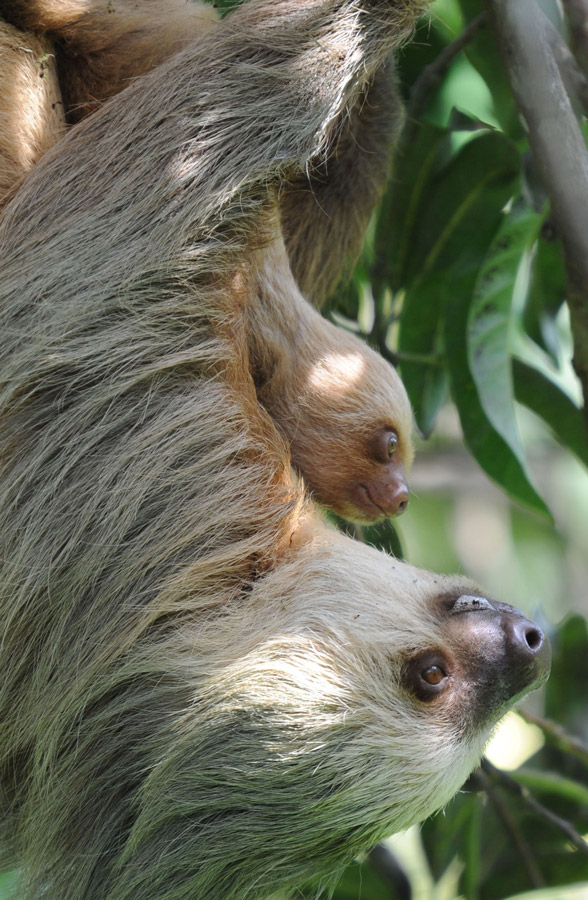
    The next morning we go for a walk in La Selva Biological Reserve. La Selva covers an expanse of lowland rainforest on the Caribbean slope of the north-western region, and is a fabulous birding destination – over 400 species have been recorded in the area. La Selva also offers a chance to see mammals such as mantled howler monkey, collared peccary, Central American agouti and brown-throated three-toed sloth.

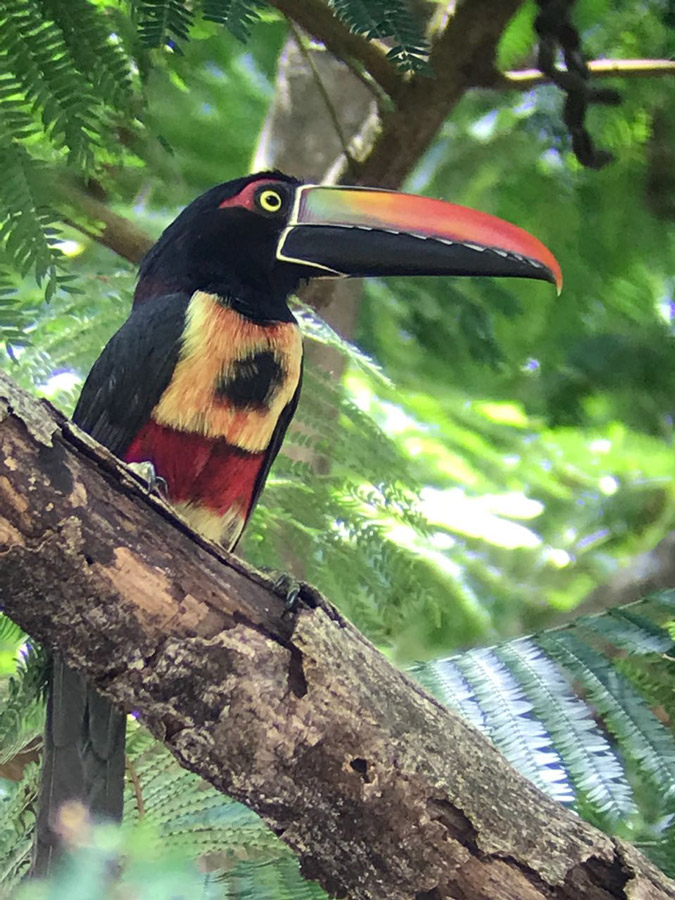
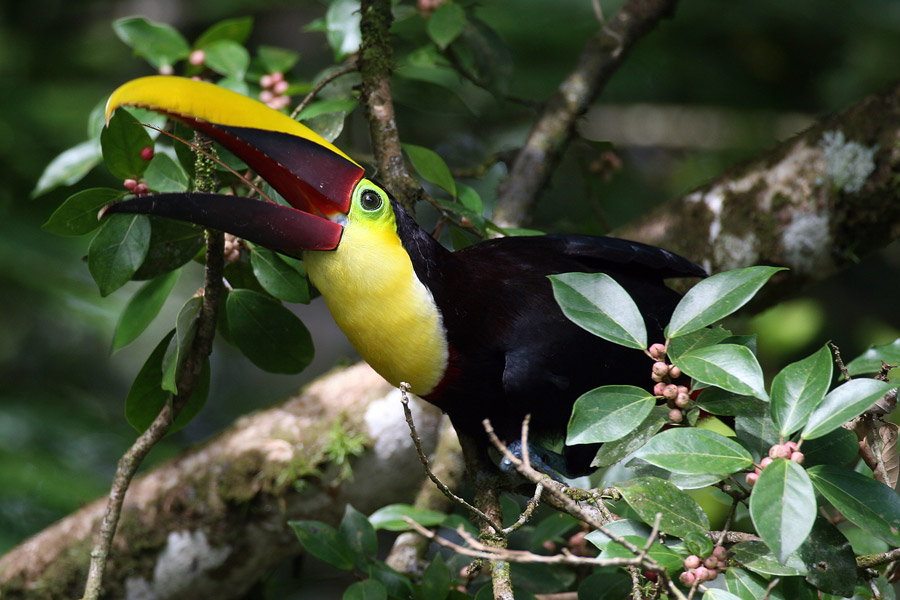
    We spend the afternoon walking trails around the lodge where birds we may see and hear include little and great tinamous, great curassow, collared aracari, keel-billed toucan and bare-necked umbrellabird.

    Accommodation: Selva Verde Lodge, 2-nights

  3. Days 4-5 : Boat across San Carlos River; drive to Arenal Volcano

    This morning we take a boat trip on the San Carlos River to see its wildlife before continuing west along the lower slopes of the volcanic mountain range, onto the Caribbean-slope forests around Lake Arenal. In the afternoon we enjoy a nature walk in search of birds and wildlife in the surroundings of the lodge.

    The next day we visit Arenal’s Hanging Bridges Park, where we walk the three-kilometre-long trail that crosses 16 fixed and suspension bridges, designed to provide a unique perspective of the rainforest at heights of up to 45 metres above the forest floor.

    Accommodation: Arenal Observatory Lodge, 2-nights

  4. Days 6-7 : Journey to the Gulf of Nicoya

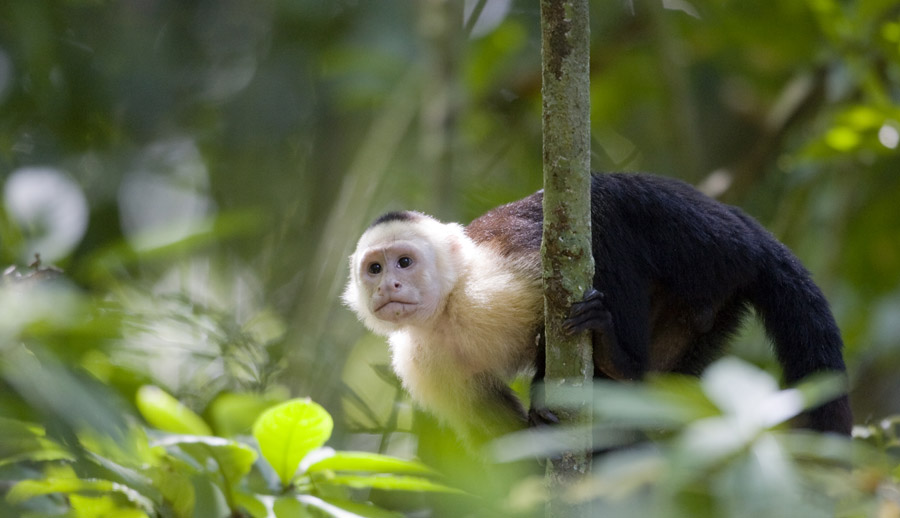
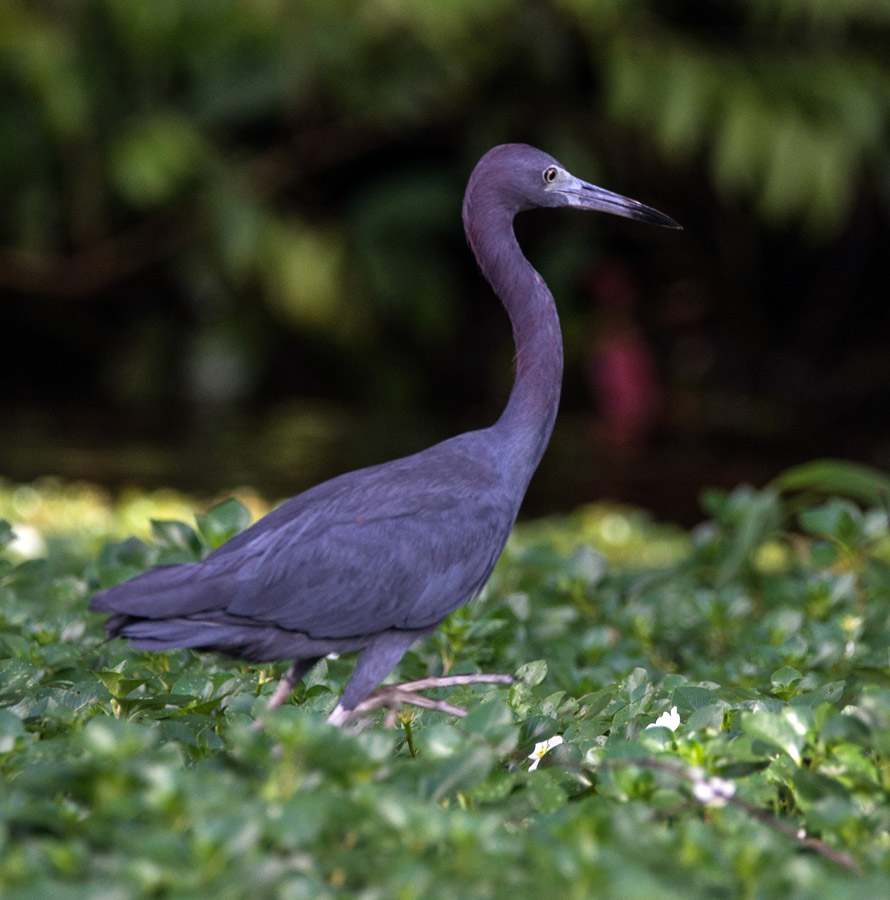
    We continue in a westward direction to the Gulf of Nicoya on Costa Rica’s Pacific Coast, where we can enjoy birding around our lodge and on the Tempisque River. Among the array of birds and other wildlife that we may see are roseate spoonbill, little blue heron, bare-throated tiger heron, American crocodile, green and black iguanas, white-faced capuchin and mantled howler monkey.

    The next morning we take a boat trip on the Bebedero River into Palo Verde National Park to look for raptors and other birds including northern crested caracara, common black hawk, peregrine falcon, osprey, laughing falcon, and mangrove swallow.

    In the afternoon we visit the 11,000-hectare Hacienda Solimar, a birding paradise where we can expect to see a wide variety of wetland birds, including the mighty jabiru. 

    Accommodation: Ensenada Lodge, 2-nights

  5. Days 8-9 : Drive to Carara; boat trip along the Tarcoles River

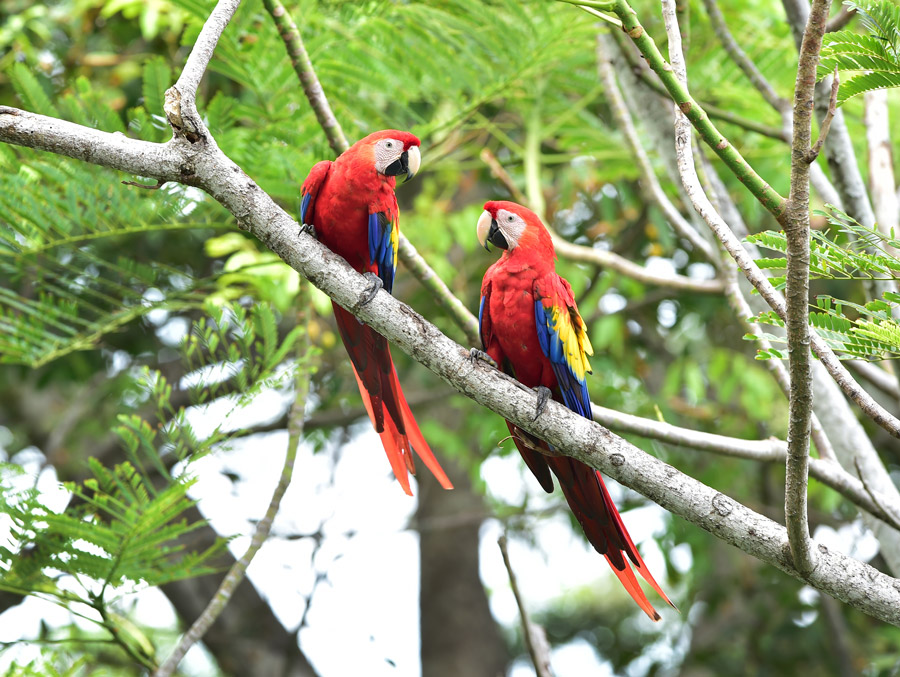
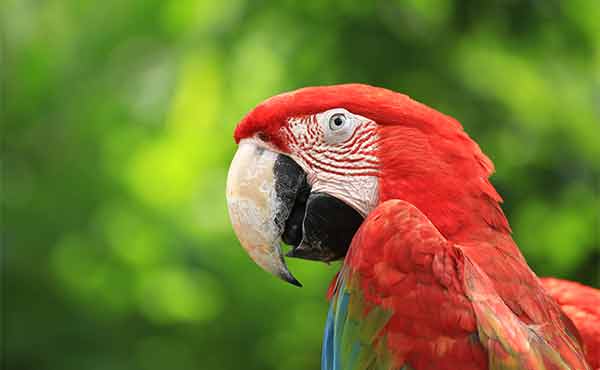
    We now head south along the Pacific coast, watching birds en route. During our stay we visit the road bridge that crosses the Tarcoles River with the aim of seeing scarlet macaws as they return to their roost in the mangroves just before dusk. 

    In the afternoon, we take a boat trip along the Tarcoles River and into the Guacalillo Estuary, whose mangroves host the largest population of American crocodiles in Central America, and offer great opportunities to see freshwater birds, waders and shorebirds. At this time of the year, we are likely to see some wintering waders from North America, as well as terns and black skimmers, while magnificent frigatebirds fly overhead.

    The following day we visit Carara National Park for another opportunity to see the macaws.

    Accommodation: Macaw Lodge, 2-nights

  6. Days 10-11 : Drive to Cerro de la Muerte & Los Quetzales National Park

    Today we drive up into the highlands of the Cerro de la Muerte, to Los Quetzales National Park, which nestles in the pristine Talamanca Mountains. The cloud forest here is composed of massive oaks and other highland native trees. We stay in an idyllic mountain-side lodge with stunning views of the surrounding forested slopes. Collared whitestart, magnificent and fiery-throated hummingbirds are among the gems of this area and can be seen from the balcony of our lodge.

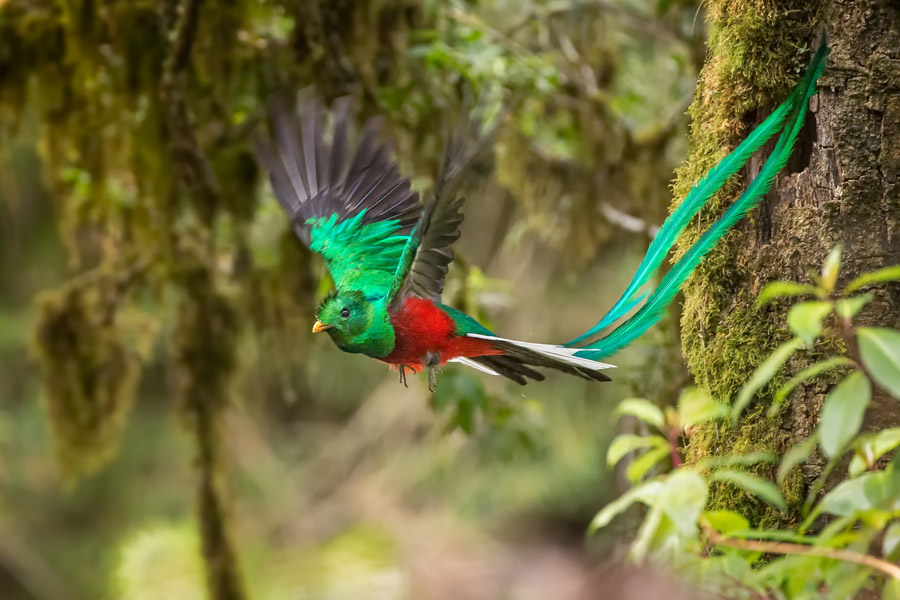
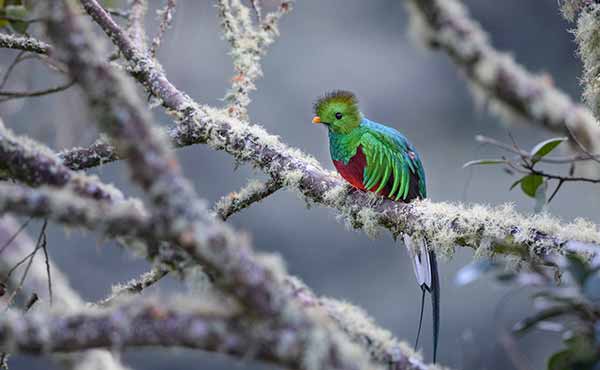
    However, one of the most sought-after bird species on any trip to Costa Rica is the resplendent quetzal, sometimes right beside the lodge! Over the next two days, we spend time exploring the cloud forest of Los Quetzales National Park in search of various birds in addition to quetzal, such as emerald toucanet, white-winged tanagers and ornate hawk-eagle. 

    Accommodation: Suria Hotel de Montana, 2-nights

  7. Day 12: Drive to San José

    This morning we visit Tapanti National Park on our way back to the Central Valley and San José, where we end the day with a farewell dinner.

    Accommodation: Hotel Bougainvillea, 1-night

  8. Day 13: Depart for the UK

  9. Day 14: Arrive UK
Key info

  • Duration and price including flights from/to UK: 14 days from £6,495 pp
  • Duration and price excluding international flights: 13 days from £5,595 pp
  • Single supplement: From £1,795
  • Trip type:
    Group Tour
  • Group Size: 4–8
  • Group Departures:
    Make a booking request or enquire:
    1. Enquire Book
  • Included in the price/package:
    • Services of an expert leader
    • Transfers
    • Accommodation
    • All meals
    • Guided activities
    • Conservation fund contribution
  • Activities available:
    • Birdwatching
    • Boat trip
    • Nature drive

Expert leader

Daniel Martinez

Photo of Daniel Martinez

Daniel has a Post Degree in Tropical Biology with a focus on Natural Resources and a Bachelor’s Degree in Biology focused on Ecology and Sustainable Development.

Since 2003, Daniel has been complementing his passion for guiding with his studies and observation of birds all across Costa Rica. He is fanatical about birds and has participated in many counts and researches throughout the continent. He dedicates his free time to another of his passions, photography, and of course, birds and nature are his highlights. Exploring new places and spending time with his family are also in the top of his list.

View all tours led by Daniel

Tour Reports

Find out more about the day-to-day sightings and wildlife activities on our group tours from our expert naturalist leaders.

Featured locations:

San José

San José

Costa Rica’s vibrant capital stands in the centre of the country at an elevation of around 1,200 metres. Home to the main international airport, it has the country’s pristine natural attractions on its doorstep. The downtown area is fairly small and has several interesting museums and parks. Find Out More about {acc:title}

  • Where: San Jose Province
  • Excellent for: City stopover

Sarapiqui

Sarapiqui

This fascinating lowland area is a good base for exploring Poas Volcano. However the main highlight is La Selva Biological Station, a major research centre for tropical ecosystems. The species diversity here is astounding, with more than 1,850 plants, 448 birds, 70 species of bat and five of Costa Rica’s six felines. Find Out More about {acc:title}

  • Where: Heredia Province
  • Ideal for viewing: ocelated antbird, short-tailed nighthawk, sungrebe, great potoo, great green macaw
  • Excellent for: Birdwatching

Volcan Arenal National Park

Volcan Arenal National Park

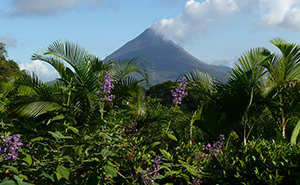
Until 2010 Arenal was Costa Rica’s most active volcano. In recent times it has entered a period of quiescence, although you can still hear subterranean rumbles and see the odd ash column. The surrounding national park contains a bizarre landscape of solidified lava flows, lush forest and tropical flora and fauna. Find Out More about {acc:title}

  • Where: Alajuela Province
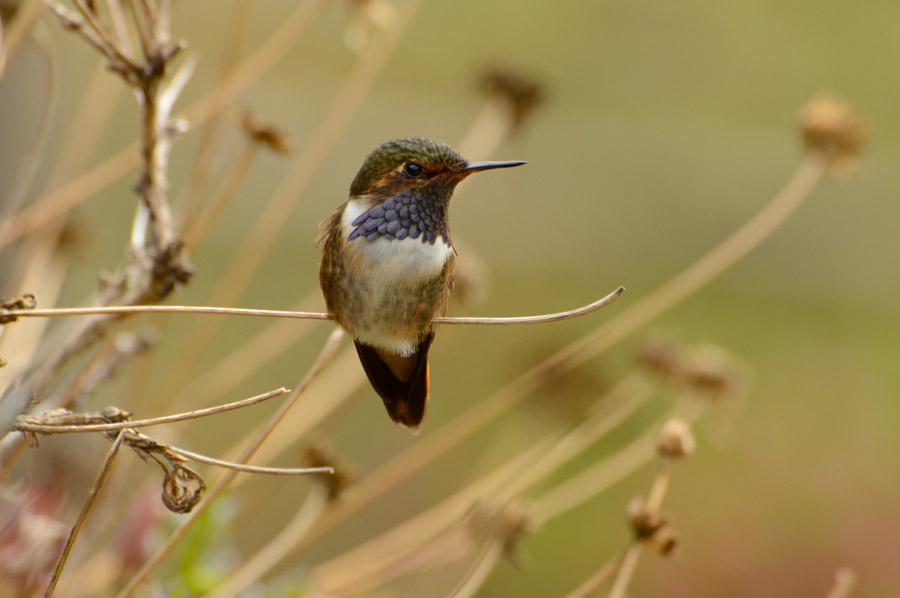
  • Ideal for viewing: boa constrictor, mantled howler monkey, violet sabrewing, agouti, armadillo

Gulf of Nicoya

Gulf of Nicoya

This stunning coastal landscape includes cliffs, rocky islands, wetland and mangroves. The offshore islands protect seabird sanctuaries where visitors are not allowed, however with binoculars you can watch them from the shore. Guayabo has the largest of Costa Rica’s four known brown pelican nesting sites. Find Out More about {acc:title}

  • Where: Puntarenas Province
  • Ideal for viewing: humpback whale, brown pelican, brown booby, giant frigatebird, olive ridley turtle
  • Excellent for: Birdwatching

Carara National Park

Carara National Park

This national park protects the last noteworthy tract of primary rainforest in the Central Pacific region. Due to its proximity to the capital, it attracts a lot of visitors – both local and international. However, if you can avoid the crowds it has sufficient wildlife to impress the most avid enthusiast. Find Out More about {acc:title}

  • Where: Central Pacific Region
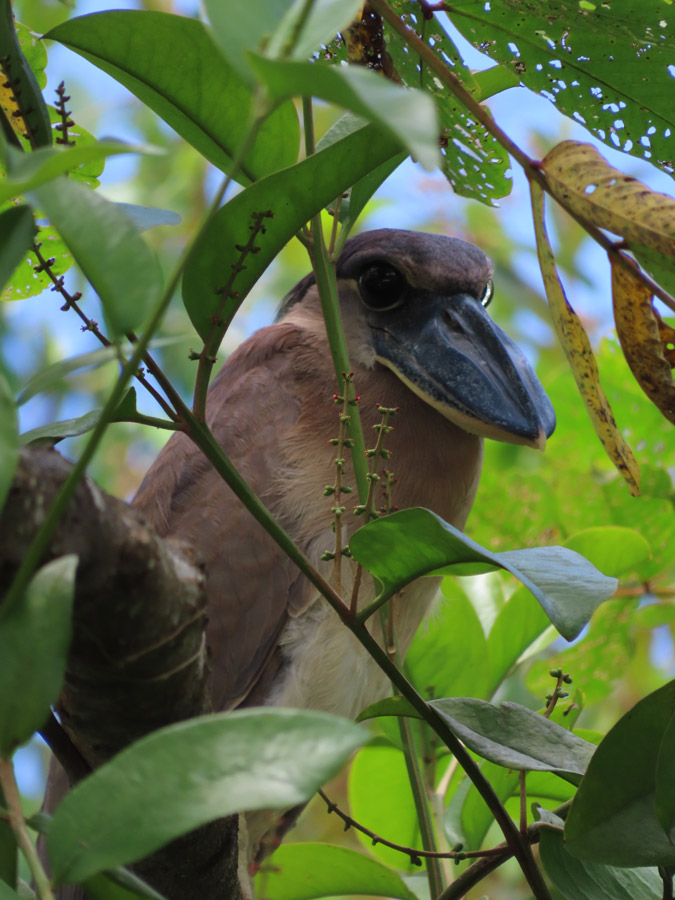
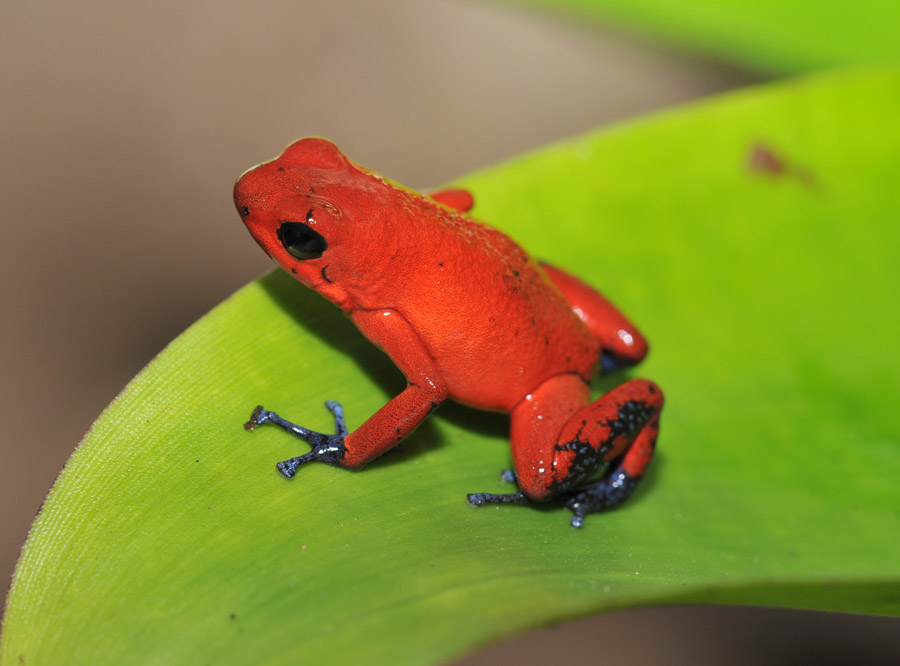
  • Ideal for viewing: collared peccary, green and black poison arrow frog, scarlet macaw, white-faced capuchin, boat-billed heron
  • Excellent for: Birdwatching

Los Quetzales National Park

Los Quetzales National Park

The most recent addition to Costa Rica's national parks, Los Quetzales extends across three types of rainforest, and 14 different ecosystems. Mostly cloud forest, it protects a crucial habitat for a number of plant and animal species, notably the resplendent quetzal, after which the park was named. Find Out More about {acc:title}

  • Where: Central Pacific Region
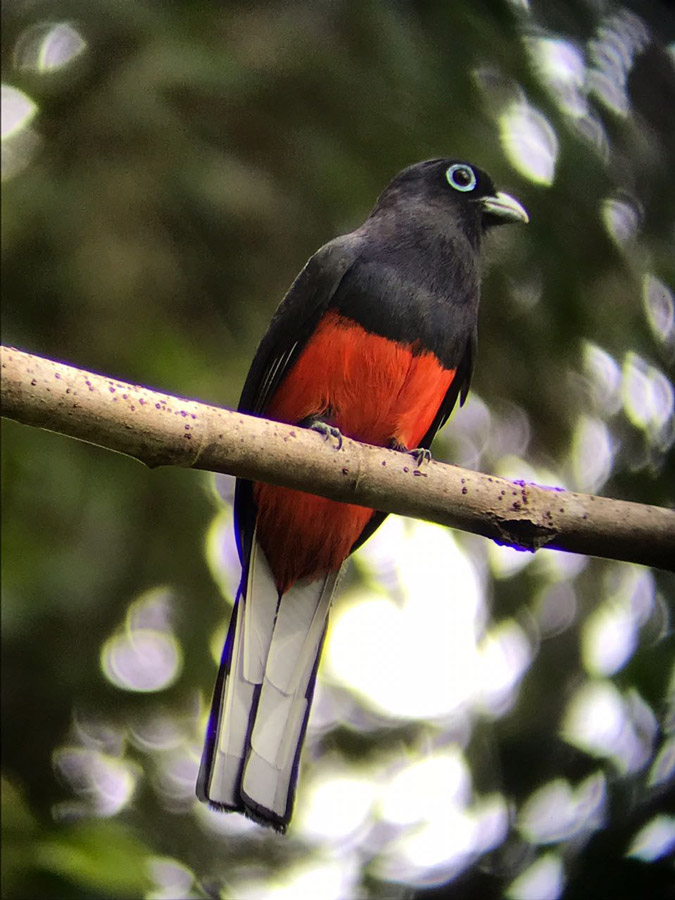
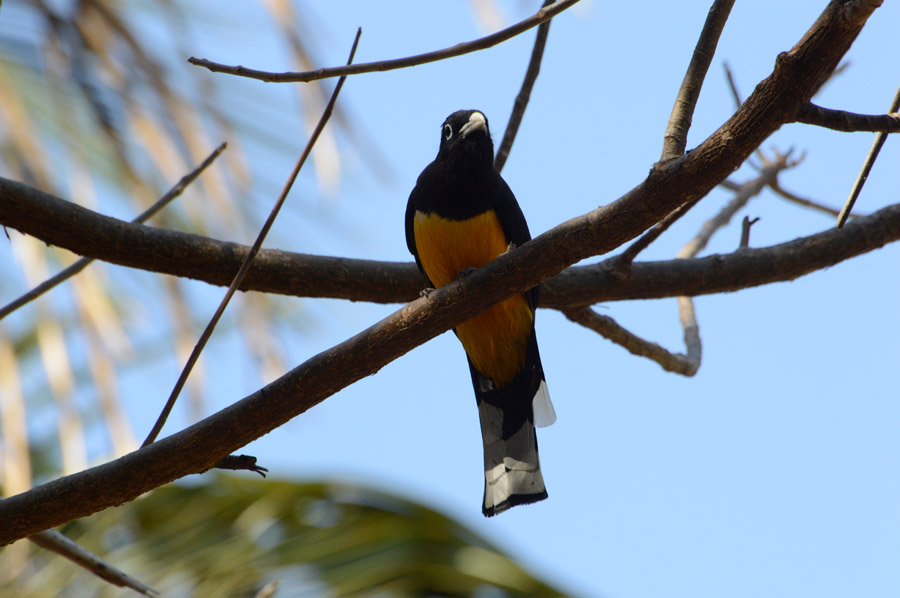
  • Ideal for viewing: resplendent quetzal, collared trogon, fiery-throated hummingbird, sooty robin, black guan
  • Excellent for: Wildlife photography, Wildlife for families, Birdwatching
Featured accommodation:

Arenal Observatory Lodge

Arenal Observatory Lodge

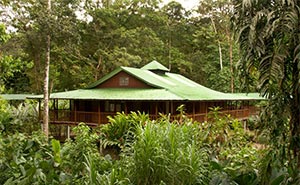
Perched on a ridge in a private reserve close to Arenal Volcano, the Arenal Observatory Lodge was once a Smithsonian Institute scientific research station. Hiking trails from the lodge extend into the surrounding rainforest and complimentary walks are led by resident naturalist guides. Find Out More about Arenal Observatory Lodge

Hotel Bougainvillea

Hotel Bougainvillea

Situated in a quiet suburb just north of San José, 25 minutes from the international airport and a mere 15 minutes from the city centre, this pleasant hotel makes a good base for exploring the Central Valley. Its extensive gardens are particularly beautiful and attract a variety of birds and frogs. Find Out More about Hotel Bougainvillea

La Ensenada Lodge

La Ensenada Lodge

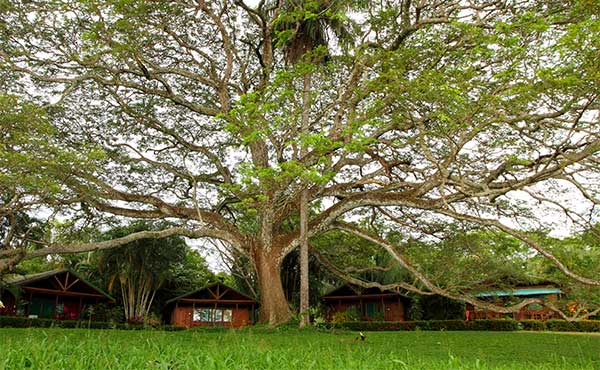
Ensenada Lodge is a working ranch with a variety of wildlife-rich habitats and an extensive network of trails. Accommodation is in comfortable cabins with a hammock on the verandah – enjoy sunsets over the Gulf of Nicoya from your hammock or while dining under cover of a traditional thatched roof. Find Out More about La Ensenada Lodge

Macaw Lodge

Macaw Lodge

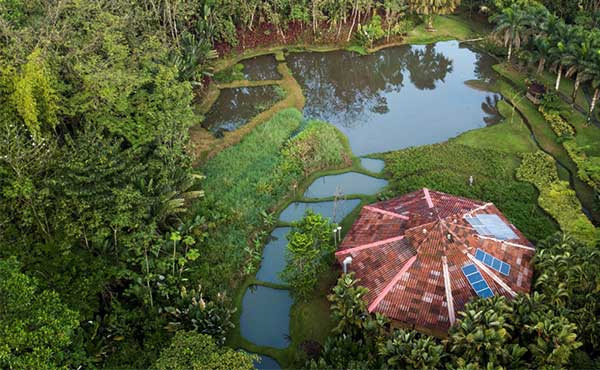
Macaw Lodge is set amongst 264-acre tropical gardens in the central Pacific region of Costa Rica. There’s a network of trails to explore, a waterfall and natural pool where you can take a dip, orchards and a farm. Delicious homemade meals are produced by the lodge’s chef. Find Out More about Macaw Lodge

Selva Verde Lodge

Selva Verde Lodge

Easily accessible, this jungle lodge is set within Sarapiquí’s dense rainforest. The other inhabitants of this riverside setting include mantled howler monkeys and keel-billed toucans – making it a perfect location to enjoy the exuberance of tropical nature. Find Out More about Selva Verde Lodge