Saaremaa is the largest island in Estonia and lies in the East Atlantic Flyway, a major migration path for waterfowl. This 'bird road' connects north-eastern Europe with the Arctic.
Saaremaa Island lies south of Hiiumaa island and west of Muhu island, and belongs to the West Estonian Archipelago. The capital of the island is Kuressaare, which has around 13,000 inhabitants. Saaremaa has 80% of the plant species found in Estonia are represented here. Altogether 1,200 species of vascular plants can be found in Saaremaa. Over 40% of Saaremaa is forested.
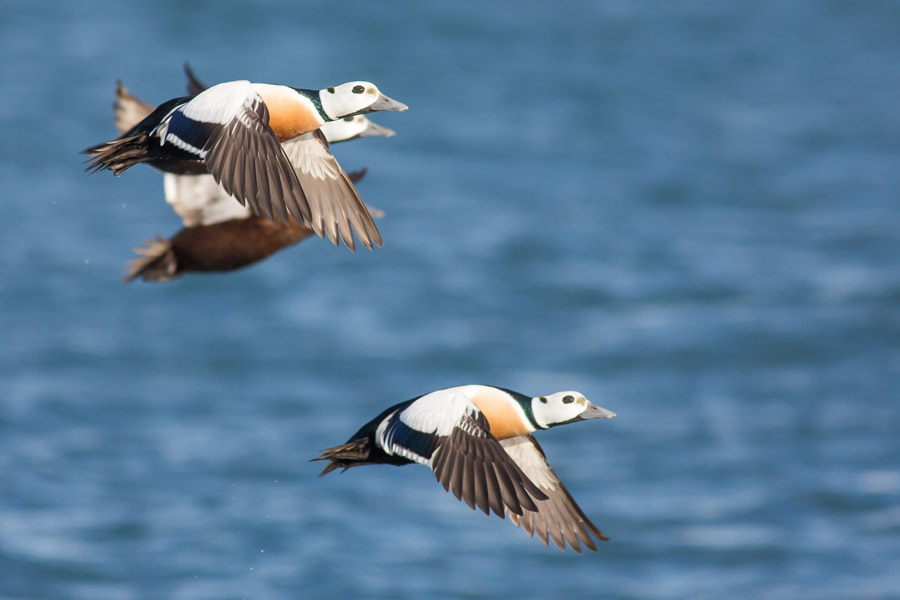
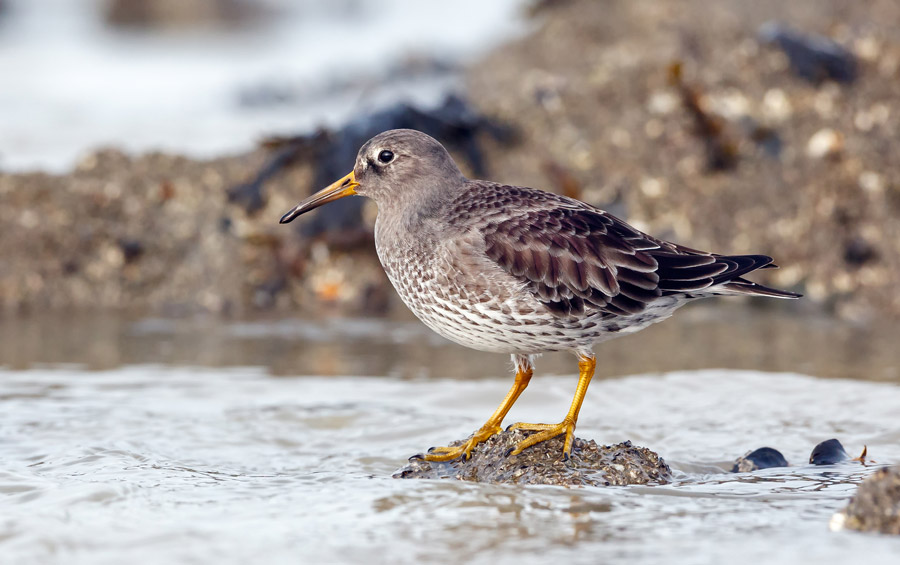
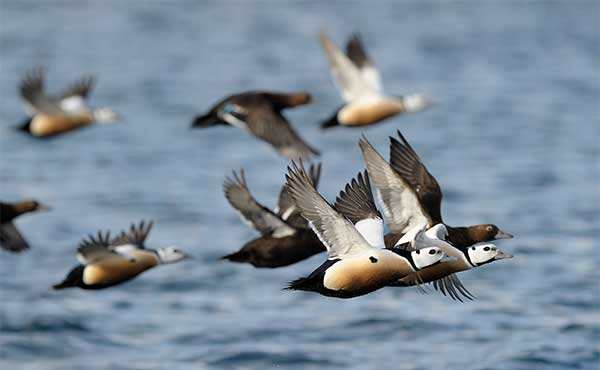
Cape Undva, at the north-westernmost tip of the island, is a hotspot for flocks of the magnificent Steller’s eider. Uudepanga Bay off the peninsula may host up to 1,000 Steller’s eiders in winter, though numbers are usually between 300 and 600. The birds maintain dense flocks and behave synchronously, especially when diving. Here we may also see other sea-ducks, in addition to divers and waders including purple sandpiper.
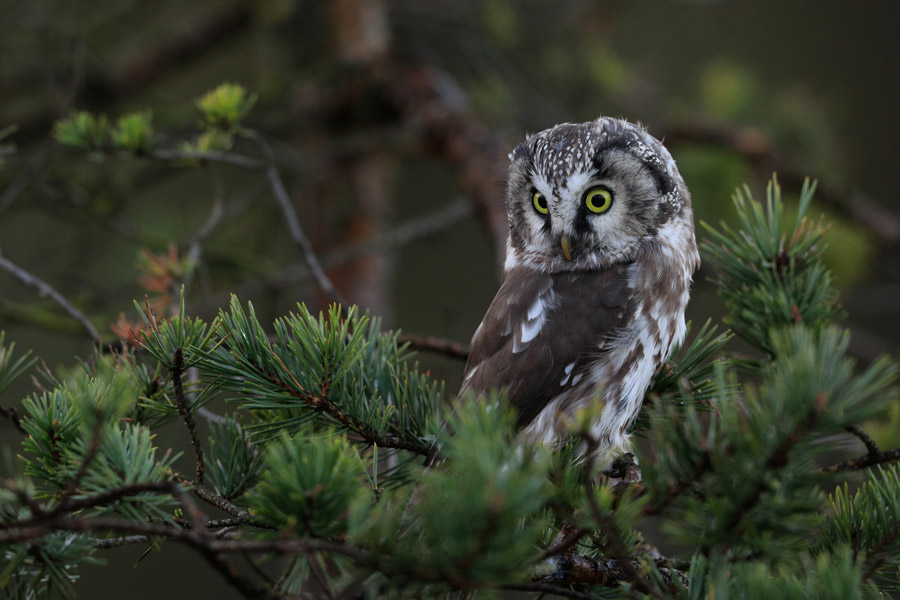
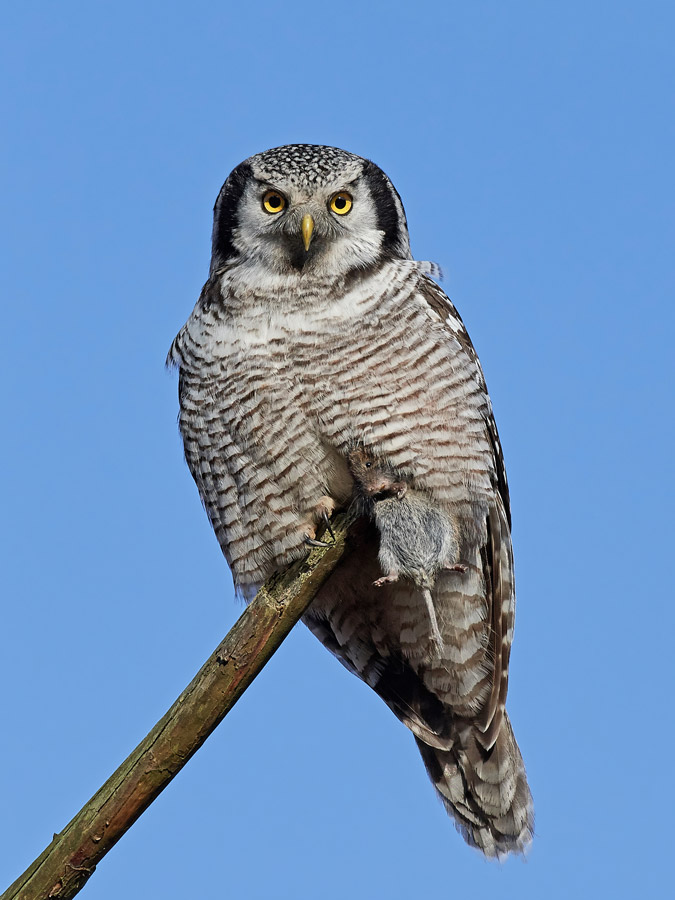
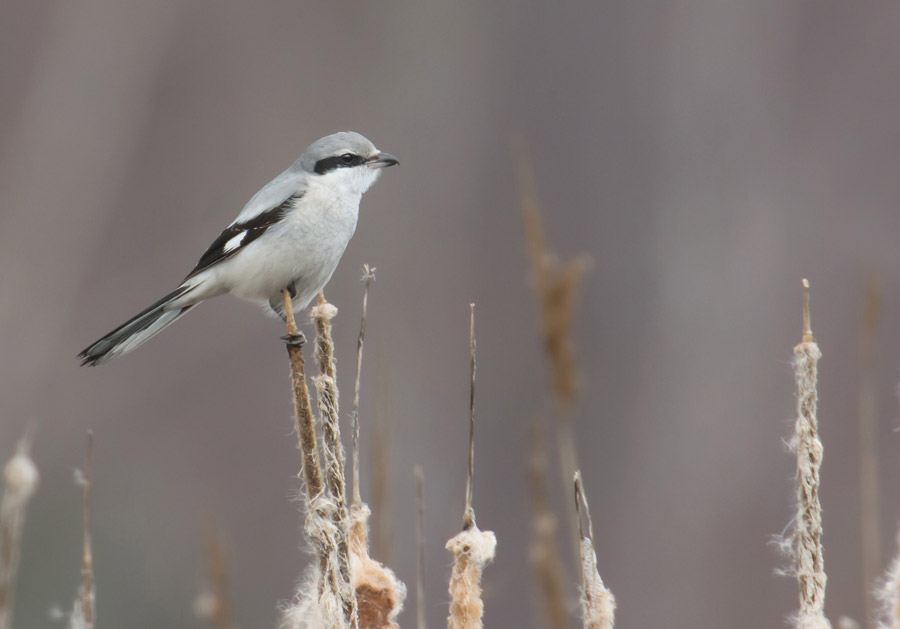
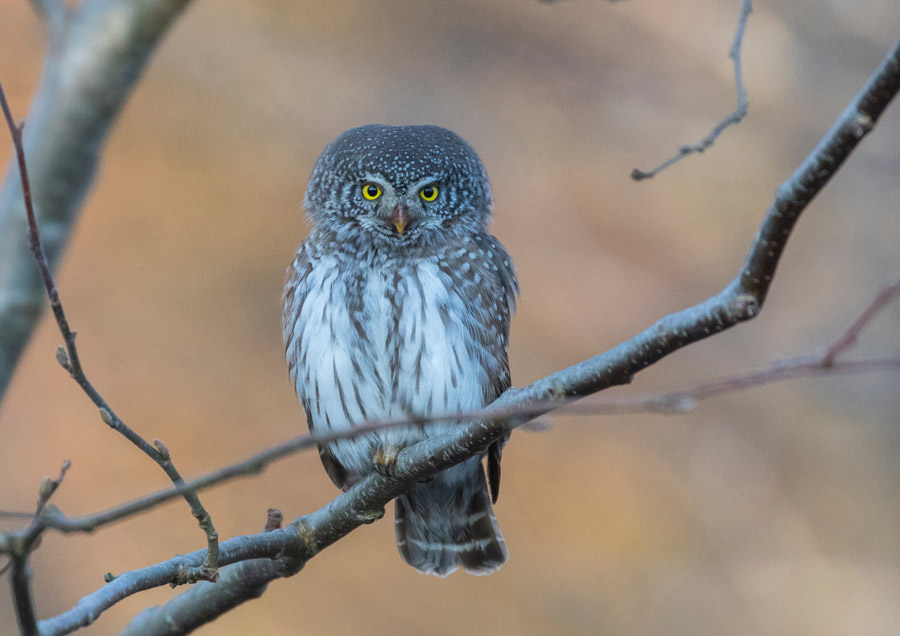
Though Saarema is not famed for its forest birds, species such as lesser spotted woodpecker, nutcracker, great grey shrike and rough-legged buzzard do inhabit the island, while at Viidumäe Nature Reserve Tengmalm’s and pygmy owls may be seen and heard at night.
View suggested itinerary