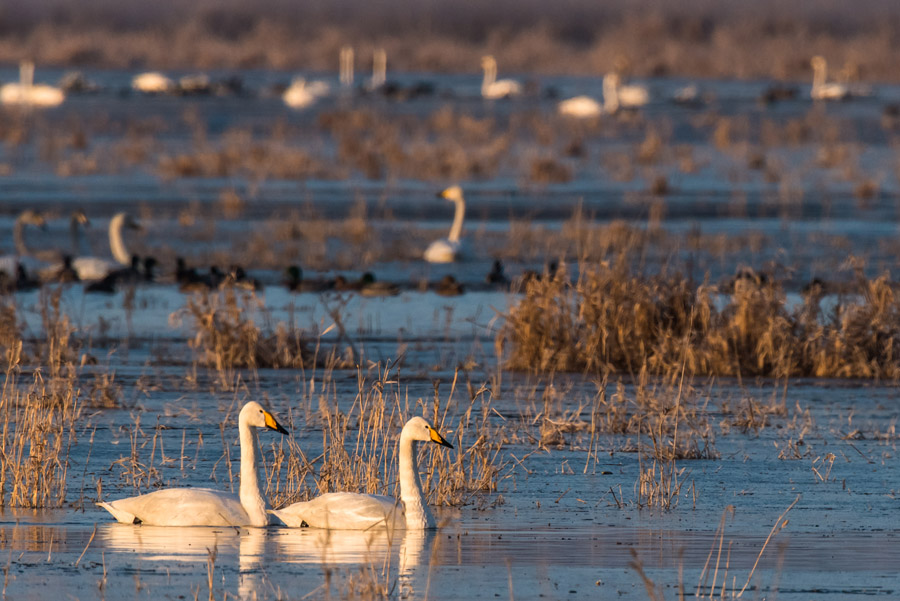
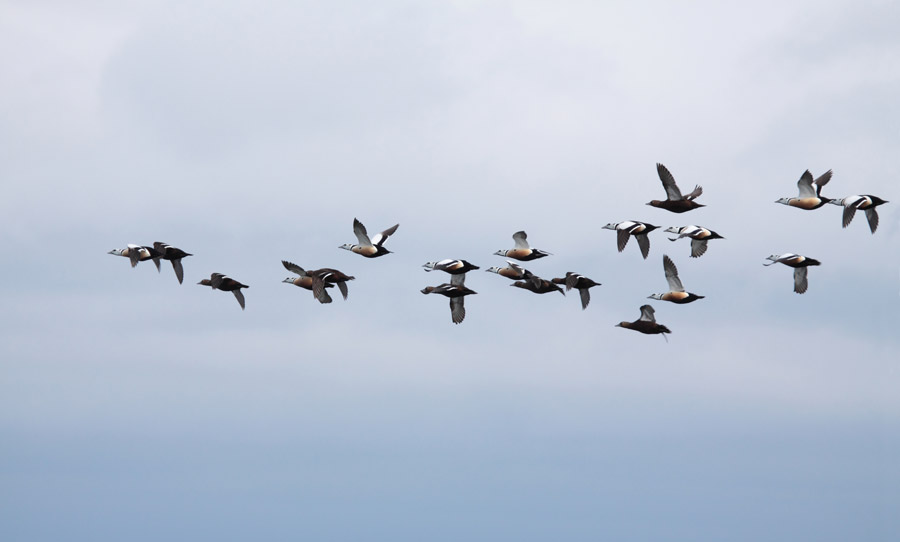
This four-day break visits the island of Saaremaa in western Estonia, the most important wintering area for Steller’s eider, Europe’s most endangered sea-duck, plus a host of other special birds.
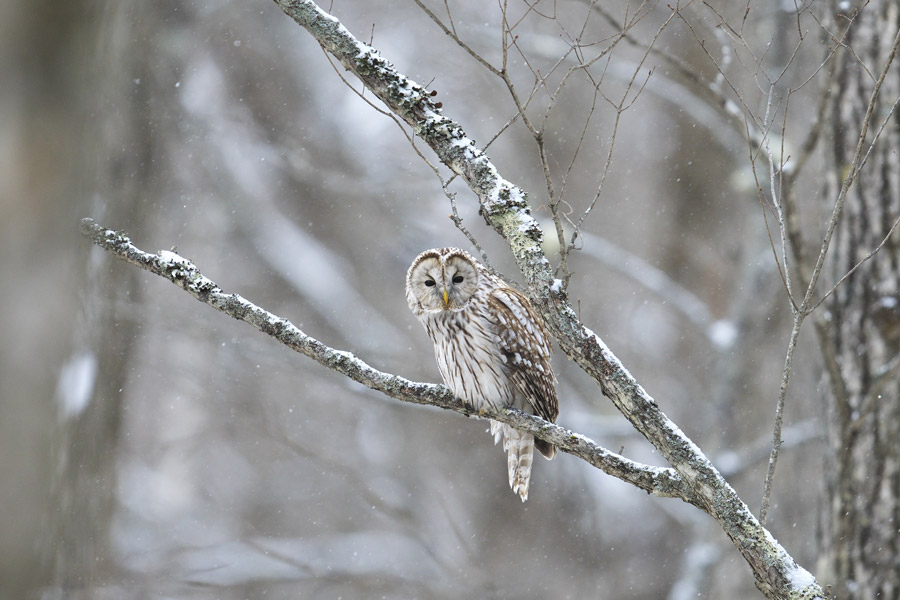
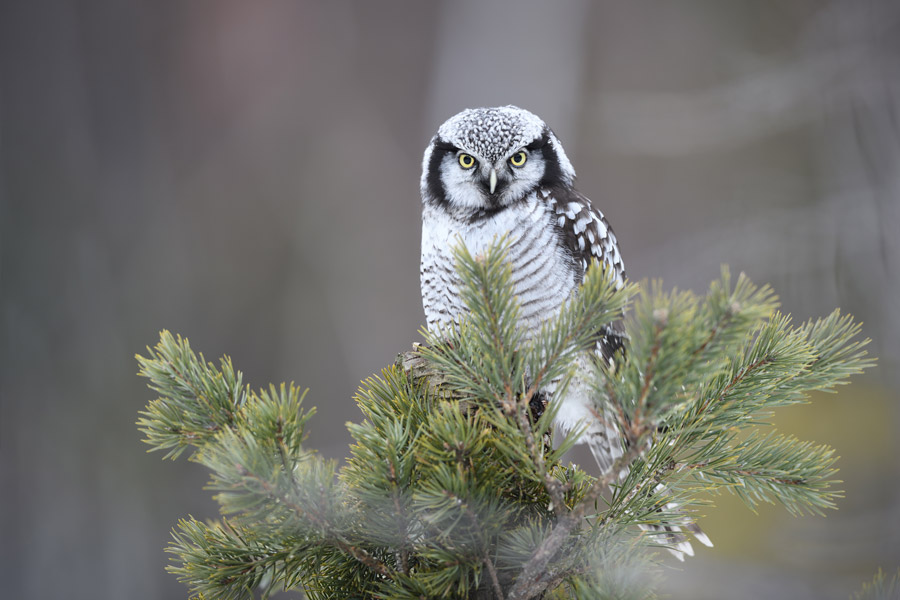
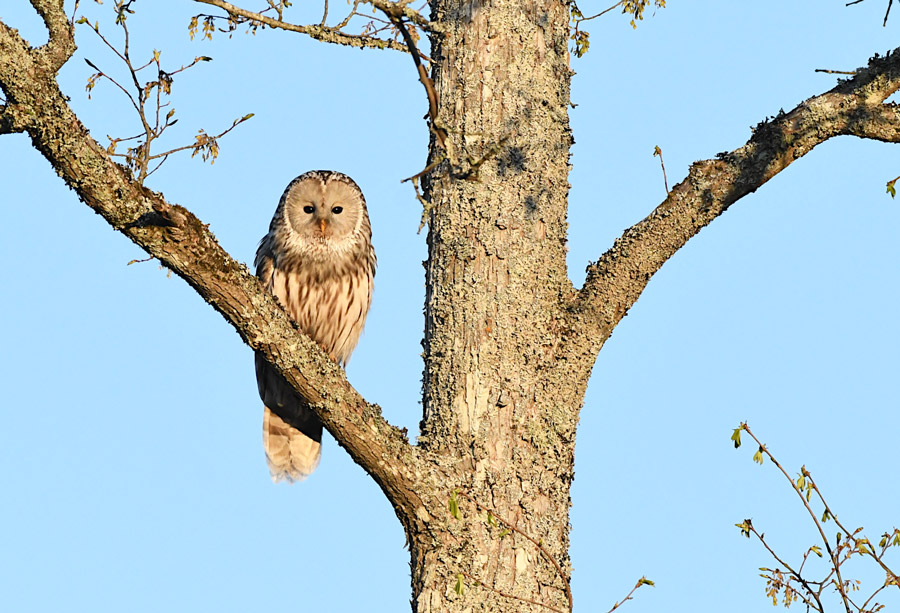
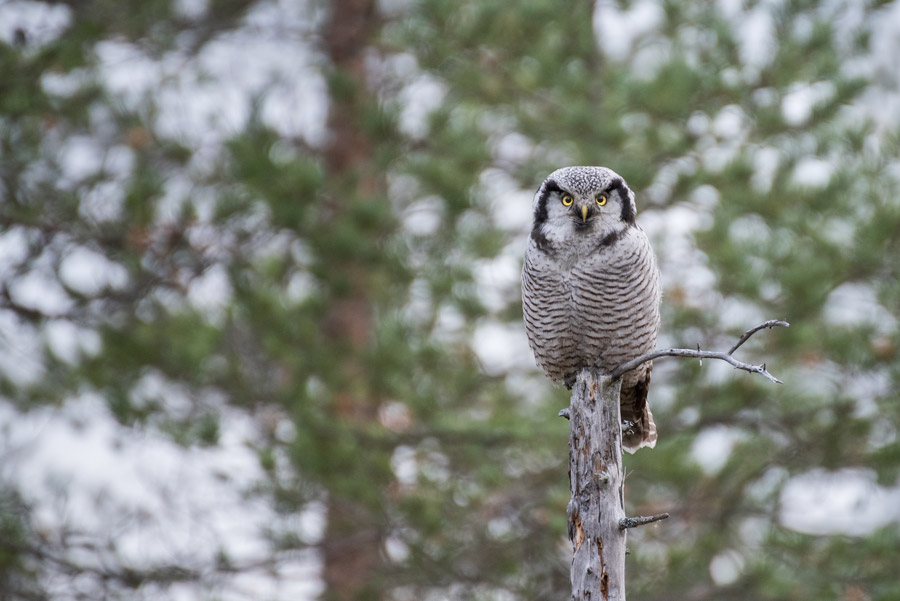
Few places in Europe can match Estonia's remarkable birdlife, no matter what the time of year. The island of Saaremaa lies between the Gulf of Riga and the Baltic Sea and is the most important area in Europe for Steller’s eider. These eye-catching birds arrive in December and remain until the beginning of April, and in January and February more than 1,000 birds may be present. This is also a great time to see hawk owls, which are uncommon but nonetheless regular winter visitors to Estonia.
Typical Itinerary
-
Day 1:
Fly to Tallinn & drive to Saaremaa Island
On arrival at Tallinn airport we meet our Estonian local guide and drive south-west to Virtsu, where we catch an early evening ferry across to Muhu Island. On disembarking at Kuivastu harbour, we continue westward and cross to Saaremaa Island. Our accommodation lies on the western side of the island near Kihelkonna in Vilsandi National Park. After checking in we have some time to relax before dinner.
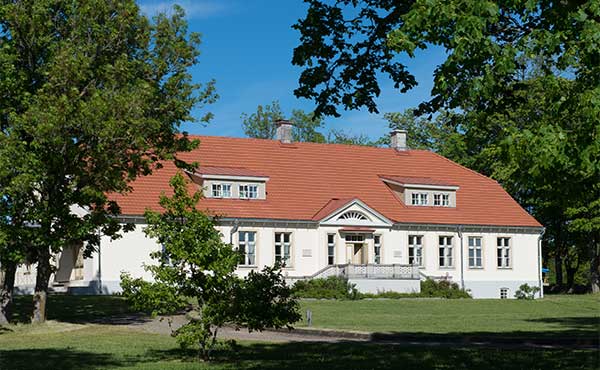
Accommodation: Loona Manor Guesthouse, 2-nights
-
Day 2:
Explore Saaremaa Island
Today is our opportunity to see large numbers of Steller's eiders. We drive to Cape Undva at the north-westernmost tip of the island, which is a hotspot for large flocks of these magnificent birds. Uudepanga Bay off the peninsula may host up to 1,000 of these birds each winter, although it is more usual for the numbers to be somewhere between 300 and 600.
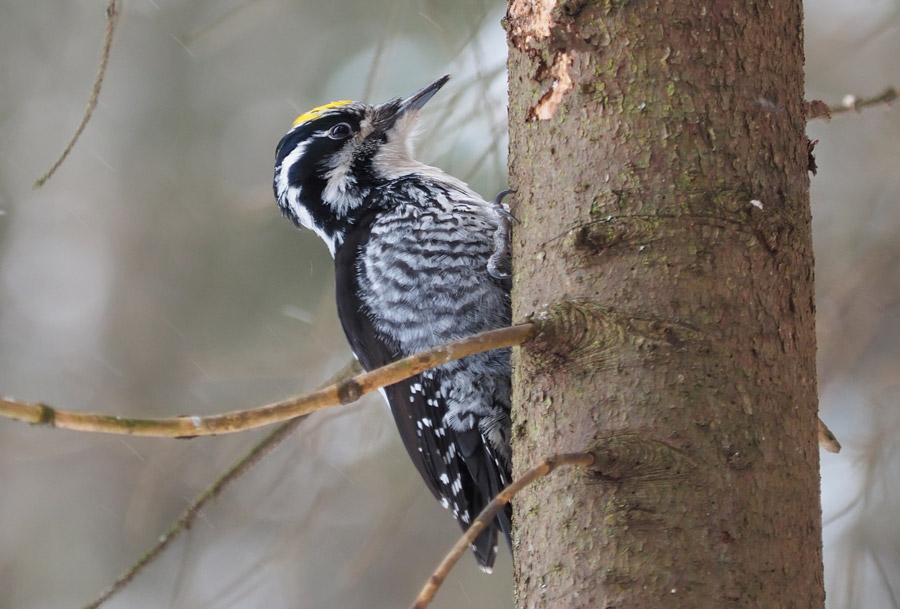
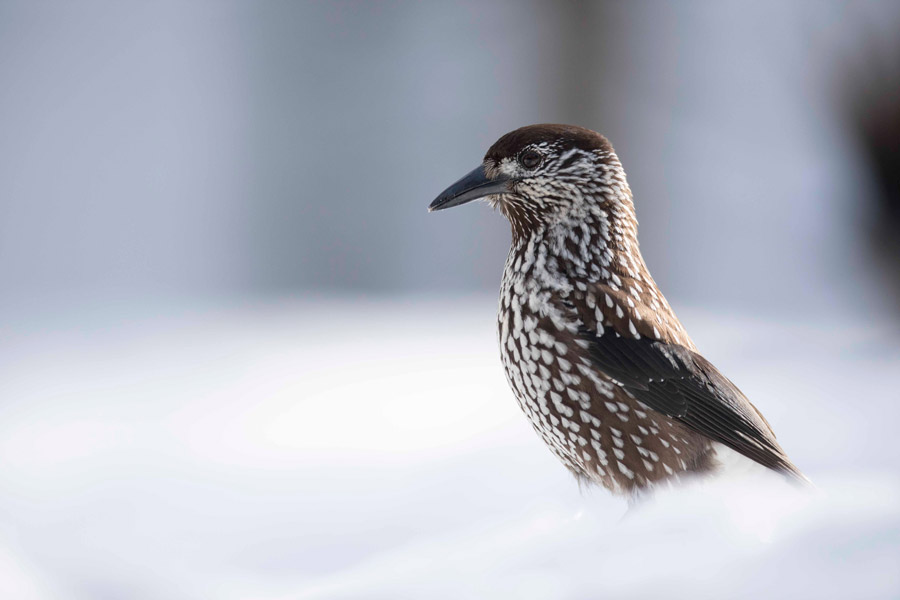
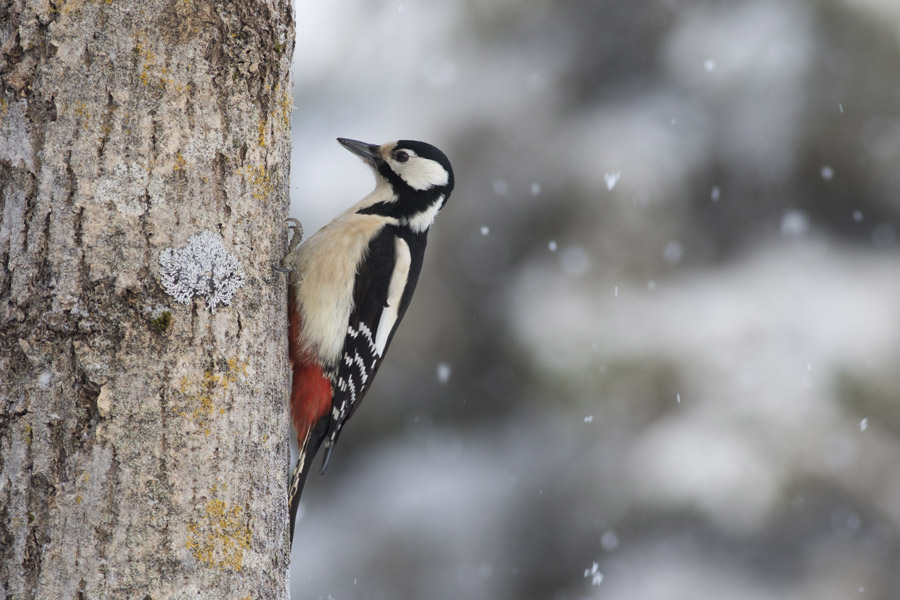
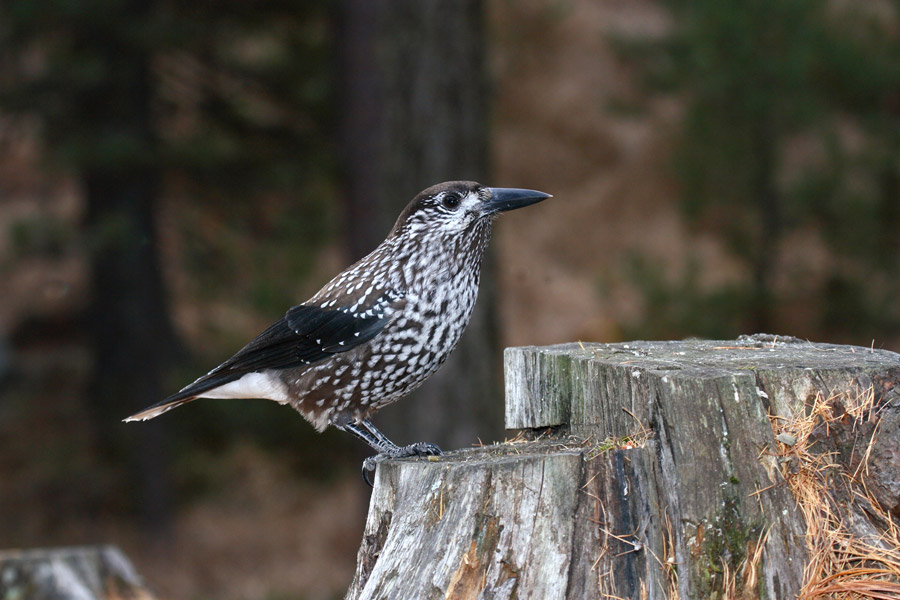
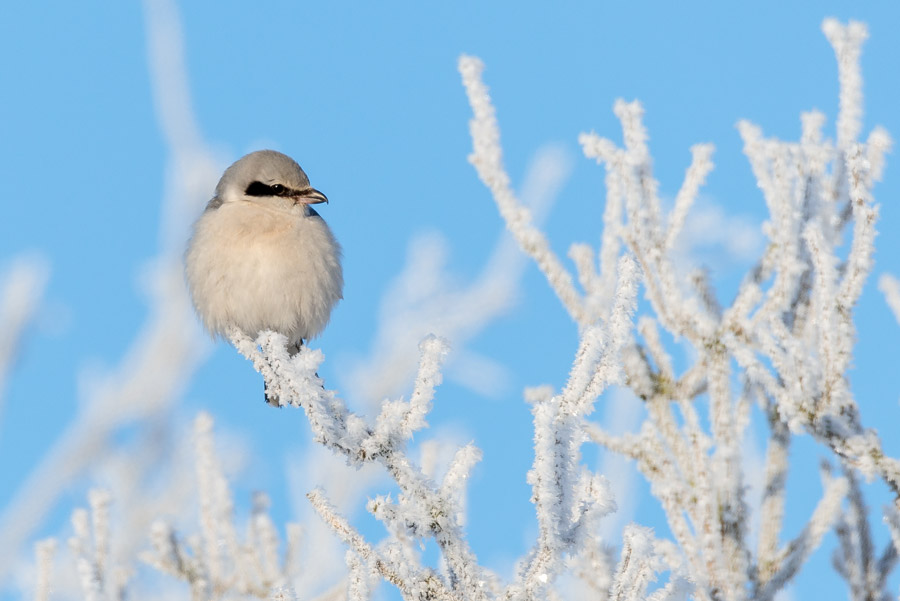
Due to the nature of the habitat, Saaremaa is not particularly rich in the rarer species of woodpecker and owl, but we may nevertheless see and/or hear lesser spotted woodpecker, nutcracker, great grey shrike and rough-legged buzzard on short stops on our way to Cape Undva or once we are there.
After a late lunch back at the guesthouse, followed by a short time to relax, we head into the forest at nearby Viidumae Nature Reserve for an owling session.
-
Day 3:
Drive to Poosaspea, Nova & Leidissoo Forests
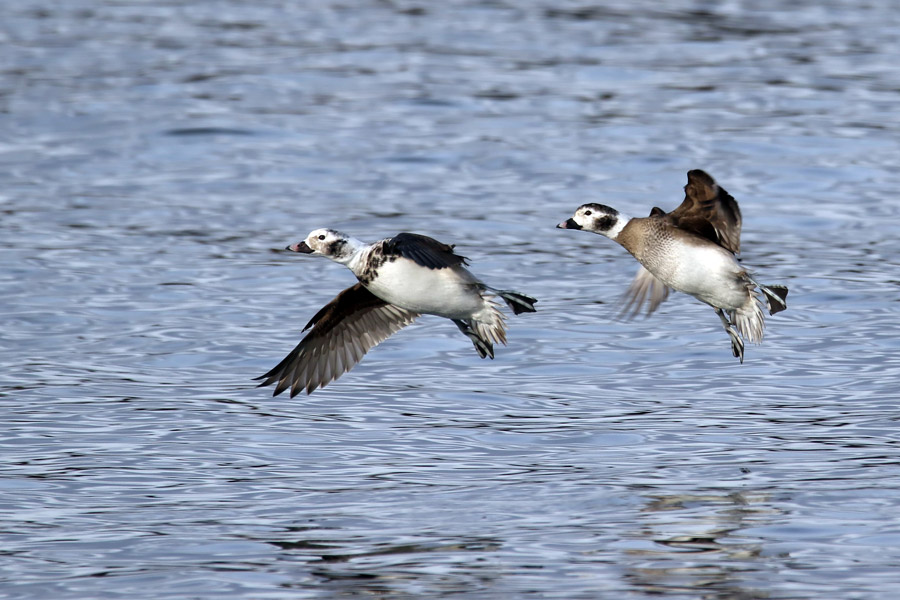
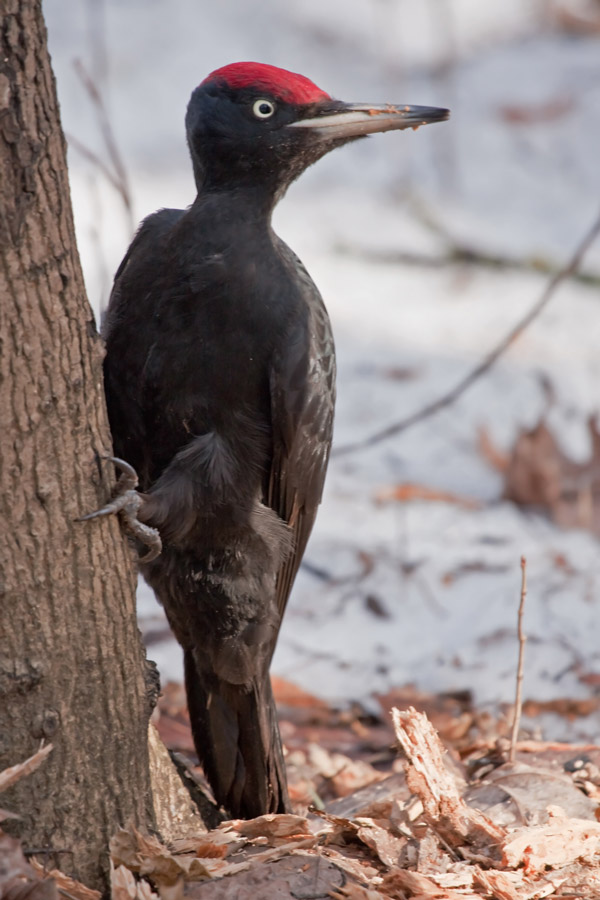
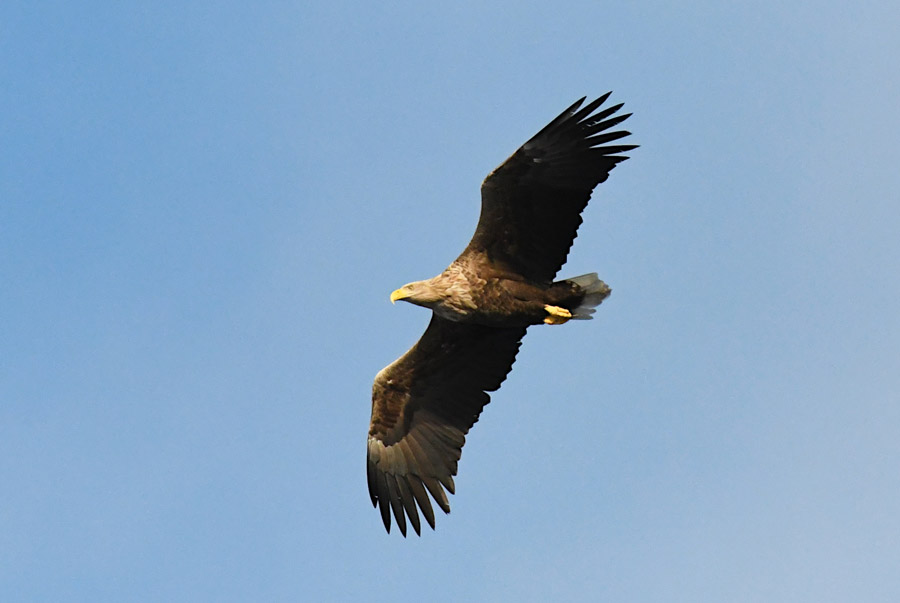
After breakfast we retrace our route back to Kuivastu and the ferry to Virtsu, before continuing north to Roosta. After checking in at our accommodation, we head to the most north-easterly point of the mainland, Poosaspea Peninsula, where each spring and autumn large numbers of waterbirds coming from the Gulf of Bothnia and the Gulf of Finland meet, making it one of the best places to observe the migration of Arctic waterbirds. Even in winter, the area usually remains unfrozen and holds flocks of different waterbirds that include thousands of long-tailed duck, goldeneye and goosander, while white-tailed eagles are often seen nearby. The atmospheric pine forests, on the other hand, hold crested tit, willow tit, goldcrest, hazel grouse and black woodpecker.
After a late lunch at a local restaurant, we head into Leidissoo Forest for an owling session before dinner. Ural owls often hunt at the end of the afternoon before it gets really dark, and – if rodent numbers further north are low – Estonia receives high numbers of hawk owl.
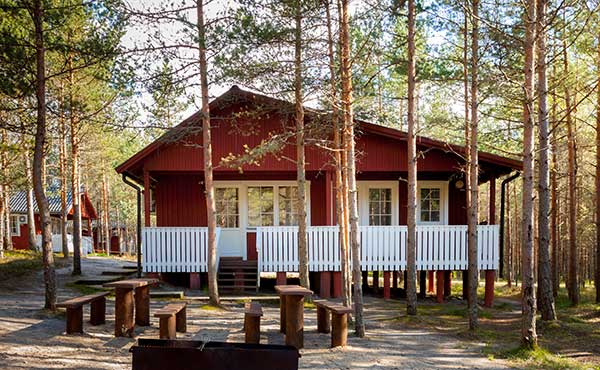
Accommodation: Roosta Holiday Village, 1-night
-
Day 4:
Leidisoo to Tallinn; fly back to the UK
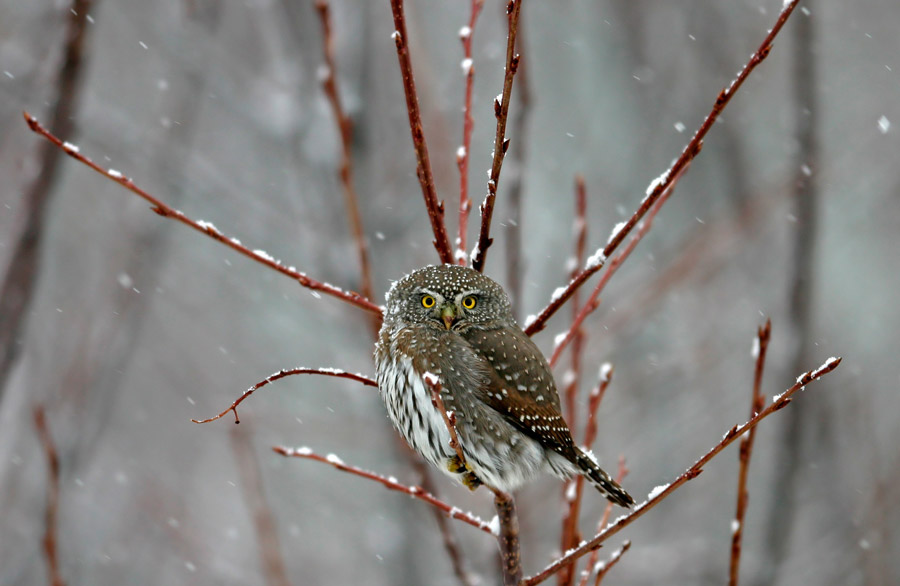
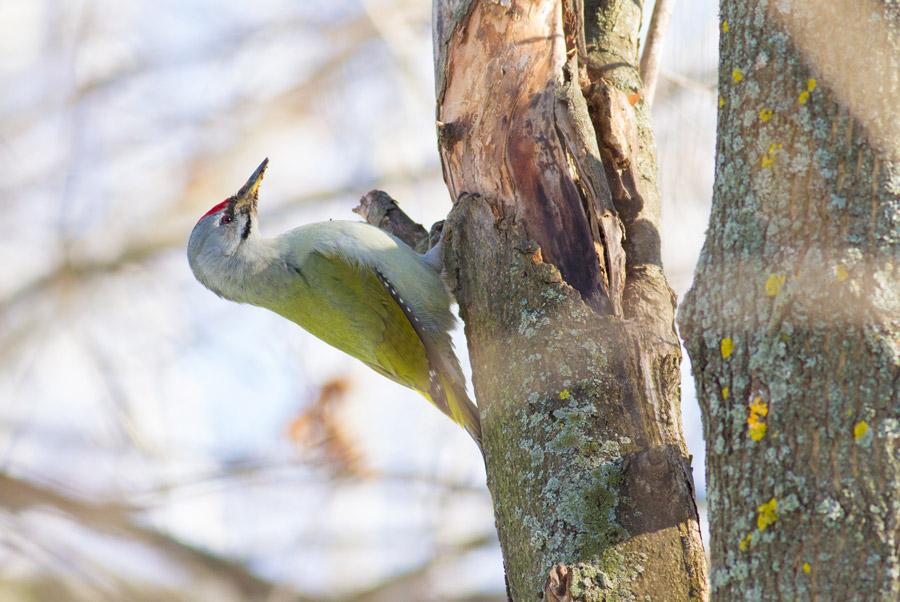
Today we make an early morning visit to the heathland forest in the hope of hearing pygmy owl, or even seeing eagle owl hunting for small mammals at the forest edge. The area’s other notable attractions include capercaillie, hazel grouse and a variety of woodpeckers.
We return to Tallinn by late morning to check in for our homeward flight.