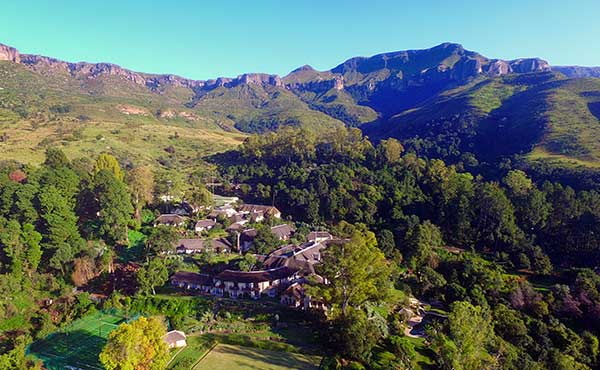
This holiday explores the Maluti and Drakensberg Mountains, home to flowering plants and an impressive range of birds and mammals, Wakkerstroom’s montane grasslands and the world-famous Greater Kruger National Park area.
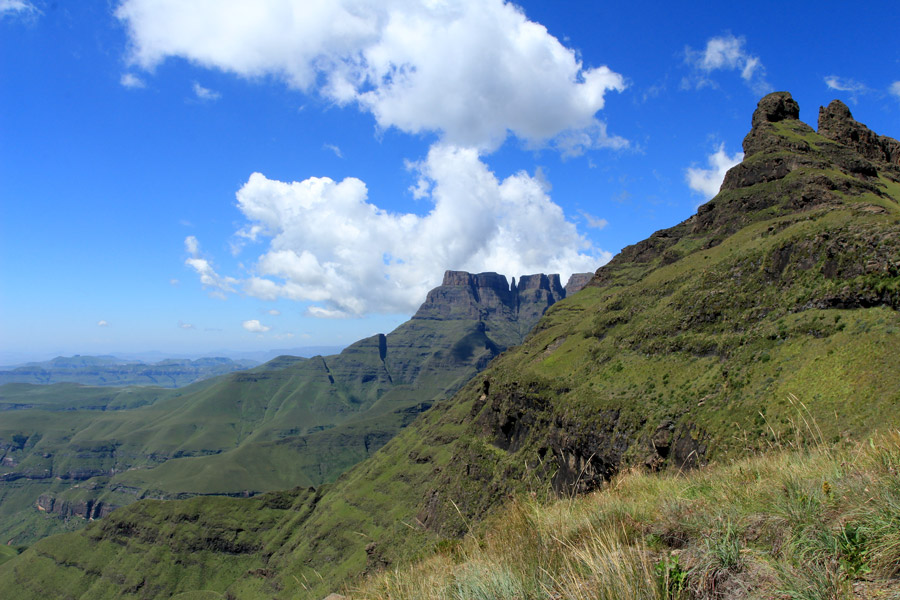
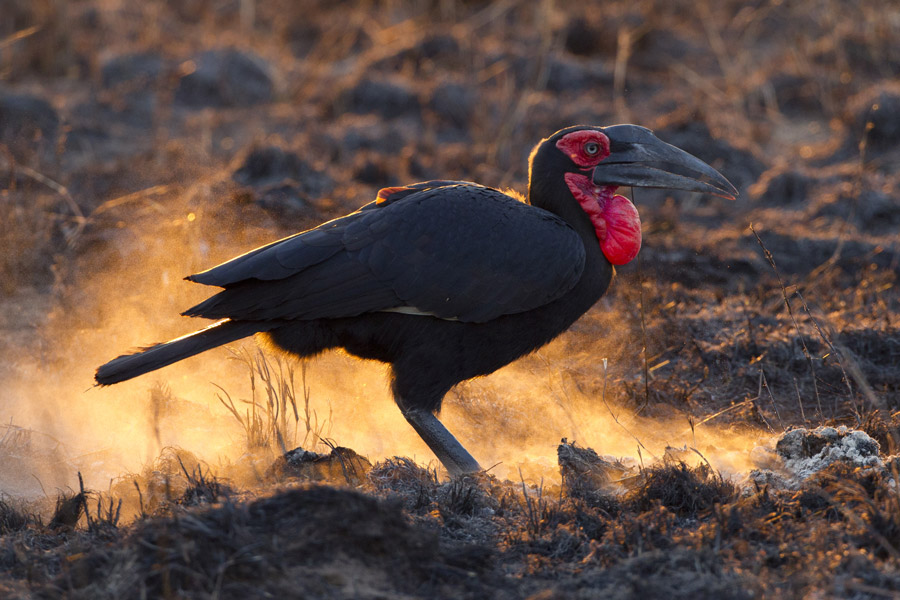
You begin in Golden Gate Highlands National Park and continue the scenic splendour with two nights in the Drakensberg Mountains, a UNESCO World Heritage Site, at Royal Natal National Park. Take leisurely botanising walks on the many trails, admire the topography, marvel at ancient rock art, and look out for some of the 2,500+ flowering plant species, 300 or so bird species and around 50 mammal species recorded here to date.
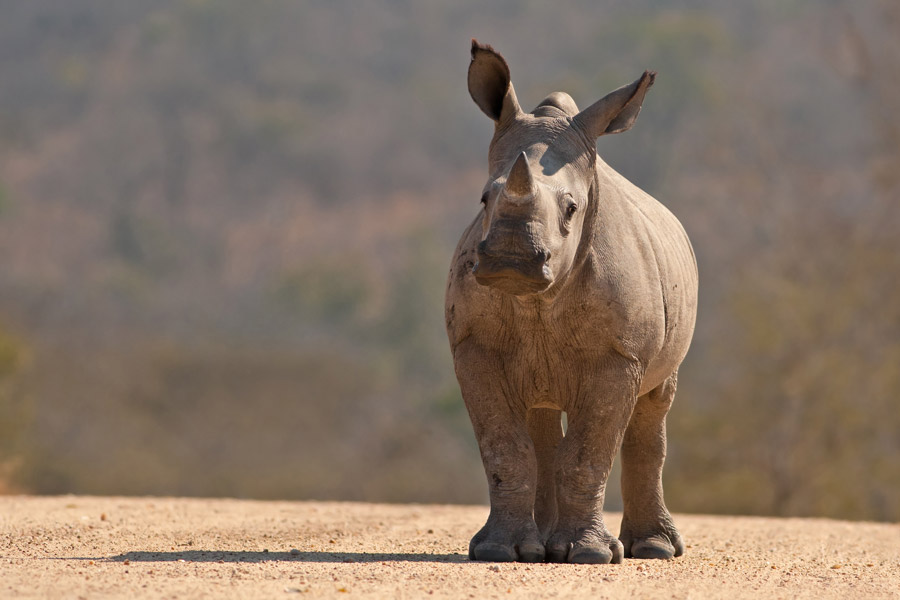
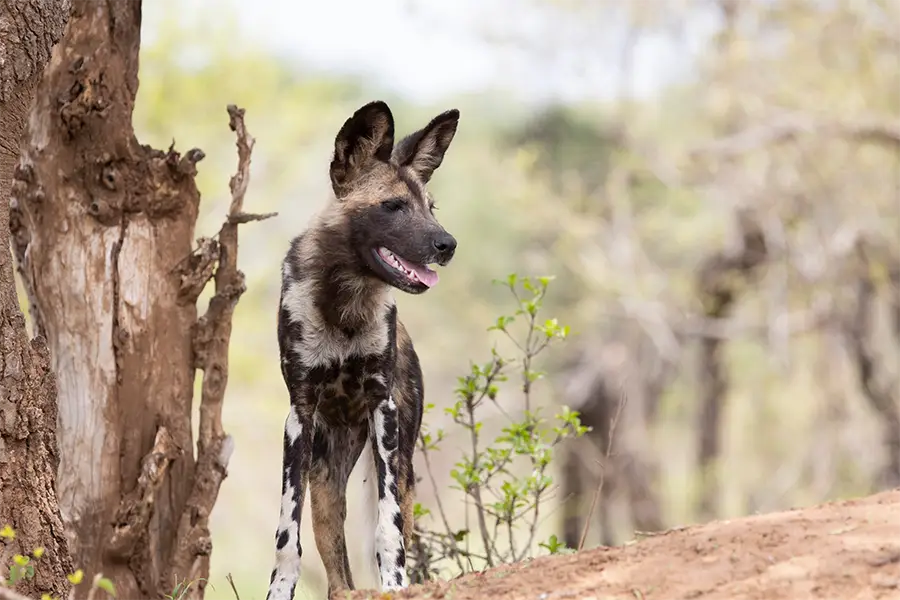
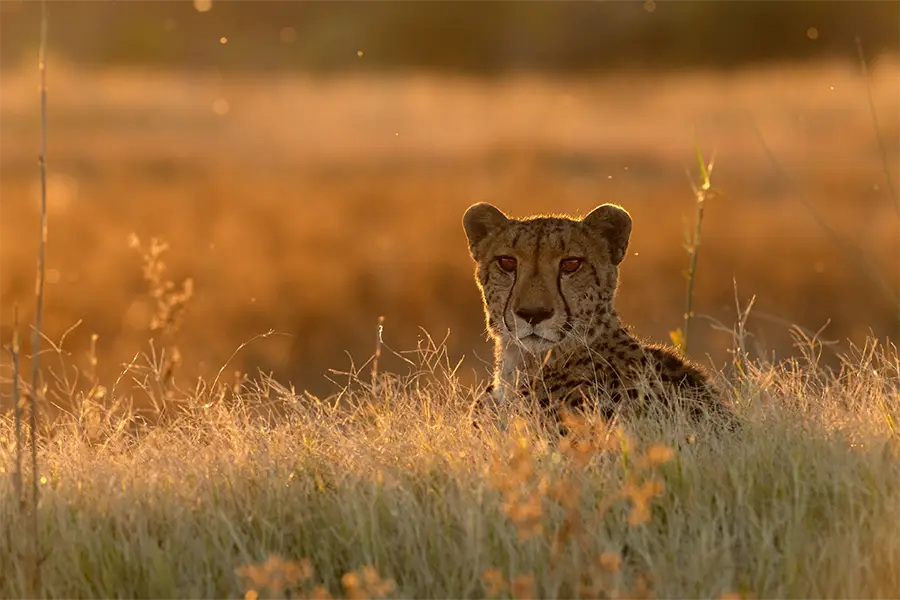
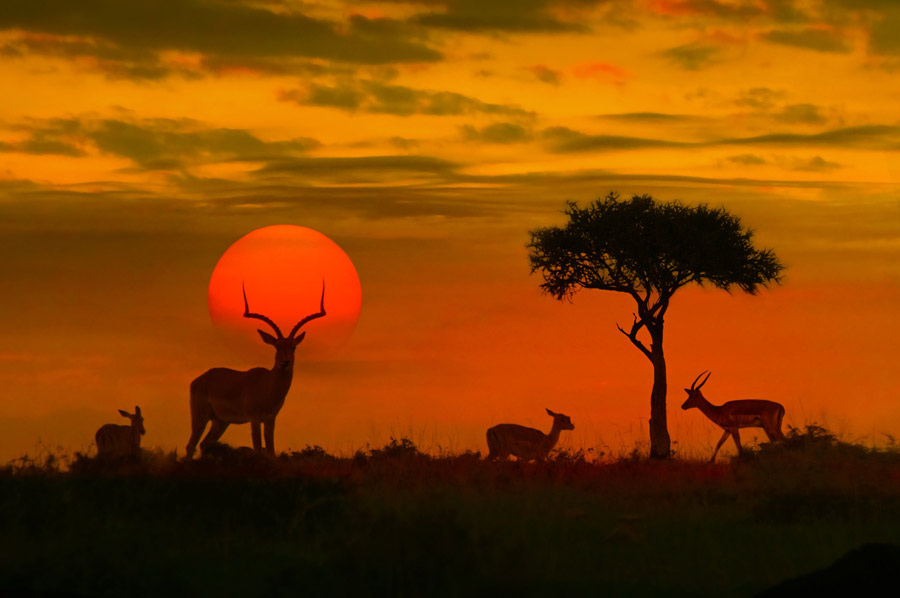
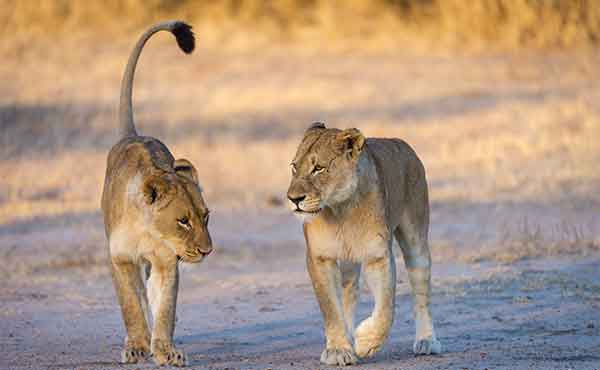
Next, journey to Wakkerstroom, an avian hotspot, searching for birds and flora in the surrounding grasslands. Then, let the Big Five come to the fore, exploring the world-famous Greater Kruger National Park area, home of cheetah, African wild dogs, southern white rhinos and southern giraffes. Enjoy shared game drives whilst splitting your stay across two private reserves and then, the finale is the chance to explore a beautiful rainforested private nature reserve in the Mpumalanga Highlands.
Suggested Itinerary
-
Day 1:
Depart UK
Today, you depart the UK on an overnight flight to Johannesburg, South Africa.
-
Day 2:
Arrive Johannesburg & Drive to Clarens
On arrival at Johannesburg International Airport, you head straight to the town of Clarens and the majestic Maluti Mountains, where you stay for two nights. No doubt making roadside stops for flowers as you go, you can also enjoy birding en route, looking out for the diurnal grass owl as it quarters the grassy road verges, in addition to the many larks, swallows and swifts which occur here.
Accommodation: Andes Café & Guest Farm, Clarens, 2-nights
-
Day 3:
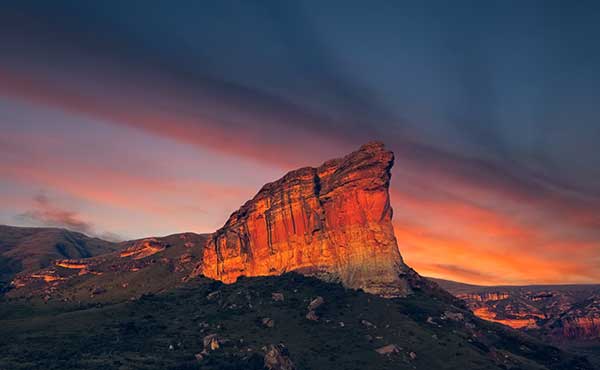
Golden Gate Highlands National Park
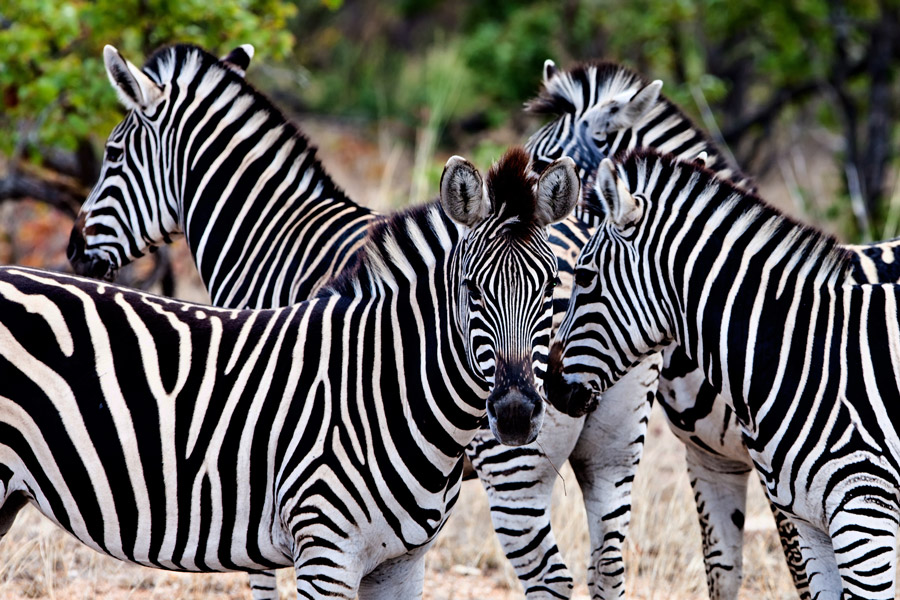
Golden Gate Highlands National Park, a pure grassland biome, is a unique environment of true highland habitat, providing home to a variety of mammals. Black wildebeest, eland, blesbok, oribi, springbok and plain's zebra roam the lower foothills, while the rare lammergeier and the equally rare southern bald ibis breed on the high ledges in the sandstone cliffs. The striking Verreaux’s eagle is also resident, so keep an eye out for its striking black plumage and white ‘angel’ on its back, only visible when it flies.
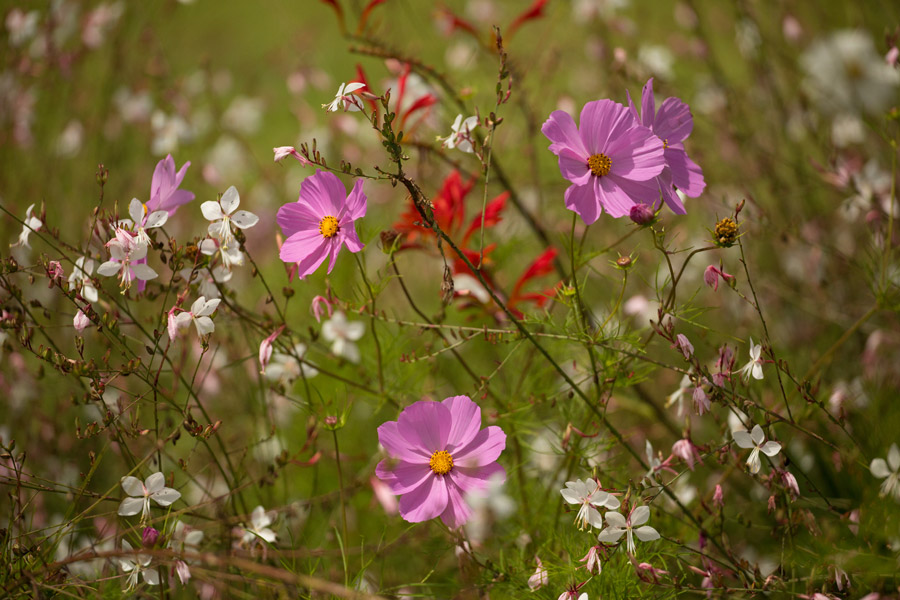
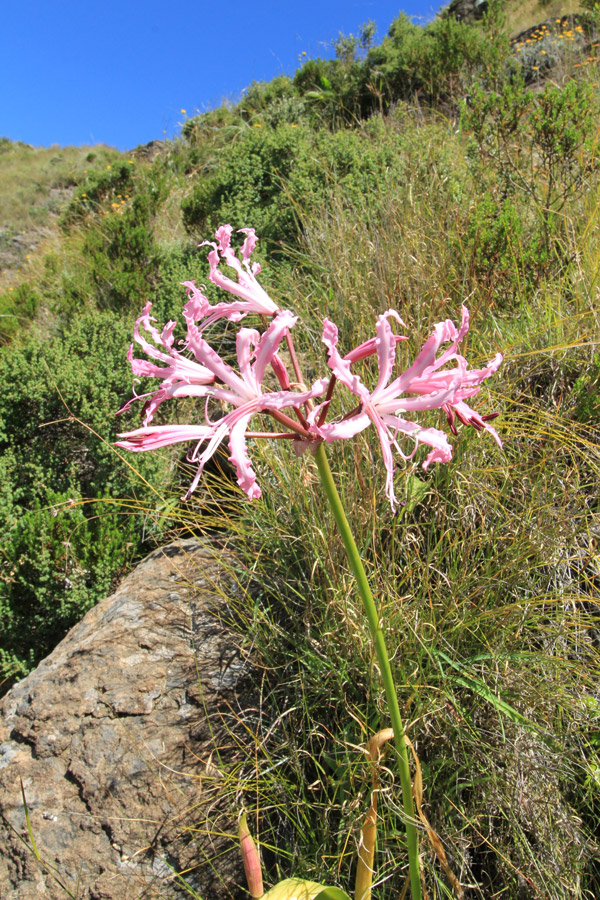
You can enjoy the park’s many beautiful flowers on your botanical walks. Nerine, gladiolus, arum lily, watsonias, fire lilies and red-hot pokers can be identified close to your accommodation and protea species can be found higher up the hillsides.
-
Day 4:
Drive to Royal Natal National Park
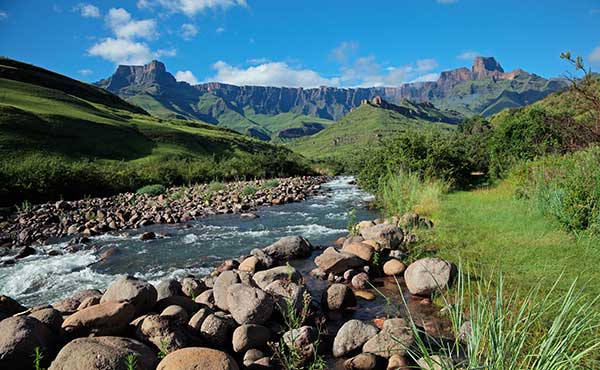
A relatively short drive through superlative scenery, brings you to the awe-inspiring Royal Natal National Park, which incorporates the sheer face of the Drakensberg Amphitheatre. With much of the terrain interspersed with protea and Natal bottlebrush trees, the gardens of your lodge are a shady sanctuary for the local birdlife, which you can admire at a gentle pace this afternoon or join an included morning guided hike tomorrow.
Accommodation: The Cavern, 2-nights
-
Day 5:
Royal Natal National Park
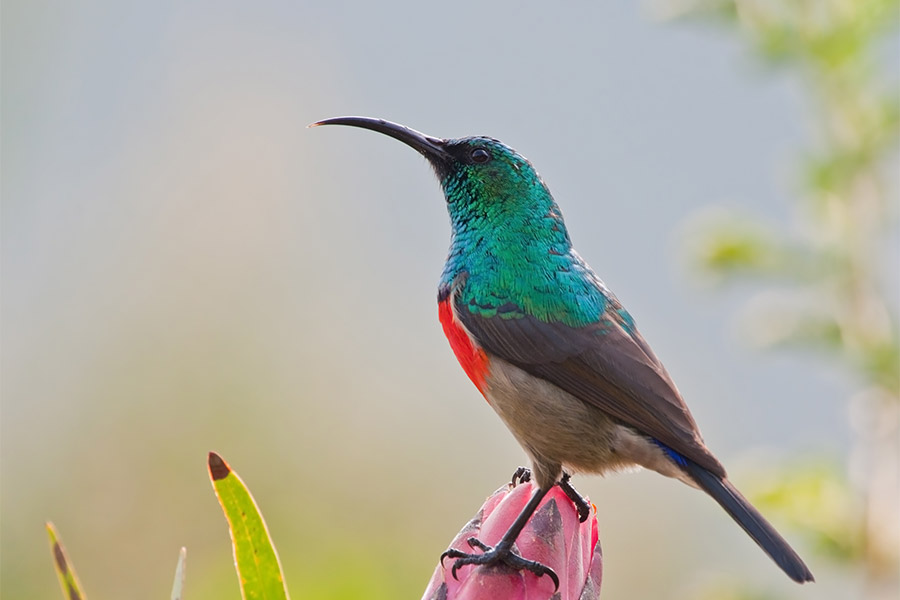
You walk into the deep gorges of the Drakensberg, looking out for what is flying or flowering! Watsonias, orchids and proteas play host to many bird and insect species. Birds that you can look out for include the endemic Drakensberg siskin, broad-tailed warbler, mocking cliff-chat, chorister robin-chat and Gurney’s sugarbird.
The Drakensberg Mountains were once the hunting ground of the San people (bushmen). Though the San no longer live in the area, they recorded their exploits in the form of remarkable rock paintings. You're able to visit these paintings on one of your botanical walks.
-
Day 6:
Drive to Wakkerstroom
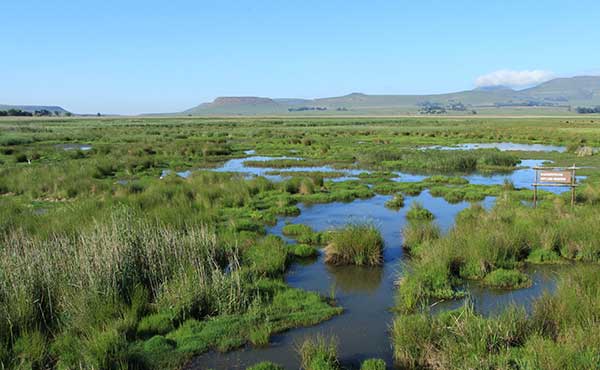
Today you head for the Natal Midlands and the little town of Wakkerstroom. The area is excellent for botanising and birdwatching. It's also steeped in history from the Anglo-Boer and Zulu wars. The wetlands and areas of montane grassland surrounding the small town of Wakkerstroom have been managed as a bird reserve for many years by Birdlife South Africa and are rich in wildflowers.
Accommodation: DeKotzenhof, Wakkerstroom, 2-nights
-
Day 7:
Wakkerstroom
You spend the best part of today walking and driving along the network of dust roads radiating out from the Wakkerstroom wetlands. You can explore the grasslands, with their rocky outcrops and gorges, in search of orchids, aloes and other botanical treasures.
-
Day 8:
Drive to Mjejane Private Game Reserve in the Greater Kruger area
This morning, with anticipation levels mounting, you head straight for the Greater Kruger National Park area. Your destination, Mjejane Private Game Reserve, is a Big Five reserve located along the banks of the Crocodile River, Kruger National Park’s southern boundary. Soak up the river views from your lodge, and any passing wildlife, then jump aboard your first shared afternoon game drive.
Accommodation: Mjejane River Lodge, 2-nights
-
Day 9:
Shared Morning & Afternoon Vehicle Safaris in Greater Kruger
Wake up with the larks and explore the reserve, as your guide spots, identifies and interprets behaviour of every creature seen. From sought after big cats and elephants to mongoose, jackal and everything in between. Return to the lodge for lunch and a swim or a snooze, keeping an eye on the river at all times, as you never know what may come down to drink. Listen to the cry of African fish eagles, high above you and later, depart on safari once again taking advantage of cooler temperatures when wildlife can be more active.
-
Day 10:
Drive through Kruger National Park to Thornybush Game Reserve
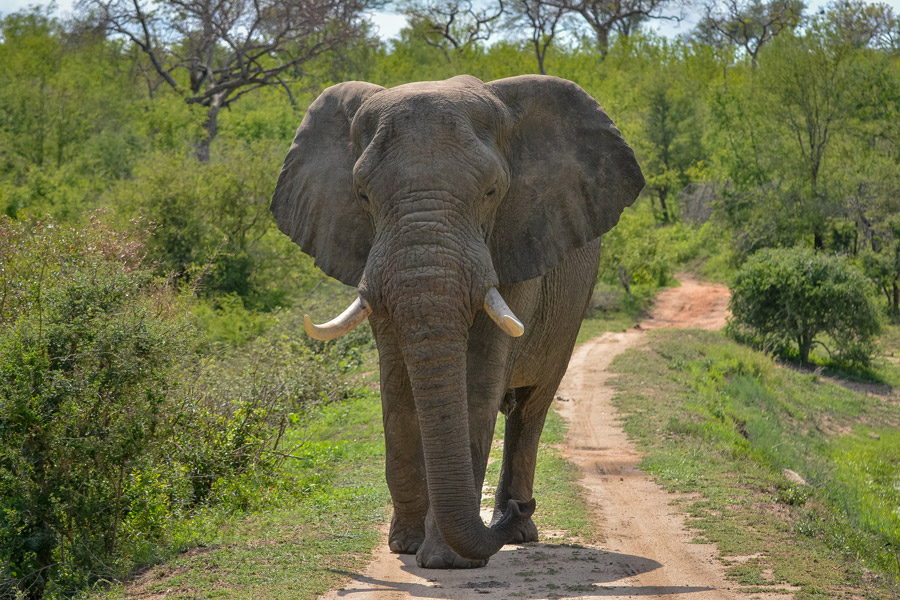
A wildlife packed day awaits as you drive through the Kruger National Park itself en route to Thornybush Game Reserve. With an anticipated drive time of four and a half to five hours, this, of course, is subject to sightings and road conditions along the way. Watch for wildlife and birds around the hills and koppies of the southern area of the park. Through sightings boards, you can ascertain which local roads have been the most rewarding during the course of the day, with a view to finding southern white rhino, African elephant, African wild dog, bushbuck, klipspringer and rock hyrax. Stop at water holes and, hopefully, chalk up many new bird and mammal species as you drive through different vegetation types, each one attracting different birds, mammals and reptiles. Just bear in mind that you have an included morning drive at Mjejane and upon arrival at Thornybush, an afternoon one, so time is likely to be of the essence!
-
Day 11:
Shared Morning & Afternoon Game Drives in Thornybush Game Reserve
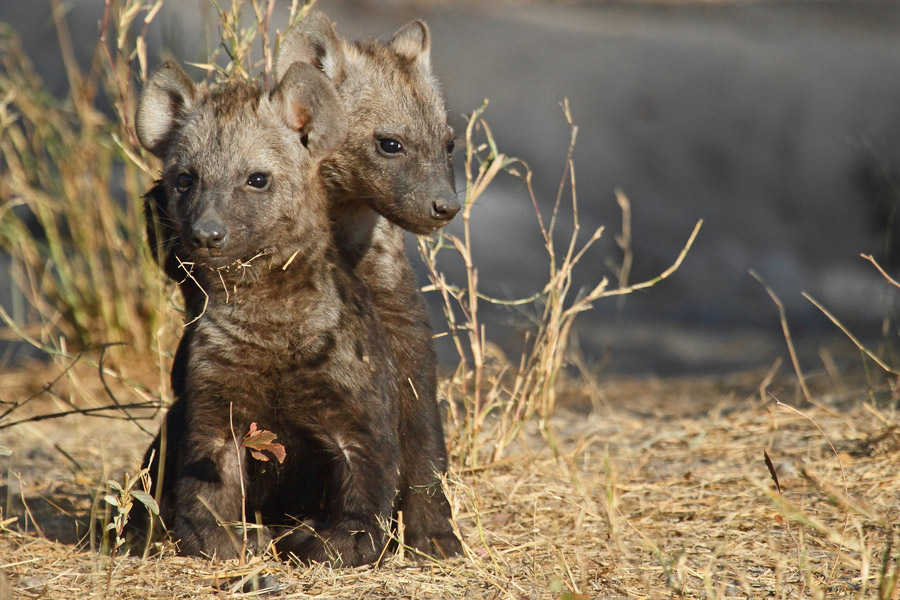
With spotted hyena, wildebeest, greater kudu, waterbuck, warthog, vervet monkey, slender mongoose and more on your target list for the day, spend time at the camp’s waterhole when not out on game drive, making the most of sightings. Search the savannah plains surrounding camp, flanked by the mighty Drakensberg Mountains beyond, for kori bustard, secretary bird, black-bellied bustard, common ostrich and Swainson's spurfowl too.
Accommodation: Tangala Safari Camp, 2-nights
-
Day 12:
Drive to Mount Sheba
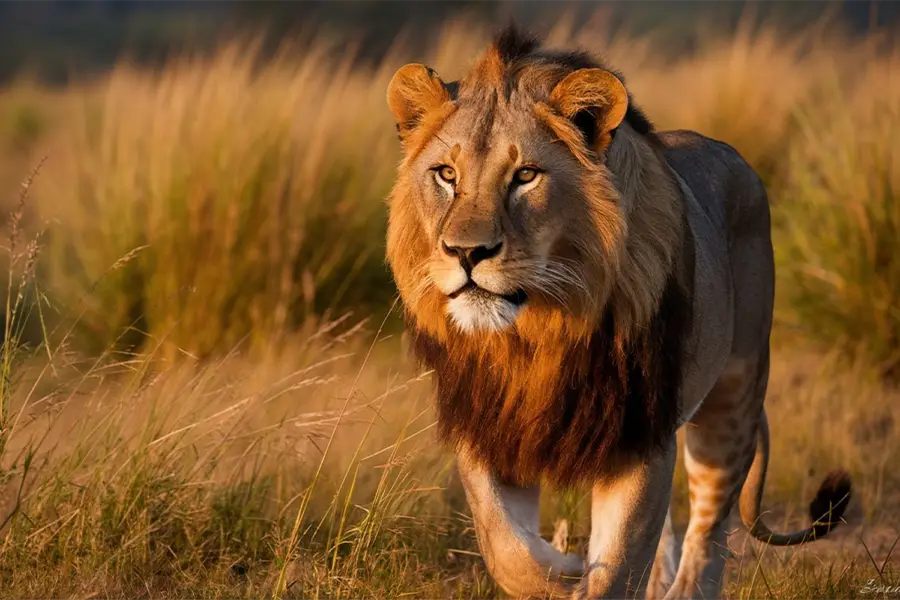
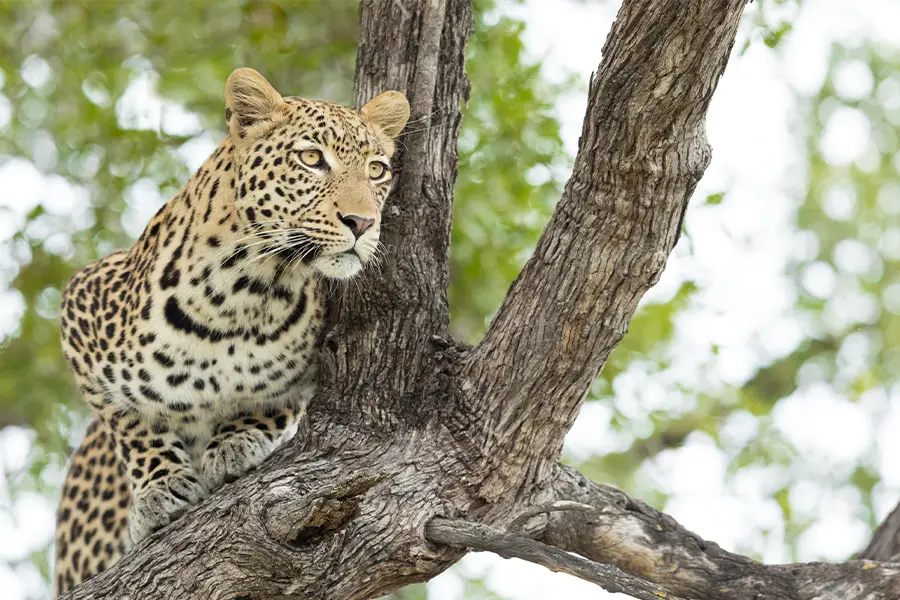
Leaving the bush behind today, pass through patches of open grassveld, affording last possible glimpses of cheetah and the ‘Big 5’: lion, African elephant, Cape buffalo, leopard and rhino. Drive towards the highveld of Mpumalanga, passing through beautiful landscapes en route and stopping at Blyde River Canyon, the Three Rondavels Bourke’s Luck Potholes, to name but a few vantage points. You then drive on to Mount Sheba, near Pilgrim’s Rest, where you stay for your last two nights
Accommodation: Mount Sheba, 2-nights
-
Day 13:
Mount Sheba
You spend today in the beautiful Mount Sheba Nature Reserve. This reserve is extremely popular among bird lovers and is regarded as one of Mpumalanga’s premier forest-birding destinations. The reserve is privately owned and has a particularly good series of walking trails.
Mount Sheba Nature Reserve lies nestled among mountain peaks just above the pretty town of Pilgrim’s Rest. The landscape includes steep hillsides covered in dense afromontane forest in the upper reaches, with thorny thicket on the lower slopes, river valleys and gardens. Scenically, it's a stunning reserve.
The upper slopes of the reserve that give way to open grassland are covered in beautiful examples of proteas, and these, together with an array of imposing rocky outcrops and boulders, attract many birds such as African cuckoo hawk, forest canary, African emerald cuckoo, Cape eagle-owl, blue-mantled crested flycatcher and Gurney’s sugarbird.
-
Day 14:
Drive to Johannesburg & Depart
Today, you drive back to Johannesburg in time to catch your return flights back to the UK.
-
Day 15:
Arrive UK