The Kruger National Park is one of the largest wildlife reserves in Africa and is world-famous for offering a wildlife experience that ranks amongst the finest on the planet.
Kruger National Park Wildlife
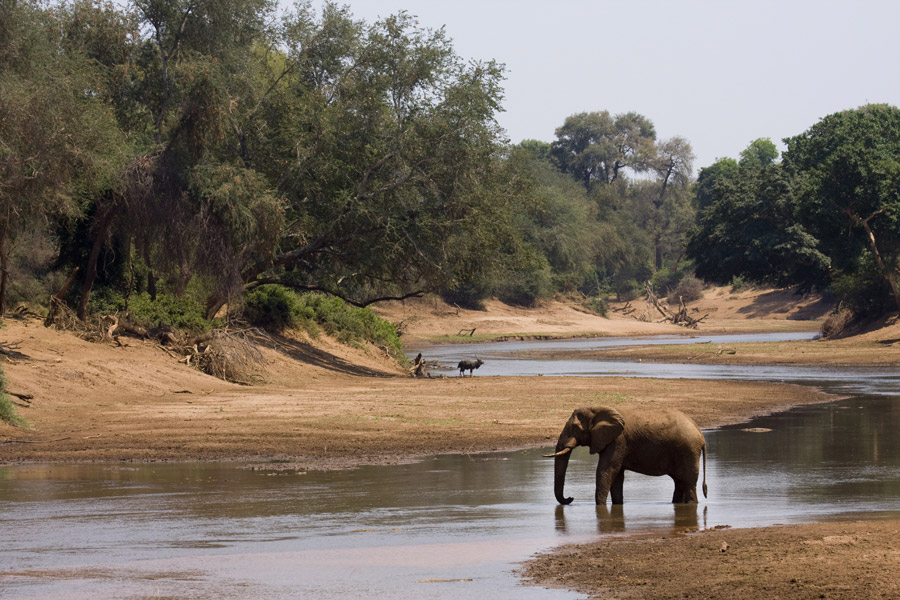
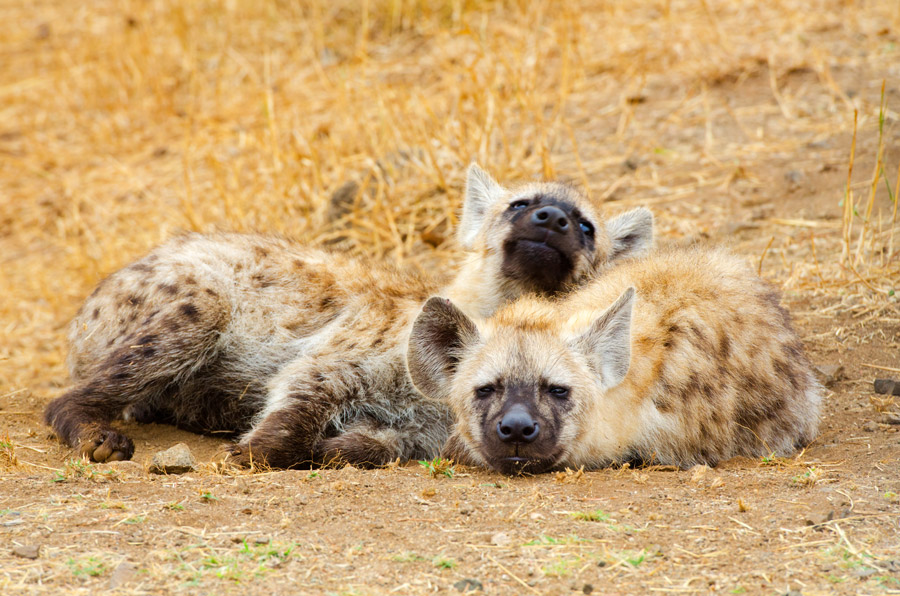
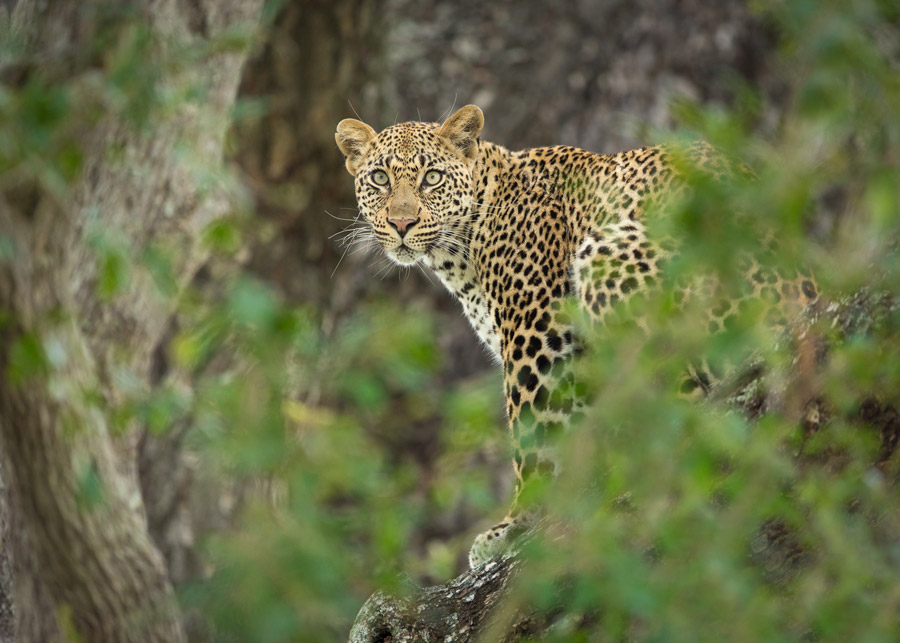
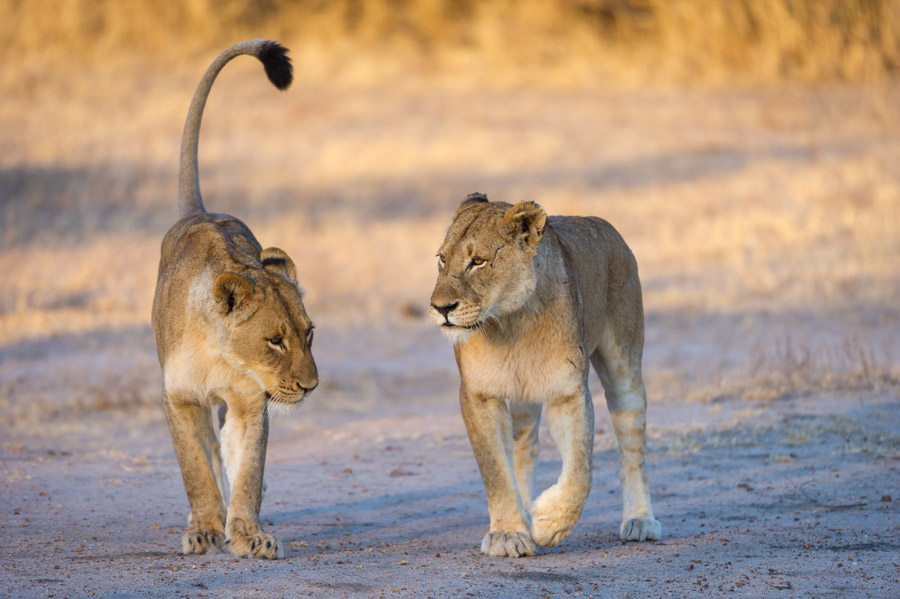
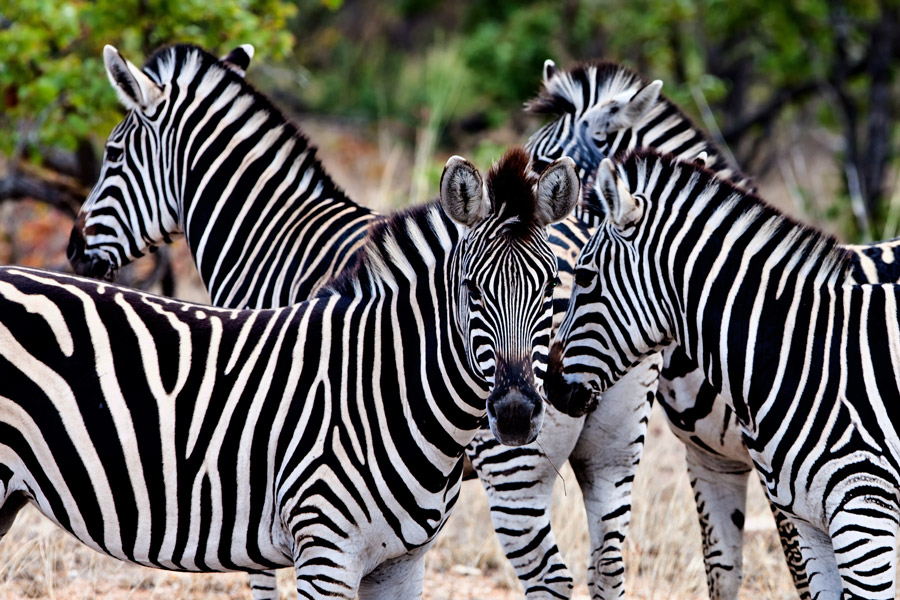
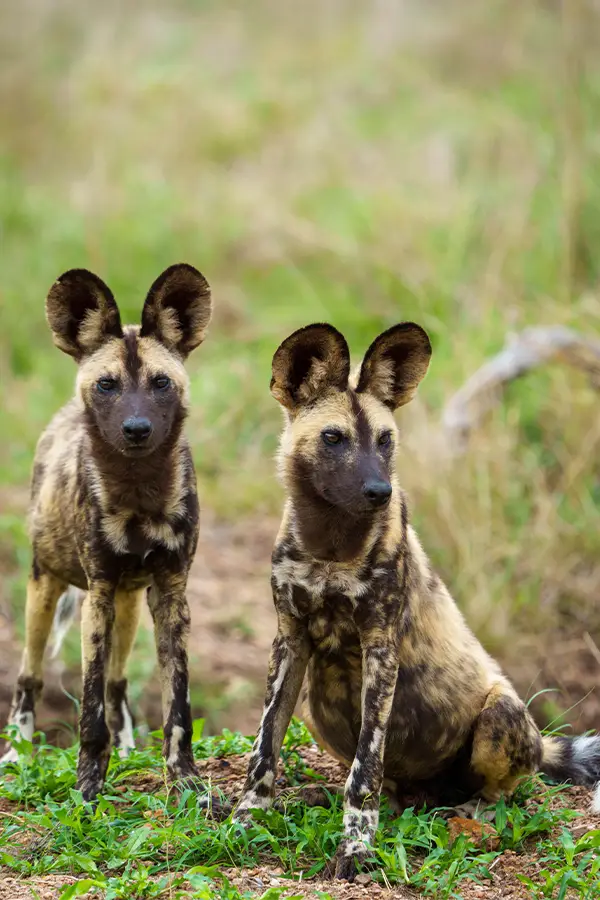
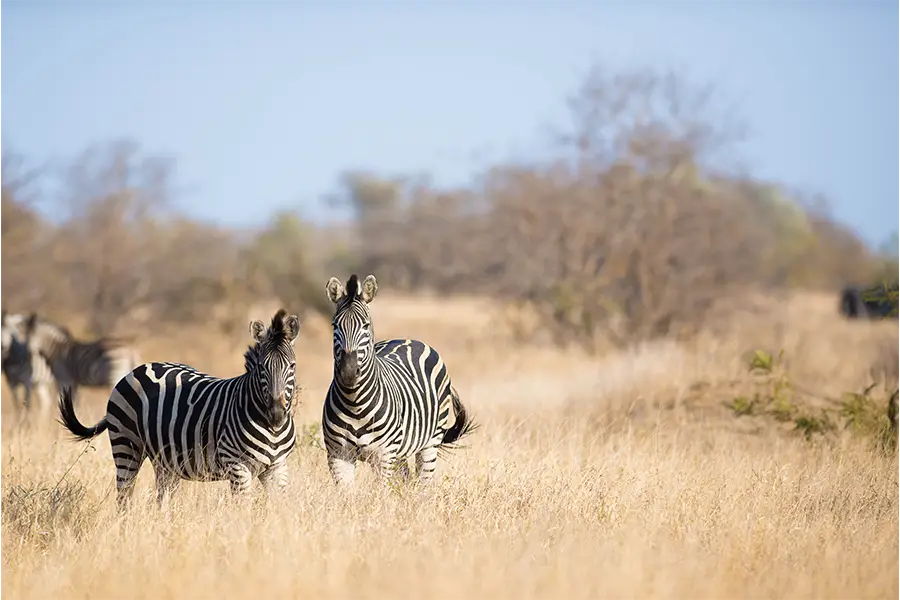
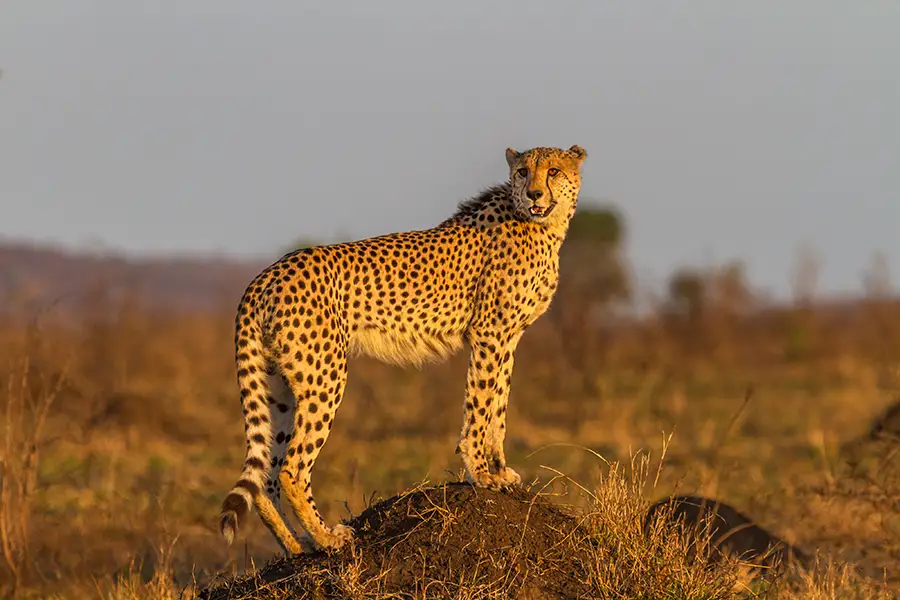
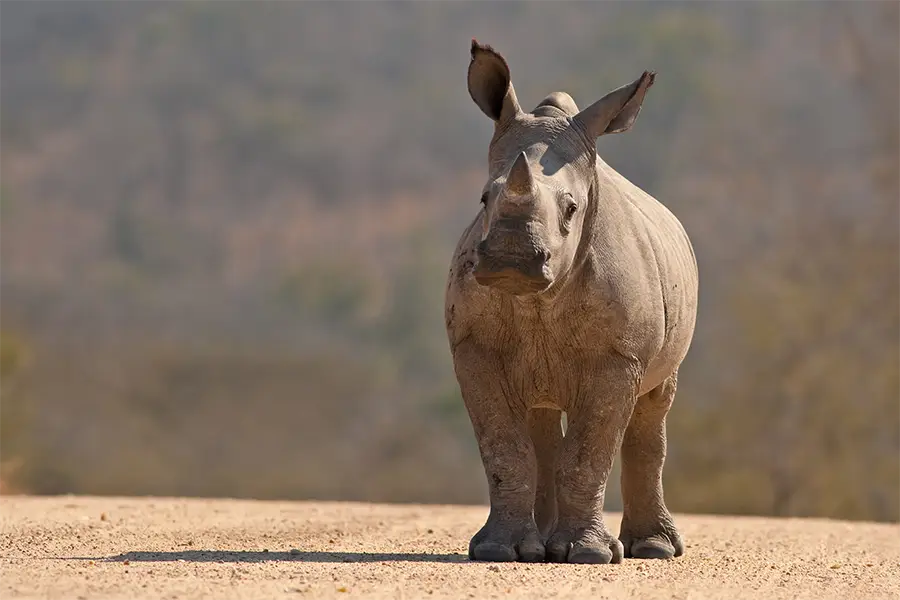
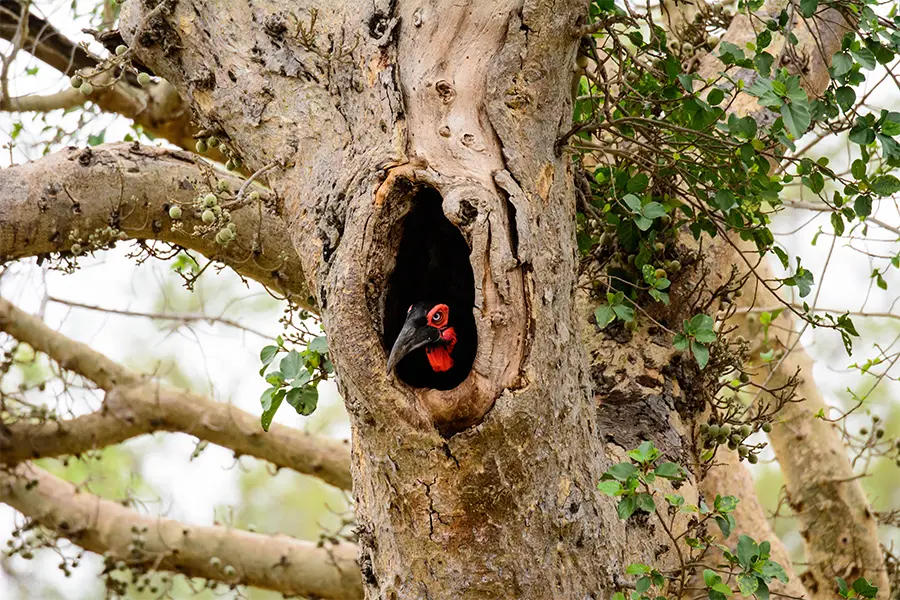
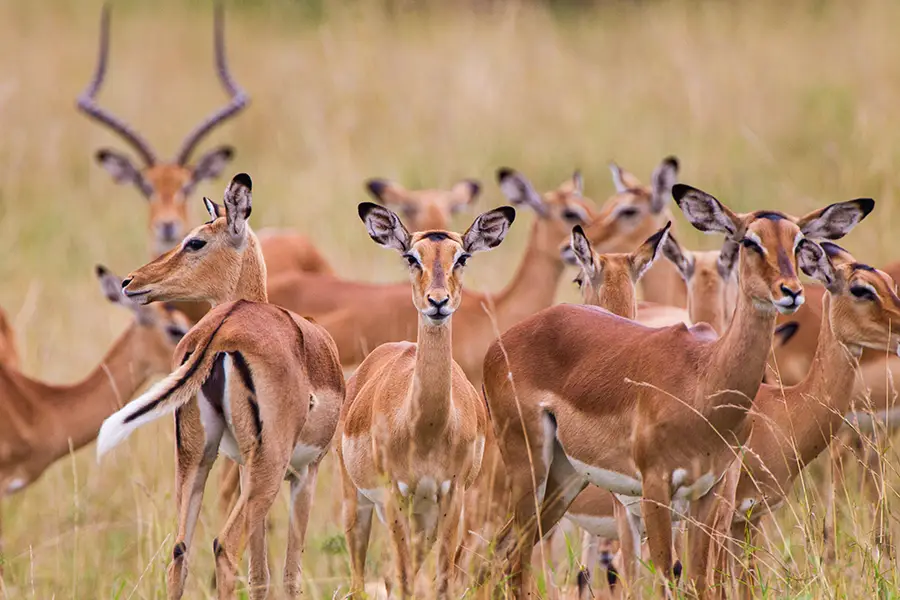
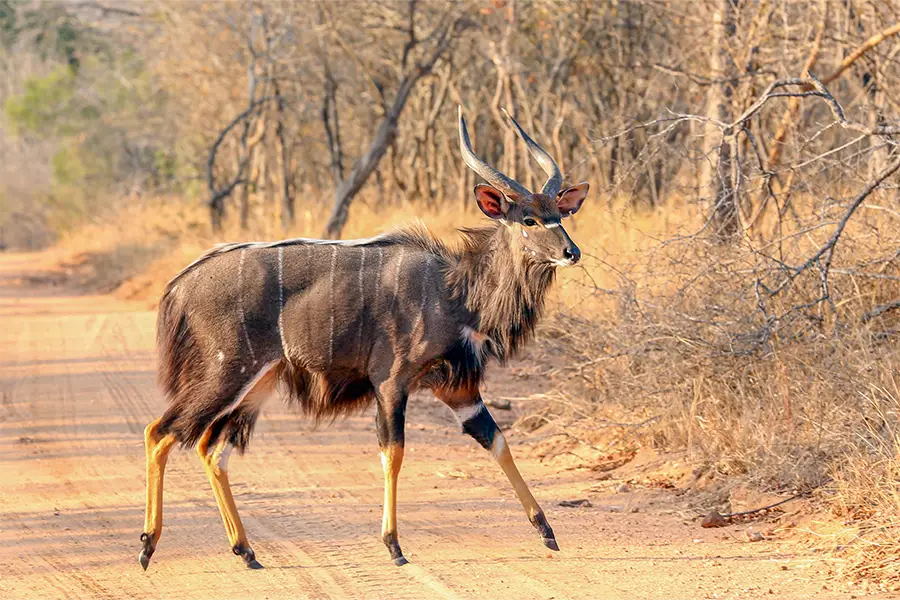
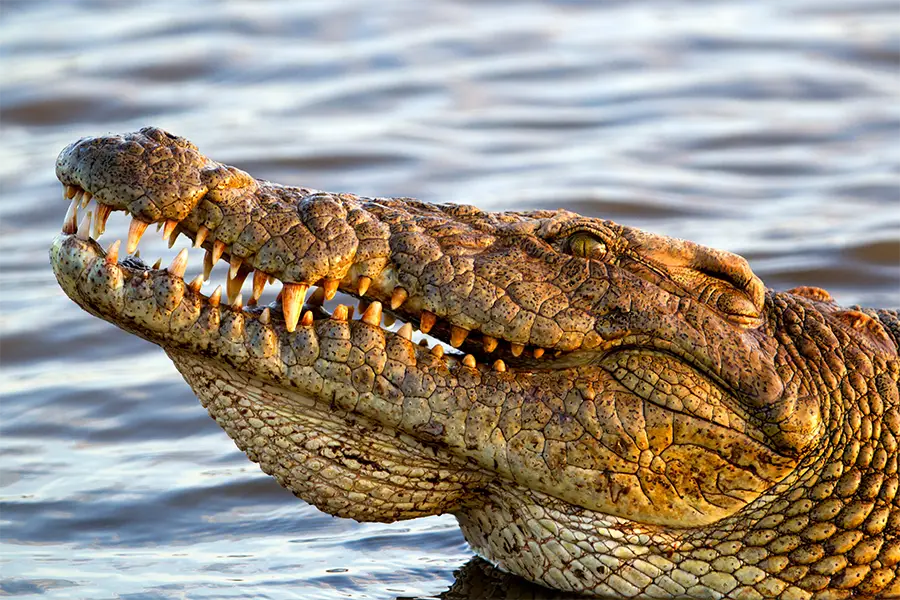
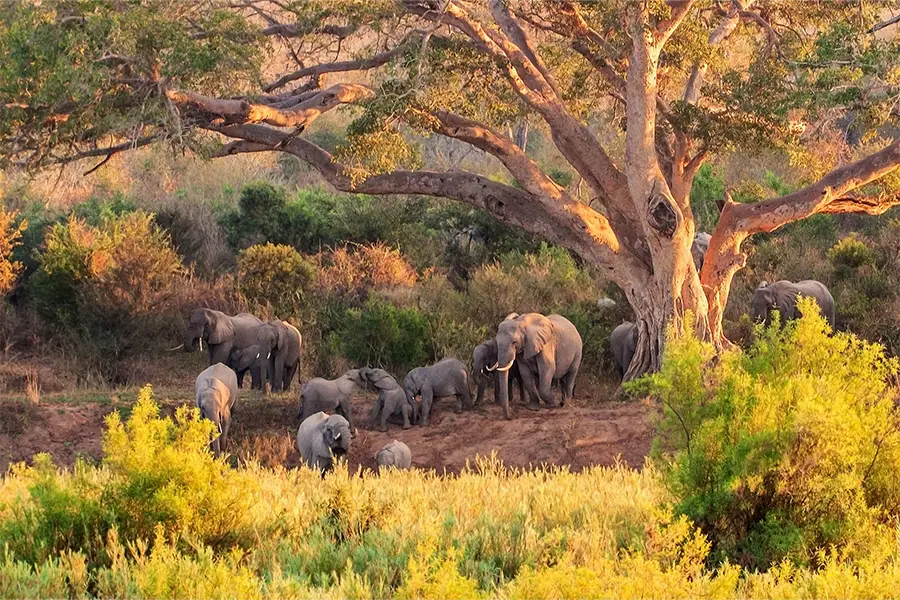
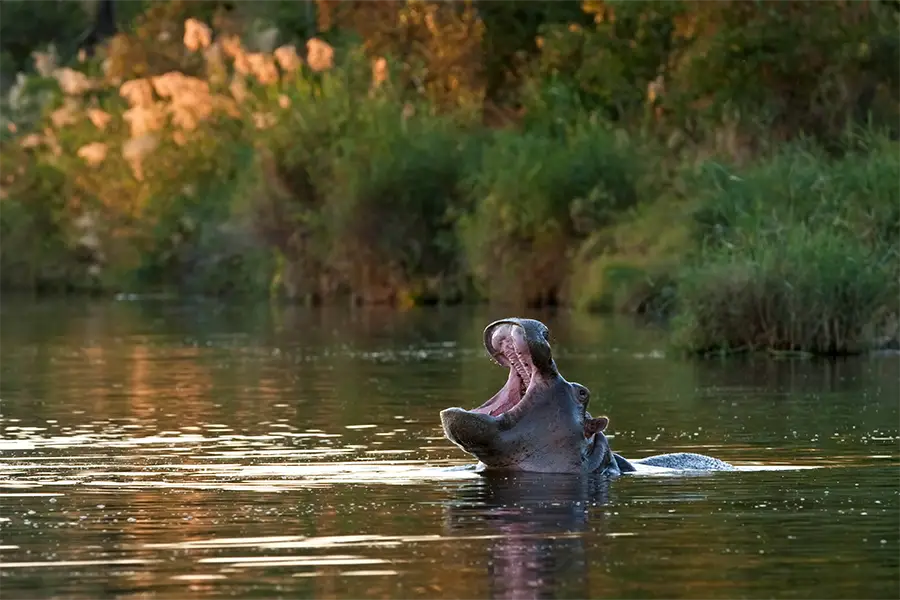
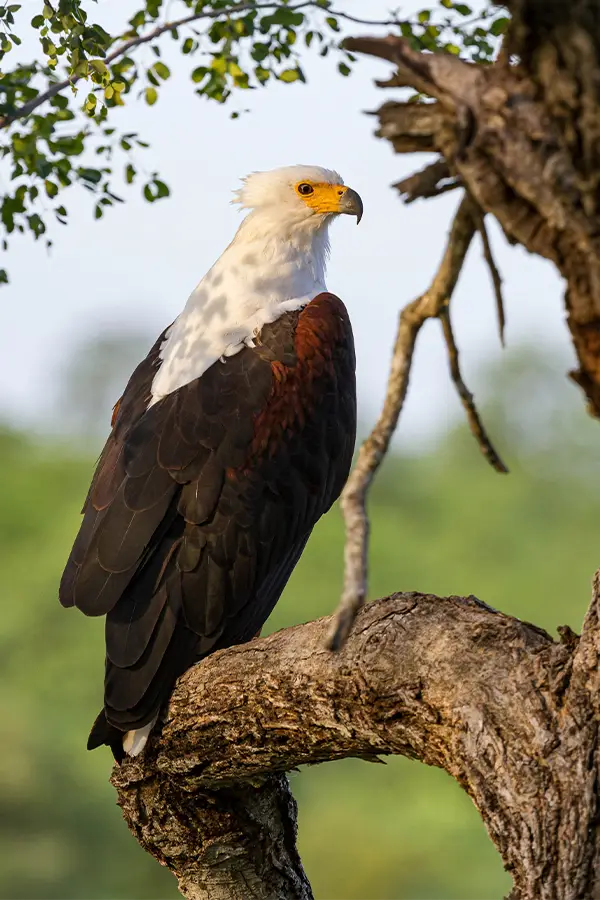
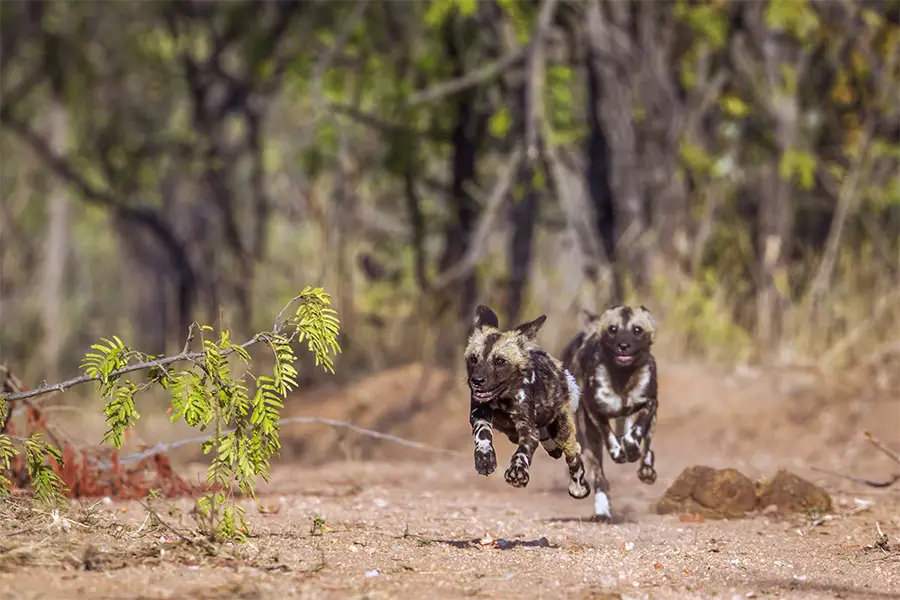
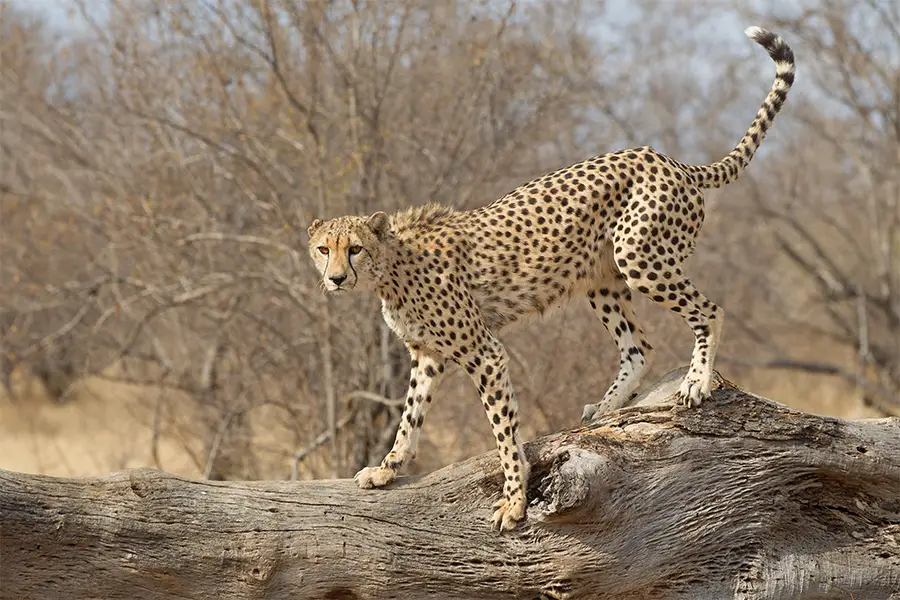
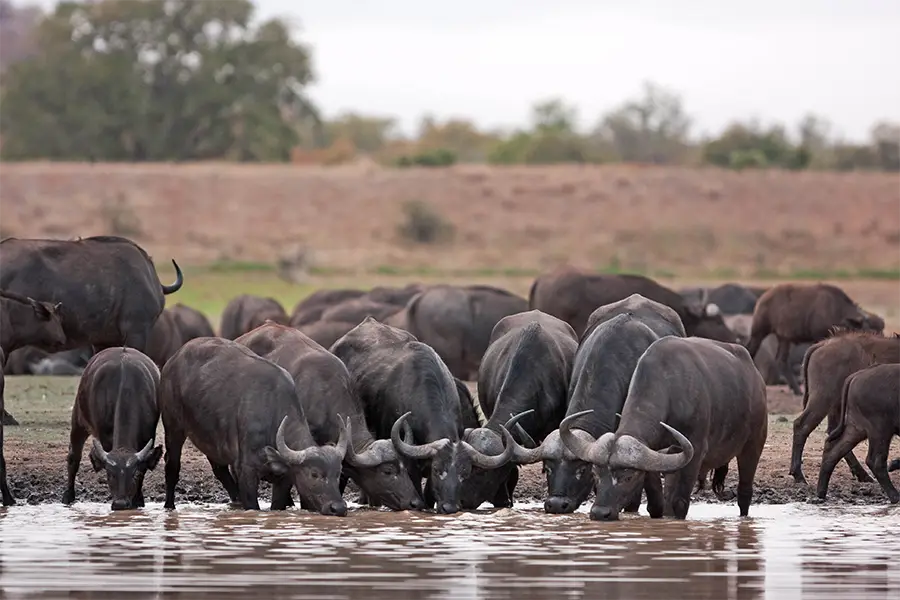
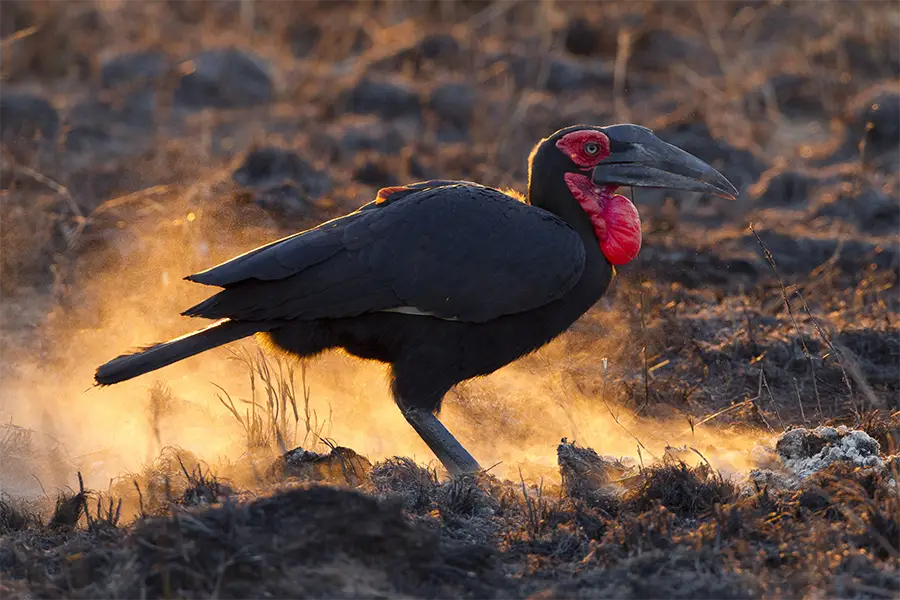
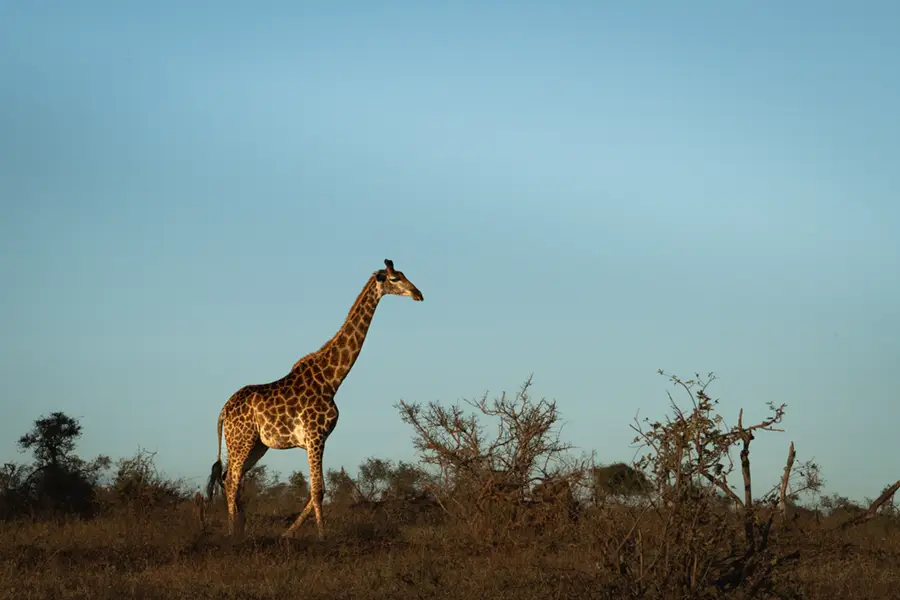
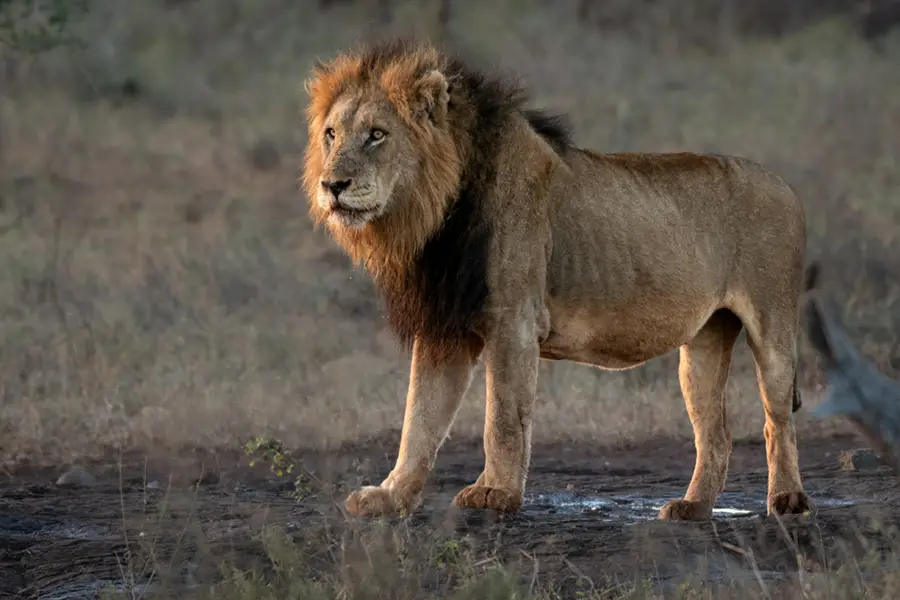
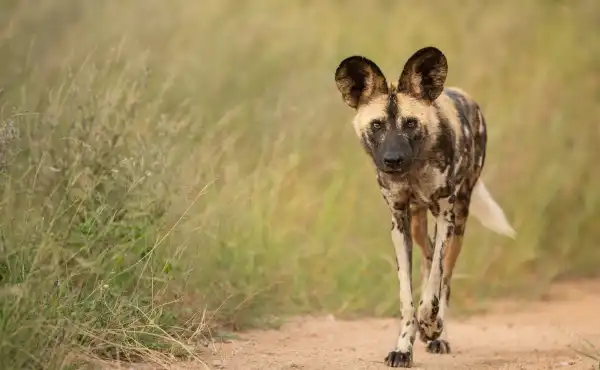
The world-renowned Kruger National Park is South Africa’s premier wildlife destination and one of the most iconic in Africa. Covering an expansive area of pristine bush, wide open plains, rocky outcrops, rugged elevated hills and, to the Pafuri region in the north, enchanting fever tree forests and remarkable gorges. The park boasts immense biodiversity with 336 species of tree, 49 fish, 34 amphibian, 114 reptile, 507 bird and 147 mammal species recorded. The Big Five (lion, leopard, elephant, buffalo and both southern white and black rhino) are all present amongst African wild dog, cheetah, giraffe, zebra, hippo, a variety of antelope species and much more. Notable birds include ‘Kruger’s Big Six’, a subjective group of the six bird species visitors most want to see, comprised of the lappet-faced vulture, martial eagle, saddle-billed stork, Kori bustard, southern ground hornbill and the elusive Pel’s fishing owl.
Topography
The park is comparable in size to Wales, expanding over an area of nearly two million hectares and stretching more than 350 kilometres from north to south. In addition to its enormity, the private and community owned reserves on the western boundary (Sabi Sands, MalaMala, Timbavati, Klaserie, Umbabat, Balule, Thornybush, Manyeleti, Letaba Ranch and Makuya) have dropped their fences with the park, adding another 344,000 hectares to this ecosystem and allowing wildlife to roam freely across these vast territories, creating an area known as the Greater Kruger. The space afforded to the fauna here expands even further across international boundaries; the Kruger National Park, along with Mozambique’s Parque Nacional do Limpopo, and Gonarezhou National Park in Zimbabwe connect to form the Great Limpopo Transfrontier Park, covering a total of 3.7 million hectares and forming one of the largest wilderness conservation areas in the world.
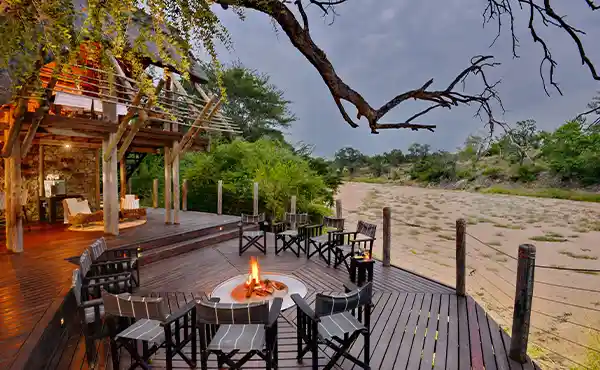
Numerous rivers meander through the national park, providing the millions of wildlife inhabitants with essential water sources, including the Crocodile River which forms the parks southern boundary and the Limpopo River forming the northern boundary. The park’s remaining major rivers are the Olifants, Sabie, Letaba and Levuvhu, each along with their tributaries, sustain life and provide incredible wildlife sightings with the Sabie particularly well-known for epic encounters.
History
Unregulated hunting was leading to a rapid decline of various species in South Africa in the late 1800s. In 1898, upon being made aware of this, the president, Paul Kruger, managed to declare the area between the Sabie and Crocodile Rivers a game sanctuary and restricted hunting zone to gain some control over the predicament. The sanctuary was originally named the Government Game Reserve before being renamed the Sabi Game Reserve. In 1903, the reserve was expanded north as far as the Olifants River and later that year, Shingwedzi Game Reserve was proclaimed, which covered the area between the Letaba and Levuvhu Rivers. Subsequent farms were added to this expanse and following years of ups and downs, on 31 May 1926, the National Parks Act was drawn up and passed by the Houses of Parliament, and the Kruger National Park was officially established.
Self-drive
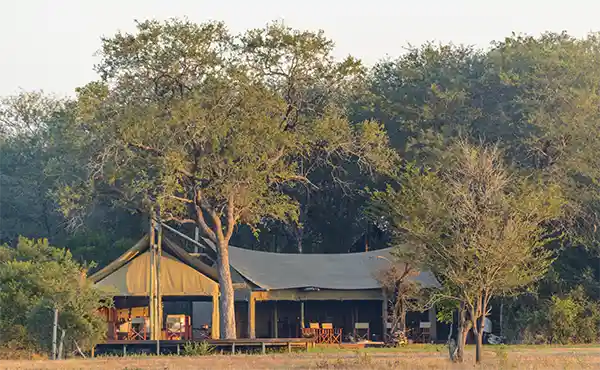
Nine entrance gates from the north to the south provide access to the park with a road network of well-maintained tar and dirt roads allowing self-drive and day trip visitors to explore at their leisure. For those wishing to overnight within the park, a number of government properties offer a simple but comfortable night’s stay across 12 main rest camps, five bushveld camps, two bush lodges and four satellite camps spread within the park’s boundary. Many of the rest camps also provide excellent lunch stops with a shop, restaurant, picnic site and toilet facilities. The southern section of the park is generally busier in terms of both visitors and sightings, whereas the north is often regarded as being much quieter and having the most impressive scenery. Throughout the park, visitors will find hides, waterholes and viewpoints along with archaeological and historic sites revealing more about the culture of the people who previously called this area home, ranging from early Stone Age (roughly one million years ago) to various Iron Age settlements and more recent buildings and sites.
Private Concessions
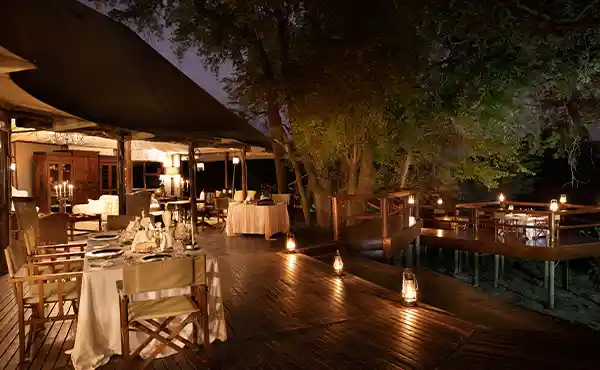
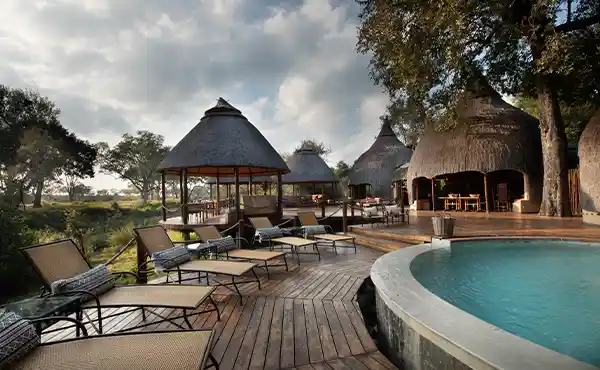
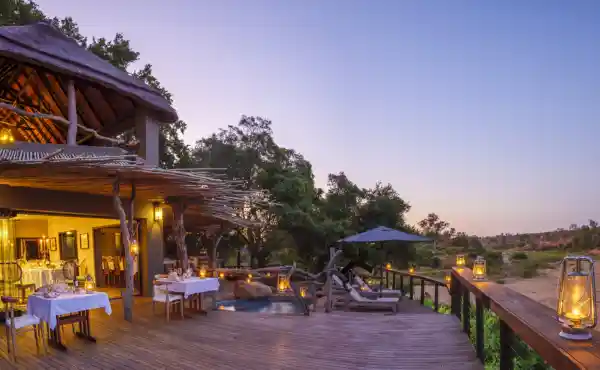
The park is not just open to self-drivers and day trippers, with a small number of private lodges granted exclusive concessions within the Kruger Park, allowing only their vehicles to traverse their designated areas, providing a more intimate wildlife safari experience. From these lodges, it's possible to venture out on a guided morning game drive, self-drive in the park during the middle of the day (if travelling with a hire car) and then return to the lodge for an afternoon game drive or spend the middle of the day relaxing if preferred.
Private Game Reserves
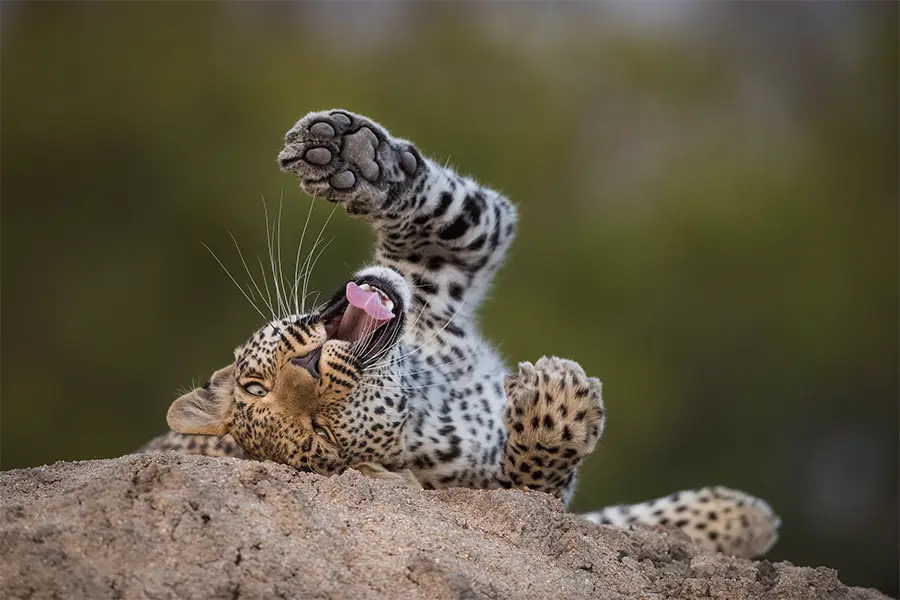
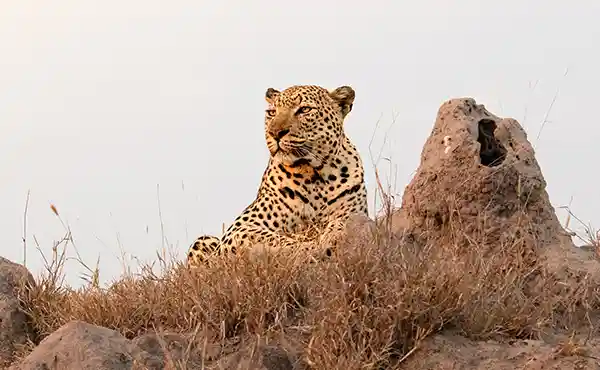
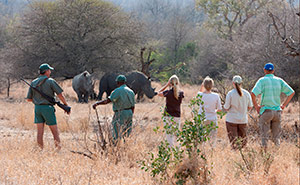
The previously mentioned private reserves house some of Africa's most exclusive wildlife lodges and camps which guarantee visitors a far more intimate experience of Kruger's wilderness. MalaMala and the Sabi Sands are well-known for big cat sightings, particularly leopards due to decades of habituation, resulting in these usually skittish felines becoming relaxed around safari vehicles, creating unforgettable sightings. Many of the afternoon game drives at these properties return after dark, allowing guests to experience the area’s nocturnal world, and bush walks are often offered as an optional activity.
View suggested itineraries


.webp)
 Superior
 Standard
 Superior
 Superior
 Standard
 Standard