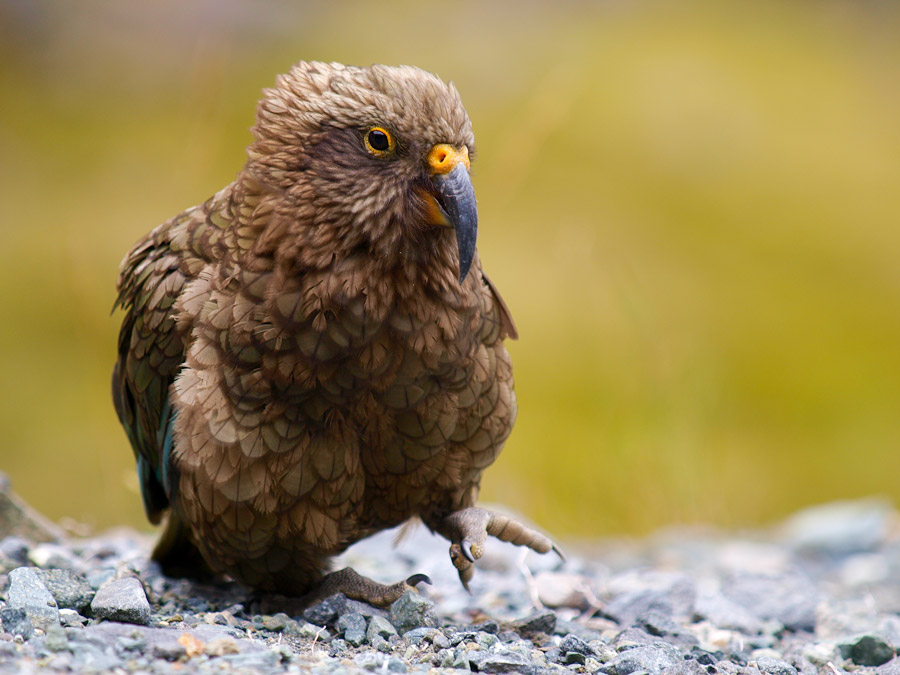
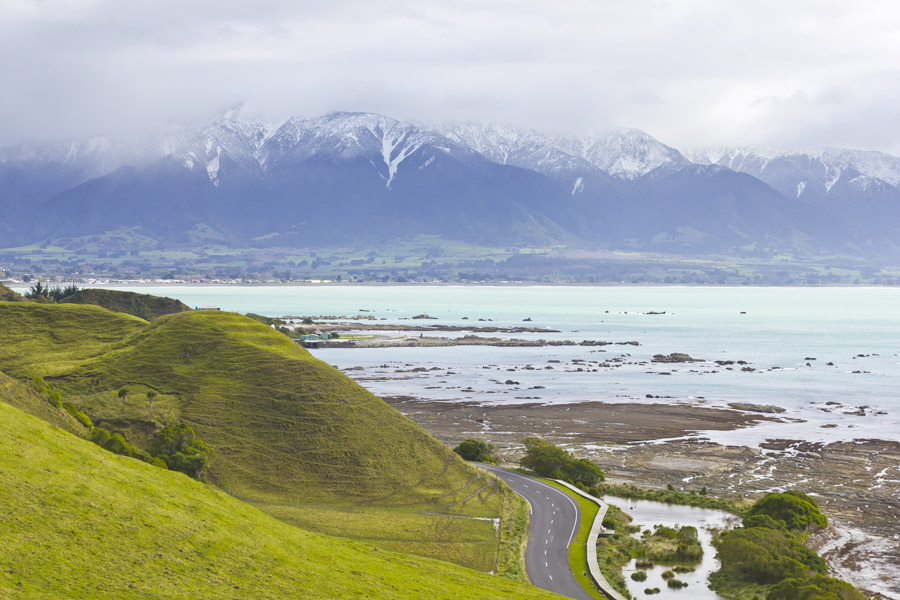
A comprehensive 23-day self-drive itinerary exploring New Zealand’s spectacular South Island, in search of its unique wildlife.
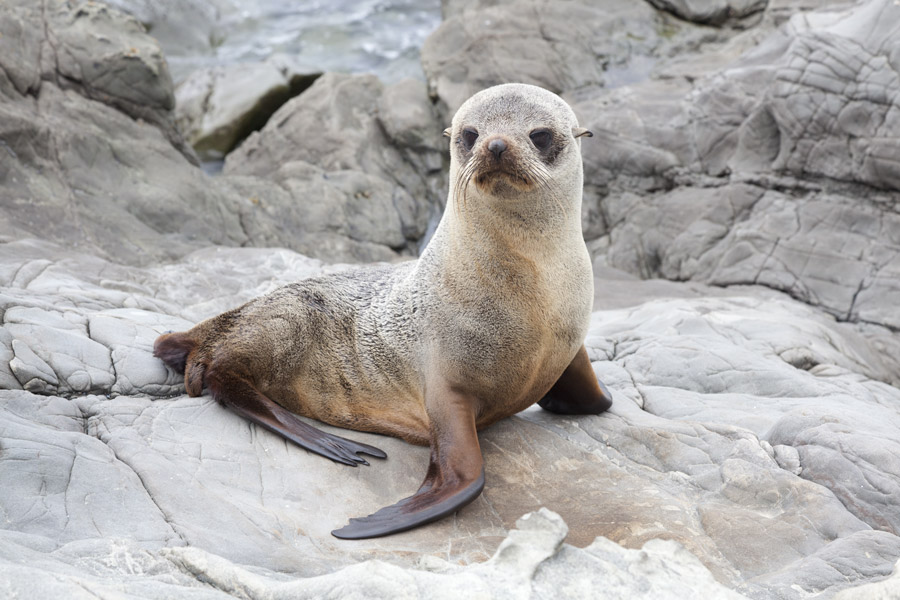
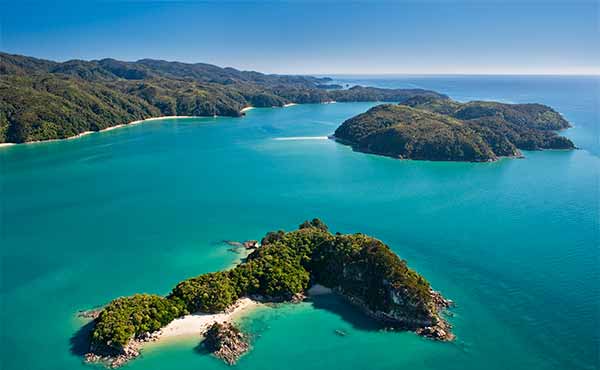
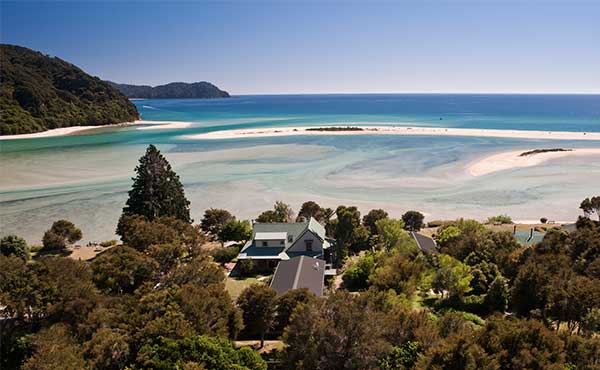
The trip begins in Nelson, for a short overnight stop to relax, before travelling to the picturesque Abel Tasman National Park where golden beaches and scenic trails await. Two nights in this spectacular park provide ample opportunities for walking, birdwatching and venturing out by boat to look for fur seals, common dolphins and little blue penguins. Bellbird, fantail, tui and pukeko are the birding highlights here.
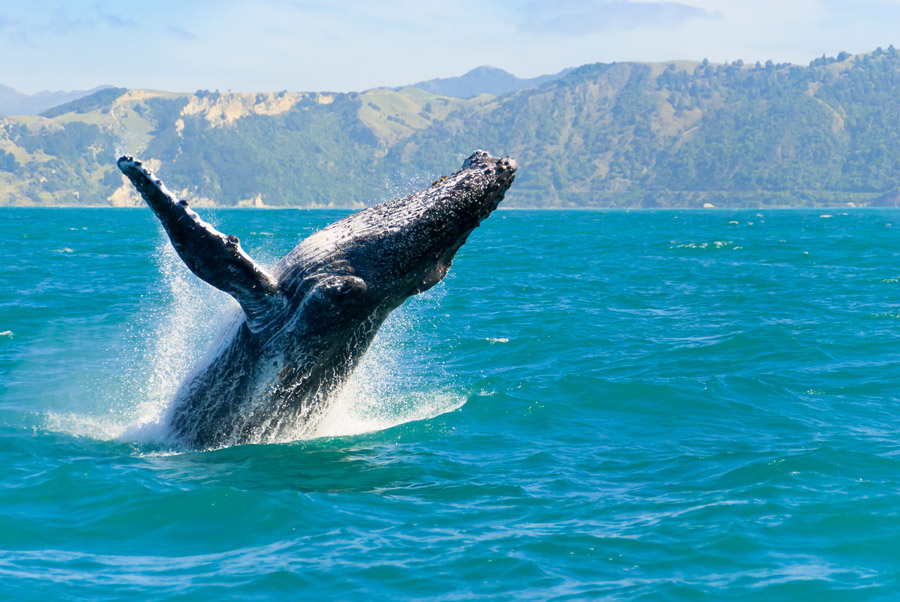
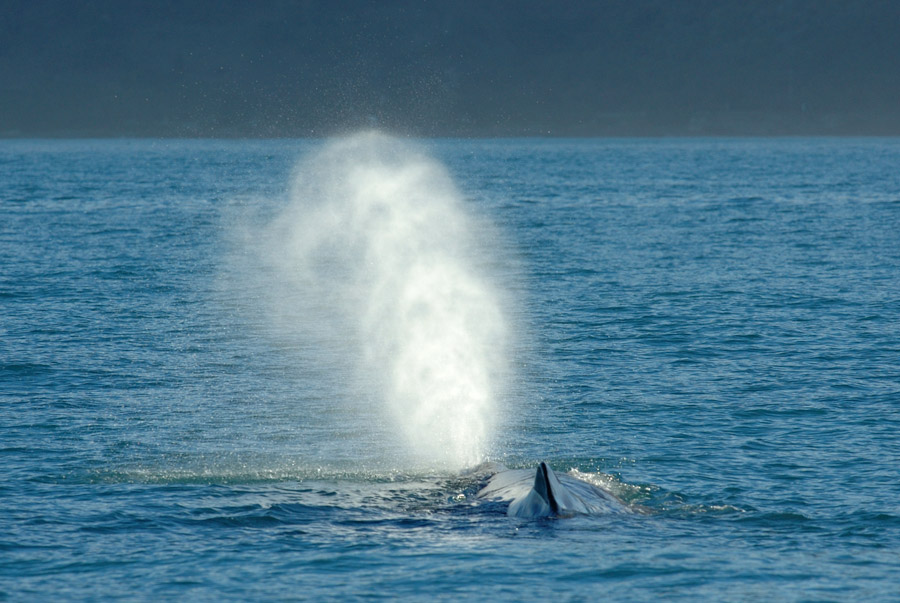
Continue to Bay of Many Coves to look for cetaceans, before stopping at Queen Charlotte Sound, Blenheim and Marlborough Sound to continue birdwatching and take in the incredible scenery. Two nights then follow in Kaikoura, for outstanding whale and dolphin watching, and an array of seabirds, before continuing south to Akaroa, to see the largest Australian little penguin colony on mainland New Zealand.
A night at a charming lodge in Oamaru follows with more opportunities for penguin watching, before continuing to the incredible Otago Peninsula, where the focus will be one of the rarest species of sealion in the world - the New Zealand sealion. In the south-eastern corner of the island you will find the Catlins, known for the vivid sunsets and the quirky Mohua or yellowhead.
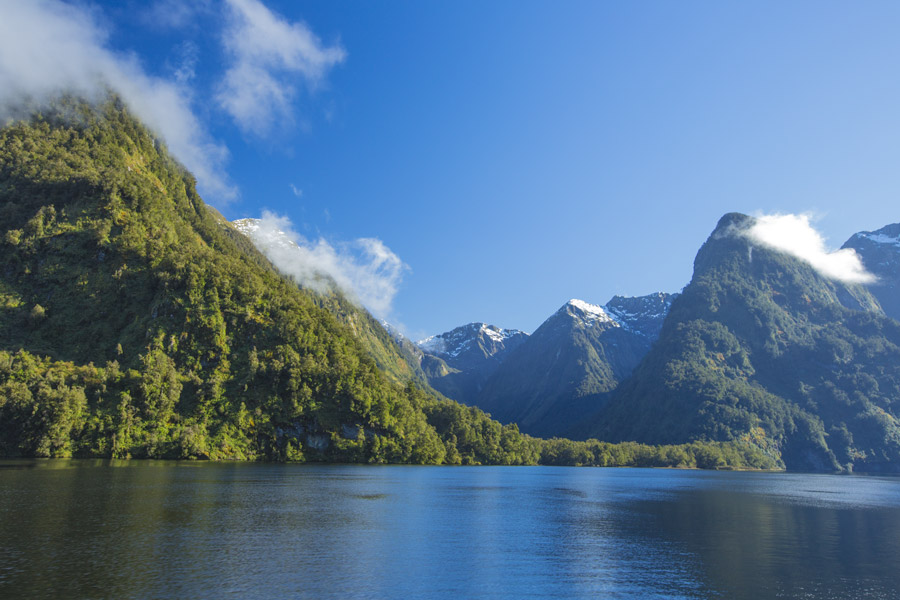
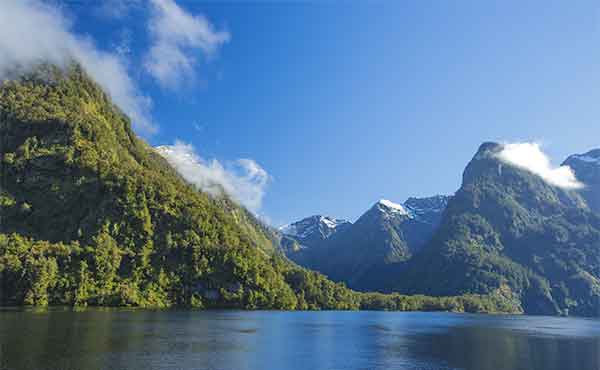
A short ferry across to Stewart Island provides opportunities to see the southern brown kiwi, set against unspoilt scenery. The last part of the trip incorporates exploring the beautiful Fiordland area, with plenty of walking, birdlife, and cruises through the fjords. Overnights in Doubtful Sound and Te Anau are followed by a last night in Queenstown, to relax following an exciting drive through the stunning South Island.
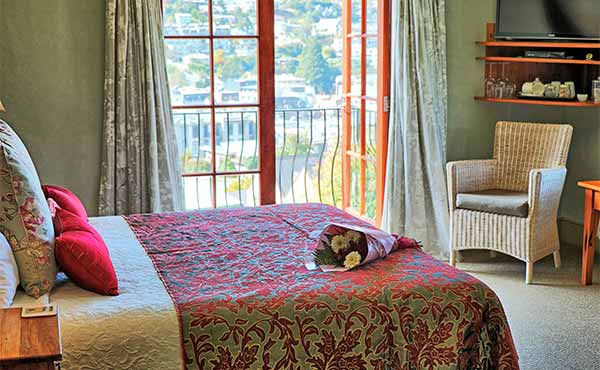
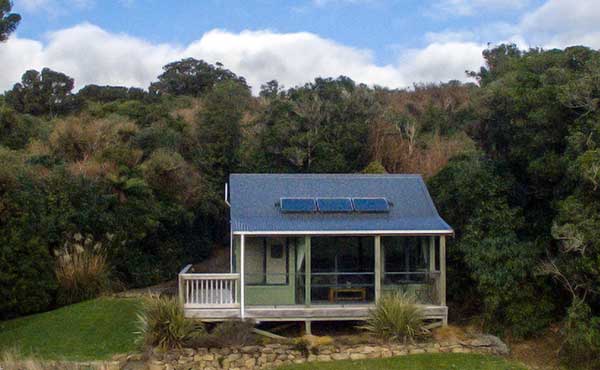
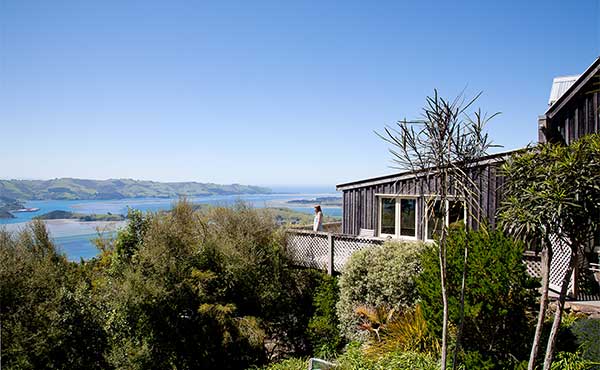
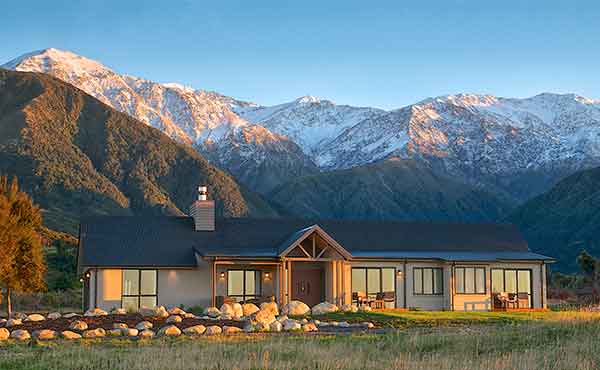
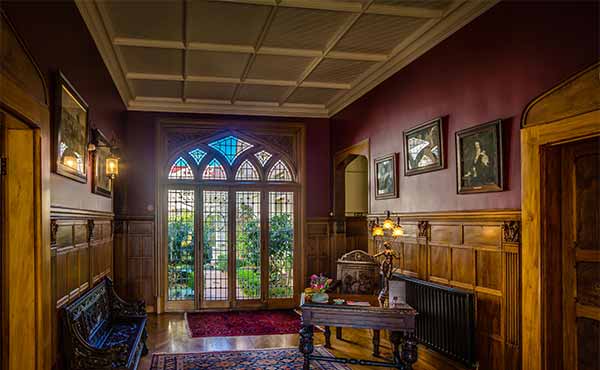
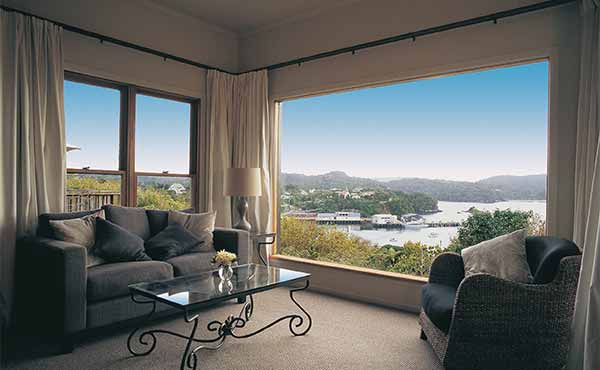
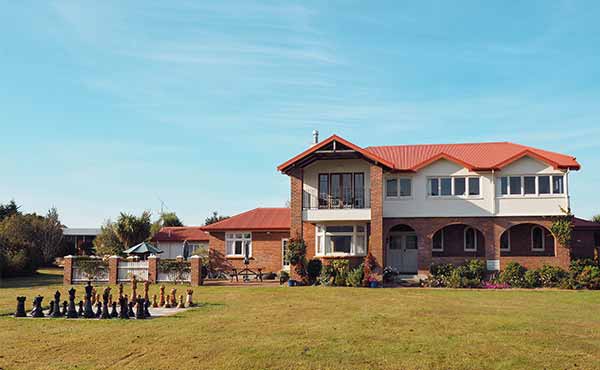
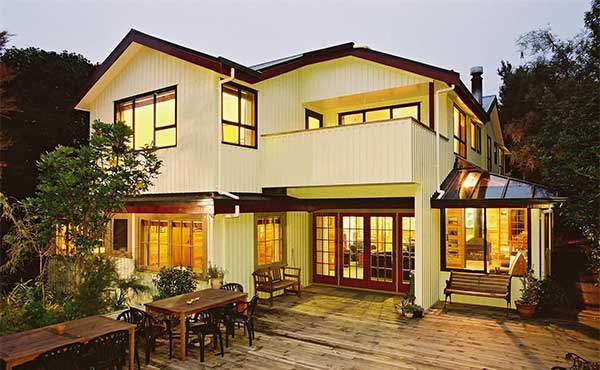
All accommodation has been carefully selected for comfort, and colonial style, making the most of the varied scenic locations.
Suggested Itinerary
-
Day 1:
Depart UK
Depart the UK on an overnight flight to Singpore, and connect with an onward overnight flight to Auckland.
-
Day 3:
Arrive Auckland, onward flight to Nelson
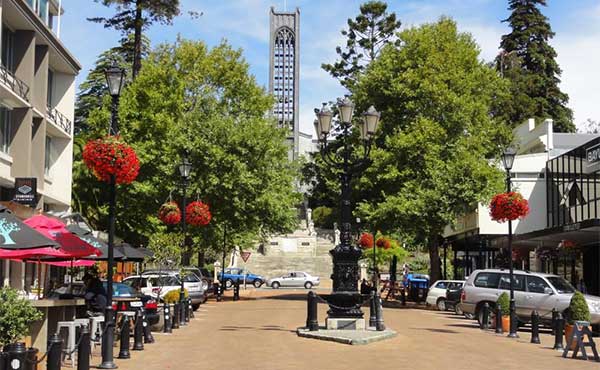
On arrival in Nelson, you will be met and transferred to a boutique hotel in the delightful city centre to rest after the long journey.
Accommodation: Rutherford Hotel, 1-night
-
Day 4:
Abel Tasman National Park: boat trip & guided walk
In the morning, following a short transfer to Kaiteriteri, board a small motor boat and cruise for one and a half hours before disembarking in Totaranui, at the northern end of the Abel Tasman National Park.
Renowned for its golden sandy beach and scenic trails, Totaranui is the ideal base for nature walks. Here, join a guided walk for two and a half hours to the tidal inlet at Awaroa, including tidal crossing and a walk through mature beech and rata forest.
Accommodation: Meadowbank Homestead, 1-night
-
Day 5:
Abel Tasman National Park: guided walk & kayaking
After a delightful night surrounded by the sounds of nature, you depart on a scenic guided walk over the Tonga Saddle to Onetahuti. Along the way you will have some great birding opportunities looking out for bellbird, Canada goose, fantail, New Zealand pigeon, South Island saddleback and blue penguin, to name a few.
After around two hours along the coast, you will arrive at the starting point of your kayaking adventure. Sea kayaking in the area is gentle and easy - seeing the peninsula from the sea is a superb experience, with possible encounters with New Zealand fur seals.
Accommodation: Torrent Bay Lodge, 1-night
-
Day 6:
Kayaking in Abel Tasman, transfer to Nelson
This morning, you leave Torrent Bay and gently glide south on your kayak towards Te Pukatea Bay and Adele Island. The island is home to seals, blue penguins, stunning beaches and a great diversity of birds, including the South Island saddleback. You then paddle back to Kaiteriteri with an overall kayaking distance of 12 kilometres, before driving back to Nelson for an overnight stay.
Accommodation: Rutherford Hotel, 1-night
-
Day 7:
Bay of Many Coves
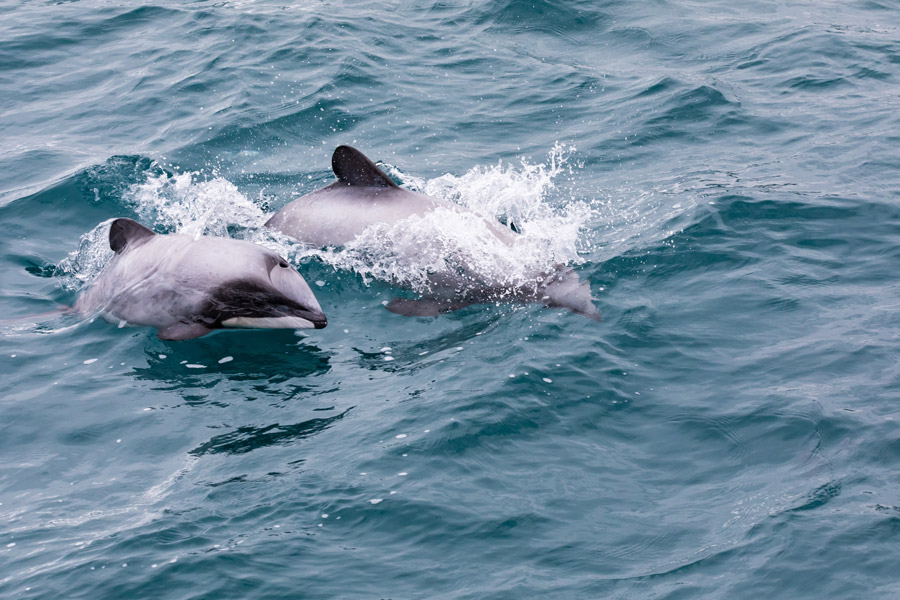
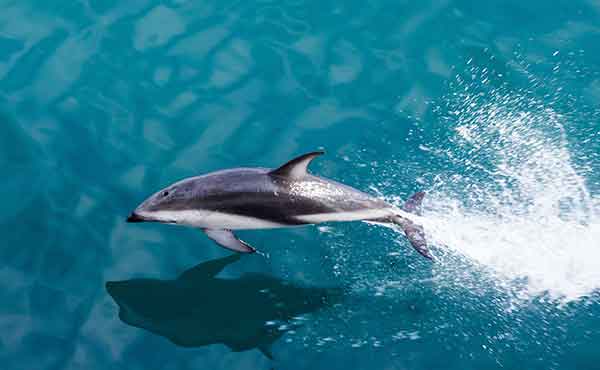
This morning, collect your hire vehicle and drive for approximately two hours to Picton and enjoy a scenic boat cruise to the Bay of Many Coves through the Queen Charlotte Sound. Along the way you may see dusky, bottlenose, common and the rare (and smallest) Hector dolphin, and possibly even orca in the summer months.
Accommodation: Bay of Many Coves Lodge, 1-night
-
Day 8:
Motuara Island Bird Sanctuary, transfer to Blenheim
This morning, take a cruise in the Marlborough Sound and Motuara Island Bird Sanctuary for half a day, with about an hour on shore to explore the magical predator-free island sanctuary, a real birding haven which hosts some of New Zealand rarest and most endangered species.
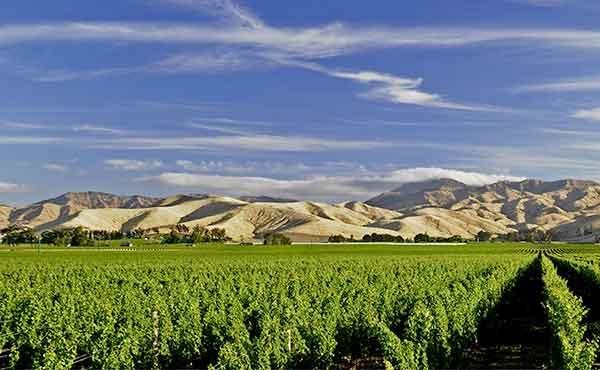
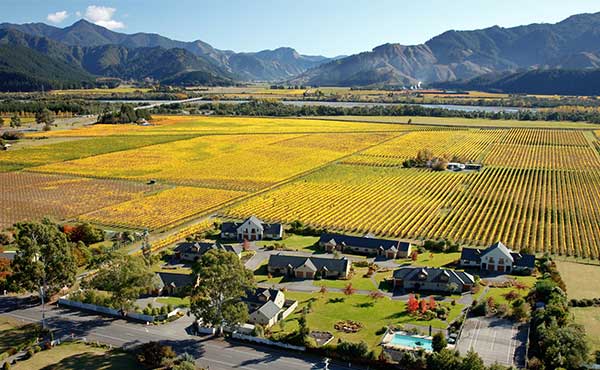
You then head back to Picton, where you collect your car and drive for about half an hour to Blenheim and the Marlborough Wine Country, before heading out to Wairau Lagoon in time for sunset, and observe up to 90 bird species including the royal spoonbill and godwit.
Accommodation: Vintners Retreat, 1-night
-
Days 9-10
:
Kaikoura: whale watching & birding
In the morning, head to Kaikoura to check-in to your hotel late morning. Grab an early packed lunch before joining a boat excursion to search for some of the 12 different albatross species, along with other pelagic birds such as the shearwater, petrel, gannet, skua, penguin and tern (alternatively, this tour can be done the next morning).
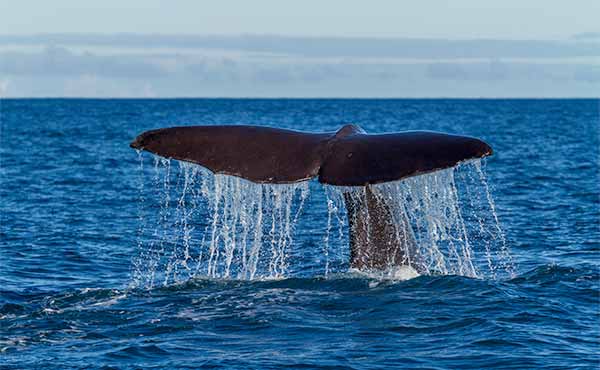
The following day is dedicated to whale watching. Kaikoura is one of the only places in the world where sperm whales can be seen all year around due to the nutrient-rich underwater canyons which dominate the currents.
Accommodation: Manakau Lodge, 2-nights
-
Day 11:
Akaroa: penguin tour
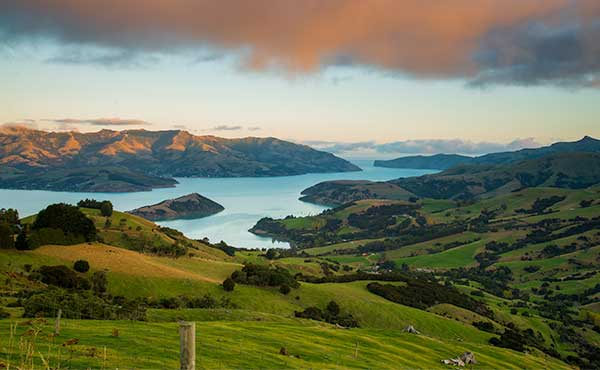
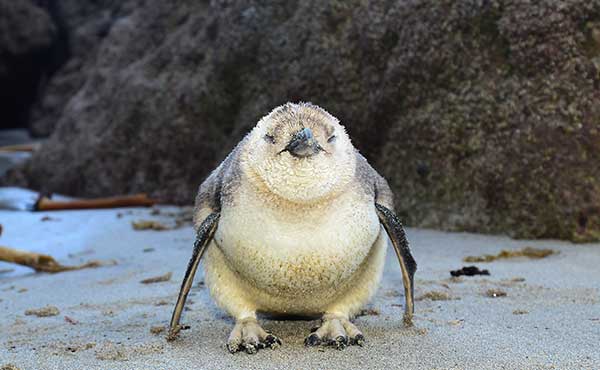
In the morning, you have time to go on a birding walk along the coast, looking for the endangered and endemic Hutton’s shearwater in the Puhi Peak Nature reserve, before driving to Christchurch and on to Akaroa. The drive is 265 kilometres and takes about three and a half hours. You may aim to arrive in time to join the sunset tour to see the blue penguin in Pohatu. Pohatu is home to the largest Australasian little penguin breeding colony on mainland New Zealand. These white-flippered penguins are protected and the area is predator-free. The best time to see them is from August to January.
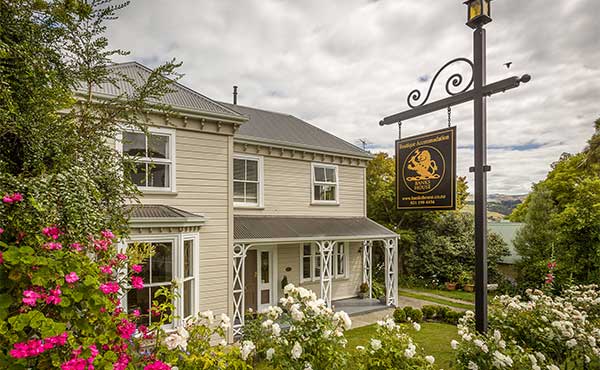
Accommodation: Banks House Akaroa, 1-night
-
Day 12:
Wildlife sailing cruise, drive to Oamaru
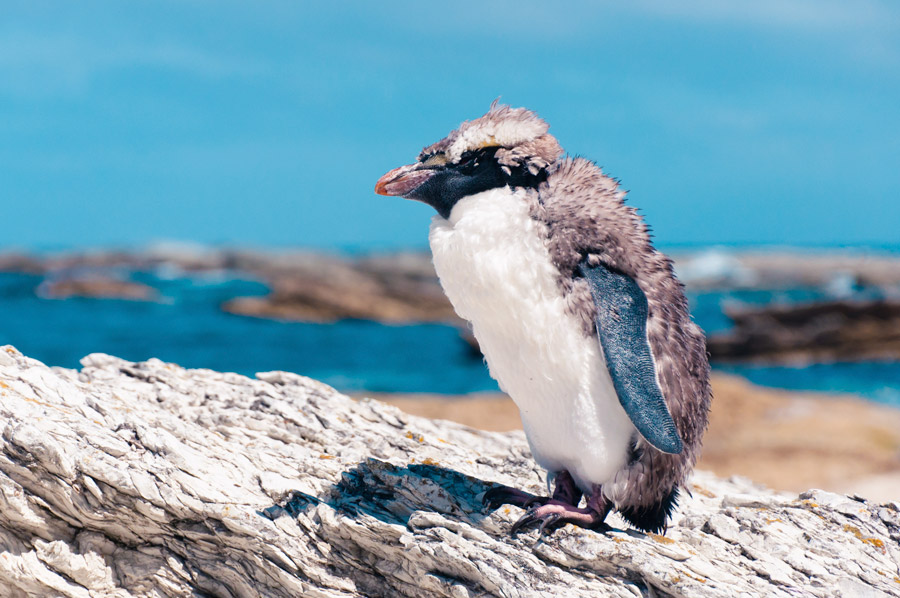
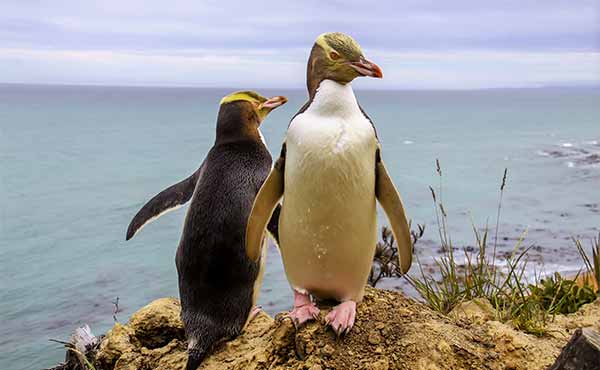
This morning you can join a wildlife sailing cruise in Akaroa to look for Hector’s dolphin, white flippered blue penguin, yellow-eyed penguin, and New Zealand fur seal.
After lunch, drive 300 kilometres (approximately four hours) to the lovely coastal town of Oamaru, where you spend the night to break the journey. Oamaru is particularly known for its breeding colony of little blue penguin that has been protected since 1992.
Accommodation: Pen-y-bryn Lodge, 1-night
-
Days 13-14
:
Otago Peninsula
You embark on a scenic drive for approximately two hours to the incredible Otago Peninula. The historical and heritage Larnach Castle is the only property located within Otago Peninsula, providing you with fantastic view with its garden of significance showcasing native plants and great wildlife opportunities.
Accommodation: Larnach Castle Lodge, 2-nights
-
Day 15:
The Catlins
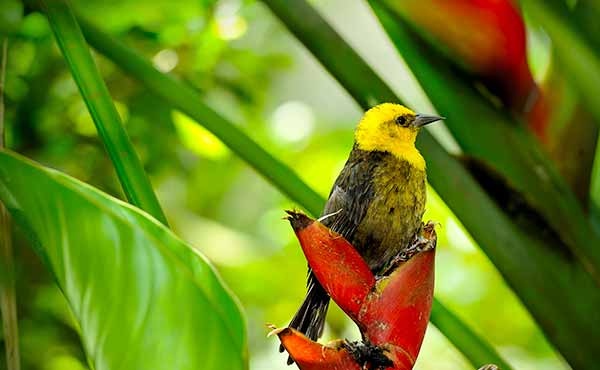
Today you drive along the stunning Catlins, on the south-eastern corner of the South Island of New Zealand, travelling through rural heartland and podocarp forests, past rugged coastlines, hidden lakes and stunning waterfalls. You should aim to get to the Mohua Park by lunchtime, so that you can enjoy an afternoon excursion, tracking the rare Mohua bird and yellow-eyed penguin.
Accommodation: Mohua Park, 1-night
-
Day 16:
Drive to Bluff, ferry to Stewart Island
This morning you drive south to Bluff and board a ferry to Stewart Island. After disembarking, transfer to your hotel where you can have lunch and relax before an evening birding walk.
Accommodation: Stewart Island Lodge, 2-nights
-
Day 17:
Ulva Island excursion & evening kiwi spotting tour
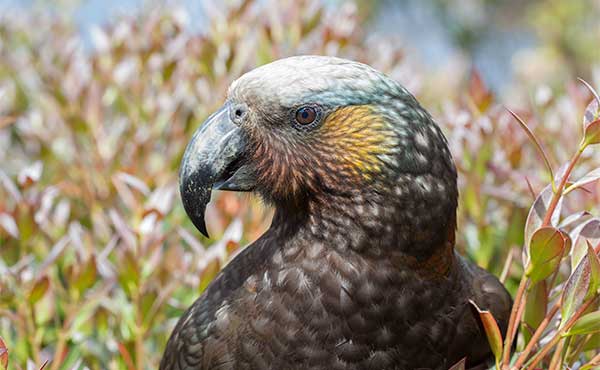
Today join a guided excursion to Ulva Island in Rakiura National Park. The focus is on New Zealand’s endemics and native birds and plants, its pristine forest, remote beaches and coves.
-
Day 18:
Lake Te Anau, Fiordland
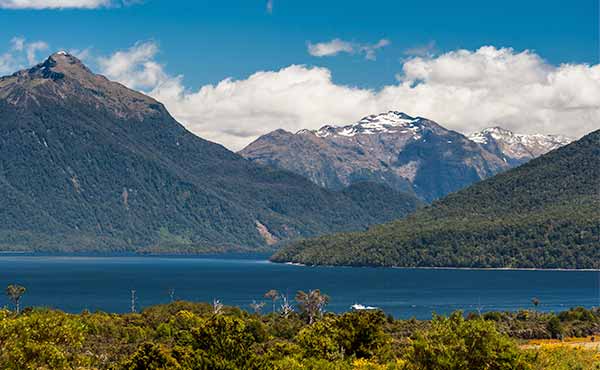
Today you transfer back to the mainland and take a scenic drive north-west to Manapouri and Lake Te Anau, located in the Fiordland region. Your lodge offers breathtaking views over the lake and mountains. The rest of the day is at leisure.
Accommodation: Te Anau Lodge, 1-night
-
Day 19:
Cruising Doubtful Sound
Join a two-day cruise across the remote Doubtful Sound. The crew includes highly experienced naturalist guides who will provide lectures and presentations about the rich marine life surrounding you. Dolphins, fur seals and penguins will be the main focus for the next two days, and there will be opportunities to enjoy guided kayak and skiff excursions.
Fiordland Navigator vessel, 1-night
-
Day 20:
Doubtful Sound to Lake Te Anau, glowing worm cave
This morning you disembark in Deep Cove and return to Manapouri. Collect your car and return to Te Anau for one more night. In the late afternoon, enjoy a glow worm cave tour.
Accommodation: Te Anau Lodge, 1-night
-
Day 21:
Milford Sound
Today is a full day exploration of the legendary known Milford Sound on a nature cruise. Milford Sound is probably one of the most popular excursions in southern New Zealand and it gets busy with coaches from Queenstown, however we selected the best option to get a more up close and personal experience in a smaller boat with some of the finest naturalist guides, while accessing to more remote parts of the fiord.
Your two-and-a-half-hour cruise takes you to Harrison Cove where you have the opportunity to go kayaking, visit the famous seal rock, the Stirling Falls, Mitre Peak and the underwater observatory. Return to Queenstown for your last night.
Accommodation: Brown’s Boutique Hotel, 1-night
-
Day 22:
Transfer to Queenstown & depart
In the morning, drive to the airport and drop your car off before boarding your flight home, via Auckland and Singapore.
-
Day 23:
Arrive UK
Please note: All water-based tours are subject to suitable sea conditions on the day and minimum passenger numbers.