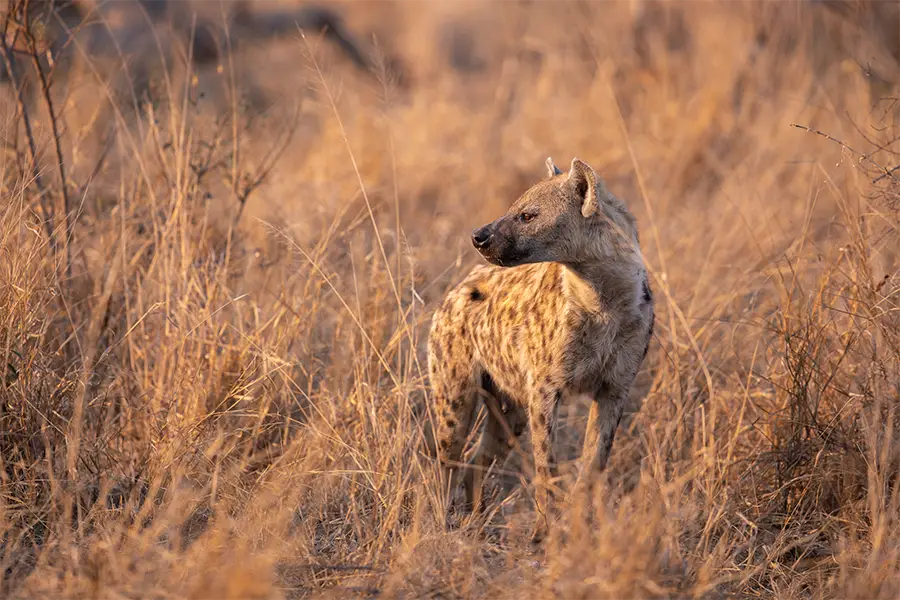
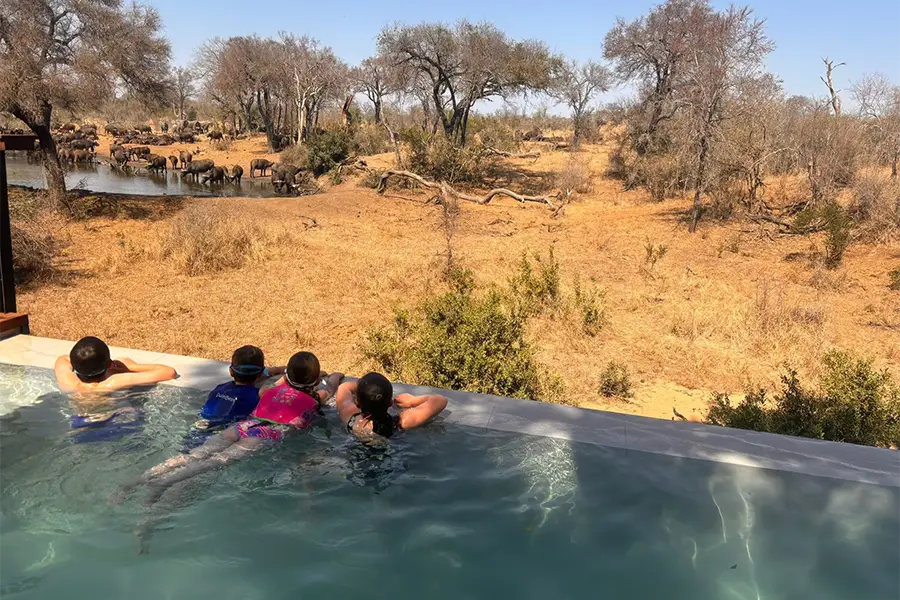
The next five days are spent as you please, with the run of the property and the guiding team at your disposal. Before the sun begins to rise, venture into the wilderness for a game drive with a bush breakfast or take some extra time to let the children catch up on sleep before heading out into the wild or relax by the pool, having a safari from your sun lounger as the young ones splash around and creatures great and small visit the waterhole. Usually the best time to spot wildlife is during the hours around twilight in both the mornings and evenings, as lions, leopards and spotted hyena are more active during these times, taking advantage of the low light and cooler temperatures to search for prey. Impala, kudu, steenbok and various other antelope make the most of these times to graze, avoiding the midday sun and utilising the daylight to make use of their acute eyesight to detect predators.
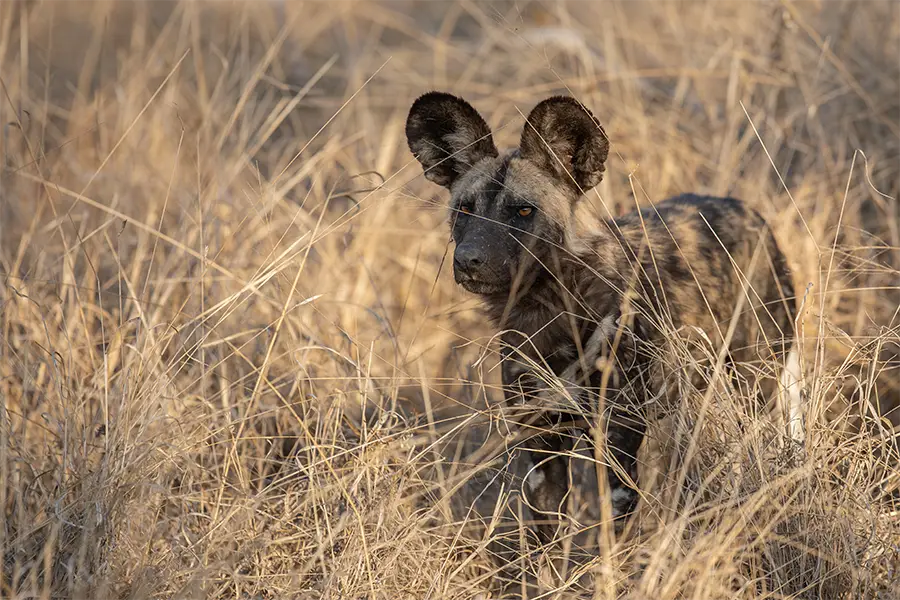
Crepuscular hunters such as African wild dog and cheetah also take advantage of the milder temperatures to hunt, the former using their satellite dish like ears to track the movement of zebra and various antelope species manoeuvring through grasslands and dense bush before beginning the chase, working together seamlessly to wear their target down with their boundless energy. Cheetah on the other hand are the polar opposite, with a swift and solitary approach to finding a meal, stalking close to prey, concealed by long grasses or changes in elevation before beginning their pursuit with an explosive sprint. Despite being the fastest terrestrial mammal on the planet, reaching speeds up to 120 kilometres per hour in about three seconds, they can only maintain this burst of pace for around 30 seconds and only about 50 per cent of their hunts are successful. This is compounded by the fact that their bulkier rivals, lion, leopard, hyena take advantage of their superior power to steal kills from exhausted cheetahs after a successful takedown.
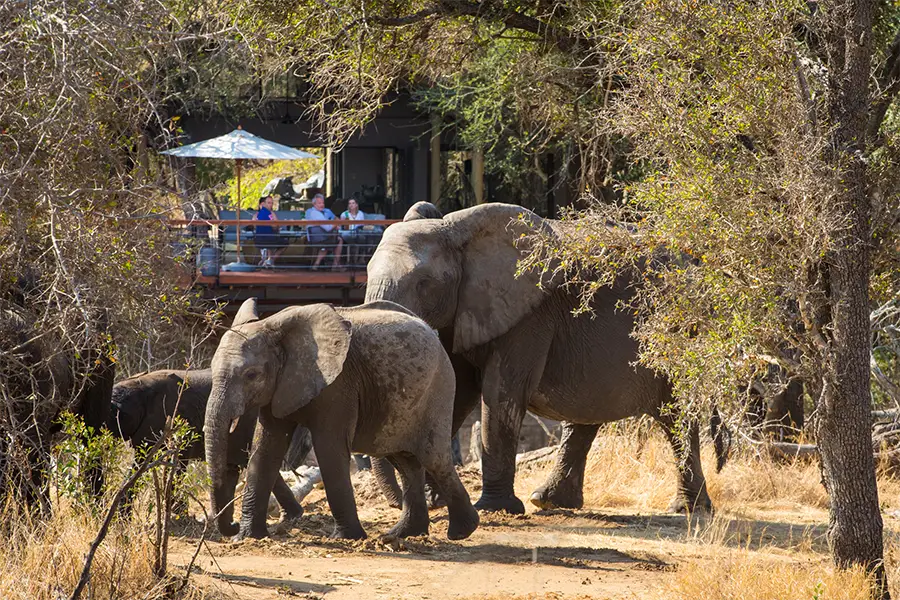
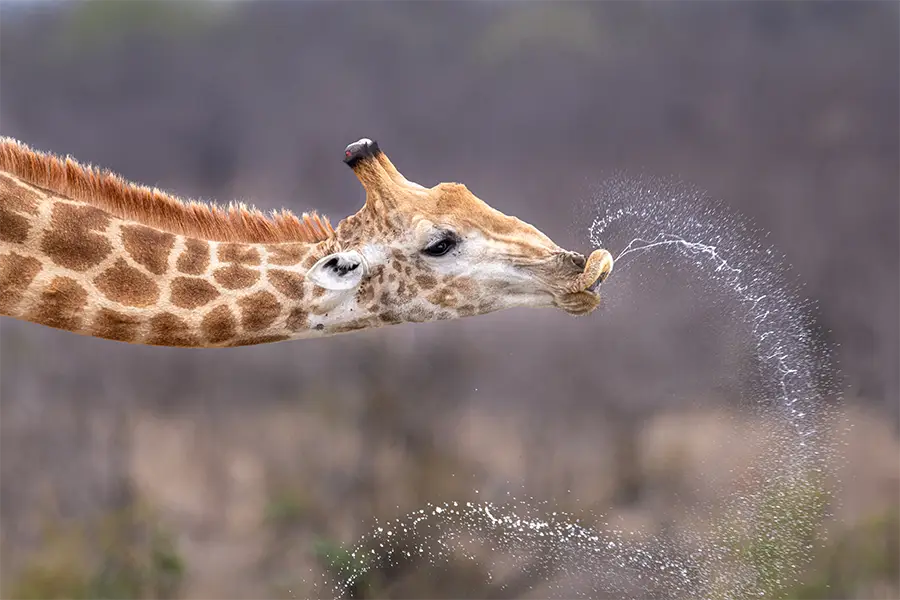
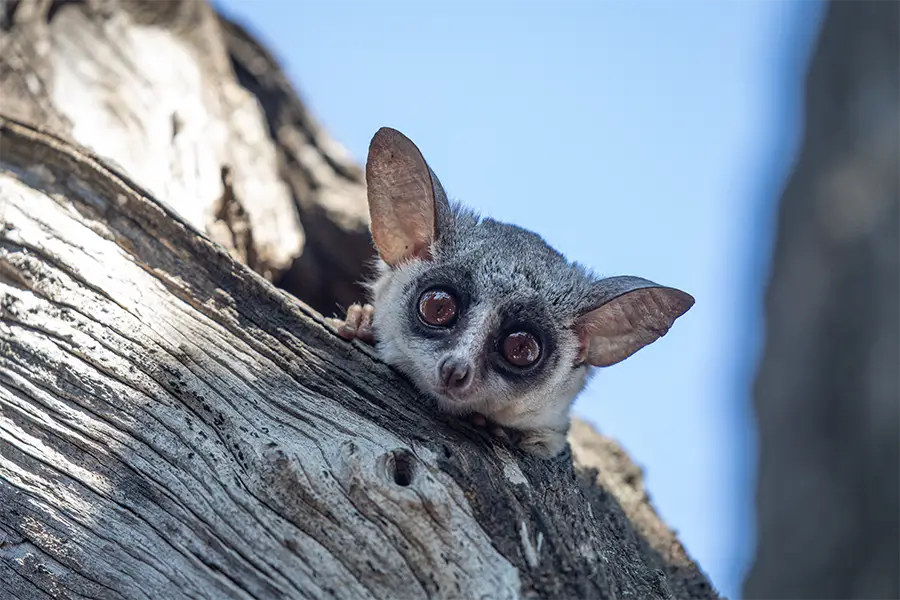
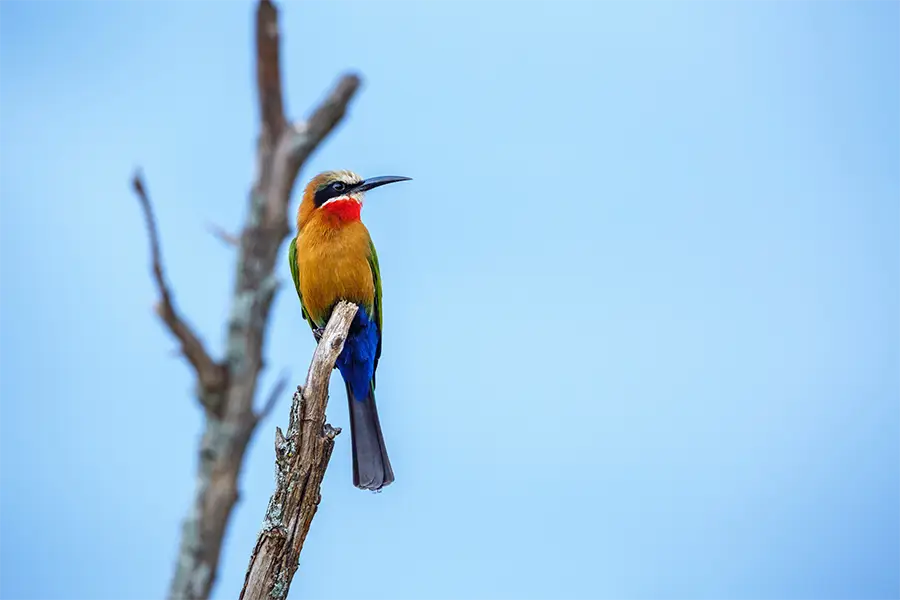
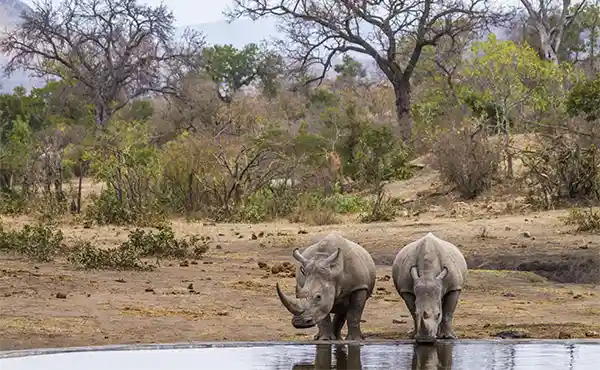
During the middle of the day, most wildlife can be found in the shade of trees and bushes or visiting water sources, this is the perfect time to utilise the pool and viewing deck with the children. Keeping an eye out for elephant, buffalo, waterbuck and black and white rhino amongst many other species coming to quench their thirst as you enjoy lunch on the raised deck. Although they can last for long periods without drinking, staying hydrated through the moisture in the leaves they consume, occasionally giraffe will come to drink. Often hesitating for a while due to the vulnerable position they put themselves in when drinking, they awkwardly splay their legs and bend down towards the water, making it difficult to adjust quickly if danger were to appear and entertaining the whole family. After inhaling gallons of water, they snap their heads back, leaving an 'S' shape in the water that spills from the mouth, a shot that many photographers are keen to add to their portfolio. A plethora of birdlife also visit the lodge, including scarlet-chested sunbirds searching flowers for nectar to feed on, amongst crested barbets and Cape glossy starlings who often appear at mealtimes, hoping to pinch anything that falls off the children's plates. It’s also worth staying vigilant for endearing bush babies popping their heads off their tree hollows as they watch you dine.
The children can take part in the kids programme, learning about tracks and signs, the sights and smells of the bush under the tutelage of your guide, turning them into seasoned bush experts. A safari is the perfect opportunity for families to reconnect, as the week progresses both children and adults tend to spend less time on their screens and more time enjoying each other's company in their incredible natural surroundings, discussing the day's sightings, ticking off species from checklists and discussing what they’d like to see and do next.
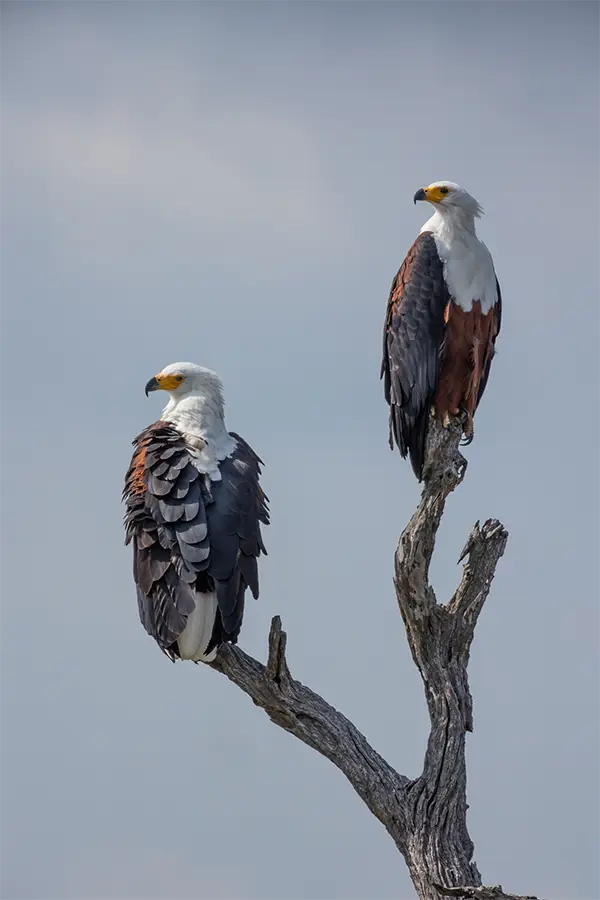
As the afternoons roll around, let your guiding team know when you’d like to head out and explore the Thornybush Game Reserve. Stopping by water bodies whilst the heat lingers can be particularly fruitful when it comes to sightings and at the very least you’re likely to find pods of bellowing hippos and basking crocodiles, with their mouths gaped open, assisting in their thermoregulation. Enormous nests are often suspended in trees close to these water bodies and the builders of these structures, hammerkops can be seen wading through the water searching for frogs or perched on the back of hippos. African fish eagles can be found on the tops of trees and there’s a good chance you’ll hear them before you see them, with their vocalisations known as ‘The call of Africa’.
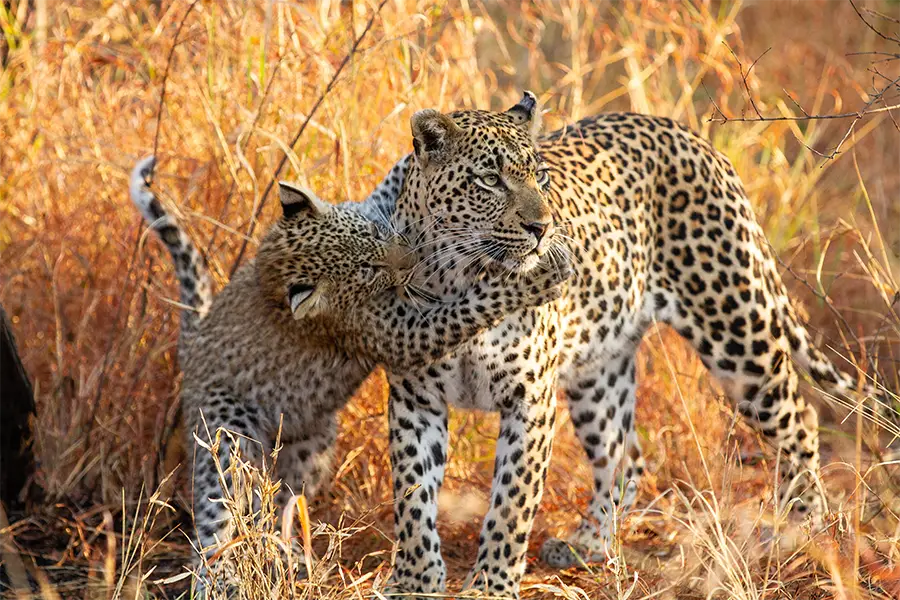
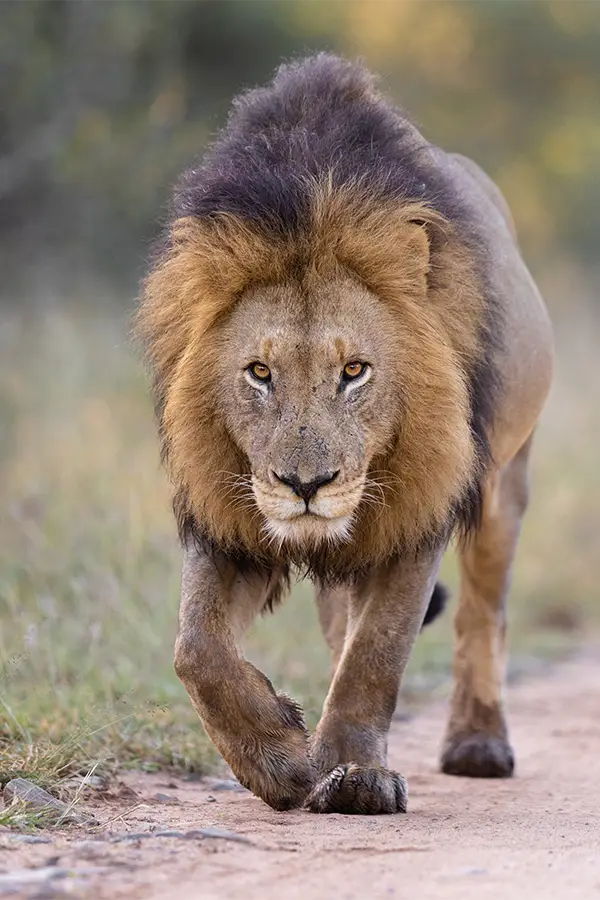
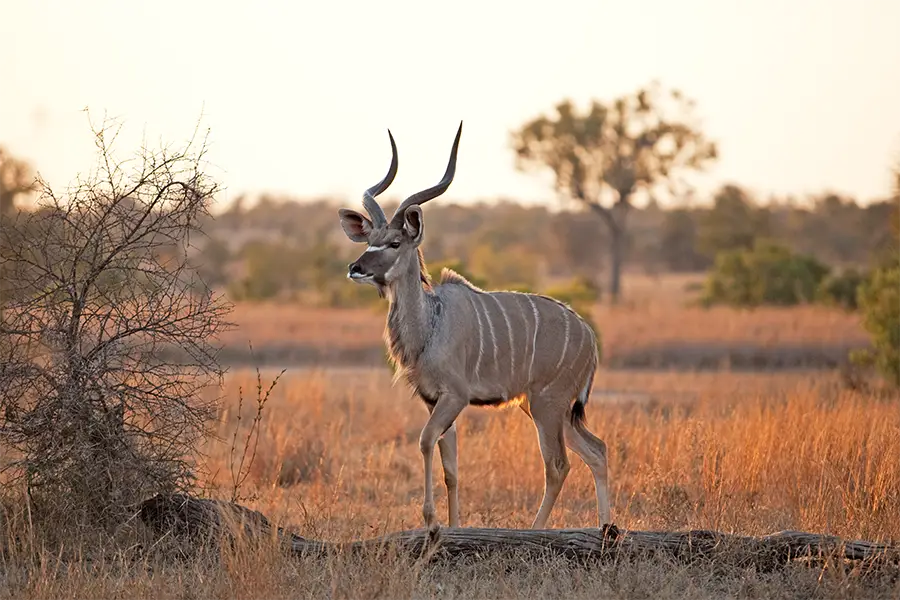
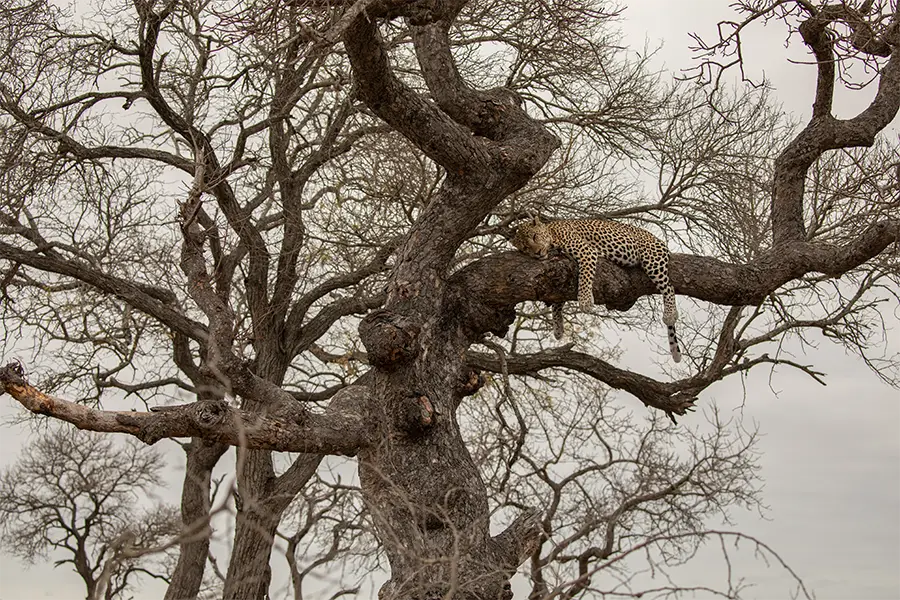
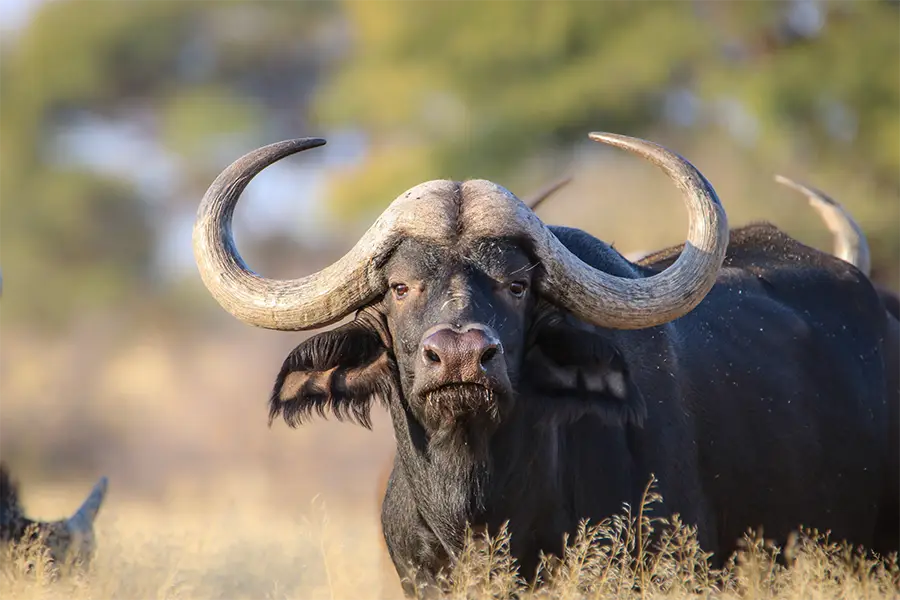
Heading further into the bush, be sure to search for kudu heads peering out from the thickets, enigmatic bushbucks carefully creeping through the foliage and zebras gleefully dust bathing whilst removing parasites. Elephant herds can be tracked down by their path of destruction, creating natural highways as their matriarch leads them to the best spots to feed. Swishing tails from branches may reveal the presence of a leopard, or perhaps you may find the remains of an impala they've recently fed on dangling from above. Buffalo huddle close together, with the youngest kept safe in the centre of the herd as lions stalk, looking to isolate an individual before using their teamwork to take down one of these behemoths in an epic battle to feed the pride. Spotted hyenas keep a close eye for any opportunity to steal some of the spoils of war, flanked by vultures also looking to snatch a morsel or two.
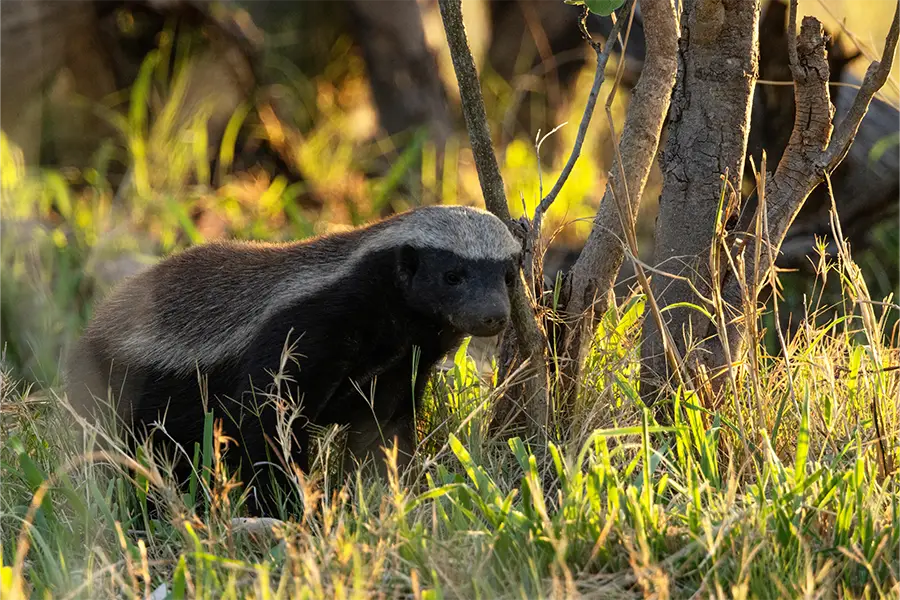
Watching as the sun descends, enjoy a sundowner whilst watching the brilliant hues of the African sky flit between reds, oranges and yellows. Return to the lodge under the cover of darkness or earlier if you prefer whilst listening to the hoots of owls, croaks of toads and cackles of hyenas. Shimmering eyes under the spotlight are a giveaway of an animal's location, with porcupine, honey badger and the elusive aardvark all possible. Impala begin to huddle, as they prepare for a night on high alert, making use of their collective senses to keep the herd safe and hippos with their sun sensitive skin leave their watery sanctuaries to graze.
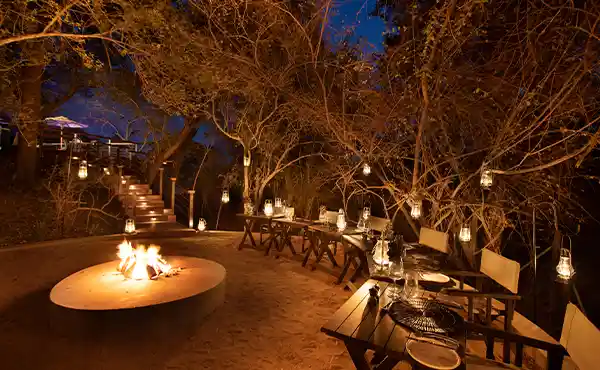
Take time to make the most of riveting conversation around the campfire with a glass of wine, such a quintessential part of the safari experience, trading stories with your guides and family, listening to the gentle crackles of the fire and sounds of the bush all around. Dinners can be enjoyed in a range of locations, either on the deck, in the boma area, on your private deck or in the bush, as always, let the team at the lodge know and they will accommodate. Few dining experiences can rival being out in the open bush after dark, with delicious food and light provided by lanterns as life in the wilderness goes on all around you, as you decipher the surrounding noises with your guide on hand to assist.



 Luxury