Travel, experience, conserve with
Phone:
Jump to main menu

Witness phenomenal scenery, incredible wildlife and extraordinary geothermal wonders on this riveting self-drive itinerary to two bastions of America’s ruggedly beautiful wild west — Yellowstone and Grand Teton National Park.

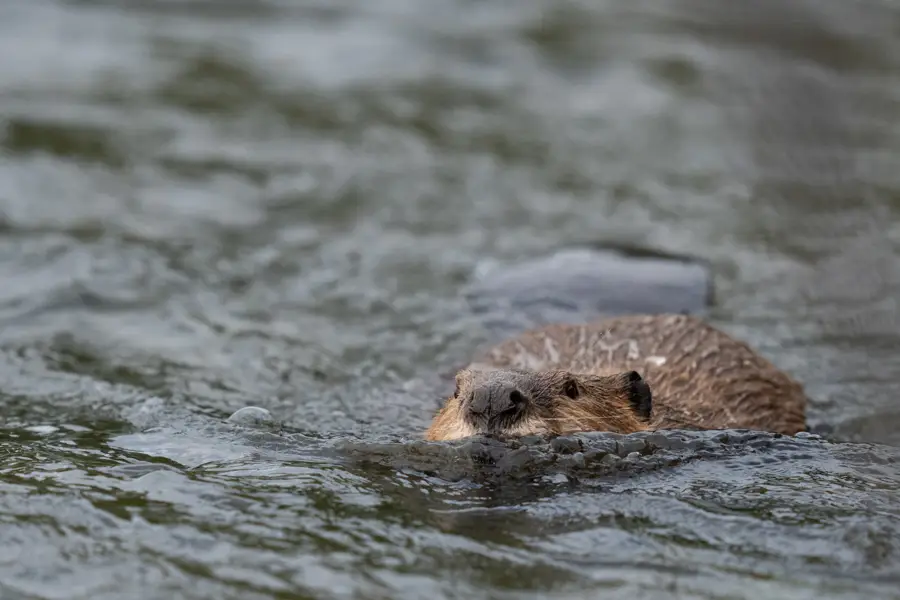
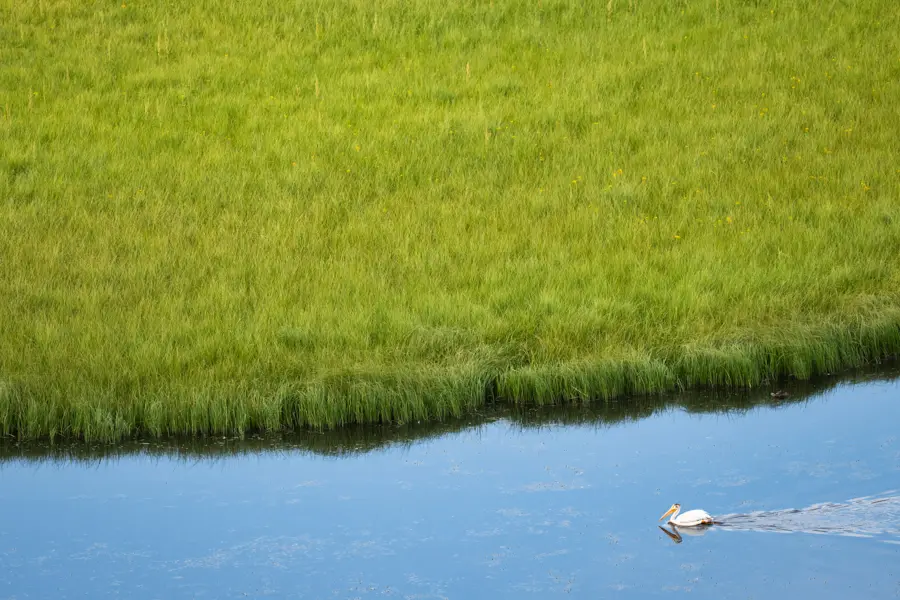
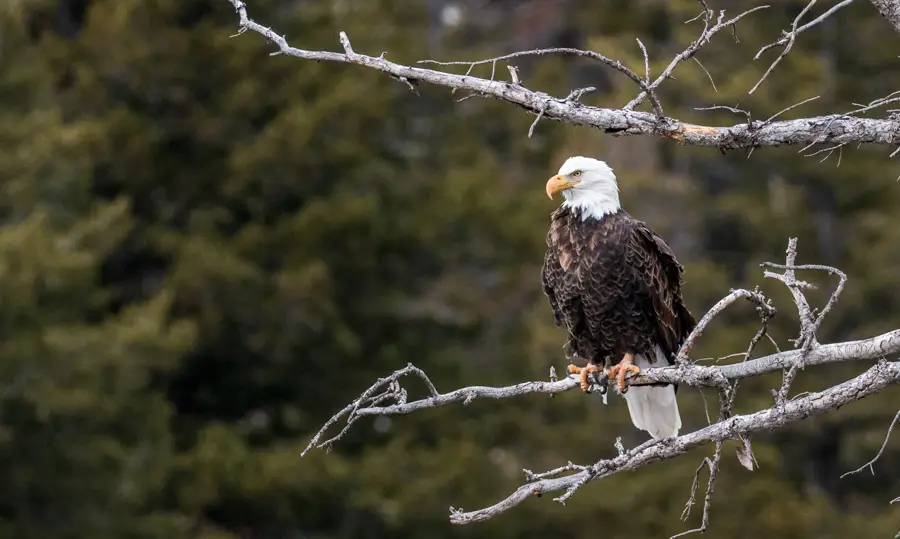
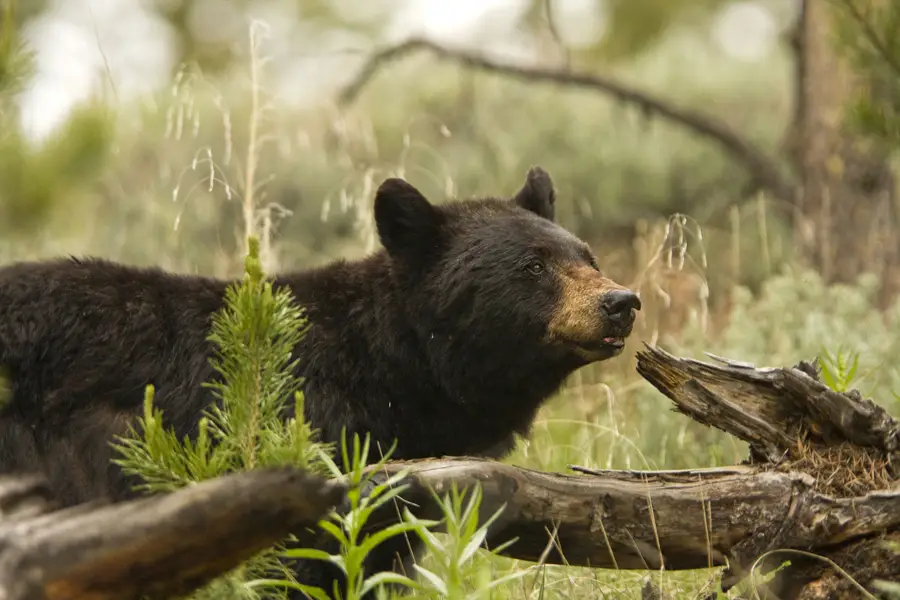
Considered by some to be the first national park in the world, Yellowstone National Park is a treasure trove of natural wonders, from remarkable scenery and fascinating history, to towering hillsides and peaceful meadows, all whilst harbouring fantastic populations of wildlife. Grizzlies forage the hillsides, black bears slink through the forests, and wolves create chaos amongst grazing herbivore herds. Beavers manage the waterways occupied by otters, trumpeter swans, Canada geese, mallards, common goldeneyes and American white pelicans, whilst osprey and bald eagle soar above.

This fascinating self-drive itinerary showcases the very best of Yellowstone whilst also visiting the lesser known, but no less spectacular, Grand Teton National Park. Here, marvellous glacial peaks provide the most spectacular backdrop to every sighting. Each day is a new adventure with complete control over your own schedule to either drive the park roads in search of wildlife, walk local trails as you look for tracks and signs of activity, or simply pick a spot, wait and watch to see what roams by.

Suggested Itinerary

  1. Day 1: Depart UK

    Following your international flight and subsequent domestic flight to Bozeman Yellowstone International Airport, gather your bags and make your way to the car rental desk to collect your vehicle. Once you have the keys, take a 20-minute drive to your nearby hotel where you can rest and recover from your journey, ready for the adventures to come.

    Accommodation: Courtyard by Marriott Bozeman, 1-night

  2. Day 2: Drive to Yellowstone National Park

    Today begins with breakfast at the hotel before heading south into Big Sky Country. As you journey towards Yellowstone National Park’s north entrance, you follow the Yellowstone River, passing through incredible mountain ranges, expansive ranches quintessential of America’s wild west, and vibrant plains where you may encounter wildlife for the first time. Bald eagles can be seen soaring over the meandering river, and pronghorn may be found grazing by the roadside as you progress even closer to the park entrance and the iconic Roosevelt Arch.

    Once you've arrived at the entrance gate, you're required to pay for an annual pass which covers the vehicle and its occupants for the duration of your time here. This is the most cost-effective option to allow you to enter both Yellowstone and Grand Teton National Park. The ranger will provide you with your pass and a map to help you navigate the park — be sure to keep them in a safe place, as both can come in handy.

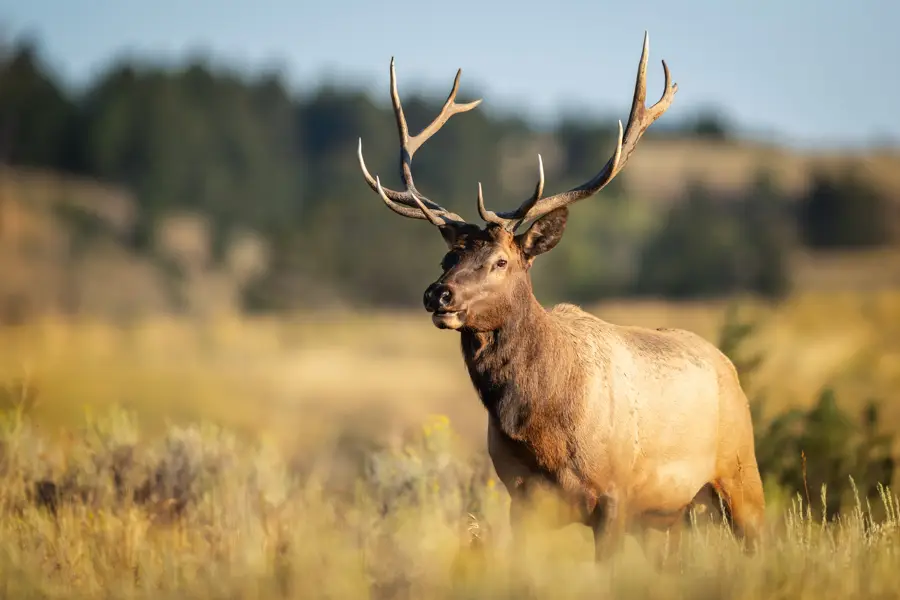
    Continue up the winding roads in front of you, making the short climb towards your first of Yellowstone’s geothermal features and its namesake village, Mammoth Hot Springs. Keep your eyes peeled for elk who are occasionally found grazing on the lawns by the parking spaces for the springs. Throughout your time in the park, you visit a number of these villages, most of which are positioned either near or next to one of the major attractions — each of these hubs are equipped with fuel stations, restaurants, gift shops and supermarkets for you to replenish during your stay, ready for the next adventure.

    Once you've enjoyed wandering the terraces of Mammouth Hot Springs to your hearts content, stop by the local restaurant for a spot of lunch before taking your first foray deeper into the park, heading towards your accommodation in Canyon Village. Feel free to pause in any dedicated stop areas to take pictures and marvel at the natural wonders in front of you.

    Once you arrive in Canyon Village, check into your accommodation, drop off your bags and perhaps pick up some early dinner. As the late afternoon rolls around, it's the perfect time to search for wildlife. Take the short drive south to Hayden Valley, a picturesque sub-alpine valley with the Yellowstone River coursing through, providing a haven for a variety of waterfowl and mammals.

    There are a number of parking areas throughout Yellowstone and Grand Teton in prime wildlife watching areas, and during your time here you can either park up at one of the designated pull-in areas and wait to see what ventures past, or drive the road up and down throughout the valley keeping your eyes peeled yourself for both wildlife and other excited members of the public.

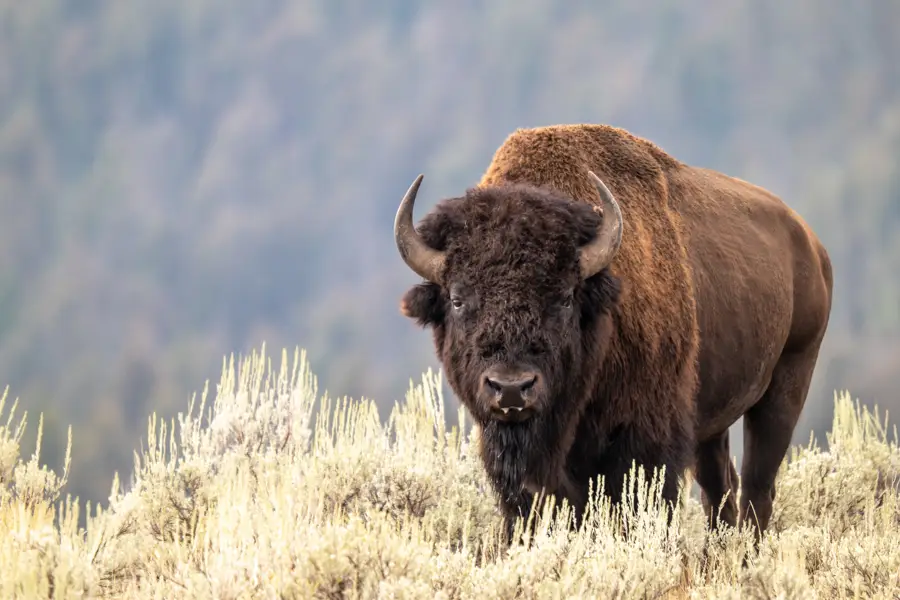
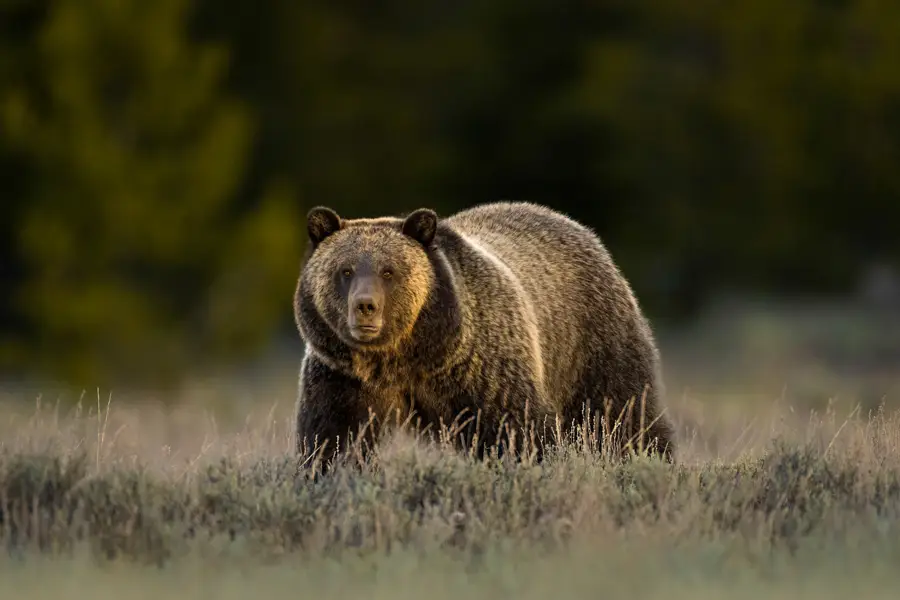
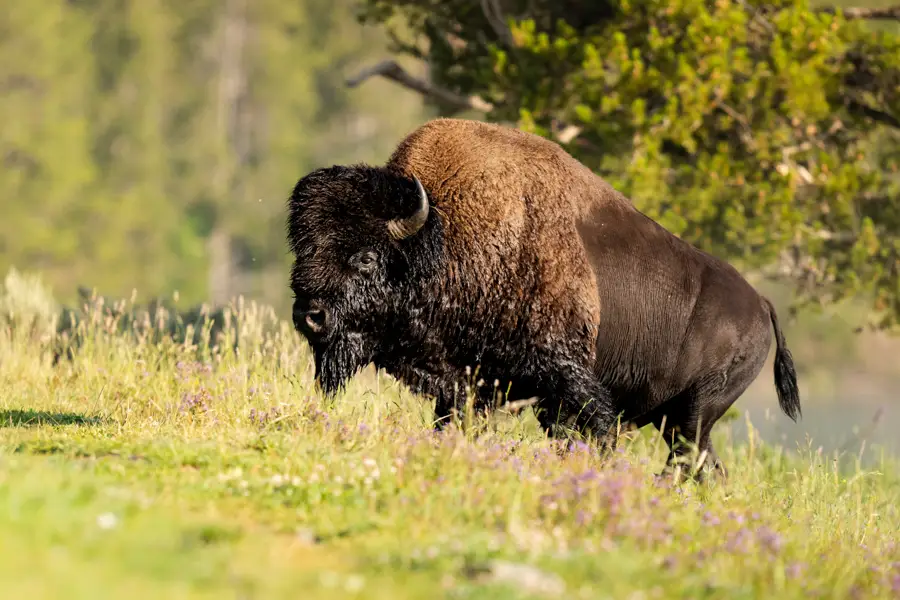
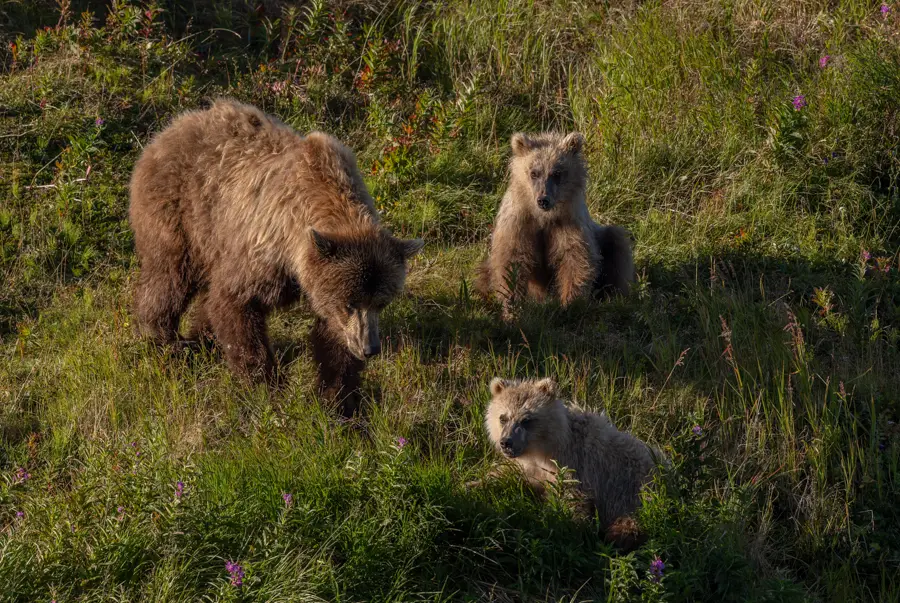
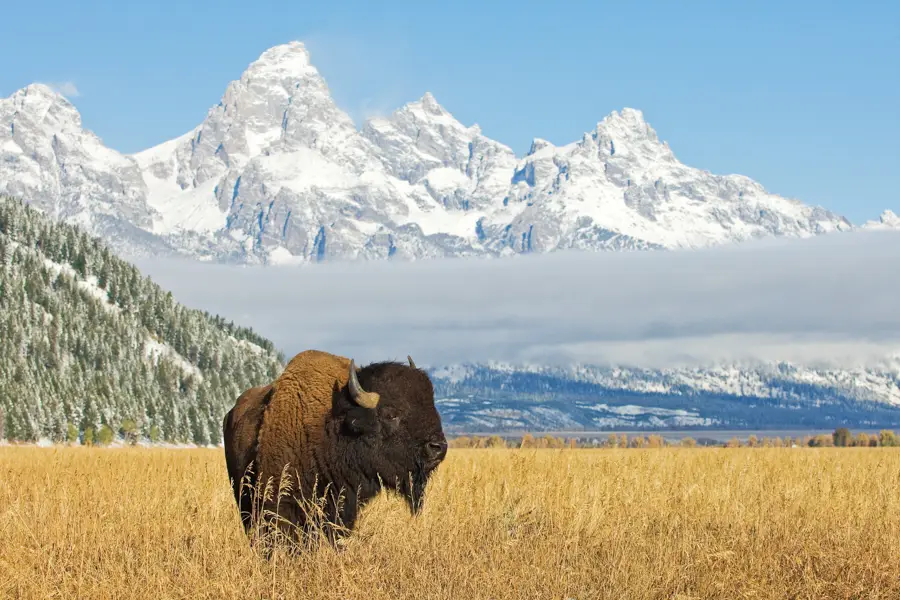
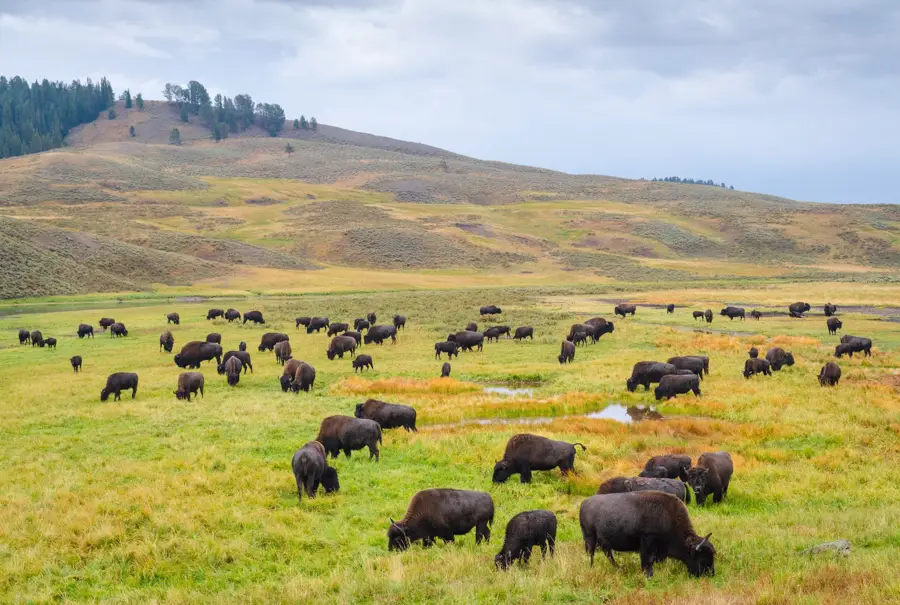
    Entering the valley, you'll no doubt encounter herds of the largest terrestrial mammal in North America, the bison. These grazing behemoths leave your mouth gaping as they come close — at almost two metres tall at the shoulder hump and weighing around a tonne, they're a personification of raw power and might. Grizzly bears are also regularly observed within the valley, coming down from the hillside forests around dawn and dusk to forage for plants, nuts and seeds. Occasionally these opportunistic omnivores can also be seen fishing in the local rivers and feeding on carcasses. 

    As darkness sets in, begin your short journey back to your accommodation to rest up, ready to explore more of the park tomorrow.

    Accommodation: Canyon Lodge & Cabins, 3-nights

  3. Day 3: Explore Hayden Valley, Yellowstone Lake & West Thumb Geyser Basin

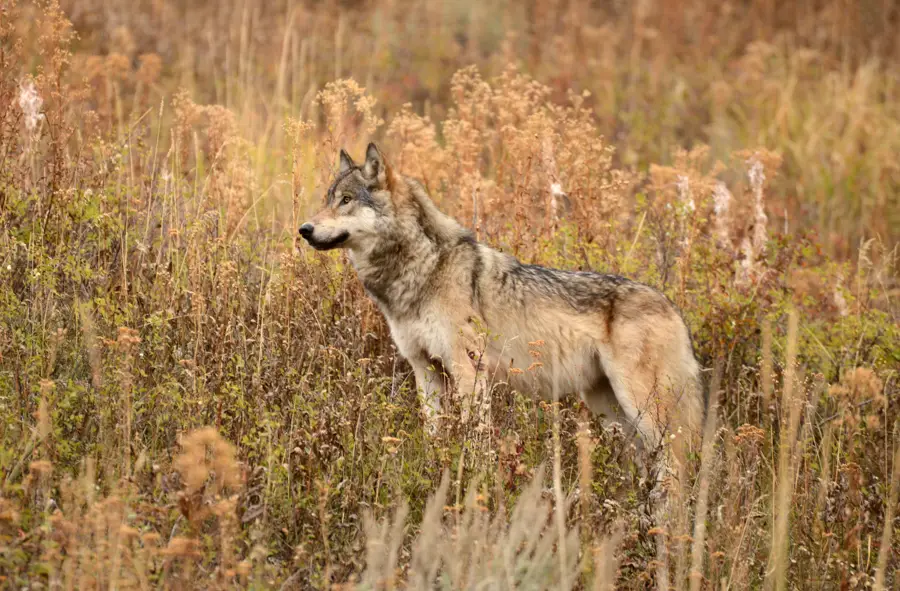
    Rising shortly before the sun comes up, head back to your hire car and return to Hayden Valley for your first morning of wildlife watching. Mist can occasionally descend upon the valley due to the cold air and heat rising from the earth, creating a deeply atmospheric wildlife viewing experience as you watch bison emerge from the clouds, faint trumpeter swans gliding peacefully along the waterways, or perhaps a wolf pack tearing across the meadows in pursuit of elk. 

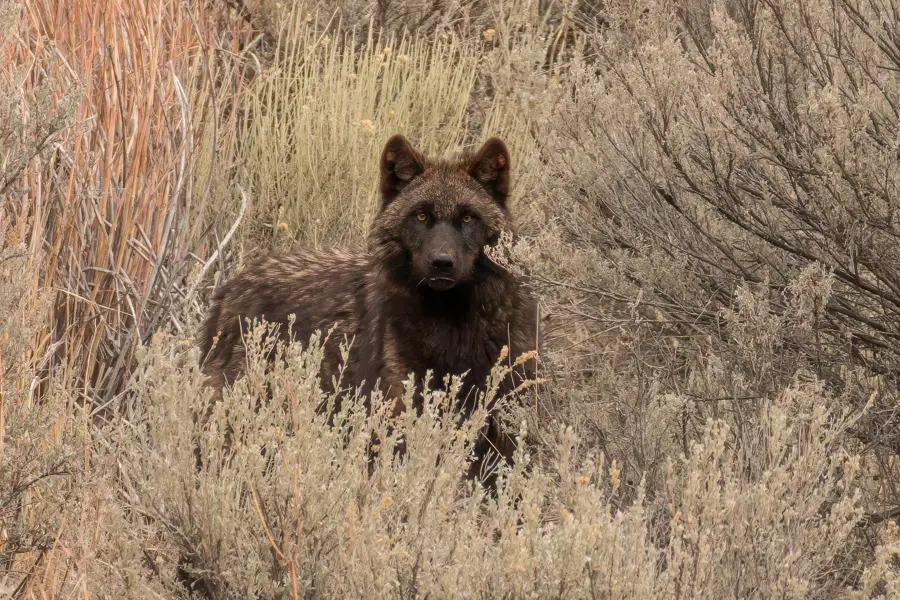
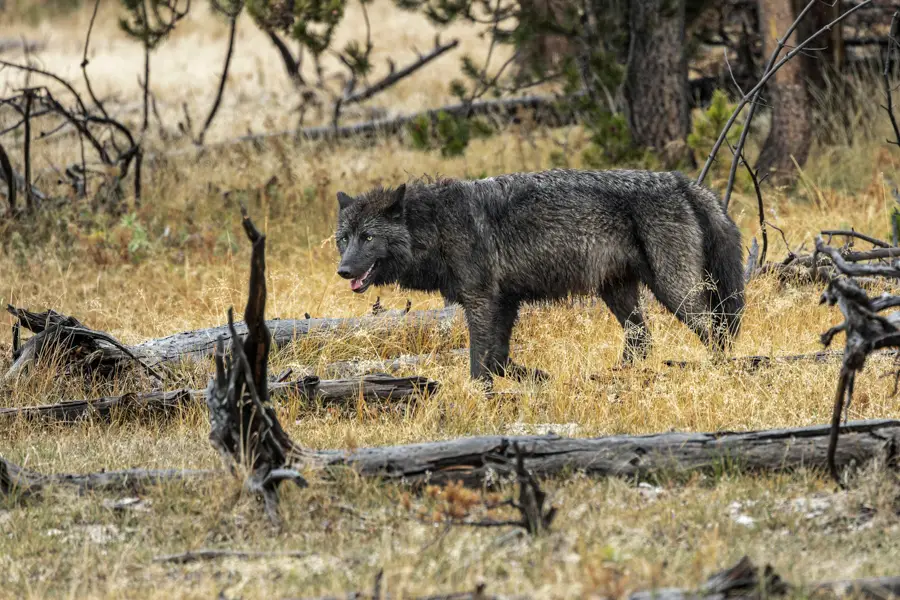
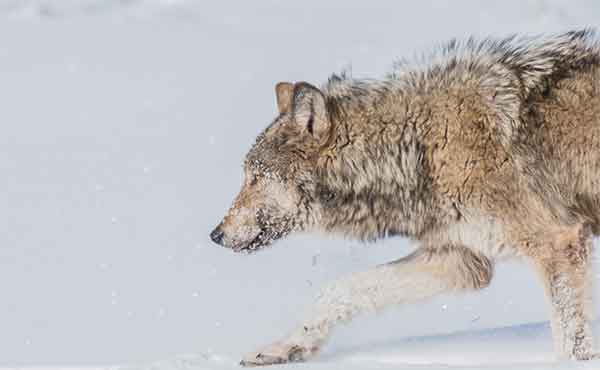
    Yellowstone’s history with grey wolves is well documented, and a fantastic example of a conservation success story. Wolves were virtually eradicated in the park, with the last killed in 1926, and they remained absent for nearly 70 years until a reintroduction between 1995 and 1997 brought in 41 wild wolves from Canada and north-west Montana. Since then, packs have migrated across the Greater Yellowstone Ecosystem with an estimated 500 individuals, around 100 of which reside within Yellowstone National Park’s boundaries across eight packs. You may well encounter regular volunteers while out searching for wolves in the designated pull-ins, who can update you about recent sightings to give you the best chances of observing these remarkable canids.

    Once the day starts to heat up, the wildlife inhabitants begin to make their way to more shaded forest areas, so the park's geological wonders begin to once again take centre stage. This is not to say you won’t encounter wildlife between these locations or even at them — bison for example are well known to roam around the geothermal areas. Whilst in Hayden Valley, visit the steaming Sulphur Caldron, one of the most acidic hot springs in the park. On the other side of the road, you can find the Mud Volcano area, where a series of boardwalks take you to a myriad of bubbling mud pots and trees cooked by steam. 

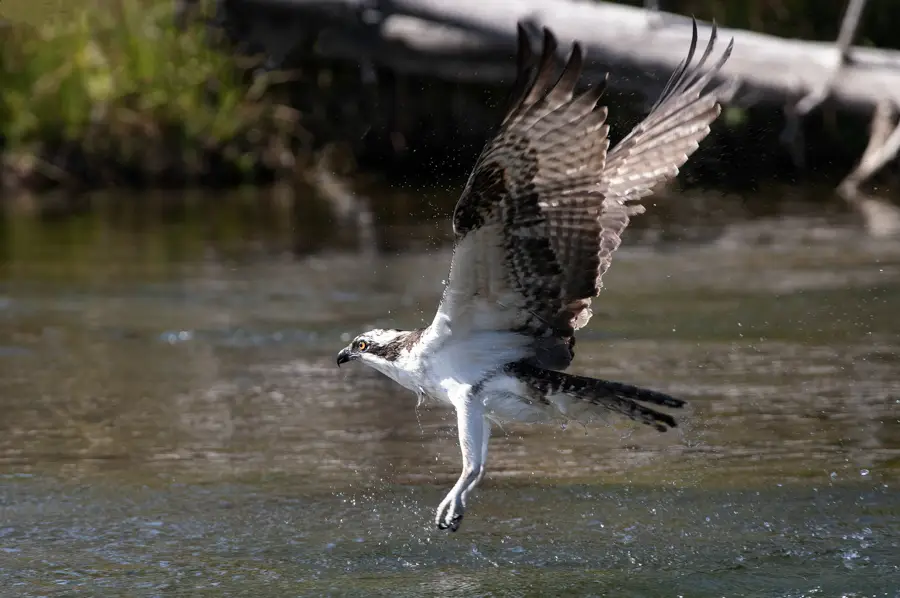
    Following your thermal fix, continue following the Yellowstone River south towards Lake Village on the shores of the enormous Yellowstone Lake. This is a good time to pick up some lunch before spending the next few hours driving around the lake or relaxing beside it. If you decide to drive around the lake today, you may encounter osprey, American white pelican, great blue heron, snowy egret, white-faced ibis, double-crested cormorant, common loon, cinnamon teal, and if you're very fortunate, there’s the possibility you may encounter some charismatic otters.

    There may also be time to experience the West Thumb Geyser Basin towards the western bank of the waterbody which sits within the smaller West Thumb Caldera, formed by a large volcanic explosion about 150,000 years ago. This area only requires a short walk along its wooden walkways, however it provides one of the most scenic spots in the park, consisting of azure blue hot springs, mud pots and small bubbling geysers, all perched on the edge of Yellowstone Lake.

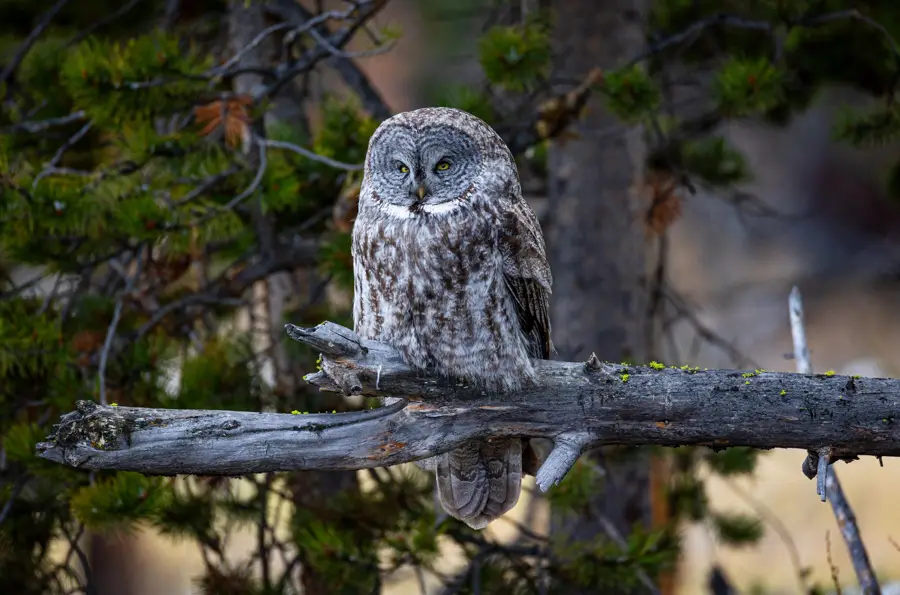
    You'll want to return to Hayden Valley for the late afternoon to look for any crepuscular activity, once again searching for bears and wolves whilst being held up by herds of crossing bison. Make sure to survey the trees for owls, particularly the unmistakeable great grey owl and great horned owl — there may even be the opportunity to see them hunting during late spring and early summer, as the adults feed their growing offspring. Elk can also regularly be observed grazing around the river; these cervids are prominent in large herds throughout the park, making up a significant portion of predator diets. 

    Once darkness has enveloped the valley, return to Canyon Village for another restful night’s sleep.

  4. Day 4: Discover Norris Geyser Basin & The Grand Canyon of the Yellowstone

    Another early morning awaits as you search Hayden Valley once more for any movement of wildlife. You have the opportunity to climb hills to seek out a greater vantage point, or gaze down into the valley from the roadside as a less taxing option. You may spot bison sometimes swimming across the river to find new grazing areas, seemingly struggling as they look as though they’re barely keeping their head above water. 

    As the morning progresses past peak wildlife viewing hours, take the northern road of the southern loop back towards Norris Geyser Basin. Much larger than West Thumb, Norris is one of the hottest, oldest and most acidic of Yellowstone’s hydrothermal areas. Many of its hot springs and fumaroles exceed the boiling point, reaching 93ºC at Norris’ elevation.

    Once you've experienced all there is to see at the basin, continue south-west to Artists Paint Pots, a group of over 50 springs, geysers, vents and especially mud pots. This natural phenomena exhibits varying shades of blue, grey, red and brown, has a range of different textures and behaviour changing during the year, depending on the amount of subterranean water. After a short walk around the viewing platforms, return to the car and drive back to Canyon Village for lunch. 

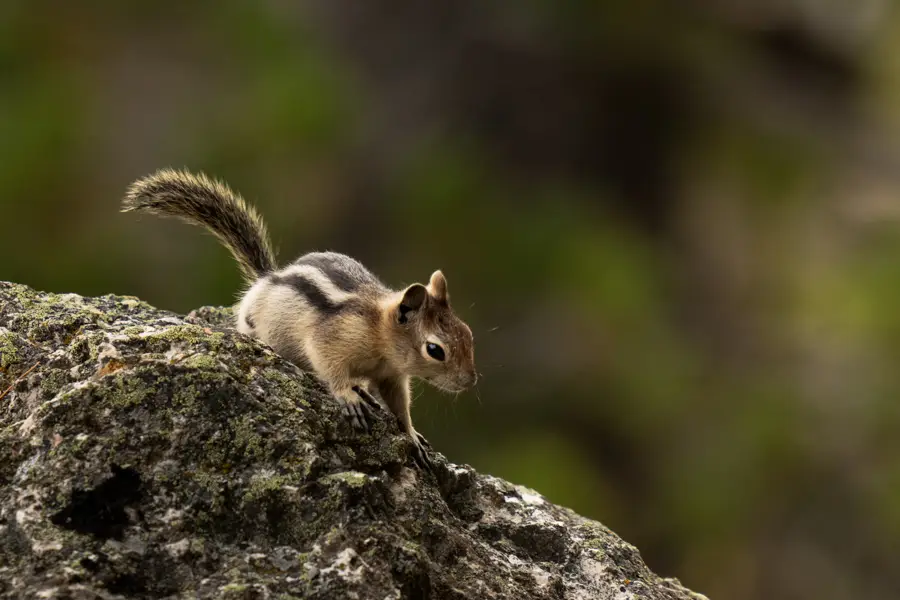
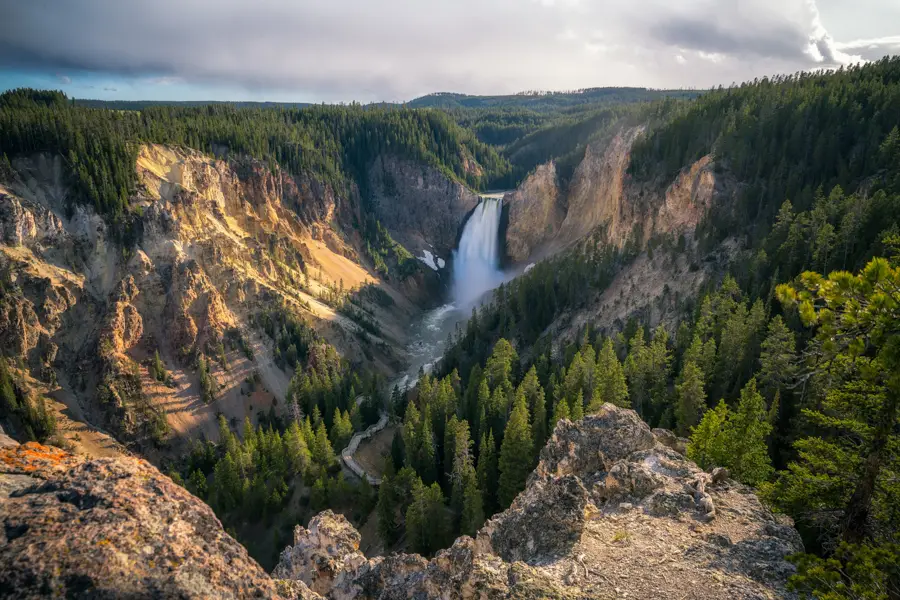
    After you've eaten, proceed north to the Grand Canyon of the Yellowstone, a magnificent 32–38 kilometres long, and 240–370 metre-deep natural wonder, where steep slopes lined with trees descend towards the Yellowstone River, creating a classic V-shaped valley. There are a number of trails and lookout points available, each with different views of the canyon. Whilst walking these trails, you're likely to encounter adorable least chipmunks as they scurry from rock-to-rock and tree-to-tree whilst foraging the pathways.

    Spend the late afternoon visiting Hayden Valley, once more looking for predators, ungulates and a variety of birdlife before retiring to bed.

  5. Day 5: Witness Grand Prismatic Hot Springs, Old Faithful & Grand Teton

    Your final wildlife watching experience in the Hayden Valley takes place this morning, but there are still plenty of opportunities to view more in the days ahead. As you'll have become accustomed, wake up early and make the short drive to the valley and employ your now well-established strategy to search for bears, wolves, and other wildlife.

    As the morning viewing draws to a close, head west once again on the southern loop, driving down towards Madison and eventually the Lower, Midway and Upper Geyser Basins. The first major stop in the Lower Basin is Fountain Paint Pot, where you can enjoy an approximately 30-minute walk along boardwalks around the various pools, geysers and bubbling mud pots.

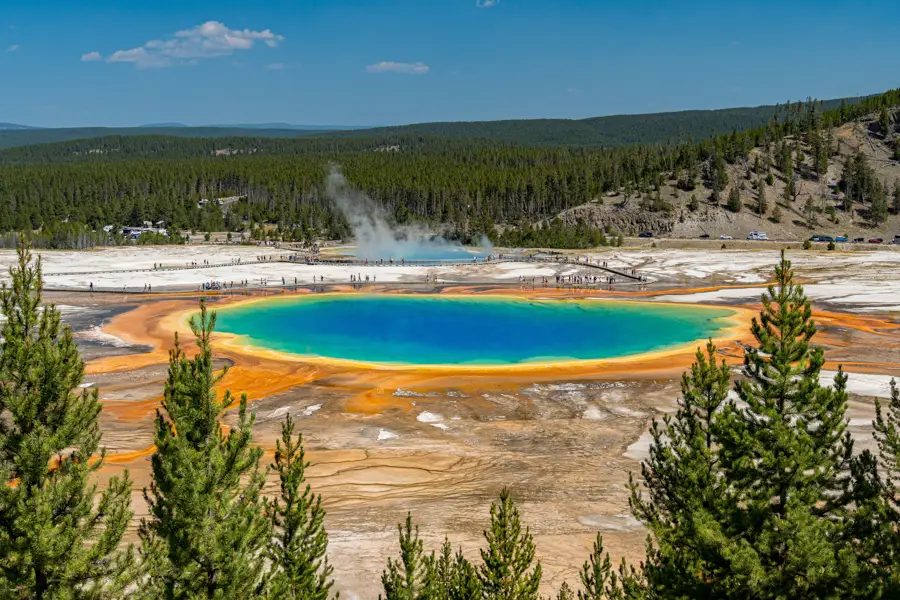
    Continuing on to the Midway Basin, you reach one of Yellowstone’s most famous geothermal features, Grand Prismatic Spring. The park’s largest hot spring is 60–100 metres in diameter and more than 36 metres deep, and dazzles viewers with its vibrant colours. 

    The penultimate stop in the geyser basins is Black Sand Basin, which has several more hydrothermal features, from the rather active Cliff Geyser to the chromatic Rainbow Pool and Sunset Lake.

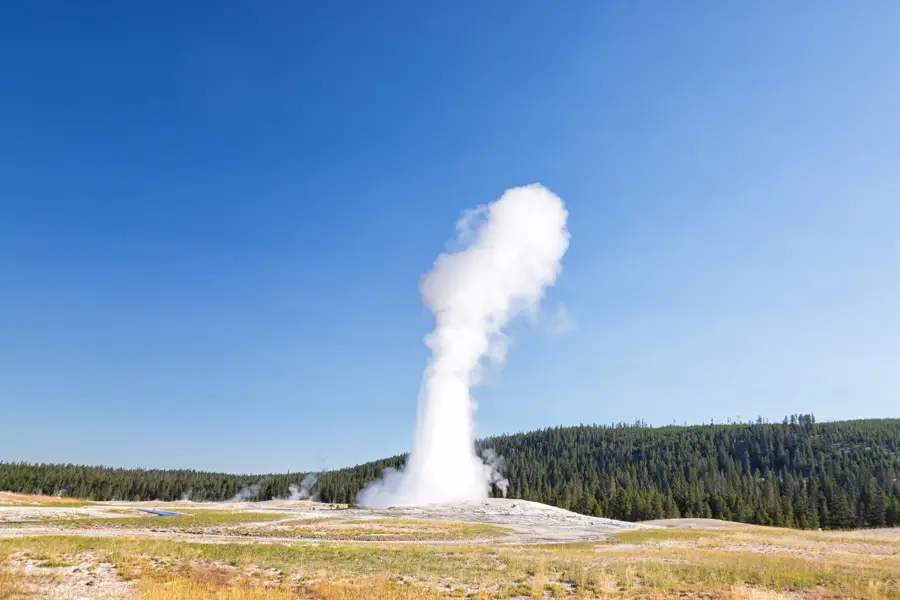
    Saving the best until last, make your way to Old Faithful, Yellowstone’s most famous geyser. It’s usually difficult to predict when an eruption will occur, but true to its name, Old Faithful has only lengthened the time between eruptions by about 30 minutes over the last 30 years. Eruptions generally take place between 50 and 127 minute intervals, and last between one-and-a-half to five minutes — 14,000–32,000 litres of boiling water get expelled into the air, reaching great heights of up to 30–55 metres.

    Following a full day of geothermal spectacles, continue towards the park’s south entrance. Here, follow the Snake River through John D. Rockeller, JR. Memorial Parkway and into Grand Teton National Park. Shortly after entering, Jackson Lake comes into view. As you gaze across this giant waterbody, you will no doubt notice the unmistakeable peaks of the Teton Mountain Range on the other side. 

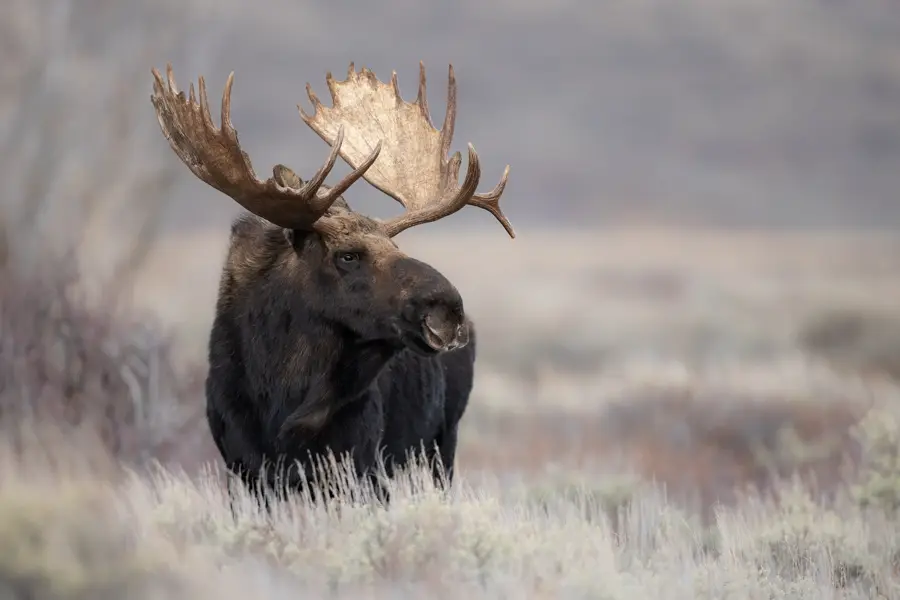
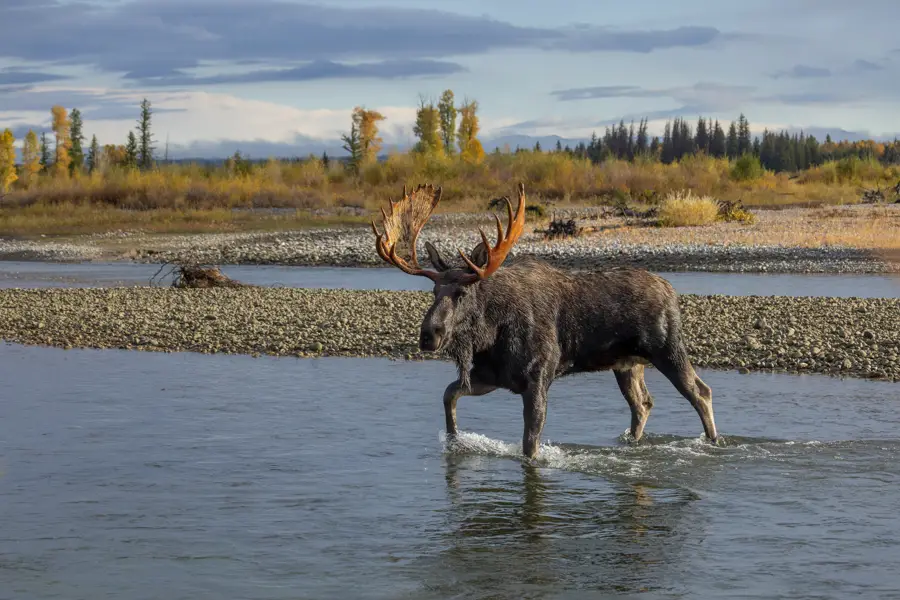
    Heading further south, you eventually reach your accommodation at Jackson Lake Lodge. After check in, it's time to head east to Oxbow Bend for a late afternoon of wildlife watching along the Snake River. Moose are known to visit this area as they browse on willow and aquatic plants, whilst the gentle flowing waters are an ideal habitat for river otter, beaver, muskrat, osprey, bald eagles and American white pelicans.

    Once the day gives way to night, return to the lodge to prepare for a full day in Grand Teton National Park tomorrow.

    Accommodation: Jackson Lake Lodge, 3-nights

  6. Day 6: Explore Grand Teton National Park

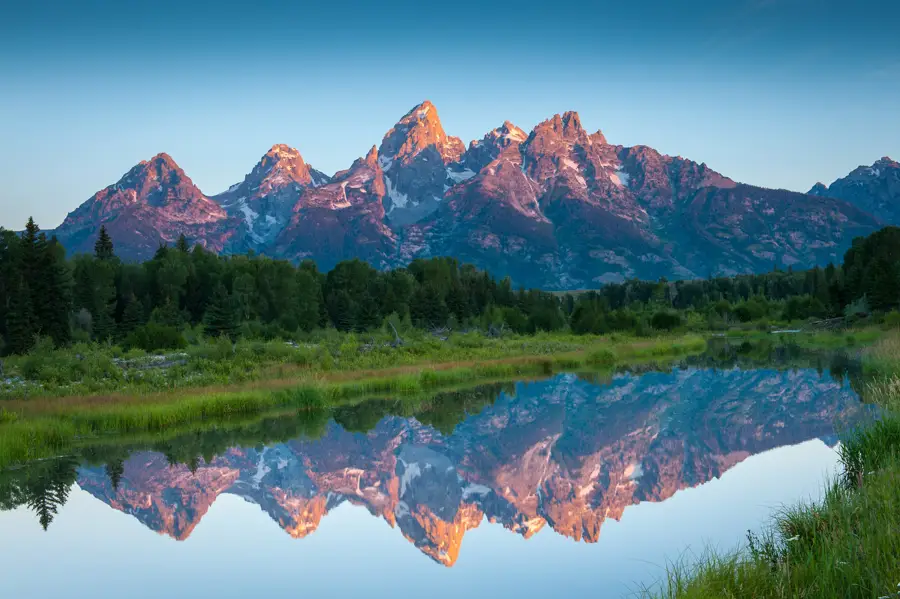
    Wake early once more as you return to Oxbow Bend to watch the sunrise over the majestic Tetons and continue your quest to look for moose and other wildlife.

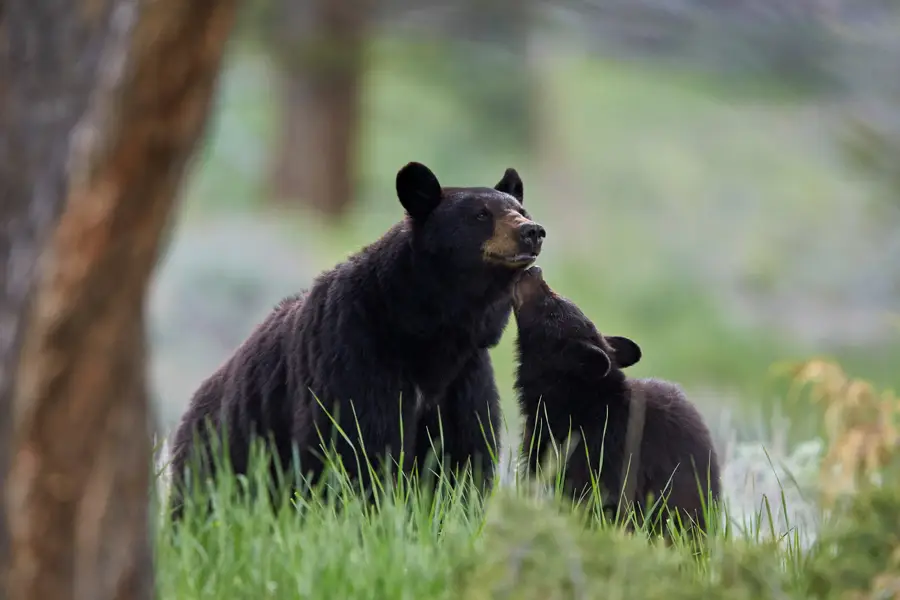
    As the mid-morning approaches, head off for a drive around the national park. Much smaller than Yellowstone, it's easy to drive the loop in a single day with plenty of time for hikes, taking photographs and wildlife watching. Never take your eyes off the road, as you never know when a black bear might cross in front of you, or white-tailed and mule deer are grazing by the roadside.

    If you enjoy hiking, why not take the trail up to Taggart Lake, which provides some of the most spectacular views in the park. The trail is an easy 5-kilometre round trip taking about one-and-a-half hours, and there may even be a chance to encounter grizzly bear. However, if a drive to a lookout point is more your style, then follow the road up Signal Mountain to enjoy panoramic views from the summit and search for birdlife with your binoculars or spotting scope.

    Spend the evening on Gros Venture Road to the south-east of the park, whilst keeping your eyes on the Gros Venture River. This is another favourite spot for moose and beaver, whilst elk are also regularly seen along this road.

    Once darkness descends, return to your lodge.

  7. Day 7: Sunrise in Grand Teton & Return to Yellowstone

    This morning, head to Schwabacher Landing for sunrise as the soft pink light on the Tetons reflects off the Snake River. Moose are occasionally known to visit the area, creating a beautiful image as they wade into the river with the remarkable mountain backdrop.

    It may also be worth another venture down Gros Venture Road, just a short distance away, to see if any wildlife is present before you begin a long journey to the north-east of Yellowstone National Park, where you find the legendary Lamar Valley.

    Lamar Valley is known as the Serengeti of North America, with its wide-open lush hillsides providing excellent grazing grounds for bison and elk, the primary prey of the grey wolf. Wolves take centre stage in this valley, whilst grizzlies are also reliably seen, and black bears can often be found in the wooded areas close to the roads.

    As evening sets in, continue along the north-east road to your accommodation just outside the park in Cooke City.

    Accommodation: Elk Horn Lodge, 3-nights
  8. Day 8: Search Lamar Valley & Return to the Grand Canyon of the Yellowstone

    Entering the park before sunrise, you once again scan the Lamar Valley for wolves whilst witnessing huge herds of bison. As you watch from one of the designated lookout points, you'll no doubt feel like you're being watched. A quick glance at the ground in front of you may reveal Uinta ground squirrels staring back at you from the tall grass.

    As the sun rises higher, make your way back towards the Grand Canyon of the Yellowstone, where you can experience some different viewpoints to the first time around. Today, visit the South Rim where you can view the Upper Falls via a short walk from the Uncle Tom’s Point car park, or take a short one kilometre round trip to Sunset Point. At the car park at the end of South Rim Drive, you'll be just a 5-minute walk from one of Yellowstone’s most iconic viewpoints, Artist Point, which looks straight down the canyon to Lower Falls. 

    Spend the afternoon back at the Lamar Valley, monitoring the meadows and hillsides for any signs of wolves whilst keeping an eye on their prey species. Wolf pups generally emerge from the den around May, and whilst they develop, the pack often stay close to the den — if they're denning in the area, your chances of finding them are greatly increased.

    As night rolls around, return to Cooke City for a restful night's sleep.

  9. Day 9: Explore Lamar Valley & Hike Mount Washburn

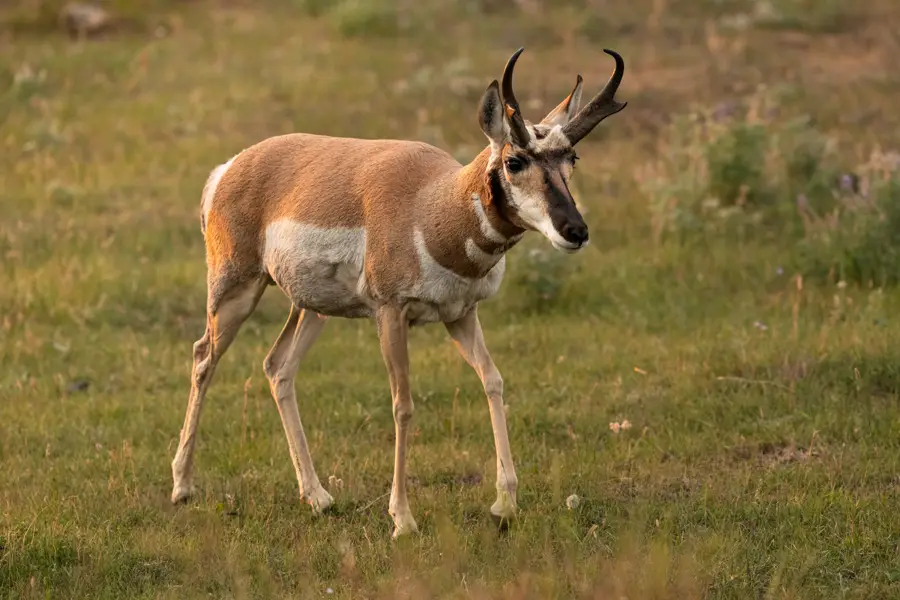
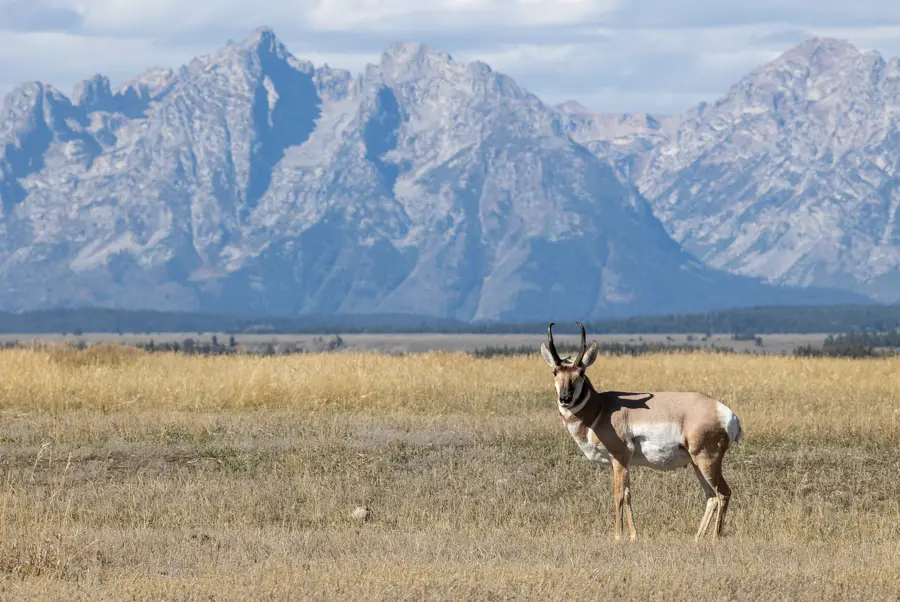
    Your penultimate morning continues on the same theme, searching for the wolves and bears of Lamar Valley along with pronghorn. Pronghorn are the second-fastest terrestrial mammal on Earth after the cheetah, reaching speeds in excess of 96 kilometres per hour. Golden eagles are also present, and can be seen surveying the valley from above as they plot their next meal.

    Following a morning wildlife watching session, head back in the direction of Canyon Village and park at the start point of the Mount Washburn Trailhead, near Dunraven Pass. The trail is a 10.94 kilometre round trip of moderate difficulty with an elevation of 426 metres, and takes around four to five hours to walk. This is a great area to find some species you likely won’t have seen yet, such as bighorn sheep, yellow-bellied marmot and pika. Grizzly and black bears are also frequent the hillsides, as well as non-native mountain goats.

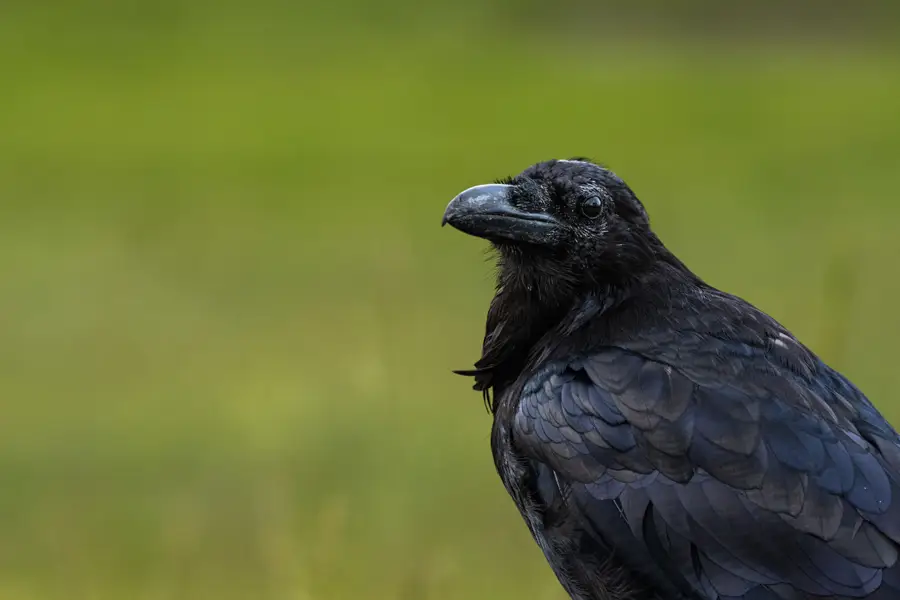
    Return to Lamar Valley in the afternoon for another opportunity to search for wolves. These wonderful canids share an interesting mutualistic relationship with common ravens, whereby the avians act as aerial scouts locating injured prey and hidden carcasses. If one if found, they then signal the wolves by circling and vocalising. The wolves return the favour by allowing them to feed on the carcasses, which often the birds could not penetrate on their own.

    As the day draws to a close, return to Cooke City for your last night on the outskirts of Yellowstone.

  10. Day 10: Depart Yellowstone

    Today you have one final opportunity to explore the Lamar Valley for bears and wolves in the morning, before beginning your return journey back to Bozeman, via Mammoth Hot Springs. Once you arrive at Bozeman Yellowstone International Airport, return your hire car and proceed to check in for your onward travel.
  11. Day 11: Arrive UK

Key info

Our trip ideas are offered to inspire you and can be tailored to suit your requirements.
  • Duration and price including flights from/to UK: 11 days from £3,595 pp
  • Duration and price excluding international flights: 10 days from £2,595 pp
  • Trip type:
    Tailor-made Holiday
  • When to go: May-Oct
  • Included in the price/package:
    • 1 night hotel in Bozeman
    • 3 nights at Canyon Lodge & Cabins
    • 2 nights at Jackson Lake Lodge
    • 3 nights hotel in Cooke City
    • Car hire
  • Activities available:
    • Nature drive
    • Photography
    • Walking
Featured locations:

Yellowstone National Park

Yellowstone National Park

Yellowstone National Park is dominated by its forest covered mountains and, because of its location on the North American plate, also experiences volcanic activity in the form of geysers, of which Old Faithful is the most famous. This relatively unique geography has attracted over 60 different animal species. Find Out More about {acc:title}

  • Where: Wyoming
  • Ideal for viewing: American black bear, brown bear, elk, grey wolf, puma
  • Excellent for: Photography tours With Nick Garbutt, Bear watching, Wolf watching

Grand Teton National Park

Grand Teton National Park

The Teton Range dominate the park’s skyline, rising to over 4,000 metres. Plains are dusted with wild flowers and streams cascade down rocky canyons to crystalline lakes. Home to the National Elk Refuge, the park offers stunning mountain scenery and a range of wildlife that includes bison, coyote and black bear. Find Out More about {acc:title}

  • Where: Wyoming
  • Ideal for viewing: American black bear, elk, grey wolf, lynx, moose
  • Excellent for: Bear watching

Lamar Valley

Lamar Valley

The Lamar Valley is located in the remote northeast corner of Yellowstone National Park, and is one of the best places to view wolves, as several packs live here. These isolated rolling grasslands become a blanket of long grass meadows during the summer months, but are virtually inaccessible during winter. Find Out More about {acc:title}

  • Where: Wyoming
  • Ideal for viewing: elk, grey wolf, Canada goose, bighorn sheep, bald eagle
  • Excellent for: Wildlife photography, Photography tours With Nick Garbutt, Wolf watching