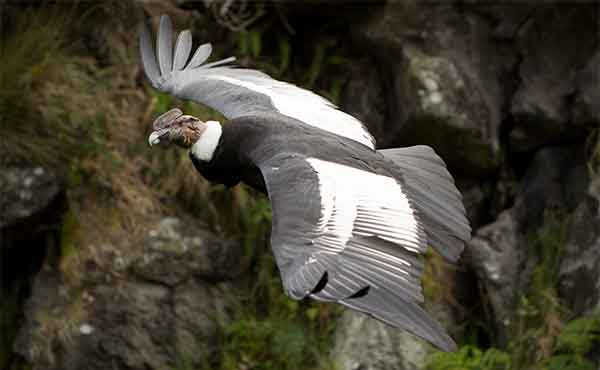
Nestling at the foot of Antisana volcano, Papallacta’s scenery is spectacular with rocky peaks and a vast sweep of bleak páramo above the tree line. At Antisanilla you can see an impressive lava flow and a deep canyon where Andean condor are regularly sighted. Gentians and orchids surround the many lakes.
Find Out More
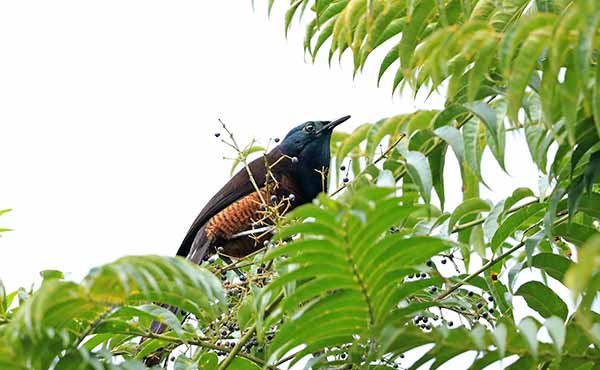
The Mount Hagen area is the home of the Melpa people, a people with a strong culture, who still live largely traditional subsistence lifestyles. From the lowland rainforest to alpine grasslands, it is a land of colour and vibrancy and one of the best places to see Papua New Guinea’s birds of paradise.
Find Out More
Not far from San Jose, this national park preserves a pristine rainforest full of tropical plants, waterfalls and wildlife. Over 340 bird species have been recorded. The highlight is a ride on the famous rainforest aerial tram, from which you can look down into the forest canopy. There are also several walking trails.
Find Out More
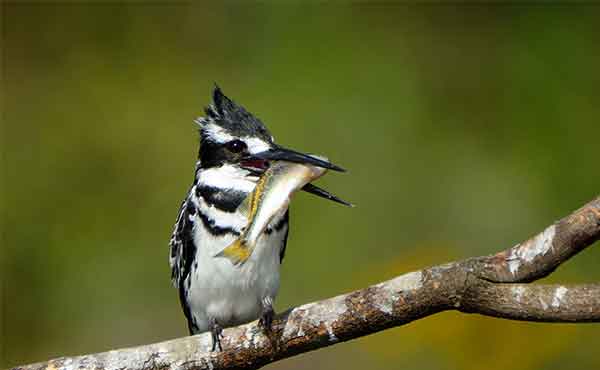
The highest and purest of the Great Rift Valley’s lakes, Naivasha offers outstanding birdwatching, with more than 400 species recorded. It supports a variety of other wildlife, including a good population of hippo, and its lush vegetation provides a perfect setting for Joy Adamson’s house.
Find Out More
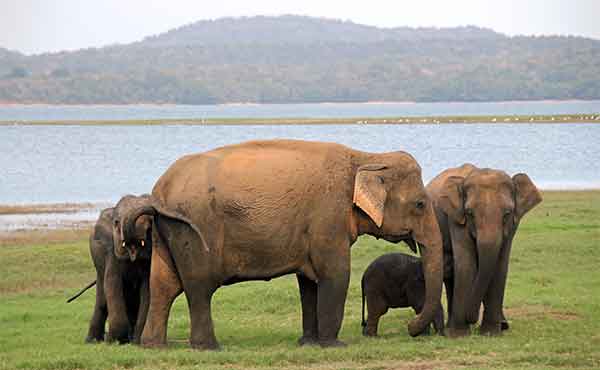
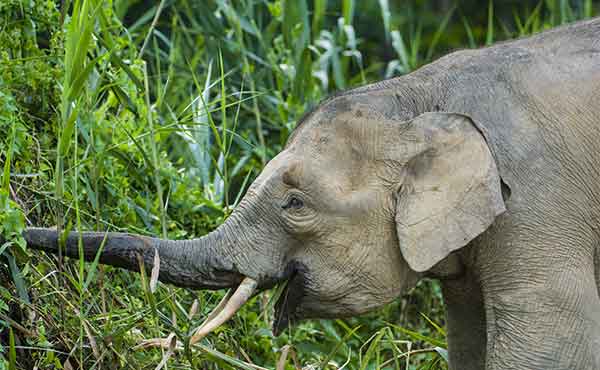
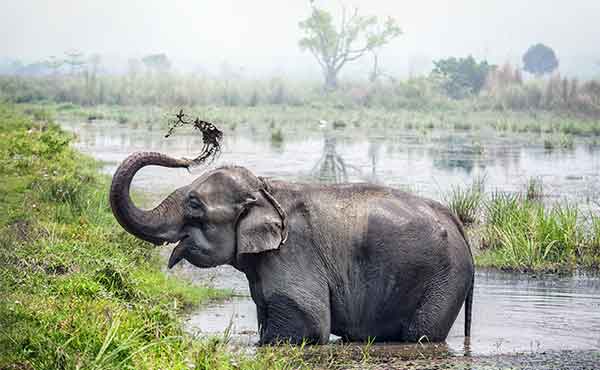
Located between Habarana and Polonnaruwa, Minneriya National Park consists of mixed evergreen forest and scrub areas. The central feature is the ancient Minneriya Tank (built in 3 AD), which becomes a magnet for elephants during the dry season, as well as huge flocks of birds that come to fish the shallow waters.
Find Out More
This area of primary forest is considered to be one of the finest birding areas in South America. The varied terrain supports more than 400 species of birds, including the elusive Andean cock-of-the rock. There is a remarkably high number of endemic plants, and orchids, bromeliads and heliconias grow in abundance.
Find Out More
Although Lake Nakuru is relatively small, it is known for one of the greatest bird spectacles on earth – thousands of fuschia-coloured flamingos. Over 400 species of birds are found here, and the surrounding national park is famous for its sizeable population of rhinos and the rare Rothschild’s giraffe.
Find Out More
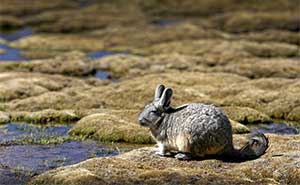
This spectacular northern area of dry, high altitude grassland plain and giant volcanoes supports many plants and a few mammals. Temperatures oscillate between -10°C at night and 20°C by day, and rainfall here is rare. This is one of the best parks in Chile for birding, with many species living around the lakes.
Find Out More
Liuwa is a pristine wilderness. Its wooded areas offer excellent birding, especially during the October rains when the remote grasslands are a carpet of wild flowers. And the rains bring herds of wildebeest, mingled with zebra, from across the Angolan border for Africa’s second largest migration.
Find Out More
Selous Game Reserve is the largest wildlife sanctuary in Africa. Its vast tracts of wilderness contain perhaps the greatest concentration of big game on earth, sustained by the waters of the Rufiji River whose tributaries form a network of lakes and lagoons to help create a home for a bewildering array of birds.
Find Out More
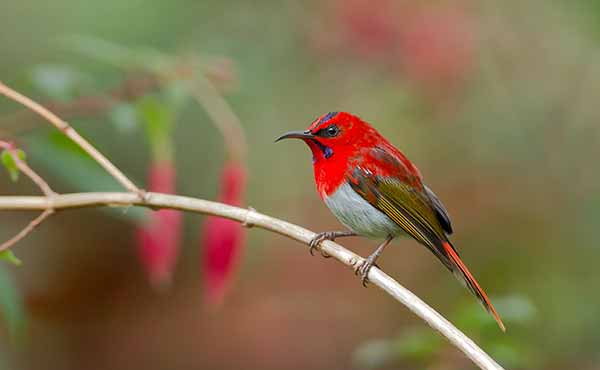
Kinabalu National Park is dominated by the peak of Mount Kinabalu, and is probably one of the most important biological sites in the world. It harbours a remarkable botanical diversity with as many as 6,000 species of flora and fauna, over 600 species of butterflies, 320 species of birds and 100 species of mammal.
Find Out More
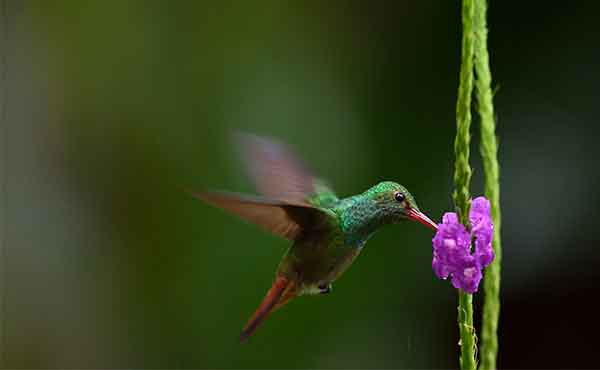
Surrounded by rainforest, the little visited savannahs of this tableland are of enormous ecological importance, and attract many hummingbirds. Situated at the heart of South America, the red sandstone cliffs give the landscape its characteristic appearance, with canyons, caves and waterfalls.
Find Out More
The Kinabatangan River snakes through Sabah’s lowlands for 560kms to reach the Sulu Sea. Along its length, a river safari will reveal a mosaic of riparian forest, oxbow lakes, nipah swamp and mangroves which supports a wide variety of mammal and birdlife who have grown surprisingly tolerant of human presence.
Find Out More
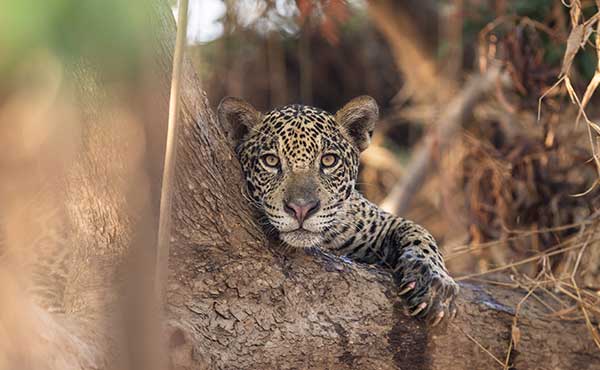
This ecological paradise is the world’s largest wetland, with 124 mammals (including the world’s largest jaguars), 177 reptiles, 1,100 species of butterfly, and a myriad of birds, brightly coloured flowers, and shoals of fish. There are significant differences between the north and south; we recommend visiting both.
Find Out More
The lakeside city of Kandy boasts a wealth of treasures, and is a place of pilgrimage for Buddhists. Surrounded by hills, lush, valleys, rivers, lakes and waterfalls, its forests and the surrounding Udawattakele Forest Reserve are home to endemic birds. The nearby Paradiniya Botanical Gardens house 4,000 plant species.
Find Out More
This immense wetland in the north of the country – nicknamed the Argentine Pantanal – is almost twice the size of Florida’s Everglades. Accessed via the town of Mercedes, the maze of islands, lagoons, streams and marshland create a perfect habitat for mammals, reptiles and over 400 species of birds.
Find Out More
The forested Anamalai Hills contain one of Tamil Nadu’s most beautiful reserves. Its steep slopes are covered with deciduous jungle and bamboo thicket, where sightings of gaur, elephant and leopard are common. The birdlife is also prolific, with over 300 species. You can join a game drive or walk with a guide.
Find Out More
This stunning coastal landscape includes cliffs, rocky islands, wetland and mangroves. The offshore islands protect seabird sanctuaries where visitors are not allowed, however with binoculars you can watch them from the shore. Guayabo has the largest of Costa Rica’s four known brown pelican nesting sites.
Find Out More
This vast rainforest east of the Andes protects more species of plant and mammal than any area of similar size. It is home to an astonishing repertoire of wildlife, including 15% of the world’s bird species. There are over 100 species of mammals, and a network of rivers, steams and lakes to explore by boat or canoe.
Find Out More
Corbett National Park lies at the base of the Himalayan foothills and it is this picturesque location that results in a rich variety of habitats from lush green forests to high valley ridges, sustaining a good population of mammals, including tigers and exceptional birdlife with over 620 species recorded.
Find Out More
Nepal’s foremost national park lies in the sub-tropical lowlands of the Terai. The former royal hunting reserve consists of sal forest and riverine jungle on the floodplain of three rivers, and with over 350 bird species and many mammals contains a greater variety of wildlife than any other area in the country.
Find Out More
From the high mountain peaks down to the Pacific on the west and Amazon Basin on the east, the opposite slopes of the Andes form very different, yet diverse and ever-changing forest ecosystems. Both eastern and western slopes provide fascinating habitat for a great variety of birds and mammals.
Find Out More
For a fitting finale to any trip in Costa Rica, take the scenic flight to the remote beautiful Osa Peninsula, on the Pacific Coast. It is a natural paradise with a remarkable species count. You can stay at either a rustic lodges or a tented camp on an idyllic beach amidst lush tropical splendour, surrounded by wildlife!
Find Out More
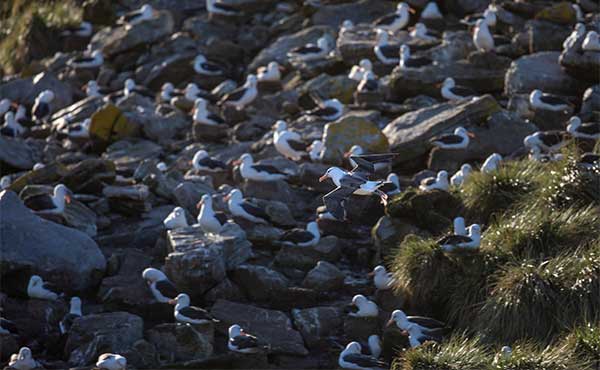
Named after the survey vessel on which Horatio Nelson served, the island avoided introducing cats and rats, therefore the wildlife has no predators and are approachable. Devil’s Nose is home to 2,000 breeding pairs of blackbrowed albatross and 500 pairs of rockhopper penguins, an amazing sight.
Find Out More