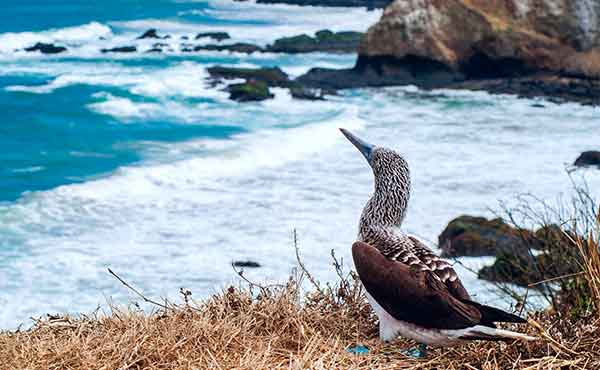
This Pacific Coast park became a Ramsar site in 1990, when recognized as a vital wetland. One third is ocean, a breeding ground for humpback whales, while the islands provide feeding areas for sea birds such as frigatebirds and boobies. On land you will find tropical dry forest, fog forest and coastal scrub desert.
Find Out More
This reserve is thought to be one of Central America’s finest protected areas. Weather from the Caribbean and Pacific creates a cloud forest ecosystem that is home to over 100 species of mammal, 400 birds, tens of thousands of insects (including 5,000 different moths) and 2,500 plants (including 420 varieties of orchid).
Find Out More
Also home to the flamboyant Huli people, the Tari Valley is a utopia of pristine, mid-montane jungle, a birdwatcher's paradise! An eiderdown of interlocking tree tops, with splashes of colour from high altitude orchids. Nature trails take you across traditional vine bridges, tracing clear mountain streams to secluded waterfalls.
Find Out More
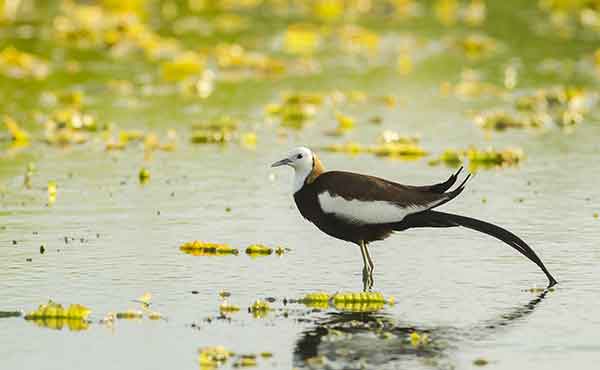
Koshi Tappu Reserve is Nepal’s top birding destination. In the shadow of the mountain of Makalu, it consists of the floodplain of Sapta- Koshi, the country’s largest river, a dammed expanse of open water and a patchwork of marsh, lagoon, sandbank and mudflat. It is one of North Asia’s finest wetlands.
Find Out More
The mountains of the Pyrenees form the natural border between France and Spain. Stretching for 491 kilometres from the Bay of Biscay to the Mediterranean, the range separates the Iberian Peninsula from the rest of Europe, offering great opportunities to see wildlife and various outdoor activities.
Find Out More
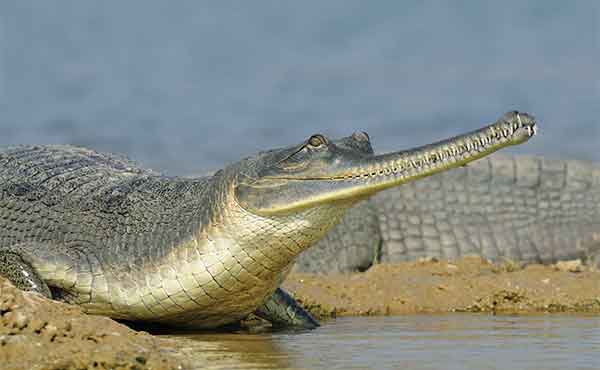
This beautiful sanctuary was established in 1979 along a vast stretch of India’s Chambal River. Numerous ravines, the product of centuries of soil erosion by flood and rain water, line its banks. The cliffs and vegetation shelter numerous birds, mammals and reptiles, and the river is one of India’s most pristine.
Find Out More
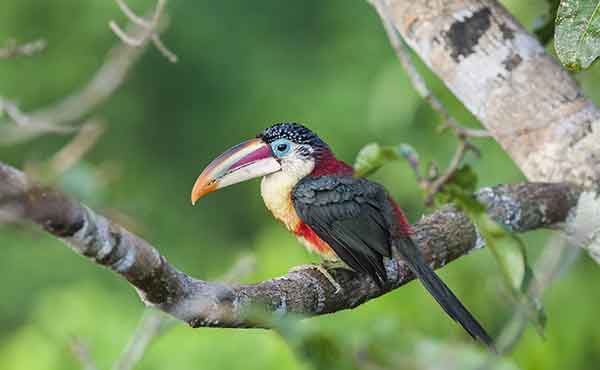
The basin of the world’s largest river contains its oldest tropical forest and most diverse ecosystem, with at least 40,000 plant species, and a variety of wildlife. The lodges offer outings on foot and by canoe to explore the rainforest. Alternatively a riverboat voyage can take you deeper into the rainforest.
Find Out More
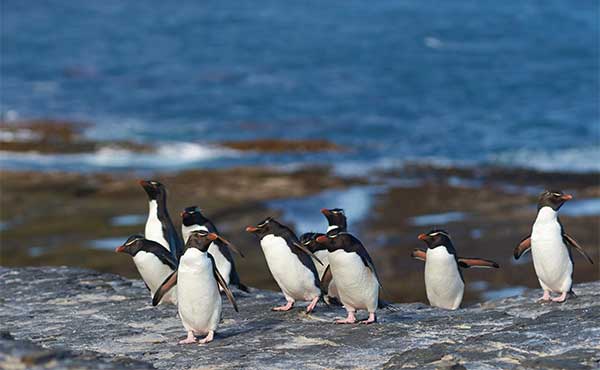
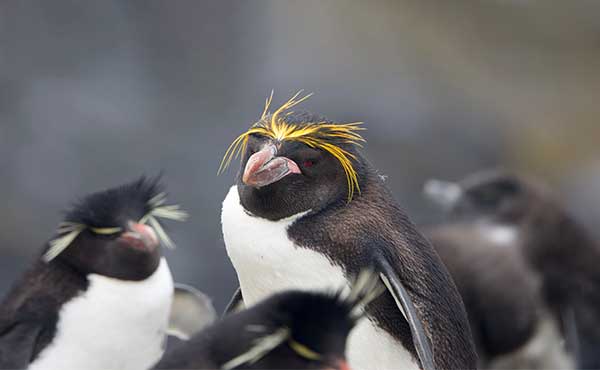
This isolated, low-lying island off the south-east coast of East Falkland has wide sandy bays and sheltered coves – it is small and flat, so walking between bird colonies is easy. Of interest is its large colony of rockhopper penguin (over 750 pairs), and its many pools are home to large numbers of waterfowl.
Find Out More
One of the largest islands in the West Falklands, Pebble Island combines grassy plains and wetlands in the east with moorlands and mountains in the west. Its sandy beaches and rocky cliffs provide shelter to sea lions and penguins – with all five breeding species seen here.
Find Out More
Walawe Reservoir and Udawalawe National Park comprise an area of open plains and hills at the foot of the Kaltota Escarpment. The park is good for elephants with herds of 50 to 60 individuals regularly seen and game drives are in open-top jeeps, accompanied by local wildlife guides.
Find Out More
Situated on the west coast of Trinidad, this so-called swamp is the second largest mangrove wetland area on the island. Covering an area of more than 5,000 hectares, where the Caroni River enters the Gulf of Paria, it is renowned for the birdlife in its large, pristine mangrove forests.
Find Out More
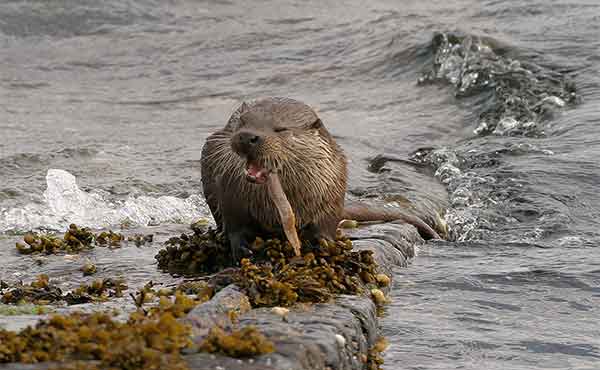
The beauty and charm of this rugged land and seascapes are breathtaking. The region has an astonishing variety of animal and plant life, and the surrounding waters are one of the best places in the British Isles to see marine mammals. The islands are also renowned as a paradise for birdwatchers.
Find Out More
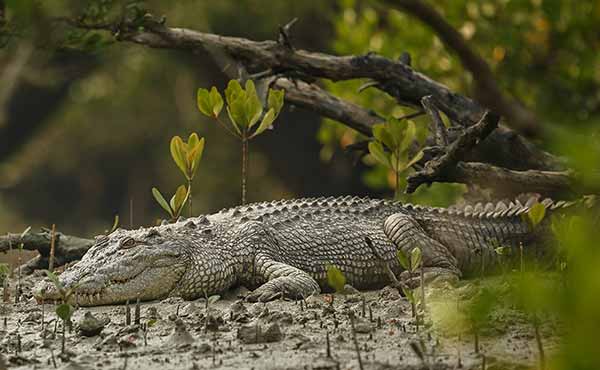
The world’s largest impenetrable mangrove forest covers 10,000 square kilometres of mudflats and tidal waterways in the Ganges Delta. Home to numerous birds and mammals – including over 250 tigers – the Sundarbans offer a unique wildlife experience, as viewing is done either by boat or from hides.
Find Out More
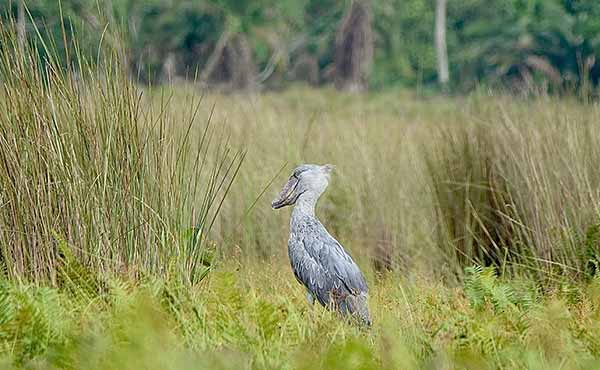
Murchison Falls National Park is renowned for its scenic beauty and abundant flora and fauna including the fascinating, endangered shoebill. Bisected by the meandering Victoria Nile, the river plummets through a narrow cleft in the rocks, resulting in the thundering raw of the powerful Falls.
Find Out More
This reserve occupies more than 122,500 hectares of a peninsula, surrounded by oil-palm plantations. The lowland forest contains many animals, some of which are highly endangered, as well as over 250 bird species. The mineral-rich mud volcanoes attract wildlife and there are many trails to explore.
Find Out More
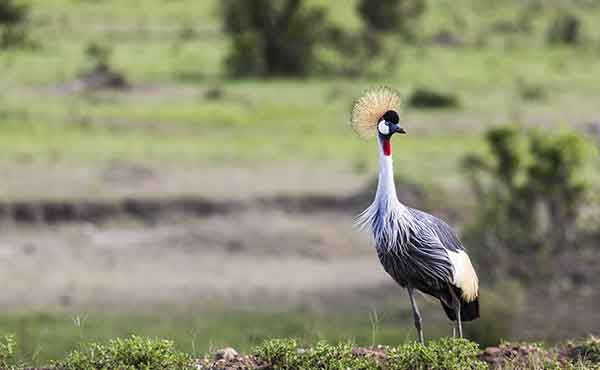
Uganda’s oldest protected area is a 500 square kilometre reserve that lies in the Rift Valley, between the Rwenzori Mountains and Lake Albert. Its diverse habitats of riverine forest, woodland and acacia savannah support a wealth of wildlife, and the area is also rich in birdlife, with some 400 recorded species.
Find Out More
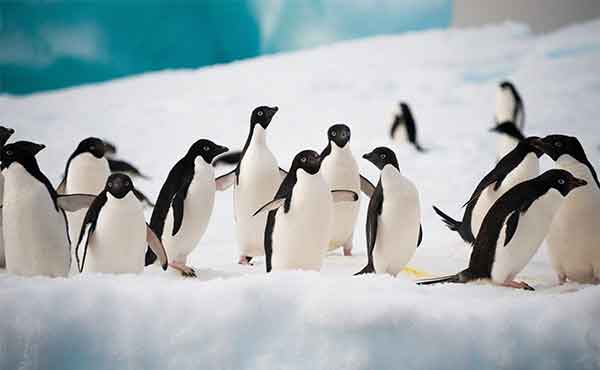
The South Shetland Islands are situated north of the Antarctic Peninsula. Most of the land is permanently glaciated yet, despite the harsh conditions, the islands do support a large variety of seals, penguins – including Adelie and chinstrap - and seabirds – including Antarctic terns and giant petrels.
Find Out More
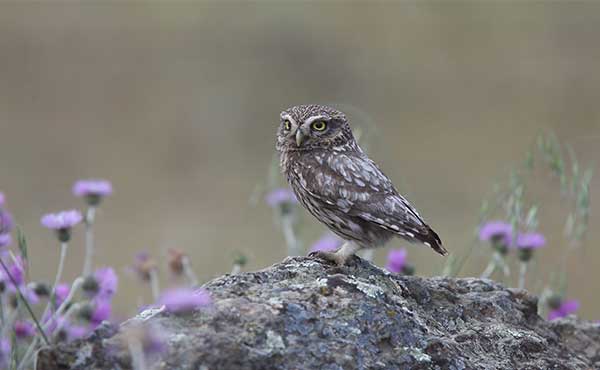
Monfragüe, Extremadura’s only national park, lies at the heart of the province of Cáceres, close to the confluence of the rivers Tajo and Tiétar, which carve out deep gorges as they run through a series of low mountain ranges. The resulting rocky cliffs offer an ideal location for birds to breed.
Find Out More
Sinharaja Forest Reserve is Sri Lanka’s only primary lowland tropical rainforest and is a treasure trove of nature. Its rolling terrain and series of ridges and valleys provide a diversity of habitats and a vast repository of endemic tree species, as well as being one of only a few homes to the blue-faced leaf monkey.
Find Out More
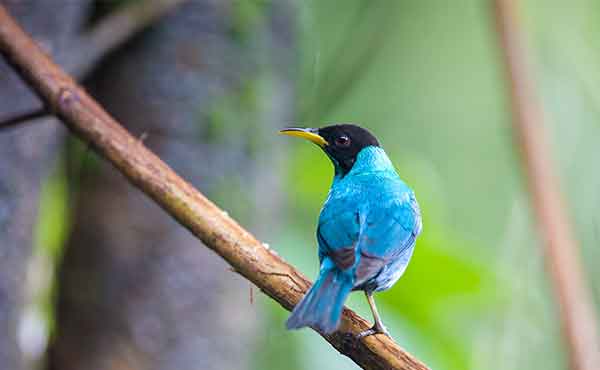
This fascinating lowland area is a good base for exploring Poas Volcano. However the main highlight is La Selva Biological Station, a major research centre for tropical ecosystems. The species diversity here is astounding, with more than 1,850 plants, 448 birds, 70 species of bat and five of Costa Rica’s six felines.
Find Out More
Santiago Island has a narrow, steep-sided point of land, which provides an extraordinarily beautiful landscape with cliffs and rocky pinnacles that create a nesting site for hundreds of marine birds. In the 17th and 18th centuries, pirates used this place to maintain their vessels and replenish their supplies.
Find Out More
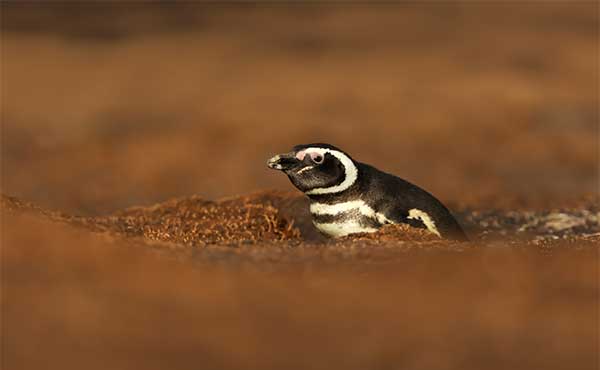
The second largest of the Falklands Islands, Saunders was the site of the first British settlement in 1765. The north is made up of two peaks, divided by a thin strip of sand known as the Neck - home to large colonies of Magellanic and gentoo penguins, and considered one of the best wildlife sites of the Falklands.
Find Out More
Named after the active volcano at its centre, this park protects the dry forest of the northwest, home to over 200 bird species. A short drive from Liberia, it nevertheless receives relatively few visitors, so you can walk its trails, ride horses, or enjoy its hot springs and pools of boiling mud in relative solitude.
Find Out More
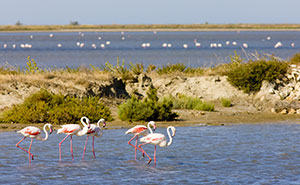
The vast, marshy wetland of the Camargue – one of Western Europe’s most important birding areas – lies at the heart of the delta of the river Rhône. Straddling the migration route from North Africa, it offers a safe haven for many migrants, and a nesting site for large numbers of greater flamingos.
Find Out More