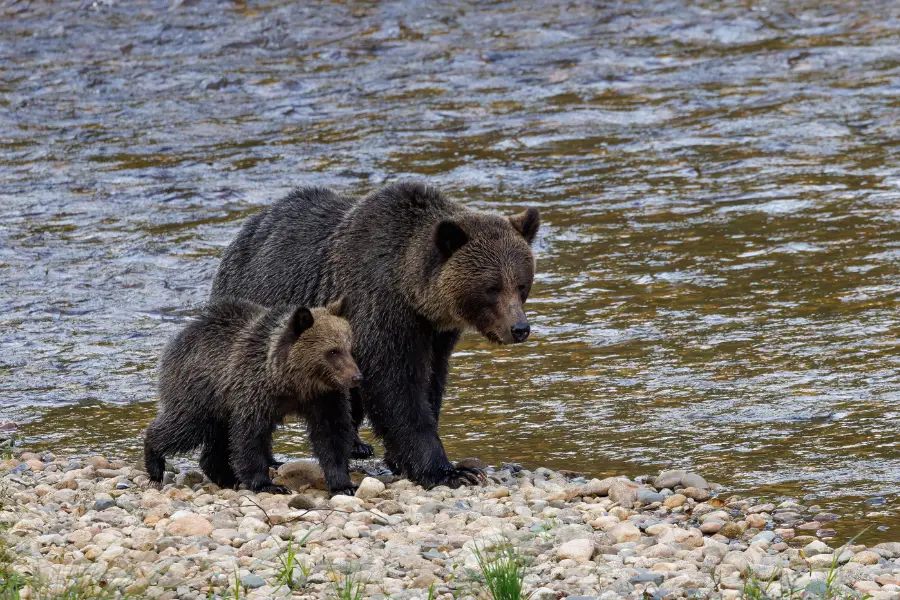
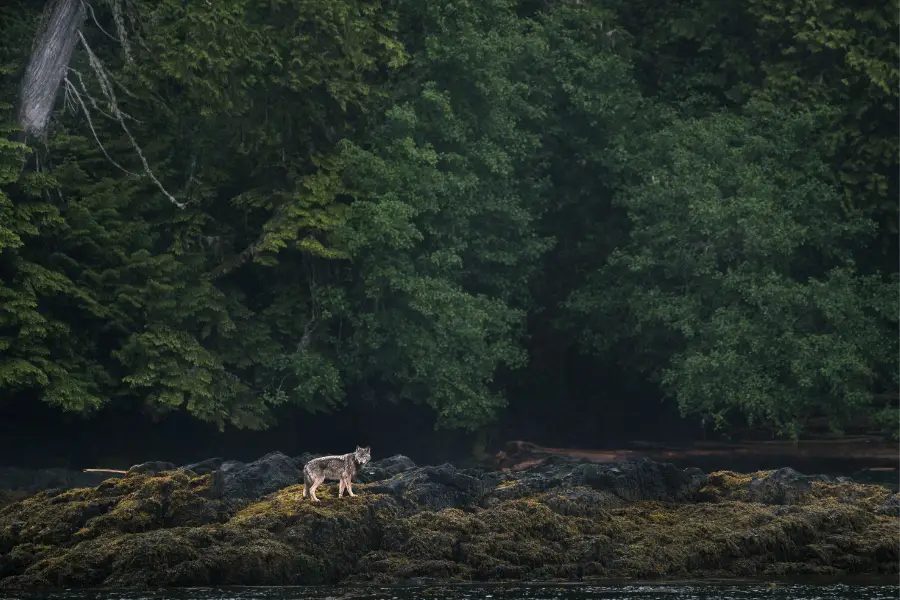
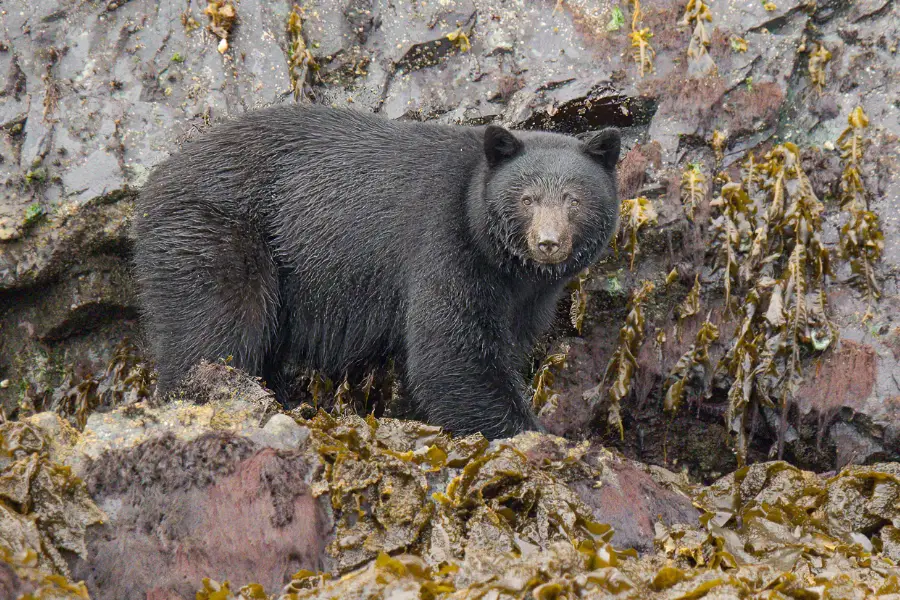
This itinerary has been designed to maximise our chances of encountering two of Canada’s apex predators, and to hopefully photograph them in the spectacular surroundings of the British Columbia coastline.
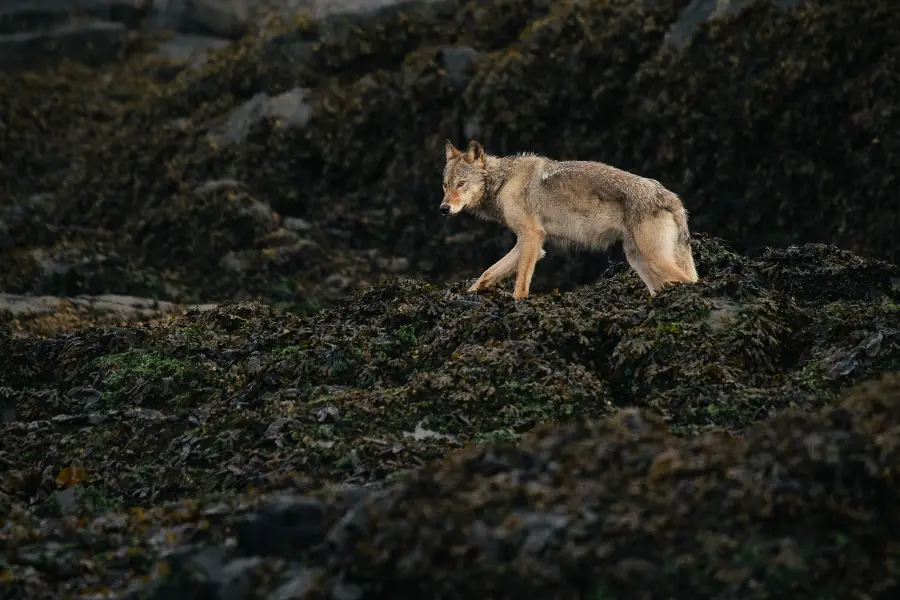
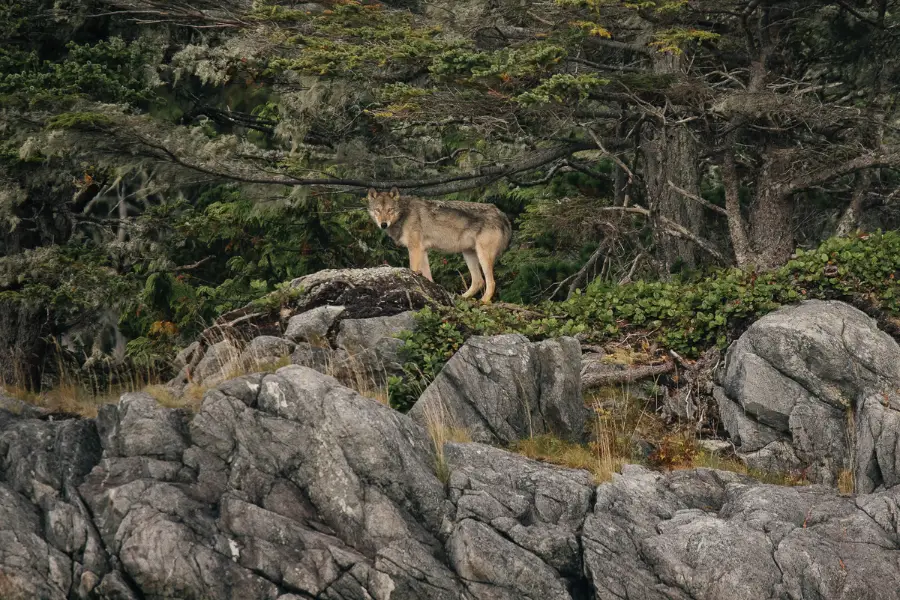
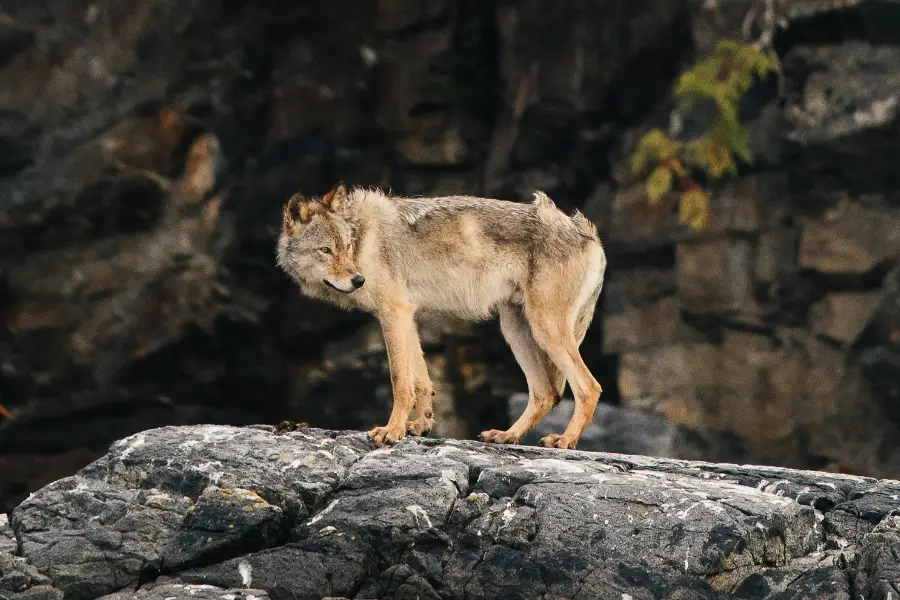
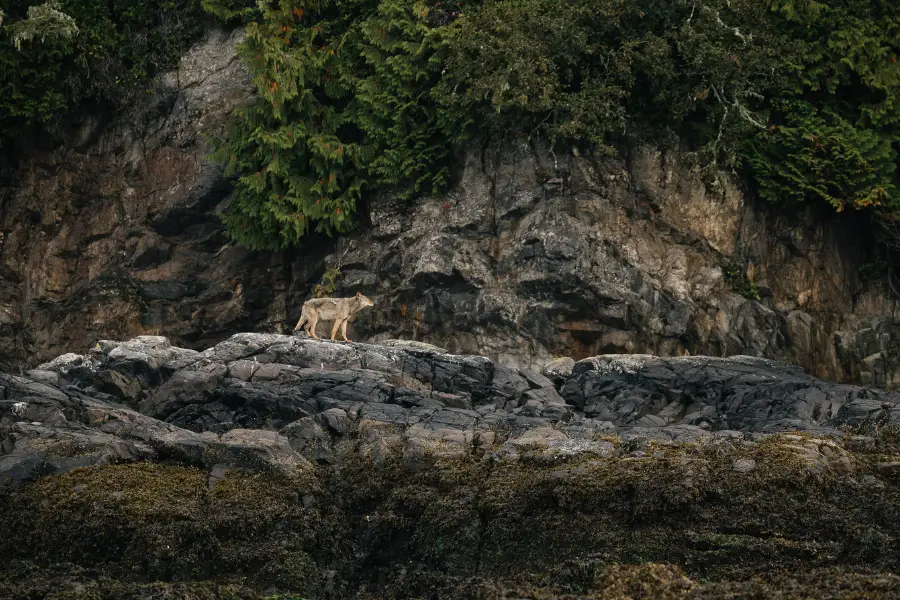
Amongst the islands and rugged shorelines off the northern coastline of Vancouver Island, deep in the traditional territory of the T̓łat̕ła̱sikwa̱la First Nation, a seemingly mythical creature roams the shorelines and lush forests. The elusive coastal wolf.
Smaller than their grey wolf cousins and with notable red tints to their coats, coastal wolves - also known as “sea wolves” - are only found between the coastlines and islands of South-western Alaska and Vancouver Island. Without the larger ungulates that form the main prey of wolves further inland, coastal wolves have adapted to a diet which is understood to consist of 90% marine species. Clams, barnacles, and salmon—even the occasional sea otter, seal or sea lion, can all be prey for coastal wolves.
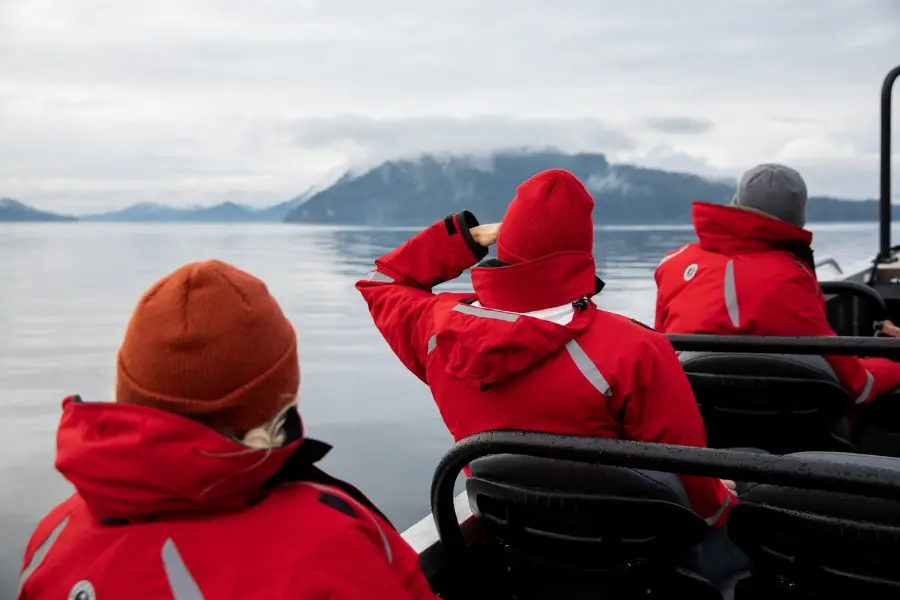
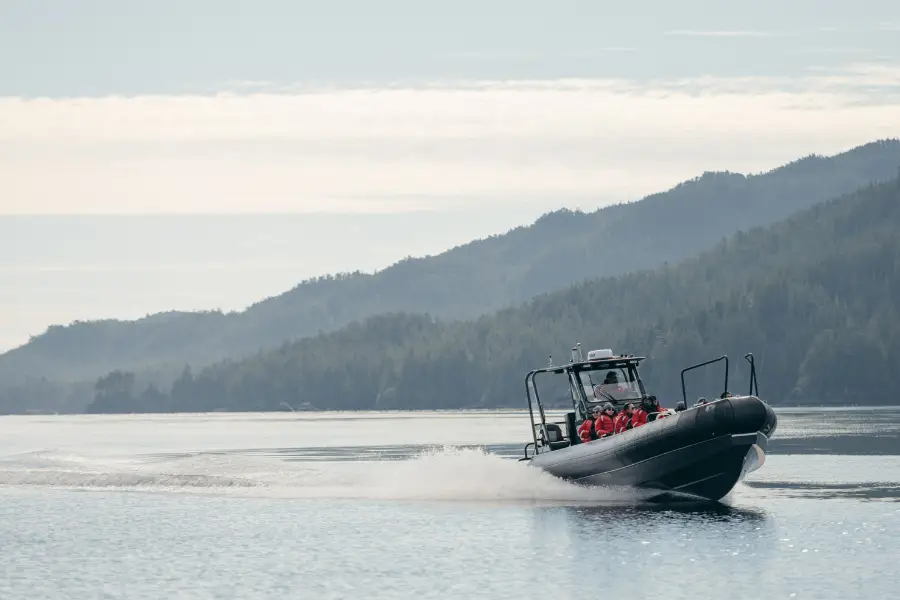
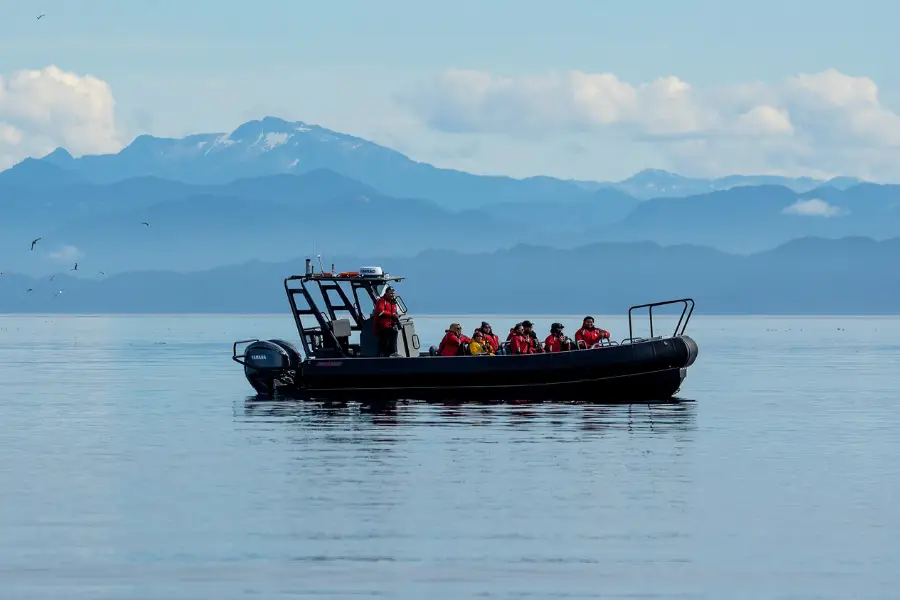
Staying in a remote tented camp on one of the many islands in the Great Bear Rainforest, reached via a comfortable RIB vessel, we spend four nights in the heart of coastal wolf territory to give ourselves the best chance of observing these elusive canines.
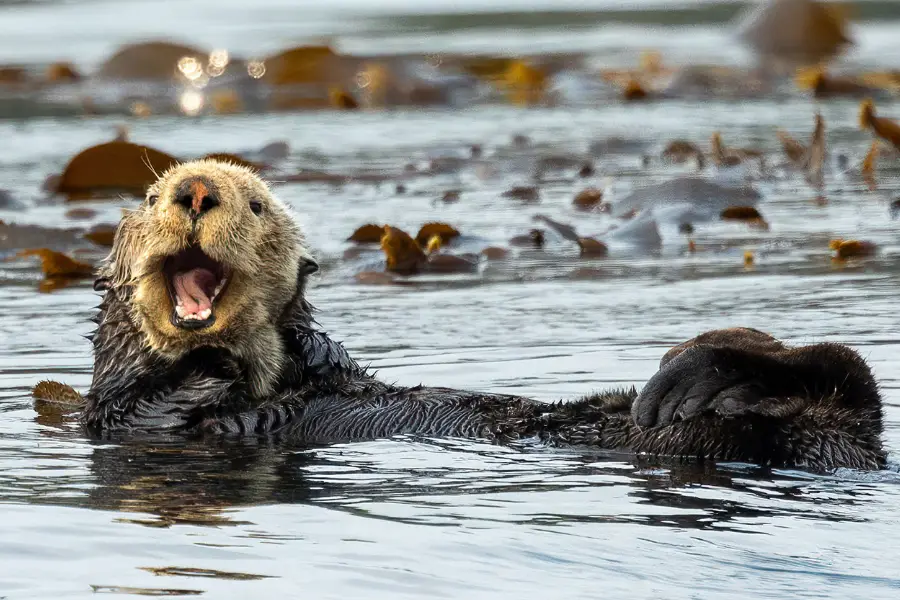
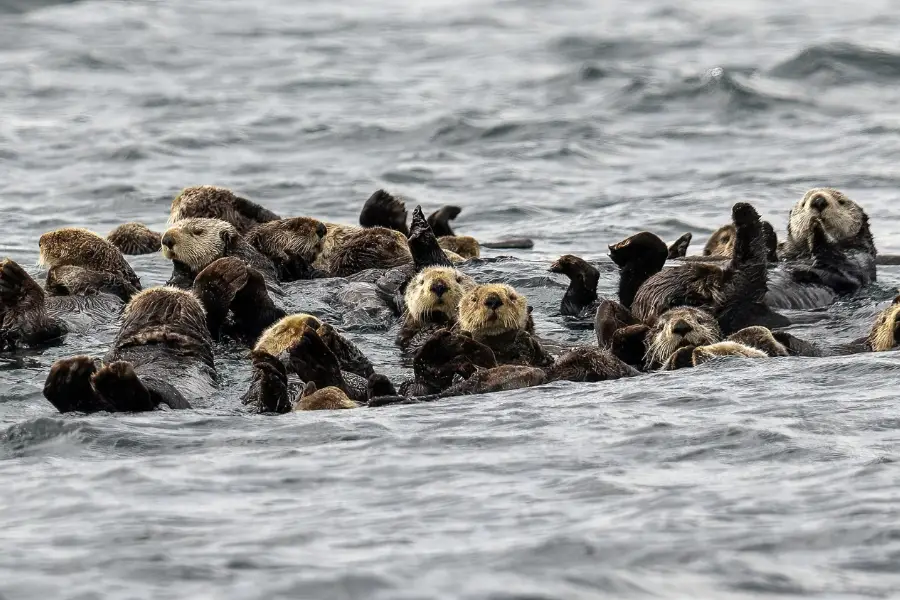
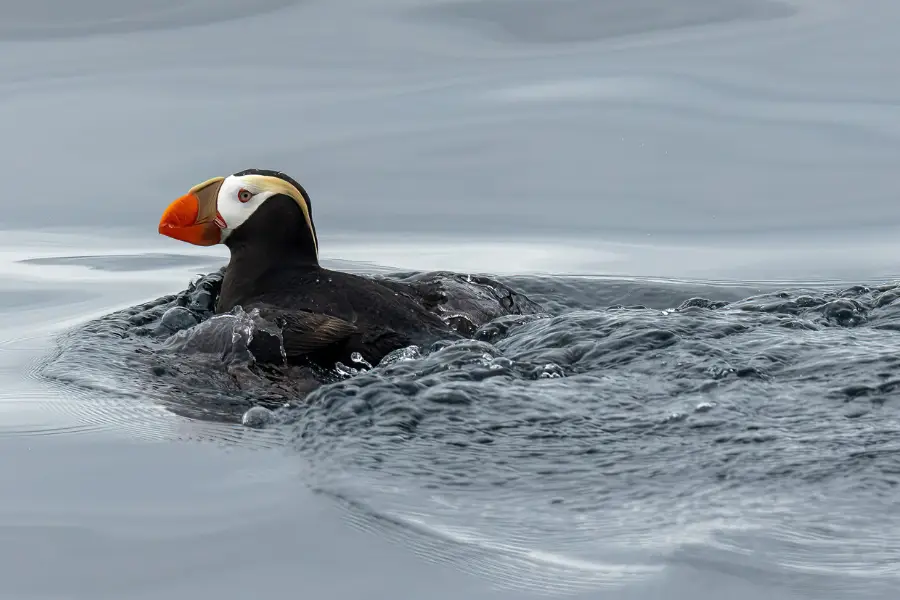
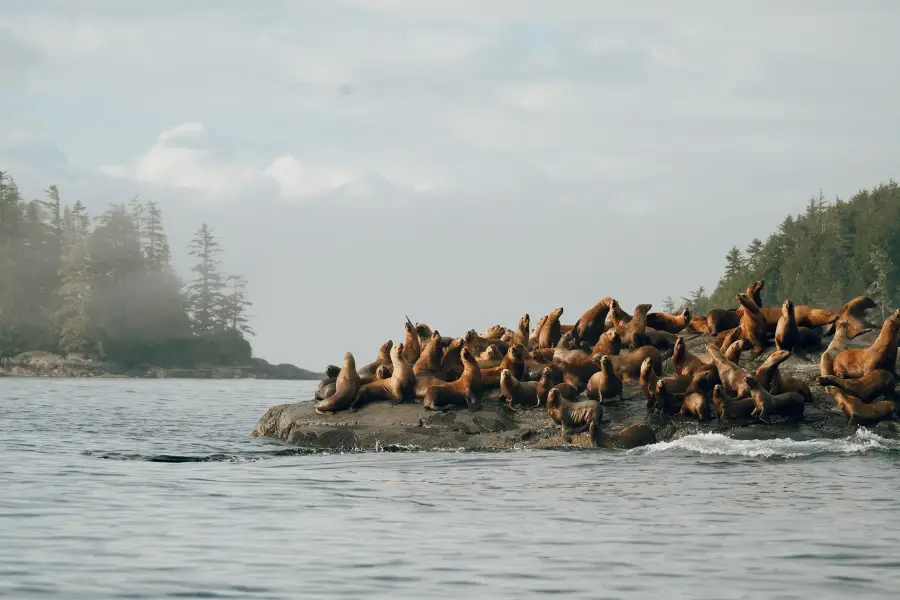
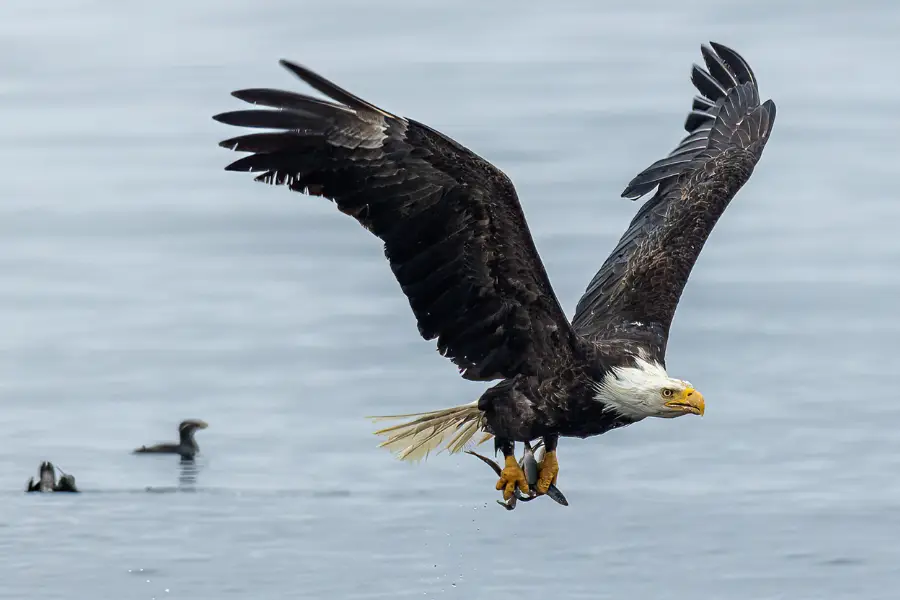
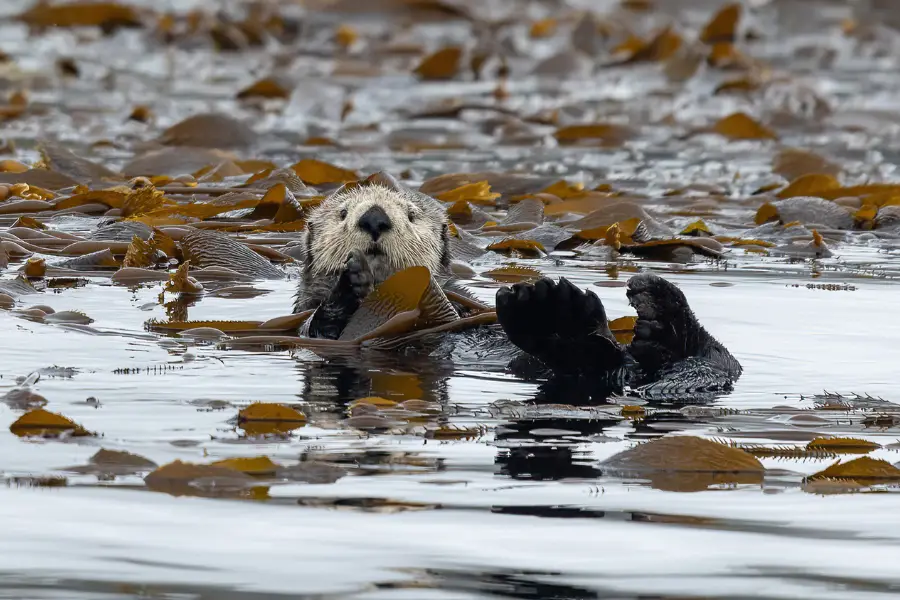
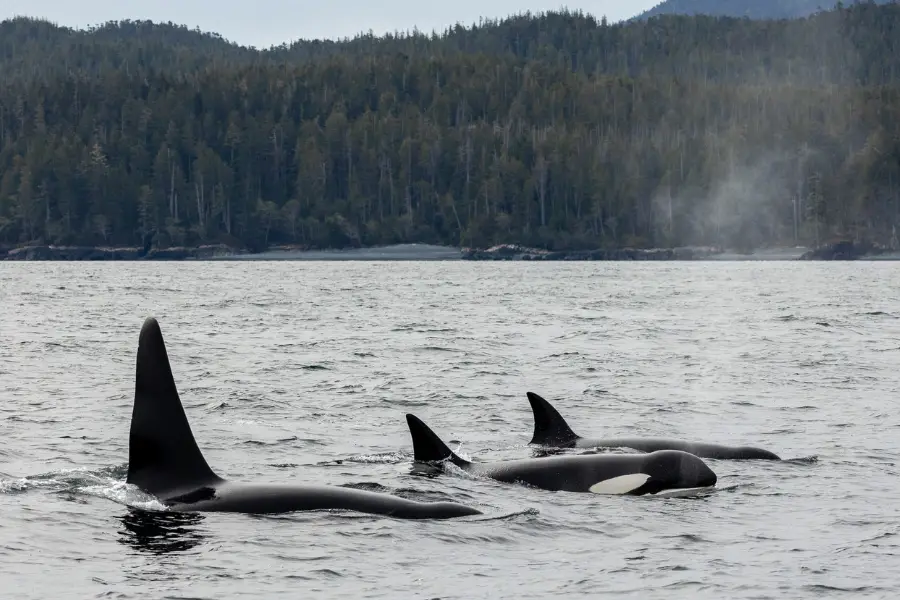
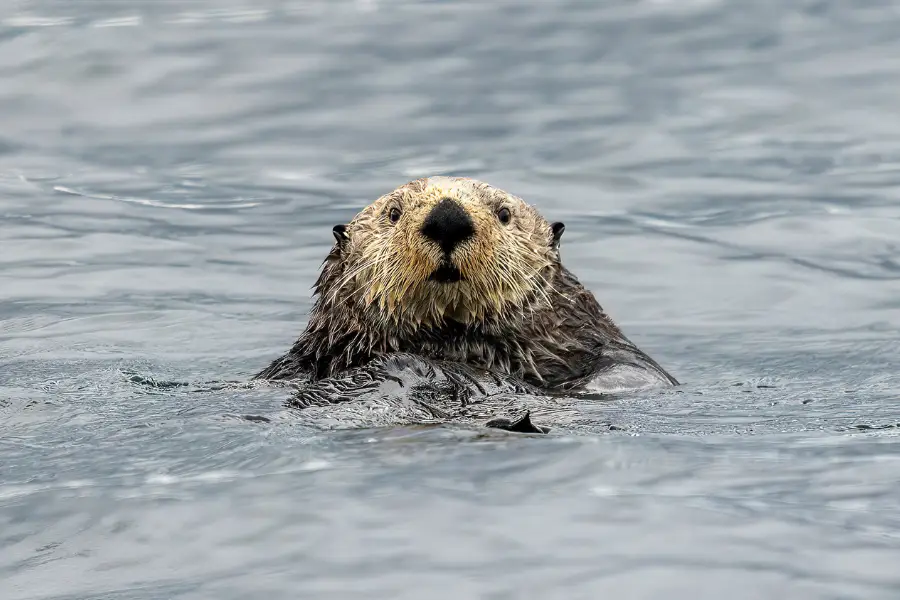
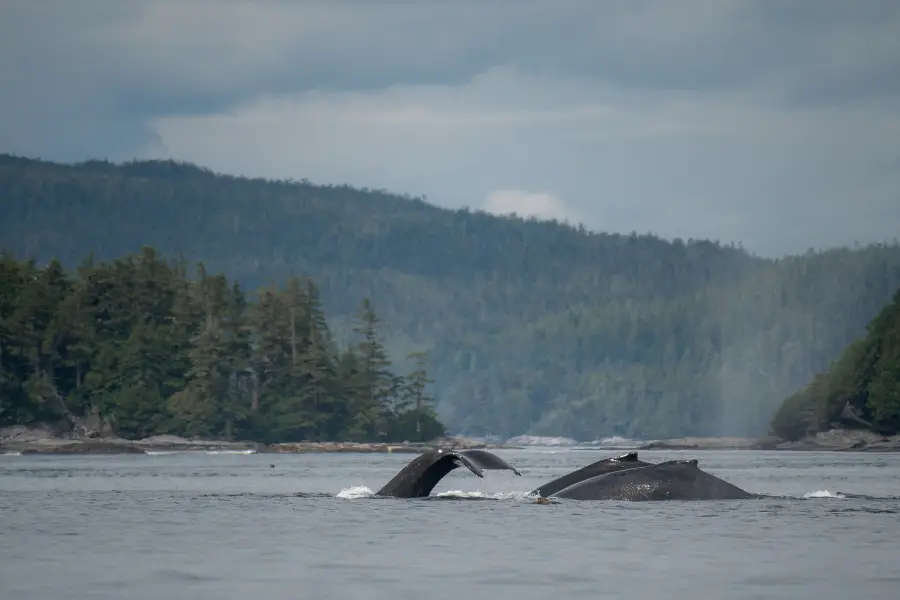
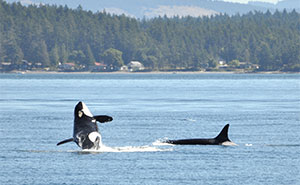
Photographic opportunities for the wolves can't be guaranteed, but we do all we can to try and capture some memorable images of these charismatic creatures. We also spend time enjoying and photographing some of the other evocative species in this region, including sea otters, Steller's sea lions, orca, humpback whales, bald eagles and more, as we navigate the waters around our camp on a private boat.
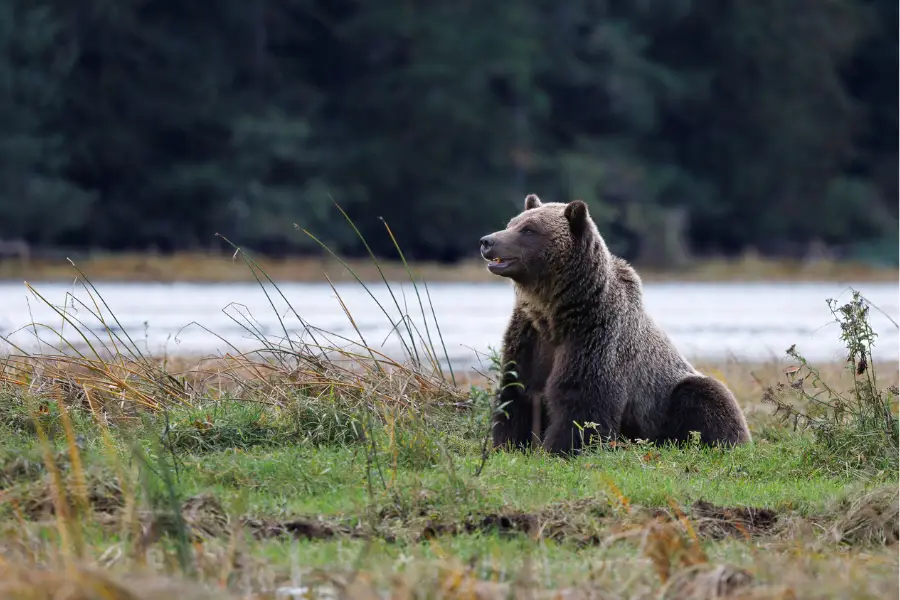
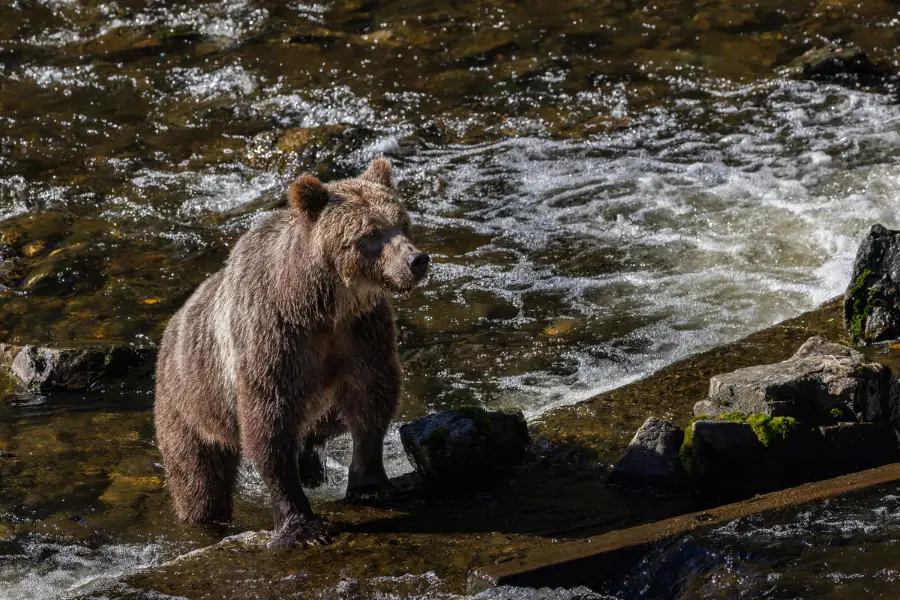
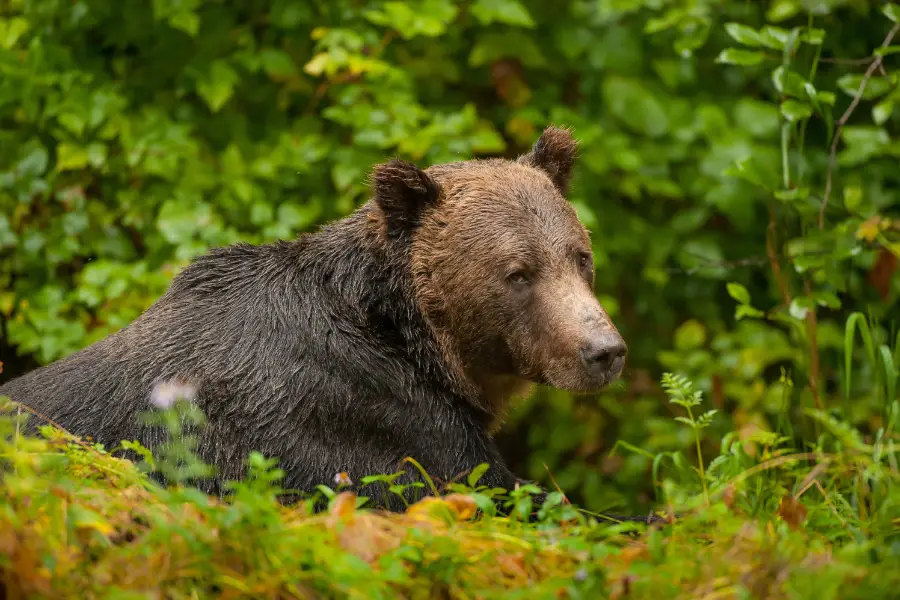
Afterwards, we return to Vancouver Island and stay three nights in Port Hardy, on the island's north-east coast. We then spend two full days on another chartered vessel, heading out to hopefully watch and photograph grizzly bears, in addition to any other wildlife we come across.
This itinerary has been designed to maximise our chances of encountering two of British Columbia's apex predators, and to hopefully photograph them and other remarkable wildlife in the spectacular surroundings of the Great Bear Rainforest and Vancouver Island.
Accompanied throughout by wildlife photographer and team member, Bret Charman, this is certain to be a highly rewarding and unique wildlife adventure.
Typical Itinerary
-
Day 1:
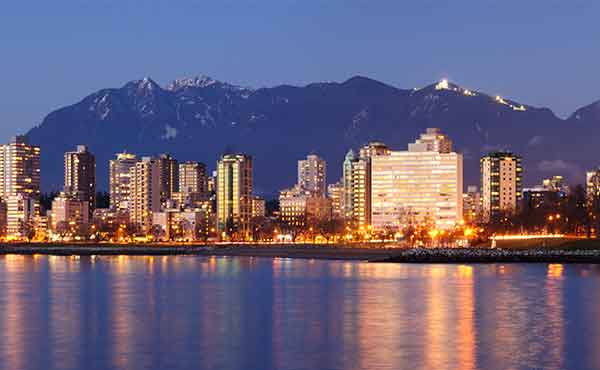
Depart UK & arrive in Vancouver
Today we depart the UK and arrive into Vancouver in the late afternoon. After collecting our luggage, we take the shuttle bus to our nearby hotel.
Accommodation: Holiday Inn Express Vancouver Airport, 1-night
-
Day 2:
Fly to Port Hardy
This morning we make the return journey to Vancouver's airport and this time we catch the domestic flight to Port Hardy on the north-east coast of Vancouver Island.
We land into Port Hardy late in the morning, where we're then met and transferred to our accommodation nearby.
In the evening, we attend a briefing where we go over the plan for the next few days, including the items that we need to pack, and safety procedures.
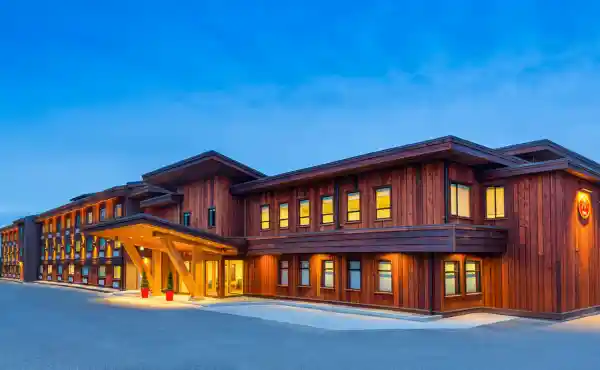
Accommodation: Kwa’Lilas Hotel, 1-night
-
Day 3:
Depart Port Hardy & travel to camp
It's an early start this morning as we're collected from our hotel in Port Hardy to board our boat. As we navigate towards camp, we spend this journey scanning for wildlife and could observe orca, bald eagles, sea otters, Steller's sea lions, and even coastal wolves if we're lucky.
We arrive at the island where our camp situated and take some time settling into our tents, before spending the rest of the afternoon exploring our surroundings for signs and sightings of coastal wolves.
We return to camp in time for dinner in the evening, when we may hear the wolves howling in the distance.
Accommodation: CRS Tented Camp, 4-nights
-
Days 4-6
:
Explore the coastline & surrounding islands in search of coastal wolves
For the next three days, we explore the surrounding coastlines and islands in search of coastal wolves, and other species we come across, in this beautiful region of British Columbia. We head out on walks straight from camp, or we may board our boat to reach other islands.
The walks are easy-going, but are likely to be on uneven and wet, potentially slippery, terrain. Much of our time is spent waiting in specific locations which are known to be visited by wolves, biding our time to hopefully enjoy encounters with these magical canines.
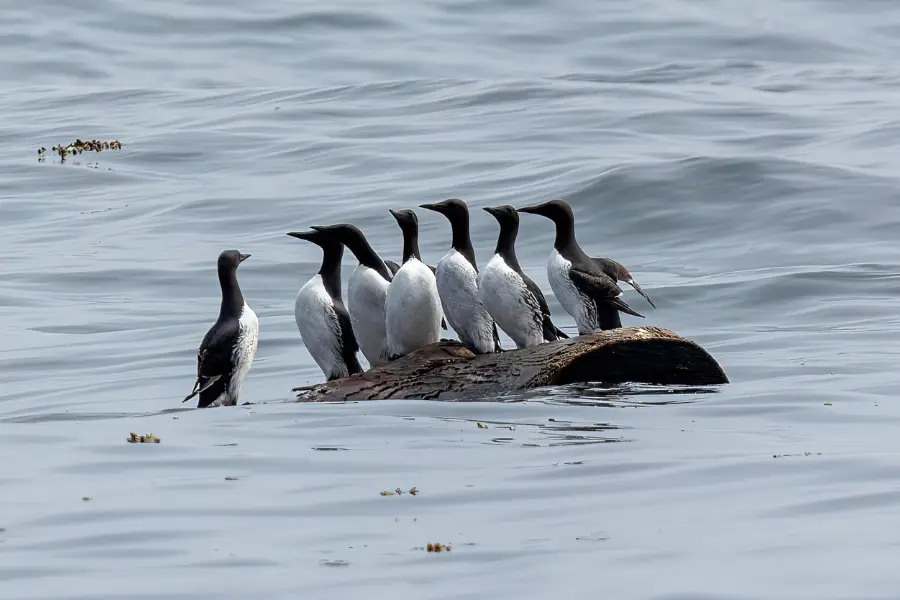
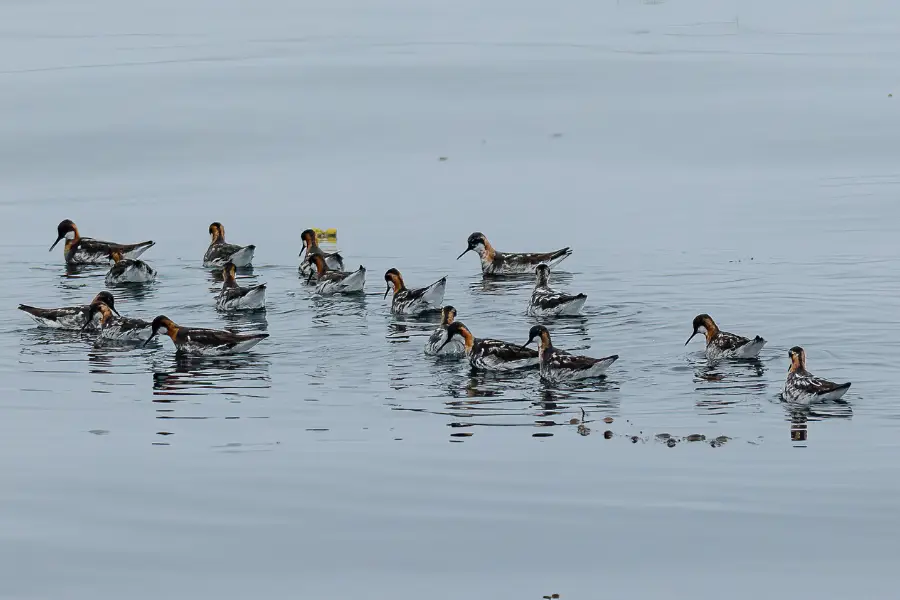
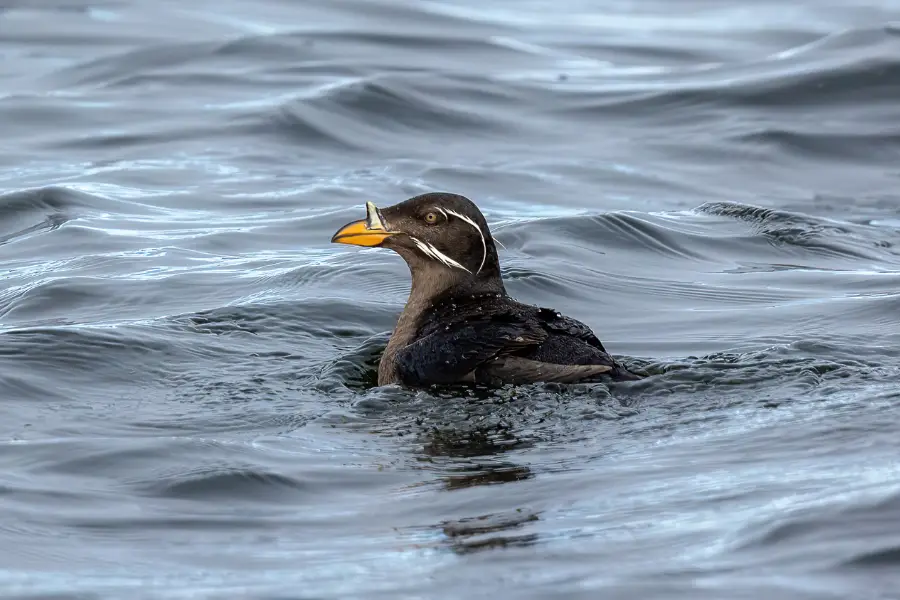
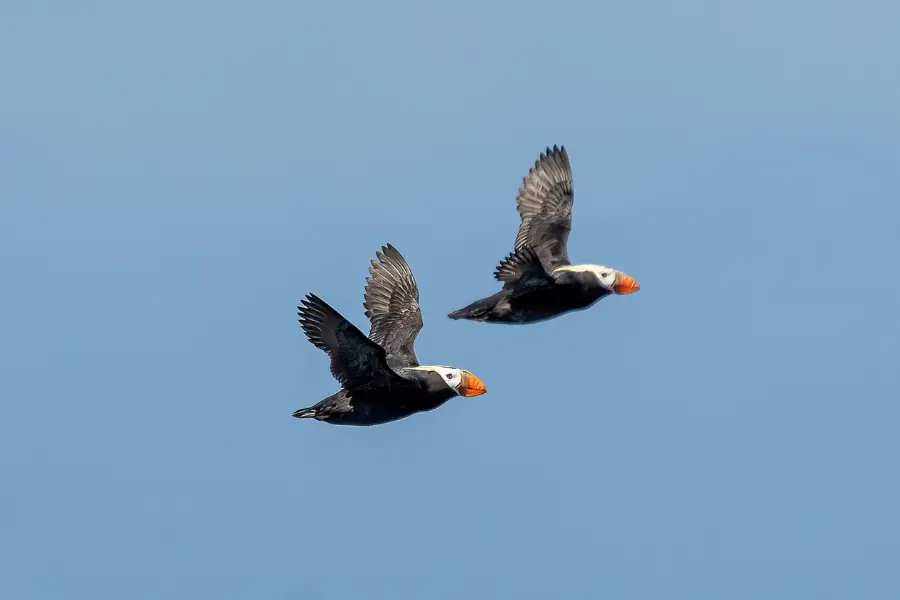
Whilst out on the water, we can also enjoy observing a variety of other species including Steller's sea lion, humpback whales, orca and sea otter. There's also plenty of birdlife with species such as common murre, bald eagle and red-necked phalarope all found in this area.
The itinerary is kept flexible for the next few days in order to respond as quickly as possible to weather, sea conditions, and recent wolf activity. Hopefully, we can enjoy some rewarding sightings with these enigmatic animals.
-
Day 7:
Return to Port Hardy
This morning we have our last excursion from camp in search of the wolves if conditions are suitable, before it's time to take our boat back to Port Hardy.
On our return to Port Hardy, we disembark and transfer to back to the hotel, where we spend another three nights. We're free to spend the rest of today as we wish.
Accommodation: Kwa’Lilas Hotel, 3-nights
-
Days 8-9
:
Grizzly bear watching boat trips
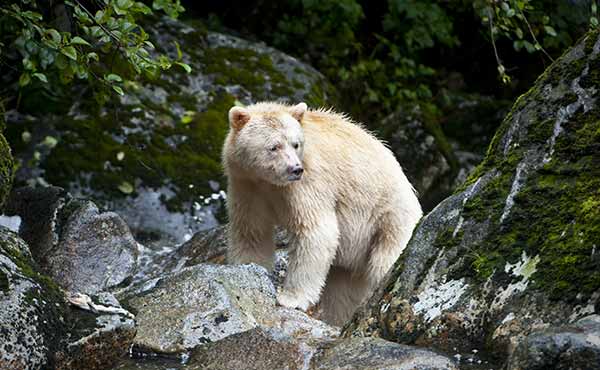
For the next two days we're back on the water again in our own private vessel. This time, grizzly bears are the focus of our efforts, as we hope to encounter these charismatic animals and enjoy some rewarding photographic opportunities.
These full-day adventures take us through breathtaking coastal landscapes frequented by orcas, humpback whales, Pacific white-sided dolphins and other marine life.
We head right into the heart of the Great Bear Rainforest, where pristine waterways and ancient forests provide a stunning backdrop for our grizzly bear viewing. At the end of each day, we return to Port Hardy and our hotel.
-
Day 10:
Departure
Today, we depart Vancouver Island and the west coast of Canada as we transfer back to the airport at Port Hardy, for our return flights to the UK.
-
Day 11:
Arrive in UK
Please note: The itinerary may change due to weather, sea conditions and recent wildlife sightings.

.webp)