Costa Rica: Caribbean Rainforest Photography Workshop
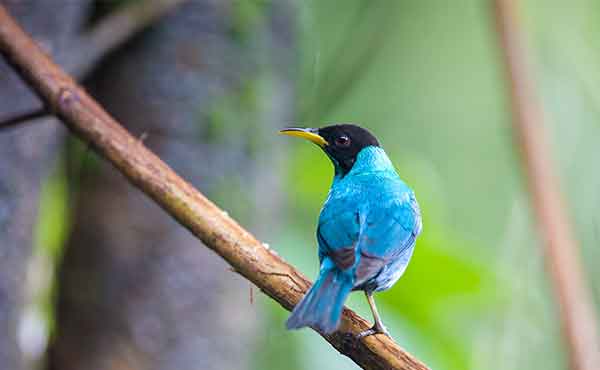
Image by
Nick Garbutt
Witness and photograph the incredible diversity of wildlife that Costa Rica has to offer with leading wildlife photographers Nick Garbutt and Alex Hyde as we explore the Caribbean regions of this exceptional country.
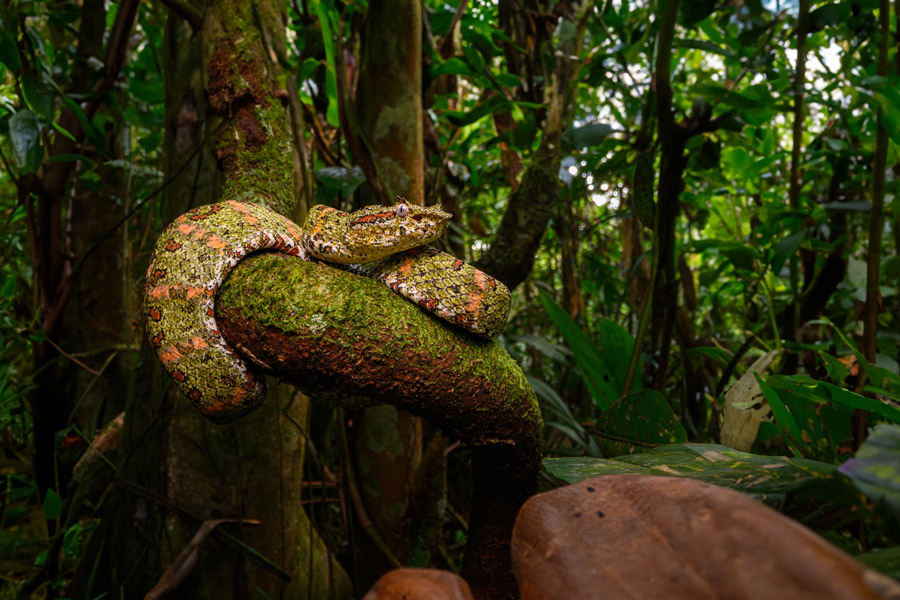
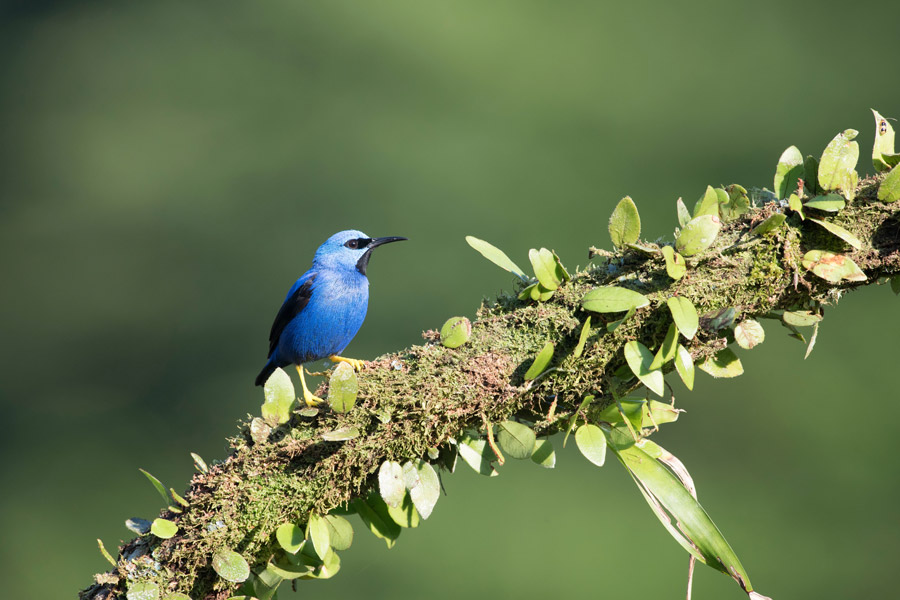
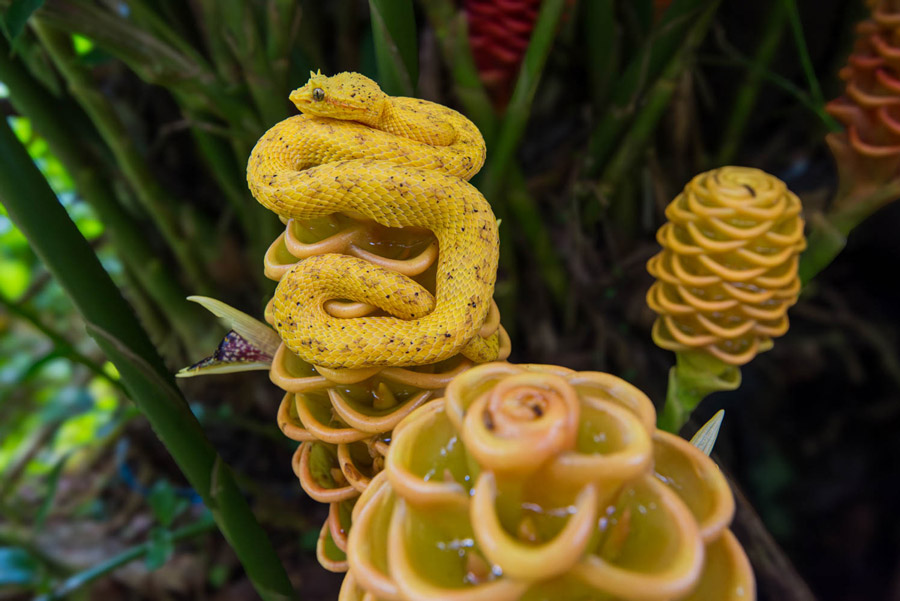
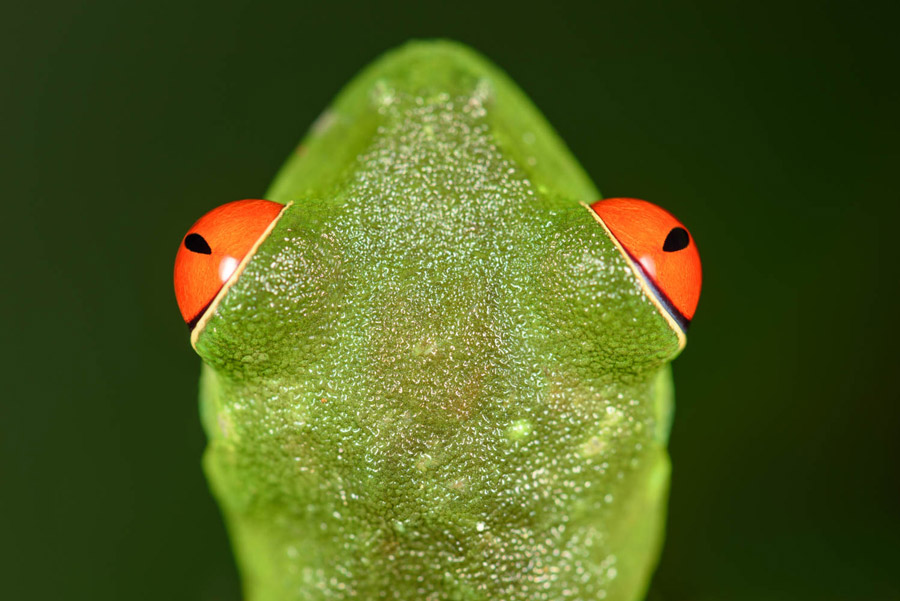
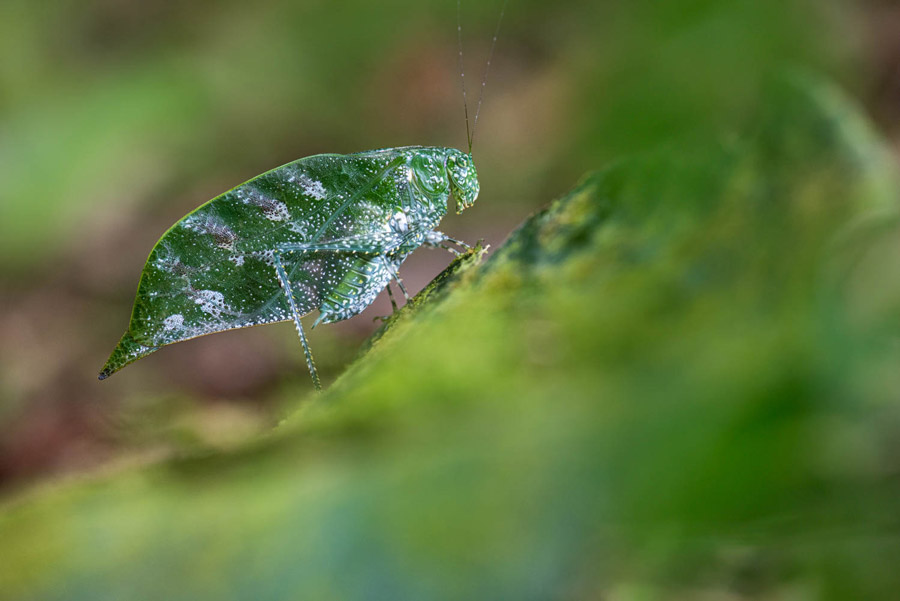
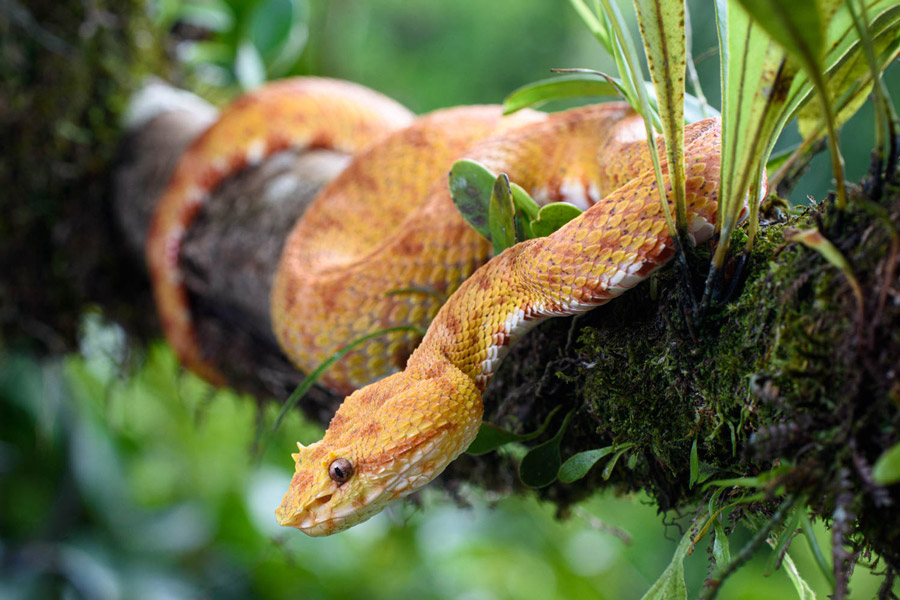
On this Costa Rica photography tour we should have excellent sightings of primates, other mammals, a variety of beautiful birds, reptiles, frogs, invertebrates and much more. Travelling with professional photographers Nick and Alex as part of a small group, this workshop itinerary allows plenty of opportunity to use a number of different photographic skills and practical demonstrations to capture the huge diversity of flora and fauna. These techniques will include night photography and different methods of macro photography.
We have selected the finest locations and accommodations to showcase the very best that the Caribbean side of Costa Rica has to offer: high quality, not just in terms of their standard, but also the wildlife sightings and photo opportunities they can provide.
Typical Itinerary
Day1: Fly to San José
We take our international flights to San José, the capital city of Costa Rica, arriving in the late afternoon. On arrival, we transfer to our hotel just outside the city.
The day starts with a relatively early pick-up and transfer from San José through Braulio Carrillo National Park to Guápiles and beyond. En route we pass through cloud forest, rainforest, and coastal plains, before reaching the embarkation point at either Caño Blanco or La Pavona depending on the water level in the canal system.
On arrival at the jetty we board a boat for our trip through the canals to reach Tortuguero National Park. Possible species we might see include spectacled caiman, Hoffman’s two-toed sloth and basilisk lizard. We arrive at our lodge during the afternoon and later that day we have time for a walk in the grounds of our lodge where we hope to indulge in some night photography.
Days3-5: Explore Tortuguero for wildlife sightings & photography
Over the course of the next three days, we explore the unique Tortuguero National Park with its combination of coastal area, canals and lush jungle. We head out on boats to explore the various waterways, which are sure to provide many and varied photography opportunities. From the water, there are good chances of spotting and photographing mantled howler monkey, three-toed sloth, green-and-rufous kingfisher, keel-billed toucan, sungrebe and other wildlife. There are also plenty of opportunities for land-based photography, including after dark, where smaller subjects like frogs, reptiles and invertebrates will feature strongly.
Day6: Transfer to Sarapiqui
We leave Tortuguero behind and take the boat back to either Caño Blanco or La Pavona. From there, we continue by road to our next destination, Sarapiqui.
In the afternoon, we arrive at our next lodge, where we spend the next four nights. There's some time to settle into our rooms and freshen up before heading out for a night walk on the lodge trails and hopefully providing some amazing photos.
Accommodation: Ara Ambigua Lodge, 4-nights
Days7-9: Wildlife photography sessions around Sarapiqui
For the next three days, we explore the grounds of our lodge and surrounding reserves in search of rewarding photographic opportunities. A particular focus is the region's amphibians, with poison dart and tree frogs a plenty, in addition to a fascinating array of reptiles. One of the locations we may visit during our time in Sarapiqui is also an excellent spot to catch sight of scarlet and great green macaws. During the evenings, we also enjoy night walks, which should provide some good macro opportunities.
Day10: Continue to Bosque de Paz
After breakfast, we transfer to Bosque de Paz, which is an excellent place to see and photograph hummingbirds, including violet sabrewing and magnificent hummingbird. The gardens also attract many other birds and wildlife. Trails through the forest and along the streams offer the chance of good wildlife photography for frogs especially after rain and a wonderful array of insects and other invertebrates.
Days11-12: Wildlife photography sessions at Bosque de Paz
Over the course of the next couple of days, we spend time working with the many hummingbirds around the lodge, photographing them at natural flower sets and at the feeders with various flash and balanced fill-flash techniques. After dark, the lodge has a moth trap, which can attract a wondrous variety of spectacular moths that we can subsequently photograph at night and during the day, providing extensive macro options.
Day13: Return to San José
Today, we transfer back to Costa Rica's capital city for our final day in the country.
Accommodation: Hotel Bougainvillea, 1-night
Day14: Departure
Sadly today is the end of our photo tour, and we have free time until it's time to transfer to the airport for our flight home.
Day15: Arrive UK
Key info
Duration and price including flights from/to UK: 15 daysfrom £9,895 pp
Duration and price excluding international flights: 14 daysfrom £9,195 pp
Single supplement:
From £1,695
Trip type:
Group Tour
Group Size:
8–12
When to go: Apr-May
Group Departures: Please contact us for departure date details.
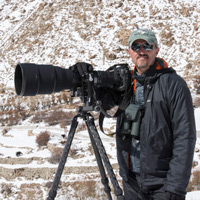
An award-winning photographer and author, with a background in zoology, Nick has forged a career by combining these skills with leading tours and lecturing.
Nick has written and photographed several critically acclaimed books, including: ‘100 Animals to See Before They Die’, ‘Mammals of Madagascar: A Complete Guide’, ‘Wild Borneo’, and ‘Chameleons’. He is a regular contributor to international magazines such as National Geographic, BBC Wildlife, Africa Geographic and Geographical.
Nick has twice been a winner in the BBC Wildlife Photographer of the Year Competition. In 2000, he won the prestigious Gerald Durrell Award for Endangered Wildlife. His photographs appear widely in books, calendars and other publications worldwide. He is a Special Lecturer on the MSc course in the Wildlife Photography and Imaging at Nottingham University, where he studied.
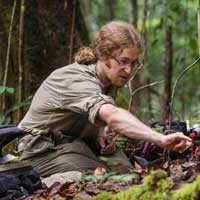
Often working with moving creatures smaller than a grain of rice, Alex has established himself as an expert in macro photography.
By understanding the behaviour of his subjects, he is able to capture intimate portraits of spiders, insects and other invertebrates in their natural habitats. Although his photography takes him all around the world, the Austrian Alps are a particularly special place for Alex and he returns annually to these favoured haunts to photograph the incredible insect and plant life.
An experienced tutor, Alex regularly delivers workshops and seminars on macro photography and has taught at venues such as the University of Nottingham and the Wild Photo photography festival in London. Alex supplies major international agencies and his photographs appear worldwide in newspapers, books and magazines including The Times, The Daily Telegraph, BBC Wildlife and New Scientist.
Costa Rica’s vibrant capital stands in the centre of the country at an elevation of around 1,200 metres. Home to the main international airport, it has the country’s pristine natural attractions on its doorstep. The downtown area is fairly small and has several interesting museums and parks.
Find Out More about {acc:title}
Tortuguero is a vast area of pristine rainforest on a remote stretch of Caribbean coast, where beaches, canals and wetlands create an astonishing biodiversity. Activities centre on boat trips through the freshwater creeks and lagoons. Green, hawksbill and leatherback turtles come ashore here to lay their eggs.
Find Out More about {acc:title}
Where: Limon Province
Ideal for viewing: Baird’s tapir, green turtle, spectacled caiman, spider monkey, three-toed sloth
This fascinating lowland area is a good base for exploring Poas Volcano. However the main highlight is La Selva Biological Station, a major research centre for tropical ecosystems. The species diversity here is astounding, with more than 1,850 plants, 448 birds, 70 species of bat and five of Costa Rica’s six felines.
Find Out More about {acc:title}
Where: Heredia Province
Ideal for viewing: ocelated antbird, short-tailed nighthawk, sungrebe, great potoo, great green macaw
Set in a private reserve just over an hour’s drive northwest of San José, between Juan Castro Blanco and Poás Volcano national parks, this small lodge is in a jungle paradise, surrounded by magnificent cloud forest and rainforest. Consisting of just 12 rooms, it is the perfect stop en route to Sarapiqui.
Find Out More about Bosque de Paz Lodge
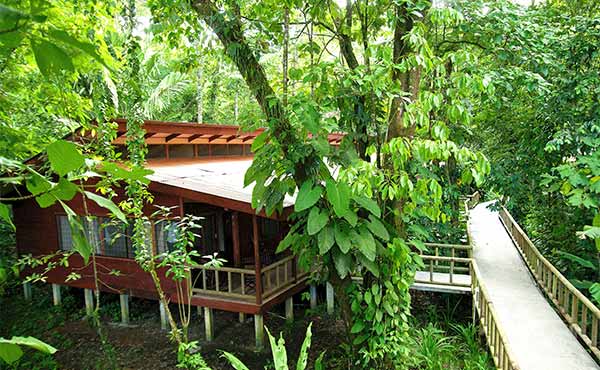
Situated in the northeastern corner of Tortuguero, this pleasant lodge lies just a five minute boat trip from the main entrance to Tortuguero National Park. Surrounded by towering trees and exuberant tropical vegetation, it offers an ideal location from which to explore this unique area.
Find Out More about Evergreen Lodge
Situated in a quiet suburb just north of San José, 25 minutes from the international airport and a mere 15 minutes from the city centre, this pleasant hotel makes a good base for exploring the Central Valley. Its extensive gardens are particularly beautiful and attract a variety of birds and frogs.
Find Out More about Hotel Bougainvillea