Travel, experience, conserve with
Phone:
Jump to main menu

Join Mark Carwardine & Chris Breen on this exclusive 12-night voyage on board the comfortable 16-berth MV Beluga to experience the iconic wildlife of the Galapagos Islands.

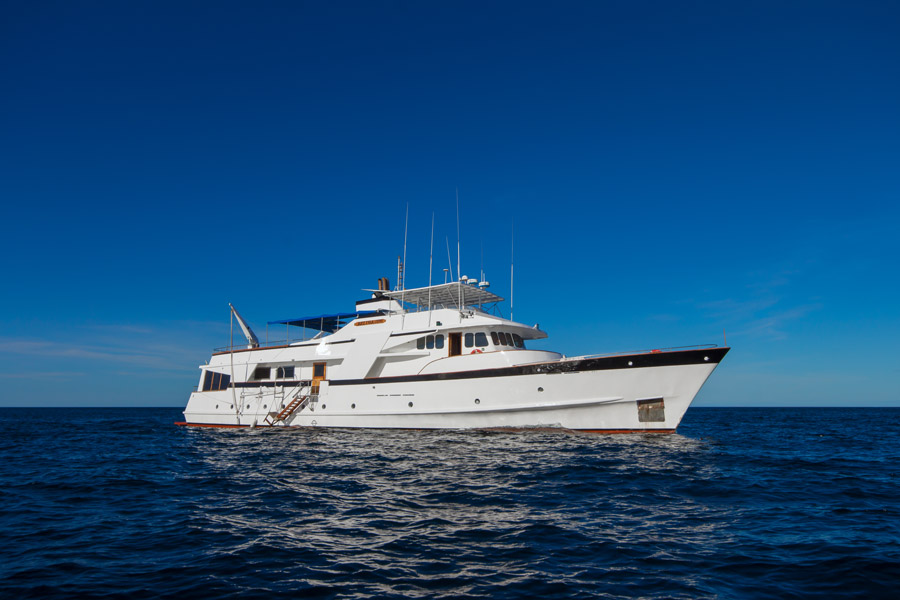
On this extensive 12-night voyage around the Galapagos Archipelago, we will be joined by broadcaster and wildlife photographer Mark Carwardine and Wildlife Worldwide founder Chris Breen. Sailing on board the exclusively chartered 16-berth MV Beluga, we have designed a comprehensive itinerary that will allow participants to experience the region’s famed wildlife first hand and maximises photographic opportunities for the different species that we encounter.

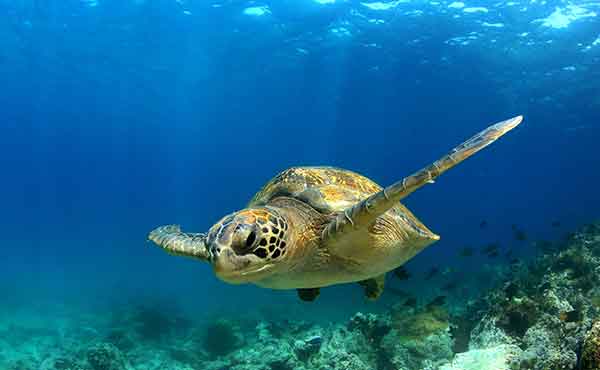
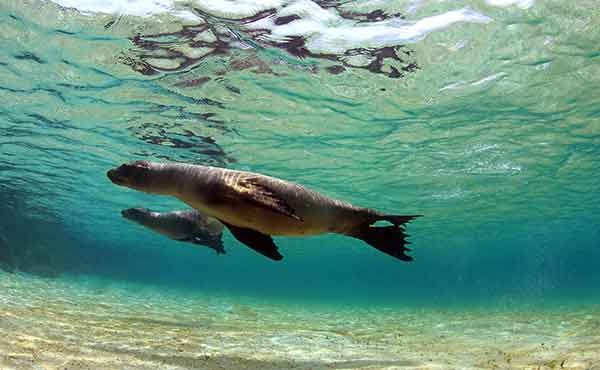
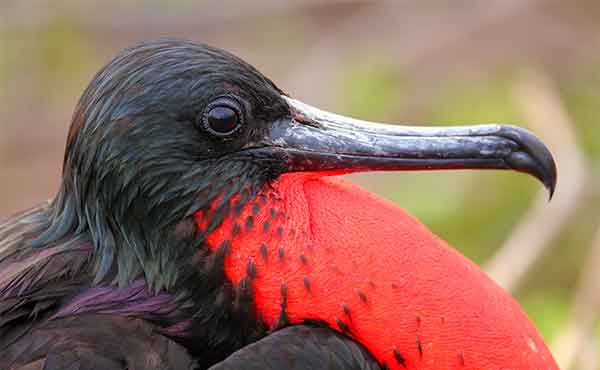
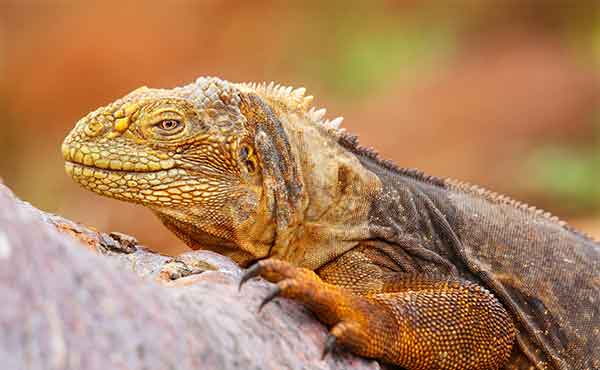
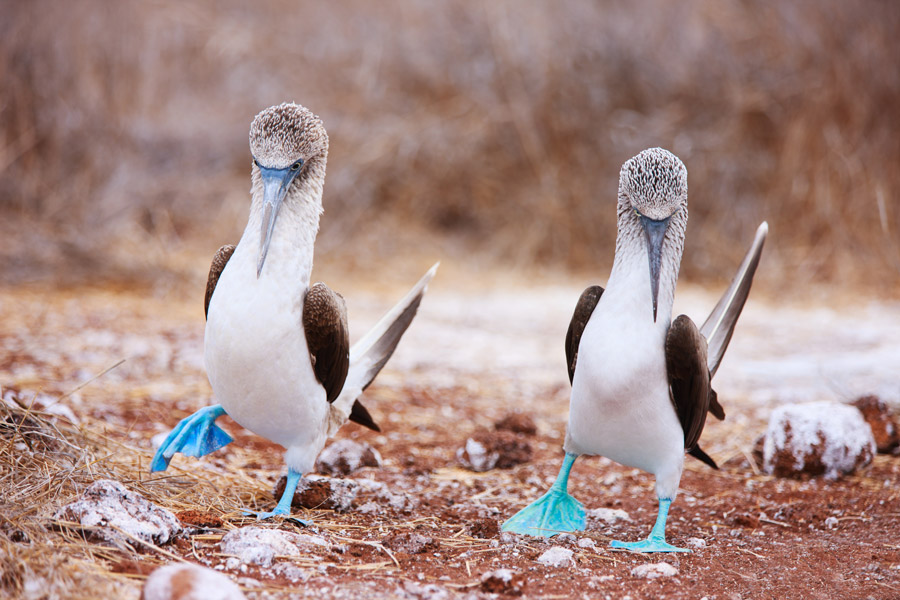
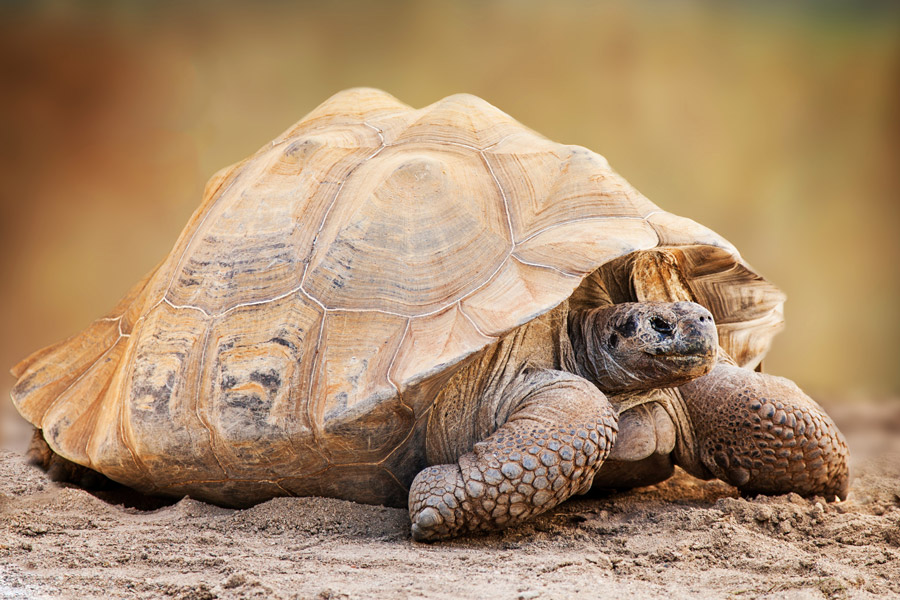
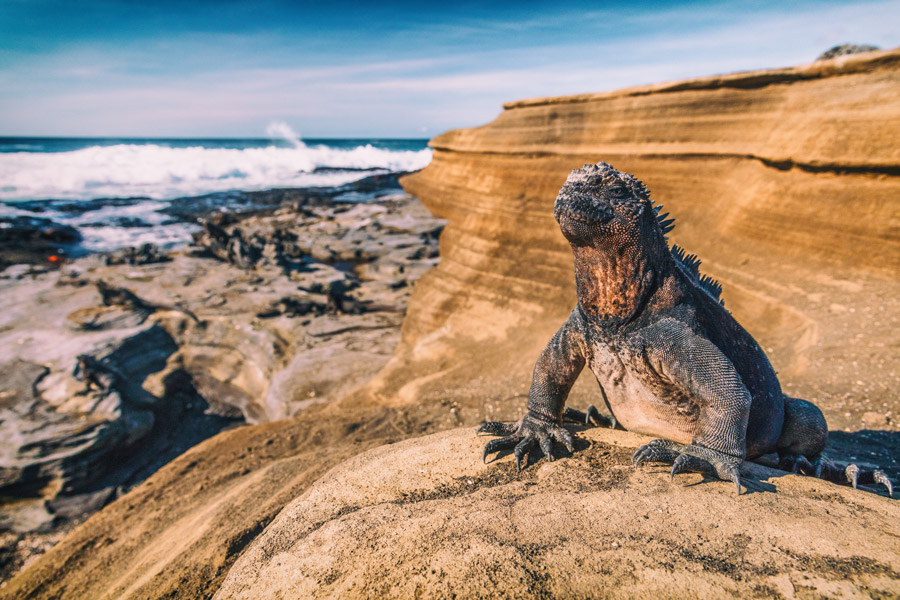
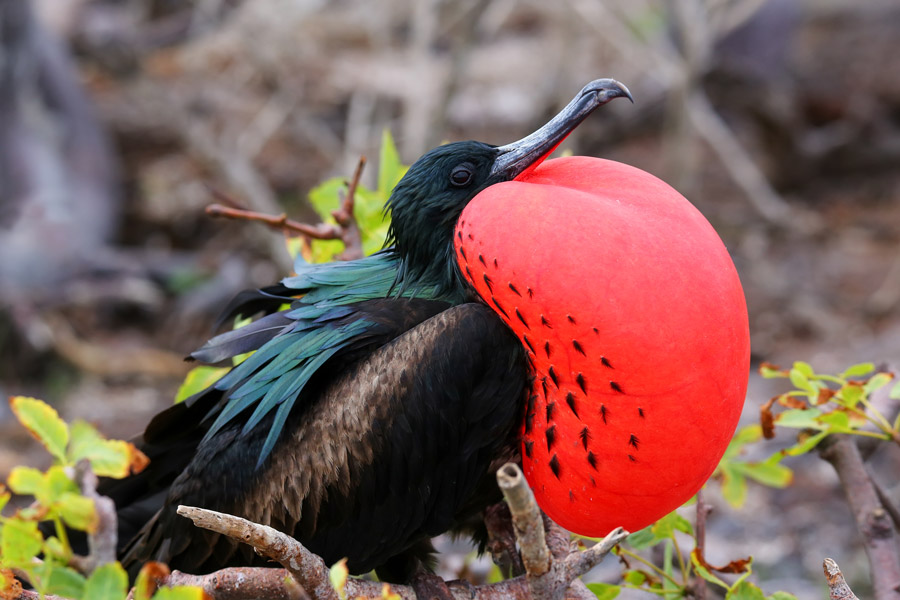
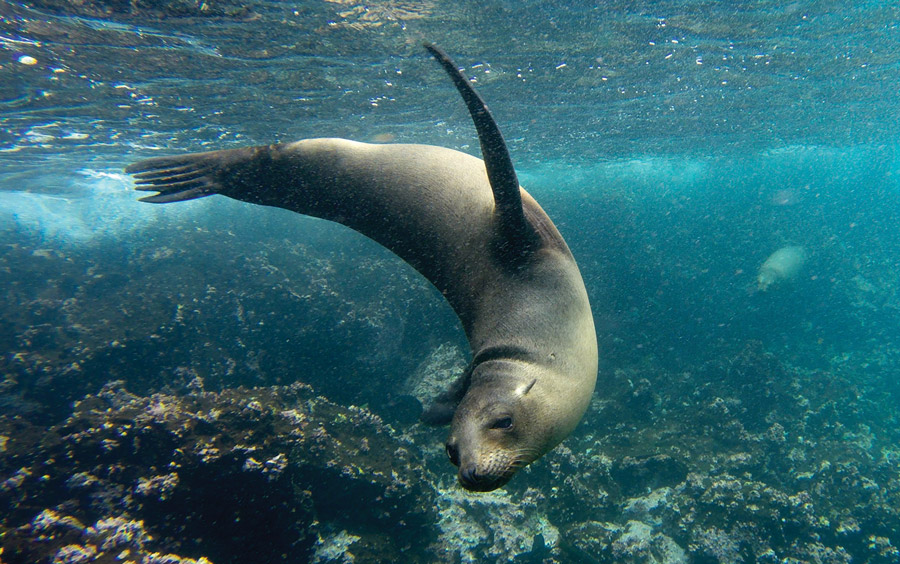
Visiting no fewer than 12 islands in the archipelago, we hope to observe an incredible range of wildlife both above and below the waves which will also allow for some superb photographic opportunities. Blue-footed booby, magnificent frigatebird, the endemic Galapagos flightless cormorant, marine iguana, red-billed tropicbird, Galapagos penguin, lava lizard, land iguana, Galapagos sealion and of course the giant tortoise are all species that we aim to encounter whilst we navigate the archipelago.

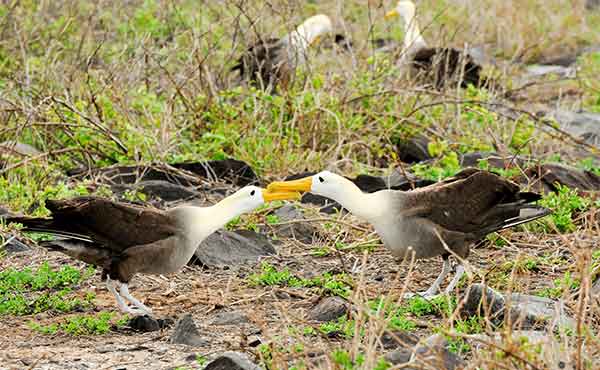
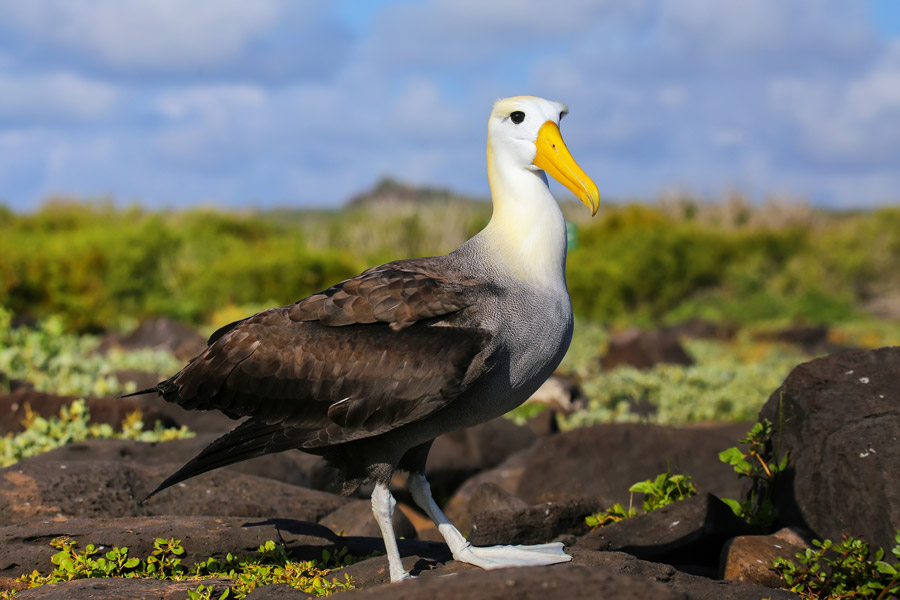
The time of our voyages is also timed to coincide with the nesting season of the waved albatross colony on the island of Española which is a fitting finale to our time in the Galapagos.

Typical Itinerary

  1. Day 1: Fly to Quito

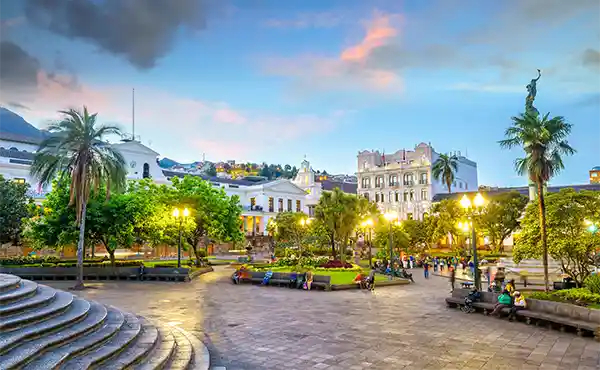
    This morning we depart the UK on flights to Quito, the capital city of Ecuador. On arrival we are transferred to our accommodation in the city and the rest of day is free so we can explore this historic city and its attraction or relax in the hotel after our journey.

    Accommodation: Hotel Patio Andaluz, 1-night

  2. Day 2: Fly to the Galapagos Islands & board Beluga

    On arrival at the airport in the Galapagos on San Cristóbal Island, we are transferred by vehicle to the highlands of San Cristóbal where we head to El Junco Lagoon. This lagoon lies in the collapsed crater of a volcano and is in fact the only source of freshwater to be found in the Galapagos archipelago. El Junco is a haven for birdlife with San Cristobal mockingbird and white-cheeked pintail being two endemic species we might encounter. After our visit at El Junco, we head back to port where we board our vessel which will be home for the next 12 nights during our voyage of the Galapagos. 

    Accommodation: Beluga, 12-nights

  3. Day 3: Gardner Bay, Española Island

    This morning we wake to the beautiful scene of Gardner Bay on the northeast coast of the island which is inhabited by sealion colonies who can often be seen lounging in the sun. We make a wet landing on the white, sandy beach and once on land we will quickly start to notice the famous Española mockingbird as we get ready to go snorkelling. A dazzling array of tropical reef fish, such as surgeonfish, parrotfish and even moorish idol will be waiting below the waves for us as well as possible white-tipped reef shark and even a manta ray or two. After an exciting time in the water we return to beach and hop back on the pangas to take us back to the Beluga.

    This afternoon we visit Punta Suarez on Española. This is arguably one of the finest walks in the Galapagos because Punta Suarez offers the opportunity to see a colony of waved albatross who nest here between April and September. Española Island is the only location where this incredible bird species chooses to nest and we should have fantastic views of the albatross making for a great finale to our wildlife sightings in the Galapagos. Other species that we can see at Punta Suarez are Galapagos hawk, lava lizard, Nazca booby, red-billed tropicbird and Galapagos snake.

  4. Day 4: Floreana

    This morning we make a landing at Punta Cormorant on Floreana Island for an easy, yet rewarding walk on the beaches and along the shores of a brackish lagoon. This is an excellent place for observing Caribbean flamingos and white-cheeked pintails, and Galapagos flycatchers are common over the volcanic cinders a short distance inland.

    Afterwards, we visit Devil’s Crown for a spot of snorkelling or a panga (dinghy) ride to enjoy a variety of marine life including Galapagos sealions and spotted eagle ray. Later in the afternoon, we visit Post Office Bay to learn more about the human history of the Galapagos.

  5. Day 5: Dragon Hill, Santa Cruz & Sullivan Bay, Santiago Island

    We sail through the evening and early morning to reach our next landing location at Dragon Hill on Santa Cruz Island. Situated on the north-west coast of the island, this particular location is an excellent spot for observing land iguanas. There is also an wonderful variety of birds to be seen here too including flamingos that frequent the pond behind the beach where we land as well as yellow warbler, Galapagos doves and some of the Darwin finches.

    This afternoon we make a wet landing at Sullivan Bay on Santiago Island which is famous for its extensive lava flows that highlight just how recent some of the Galapagos archipelago is in geological terms. We'll spend an hour or two exploring the lava flows and enjoying the pioneer flora and fauna species that we come across. Once again, there is an opportunity to swim and snorkel from the beach before heading back to our vessel and there is a good chance that some playful sealions might be in the vicinity. We return to the Beluga for dinner in the evening

  6. Day 6: Genovesa

    During the night we make one of our longest navigations of the itinerary as we sail from Santiago and Santa Cruz to the island of Genovesa in the north-east corner of the main archipelago. By morning, we will have reached Darwin Bay which is also our first landing spot of the day as well. 

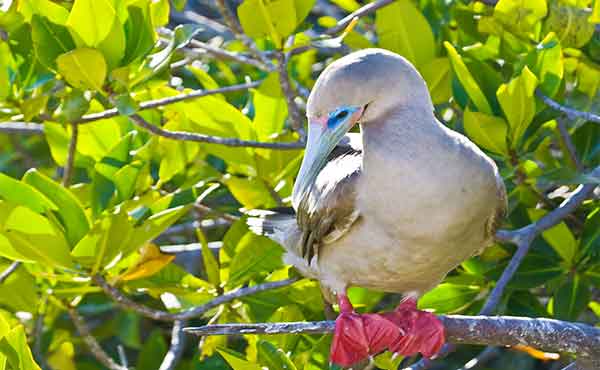
    Setting a foot on a sandy beach to begin with, we will walk along a flat trail taking us past the mangroves and through the saltbush towards a tidal lagoon. This walk should provide ample opportunity to observe swallow-tailed gull, great frigatebirds, large beaked cactus finch, marine iguana, the endemic lava gull and red-footed booby. Depending on what see along the trail, there may be for a swim before returning to the Beluga for lunch. 

    This afternoon we visit one of the most iconic locations on the Galapagos Islands, Prince Phillip's Steps on Genovesa. Our excursion begins with a 45 minute panga ride around the bay before a dry landing at the steps themselves where we ascend to the plateau atop the island. We will take the steps slowly and once we reach the top of the steps, we will should encounter red-billed tropicbird, warbler finch, large ground finch, lava heron, Nazca booby and large numbers of red-footed booby. It is thought as many as 200,000 red-footed boobies nest on Genovesa creating quite the spectacle. Once again we sail during the evening and through the night as we return to the middle of the Galapagos archipelago and the island of Santa Cruz arriving early the following morning. 

  7. Day 7: Santa Cruz

    To start the day, we will enjoy a panga ride around Black Turtle Cove on the north coast of Santa Cruz Island. This location known for its flourishing mangrove forest and is a particular haven for turtle. We may well see a few different species of turtle swimming around the mangrove trees and poking their heads above the surface. In addition to the turtles, it is also possible to white-tipped reef sharks and a variety of rays swimming beneath our pangas. We will also observe a number of birds including pelicans and a selection of different herons and egrets.

    This afternoon we will make a dry landing on Santa Cruz where we are transferred to the highlands of Santa Cruz Island to enjoy this verdant landscape and to observe giant tortoises before continuing to the Charles Darwin Research Centre for an afternoon visit. At the centre there will be another opportunity to view giant tortoises as well as land iguanas before we continue to the town of Puerto Ayora where we re-board our vessel

  8. Day 8: Rábida

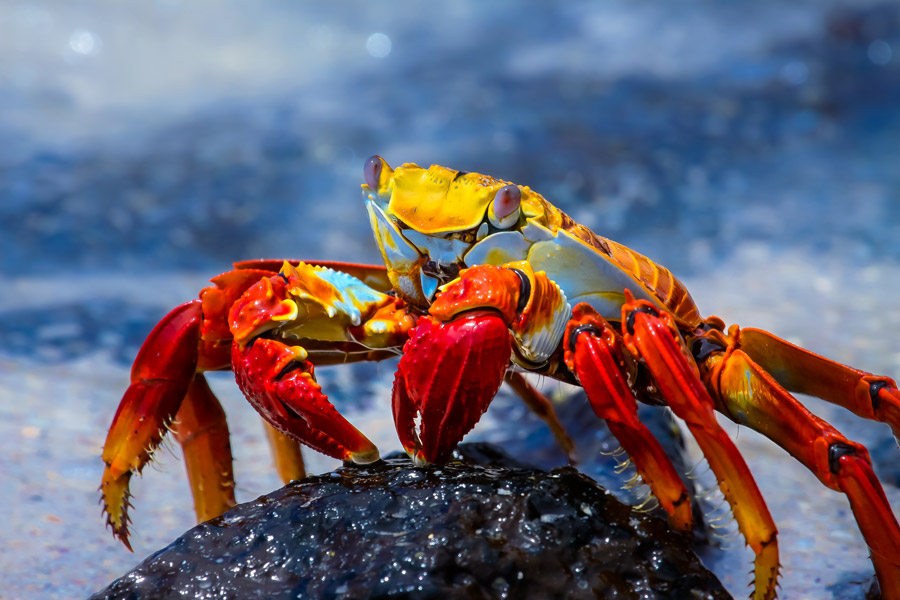
    We make a wet landing at Chinese Hat to take a closer look at the intriguing volanic landscape and the excellent wildlife as there is a colony of marine iguanas and sealions that can be seen as well as Sally Lightfoot crabs, American oystercatchers, laval lizards and, if we're lucky, Galapagos penguin. 

  9. Day 9: Isabela

    Overnight the Beluga will sail to Isabela, the largest island in the archipelago, at breakfast we make a landing at Puerto Villamil where a small bus will be waiting to take us up to the caldera of Sierra Negra. At the rim of the volcano we could see recent lava flows and parasitic volcanic cone landforms.

    Later in the day we have some time to explore Puerto Villamil and this should provide some excellent wildlife sightings. The town itself is positioned on a white sandy beach with mangroves nearby. There is a possibility of encountering and photographing marine iguana, blue-footed booby and a variety of shorebirds as we walk around the town. Puerto Villamil also has a lagoon that is often frequented by flamingos.

  10. Day 10: Continue to explore Isabela

    We start the day by make a landing at Punta Moreno. This volcanic landscape may appear desolate at first glance, but as we explore the area it quickly becomes apparent that there is wildlife everywhere. White-cheeked (or Galapagos) pintail, blue-winged teal, black-necked stilt and common gallinule are some of the species we may encounter. We can also spot some larger species as well including Caribbean flamingo, great blue heron and even the flightless cormorants which usually perch on the rocks closest to the sea. Punta Morneo is also a good location for observing marine iguanas.

    This afternoon we will enjoy a panga ride at Elizabeth Bay to search its mangroves and rocky islets which are home to Galapagos penguin and marine iguanas. The calm waters around the mangroves are a haven for several marine species such as spotted eagle ray, white-tip reef shark, golden ray and green sea turtle.

  11. Day 11: Urbina Bay & Tagus Cove on Isabela

    Today will begin with a guided walk on the shores of Urbina Bay which is particularly well known for its land iguana population and these individuals are thought to be the largest in the archipelago. There is also a good possibility during our time here that we will encounter wild giant tortoises, blue-footed boobies, flightless cormorants and Galapagos brown pelicans.

    Following lunch, we make a dry landing in the afternoon at Tagus Cove on Isabela. This will be one of longer walking excursions during the voyage so good footwear is important. Once on land we will walk uphill to the saltwater lake at Darwin's Crater which offers excellent views of the surrounding landscape.

  12. Day 12: Fernandina

    During the night the Beluga will have sailed to the island of Fernandina and in the morning we visit one of the most famous landing spots in the Galapagos, Punta Espinoza. Almost as soon as we step ashore, we will be able to see the large colony of marine iguana and we can spend time here admiring these incredible creatures as well as capturing some stunning photographs. We continue to explore on foot for opportunities to encounter other species such as Galapagos hawk, Galapagos penguin and flightless cormorant.

    In the afternoon, we return to Isabela and make our way to Punta Vicente Roca where we head out in the pangas once more. Following the line of the cliffs we scan for seabirds including Nazca and blue-footed boobies as well as other wildlife. There will also be an opportunity to snorkel here and in the water we could encounter sealions, green sea turtle, marine iguana and sometimes common bottlenose dolphins frequent these waters.

  13. Day 13: Santiago & Bartolome Island

    Over the course of the night we will have navigated to the island of Santiago and we make a morning landing on black sand beach at Puerto Egas for an easy-pace, but rewarding walk as we keep an eye out for sally lightfoot crabs, Galapagos fur seals, American oystercatchers and a colony of sealions. The walking trail will take us further inland where we could encounter some of the famous finches, including warbler, woodpecker, large tree and common cactus.

    Whilst we enjoy lunch, the Beluga will sail to Bartolome Island where we make two landings. Exploring both above and below the waves, there are numerous species that we could come across during our time such as great blue heron, Galapagos hawk and Galapagos penguin.

  14. Day 14: North Seymour

    This morning we make a dry landing on North Seymour Island for a walk on the beach and further into the interior of the island. The terrain is flat and mostly level so it should be easy going and North Seymour is one of the finest islands in the archipelago for observing some of the more iconic birds in the Galapagos. Out on foot in the company of our naturalist guide we can encounter colonies of blue-footed boobies, swallow-tailed gulls and magnificent frigatebirds. Hopefully there should be some good photographic opportunities for these birds as well. Whilst exploring North Seymour, we may also come across Galapagos snake and sealions. Afterwards, we bid farewell to the crew on the Beluga and disembark as we are transferred back to the airport on Baltra to catch our flights back to the UK.

  15. Day 15: Return UK

Key info

  • Duration and price including flights from/to UK: 15 days from £14,395 pp
  • Duration and price excluding international flights: 13 days from £13,595 pp
  • Single supplement: On request – please contact us.
  • Trip type:
    Voyage
  • Group Size: 10–14
  • Group Departures:
    Make a booking request or enquire:
    1. , Fully booked
    2. Enquire Book
  • Included in the price/package:
    • Return flights between Ecuadorian mainland & Galapagos Islands
    • 1-night hotel in Quito
    • 11-nights onboard Beluga
    • Most meals
    • Transfers
    • Guided excursions as described
    • Services of boat crew & local naturalist guide
    • Services of tour leader Mark Carwardine
    • Conservation fund contribution
  • Activities available:
    • Boat trip
    • Panga ride
    • Photography
    • Swimming
    • Walking

Expert leaders

Mark Carwardine

Photo of Mark Carwardine

Mark Carwardine is a zoologist, an outspoken conservationist, an award-winning and bestselling author, a TV and radio presenter, a widely published photographer, a wildlife tour operator and leader, a lecturer, and a BBC Wildlife magazine columnist. 

He co-presented the BBC-TV series Last Chance to See, with the comedian and actor Stephen Fry, and the BBC-TV series Museum of Life. He also presented the weekly half-hour radio programme Nature on BBC Radio 4 for many years. 

He has written more than 60 books, including the Field Guide to Whales, Dolphins and Porpoises, The Shark Watcher’s Handbook and The Guinness Book of Animal Records. His latest is How to Photograph Garden Birds. 

He was Chairman of the Judging Panel of the prestigious Wildlife Photographer of the Year competition for seven years (2005-2011) and was selected as one of the world’s 40 most influential nature photographers in Outdoor Photography magazine. 
View all tours led by Mark

Chris Breen

Photo of Chris Breen

Chris studied Geographical Sciences in Plymouth, however his first encounter with the wider world was in 1983, when he headed off to Zambia.

Under the tutelage of the late Norman Carr, the pioneer of walking safaris, he worked as a wildlife guide and managed a wilderness camp. On his return to the UK, he had a spell at a major tour operator before setting up Wildlife Worldwide in 1992.

Since then he has travelled the world in search of first-class wildlife experiences. He devised the Festival of Wildlife concept, which has spawned the Festival of Bears. An ardent conservationist, Chris has co-led each of these since their inception. He dedicates several weeks each year to communicating his irrepressible passion for nature to those who travel with him.

View all tours led by Chris

Featured locations:

Santa Cruz

Santa Cruz

Santa Cruz is home to the Charles Darwin Research Station and Giant Tortoise Breeding Centre. The island’s rocky coastline and mangrove-lined inlets are good for marine life. The lush greenery of the highlands offers a welcome contrast, with its huge craters, lava tunnels and giant tortoises roaming freely. Find Out More about {acc:title}

  • Where: Central islands
  • Ideal for viewing: giant tortoise, green turtle, marine iguana, vermilion flycatcher, Galapagos rail

Santiago

Santiago

Santiago Island has a narrow, steep-sided point of land, which provides an extraordinarily beautiful landscape with cliffs and rocky pinnacles that create a nesting site for hundreds of marine birds. In the 17th and 18th centuries, pirates used this place to maintain their vessels and replenish their supplies. Find Out More about {acc:title}

  • Where: Central islands
  • Ideal for viewing: Galapagos penguin, South American fur seal, Galapagos hawk, lava lizard, American flamingo
  • Excellent for: Birdwatching

Floreana

Floreana

Studded with volcanic cones, Floreana is one of the oldest islands in the Galapagos – its volcano has long been extinct. It has a luxuriant vegetation, and nutrient rich soil, with diverse native and introduced flora. The submerged crater of Devil’s Crown is one of the best snorkelling sites in the Galapagos. Find Out More about {acc:title}

  • Where: Southern islands
  • Ideal for viewing: red-tailed tropicbird, South American sea lion, Sally Lightfoot crab, green turtle, lava lizard

Isabela

Isabela

The volcanic slopes of the largest island in the archipelago are home to some 6,000 Galapagos tortoises. On the west coast the cold water currents produces an abundance of marine life and it is possible to snorkel with sealions. An uplifted coral reef provides brackish lagoons which are home to a variety of seabirds. Find Out More about {acc:title}

  • Where: Western islands
  • Ideal for viewing: Galapagos penguin, South American fur seal, white-cheeked pintail, Galapagos hawk, land iguana
  • Excellent for: Penguin watching

North Seymour

North Seymour

Magnificent frigatebirds, Galapagos sealions and blue-footed boobies are all numerous on North Seymour. The island was formed by a series of submarine lava flows containing layers of sediment that were uplifted by tectonic activity. There is a good walking trail crossing the island. Find Out More about {acc:title}

  • Where: Central islands
  • Ideal for viewing: land iguana, marine iguana, Galapagos sealion, magnificent frigatebird, blue-footed booby
  • Excellent for: Birdwatching

Santa Fe

Santa Fe

Santa Fe (Barrington) is home to a picturesque small bay which provides a sheltered anchorage on the island’s northeast coast. The bay has two visitor trails: one leads to a scenic viewpoint at the top of a cliff, and the other crosses a small beach before leading into a forest of tall prickly pear (opuntia) cactus. Find Out More about {acc:title}

  • Where: Central islands
  • Ideal for viewing: land iguana, Galapagos mockingbird, Galapagos dove, lava lizard, Galapagos sealion

San Cristóbal

San Cristóbal

Home to frigatebirds, red and blue-footed boobies, Galapagos tortoises and sealions, this was the first island on which Charles Darwin set foot in 1835. A crater in the highlands holds the largest freshwater lake in the Galapagos, which is home to a lot of birdlife. It has one of the two commercial airports in the Galapagos. Find Out More about {acc:title}

  • Where: Eastern islands
  • Ideal for viewing: blue-footed booby, magnificent frigatebird, South American sea lion, great blue heron, swallow-tailed gull
  • Excellent for: Birdwatching

Española

Española

Española is the southernmost island, its remote location means that it has a large number of endemic species – the marine iguanas here are the only ones to change colour during the breeding season. It has large colonies of blue-footed boobies and is also the only breeding site of the magnificent waved albatross. Find Out More about {acc:title}

  • Where: Southern islands, Eastern islands
  • Ideal for viewing: blue-footed booby, masked booby, swallow-tailed gull, waved albatross, lava lizard
  • Excellent for: Birdwatching
This itinerary is available on the following cruise vessel:

Beluga

Beluga EXPEDITION VESSEL

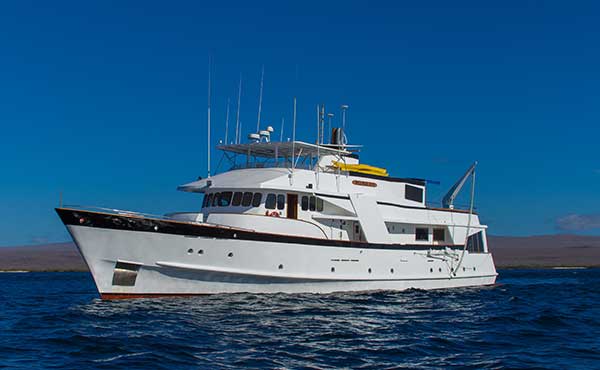
The Beluga is a small but surprisingly spacious and comfortable, first-superior class, motor yacht carrying 16 passengers in eight double or twin cabins. The vessel is air-conditioned throughout, and facilities include a lounge, bar, dining area and plenty of deck space. The crew of ten includes a naturalist guide. Find Out More about Beluga