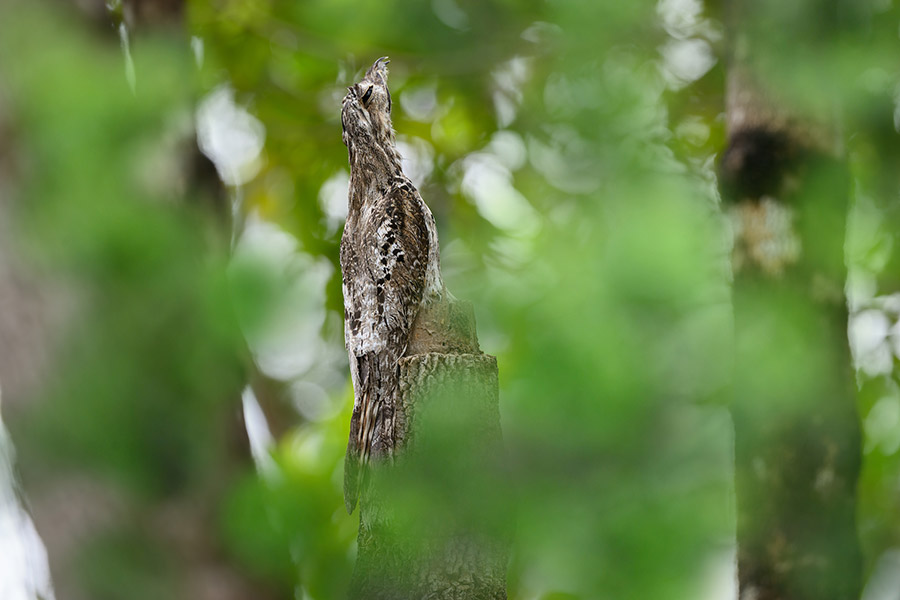
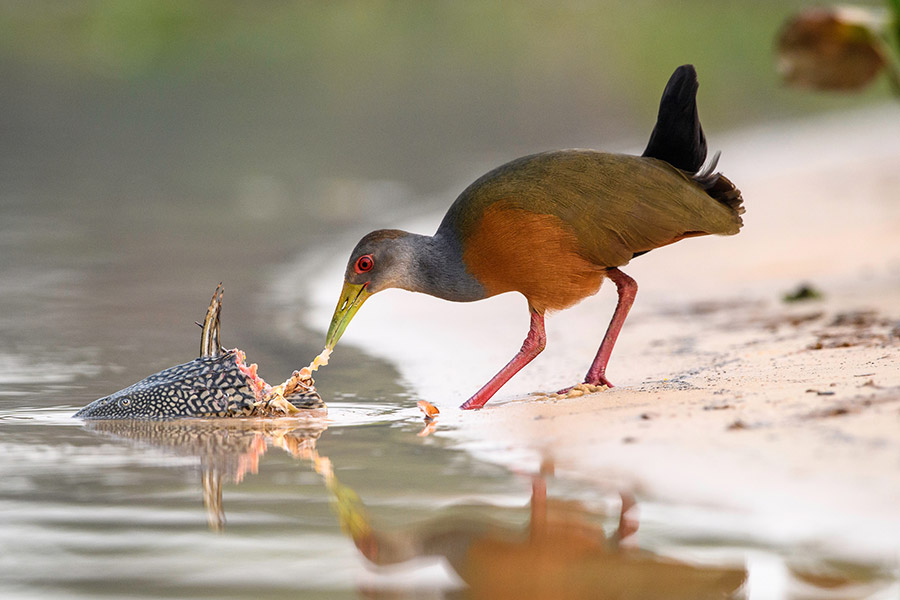
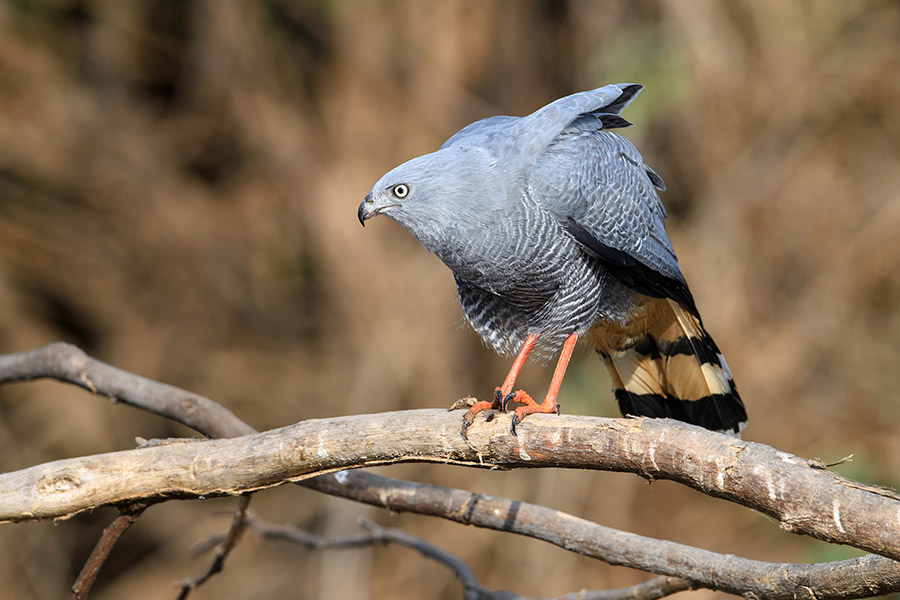
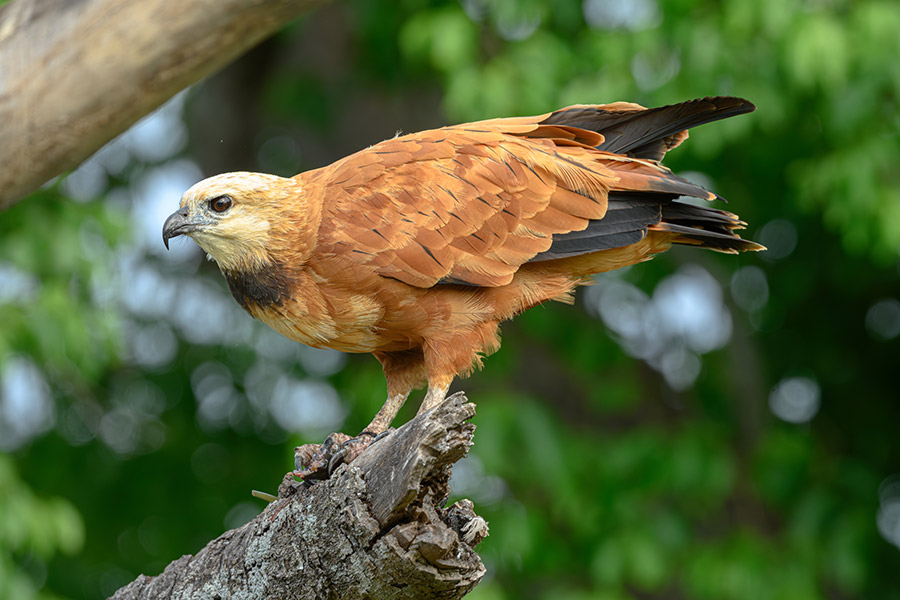
This trip is designed to combine the best elements of Brazil's North and South Pantanal and take in locations that offer a diversity of experiences, habitats, fauna and flora while focusing on jaguar photography with expert Nick Garbutt.
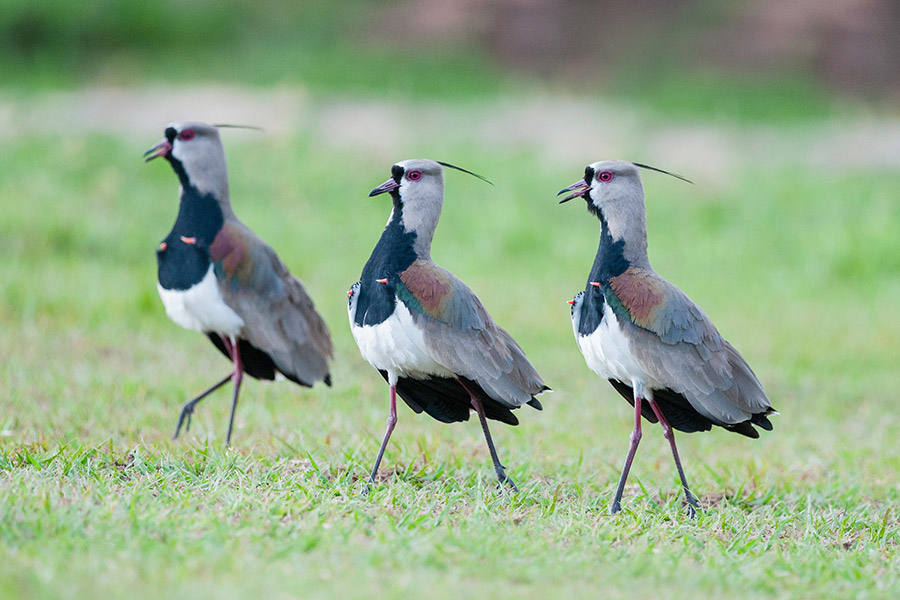
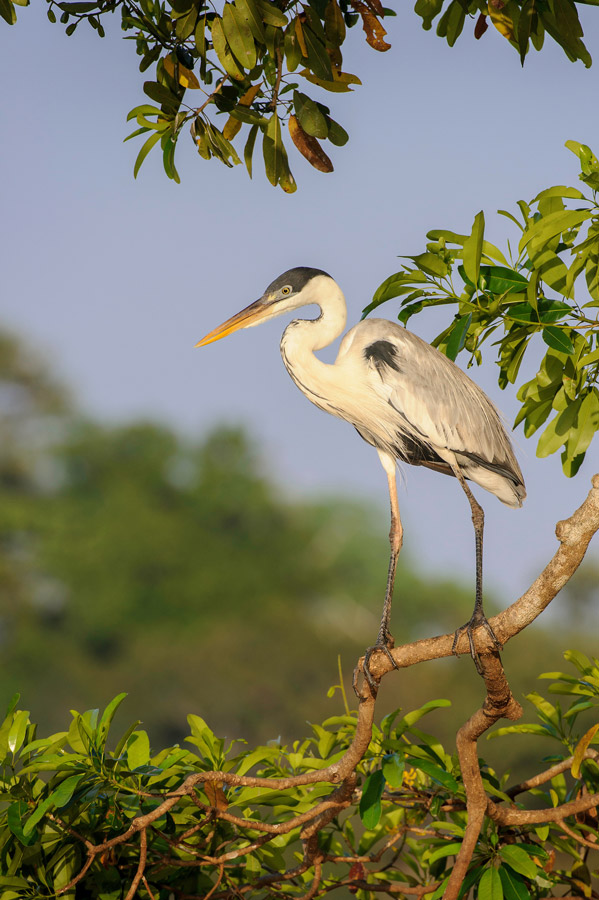
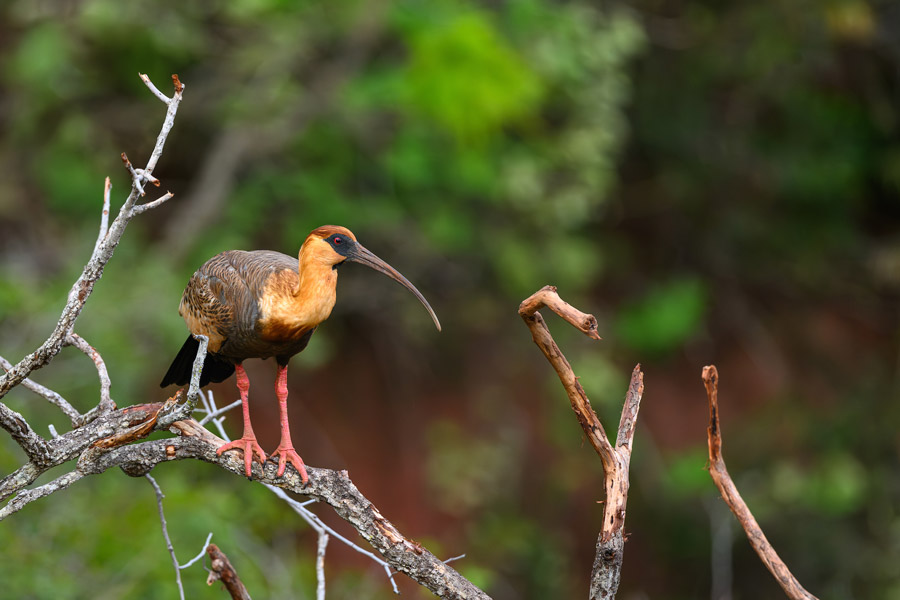
After rains in the surrounding uplands, 80% of the Pantanal becomes submerged (December-March), but as these waters drain away and the area dries out, migratory birds return and wildlife becomes more concentrated. These concentrations reach their peak in the dry season (July-October). The species the area supports is breathtaking: more than 750 species of birds, around 300 mammals and over 480 varieties of reptile. But it isn’t simply the numbers that make the Pantanal so special. Seeing iconic and rare animals frequently is a very real possibility.
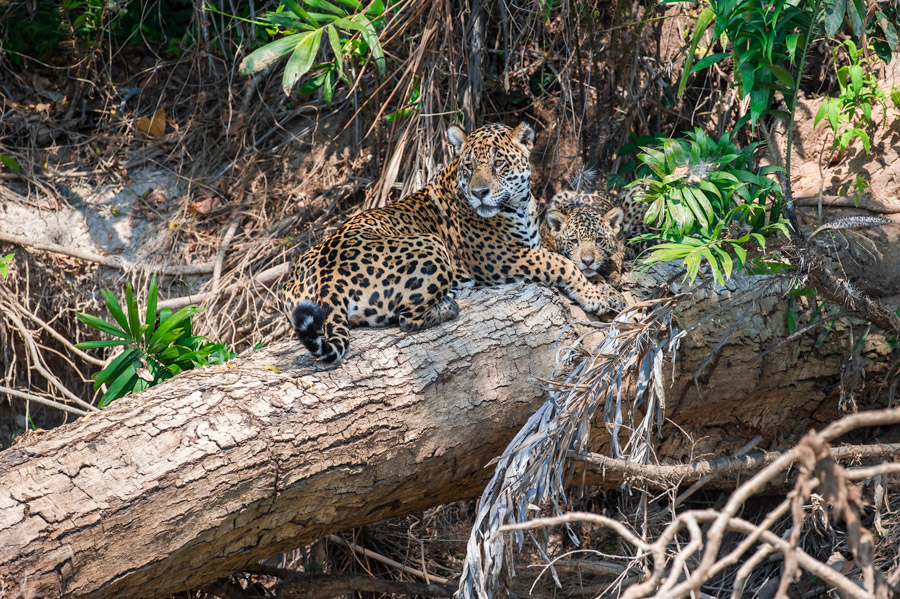
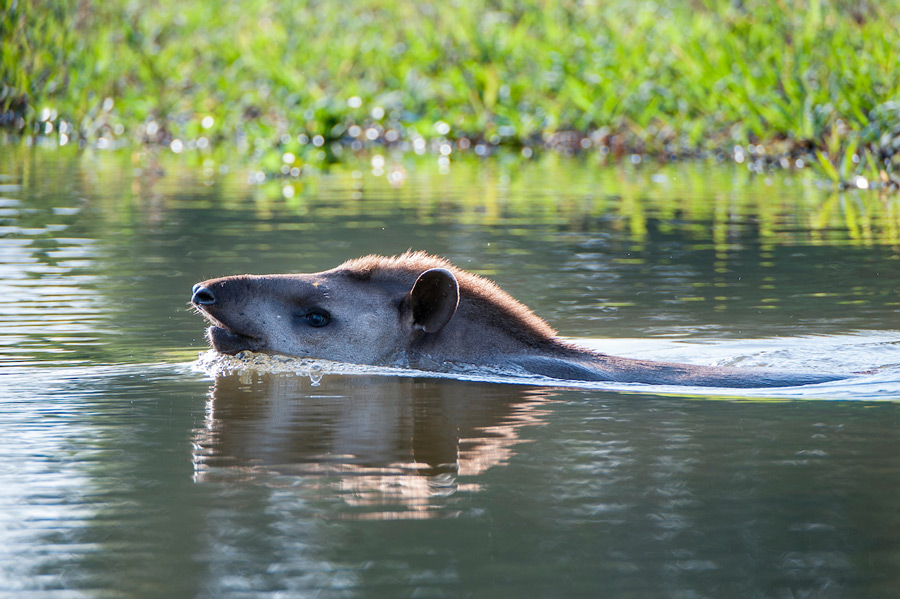
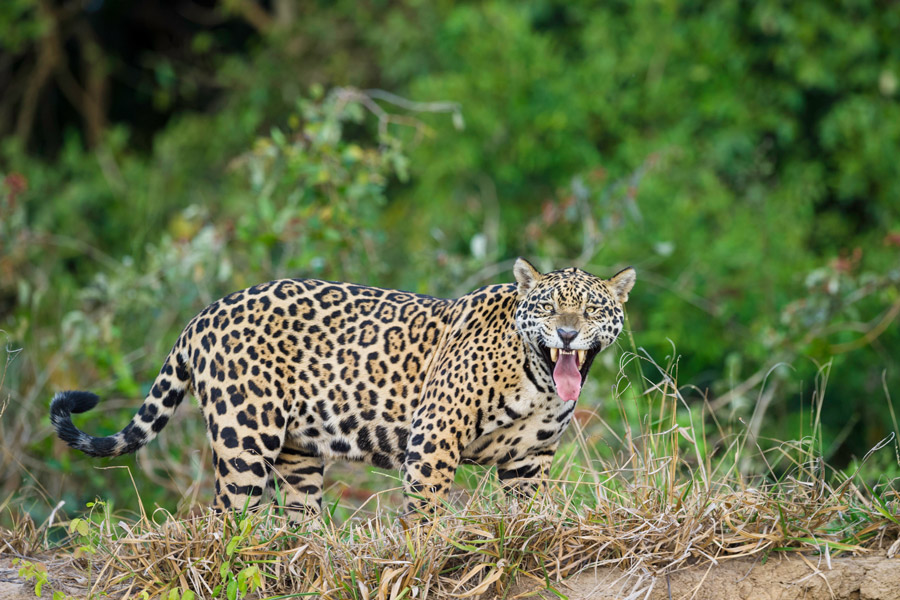
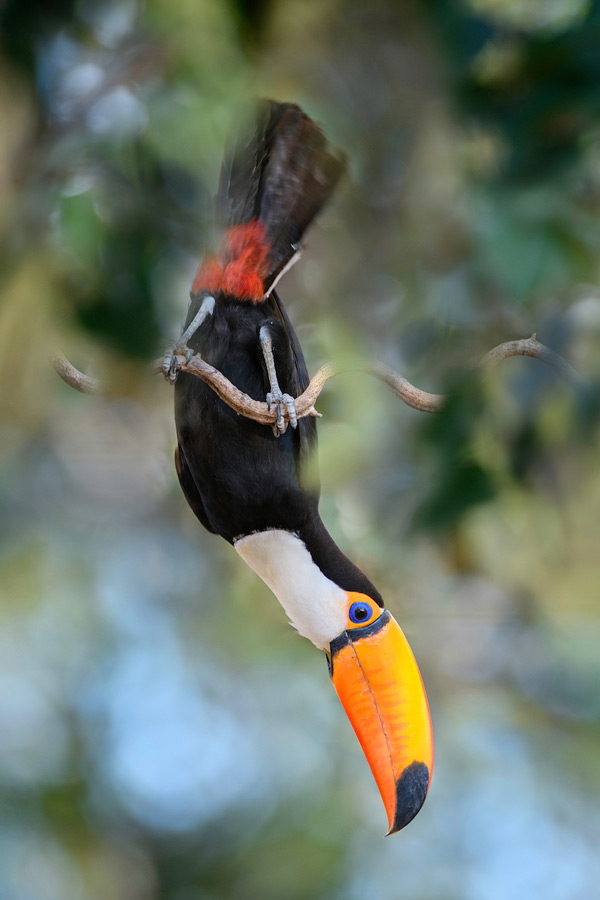
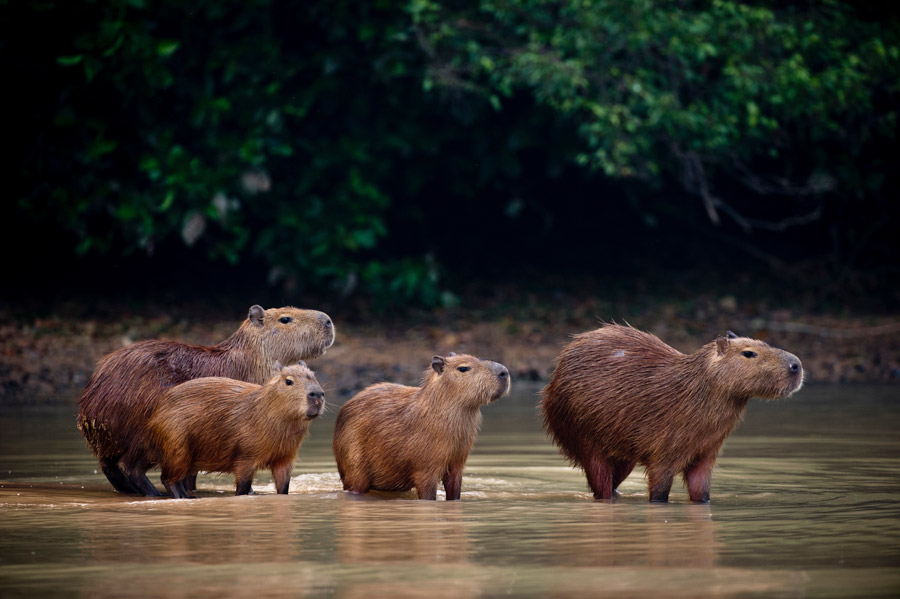
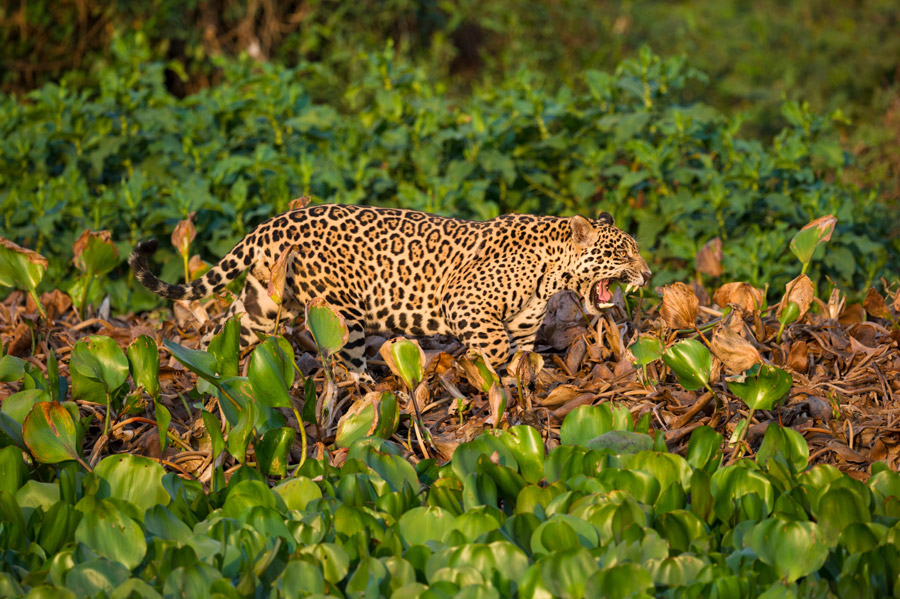
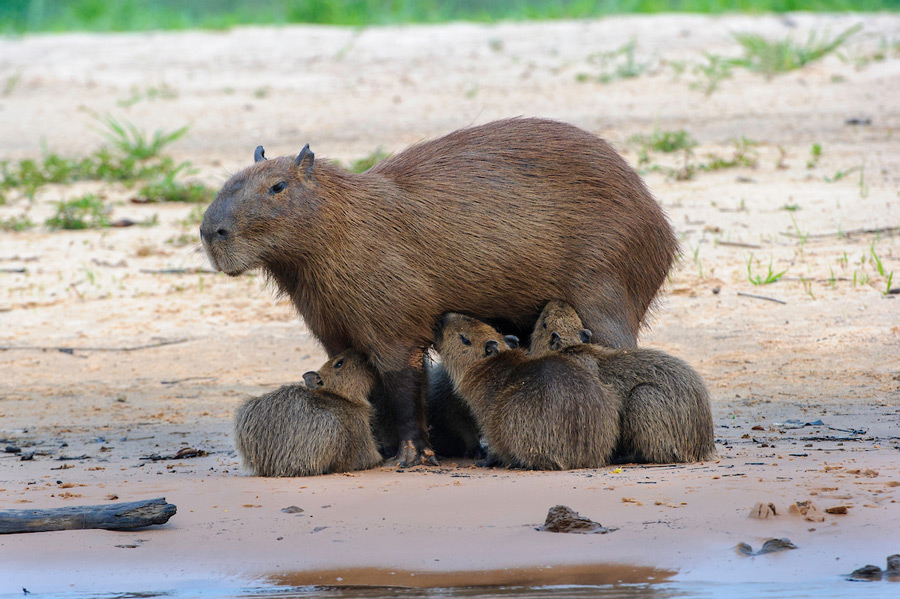
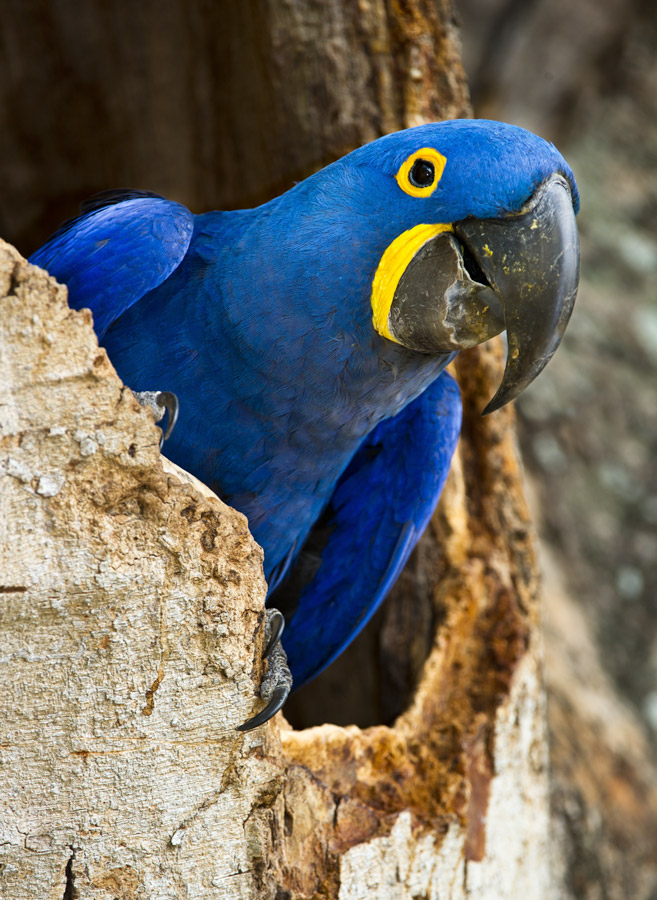
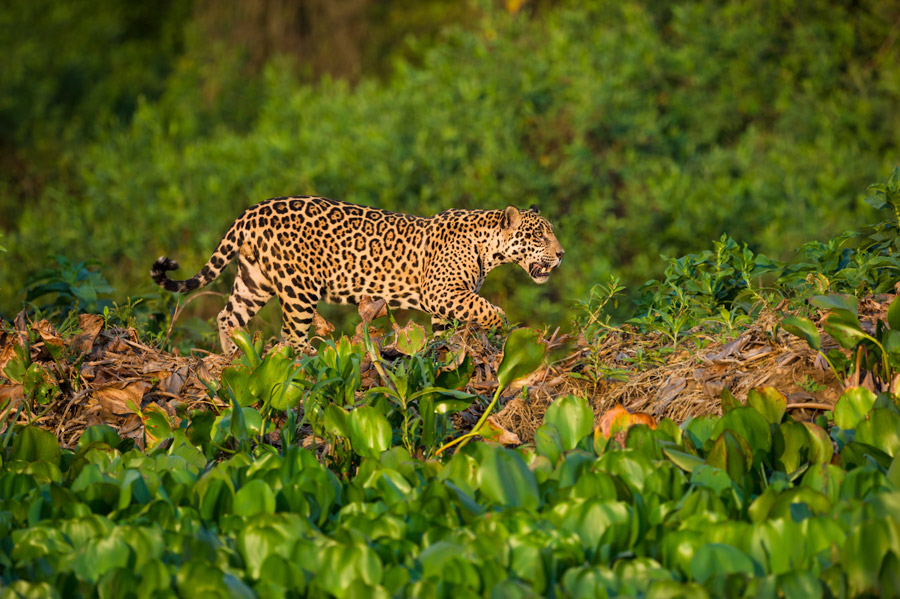
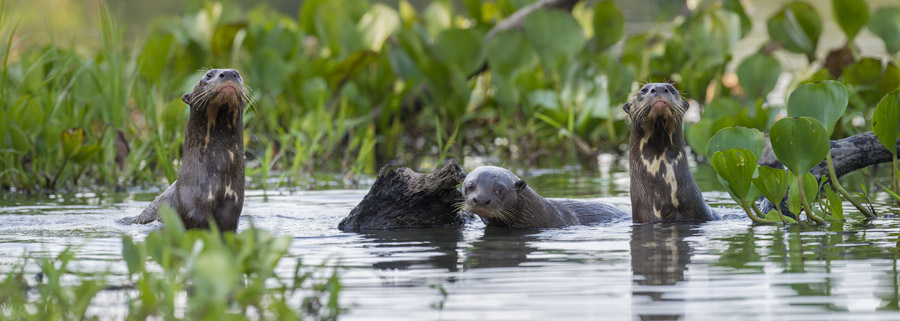
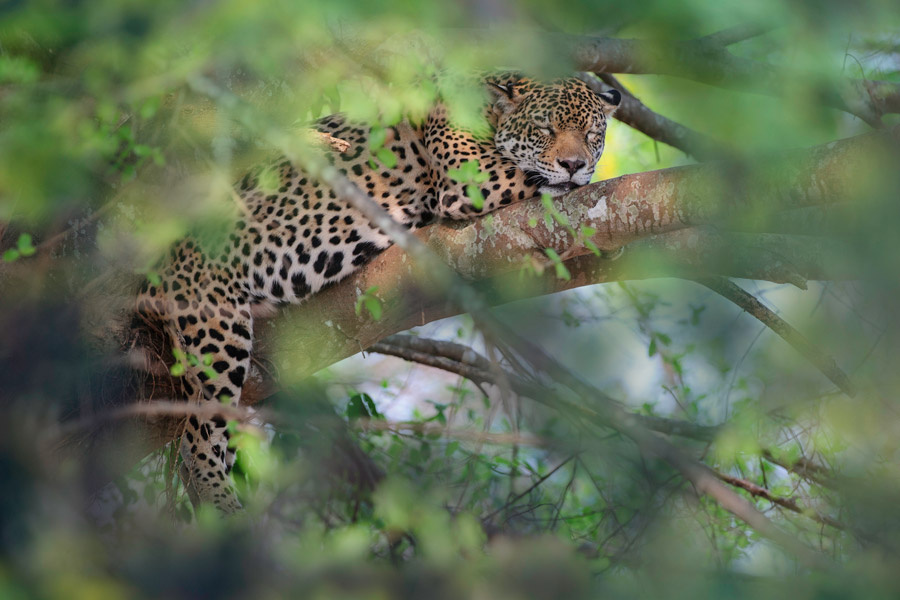
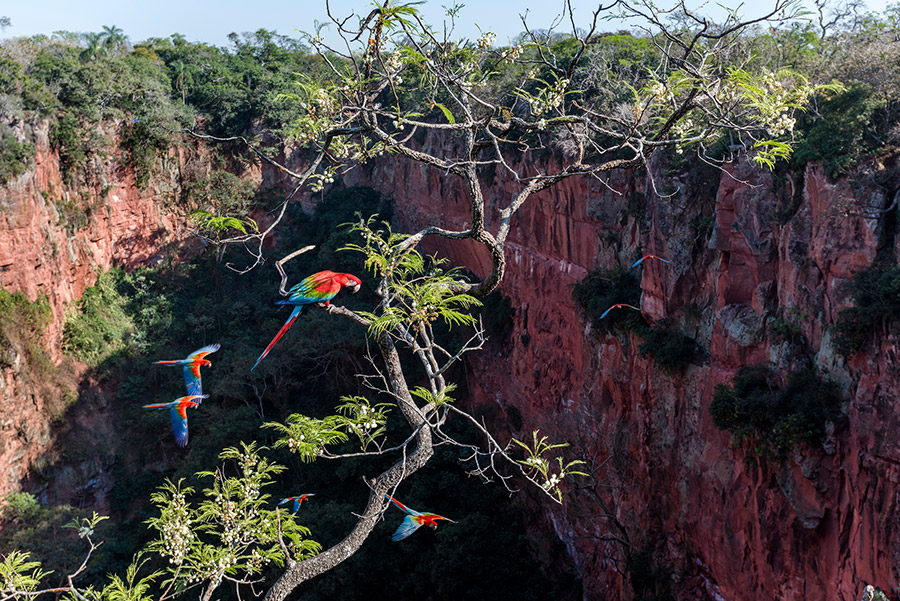
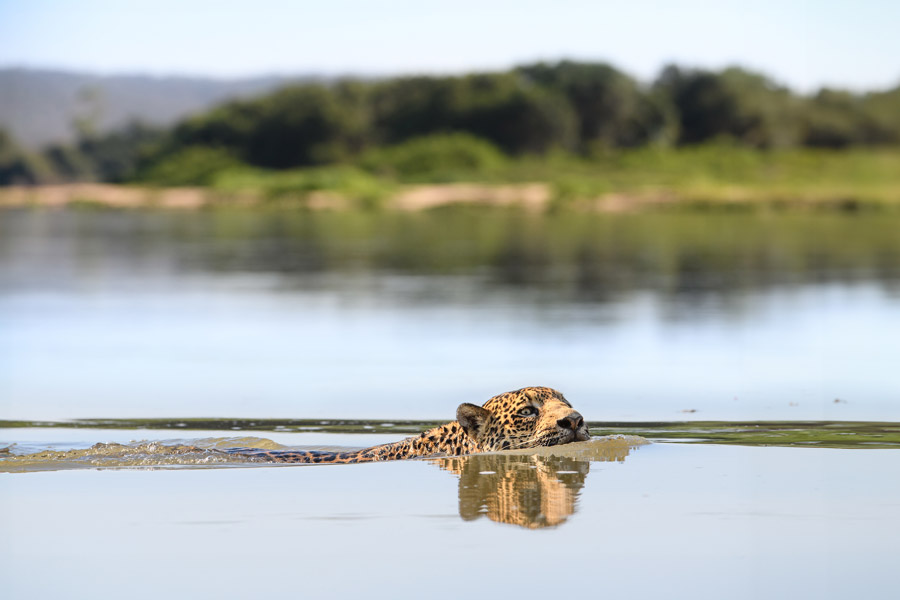
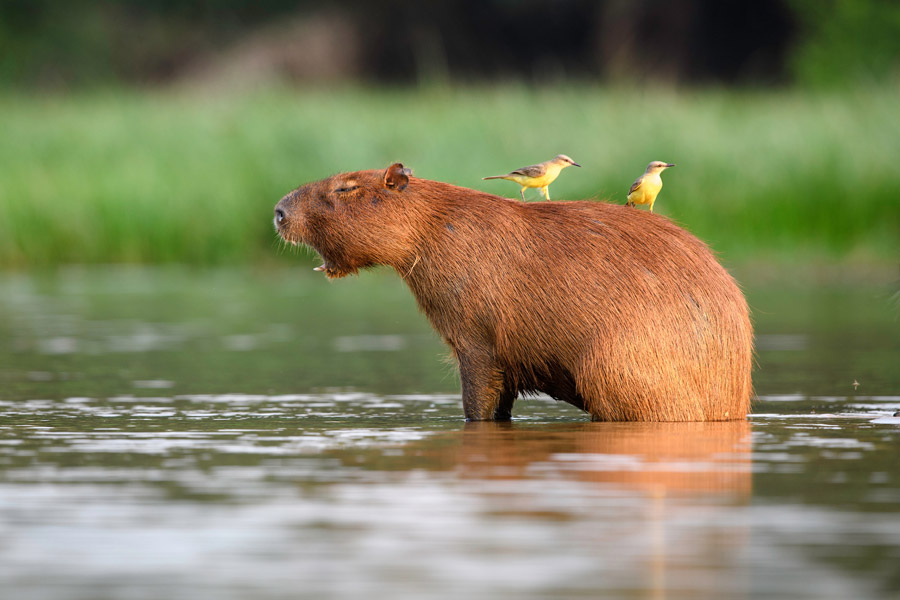
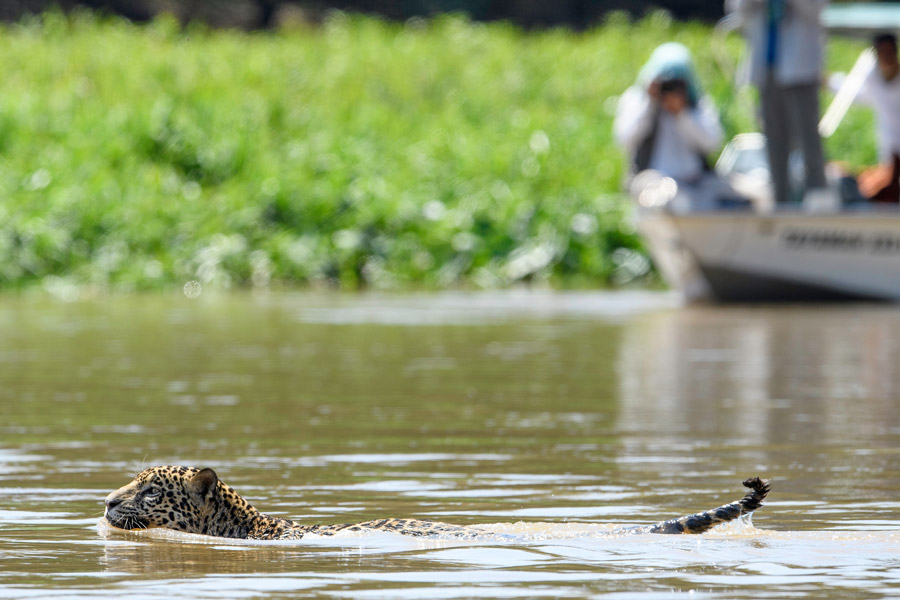
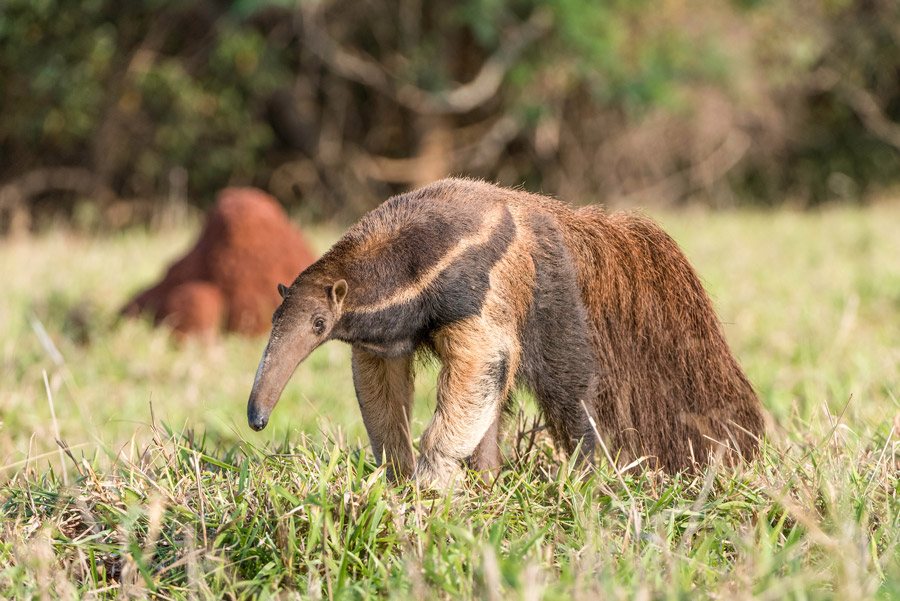
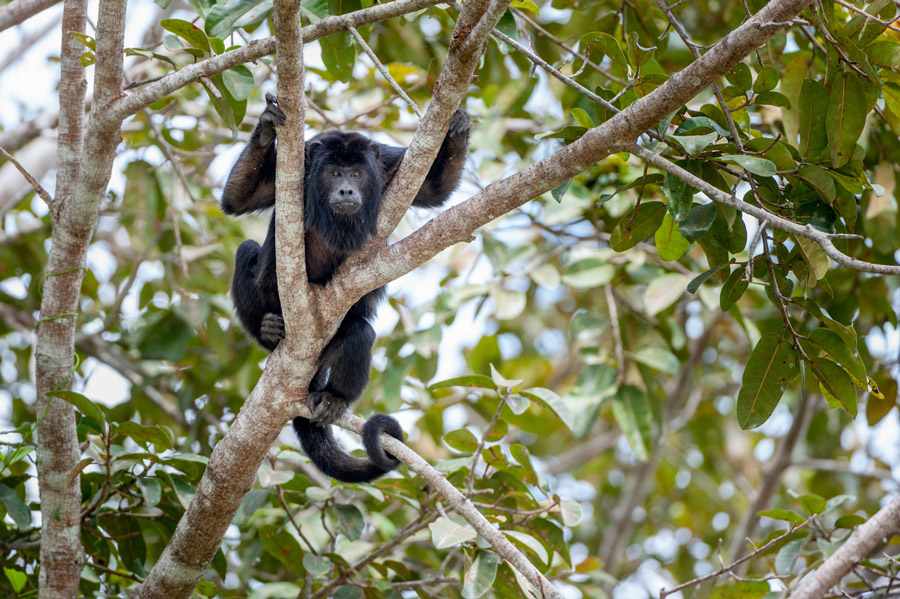
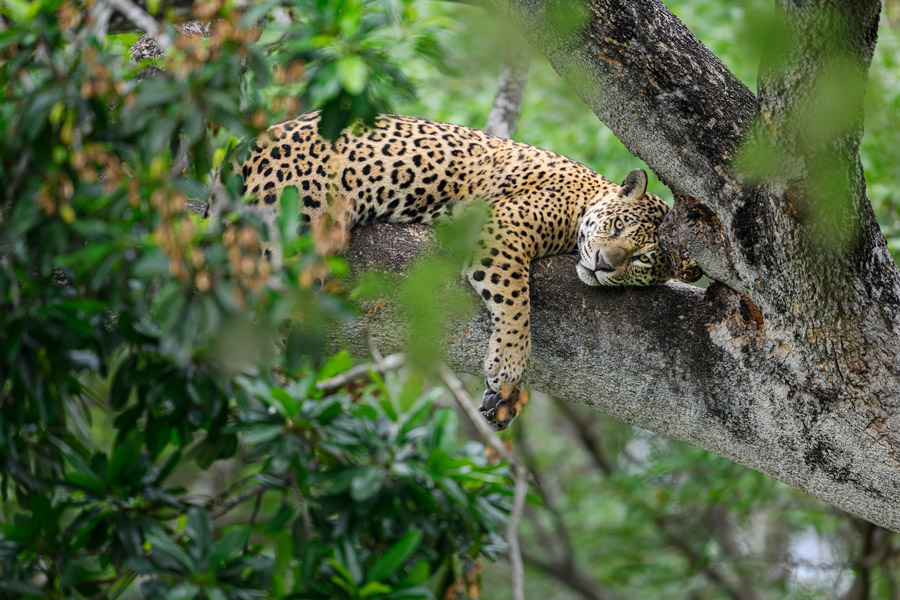
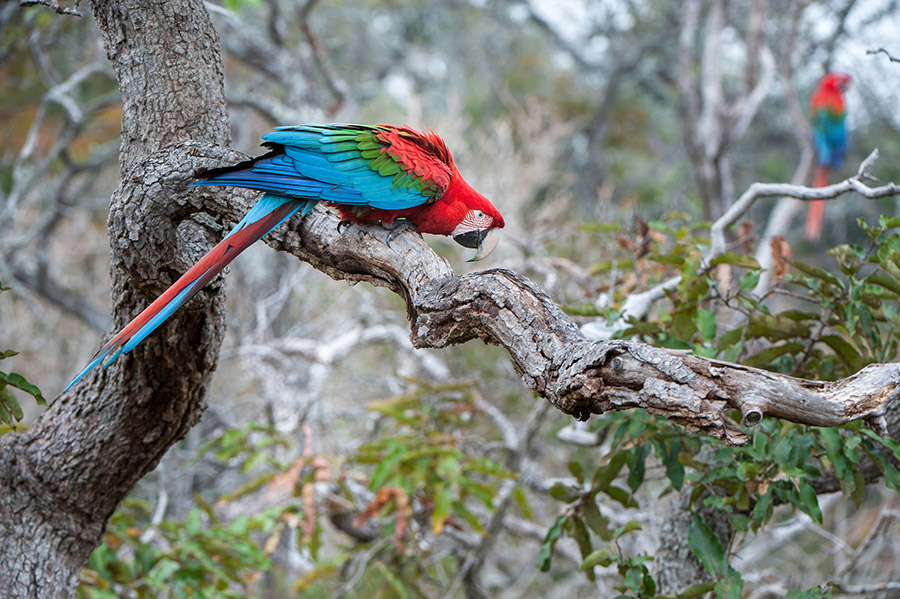
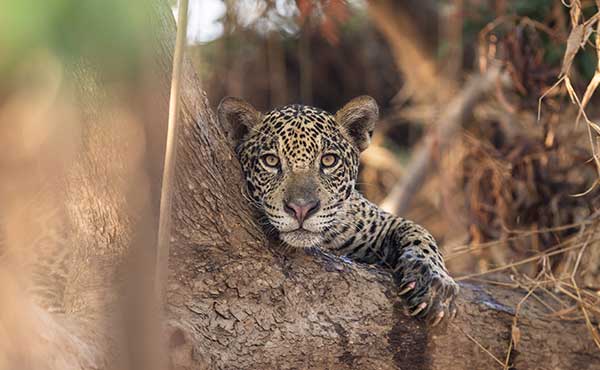
Of course, jaguars top the list: there is no finer place in the world to see South America’s apex predator, and the chances of success are very realistic. Add to this, the likelihood of encounters with giant river otter, Brazilian tapir, giant anteater, southern tamandua, hyacinth macaw, both howler and capuchin monkeys, jabirú storks, toco toucans, yellow anaconda and countless capybara and yacaré caiman, and it is easy to appreciate why the Pantanal is regarded as such a special place.
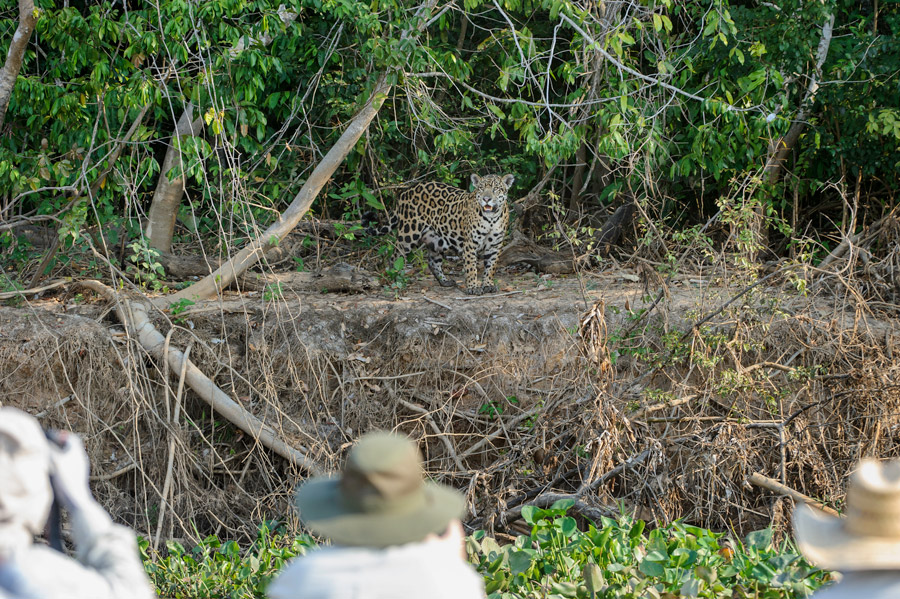
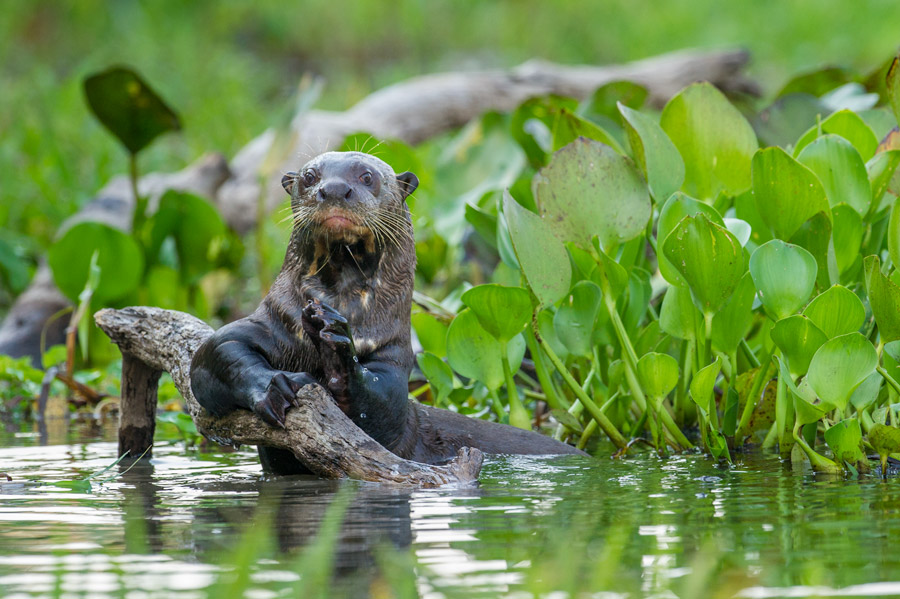
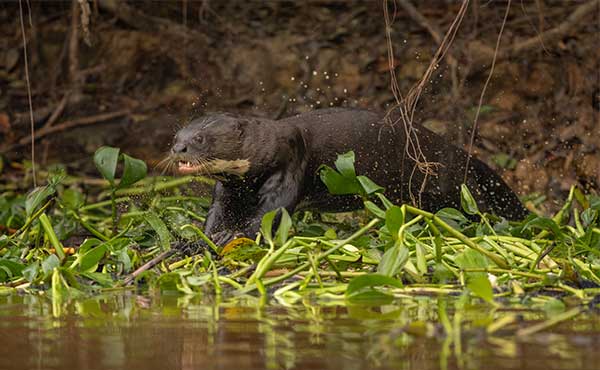
As we reach down the tributaries and main channels of the Pantanal’s immense river systems, we will be at eye level with giant river otter who noisily chatter as they hunt and play. These expressive creatures make for brilliant photographic subjects as we capture their character and behaviour. On these boat excursions we photograph the majestic jaguar who can be seen in all behaviours, from reclining on the banks to hunting caiman and capybara.
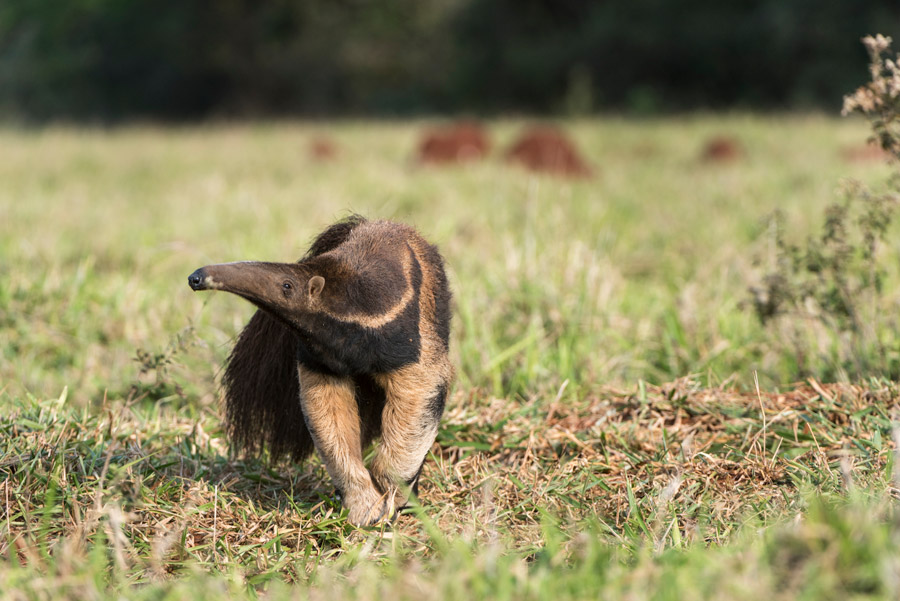
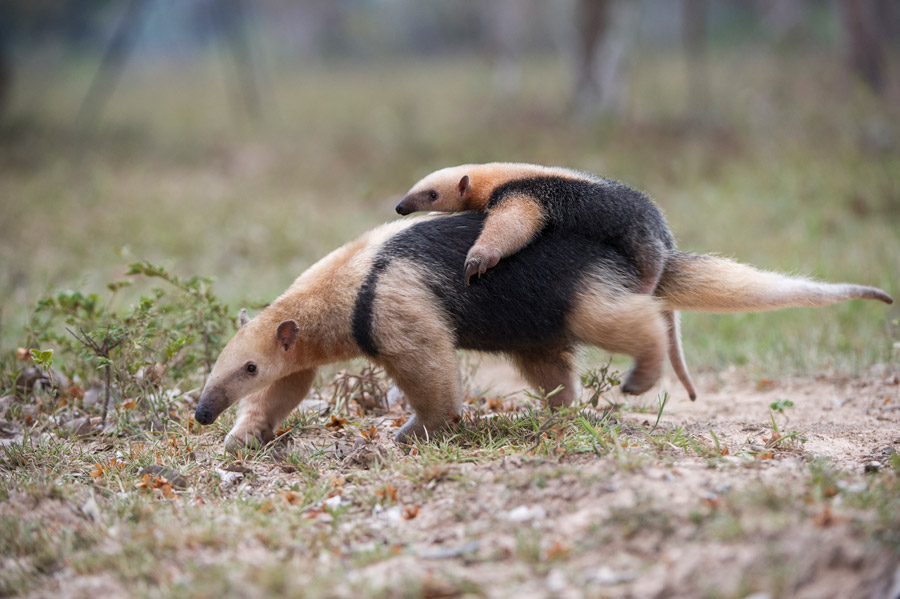
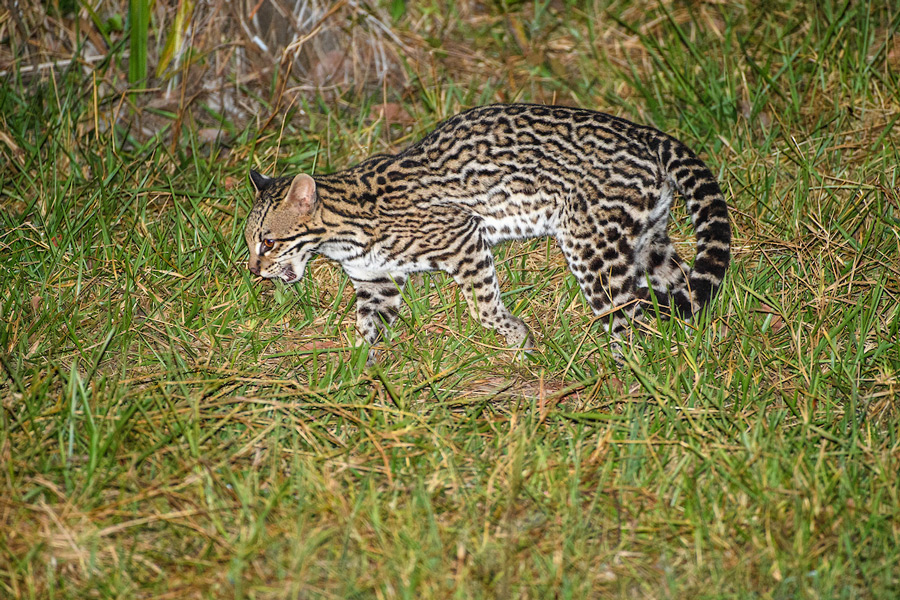
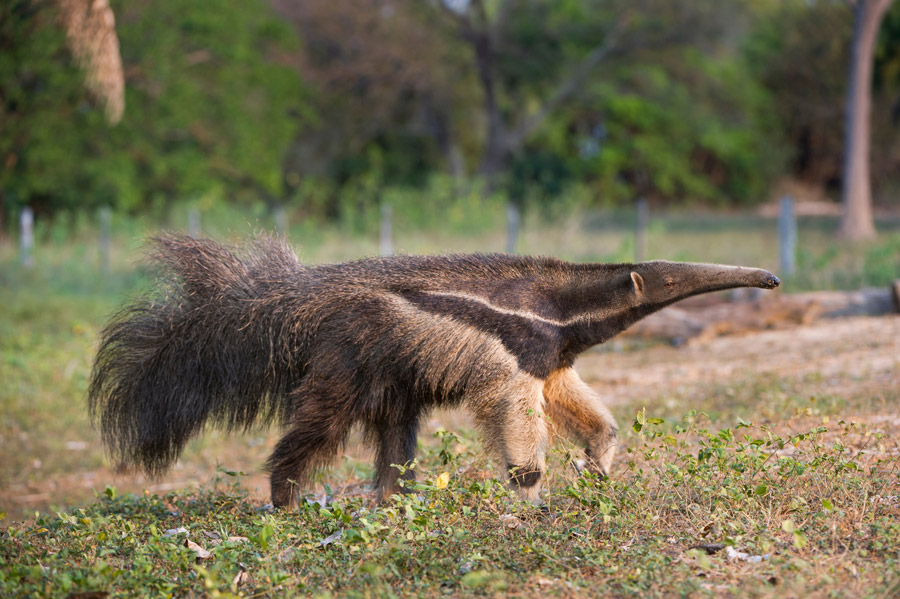
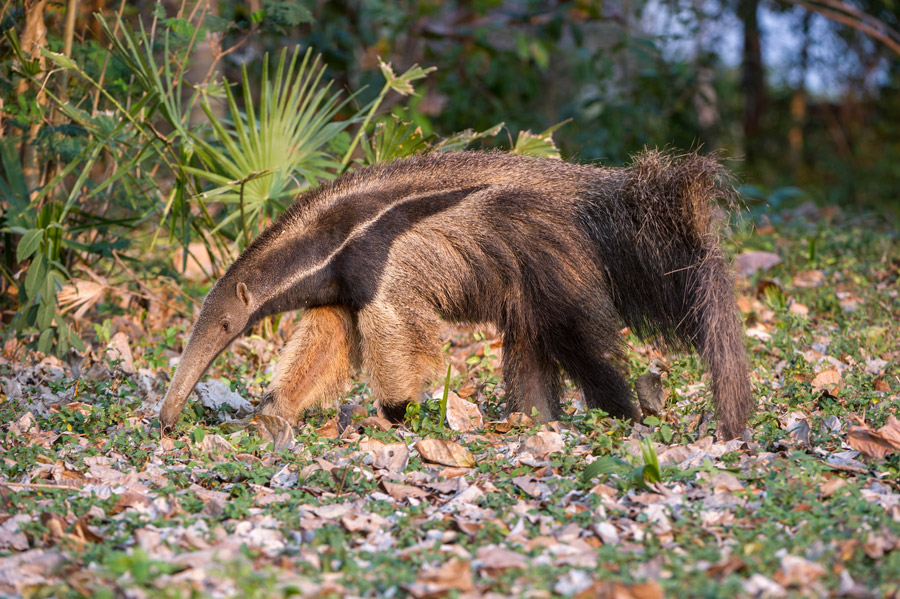
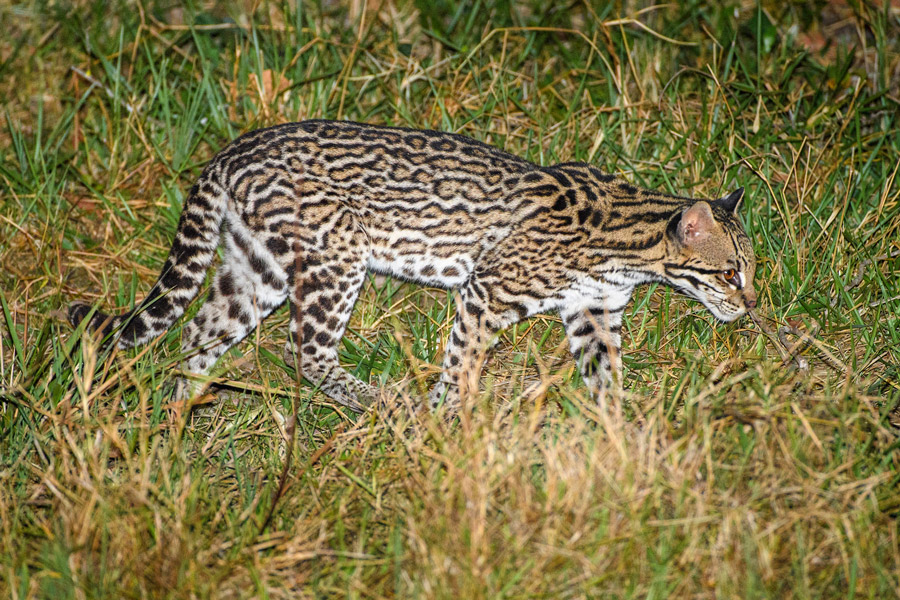
In the grasslands we search for the bizarrely built giant anteater and southern tamandua. Snuffling armadillos, bulky tapir and contrastingly slender ocelot feature in the tour focus and there will be ample opportunity to capture excellent photographs and develop new skills as we photograph the wonders of the Pantanal with personalised tuition from Nick Garbutt.
Typical Itinerary
-
Day 1:
Fly to Sao Pãulo
Depart the UK on an overnight flight to São Paulo.
-
Day 2:
Arrive Sao Pãulo & continue to the Pantanal
After an onward domestic flight to Cuiaba, gateway to the Pantanal, we're met and transferred to Poconé on the edge of the Pantanal. It's a further 40 minutes’ drive to our first lodge for lunch, and we soon begin to see our first wildlife of the region along the roadsides. There's time in the afternoon for some short walks to begin exploring the area, with opportunities to photograph some of the more common species. Some of the species that we hope to observe include caiman, capybara, black-striped capuchins, black-and-gold howler monkeys and a variety of macaws.
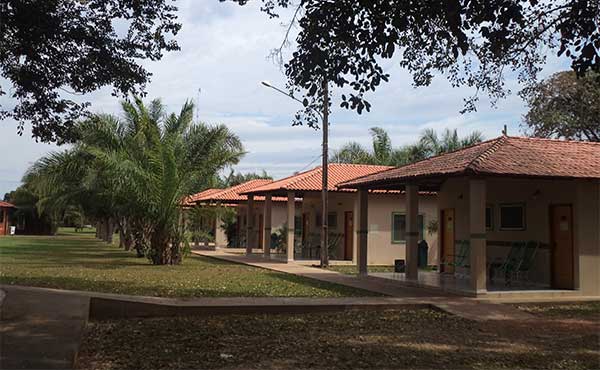
Accommodation: Pousada Araras Eco Lodge, 3-nights
-
Days 3-4
:
Explore the Araras Reserve & the surrounding area
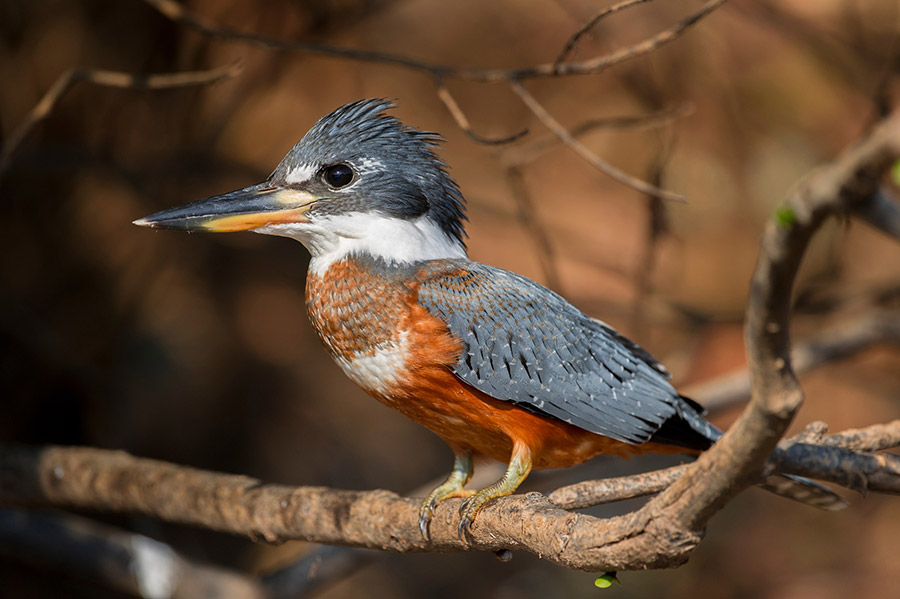
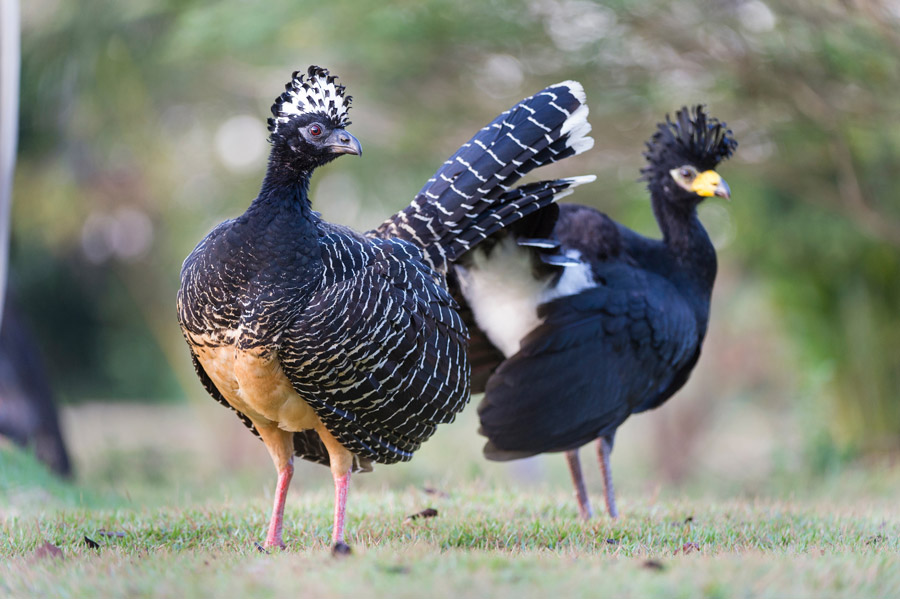
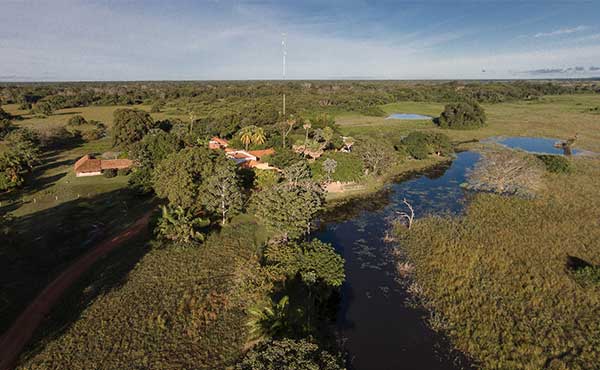
The private reserve of the Pousada Araras Eco Lodge is a mosaic of grassland, marsh, open water and forest providing habitats for an impressive array of species and all within easy reach of the lodge. For the next two days, we explore the area by safari truck or on foot – raised boardwalks lead through the wetlands into nearby deciduous forest, where canopy towers offer bird’s-eye views of the surrounding area. Around the lodge are the nests of hyacinth macaws, with numerous other birds easily seen like bare-faced curassow, chestnut-eared araçaris and toco toucan.
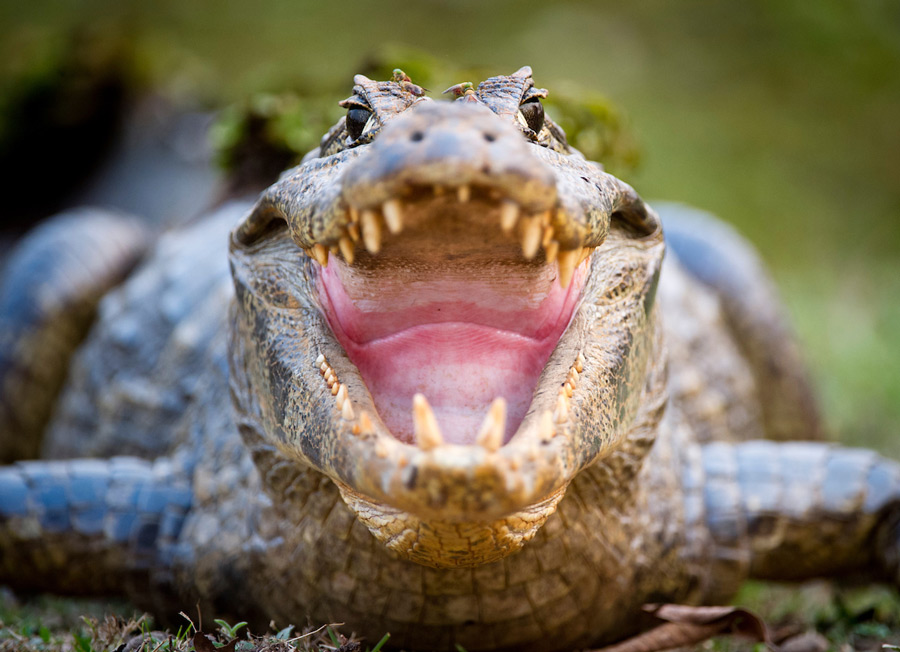
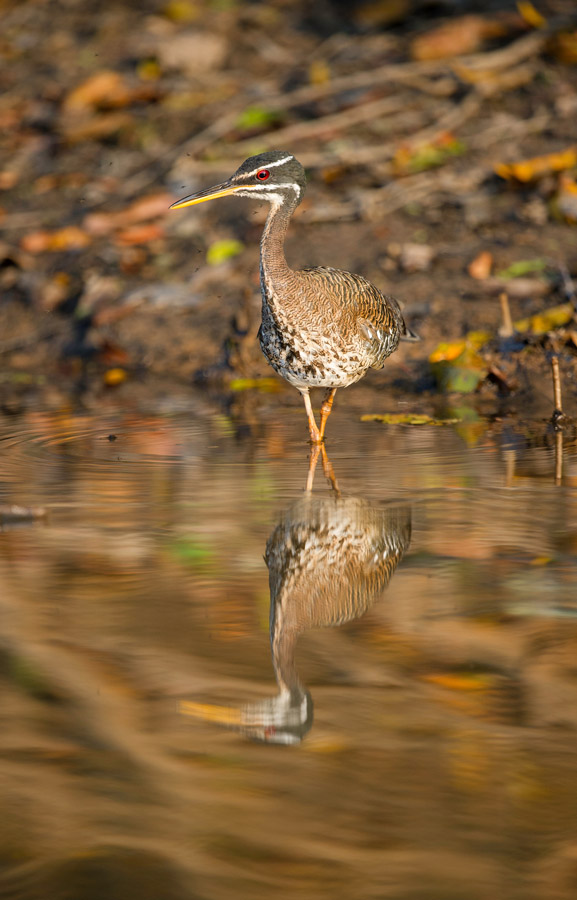
In adjacent pools large numbers of yacare caiman and capybara are resident together with rufescent tiger herons, wattled jacanas and many other species.
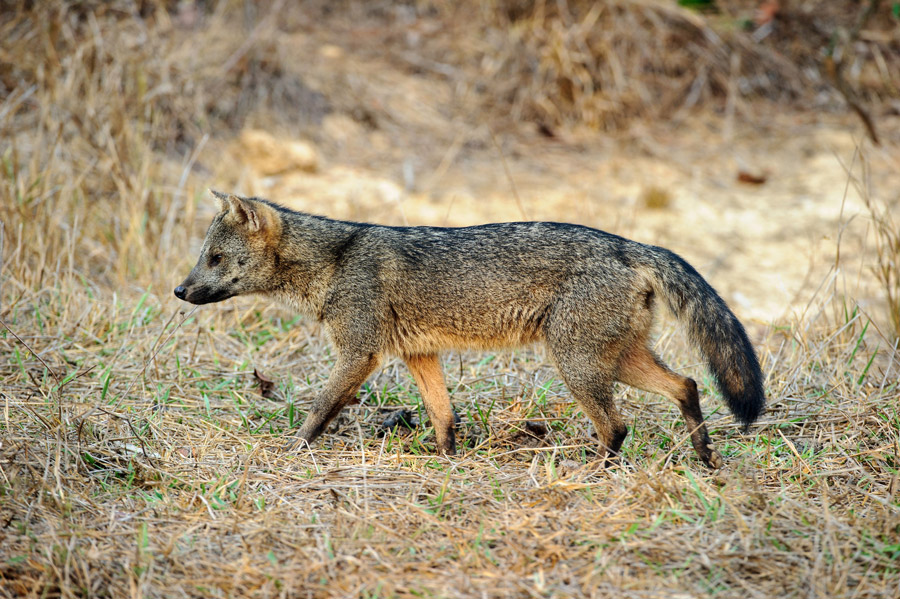
Day and night drives in an open safari truck allow us to explore areas further afield: night drives can be good for spotting crab-eating foxes, crab-eating raccoons, Brazilian tapir and perhaps even ocelot.
-
Day 5:
Transfer to Porto Jofre & boat trip on the Cuiaba River
After breakfast at Araras, we drive south down the Transpantaneira to Porto Jofre on the Cuiaba River. There's plenty of birdlife to see along the way, with large aggregations of water birds often seen in pools close to the road. At Porto Jofre we have lunch at the Pantanal Norte Hotel, our next base before setting out by boat up the Cuiaba River and into the heart of prime jaguar viewing areas.
Accommodation: Hotel Pantanal Norte, 5-nights
-
Days 6-9
:
Boat trips on the Cuiaba River & smaller tributaries
Over the next four days we take morning and afternoon boat trips on the Cuiabá, Piquirí and Three Brothers Rivers and their tributaries, where we can photograph jaguar and other wildlife. There's a very healthy population of jaguars in the vicinity, that specialise in hunting capybara and caiman that constitute 90% of their diet. Numerous different individuals are regularly seen along the banks of the watercourses and in the immediately adjacent forest.
The area teems with other wildlife too. This is one of the best places in South America to see giant river otters, with a number of family groups often being very tolerant. There is also a good chance of seeing Brazilian tapir, black howler monkey and perhaps yellow anaconda.
-
Day 10:
Final boat trip on the Cuiaba River and charter flight to Baia das Pedras
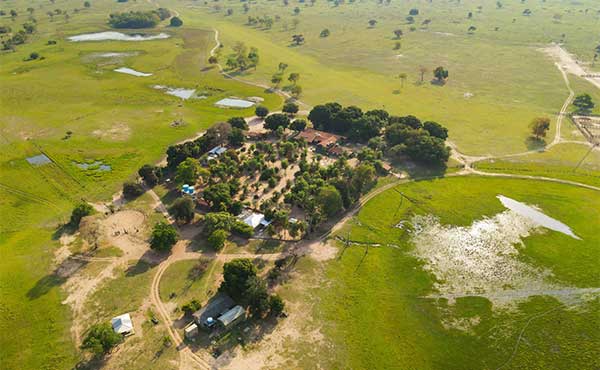
This morning, we have a final boat trip on the river to hopefully enjoy a final sighting and photography session with jaguars or giant river otters. We return to the hotel for late morning, where we take a chartered light aircraft flight over the Pantanal landscapes to land at the remote airstrip at Fazenda Baia das Pedras in the heart of the Southern Pantanal. This is a wonderful wildlife location with a different range of species and habitats to what we have experienced in the north. The family-run lodge and has been the base for ongoing studies into the secretive giant armadillo and tapir. In the afternoon, we have a chance to explore the surrounds - our first chance to observe and photograph species in the Southern Pantanal.
Accommodation: Fazenda Baia das Pedras, 5 nights
-
Days 11-14
:
Explore the Southern Pantanal from Baia das Pedras
We have four full days to explore this vast area and will spend time photographing the iconic giant anteaters that frequent the grasslands. The area is also known for its congregations of rhea, tapir, pampas and marsh deer, peccaries, coatis and several species of armadillo. Southern tamandua, puma, ocelot and tayra are also found on the property but are more difficult to observe and there's an outstanding bird diversity and many opportunities to indulge in some macro photography too.
During our time here, we have exclusive use of the lodge and 17,000-hectare property so will enjoy exploring on game drives, walking safaris, night drives and possibly horse back or canoe. During our stay, we may be fortunate to have a visit from one of the research teams studying giant armadillos or tapirs on the property too.
-
Day 15:
Transfer to Campo Grande & fly to UK
This morning it's sadly time to say farewell to our friends at the lodge as we take a charter flight back to Campo Grande and connect with a domestic flight to São Paulo. We then continue with our onward overnight flight back to London.
-
Day 16:
Arrive UK