This exciting and unique itinerary focuses on two of Patagonia’s top predators: the puma inland and the orca along the coast.
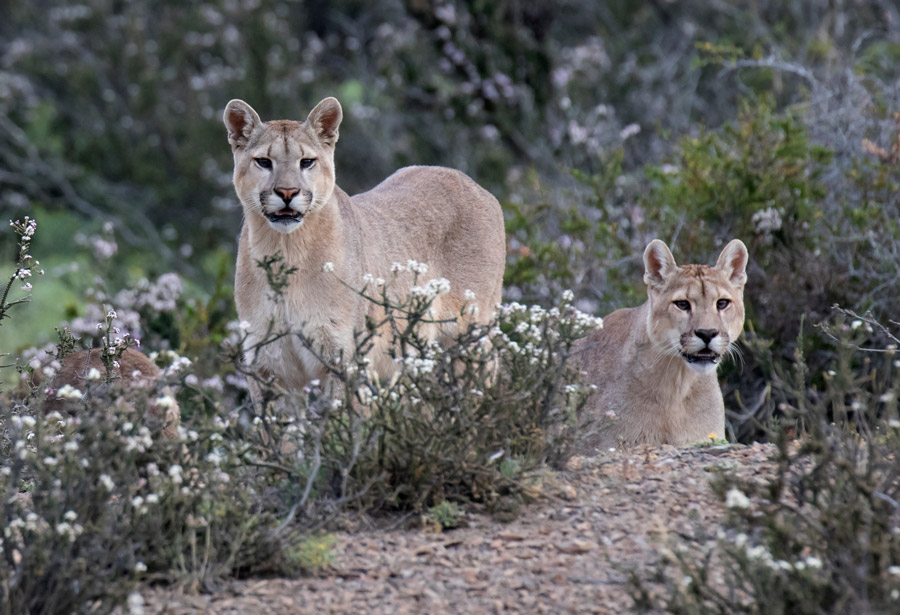
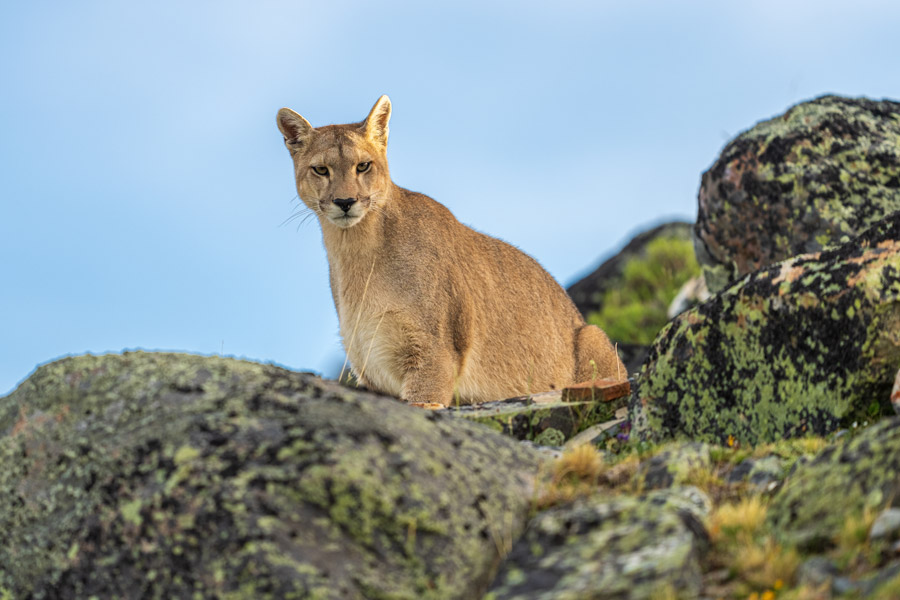
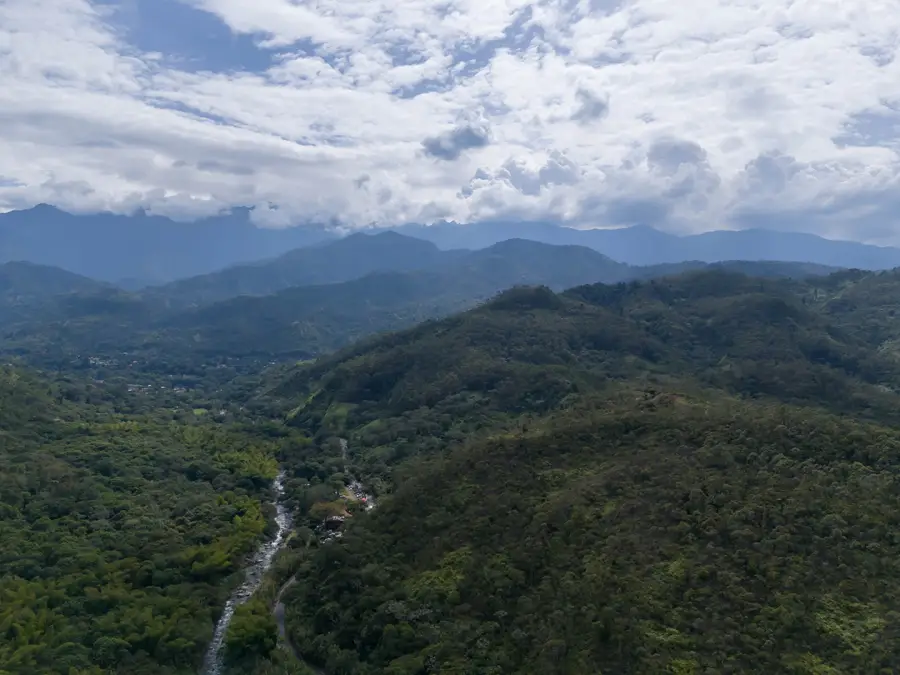
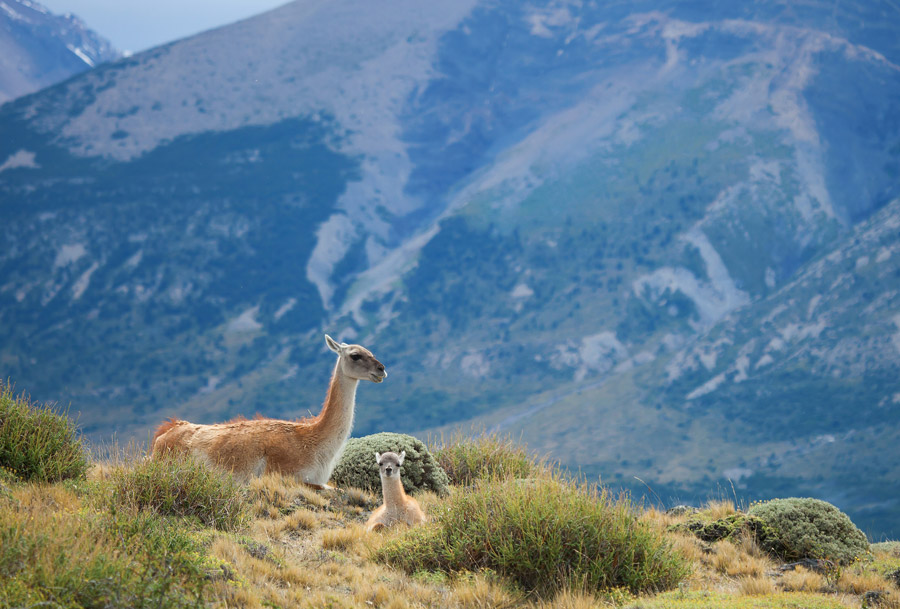
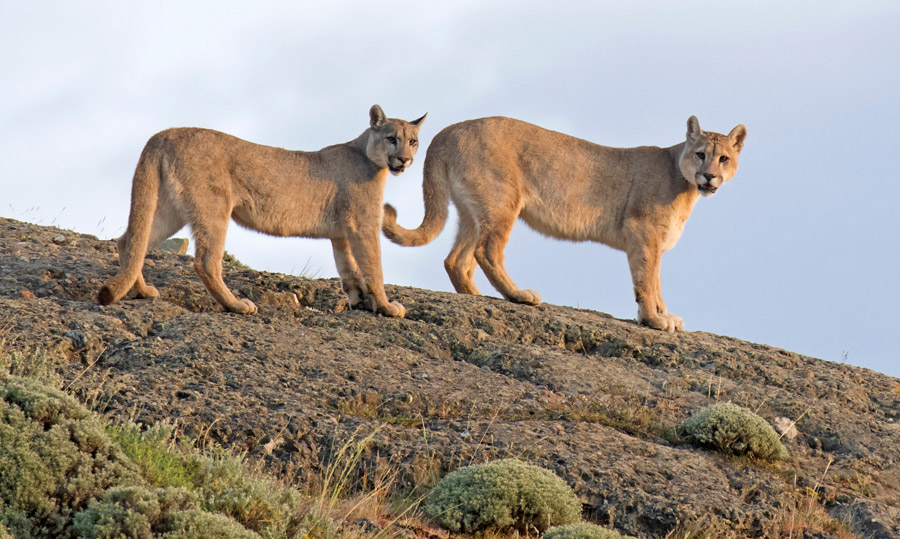
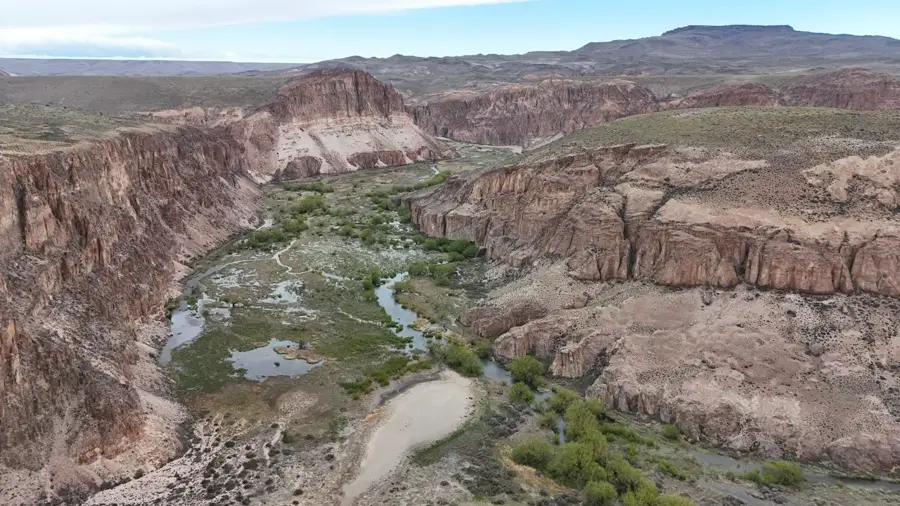
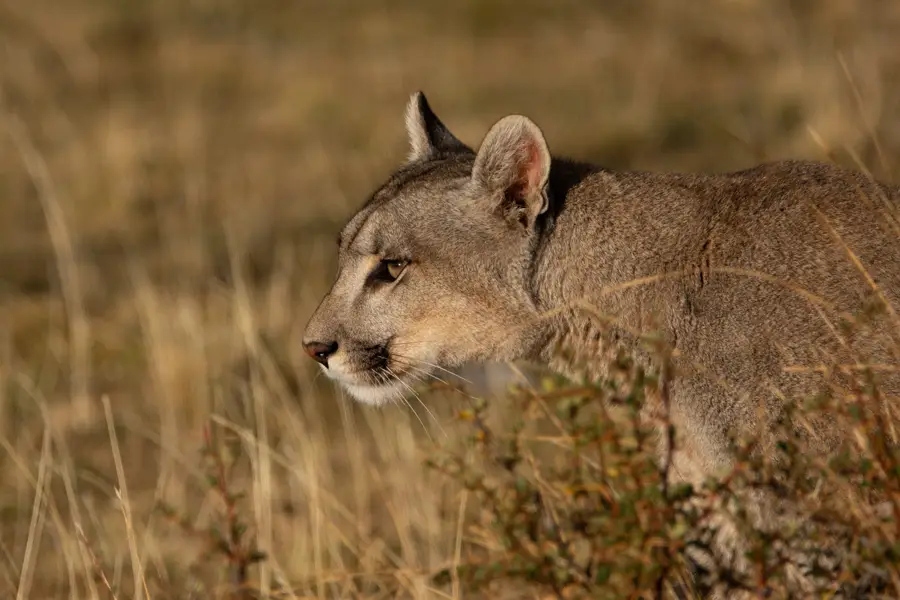
We begin in Parque Patagonia, a remote meeting point of forest and steppe, where we spend five days tracking pumas in a landscape restored from former sheep grazing grounds. The region’s dramatic mix of canyons, grasslands, and southern beech forest supports Andean condors, guanacos, Wolffsohn’s viscachas, and the endangered huemul deer. Finding and watching the park’s now semi-habituated pumas in their natural habitat is the highlight of our time here.
Alongside, Chile’s Torres del Paine National Park, this is the best location in the world to observe this elusive big cat. It's a thrill to track them in such a wild landscape and learn about the story of their comeback in this part of Patagonia.
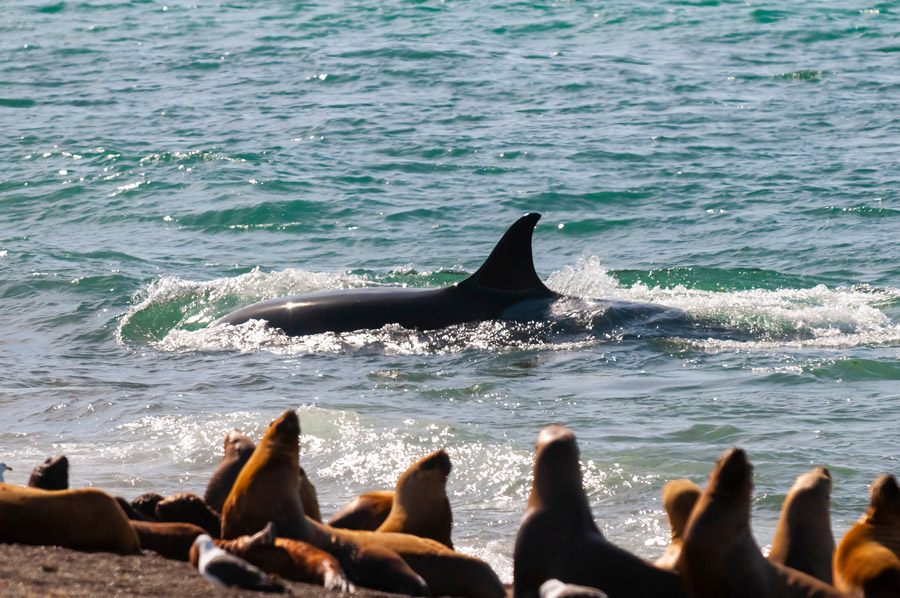
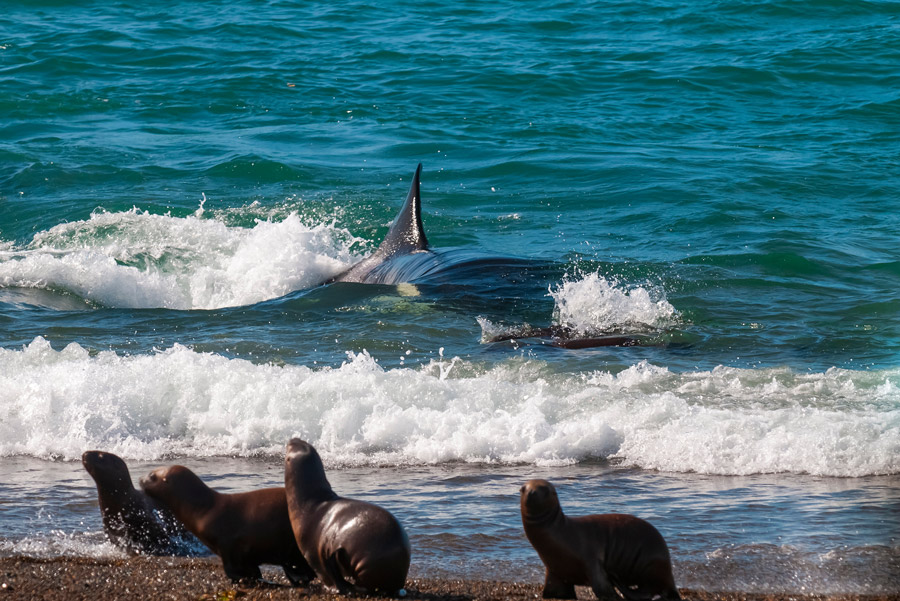
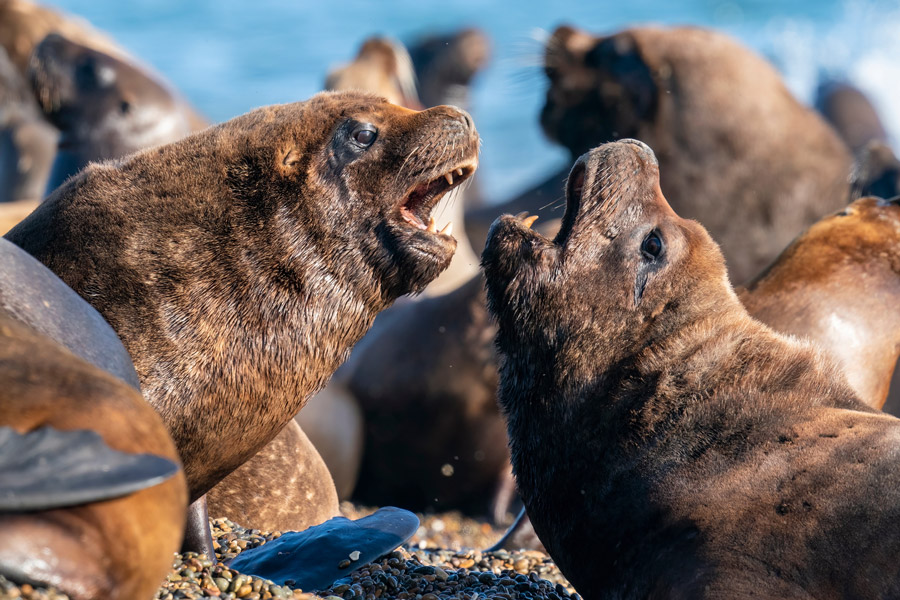
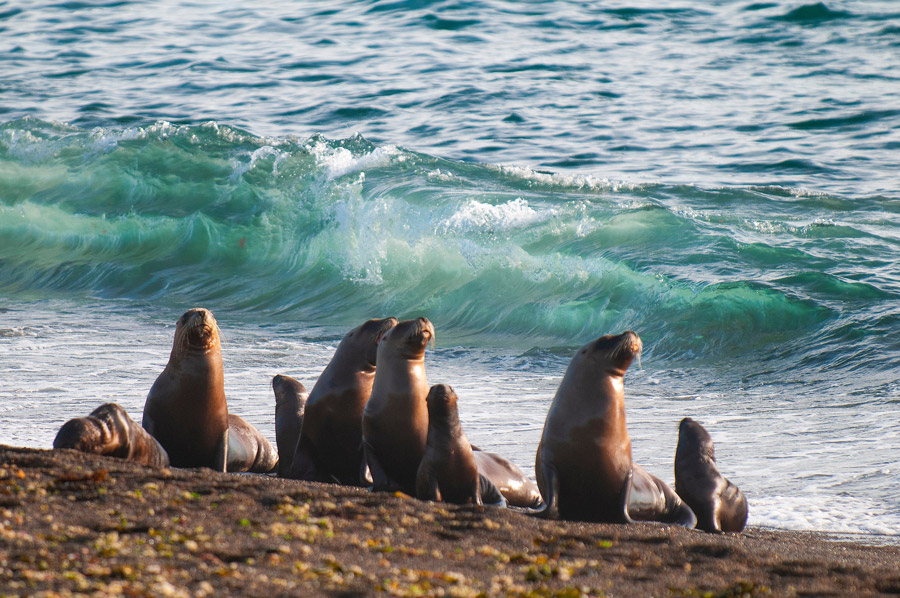
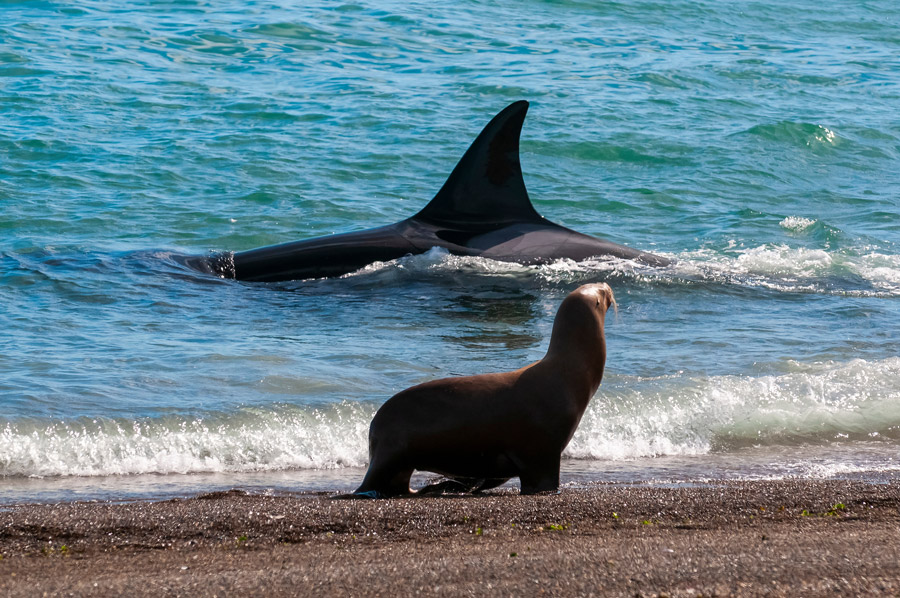
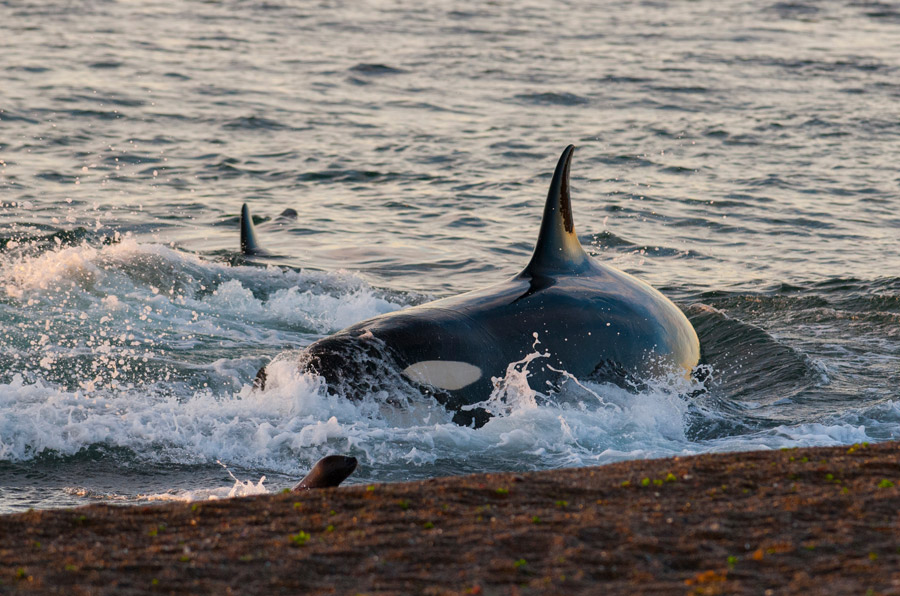
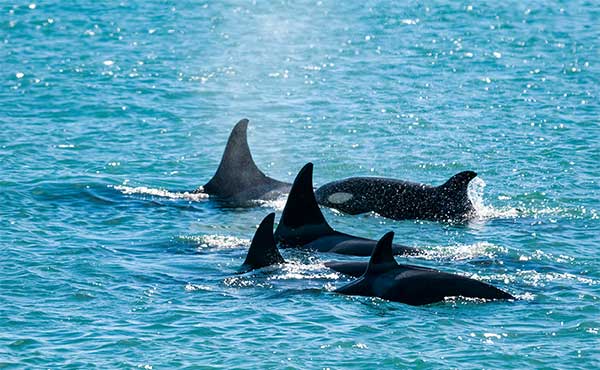
Next, we continue to the Valdés Peninsula, a windswept headland renowned for its rich marine life. Its beaches are home to large colonies of South American sea lions, which draw the peninsula’s famous orcas. This resident group practices the exceptionally rare hunting method known as intentional stranding, in which orcas surge onto the beach to seize young sea lions. Although their movements shift slightly from year to year, our visit is timed for the period when this behaviour is most often seen.
This is the only place in the world where intentional stranding occurs, it’s a unique cultural behaviour passed down through generations of orcas. While a beach attack can never be guaranteed, watching these powerful predators patrol just beyond the surf from land is an unforgettable wildlife experience that stays with you long after the spectacle has passed.
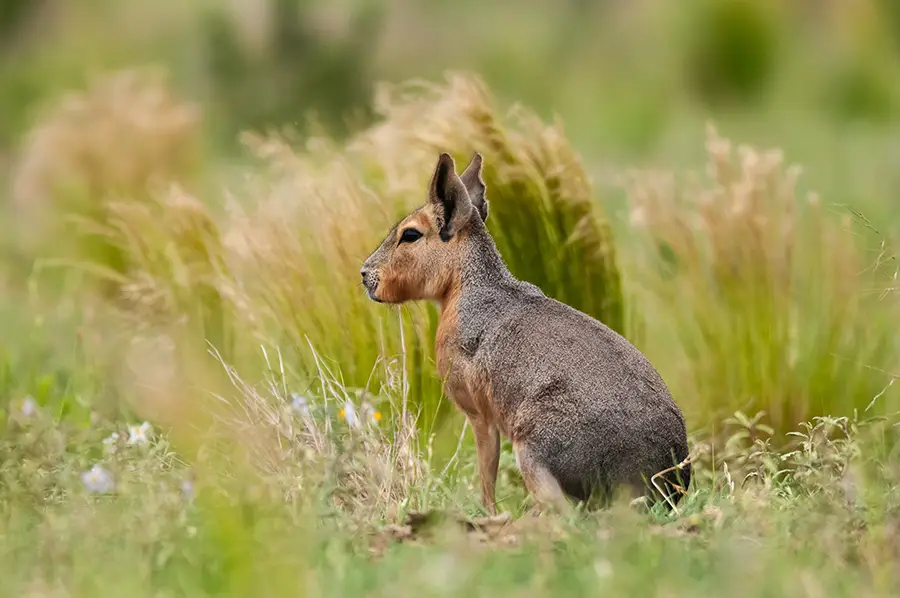
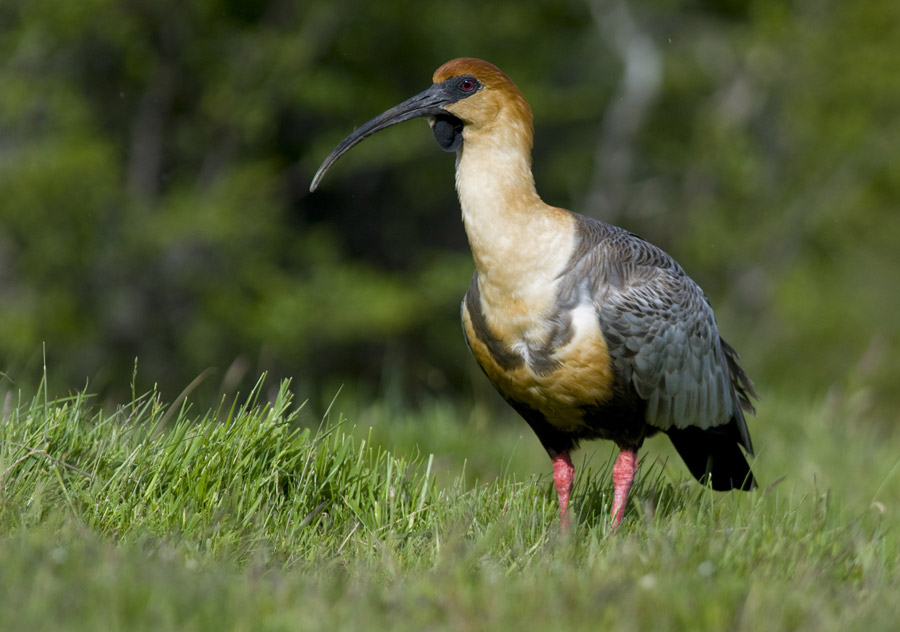
While pumas and orcas are the focus, Patagonia’s wider wildlife and vast landscapes add to the experience. Expert local naturalists join us at each site, with tour leader Helen Bryon accompanying the group throughout.
Typical Itinerary
-
Day 1:
Depart UK
-
Day 2:
Arrive Argentina
We arrive in Buenos Aires and are transferred to our hotel.
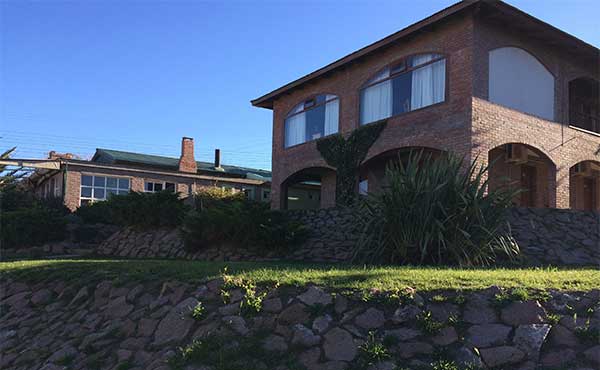
Accommodation: VAIN Boutique Hotel, 1-night
-
Day 3:
Travel to Perito Moreno
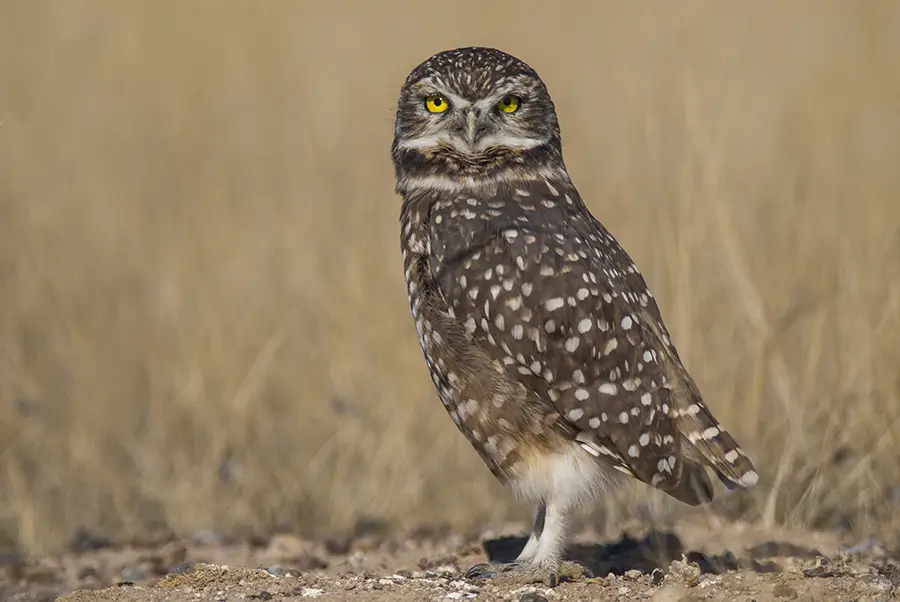
Today we take a domestic flight to Comodoro Rivadavia and from there we transfer by road to Perito Moreno, a journey of around five hours. We make several stops along the way to enjoy the scenery and look for any interesting Patagonian birdlife. On arrival, we check in to our hotel, which is our base for the next six nights.
Accommodation: Hotel Cueva de las Manos, 6-nights
-
Days 4-8
:
Puma Tracking in Parque Patagonia
Over the next five days, we settle into a familiar routine as we venture across the rugged terrain of Parque Patagonia in search of pumas, guided throughout by an expert tracker.
This region supports one of Patagonia’s densest guanaco populations, providing abundant prey for pumas. Combined with the strong protection offered by the park, this has resulted in a high concentration of these majestic big cats.
Our tracking take us mostly on foot, typically covering 2–3 kilometres of walking, sometimes away from marked trails. Years of careful research and gentle habituation mean that many pumas here are now relatively tolerant of people. While we always maintain respectful viewing distances, the opportunity to follow and observe these magnificent cats in such a remote, little-visited landscape is unforgettable.
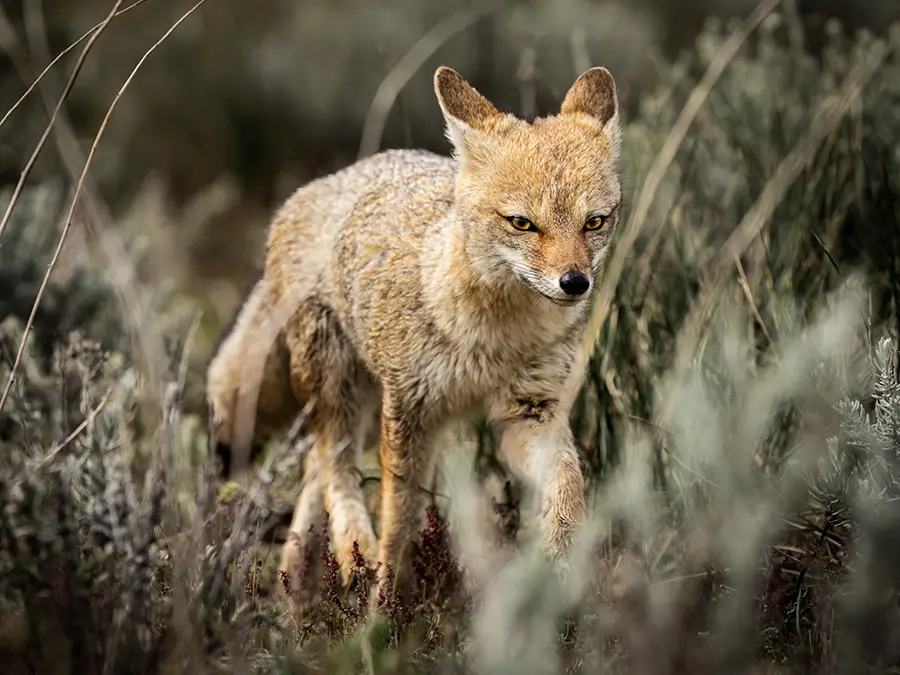
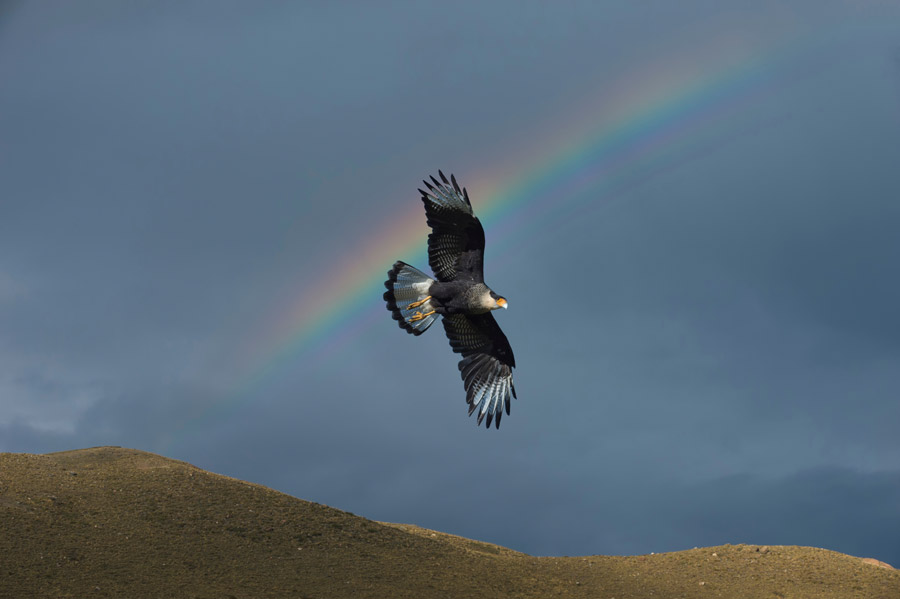
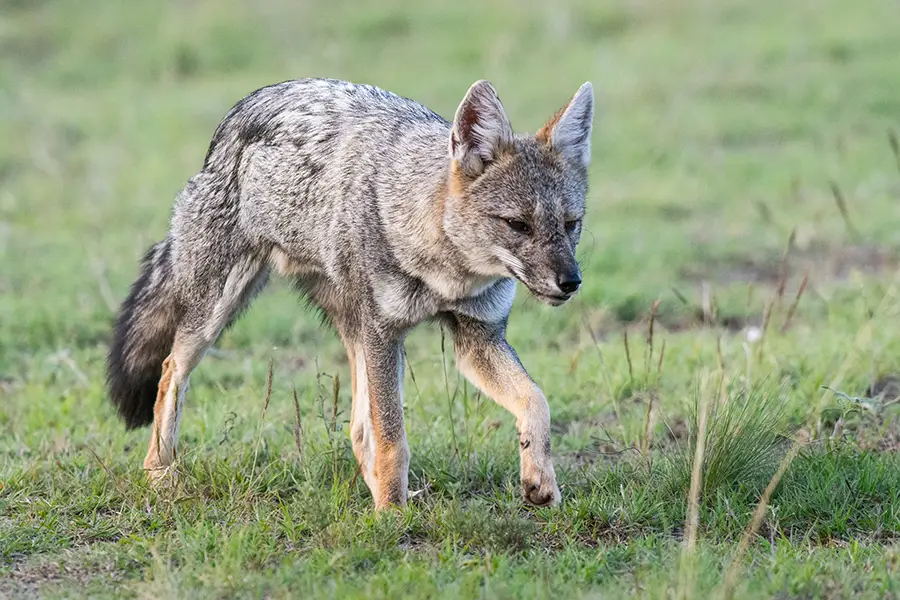
Parque Patagonia is also a flagship initiative of Rewilding Argentina, where wildlife monitoring, community involvement, and the reintroduction of species such as the endangered huemul deer make the area especially inspiring to experience and support. Alongside pumas, we encounter the park’s wider wildlife, including the soaring Andean condor, Wolffsohn’s viscacha, and both the South American grey fox and the larger culpeo fox.
-
Day 9:
Transfer to Comodoro Rivadavia
Today, we embark on a long journey towards the Valdes Peninsula. After approximately five hours, we arrive in Comodoro Rivadavia, one of Patagonia's largest cities and where we stay this evening.
Accommodation: Austral Plaza Hotel, 1-night
-
Day 10:
Travel to Punta Tombo & Puerto Pirámides
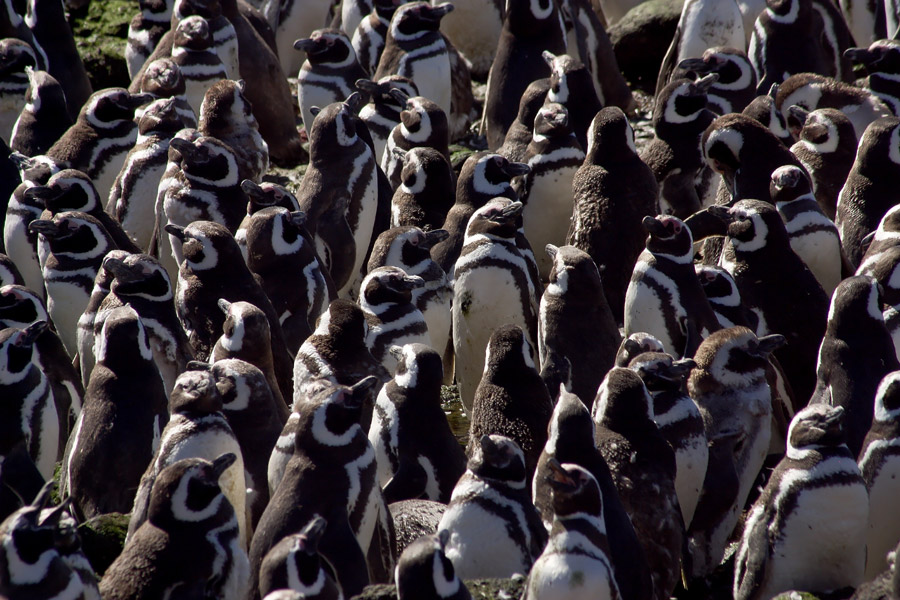
Today we make the 4.5-hour journey from Comodoro Rivadavia to Punta Tombo, pausing to observe the Magellanic penguins as they undergo their annual moult. At this time of year, the birds are preparing to leave the breeding colony and begin their northward coastal migration for the winter. Many penguins linger right beside the walkways, creating unforgettable close up encounters and offering a fascinating glimpse into their daily routines.
After our time enjoying the penguins, we continue our journey to Puerto Pirámides, about a 3.5-hour drive. We arrive at our lodge in Puerto Pirámides in the evening in time for dinner.
Accommodation: Hosteria The Paradise, 4-nights
-
Days 11-13
:
Watch Orcas at Punta Norte
We have four days to visit this area and observe orca hunting. Our visits are timed to coincide with high tides as these offer the best probabilities for witnessing this behaviour. As well as high tide, orcas need little or no wind when hunting young sea lions from the beach. Hence, we visit Punta Norte on four days to improve our chances to see the orcas in action. Each day we spend roughly four hours in Punta Norte.
The Punta Norte beaches are home to elephant seals, Magellanic penguins and sea lions. It's the sea lion pups which have become a favourite meal for the resident orca population, and we scan for their fins as they in turn patrol the shallows.
During one of our days on the Valdes Peninsula, we visit one of the largest Magellanic penguin colonies on Earth, which sits not far from Punta Norte. We visit at the end of the penguin season, so while there will probably be fewer birds than during the high season, we'll still see a good number.
-
Day 14:
Valdes Peninsula to Buenos Aires
After a final morning of wildlife watching, we transfer approximately 1.5 hours to Puerto Madryn Airport in time for our early afternoon flight to Buenos Aires. On arrival in the city, we transfer to our hotel for the night.
Accommodation: VAIN Boutique Hotel, 1-night
-
Day 15:
Depart Buenos Aires
Today we return to the airport to take our overnight flight back to the UK.
-
Day 16:
Arrive UK
Please note: The puma tracking in Parque Patagonia is on foot at times (depending on the sighting) and on uneven terrain. A level of fitness is required for this and you will need to be fit enough to walk cross country for at least a good couple of hours.
Our itinerary remains flexible to the weather and tide conditions to allow for the best opportunities to see the orcas.