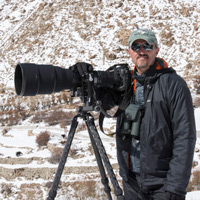
Join acclaimed prize-winning photographer Nick Garbutt and Wildlife Worldwide Founder Chris Breen to watch and photograph wildlife during the Serengeti migration, one of the world’s greatest wildlife wonders.
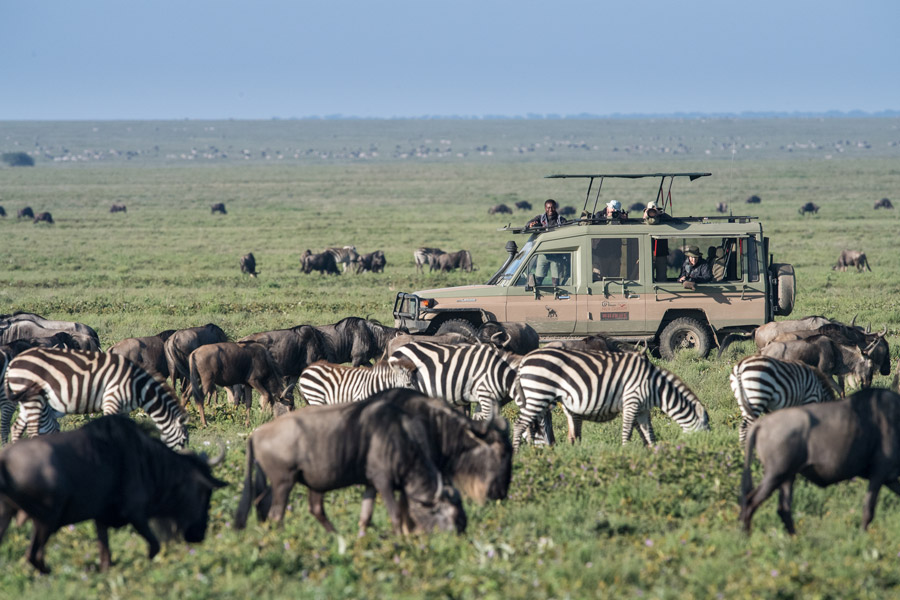
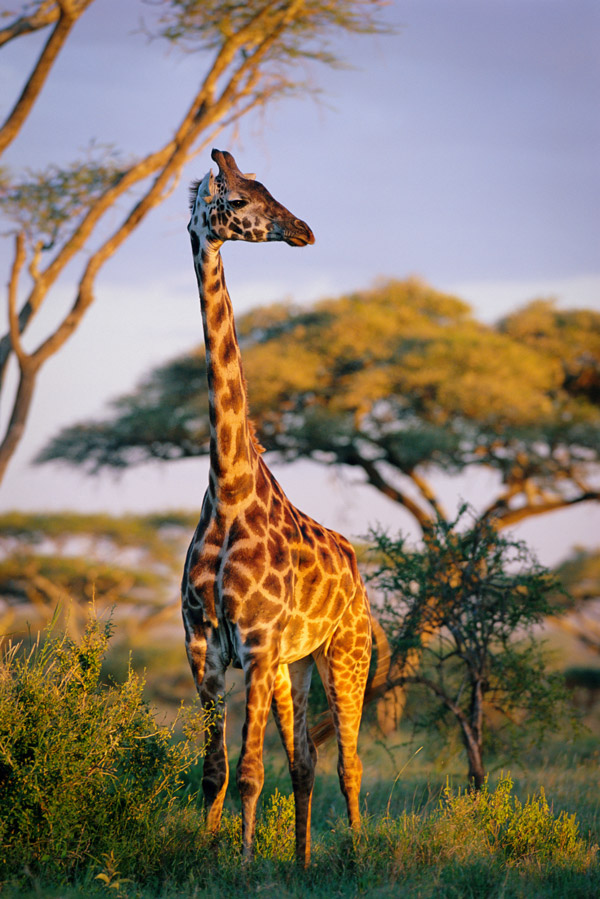
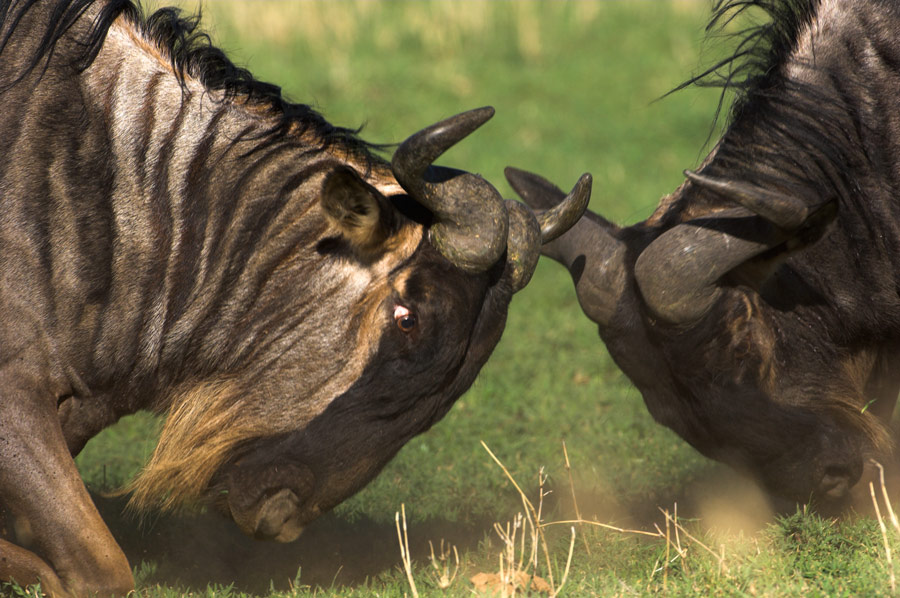
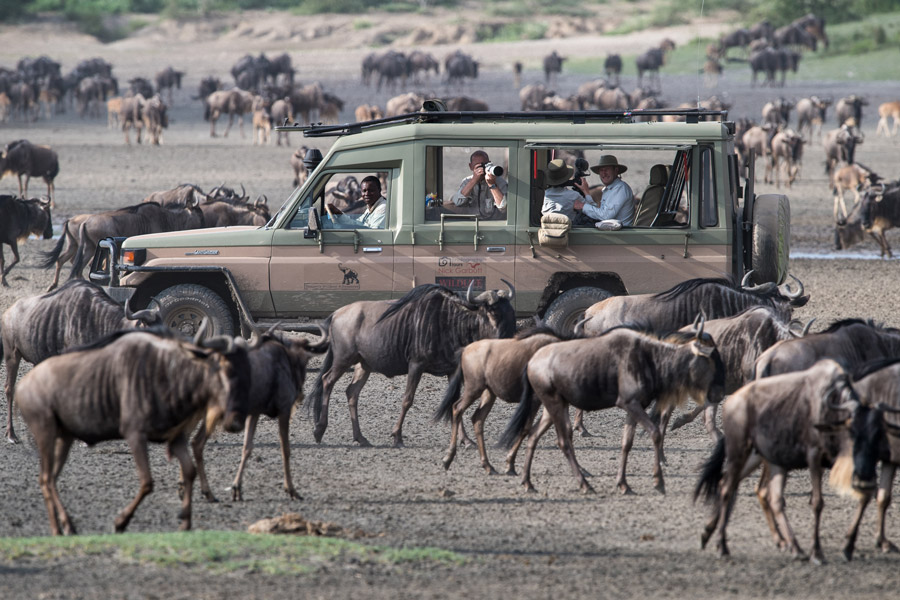
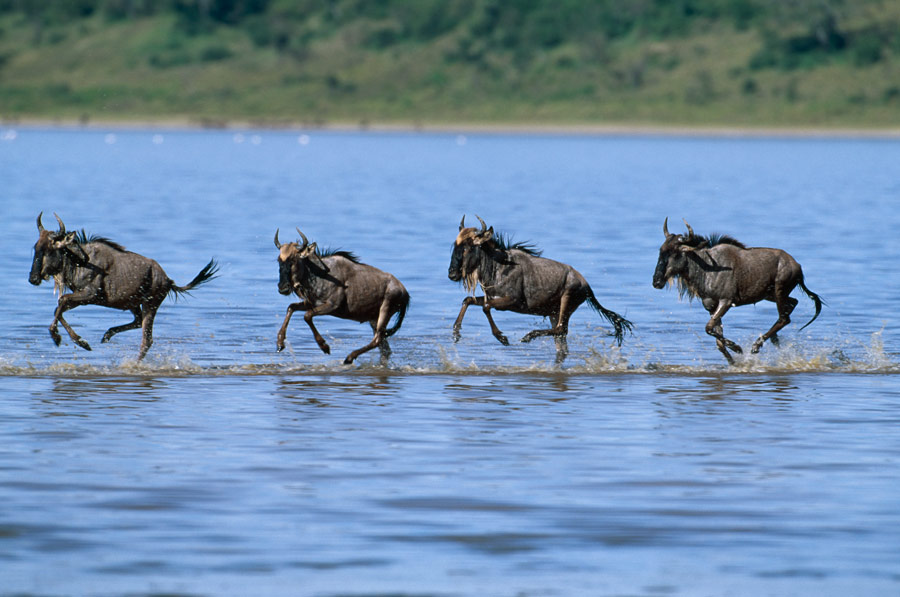
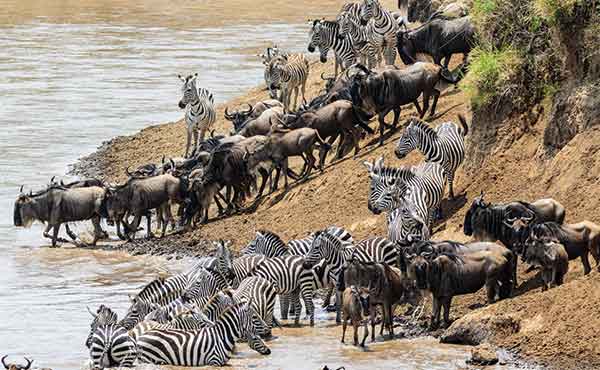
The annual migration of wildebeest, zebra, gazelles, and other ungulates around the Serengeti-Masai Mara ecosystem is one of the world's greatest wildlife wonders and serves up endless excitement and photographic inspiration. Involving over three million animals, the spectacle is an ongoing event, with the herds constantly on the move in search of the best pasture and grazing.
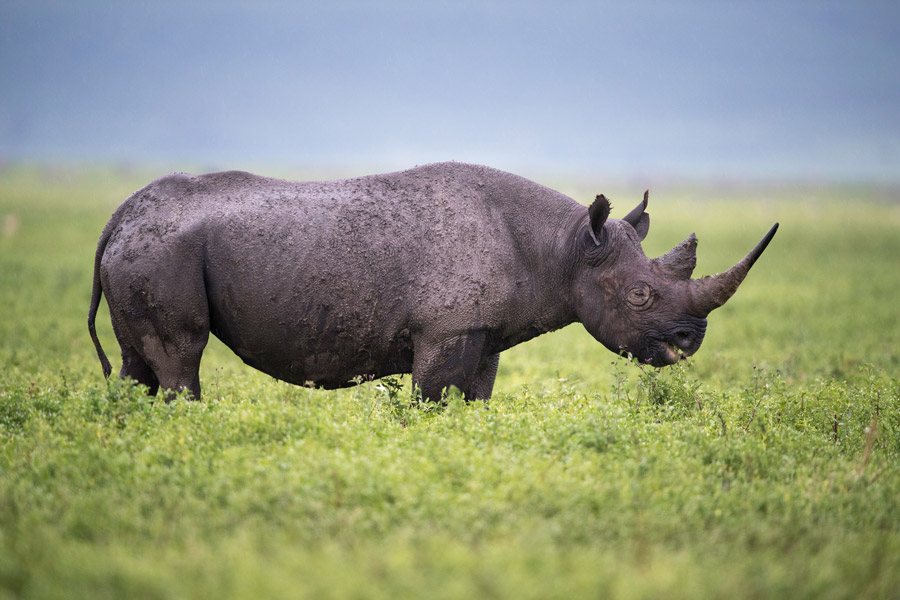
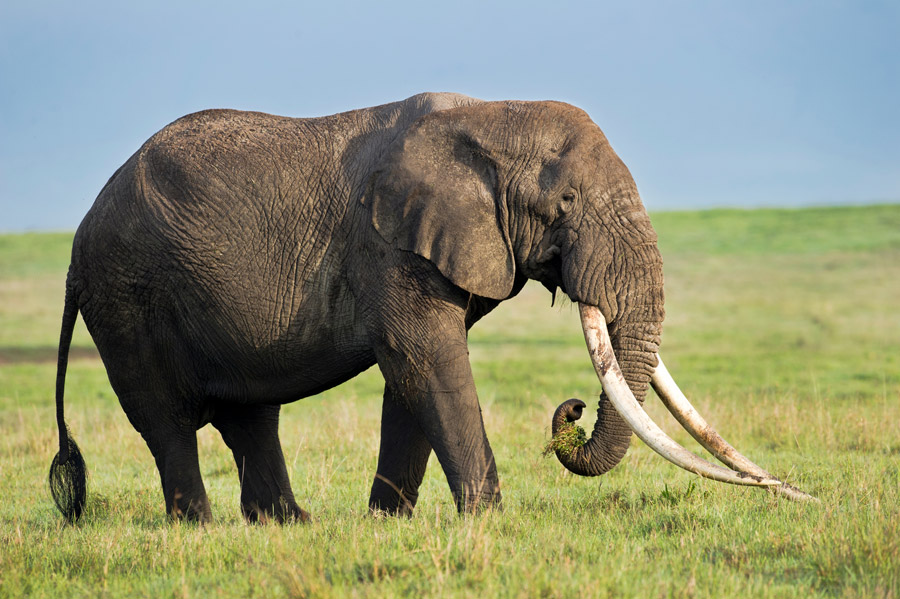
We begin by visiting the Ngorongoro Crater: no trip to northern Tanzania would be complete without visiting this natural wonder. It's East Africa in microcosm: an exceptional place where tolerant and varied wildlife can be viewed in close proximity. The Crater is one of the best locations to see majestic bull elephants, many still sporting impressive large tusks. In addition, it's home to over 30 black rhinos, and this time of year (the green season) is one of the best times to see them.
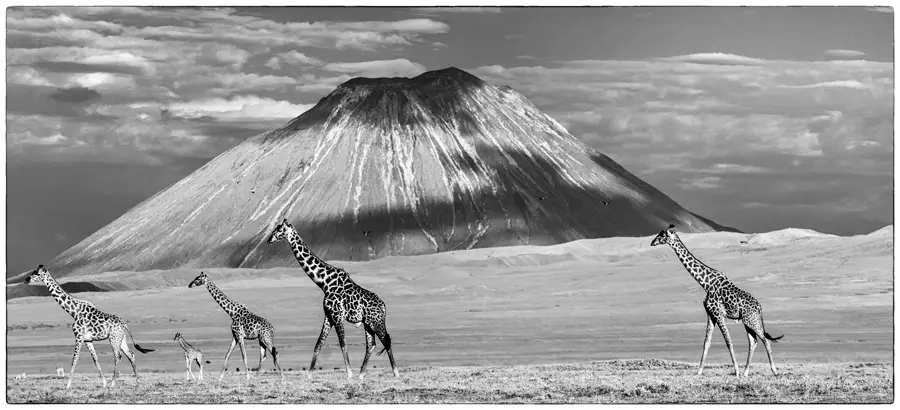
As a compliment, we also stay in a remote mobile camp in the far east of short grass plains ecotone with large herds and attendant carnivores, including various cats. The views over the Salei Plains are spectacular, with Ol Doinyo Lengai (Tanzania’s only active volcano) dominating the skyline.
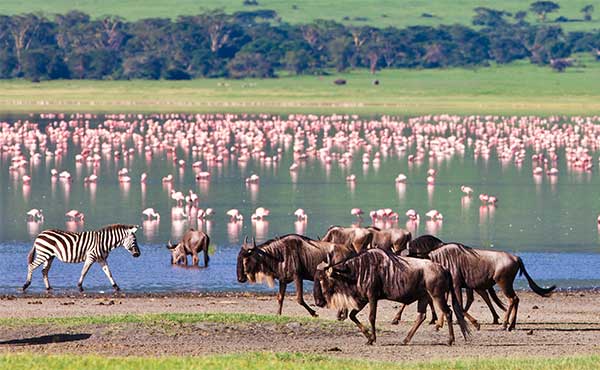
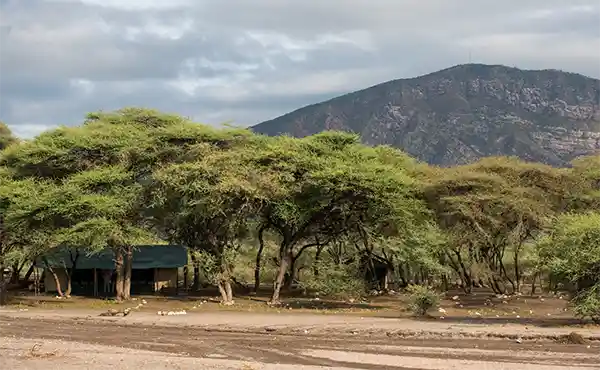
The remainder of the tour concentrates on the short grass plains areas to the north and east of the Crater. For photographers, the Ndutu area near the boundary of the Serengeti National Park and Ngorongoro Conservation Area consistently provides a stream of unrivalled opportunities for creating memorable images. Here the open plains are broken by extensive areas of acacia woodland with lakes and marshes that form focal points for the gathering herds and attendant carnivores.
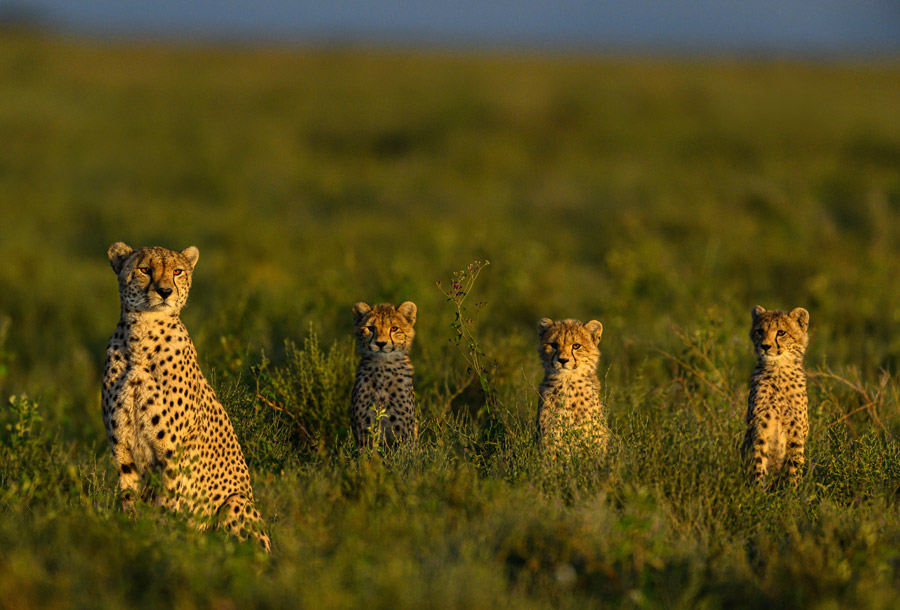
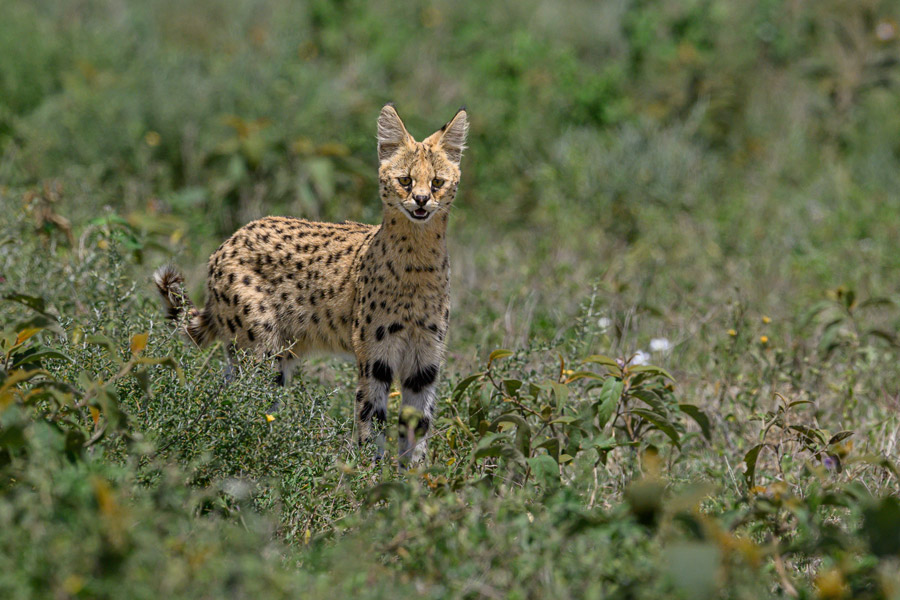
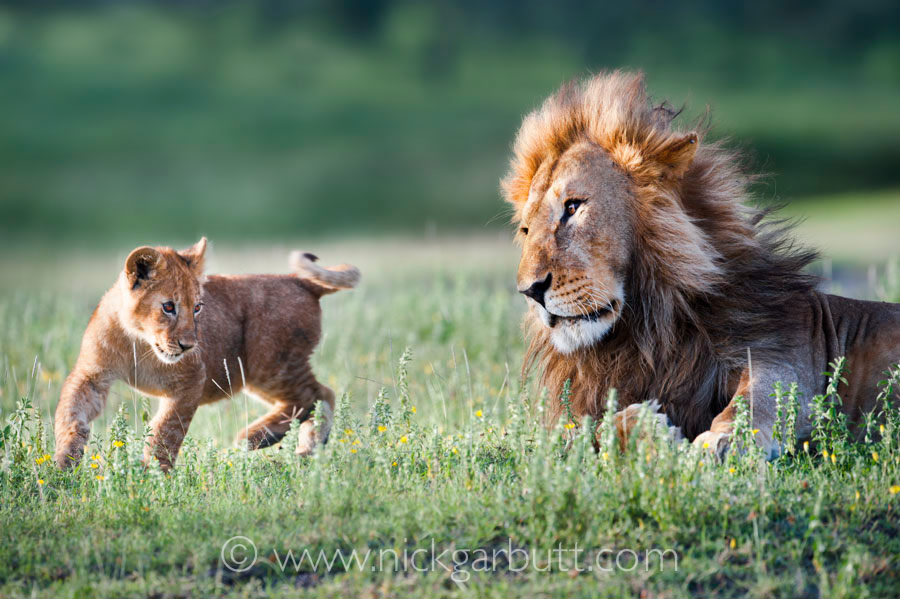
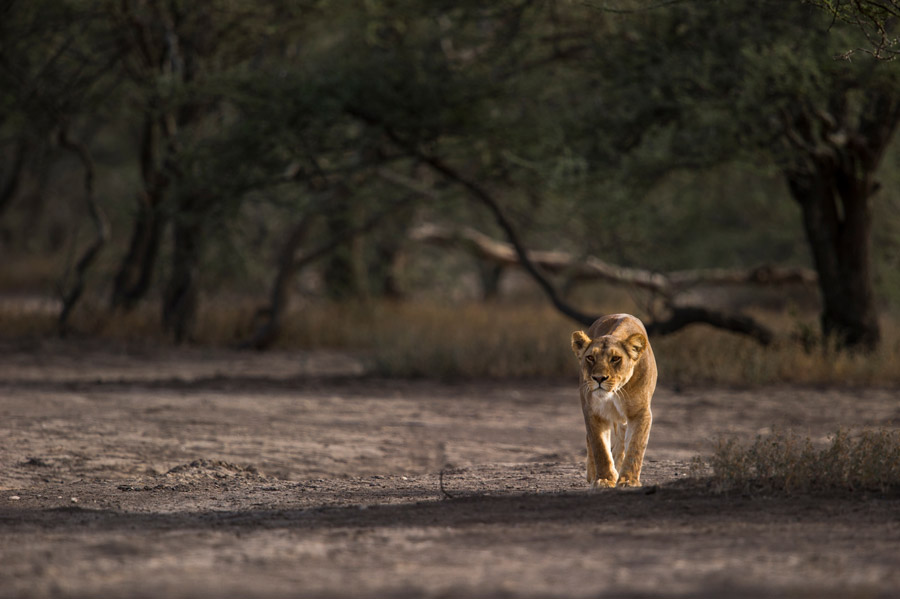
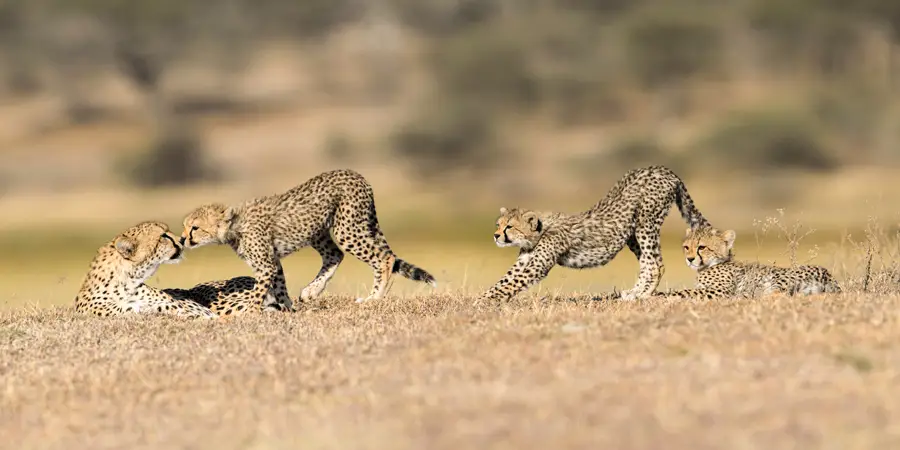
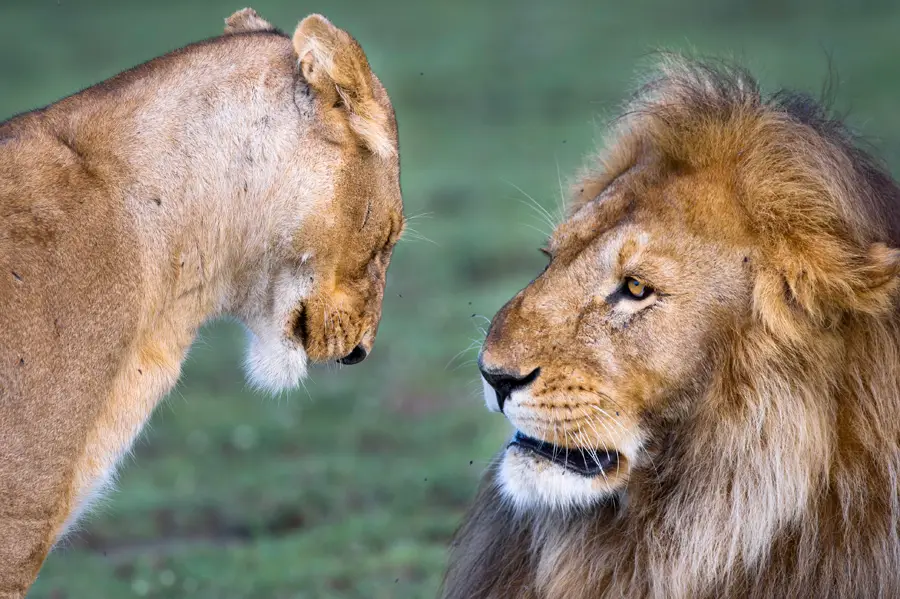
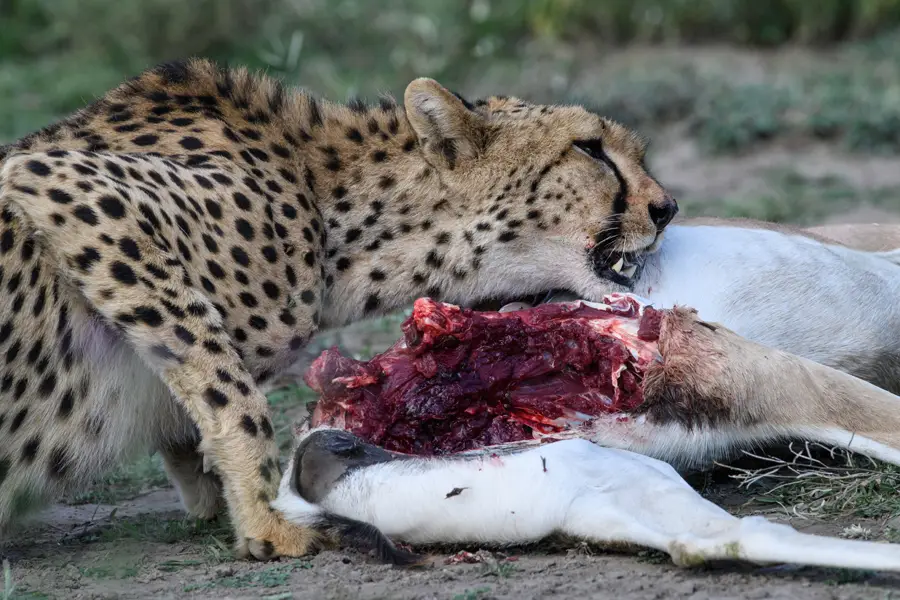
This area is especially renowned for cats: it's arguably one of the very best places to see cheetahs hunting, there are several prides of lions’ resident in the area, and leopards are seen too. The smaller cats - serval, caracal, and African wild cat - are also encountered, and it's quite possible to see all six East African felines on a trip. This tour makes the most of this very special place with an extended stay in the Ndutu area.
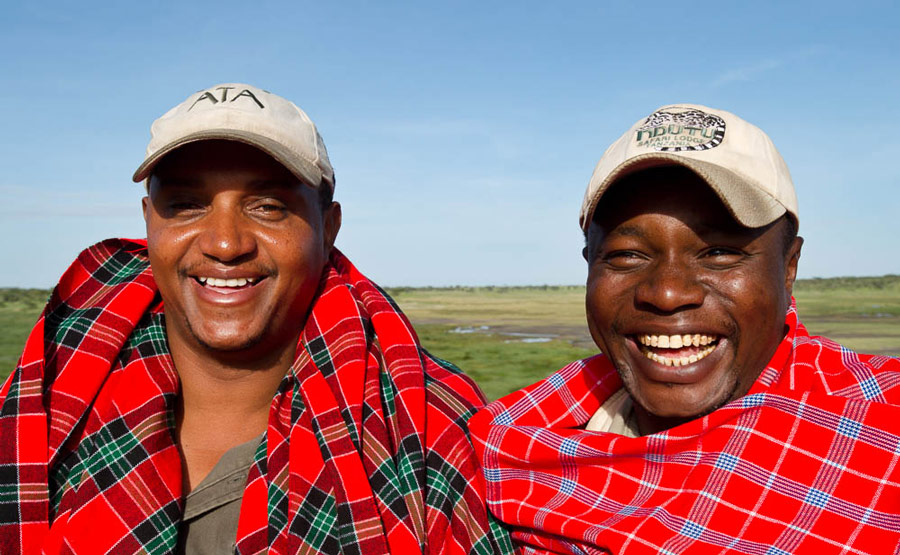
With off-road driving and outstanding local guides, this itinerary affords unrivalled opportunities for photography. Daily sessions with Nick and Chris will enable you to pose questions you've always wanted to ask in situ and hone your wildlife photography talents.
Typical Itinerary
-
Day 1:
Depart UK
-
Day 2:
Arrive & drive to Ngorongoro Crater
On arrival at Kilimanjaro International Airport, we meet our local driver guides and transfer a short drive to Kia Lodge for breakfast. We then drive (approximately 4–5 hours) to the Ngorongoro Highlands, arriving at Ngorongoro Serena Lodge in time for a late lunch. There's a wildlife watching and photography excursion this afternoon into the Ngorongoro Crater.
Accommodation: Ngorongoro Serena Safari Lodge, 3 nights
-
Days 3-4
:
Ngorongoro Crater
Leaving the lodge before sunrise, we will be at the Crater gates when they open at 6am and descend for a full day of wildlife watching and photography. There are numerous tracks criss-crossing the Crater floor and during the course of our visits we will cover all the hot spots and renowned photographic locations. Exact movements will be dictated by the wildlife whereabouts at the time. A picnic breakfast and lunch will be taken in the Crater and we will return to the lodge for lunch. In the afternoon there will be an opportunity to drive and walk through the neighbouring highlands. Highlights could include the endangered black rhino, a hunting serval or young cheetah cubs.
-
Day 5:
Ngorongoro Crater to Salei Plains
Repeating the previous day’s early start, we descend back into the Crater for a morning of photography, before continuing our journey from the Ngorongoro Highlands to the Salei Plains. There's an opportunity to stop en route at Olduvai Gorge and Museum if requested. The journey from the Ngorongoro Crater rim to Salei Plains Camp is about three hours, but may be longer depending on what wildlife we see along the way.
Accommodation: Salei Plains Mobile Camp, 3-nights
-
Days 6-7
:
Game drives in Salei Plains
We can enjoy two full days of safaris in the little visited and wildlife rich Salei Plains. There are often large numbers of grazing game, and a few years ago, a pack of wild dogs returned to the area for the first time in nearly 20 years. A range of other predators can also be found in the area and often in stunning wide landscape settings. The region’s scenery is spectacular, and verges on the prehistoric with impressive mountains, canyons and rock formations that dominate wide meandering valleys offering atmospheric wildlife photography settings.
-
Day 8:
Safari drive to Ndutu
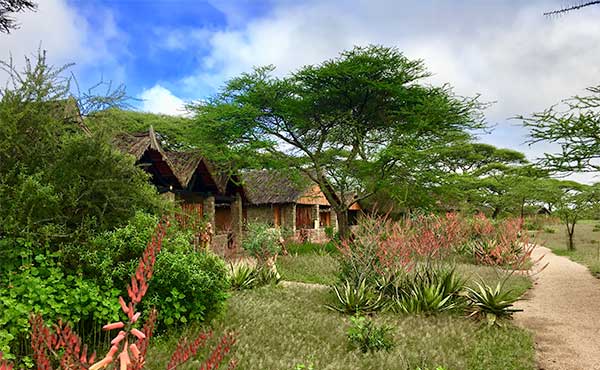
Today we depart the camp to begin the 4-hour transfer to Ndutu Safari Lodge. The journey takes us through excellent wildlife areas, so we stop frequently for photography opportunities. After checking into Ndutu Safari Lodge, we should have time for a late afternoon drive around the Ndutu area, a prime time to encounter the region’s cats, both large and small.
Accommodation: Ndutu Safari Lodge, 6-nights
-
Days 9-13
:
Ndutu, Southern Serengeti & Ngorongoro Conservation Area
We have five full days to explore the acacia woodlands and open plains that make up the southern Serengeti ecosystem. We will have permits to venture north of the park border into Serengeti National Park, potentially visiting renowned hotspots like the Gol Kopjes, as well as spending prolonged periods south of the border in the Ngorongoro. These are vast areas in which herds of wildebeest, zebra and gazelles move around constantly, following localised rains in search of the most nutritious grazing. We will follow their movements with our daily excursions, which may potentially take us as far afield as the Engusoro Plains to the south, or Lemuta and the Olongoijoo Hills to the northeast.
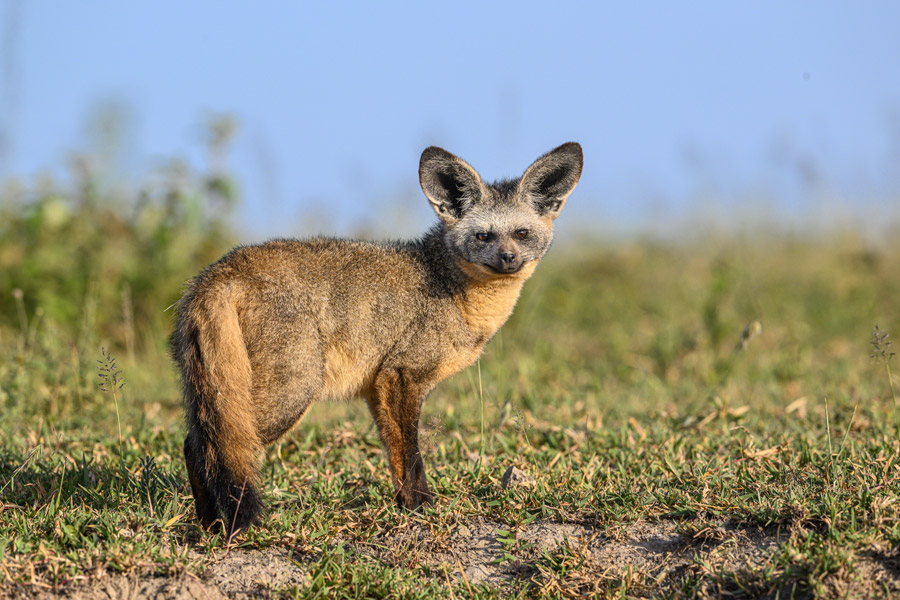
The density of carnivores in the area is very high, with no fewer than three well-established prides of lion prides known in the Ndutu area alone. The open plains and acacia woodlands are also perhaps the best place in East Africa to see cheetah, and on most trips we encounter numerous individuals. Leopard are also seen in the woodland, and more recently a pack of painted hunting dogs (wild dogs) returned to the area for the first time in nearly 20 years and is seen occasionally. With such a prolonged stay, we hope to also find and photograph some of the less commonly seen smaller carnivores such as serval, caracal and bat-eared fox too.
-
Day 14:
Final safari at Ndutu and fly back to the UK
We have a final morning of wildlife watching and photography around Ndutu and return to the lodge for lunch. We then take a charter flight to Kilimanjaro International Airport.
On arrival at Kilimanjaro airport, we collect our luggage and then check in for our onward international flight back to the UK.
-
Day 15:
Arrive UK