Visit the best wildlife hotspots and enjoy some remarkable species along England’s south coast. Led by expert naturalists Mike Dilger and Ed Drewitt, each day of this remarkable week offers something different.
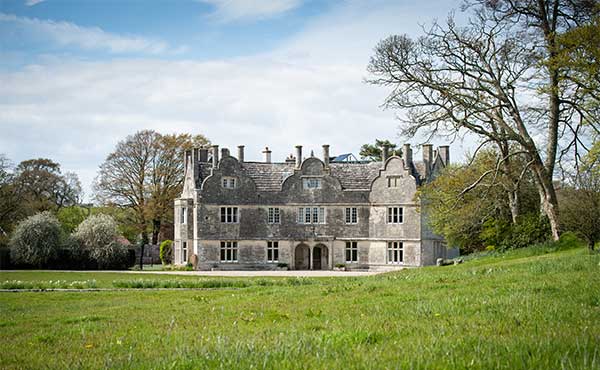
For this exciting new tour, we've lined up the ultimate wildlife experiences to be found across southern England. From our exclusive base at the beautiful Warmwell House we take daily excursions, visiting a wide range of habitats, each with special wildlife and star species.
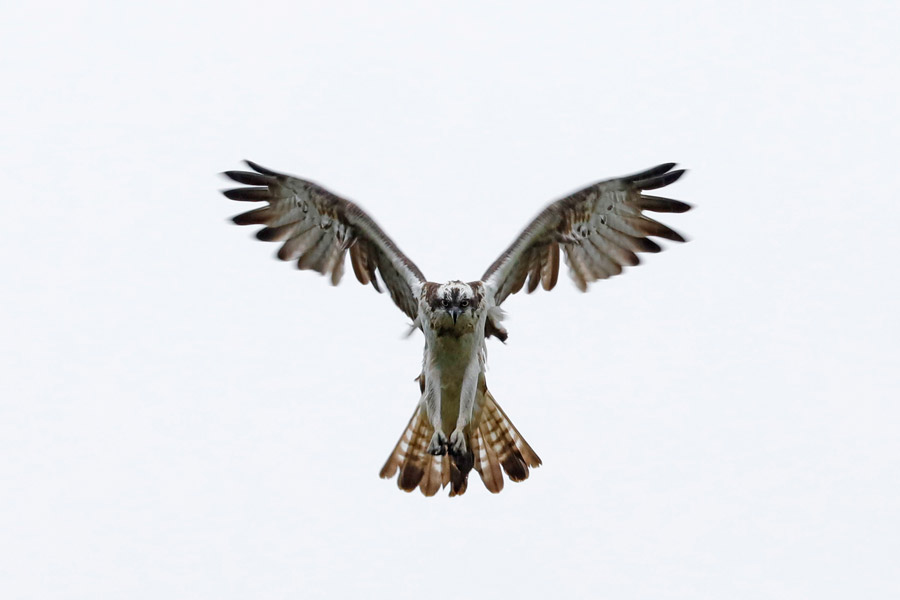
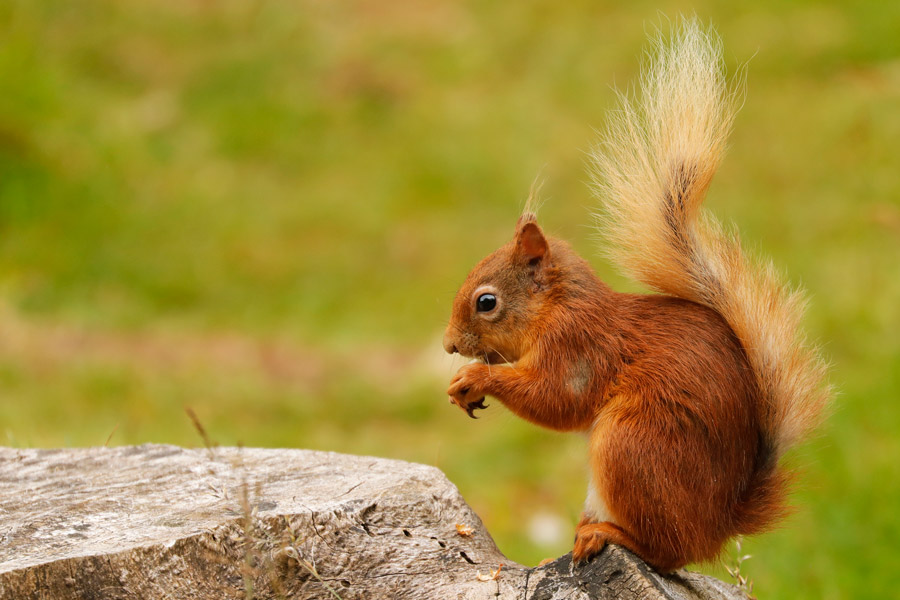
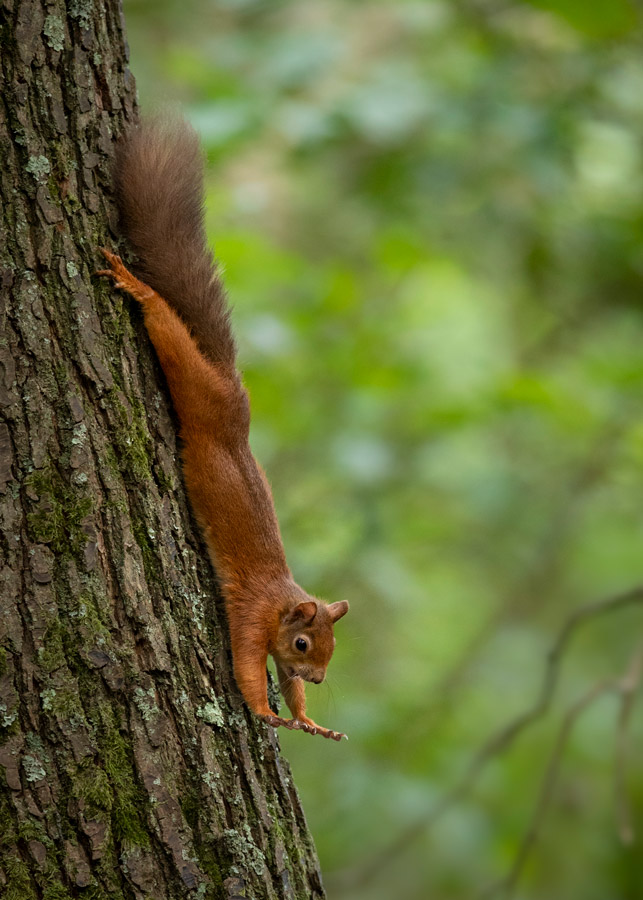
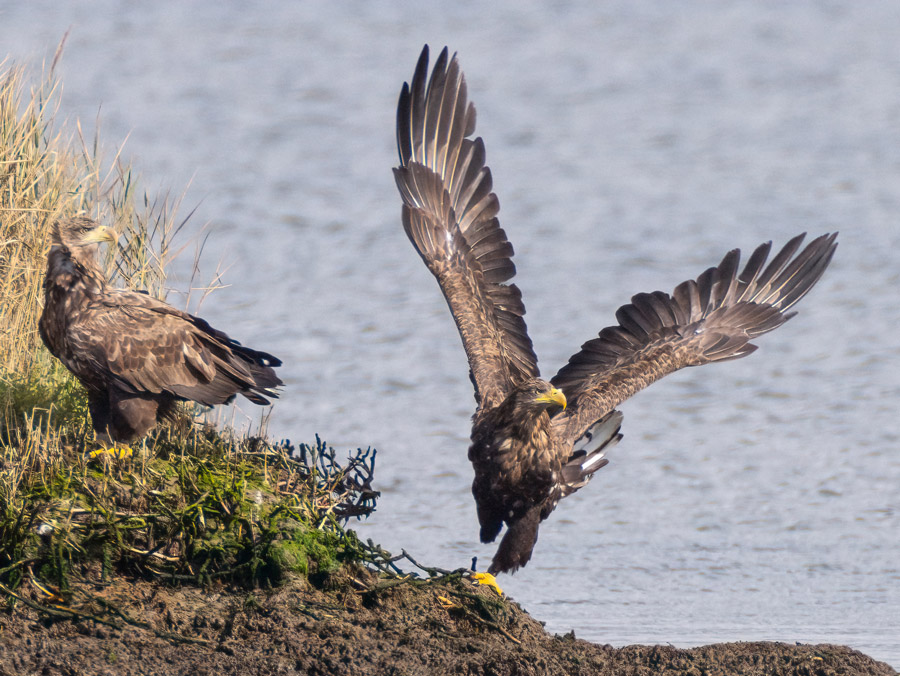
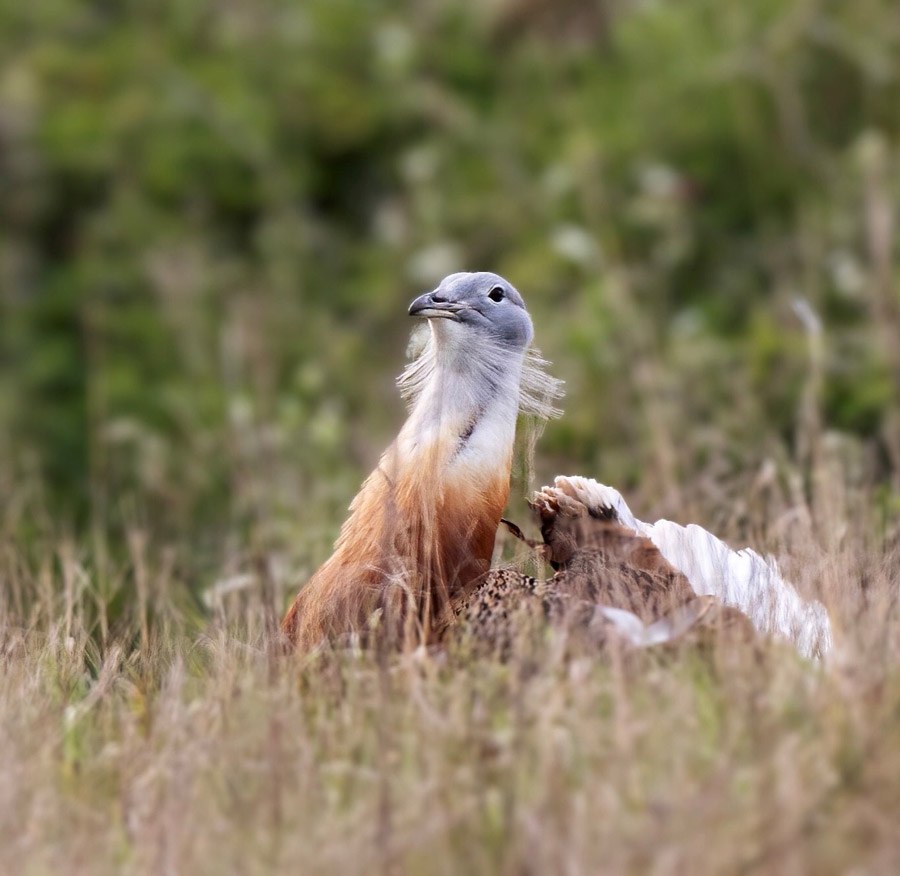
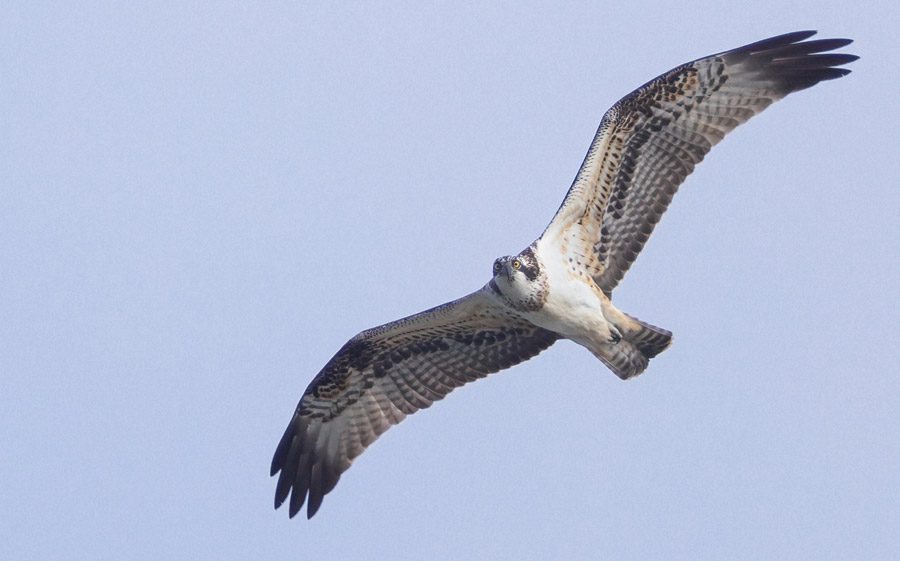
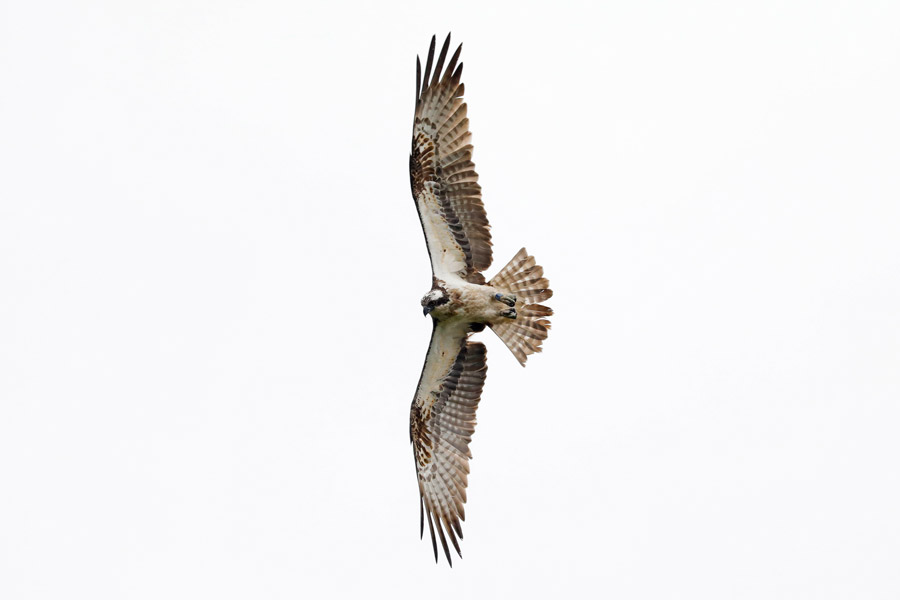
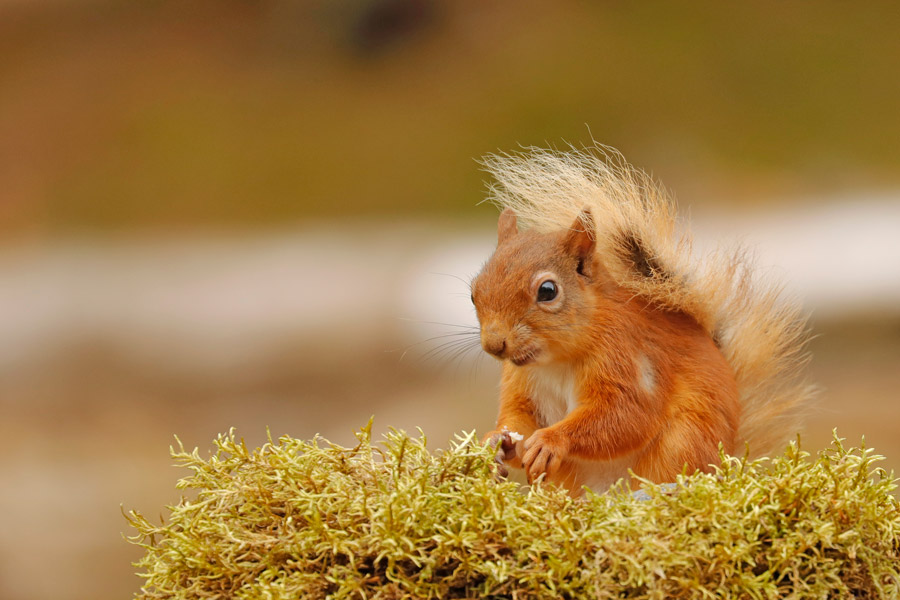
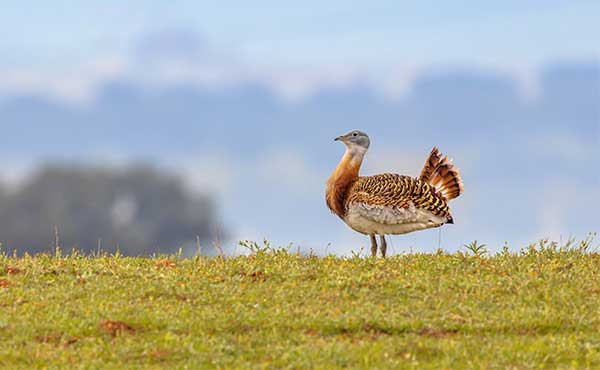
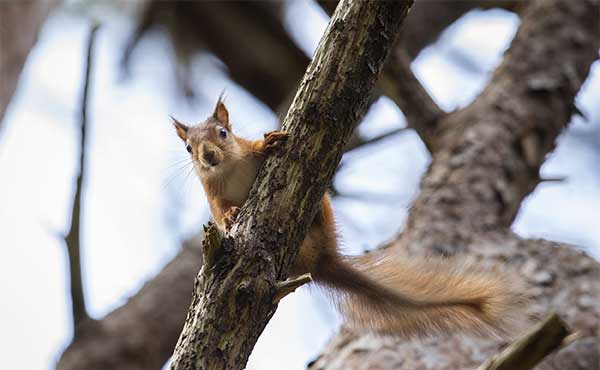
Throughout our week, we look to celebrate some of the rare species and their habitats that are returning to the region. Among the highlights that we hope to feature are great bustards strutting across the grasslands of Salisbury Plain, ospreys and white-tailed eagles hunting over the vast waterways of Poole Harbour, red squirrels darting between the trees of Brownsea Island and intimate encounters with the striking reptiles of the Purbeck’s sandy heaths.
Our base in Dorset is one of the UK’s most biologically rich counties and in addition to the fantastic network of reserves we visit there are also ancient woodlands and lovely gardens within the grounds of our base.
At this time of year, we can enjoy woodlands, heaths, chalk grasslands and wetlands all bursting with life as it's a peak time of activity.
If you'd like to read more about this trip, Mike Dilger talks of the natural treasures of the south coast in his recent blog.
Typical Itinerary
-
Day 1:
Meet at Warmwell
Our wildlife extravaganza begins early this evening, where we meet our leaders at Warmwell House. We have an opportunity to settle into our accommodation and freshen up, before enjoying a delicious welcome meal and introductory briefing about the week ahead.
Accommodation: Warmwell House, 7-nights
-
Day 2:
Isle of Portland and Lodmoor
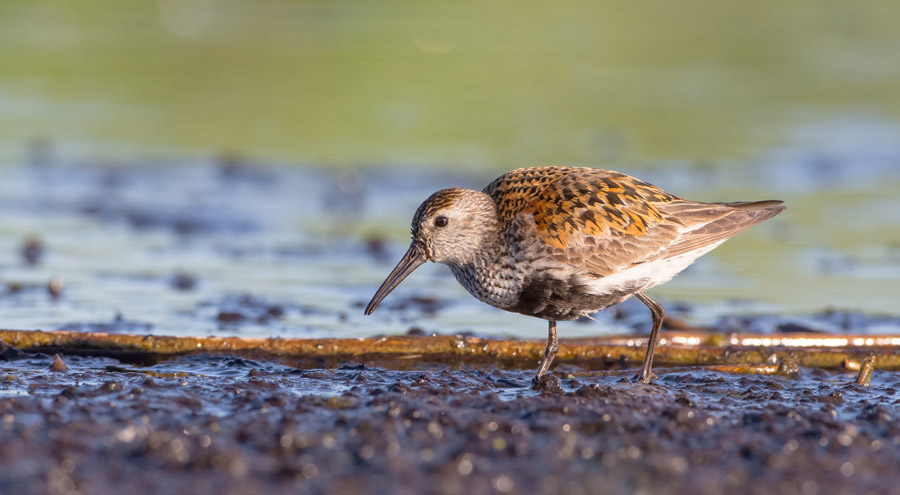
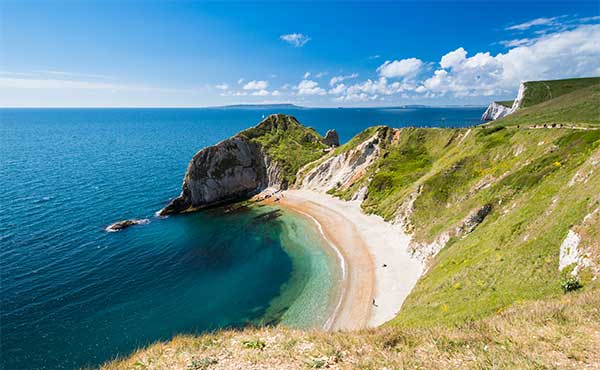
Today our holiday begins in earnest as we visit the rocky Portland peninsula, the southernmost point of the Jurassic Coast and the first landfall for many returning spring migrants and the occasional overshooting European species. We visit the Portland Bill Bird Observatory to see if we can locate some late arriving migrants. The observatory team may also be able to give us a demonstration of the ringing process, perhaps with some warblers, giving us not only an insight into migration but also the chance to study subtle identification features up close. We also keep an eye on the sea, where a pod of passing bottlenose dolphins, whimbrel or even pomarine skuas might add further excitement. Moving on, we then explore the nearby freshwater RSPB reserves of Lodmoor and Radipole Lake.
Walking the network of trails through the reserve’s reedbeds, we hope to encounter a family of charming bearded (tits) reedlings, numerous warblers and be treated to close views of marsh harrier. The open scrapes may even surprise us with a migrating wader, garganey or spoonbill.
-
Day 3:
Salisbury Plain
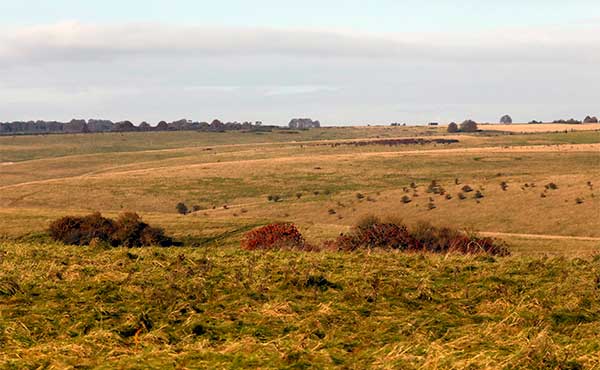
Today we visit a completely contrasting habitat, inland; the rolling chalk downloads of Salisbury Plain. We begin our day with a talk by the founder of the Great Bustard Group on the project, dating back to 1998 to restore great bustards back to the wild in England. We then have an exclusive Land Rover tour of Salisbury Plain, taking us to secret locations to watch the bustards in action.
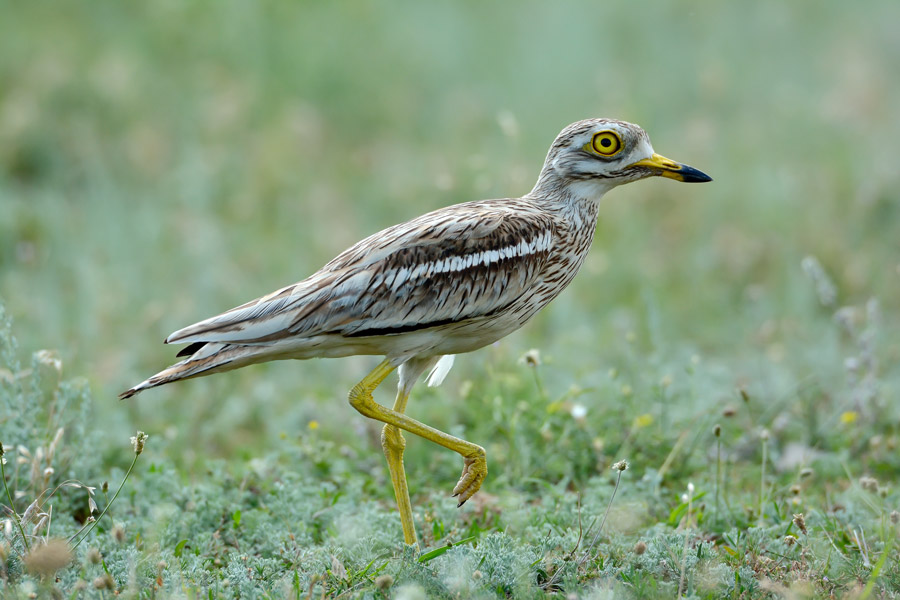
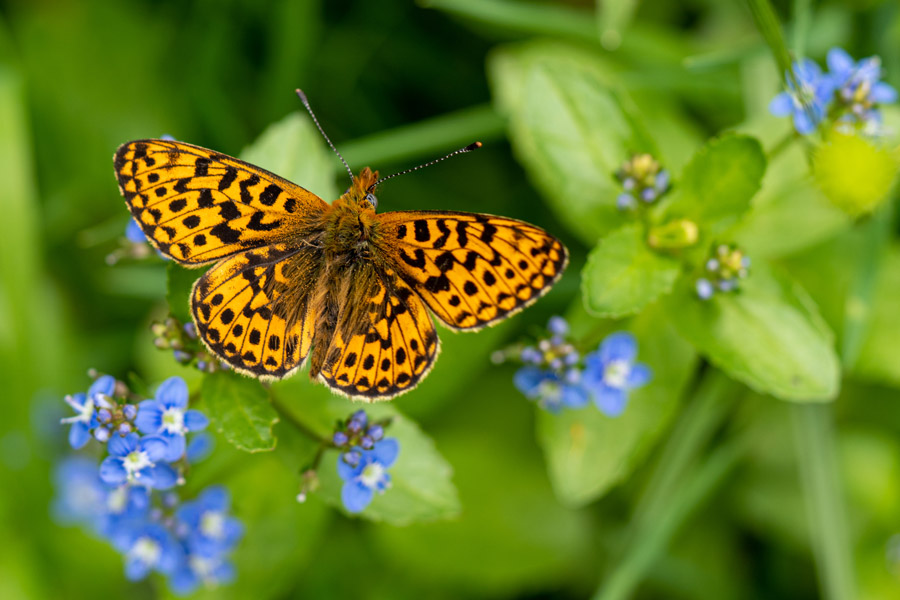
As the ultimate sighting, we hope to find a male still performing his extravagant lekking behaviour. With puffed up chest, head buried in a white feathery mane and flight feathers twisted forward, these enormous birds transform into something unrecognisable during the spring lek. In addition to the bustards, we seek other specialities of the open grasslands including the dinosaur looking stone curlew and now rare corn bunting as well as enjoying the flowers, butterflies and history of this precious site.
-
Day 4:
Poole Harbour
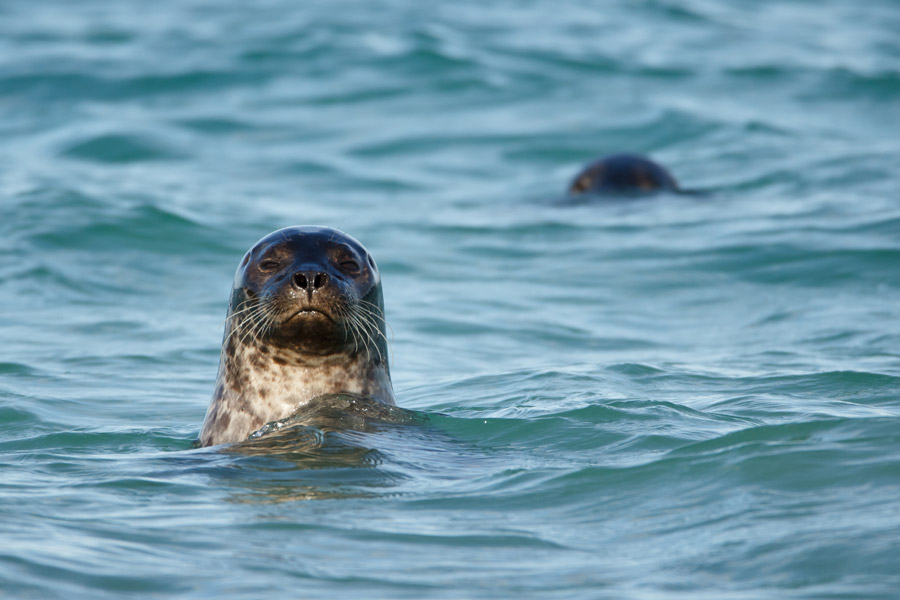
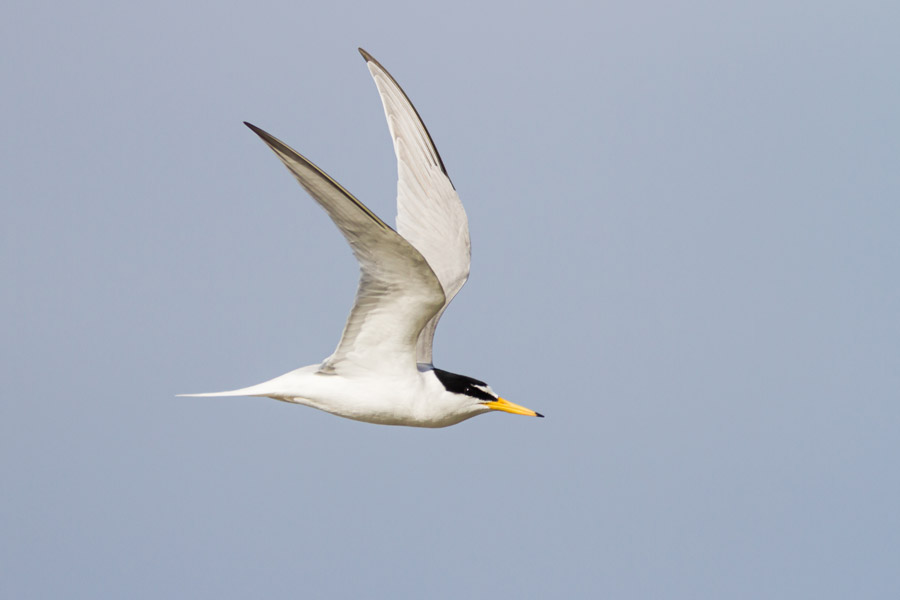
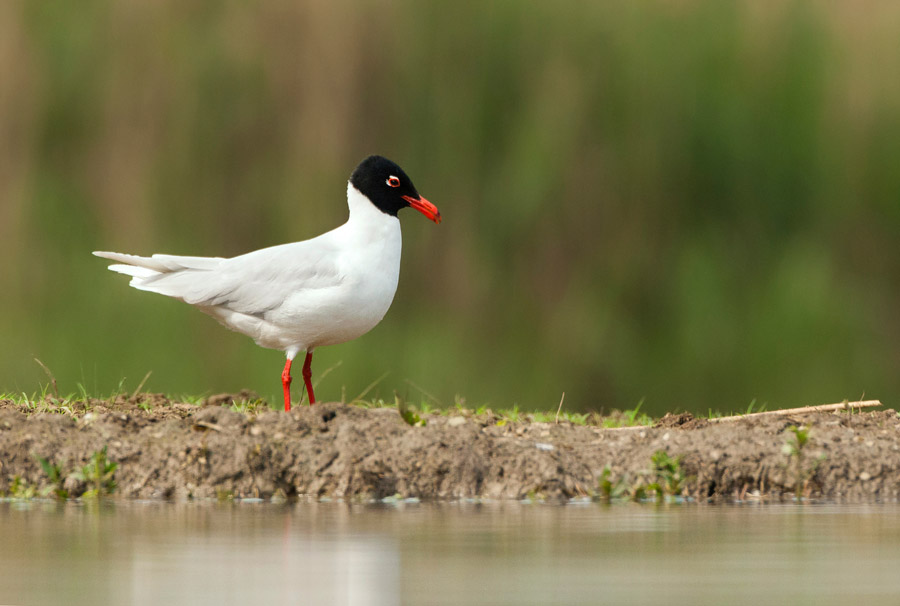
The vast sheltered waterways of Poole Harbour is our destination today. We begin with a scheduled scenic cruise around the harbour, giving us a great overview of the habitats and wildlife found here. Heading up the reedbed fringed Wareham channel we enter the newly acquired territories of two majestic raptors; the osprey and white-tailed eagle. We hope to locate both these impressive predators, maybe even hunting during our cruise as well common seals, various waders, terns, and Mediterranean gulls.
Later in the afternoon, we have special access to visit the site of Southern England’s first nesting ospreys at the Careys Secret Garden. After some time relaxing and enjoy the grounds of accommodation, we may set up a moth trap tonight.
-
Day 5:
Purbeck Heathlands
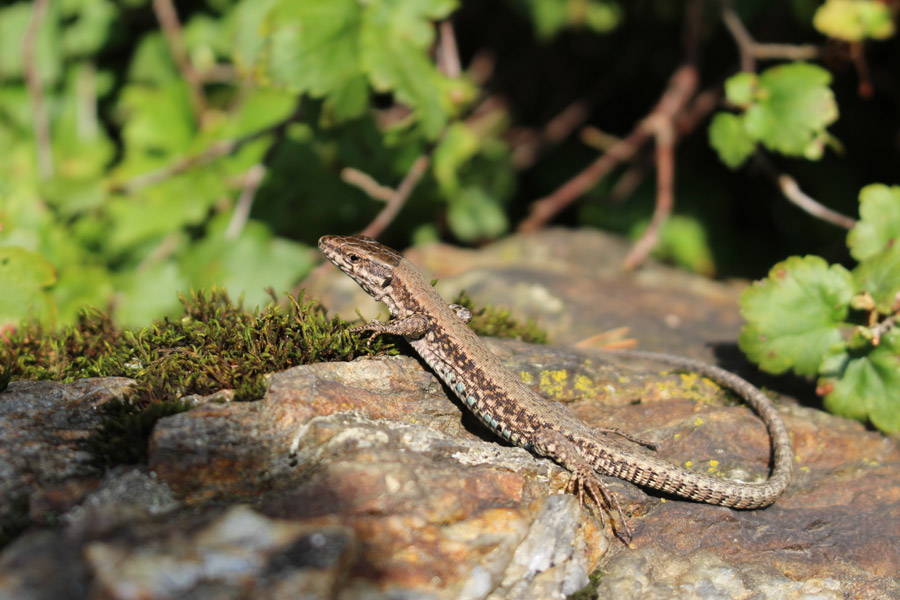
Today, we join members of the Amphibian and Reptile Conservation Trust (ARC) on an insightful and exclusive survey of their Creech Reserve. This historic heathland site is rich in birds, invertebrates and importantly many reptiles and amphibians. It will be the reptiles in particular that we focus on, as we check refugia and scan the south facing banks for adder, smooth snake, grass snake, slow worm and common and sand lizard. We have excellent chances to observe all six native reptiles this morning.
Later in the day, we take a walk around the beautiful and diverse habitats of RSPB Arne Reserve, part of the Purbeck Heaths super National Nature Reserve. After a relaxed afternoon back at the house, we visit a local heathland after dinner to watch for emerging nightjars at dusk.
-
Day 6:
New Forest
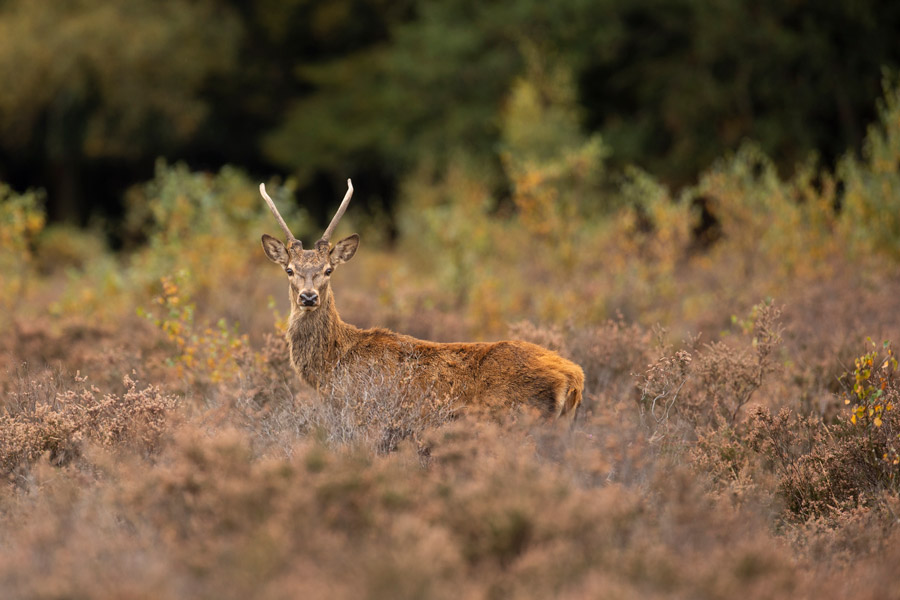
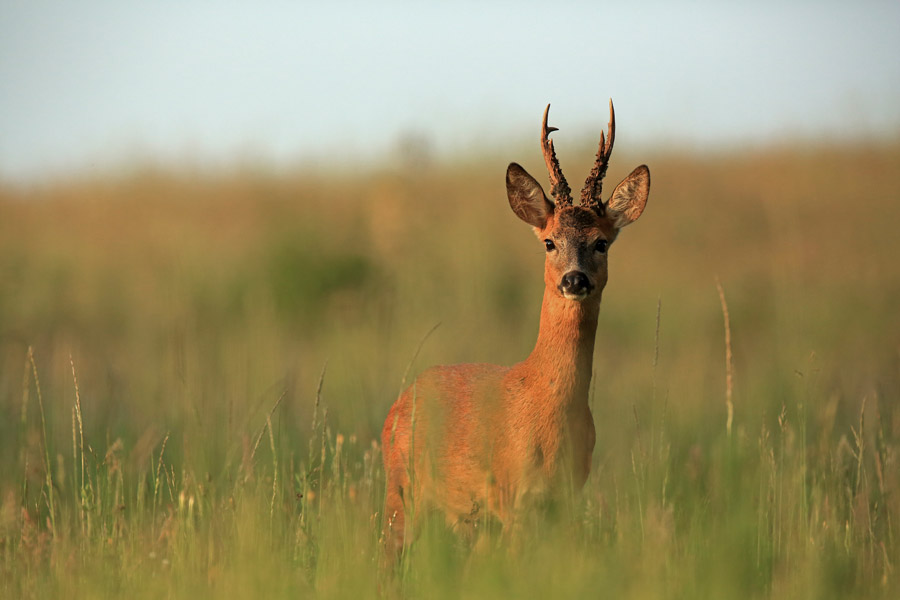
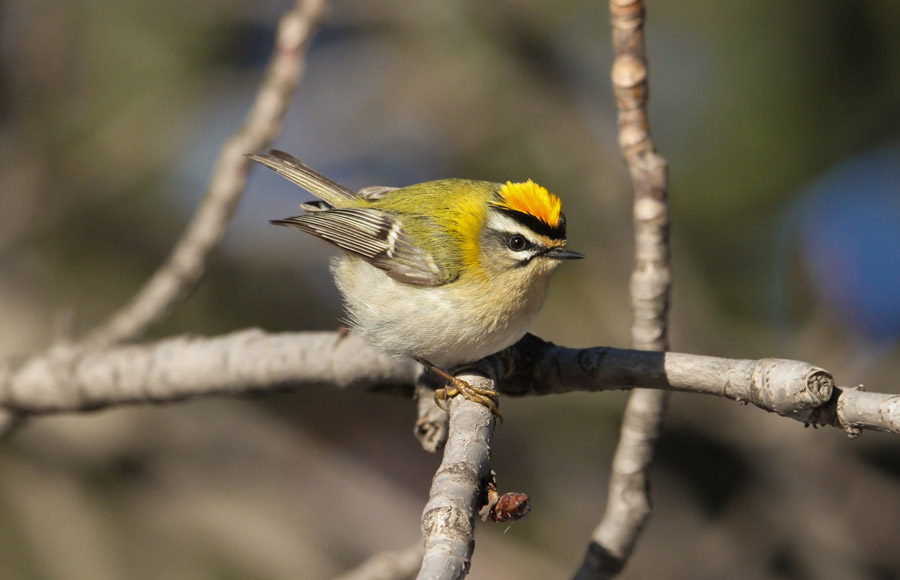
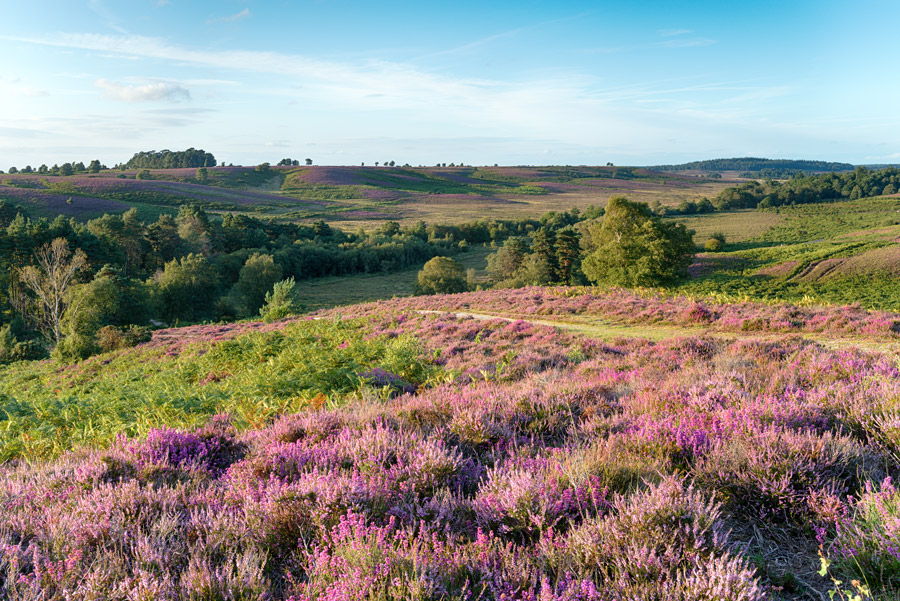
Today we head east to one of Southern England’s most iconic national parks, the New Forest. At this time of the year, the ancient trees of the forest will be sporting fresh leaves and bursting with birdsong. We hope to find bird specialities of the forest, such as firecrest, lesser spotted woodpecker, redstart and wood warbler here. Along the open rides we look for goshawk, hobby and signing woodlark and if we're very lucky, perhaps even spot a soaring honey buzzard. In areas of open heath we may find red or fallow deer and discover some of the smaller creatures and unique plant life that make this area so special.
-
Day 7:
Brownsea Island
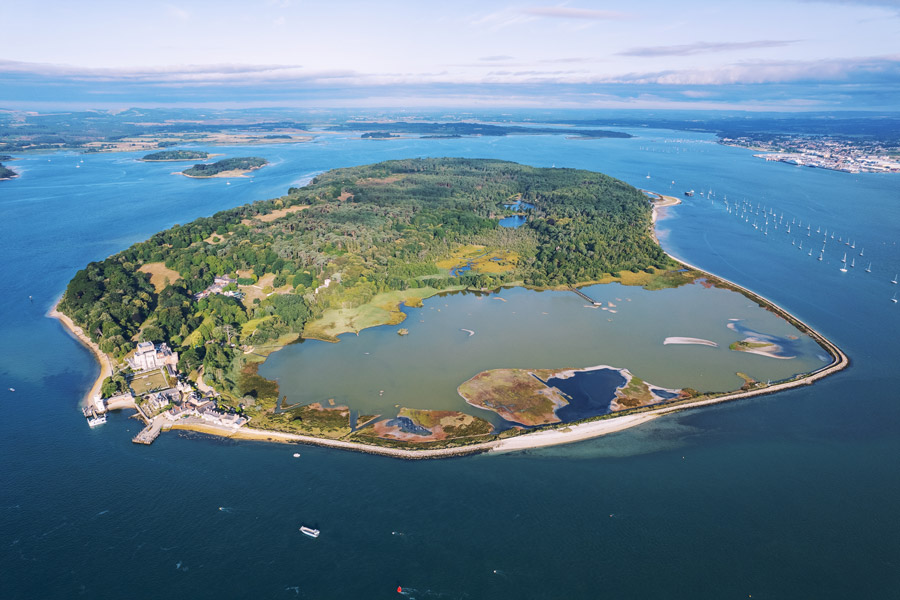
Taking the ferry across Poole Harbour, we land on forested Brownsea Island. We have much of the day to explore this wonderful island, full of history on scenic walks. We visit the sheltered lagoon, where the shallow water and numerous small islands, are home to a breeding population of the elegant avocet as well as a selection of other waders, gulls and terns. While in the marshy areas, we may be lucky to find a secretive water vole or Cetti’s warbler. Later, we can amble amongst the pine woods to enjoy the antics of the island’s important population of red squirrel. The agile leaps, flicking tails and inquisitive nature of these iconic mammals will be a fantastic finale to our series of outings.
-
Day 8:
Departure
Today it's sadly time to say farewell as we depart Warmwell House after breakfast.