Skye’s spectacular mountainous peaks reach high where both golden and white-tailed eagles soar. The surrounding waters are home to cetaceans and seabirds while on shore otters thrive. With expert guidance from Nick Baker, the island's natural treasures will be revealed.
The Isle of Skye is Scotland’s is an ancient landscape shaped by the forces of nature and offers a remarkable diversity of wildlife. Mountain peaks rise sharply into the sky, providing a stage for one of Scotland’s highest densities of golden eagles to soar. Sheer cliffs are crowded with seabirds that plunge into nutrient rich waters, which in turn support some of the most diverse marine life in the UK. In the lochs and sheltered bays, otters forage as the tides change, while red deer roam through glens. The island is steeped in folklore and history, and even reveals remarkable fossilised dinosaur footprints along its shores.
This week-long group tour offers the chance to explore Scotland’s second-largest island in depth while staying in a cosy, well located hotel in the north. With six nights on Skye, there's ample time to settle in and discover the island’s strikingly varied landscapes, encountering an impressive array of wildlife as we travel around.
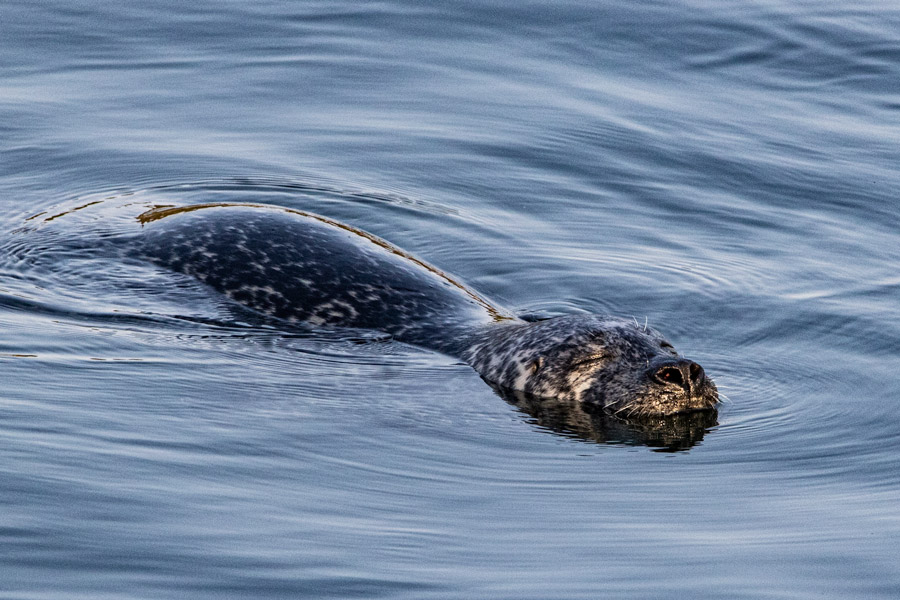
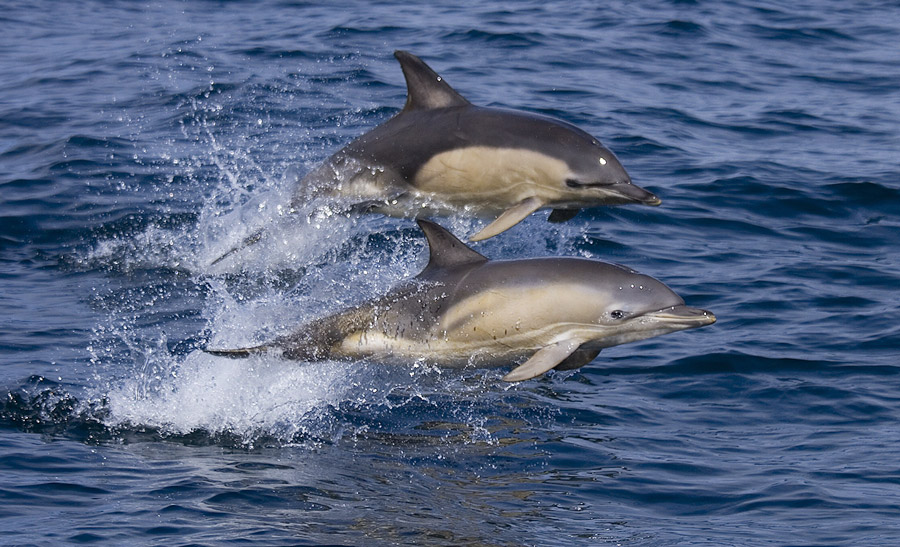
A private boat trip to the Ascrib Islands brings opportunities to see cetaceans including harbour porpoise, common dolphin and minke whale, as well as both harbour and grey seals. The waters around these uninhabited islands draw seabirds from far and wide, and as summer takes hold, breeding colonies of puffins, guillemots, and razorbills gather on the cliffs and skerries, creating a seabird spectacle.
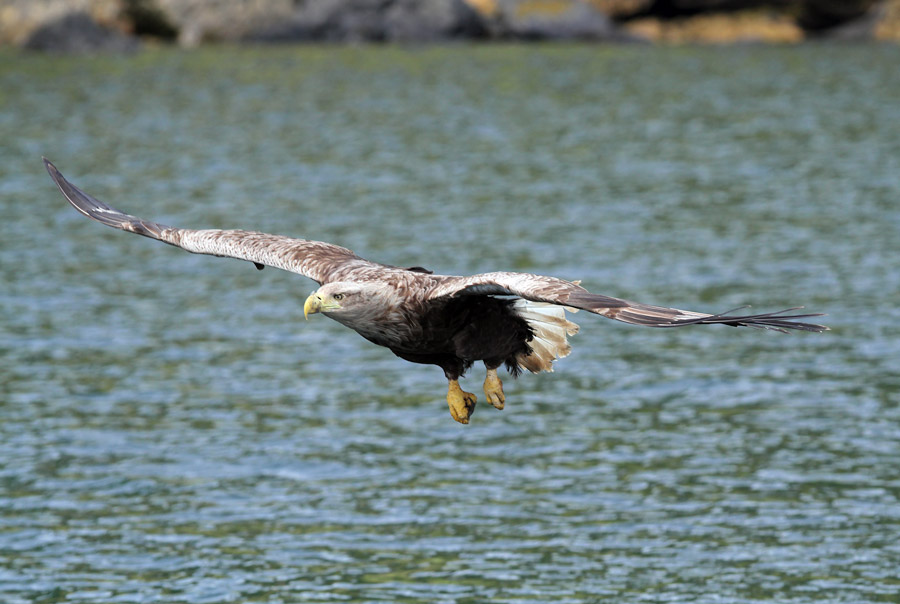
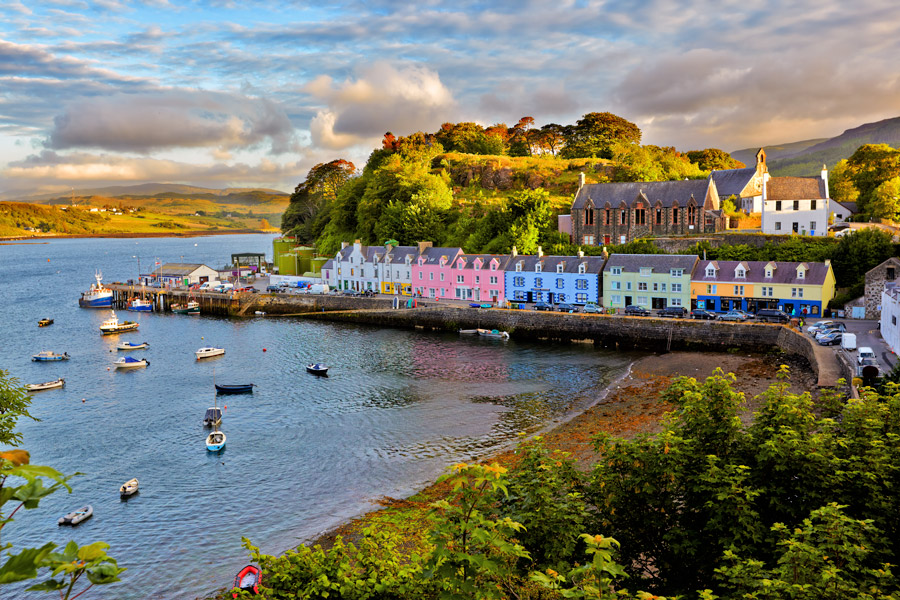
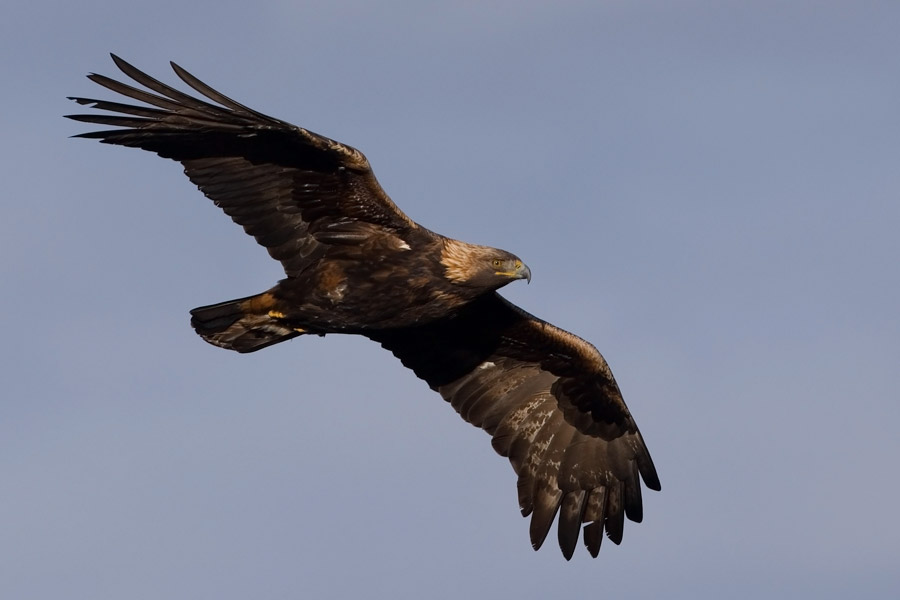
Another boat trip from the colourful harbour town of Portree offers the chance to watch Europe’s largest raptor, the white-tailed eagle, up close as they often sweep down to take advantage of a fish from the water’s surface. Meanwhile, the enigmatic golden eagle rules the mountains, and we keep a constant lookout for them as we travel across the island.
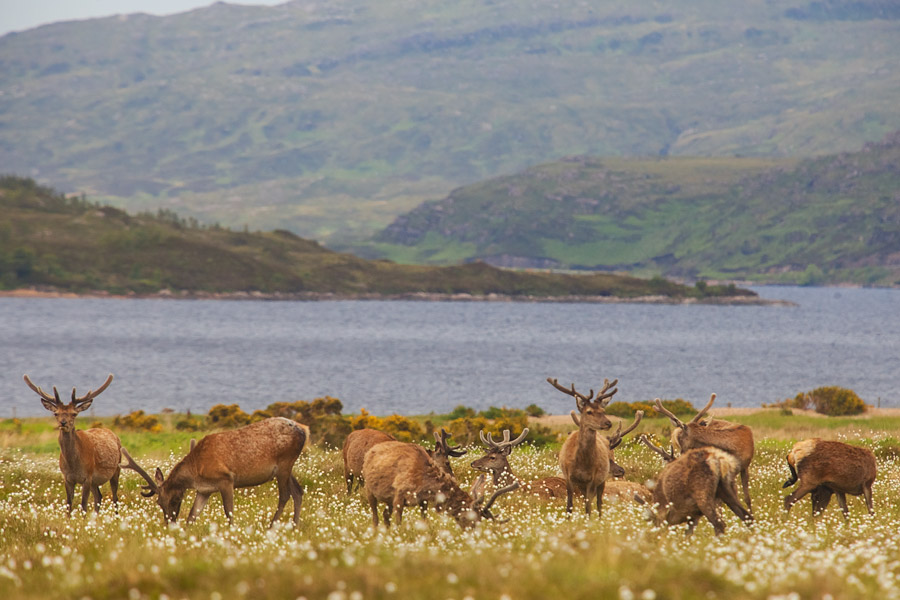
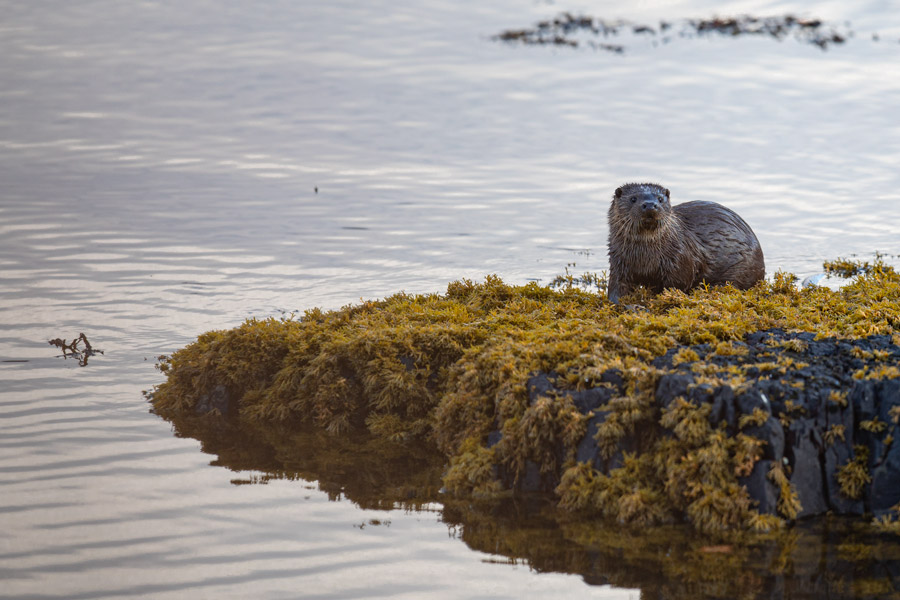
Other highlights hopefully include otters, which occur here at some of the highest densities in Europe, along with red deer and raptors such as short-eared owl, hen harrier, and merlin.
May brings long, light-filled days, giving us plenty of time to uncover the island’s treasures with the guidance of an expert naturalist. Each evening, we return to our welcoming hotel, where we can reflect on the day’s sightings over sumptuous meals prepared with local produce.
Typical Itinerary
-
Day 1:
Transfer from Inverness to Skye
At around 12pm we're collected by minibus from Inverness airport and/or train station as necessary. From here we begin our journey west, to the Isle of Skye.
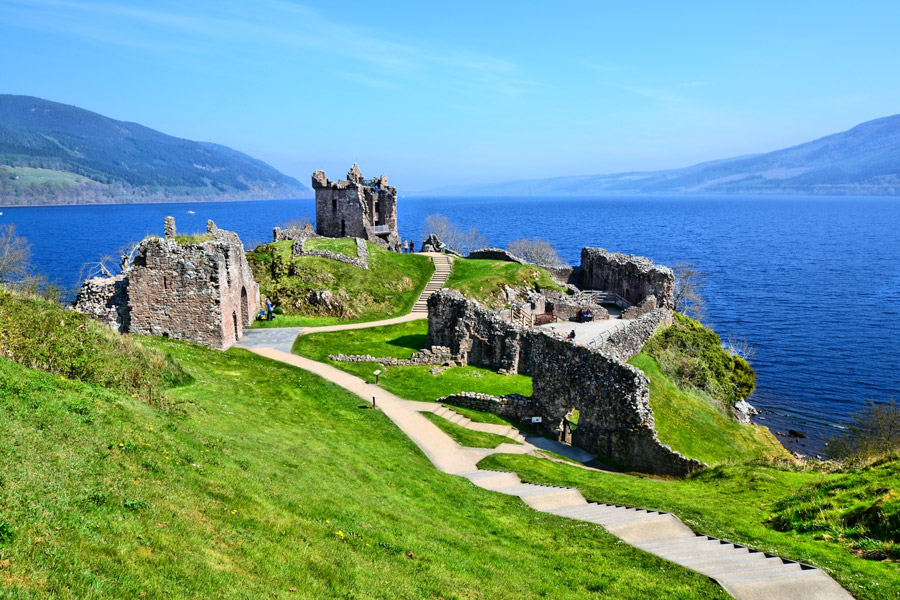
We travel via Loch Ness, taking a quick stop to view the famous Castle Urquhart and loch from a roadside viewpoint. This scenic drive takes us through the dramatic highland scenery of Glen Shiel and the Five Sisters of Kintail, through the Kyle of Lochalsh and over the Skye Bridge onto the Isle of Skye.
We travel to our hotel to check-in and relax a little before dinner.
Accommodation: Edibane Inn, 6-nights
-
Day 2:
Explore Northern Skye
Today we venture into the dramatic landscapes of northern Skye, selecting our stops based on the weather and recent wildlife sightings. Our first focus is the rocky foreshores and seaweed strewn bays of the sheltered sea lochs, where otters often forage around the changing tides.
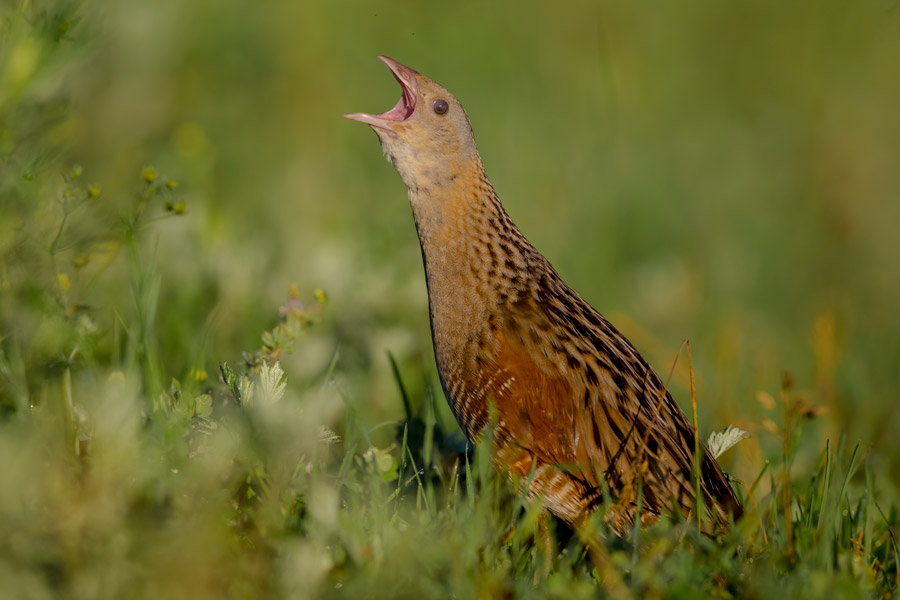
If conditions allow, we continue towards the Waternish peninsula. This area holds an impressive variety of habitats, wildflower-rich crofts and meadows line the roadside, while the towering cliffs of Waternish Point provide nesting and hunting grounds for both white-tailed eagles and golden eagles. Around Trumpan, the pastures may reward us with the rasping call of the now rare corncrake. These fields and the surrounding wetter grasslands and scrub also support reed buntings, sedge and willow warblers, and cuckoos. Lower down the hillsides, we may encounter red deer along with wheatear, whinchat, and twite. With a little luck, we might also spot raptors such as merlin, hen harrier, or short eared owl hunting over the moorland.
-
Day 3:
Northern Skye & boat tour to the Ascrib Islands
This morning, we begin with a search for otters and birds of prey in the varied habitats of northern Skye. After exploring these quieter corners of the island, we turn towards the sea and make our way to the small coastal village of Uig. From Uig’s sheltered harbour, we board a RIB for a 90-minute boat trip across waters known for their cetaceans. As we travel towards the Ascrib Islands, we begin to see our first seabirds up close. These islands form an important breeding site for seabirds, with puffins, guillemots, razorbills, fulmars, and shags all nesting here in significant numbers. We take our time navigating around the archipelago, watching this lively spectacle unfold. The islands are also an excellent place to observe grey seals hauled out on the rocks. From time to time, great skuas, gannets, or even white-tailed eagles pass through the area, adding to the excitement of the visit.
-
Day 4:
Glen Brittle & Southern Skye
Glen Brittle is home to both impressive white-tailed eagles and Scotland’s iconic golden eagles. We may even be lucky enough to see them in the sky together as their territories overlap here, offering a chance to compare plumage and size. There are also some likely otter haunts along the way so we stop to check them for any signs of activity.
Continuing to the end of the road we reach the shallow waters of Loch Brittle and the large sandy beach there where we can check for any shorebirds that might be feeding along the tide or strand lines. From here, we continue across stretches of open moorland where merlin, hen harrier, and short-eared owl are all possible sightings. Waders such as curlew, greenshank, redshank, and snipe may also be found around the small pools scattered across the landscape.
-
Day 5:
Glendale and Neist Point
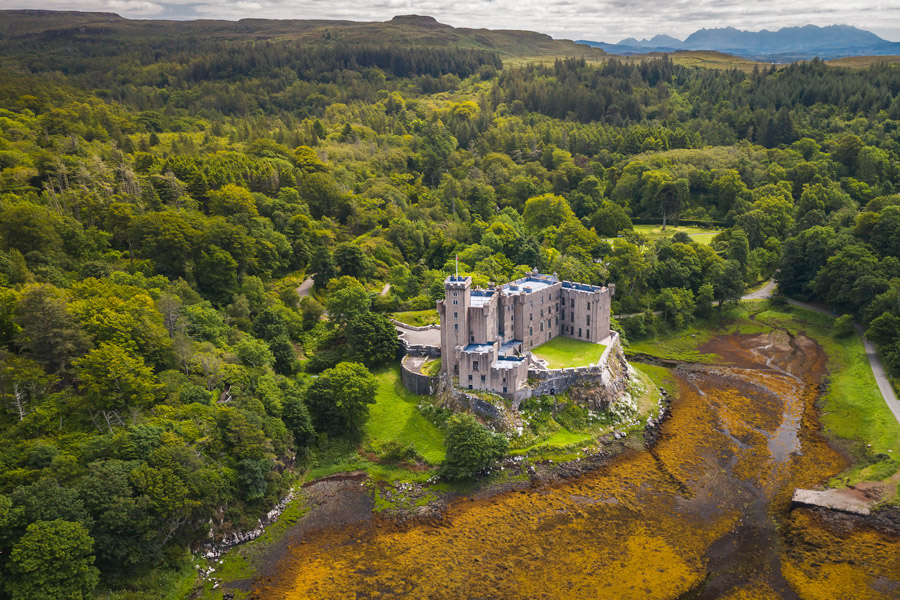
Today we head towards the 7,000 hectare estate of Glendale on the west coast, full of stunning scenery and sea views from the cliffs. Along the way we pass by Dunvegan, famous as home to Dunvegan Castle, where the Chiefs of Clan Macleod have had their ancestral home for 800 years. Here in Loch Dunvegan, we can view the mixed colony of greys and common/harbour seals that some estimate at around 500 animals in total. It's also a great place to spot otters if we're lucky and wading birds such as greenshank that come down off their breeding areas on the moorland above to feed along the shoreline.
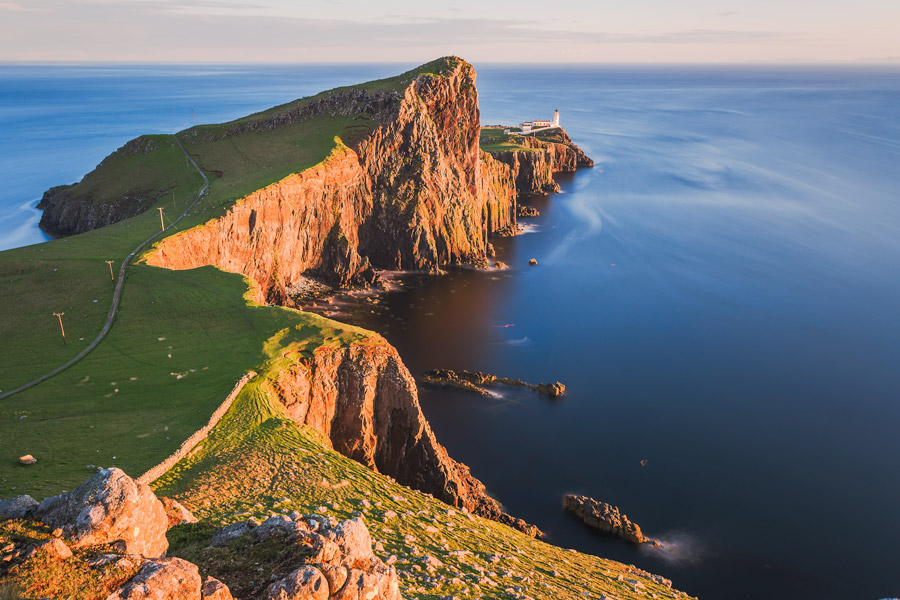
We continue from there towards the finger of land sticking out into the sea known as Neist Point, with its iconic lighthouse at the end. We turn away from the usual tourist route, and instead head towards a quieter clifftop vantage point where the great views out to sea give us good chances of spotting any passing cetaceans and seabirds. Eagle sightings are also always of course very possible too.
-
Day 6:
White-tailed eagle boat tour, Portree & Staffin
This morning we head out on a half-day trip in search of close-up encounters with white-tailed eagles, although marine mammals may also be spotted too of course.
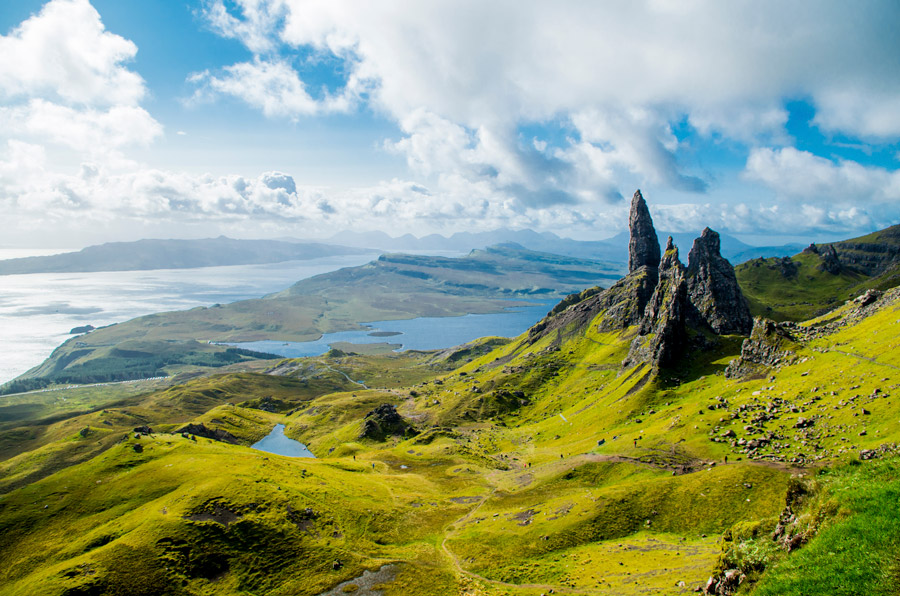
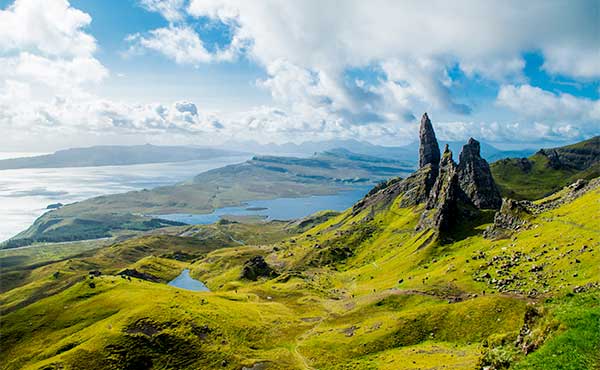
In the afternoon we take you back in time, 170 million years to be precise, to the mid-Jurassic (yes THAT Jurassic) period! Driving up the east-side of the Trotternish peninsula, the road follows the high coastal cliffs, passing the Old Man of Storr rock formation on the landward side, and then reaching the Meallt Falls which tumble into the sea, and Kilt Rock, named for the pleated appearance of its basalt columns – also a well-known and official shore-watching location on the Hebridean Whale Trail.
Our last stop will be at Staffin for a visit to An Corran beach where you can stand next to footprints of dinosaurs on the flat rocks found down along the water. The size and shape of the imprints has led scientists to believe these were made by a large predatory dinosaur, similar to a Megalosaurus.
-
Day 7:
A scenic return to Inverness
After a final breakfast and check-out from the hotel, we drive back across the Skye Bridge on our way towards Inverness. We take a northerly route this time, passing along Loch Carron and up Glen Carron past the tiny hamlet and remote train station at Achnasheen. From here, the road passes through the desolate moorland of Strath Bran. We take a few minutes along here to stop and admire the engineering skills of some local ospreys that have constructed a huge nest on a pylon in sight of the road - it got so large in past years that a team had to move the nest to a purpose-built platform.
Arriving back in Inverness in the afternoon we say our farewells.