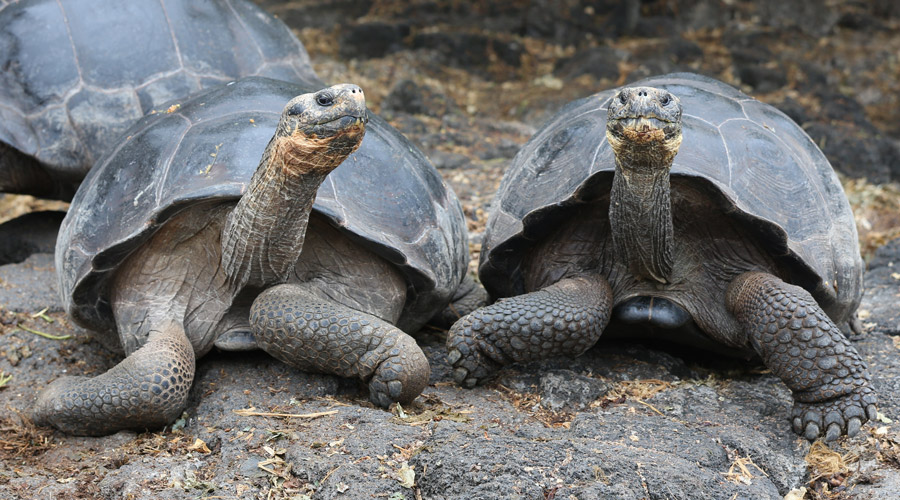
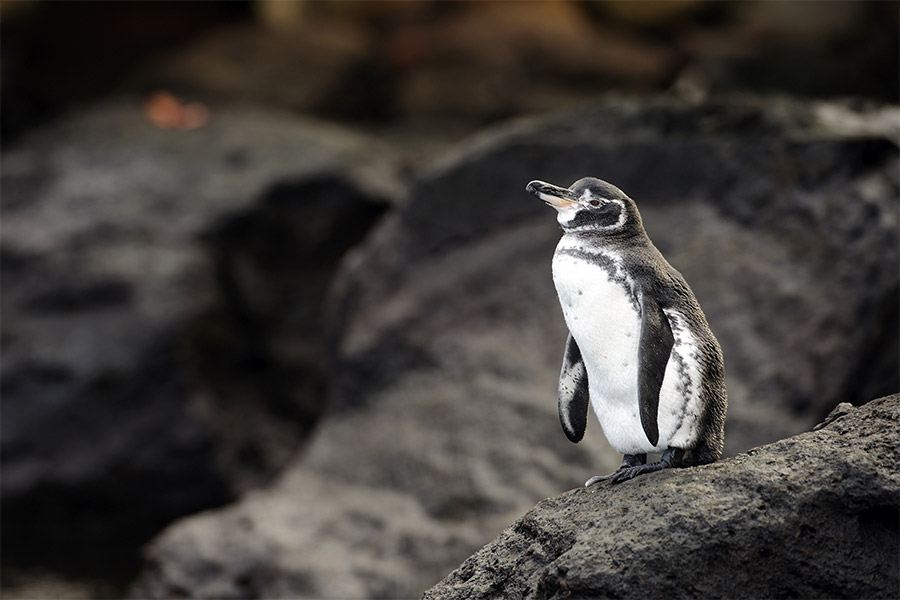
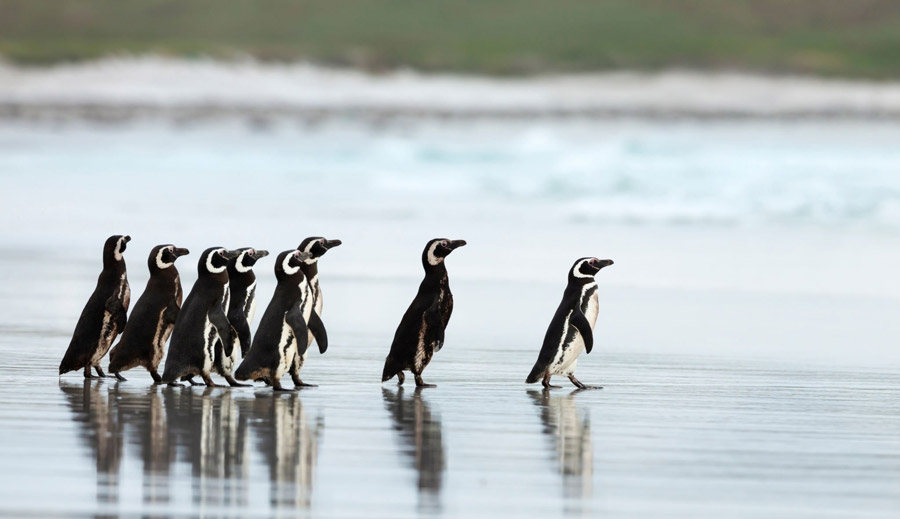
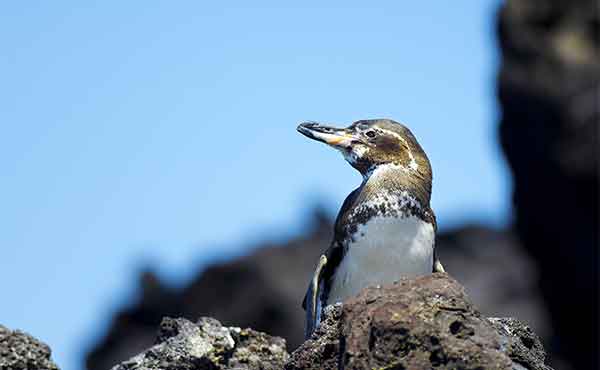
This 8 day cruise explores in depth some of the larger islands in the Galapagos, with landings to see Galapagos penguins, Galapagos giant tortoises and a host of unique bird species.
A visit to the Charles Darwin Research Station on Santa Cruz Island will help you learn about the breeding programmes being undertaken in the Galapagos to protect the giant tortoise and land iguana. You can also see giant tortoises in the wild in the highlands of Santa Cruz. You will then spend at least three days exploring Isabela Island, the largest of the archipelago, home to flamingos, penguins, green turtles and land iguanas.
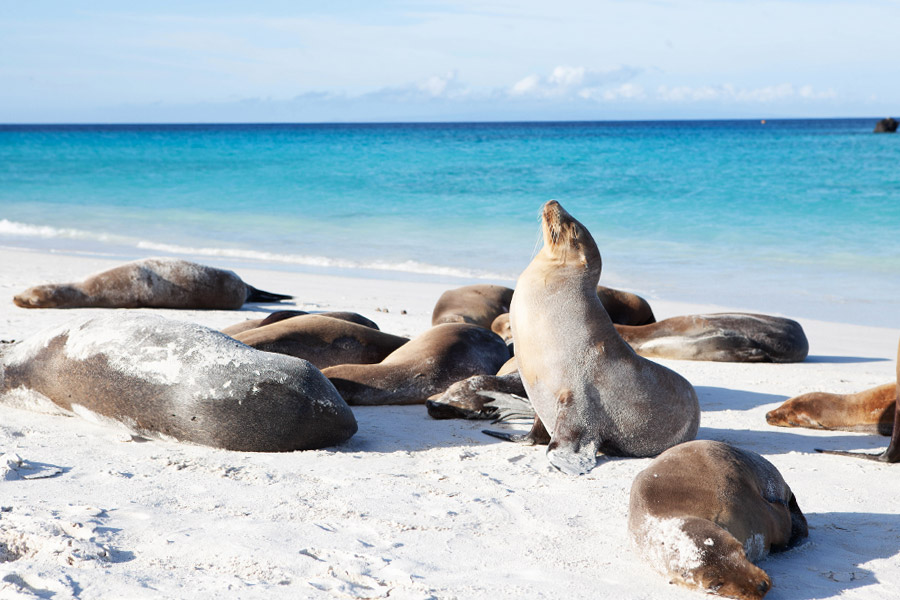
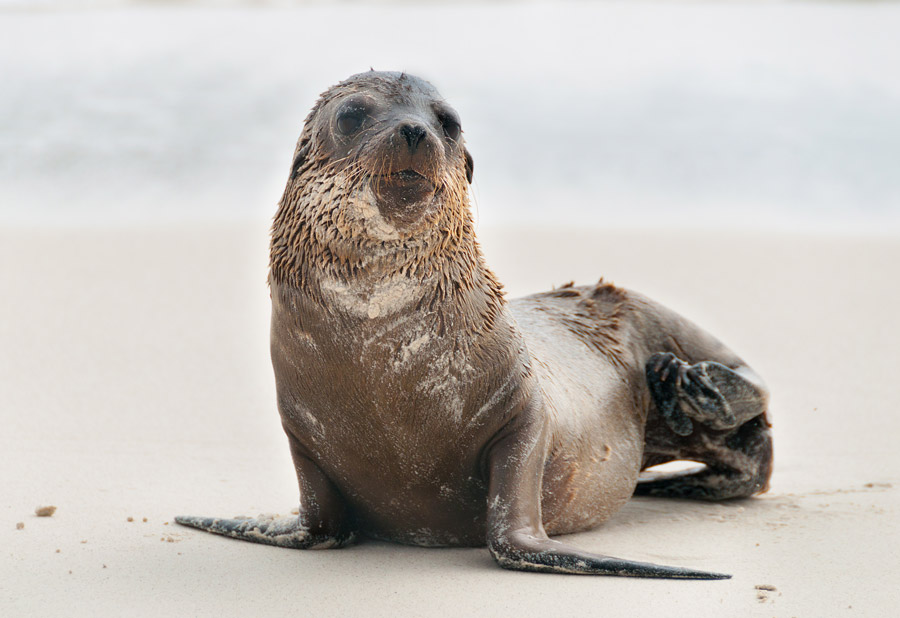
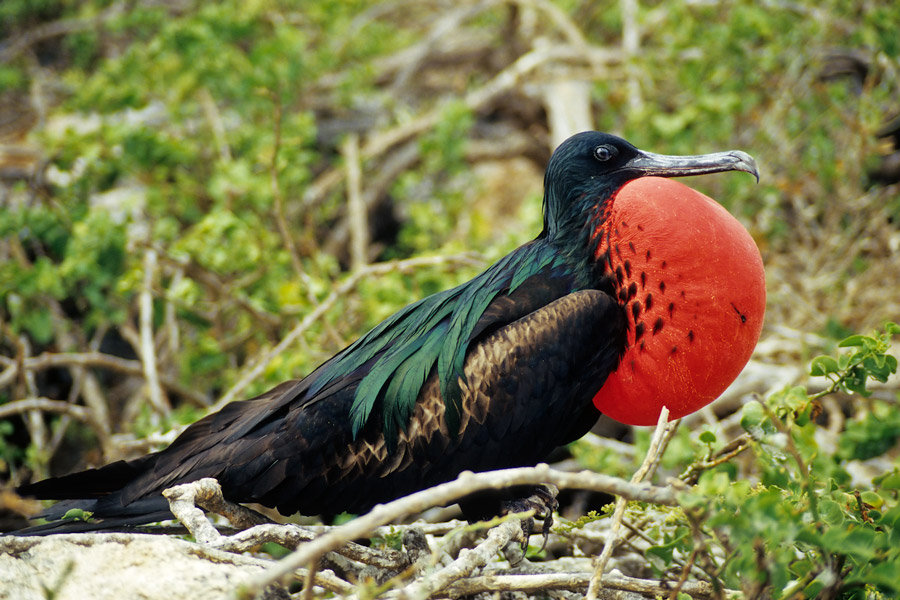
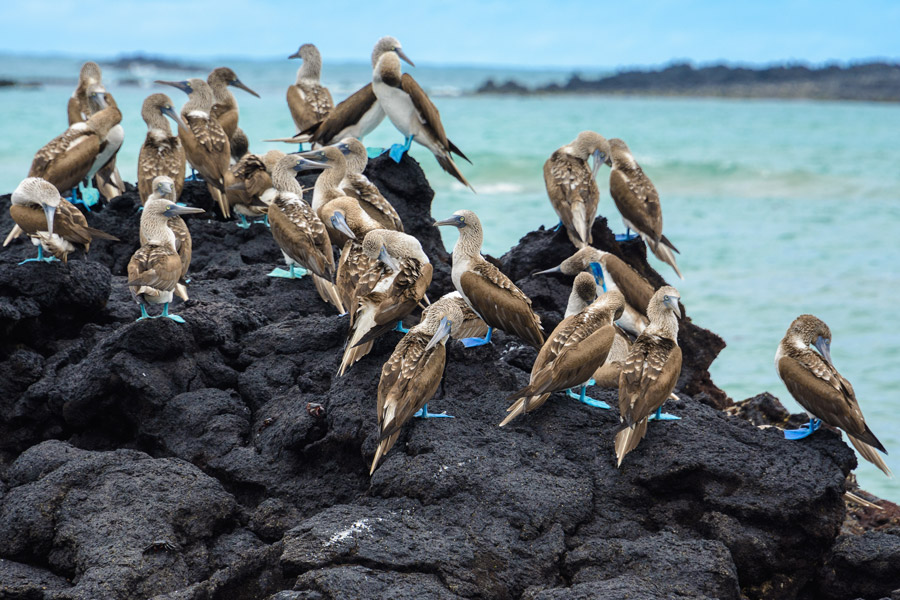
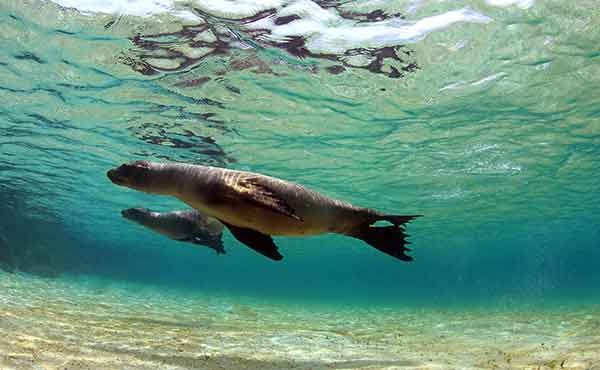
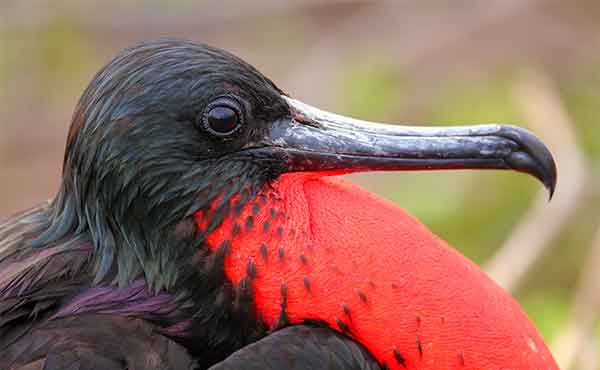
Your journey then continues to the nearby volcanic island of Fernandina, which has a huge population of land iguanas, as well as a variety of other wildlife. The trip culminates with landings on Santiago, Bartolomé and North Seymour, where you can see fur seals, sealions, magnificent frigatebirds, blue-footed boobies and more penguins.
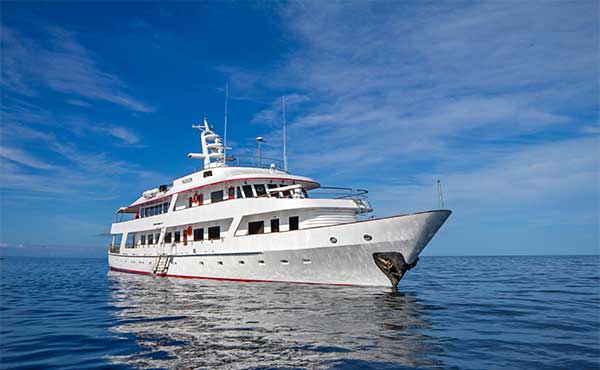
A typical one week Galapagos Highlights itinerary is shown below, on board the Beluga, however we offer a variety of other voyages, durations and vessels.
Typical Itinerary
-
Day 1:
Arrive Baltra airport & board vessel, Santa Cruz
After arriving at Baltra airport you will be transferred to your vessel. Later that day you will visit the Charles Darwin Research Station and learn about their giant tortoise and land iguana breeding programmes. In the highlands of Santa Cruz the giant tortoise can be seen in the wild.
-
Day 2:
Sombrero Chino Island & Rábida Island
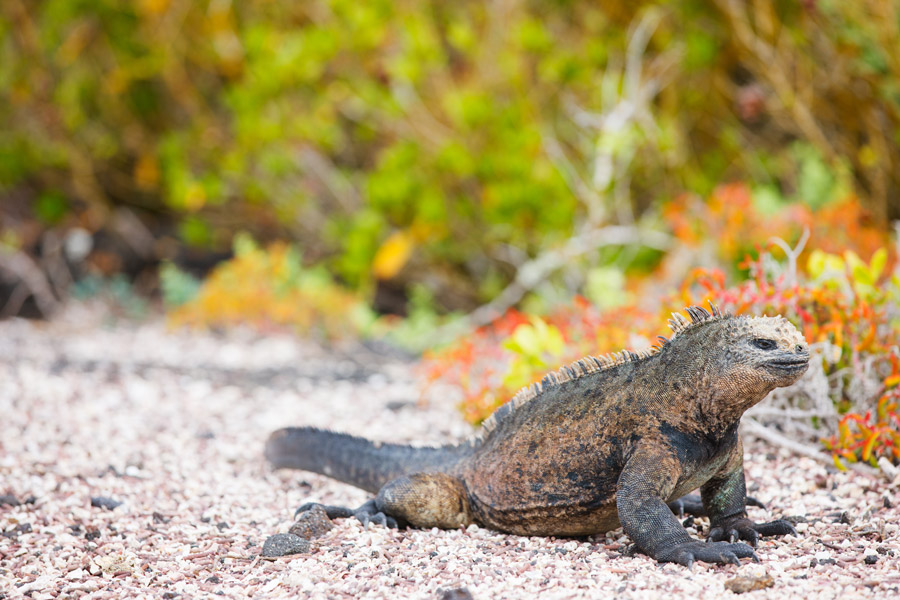
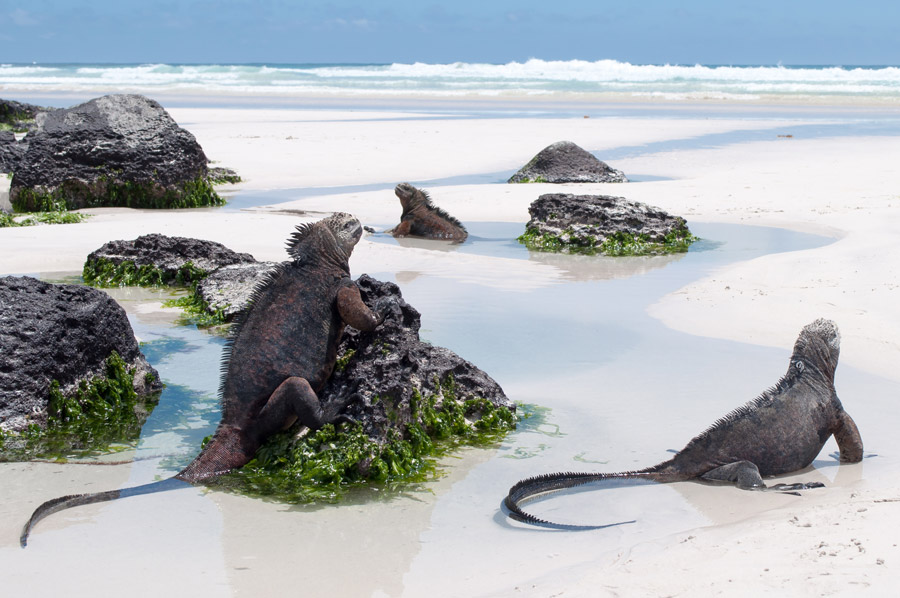
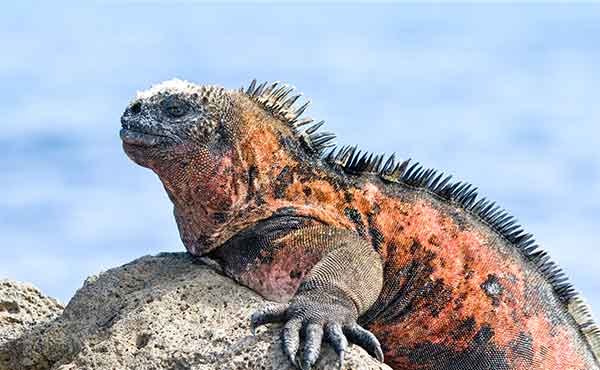
Today you explore Sombrero Chino, a small volcanic island just off the south-east tip of Santiago, named so because of its distinctive shape. Wildlife here is aplenty including sea lions, marine iguanas and if you are lucky, perhaps even the rare Galapagos penguin. Later today you visit Rábida Island, a small unpopulated island with an unusual dark red coral sandy beach. Wildlife highlights in this area include flamingos in a nearby saltwater lagoon and a pelican nesting site.
-
Day 3:
Isabela Island
Today brings landings on Isabela, the largest of the Galapagos Islands, formed by five active volcanoes fused together. Wolf Volcano is the highest point in the entire Galapagos at 1707 metres. Volcan Sierra Negra has a caldera with a diameter of 10 kilometres – here you can view recent lava flows, moist highland vegetation and parasitic cones. You will also visit Puerto Villamil, a charming small town on a white sand beach. Highlights include the Tortoise Breeding Station and the flamingo lagoon
-
Day 4:
Isabela Island
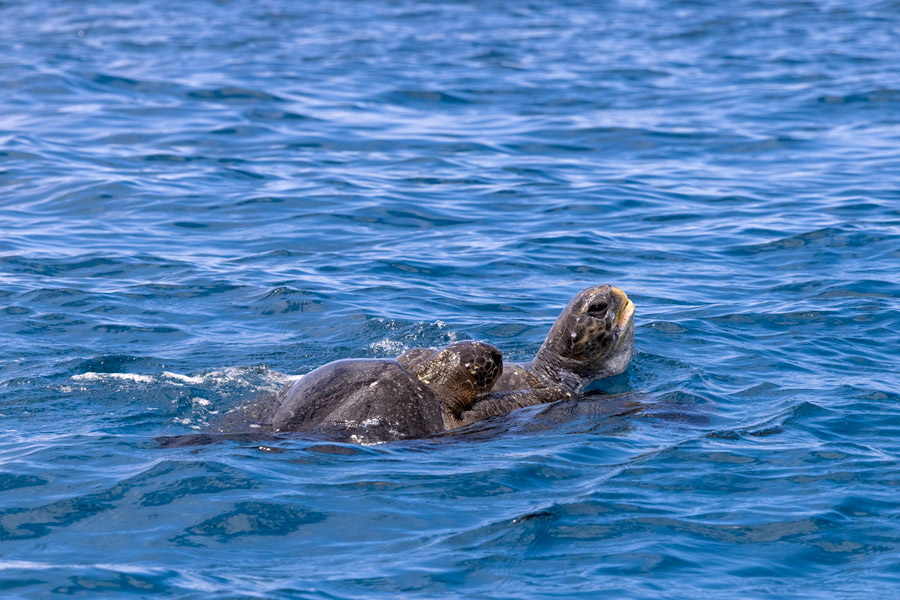
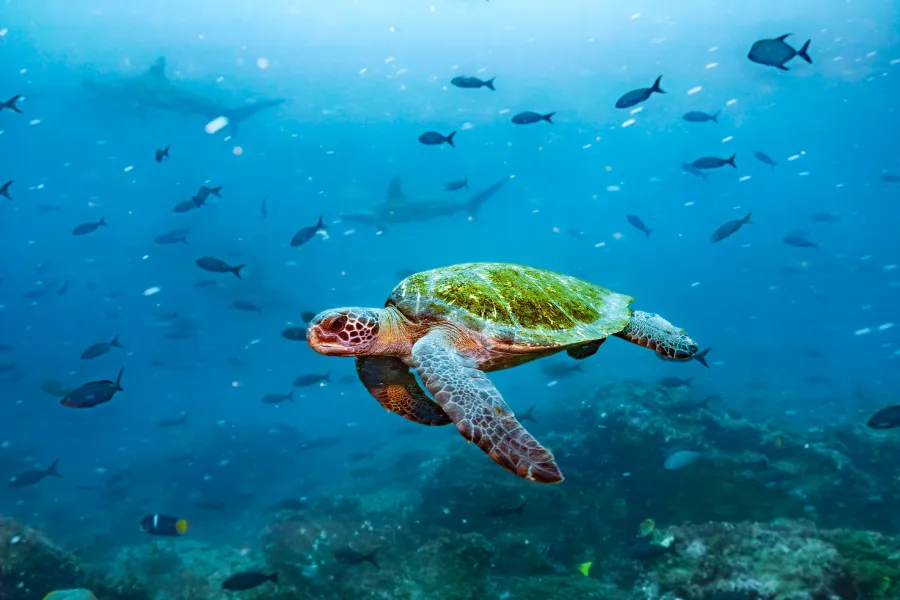
Continue your exploration of Isabela with a landing at Punta Moreno, located on the central south-western coast of the island. This site has spectacular views of Alcedo, Sierra Negra and Cerro Azul volcanoes, and you can see impressive lava flows and desolate, pristine landscapes. You also visit Elizabeth Bay, which is only accessible by dinghy. Here it is possible to see penguins on the small islets in the bay, and in the water, you are likely to see Galapagos green turtles and rays.
-
Day 5:
Isabela Island
There is more to see on this fascinating island, and today you will first stop at Urbina Bay, located in the foothills of Alcedo and Darwin volcanoes. Wildlife to be found here includes colourful land iguanas and Galapagos giant tortoises. Later you will visit Tagus Cove, a natural harbour where centuries ago whalers and pirates left their ship's names painted or carved on the rocks. A walk uphill to Darwin's Crater salt-water lake provides excellent panoramic views.
-
Day 6:
Fernandina Island
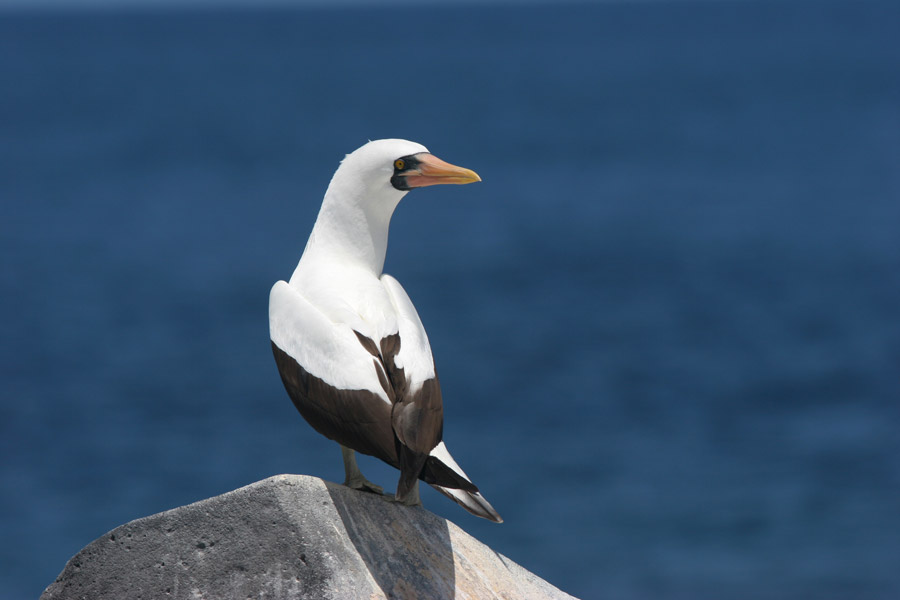
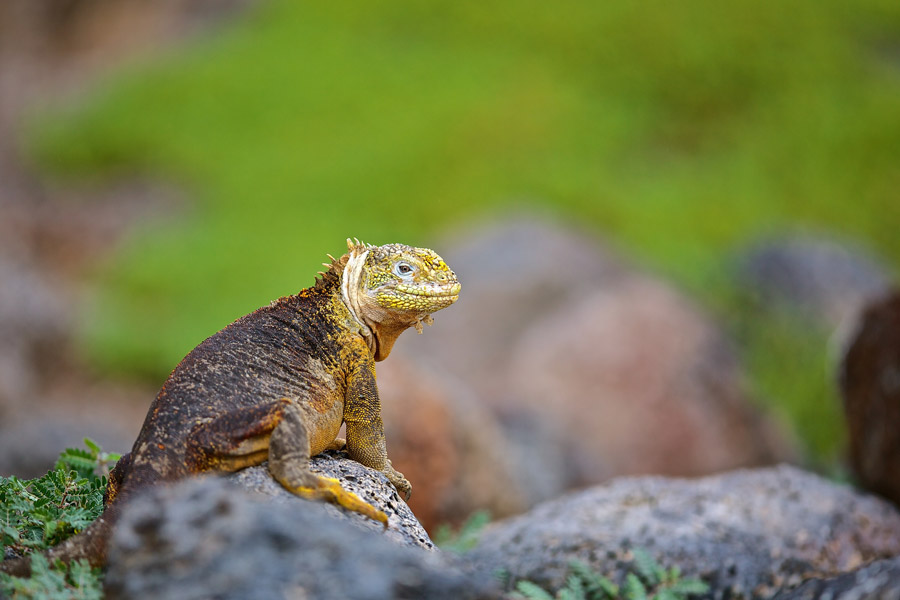
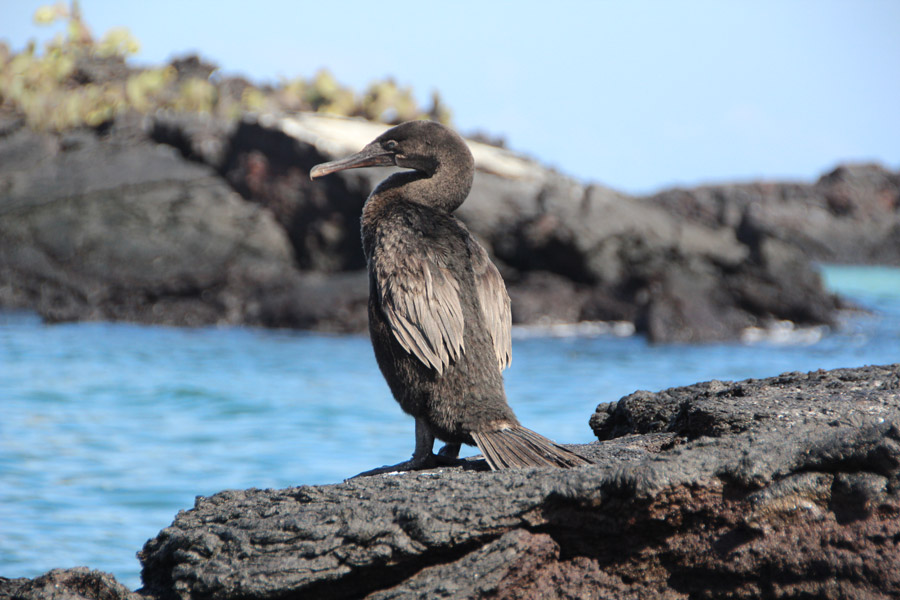
Fernandina is the youngest volcanic island and is still active – it has rugged slopes, unusual lava formations and a huge population of land iguanas. There are also sealions, marine iguanas, Sally Lightfoot crabs, Galapagos penguins and flightless cormorants in this unique habitat. You’ll then take a panga ride along the cliffs to land at Punta Vicente Roca, where Nazca boobies, blue-footed boobies and flightless cormorants inhabit the shoreline.
-
Day 7:
Santiago & Bartolomé Islands
Located between Isabela and Santa Cruz, Santiago offers a wide variety of seabirds, marine iguanas and fur seals. A walk along the rocky coastline at Puerto Egas shows you some of the Galapagos’ best tidal pools. Interesting spots include Playa Espumilla, boasting a beautiful contrast of golden sandy beaches and lush green mangroves, and Buccaneers Cove, a location Charles Darwin called home for nine days and a resting site for many whalers and pirates.
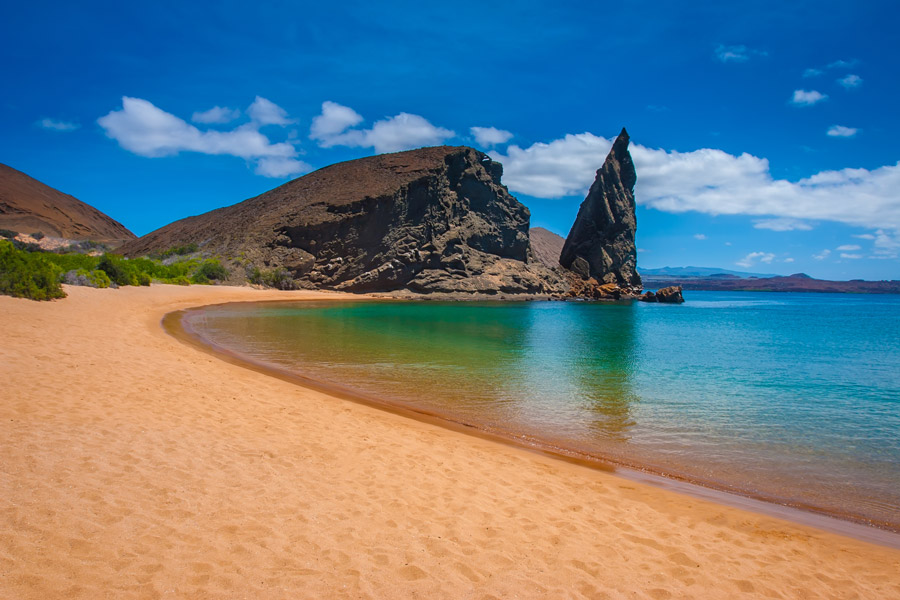
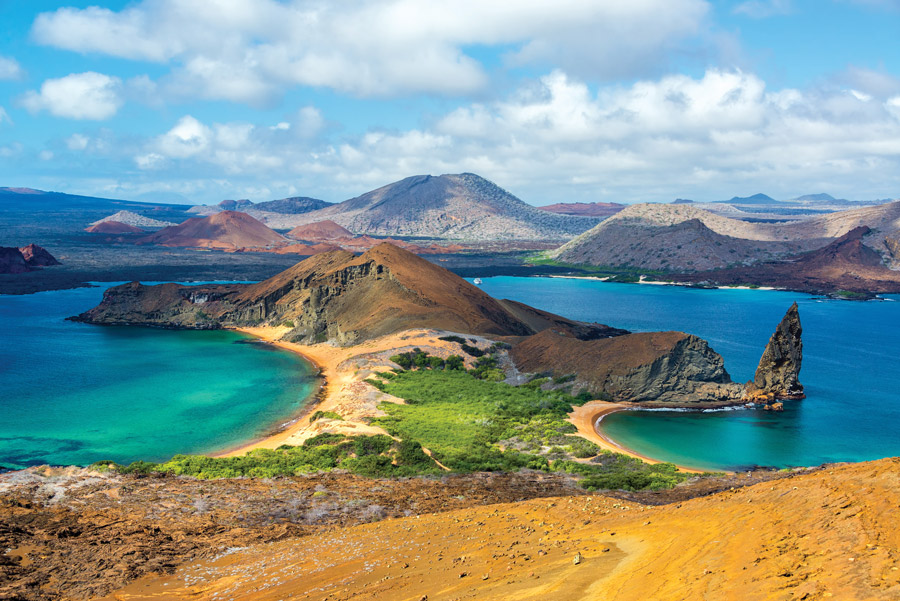
Continuing to Bartolomé, a hike takes you to the highest point on the island to enjoy spectacular views. Sealions and penguins can be seen around Pinnacle Rock, and there is a sandy beach for swimming and snorkelling.
-
Day 8:
North Seymour, disembark & transfer to Baltra airport
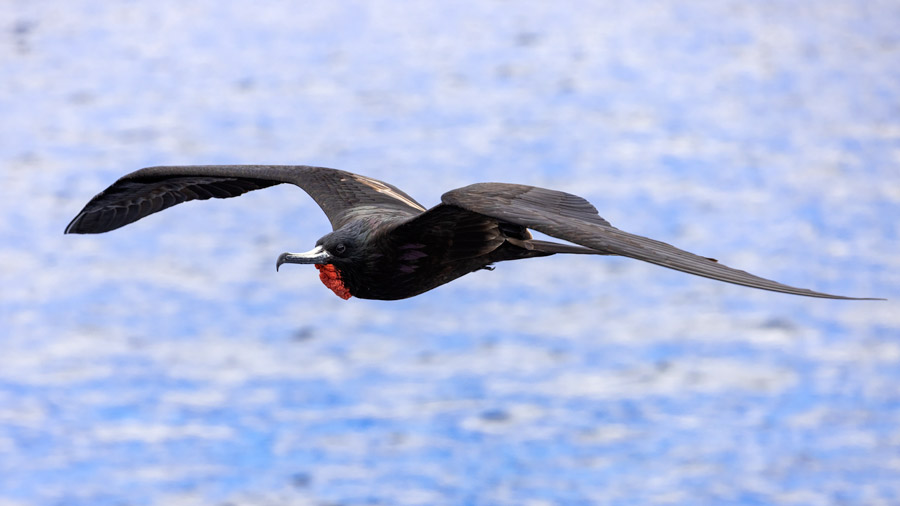
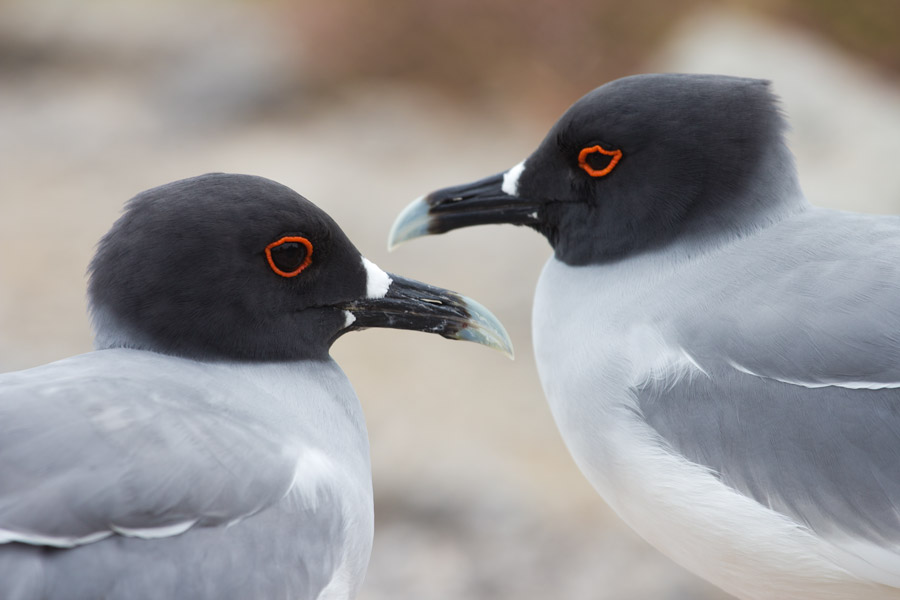
The island of North Seymour is home to endemic Palo Santo trees, colonies of blue-footed boobies, swallow tailed gulls, and magnificent frigatebirds. After visiting this final island, it’s time to disembark your vessel and transfer back to Baltra airport.
Please note: Exact itinerary and duration will depend on your chosen vessel, departure date and local conditions.
OPTIONAL EXTENSIONS
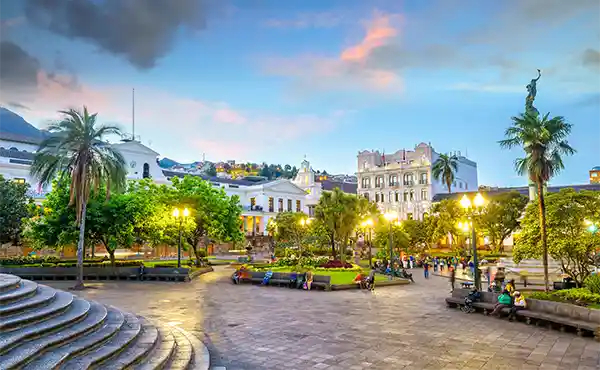
To make the most of your time in Ecuador, why not add an extension to your Galápagos adventure? Wander through the colonial streets and lively markets of
Quito, journey deep into the
Ecuadorian Amazon for a rainforest experience rich in wildlife or unwind in the
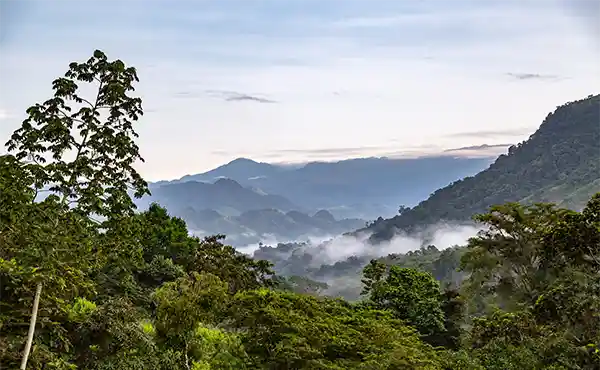
Andean cloud forests. These are just a few suggestions, and you can
ask us for ideas or more information on how to tailor your trip beyond the islands.







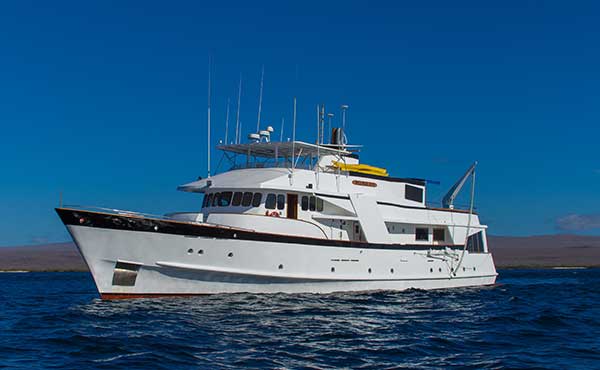 EXPEDITION VESSEL
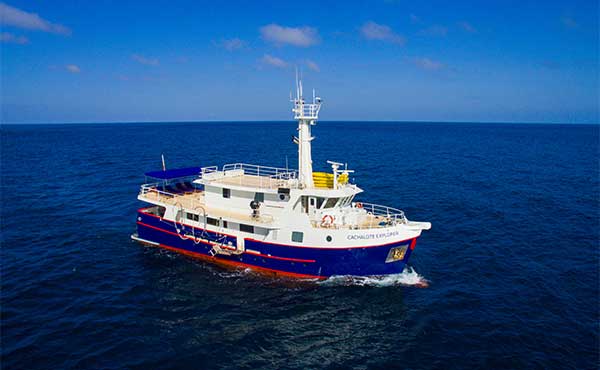 EXPEDITION VESSEL
 LUXURY VESSEL