A perfect introduction to the diverse wildlife and landscapes of the Lot Valley, this gentle tour is timed to offer the best of spring bird and butterfly activity, flowering orchids and plenty of other natural history.
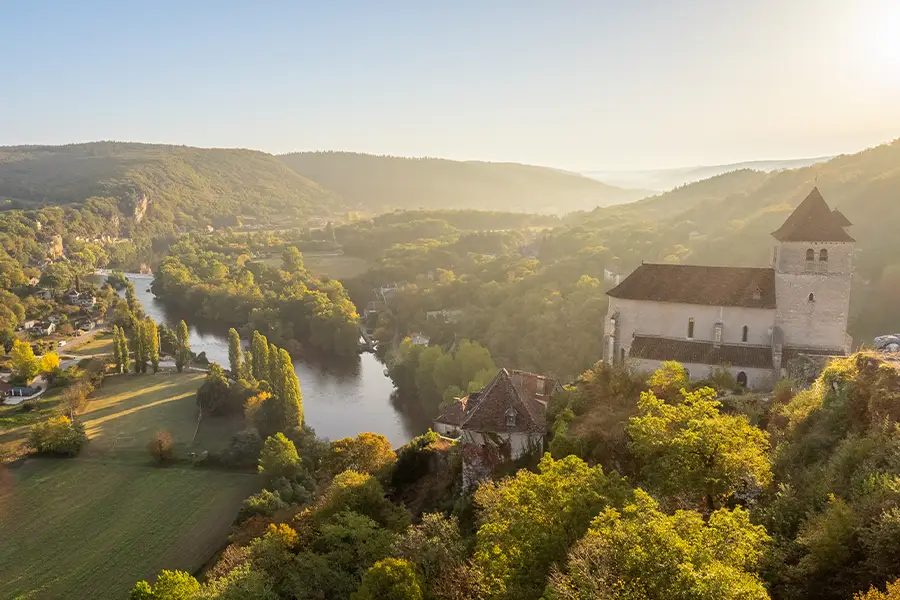
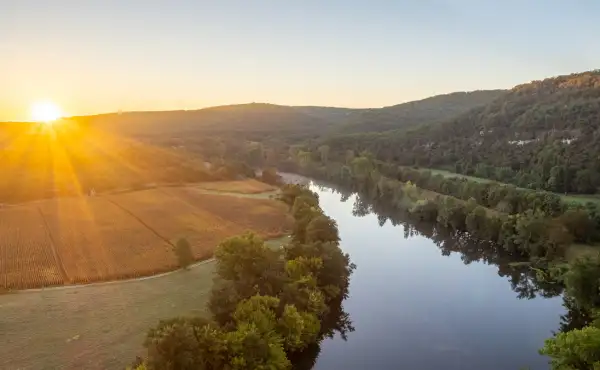
Nestled in South-west France, the Lot Valley is one of the country’s most rewarding destinations for a week of wildlife watching. The River Lot meanders its way through this ancient landscape, which is dotted with prehistoric sites and punctuated by unique limestone plateaus, dramatic cliff faces, rich forests, wildflower-filled meadows, sunny vineyards, and picturesque villages.
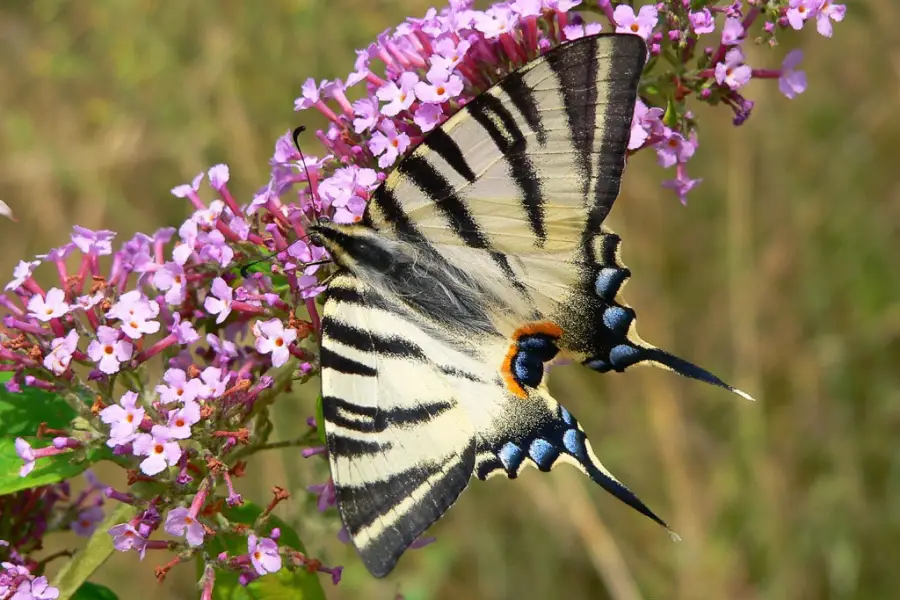
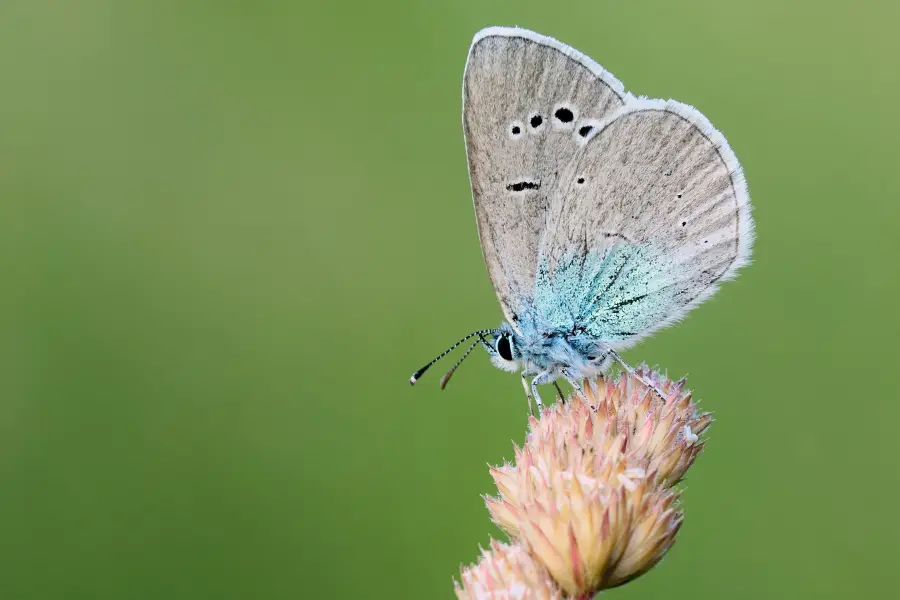
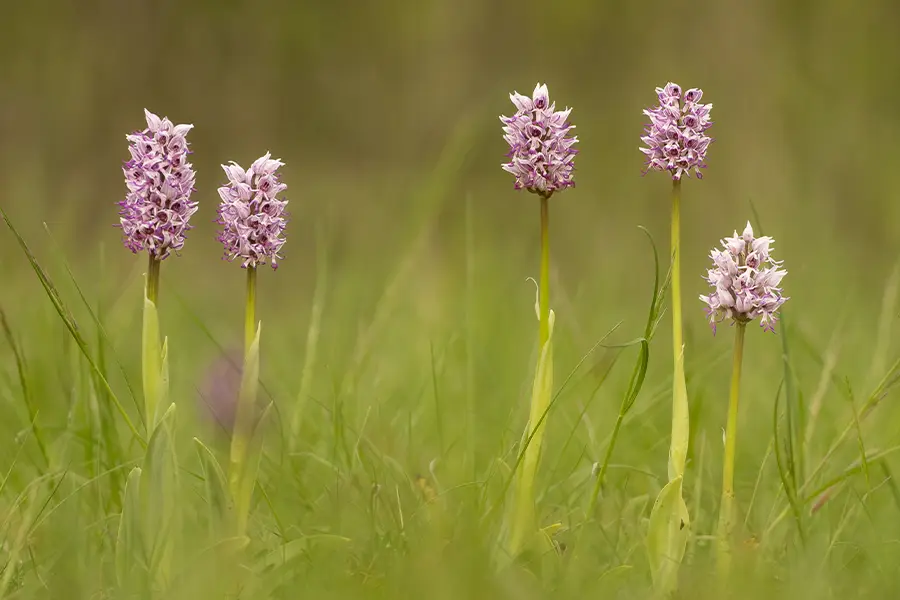
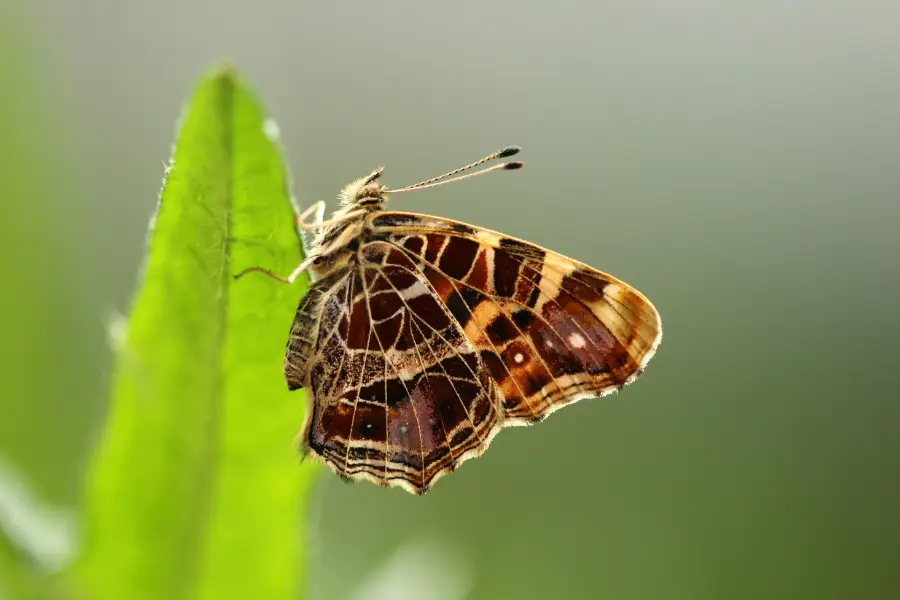
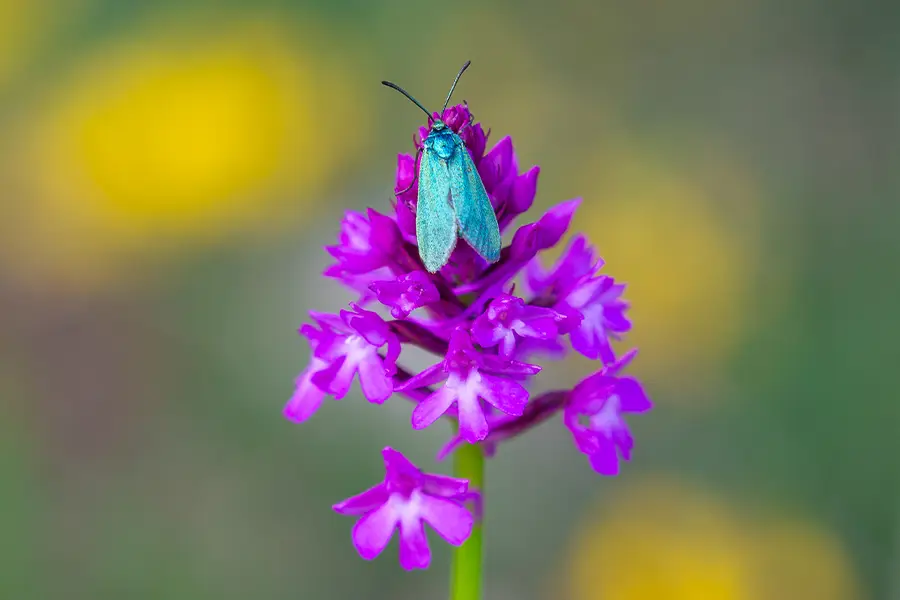
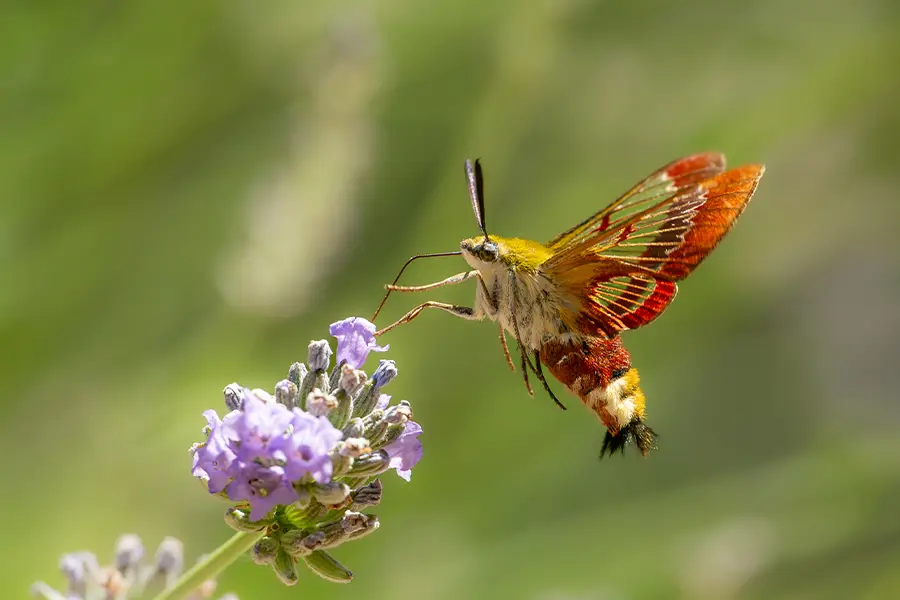
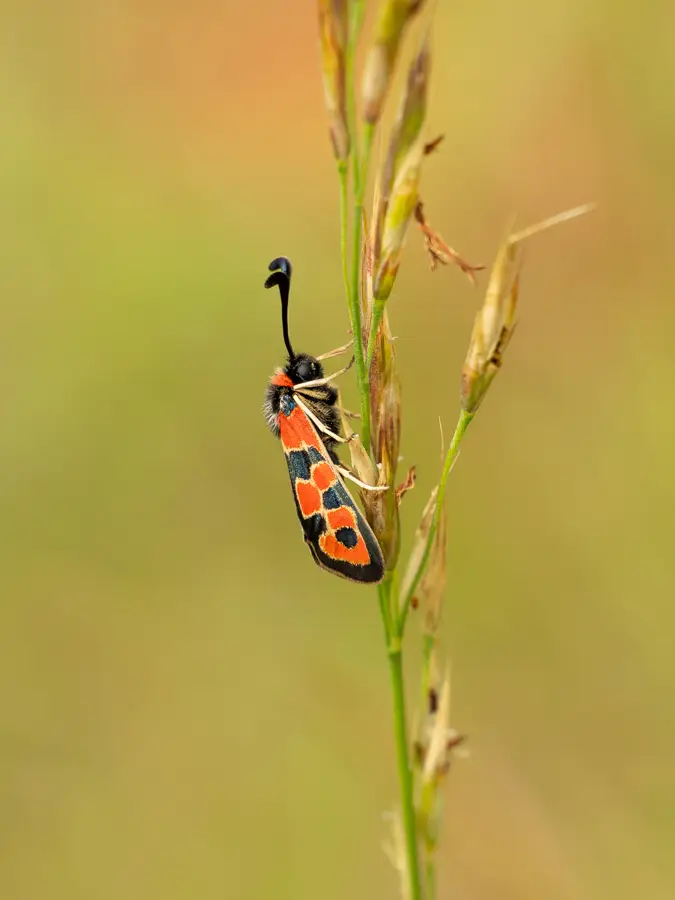
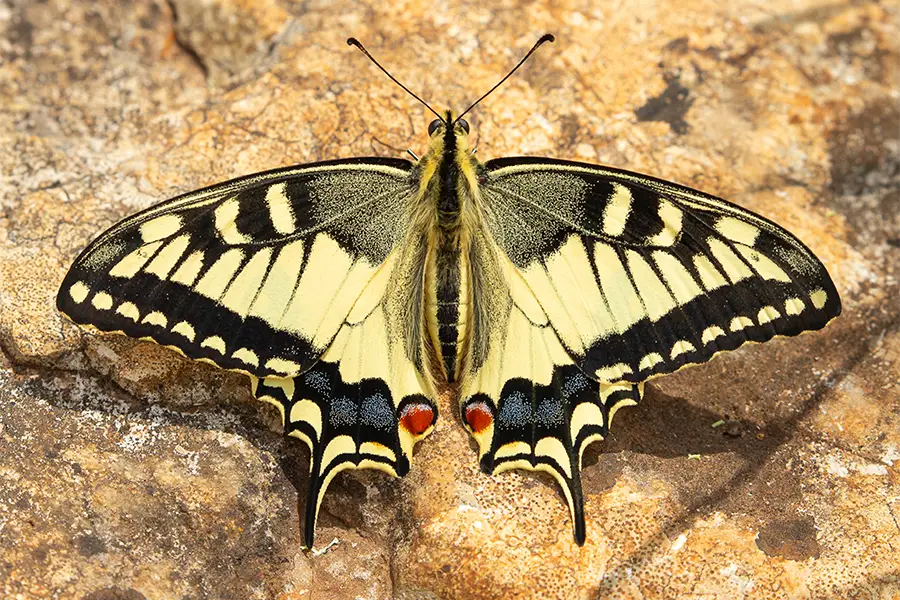
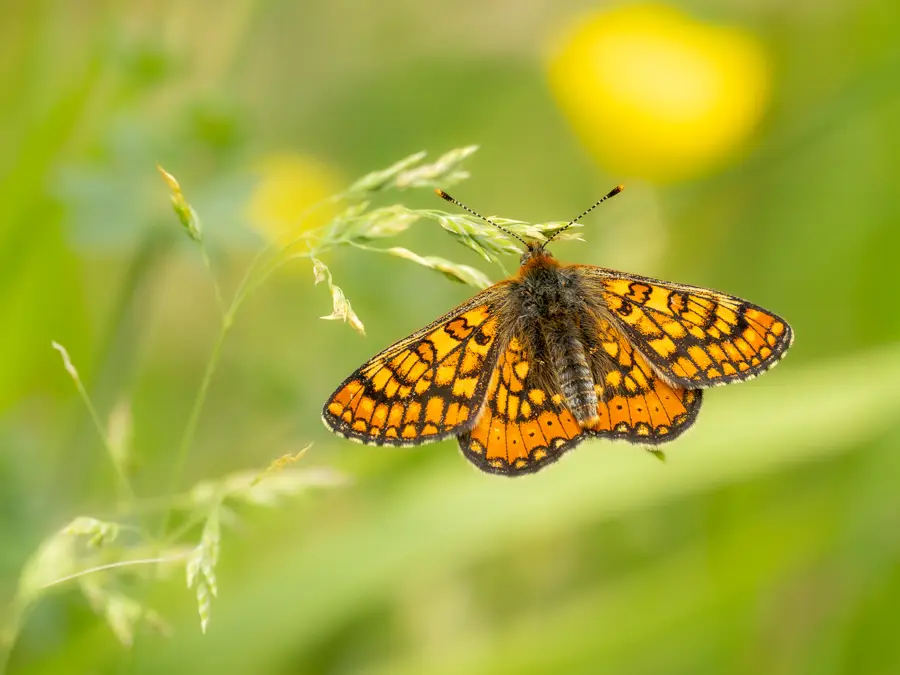
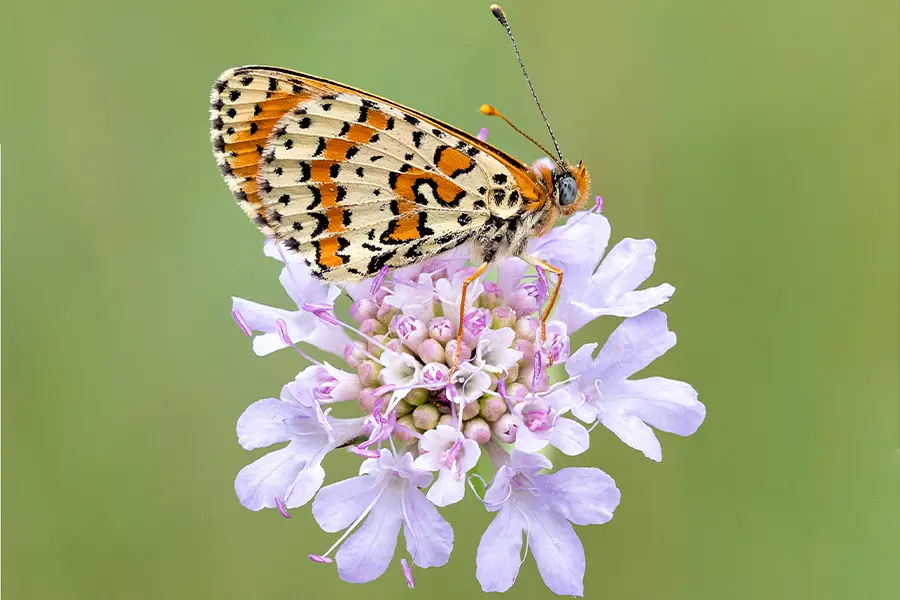
Traditional land use has also left many of its wildlife habitats intact, meaning almost any location is of wildlife interest, and the abundance of butterflies and birds, many of which are rare in the UK, is a particularly welcome sight. Travelling in late May, we can enjoy the richness of butterflies that inhabit the varied habitats of the valley. Sought-after butterfly species such as map, mazarine blue and spotted fritillary can be found alongside good numbers of species that are now very rare in the UK, such as Glanville and heath fritillary, wood white and large blue. The meadows and limestone grasslands also support an outstanding assemblage of orchids and other wildflowers, and it's not uncommon to see 17 species of orchid in a single meadow.
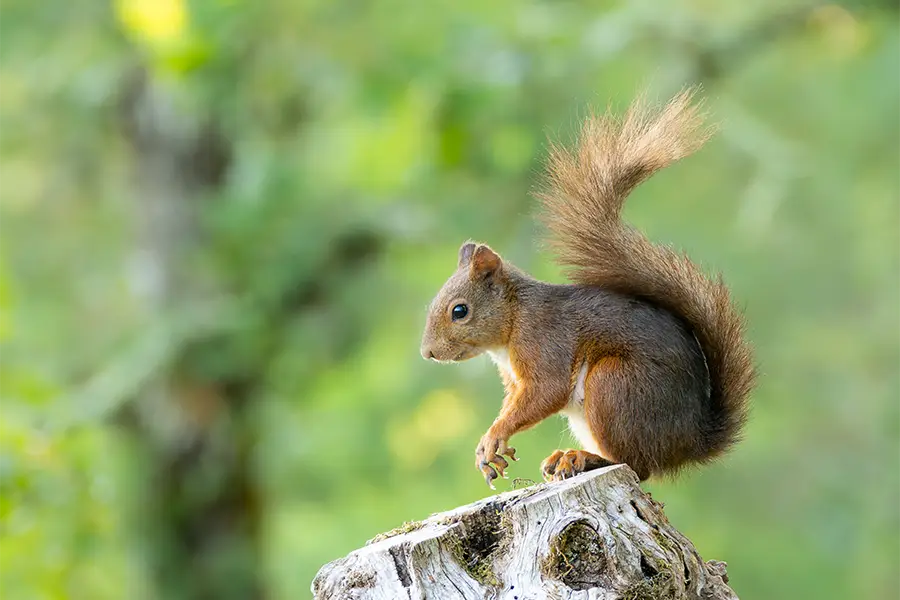
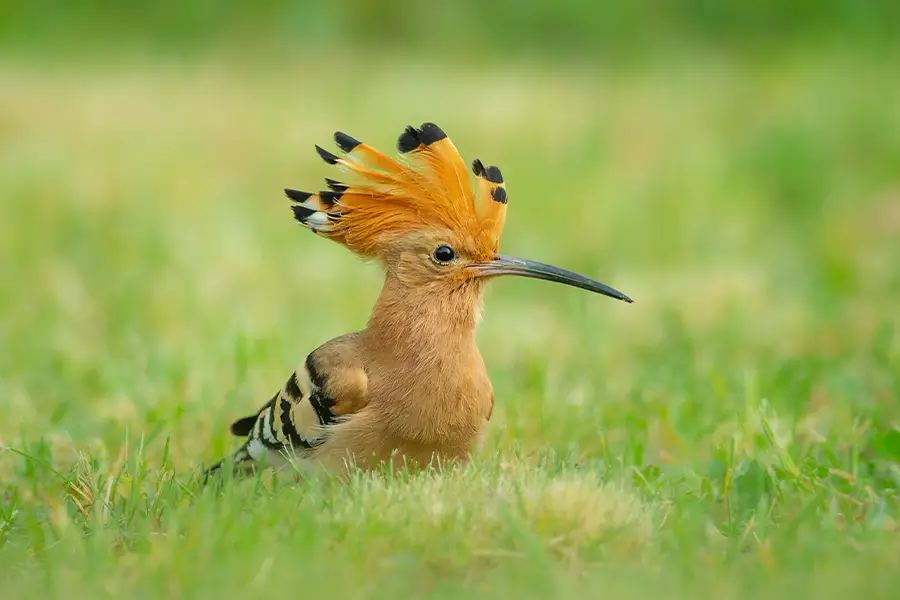
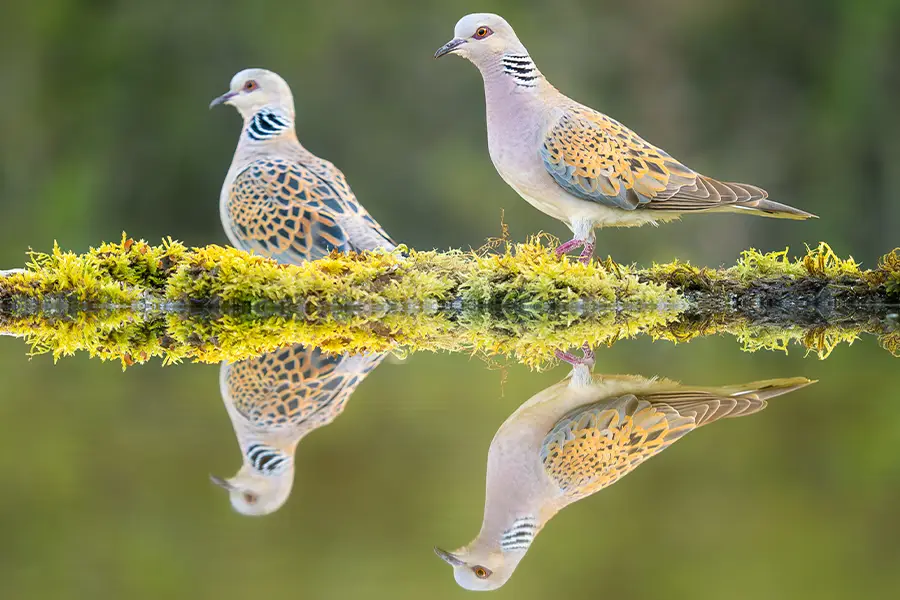
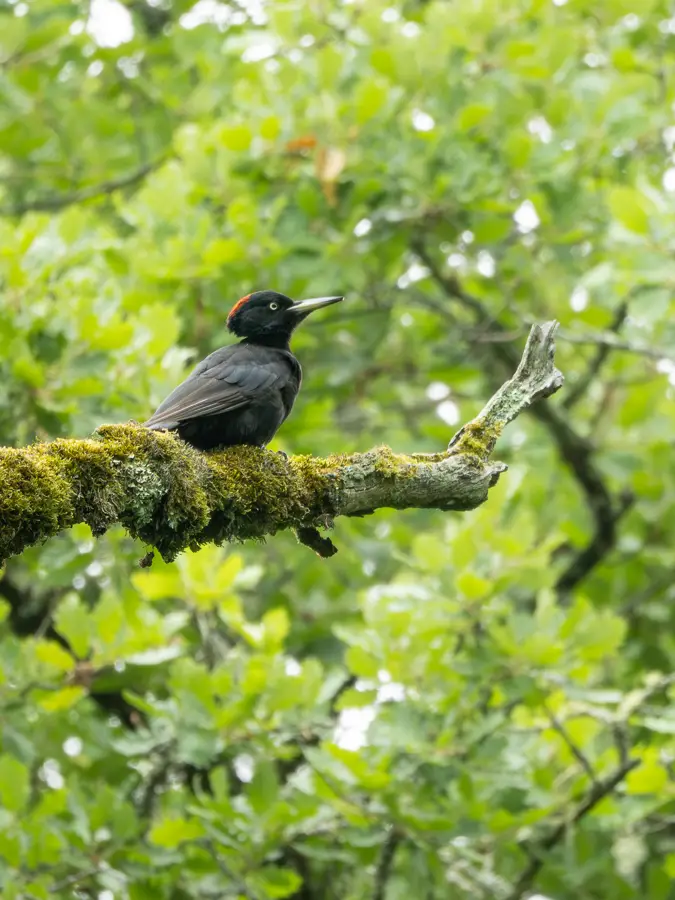
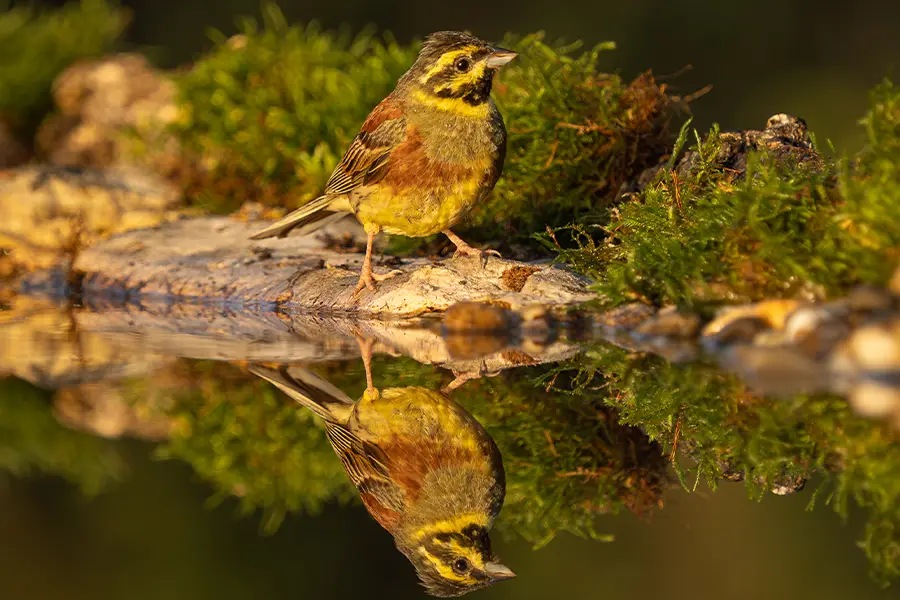
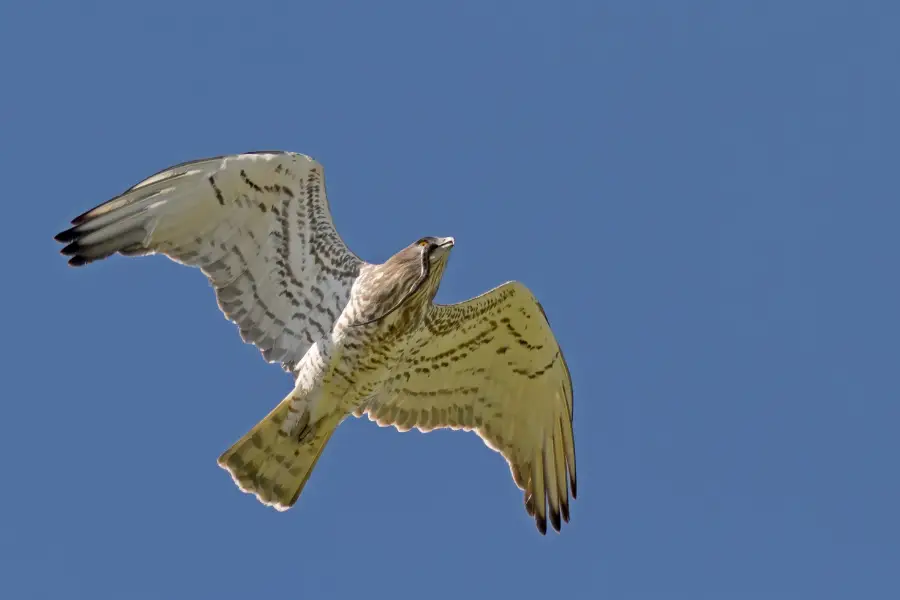
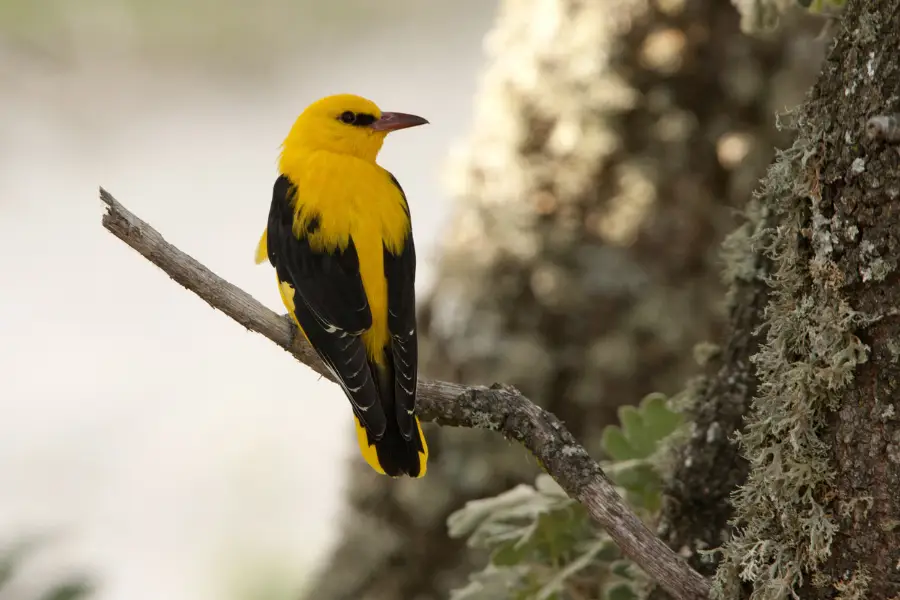
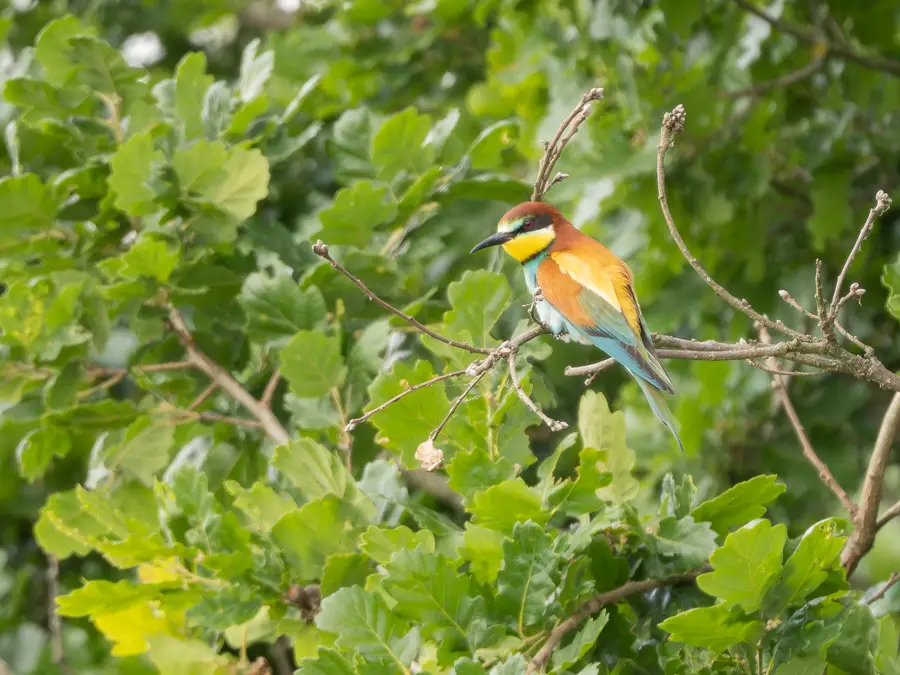
Birdlife is another highlight, with species such as golden oriole, hoopoe, short-toed and booted eagles, honey buzzard, black woodpecker and melodious and Western bonelli’s warblers. We also have access to a private nature reserve, which is an excellent spot to take time to discover more unusual insect life and visit a selection of specialist hides, offering the possibility of close views of turtle dove, hawfinch, cirl bunting and red squirrel.
The tour is taken at a leisurely pace as we explore a mixture of oak and pine woodland, wetlands and limestone grasslands, as well as taking in hanging villages typical of the region and the famous prehistoric caves of Pech Merle.
Typical Itinerary
-
Day 1:
Depart UK & fly to Toulouse
Depart the UK on a flight to Toulouse, where we meet our local guides. From here, we drive to a limestone plateau overlooking the medieval city of Cahors for a gentle walk in search of orchids, birds and butterflies, offering our first introduction to the wildlife of this beautiful region.
We then continue to our riverside accommodation in the picturesque village of St Géry-Vers. There's plenty of time to relax and settle in, with the option of an evening walk in the local area.
Accommodation: Hotel La Truite Dorée, 7-nights
-
Day 2:
Célé & Vers Valleys
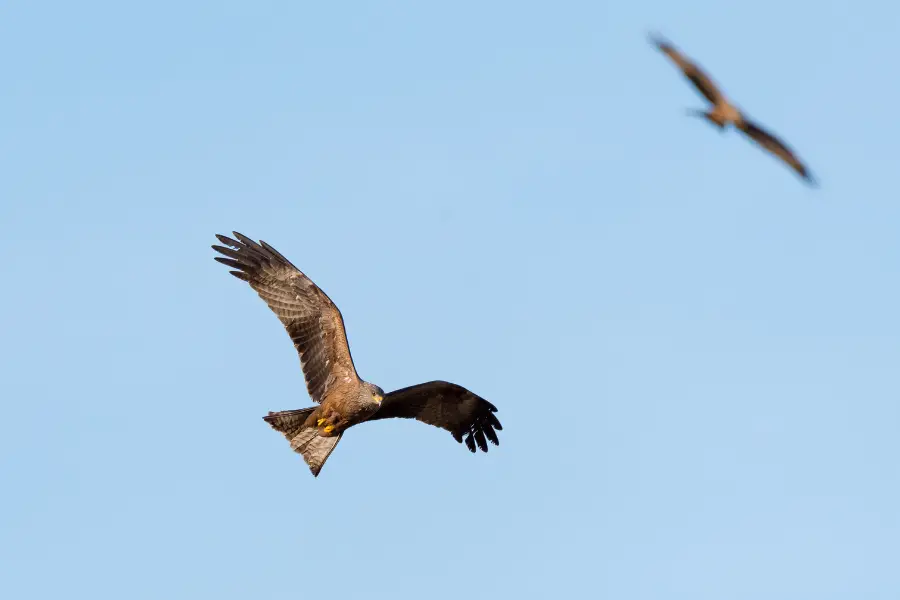
Today, we explore several wildlife-rich sites along the Célé and Vers Valleys, taking in many habitats from cliffs high above the river, to karst limestone grasslands and oak woodlands. Birds that may feature include golden orioles singing from riverside poplars, nightingales and melodious and western Bonelli’s warblers serenading us from the scrub, and woodlarks and black kites in the open pastures.
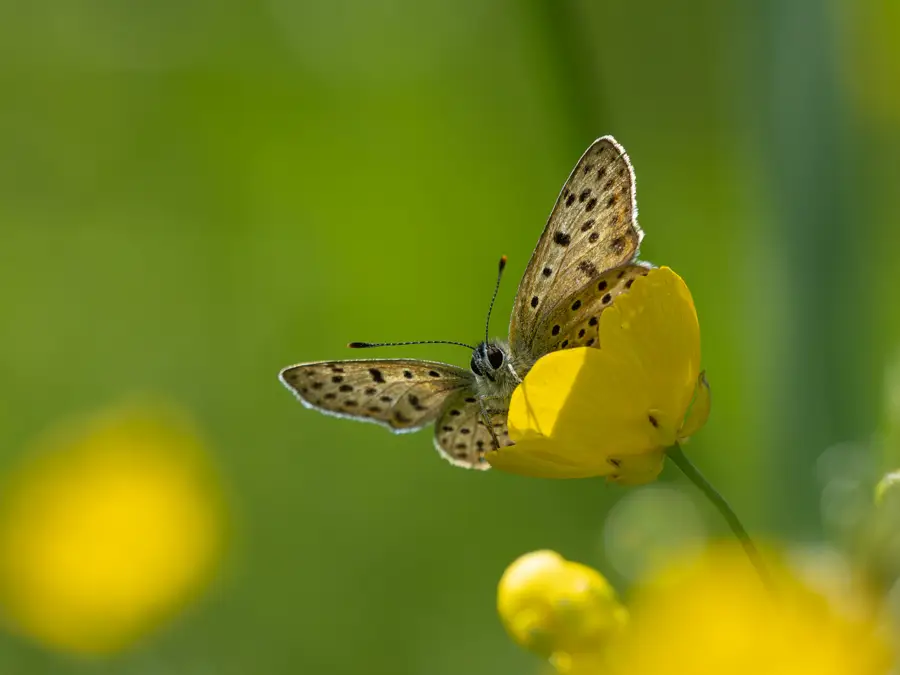
As we pass through the limestone plateaus, there's a colourful spread of wildflowers to enjoy, with orchids galore. As the day warms up, we hope to observe a myriad of butterfly species from adonis, mazarine and small blues, to spotted, dark green, silver-washed and twin-spot fritillary, and hopefully find the striking white admiral and cleopatra, among many others.
Each day involves gentle-paced walks through a variety of habitats, with stops for lunch at a local café or as a picnic out in the field.
-
Day 3:
Les Teyssonnières
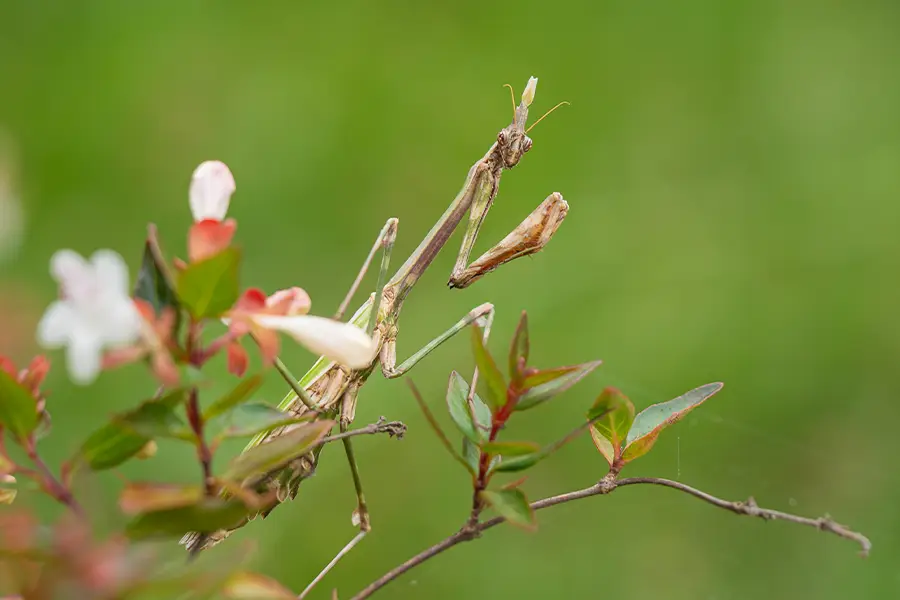
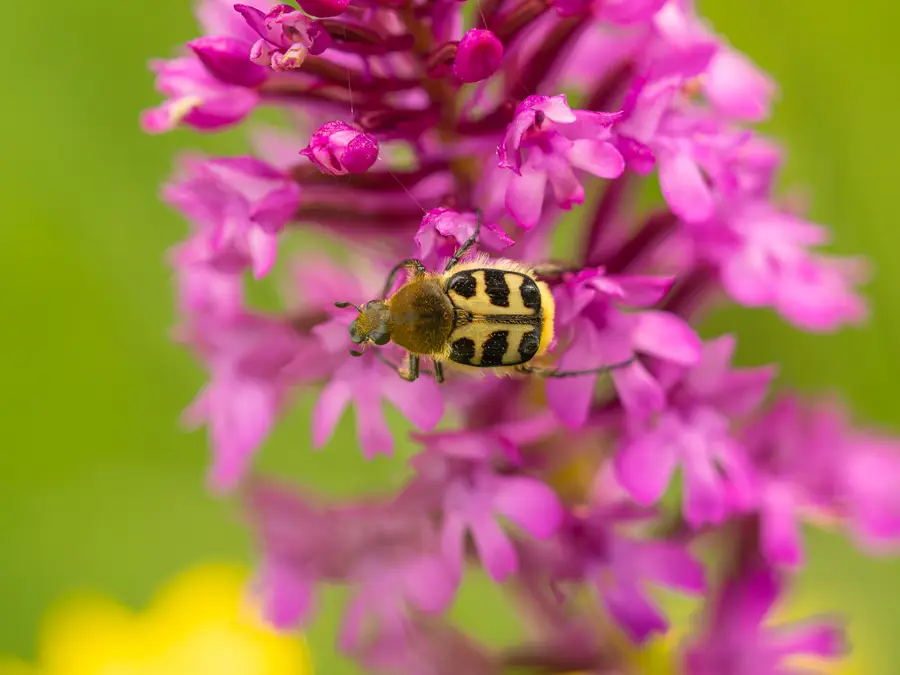
Today, we explore our guide's home at Les Teyssonnières at our own pace. Here, with 12 hectares of oak woodland, juniper scrub, limestone paving and flower-rich meadows to explore, there's a plethora of wildlife highlights. Butterflies are everywhere, and more than 60 species have been recorded at the site, including many spectacular and sought-after species. A closer look amongst the wildflowers may reveal other fascinating insects such as conehead mantis, owly sulphur owlfly and perhaps the beautiful striped shield bug.
Another highlight of our time here is the opportunity to use four dedicated wildlife photography hides that offer the chance of close views and photography with species such as turtle dove, hoopoe, hawfinch, cirl bunting, and red squirrel.
-
Day 4:
Les Arques
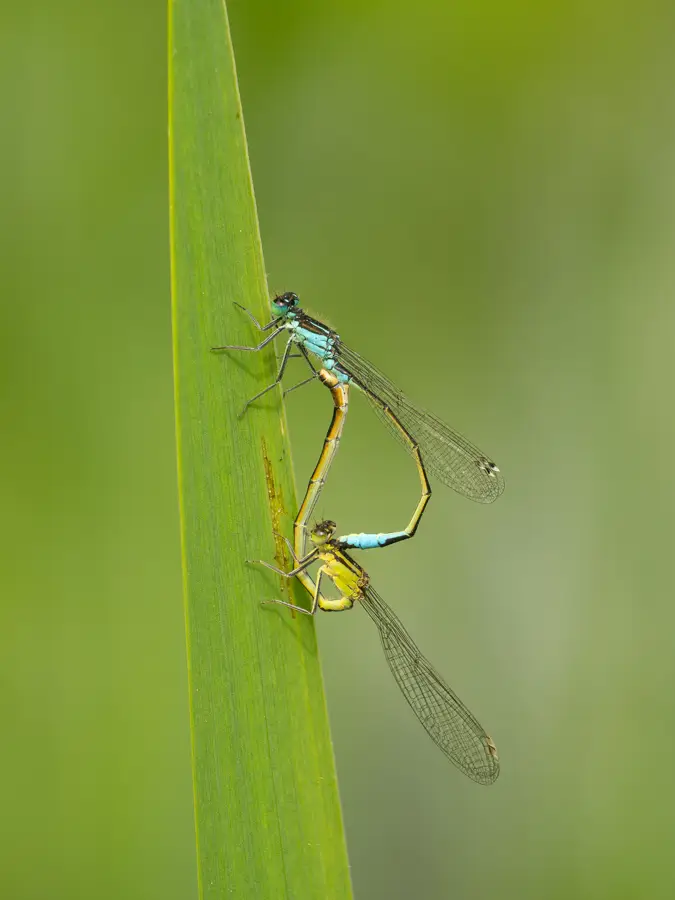
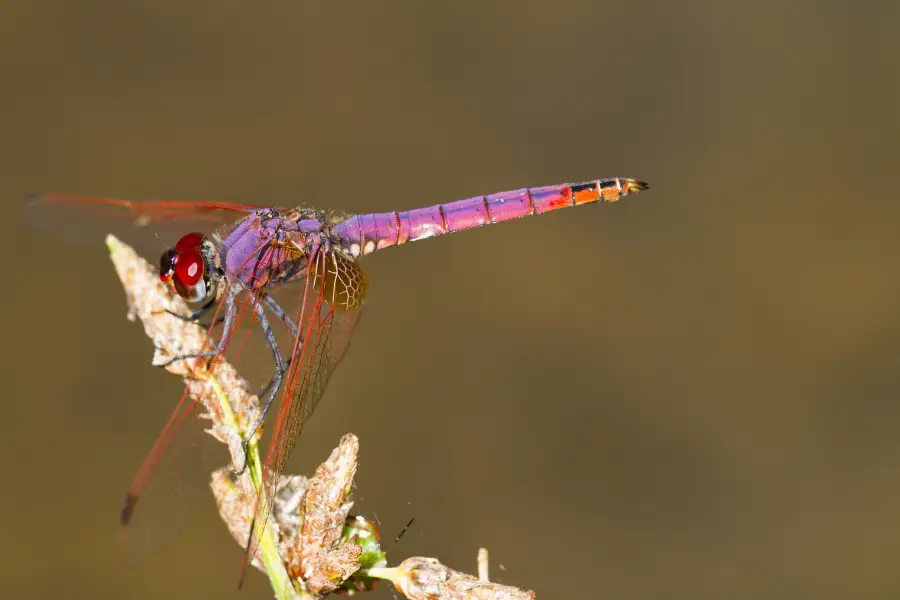
Today, we visit the village of Les Arques and follow a circular walk through its wildflower meadows, marshland, streams and woodland, offering us a different range of butterflies, orchids and birds. Butterflies may include several fritillaries, silver-studded and large blue, while overhead soaring birds of prey may include the magnificent short-toed eagle or a beautifully marked honey buzzard. Around the ponds, we may find Cetti's warbler, kingfisher and a host of dragonflies such as emperor, downy emerald, and banded and beautiful demoiselles.
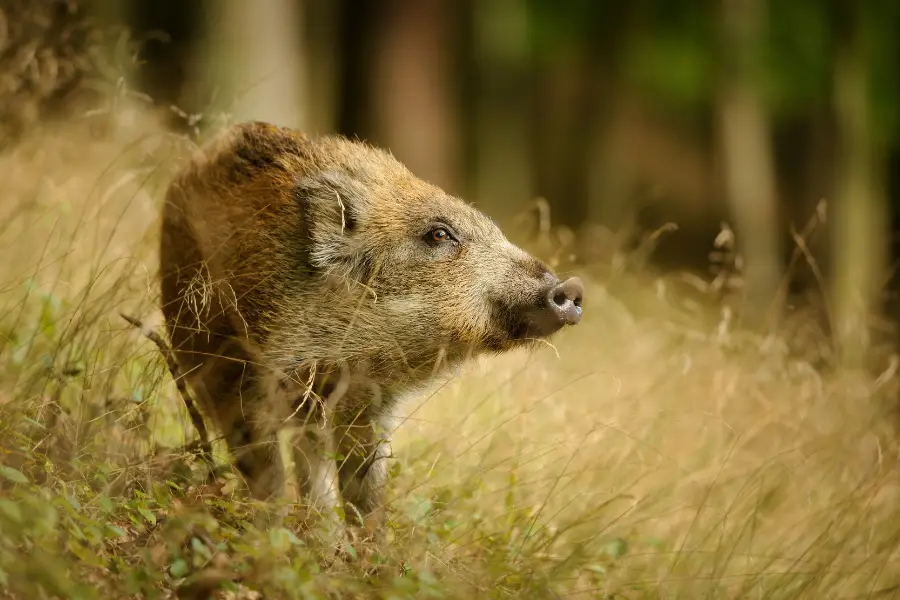
Wild boar, although elusive, are also common in this area alongside other mammals such as roe deer, brown hare and red squirrel.
-
Day 5:
The Quercy Blanc & Phosphatières du Cloup d'Aural
This morning, we explore the open limestone plateau of the Quercy Blanc, where agriculture has created a landscape of fields interspersed with hedgerows and small woodlands that are home to a surprising amount of wildlife. This region is excellent for raptors, and we hope to observe black-winged kite, kestrel and both black and red kites, as well as smaller corn bunting and skylark, among others.
Afterwards, we discover the unique Phosphatières du Cloup d'Aural, a fascinating phosphate mine from the 19th century rich in geology, palaeontology and history. The old mine has created a unique ecosystem in miniature with distinct vegetation, and offers some interesting wildlife opportunities, and the nearby woodlands are home to several species of woodpecker, short-toed treecreeper and various warblers.
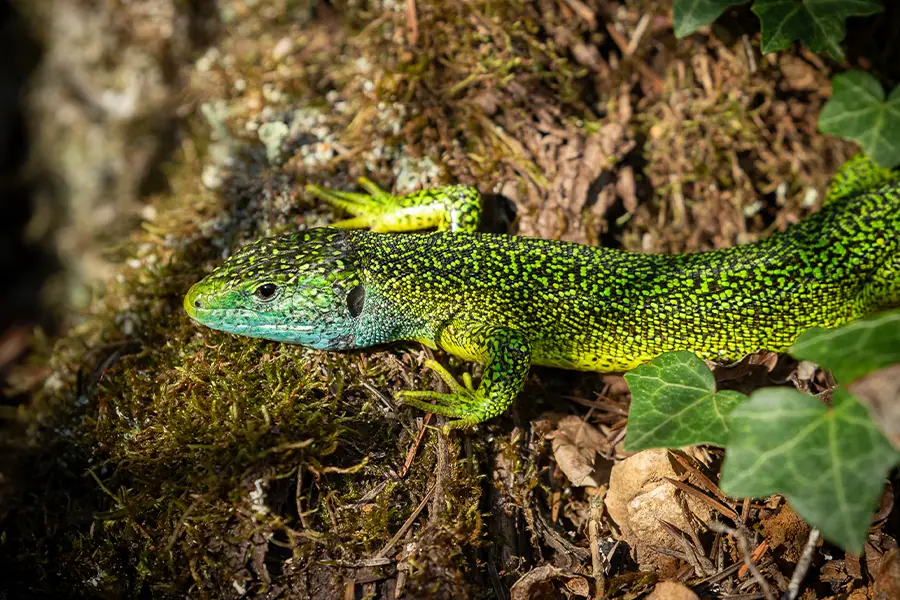
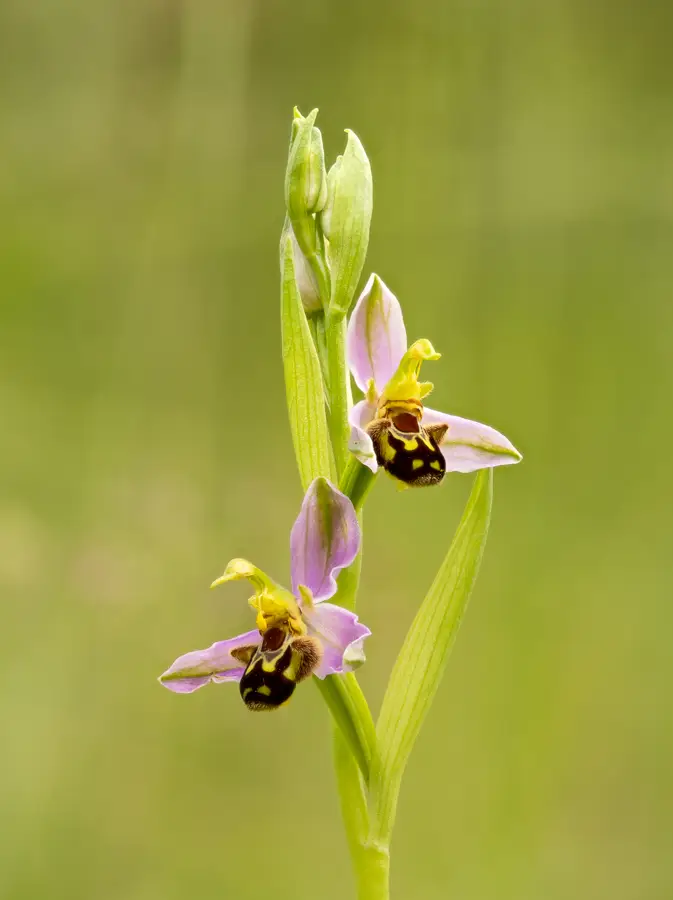
In the afternoon, we amble through quaint hamlets, typical of the Lot Valley, where owlflies patrol the meadows and old stone walls are great places to find basking green and wall lizards, and the occasional Western whip snake. Orchids abound in these meadows and include bee, fly, lady, man, woodcock, early purple, burnt tip, pyramidal, lesser and greater butterfly, green-winged and lizard.
-
Day 6:
Les Landes de Frau & the Lot Valley
Today, we discover the Les Landes de Frau and walk through their acidic heathlands and wetlands, which offer us a different array of species. Butterflies should be abundant, and we hope to find chequered skipper, woodland brown and ilex hairstreak, among others, while a host of dragonflies dart around the ponds.
Nearby pine woodlands contain an impressive array of birdlife, including golden oriole, black woodpecker and various warblers, while snakes and lizards are often seen basking in the sun. The area’s heathland, meanwhile, is home to a special diversity of beetles, spiders and orchids.
-
Day 7:
Pech Merle Caves & a Visit to the Montclar Forest
Today, we divide our time between a visit to the incredible cave system at Pech Merle, which formed around two million years ago and is home to some of the finest cave paintings in the world, and the Montclar Forest.
Through the cave's varied geological history and the influence of water over millennia, this site offers incredible examples of many cave features, from stalactites, stalagmites, columns, draperies, to calcite floors. There are also prehistoric human footprints and scratch marks left by bears.
After visiting the caves, we visit the troglodyte village of Cabrerets with its beautiful riverside setting for lunch, where banded demoiselle, kingfisher, and sometimes otters can be spotted.
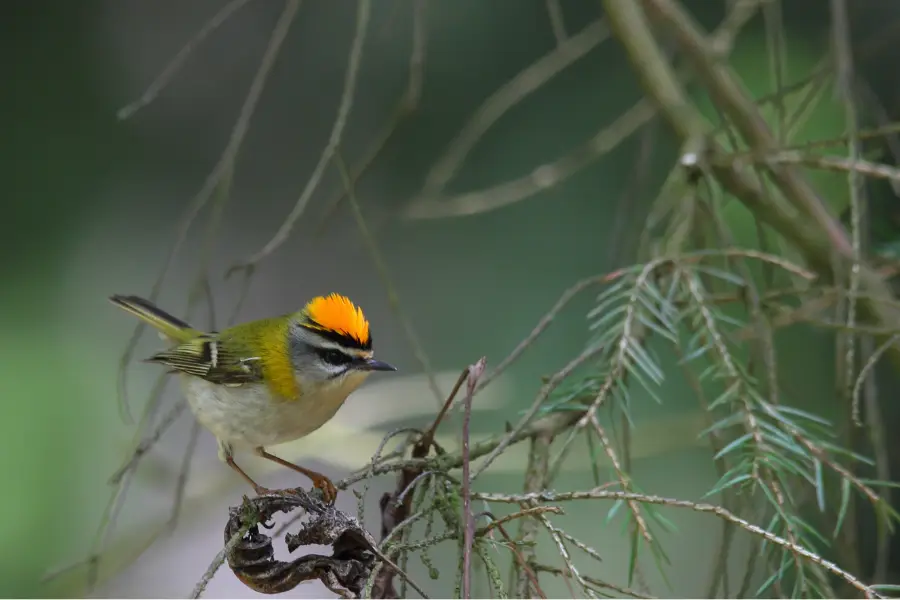
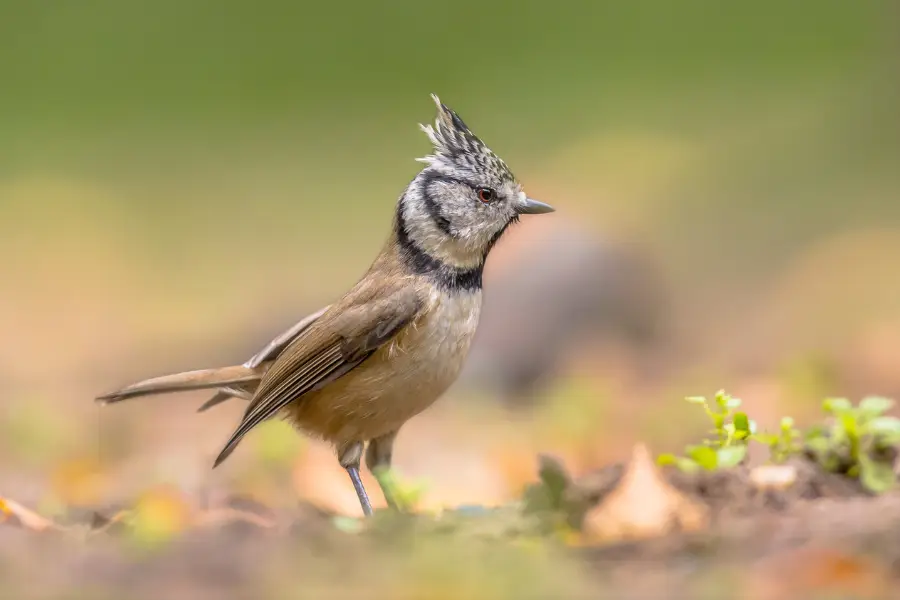
While many of the region’s forests are predominantly oak, at the Montclar forest we can experience a typical pine forest. Here a range of different bird and insect species may be found, including honey buzzard, crested tit, black woodpecker, redstart, woodlark and firecrest, while a vibrant array of orchids fill the meadows.
-
Day 8:
Village of St Cirq Lapopie & Return to UK
This morning, we begin with a visit to the famous hanging village of St Cirq Lapopie. This iconic medieval village is built seemingly precariously above the River Lot and is bursting with charm, with timeless cobbled alleyways, Gothic facades and impressively built stone houses. It's regarded as among the most beautiful villages in all of France.
During our visit, we take in various viewpoints where a selection of birdlife may be seen. Ravens, peregrine falcons, black kites and short-toed eagles often soar along the nearby cliffs, while flocks of screaming swifts and crag martins dash overhead.
After enjoying lunch by the River Lot, we transfer back to Toulouse airport in time for our flight back to the UK.
Please note: Depending on weather conditions, the exact itinerary may vary, ensuring that we make the most of the best weather for certain sites and key species.