A Journey to the Land of the Polar Bears and Woolly Mammoths

Team member Emma Healey recalls memorable wildlife highlights from a voyage to Wrangel Island on the east coast of Russia.
Where?! That’s what I thought when I first heard about Wrangel Island. Go to Moscow…keep going … all the way across ELEVEN time zones to the Far Eastern coast of Russia, get on a boat and travel north into the Arctic Ocean. There! Now I’ve had the chance to go, I feel conflicted between wanting to keep it as the relatively secret place it is and recommending it to as many people as possible. What a place. I’ve never visited the Arctic or Antarctic and this was my first voyage of this kind and, wow, did it deliver.
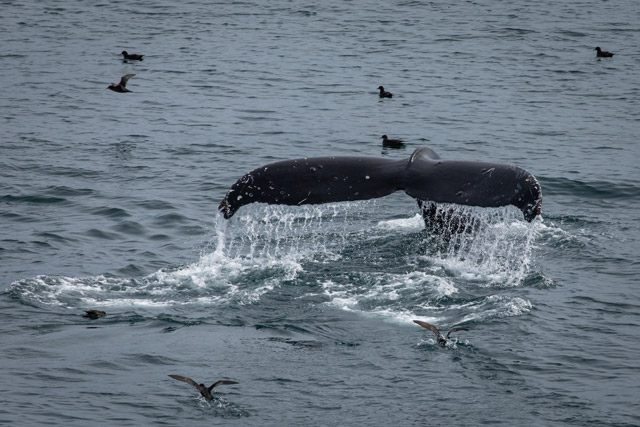
 Before we had even left the dock, we had some great entertainment provided by some belugas and seals in the harbour. What a way to start and the whale sightings had only just begun… During the voyage, we also had great sightings of grey whales, humpbacks and bowhead whales. Our most unique experience was on day two, when we were sailing through open water towards Wrangel Island and the call came out that there were whales to be seen outside. Everyone went out to join those who had already been enjoying the spectacle and the boat slowed to a stop. We were surrounded! Standing on the bow of the ship, every direction I looked in I could see blows or tails of different pods of humpbacks and bowheads. As we were keen to get up towards Wrangel and hit the pack ice, we decided to move on after a while, but before we did, to finish off the incredible sighting, a (approx.) 200 year old bowhead whale swam up from under the bow of the boat surprising everyone who then watched in awe as it showed itself then went back under the water.
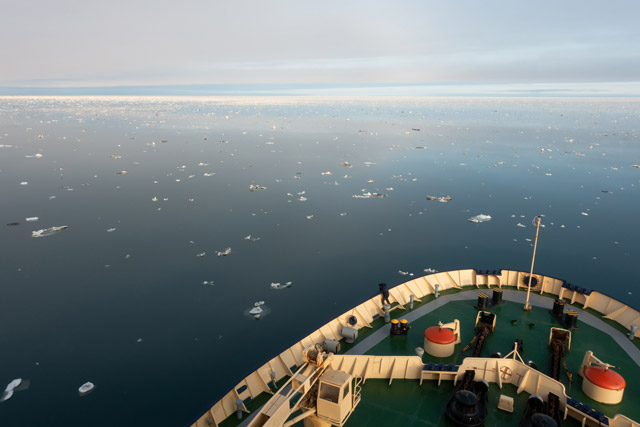
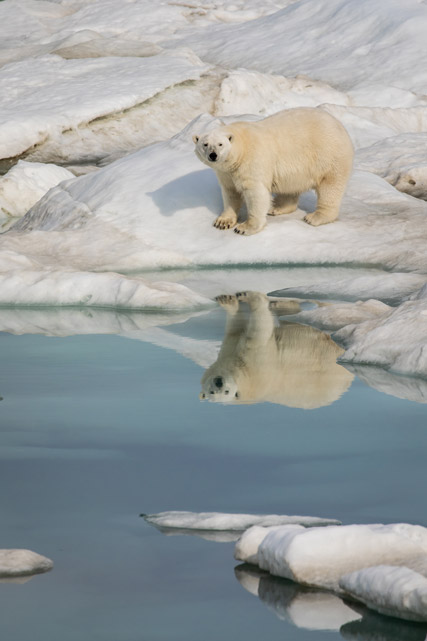
 Sailing through the pack ice was my favourite place to be. I can’t quite describe the feeling of the peace surrounded by mist, ice, beautiful 24 hour light and the anticipation of what might be nearby. We were surrounded by ice as far as the eye can see. On each of those ice floes could be a polar bear so eyes were peeled and cameras handy at all times.
Whoever has seen the bear announces which direction it’s in, e.g. at “10 o’clock” or “next to that big bit of ice over there” (often not the most helpful!) and it can be a challenge to see it but you start off being able to see maybe a white blob lying down, or moving along the ice, possibly even swimming. Gradually the boat slows and quietly gets closer and the bear starts to show an interest. More often than not, their nosiness overrules any fear they may have and they start to approach, deftly crossing any holes between the floes by jumping or jumping in. You can hear the camera shutters clicking and feel the anticipation of everyone on board. Some bears got so close that they were in the shadow of the bow. There are often holes by the floor of the deck, so some of us got lower so we could be as close as possible to the incredible creatures.
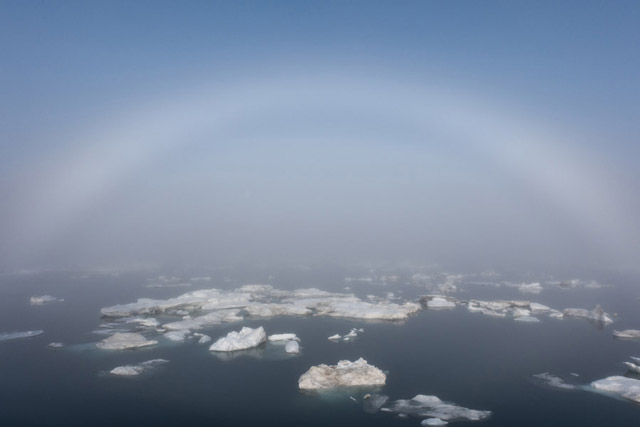
 One morning, I looked out of my porthole when I woke up at 3am and saw that the light and mist was looking the best yet, so I jumped out of bed, got dressed and went outside. I met Joe Cornish on the way out and we admired the view together, being rewarded soon after with an incredible Fogbow, a beautiful phenomenon similar to a rainbow, where the water droplets in the mist reflect the light.
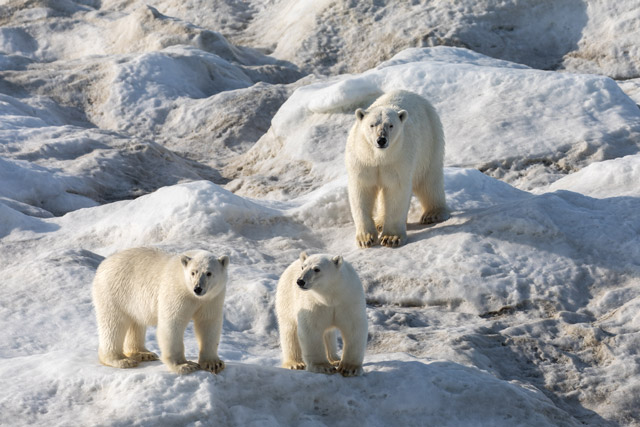
 Gradually more people started to come out to the deck and soon after, we spotted a polar bear on the ice nearby. As soon as it got to around 05:00am the expedition leader made an announcement and we now had about six polar bears in view, including a couple of mothers with cubs in beautiful light. We slowed down and by the time breakfast was served, we’d seen 16 bears. Not a bad start to the day! We saw over 50 bears in total – an unbeatable experience and a real privilege.
 There are also fantastic opportunities to observe walruses, who gave us some unique sightings. We cruised towards a herd of walruses resting on a large ice floe and, as tends to happen, after a while one of them plopped into the sea, followed quickly and systematically by the rest of the herd. We continued slowly moving past them and instead of moving away, they came closer to the ship. Some chose to go towards another ice floe, but a small group gave us an incredible show, swimming along right by the boat until we were only a few feet apart.
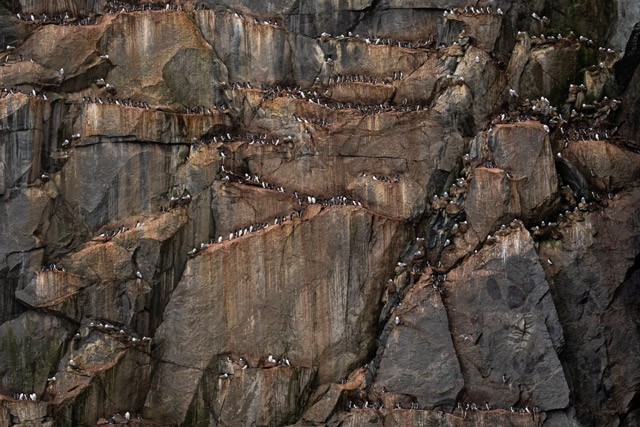
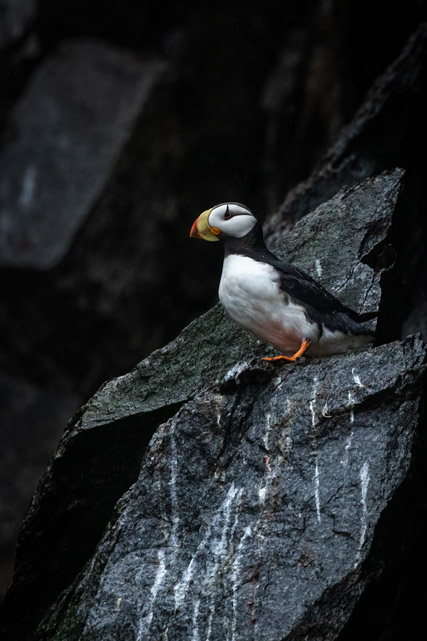
 As well as sightings from the ship, we also had a number of zodiac cruises, making the most of the bird cliffs, where there were numerous kittiwakes, gulls as well as horned and crested puffins and getting us even closer to the whales.
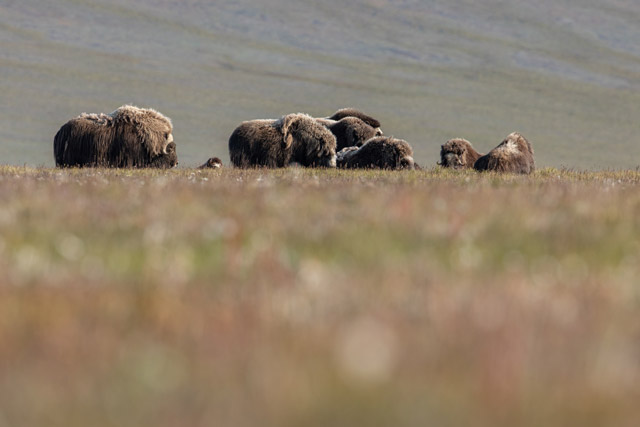
 We had a number of tundra landings and on these, one of the main highlights were the musk ox - easy to see from the ship if they are around, but they tend to spend more time in the valleys. We were lucky to find a herd on the open marshland one day and after a long hike across the marsh, we were close enough to make them out with binoculars/long lenses (you don’t want to get to close once you see the size of them!). On another landing, we were about 300 feet away from a polar bear on one side and a musk ox on the other – very exciting.
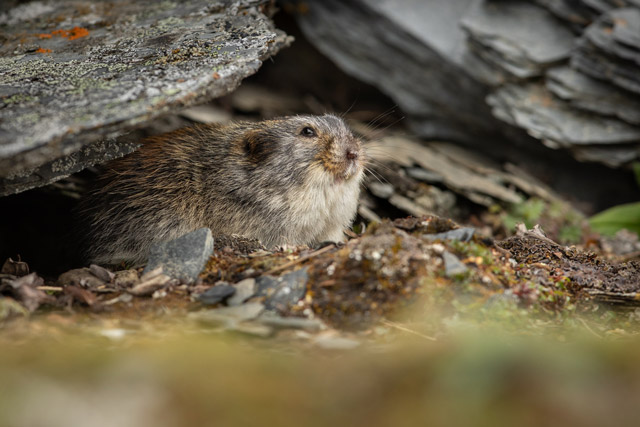
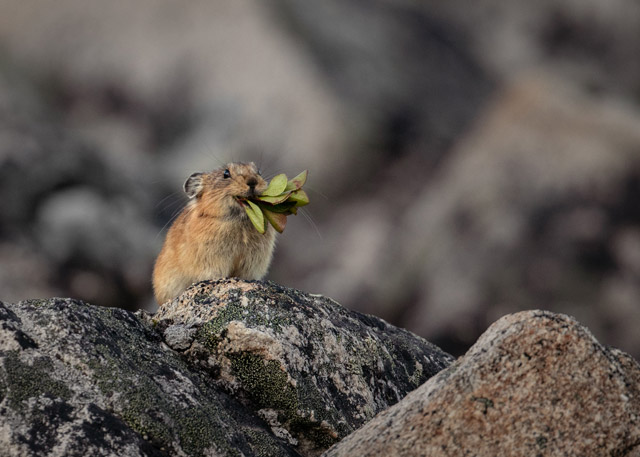
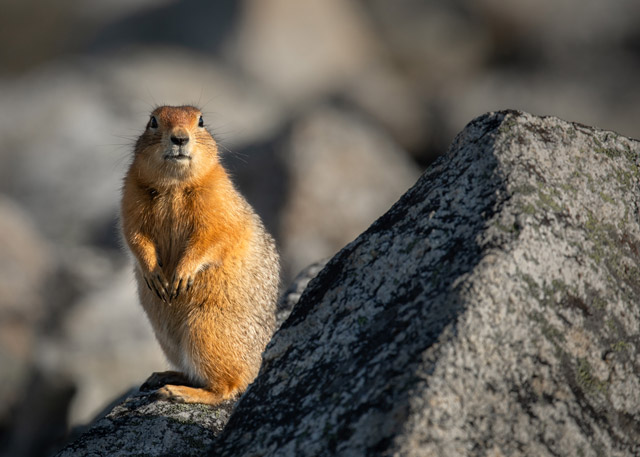
 As well as the big hitters, for me it’s always important to look for the smaller animals and I found a real joy watching the lemmings, pika and ground squirrels in their rocky homes on the tundra. We spent time sitting on the rocks taking in the view, waiting quietly for any little fluffy heads to pop out of their burrows and/or run across the rocks. They have a lot of character!
 This trip is a voyage into the unknown and with all the lectures, knowledge of naturalists and historians on board and references to previous expeditions, it makes you feel like a bonafide explorer. I can’t recommend it enough.
View all our wildlife cruises, our polar bear watching holidays and our whale watching holidays or contact our team today.